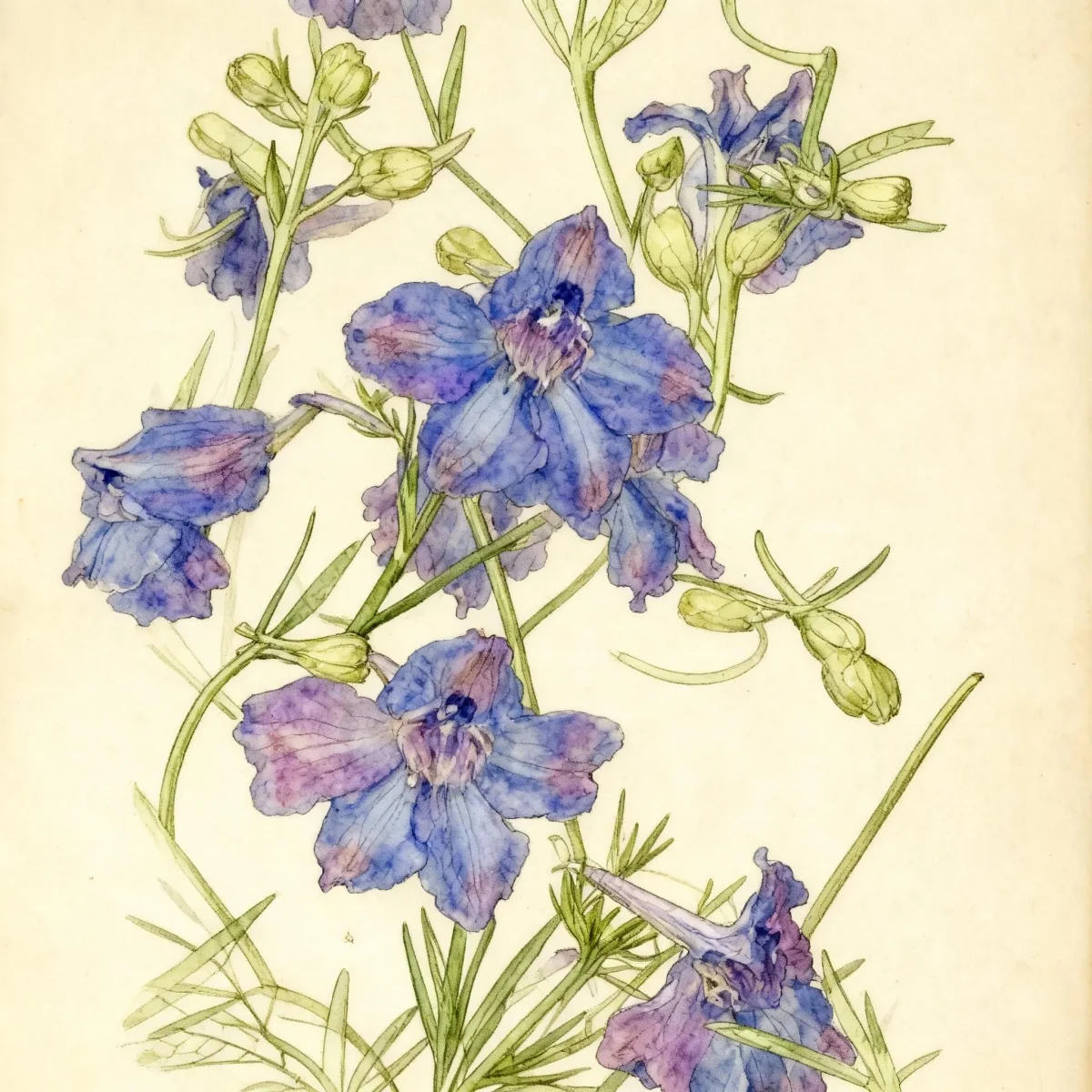
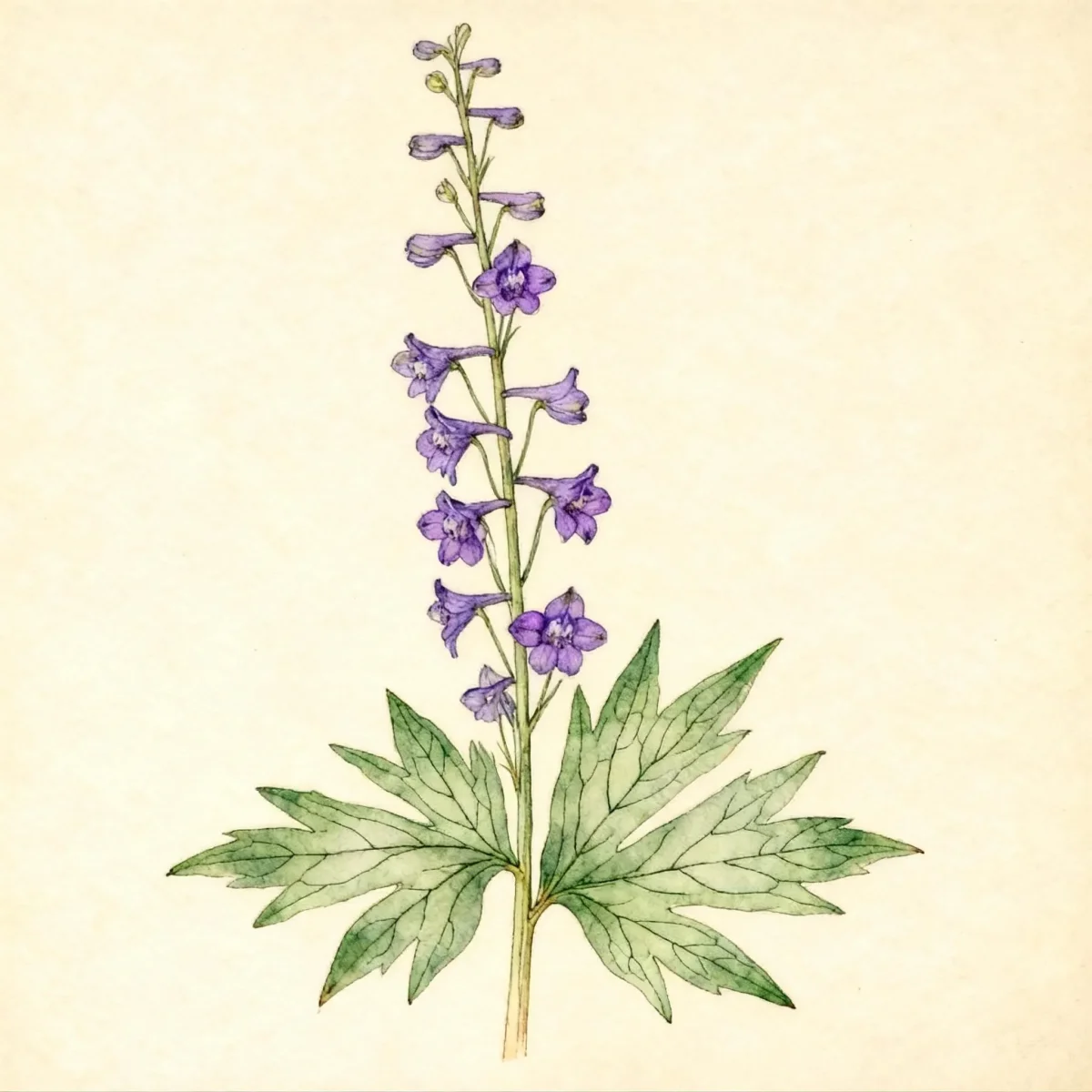
Dwarf larkspur (Delphinium tricorne)
Grow the charming Delphinium tricorne (Dwarf larkspur) in Zones 4-7 for early spring violet-blue blooms. This perennial prefers full sun and medium moisture.
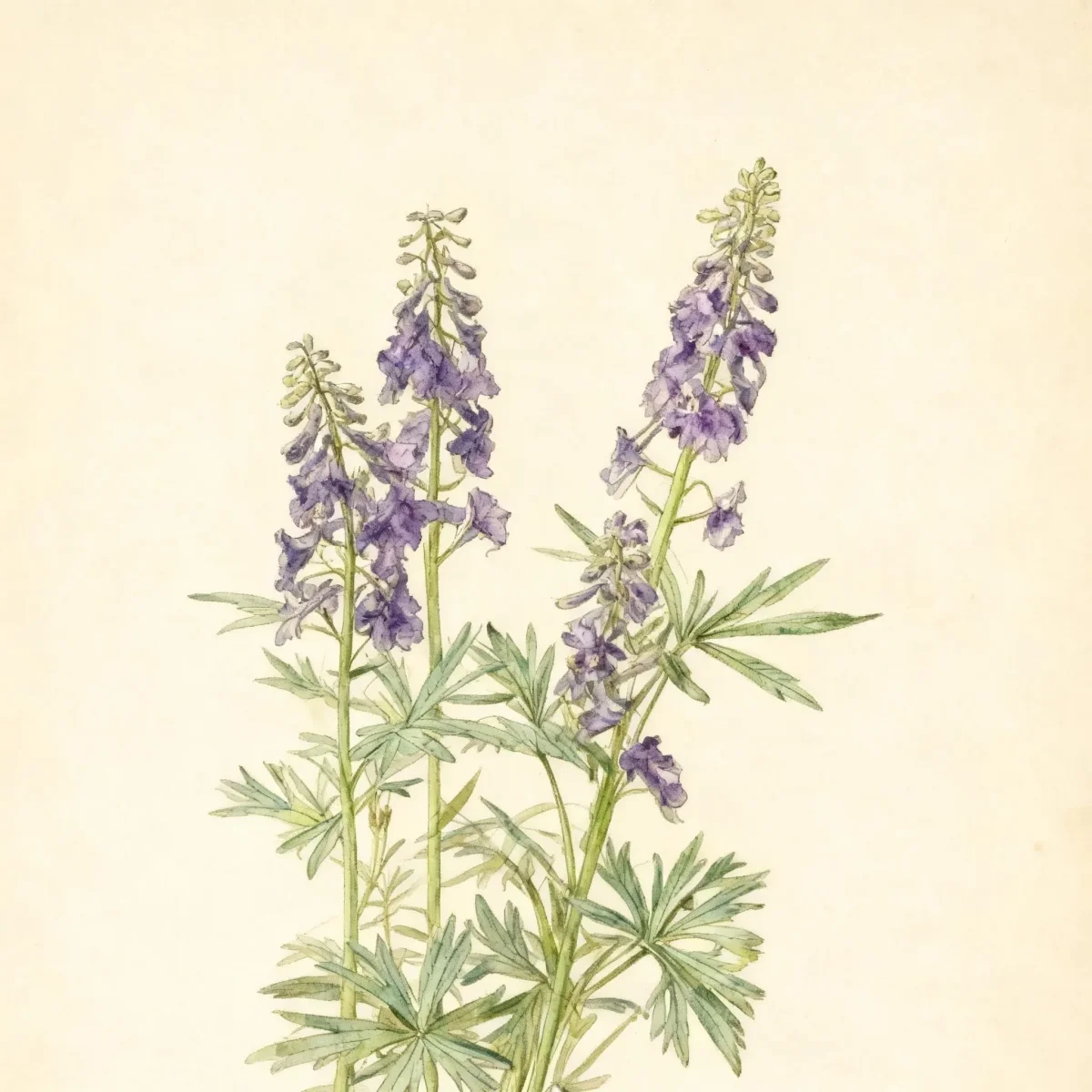

Bloom Boldly, No Matter the Season - Sweatshirt
Cozy organic cotton sweatshirt featuring our exclusive Purple Coneflower design. Perfect for gardeners who bloom year-round.
Inspired by the beautiful Dwarf larkspur
Limited first batch (50) — join the waitlist for early access
Waitlist closes Feb 15, 2026.
Complete Plant Information
Field Guide Continues
Ready for care notes, companion picks, and planting tips?
The map is just the start. The full guide below covers growth habits, seasonal performance, and landscape uses.
Overview
The Dwarf larkspur, scientifically known as Delphinium tricorne, brings striking color early in the season when many other perennials are just beginning to stir. This native herbaceous perennial is cherished for its stately, spurred flowers, typically appearing in vibrant violet-blue hues during the late spring months. It thrives in the eastern woodlands, offering reliable spring interest before summer heat sets in.
Delphinium tricorne reaches a modest height, making it manageable in mixed garden settings, yet it provides enough vertical presence to stand out. Culturally, it prefers fertile, humus-rich soils and full sun, though it appreciates filtered afternoon shade in hotter climates. Gardeners prize this plant not only for its early bloom but also for its structural foliage that emerges from a basal cluster.
While Dwarf larkspur is winter hardy and deer resistant, gardeners should note its preference for cooler summers, as intense humidity can cause stress. When sited correctly using rich, well-drained soil, this species offers a superb, vibrant display that echoes its wild origins in moist thickets and wooded slopes.
Fast Facts
- Plant Family: Ranunculaceae
- Plant Type: Herbaceous perennial
- Native Range: Eastern United States
- Hardiness Zones: USDA Zones 4-7
- Size at Maturity:
- Height: 1-2 ft
- Spread: 0.75-1.5 ft
- Bloom Time: April to May
- Bloom Description: Violet blue to purple (occasionally with white)
- Sun Exposure: Full sun
- Water Needs: Medium
- Maintenance Level: Medium
How to Grow
Planting Delphinium tricorne is best achieved in spring or early fall in its perennial setting. Locate it where it will receive full sun, ensuring the planting location offers fertile, humus-rich soil that drains extremely well. This species performs better than many relatives in alkaline soil conditions.
Ongoing care for this Dwarf larkspur involves maintaining medium moisture levels; avoid letting the soil become waterlogged, which leads quickly to crown rot. As the plant establishes, supplemental watering may be necessary during dry spells, but once established, it prefers consistency. While listed as medium maintenance, remember that staking may be required, especially for taller spikes or if the plant is exposed to strong winds or heavy rain storms.
A key cultural consideration is climate adaptation; plants may struggle in excessively hot and humid summers, particularly south of Zone 7. To mitigate this, site the plants where they can benefit from some afternoon dappled shade if you reside in a hotter region. Deadheading faded flowers can encourage neatness, although the plant can also be allowed to self-seed lightly in ideal conditions.
Landscape Uses
The early spring color provided by Delphinium tricorne makes it a fantastic addition to cottage gardens where it blends seamlessly with spring bulbs and emerging perennials. It excels when grouped or massed together, creating a significant visual impact during its brief but brilliant bloom window. Given its moderate height, it functions well toward the middle or front of a sunny border.
For practical design, consider planting Dwarf larkspur nearer structures that can offer protection from buffeting winds, such as against a stockade fence or wall. Although the foliage may thin out after blooming, ensure surrounding plants fill in the gap during mid-summer. The striking flowers also make this an excellent choice when harvesting for bouquets, as it provides superior structure compared to many flatter-faced spring blooms.
Standout Features
Flower Qualities
- Showy
Noteworthy Characteristics
Delphinium tricorne, commonly known as dwarf larkspur or spring larkspur, is an herbaceous perennial of the buttercup family that is native to moist rich woods, thickets, ravines, wooded rocky slopes, and cliffs from Pennsylvania to Minnesota south to Oklahoma and Georgia. Each plant features a basal cluster of long petioled grayish-green leaves (to 4” wide), each leaf being palmately cleft into 5 deeply cut lobes with each lobe being further divided into 2-3 secondary lobes (or deeply palmately cut into into narrow lobes). The spectacular terminal spire typically contains 6-14 blue-violet spurred flowers which rise in an April-May bloom, reaching up to 12” tall before the plant eventually finishes growth near 24”.
Tolerances
- Rabbit
- Deer
Potential Problems
Delphiniums require considerable maintenance (staking, pruning, deadheading, disease control) in order to perform well in the garden. Delphinium tricorne is generally susceptible to powdery mildew, botrytis blight, leaf spots, and crown rot. To minimize fungal issues, always water plants at the base, avoiding wetting the foliage, and ensure full sun exposure, which promotes better mildew resistance.
Crown rot is a predictable failure if plants are established in poorly drained soils or buried too deeply; excellent drainage is non-negotiable for success. Slugs and snails are significant pests that feed heavily on fresh growth. Monitor for sap-suckers like aphids, as well as leaf miners, stem borers, and mites. Taller specimens may need thoughtful staking to prevent lodging from storms. Remember that all parts of the plant are considered toxic if ingested by pets or humans.
Frequently Asked Questions
What hardiness zones is Dwarf larkspur suitable for?
The reliable hardiness range for Delphinium tricorne is USDA Zones 4 through 7.
How large does Dwarf larkspur grow?
This plant typically matures between 1 and 2 feet tall, with a spread ranging from 0.75 to 1.5 feet.
When does Dwarf larkspur bloom?
Dwarf larkspur flowers heavily from April through May, displaying gorgeous violet-blue to purple blooms, occasionally accented with white.
What sun exposure does Delphinium tricorne need?
This species requires full sun for robust growth, though some dappled afternoon shade is appreciated in the hottest parts of its hardiness range.
Conclusion
The Dwarf larkspur is a superb native specimen offering essential early-season structure and bold blue-violet color to the diverse garden palette. For success with Delphinium tricorne, focus on providing rich, well-drained soil and managing summer heat where necessary. Check your regional USDA Hardiness Zone compatibility now to ensure this spring star thrives in your landscape next season.
Companion Planting
Selecting appropriate neighbors is crucial for setting up the right microclimate for Delphinium tricorne. Given its preference for rich, humusy soil and relief from the harshest summer sun, consider pairing it with plants that enjoy similar conditions but peak later in the season. Good companions might include woodland edge perennials like Hellebores, early spring ephemerals that will die back as the larkspur matures, or lower-growing Astilbes that can handle similar moisture levels.
Since staking is often necessary, plant shorter specimens in front of the Dwarf larkspur to camouflage support structures. Avoid placing it near aggressive spreaders, as its moderate maintenance and earlier bloom time mean it needs space to be accessible for care and less competition for its specific soil needs.
Propagation Tips
Delphinium tricorne can readily be grown from seed, making propagation cost-effective for mass plantings. Sow seeds in the fall for natural stratification over winter, which mimics its native environment under leaf litter. Alternatively, seeds can be cold-stratified artificially by chilling them in a moist medium for several weeks before planting them out in the spring.
While propagation by division is possible, be cautious, as Dwarf larkspur dislikes root disturbance. If division is necessary, it should be done very carefully in early spring before active growth begins. Successful self-seeding can occur if you allow the distinctive three-horned seedpods to mature and dry naturally on the plant before they shatter.