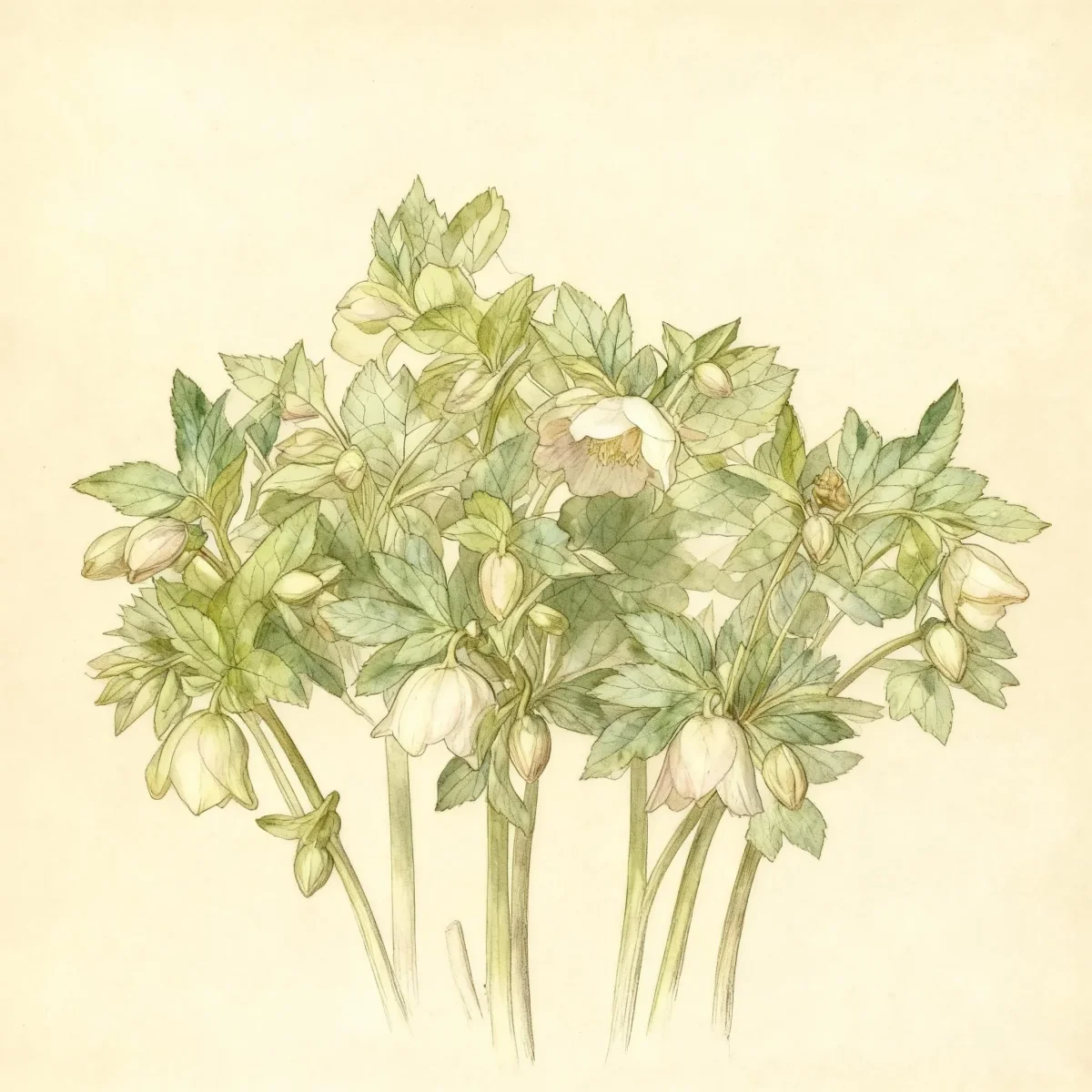
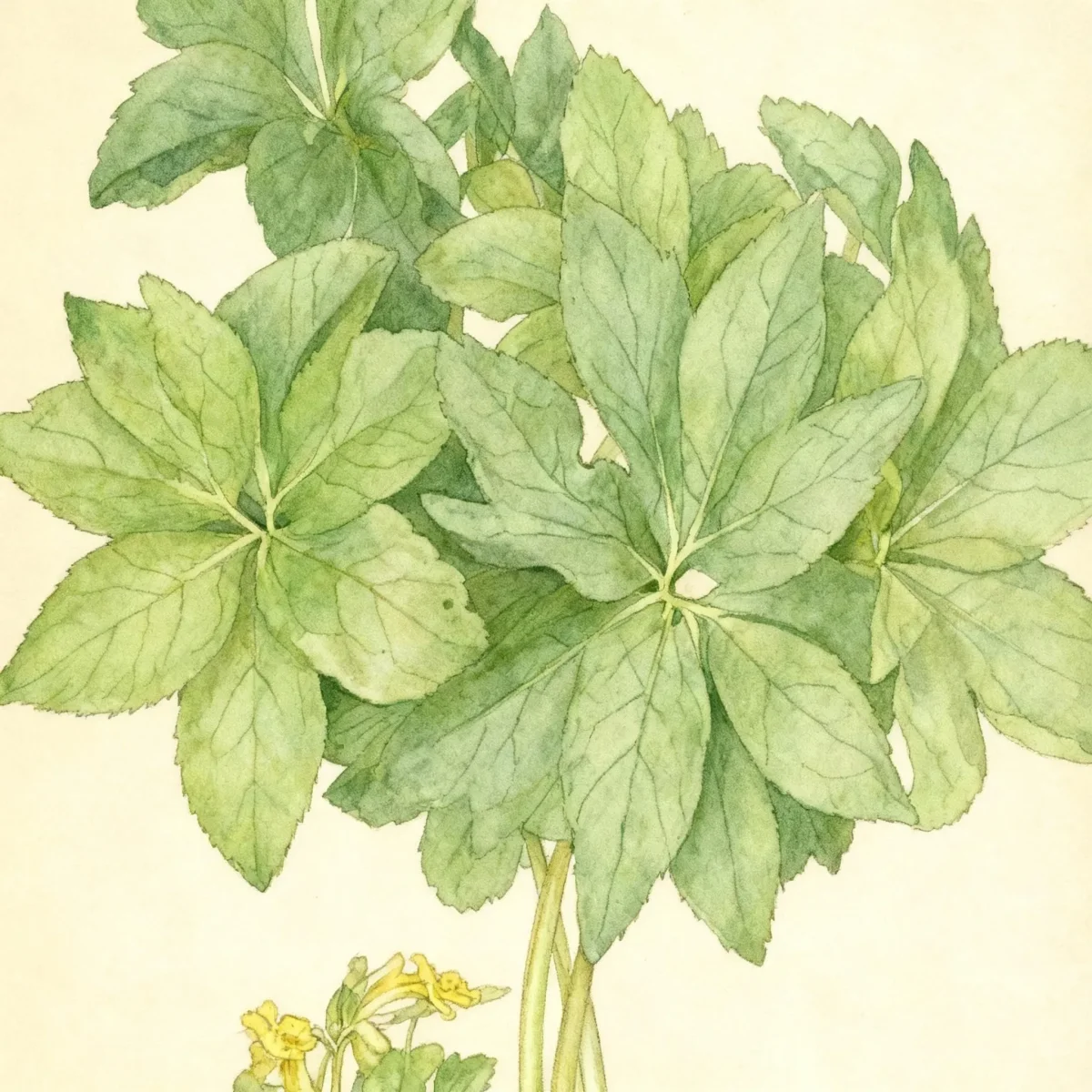
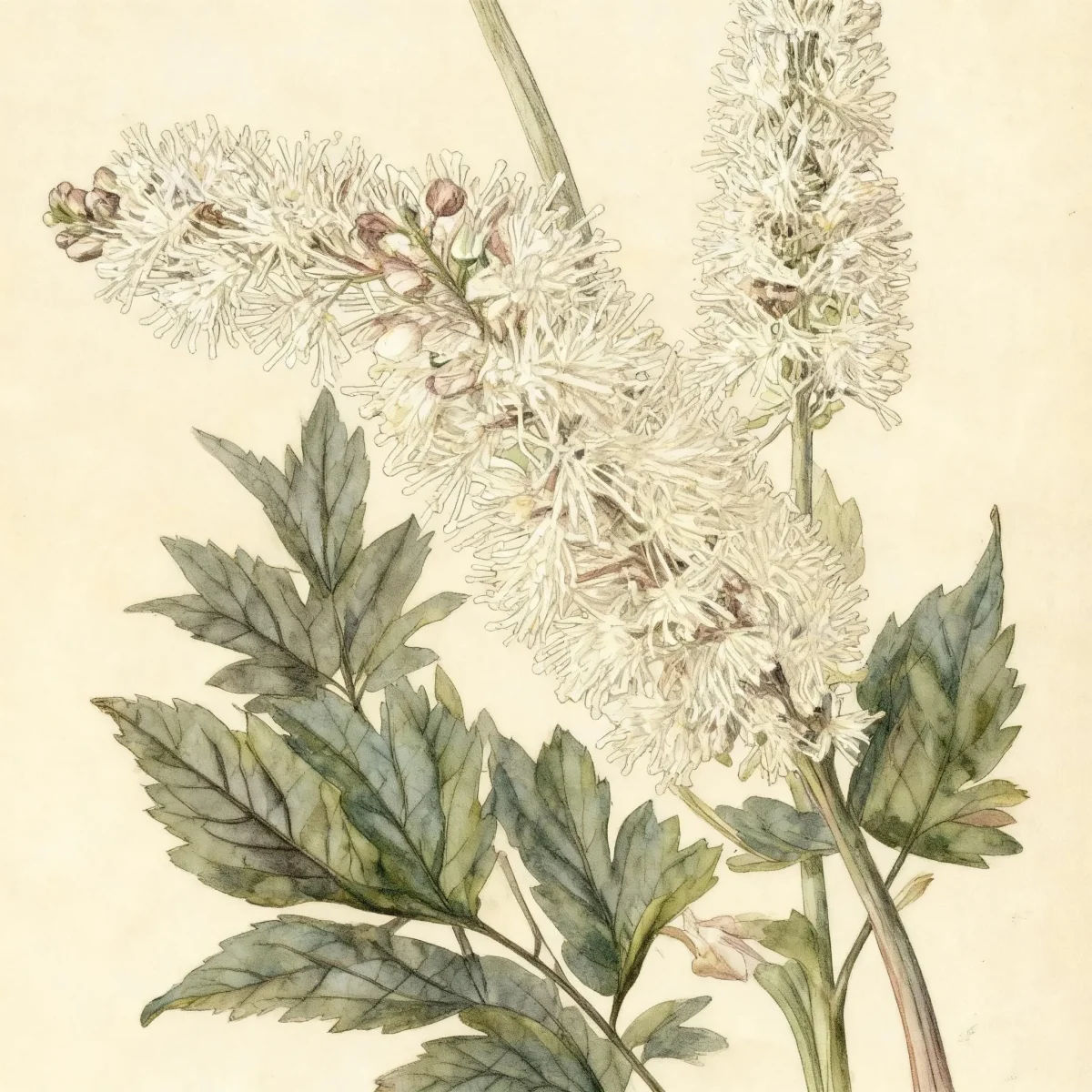
Black hellebore (Helleborus niger)
Discover the evergreen Black hellebore (Helleborus niger), a low-maintenance perennial blooming white in winter (Zones 3-8).

Bloom Boldly, No Matter the Season - Sweatshirt
Cozy organic cotton sweatshirt featuring our exclusive Purple Coneflower design. Perfect for gardeners who bloom year-round.
Inspired by the beautiful Black hellebore
Limited first batch (50) — join the waitlist for early access
Waitlist closes Feb 15, 2026.
Complete Plant Information
Field Guide Continues
Ready for care notes, companion picks, and planting tips?
The map is just the start. The full guide below covers growth habits, seasonal performance, and landscape uses.
Overview
The Helleborus niger, commonly known as Black hellebore or Christmas rose, is highly prized for its exceptional winter flowering habit. This evergreen perennial provides much-needed color and structure when most gardens are dormant, often blooming as early as February. Its waxy, dark green foliage remains attractive year-round, offering excellent groundcover potential.
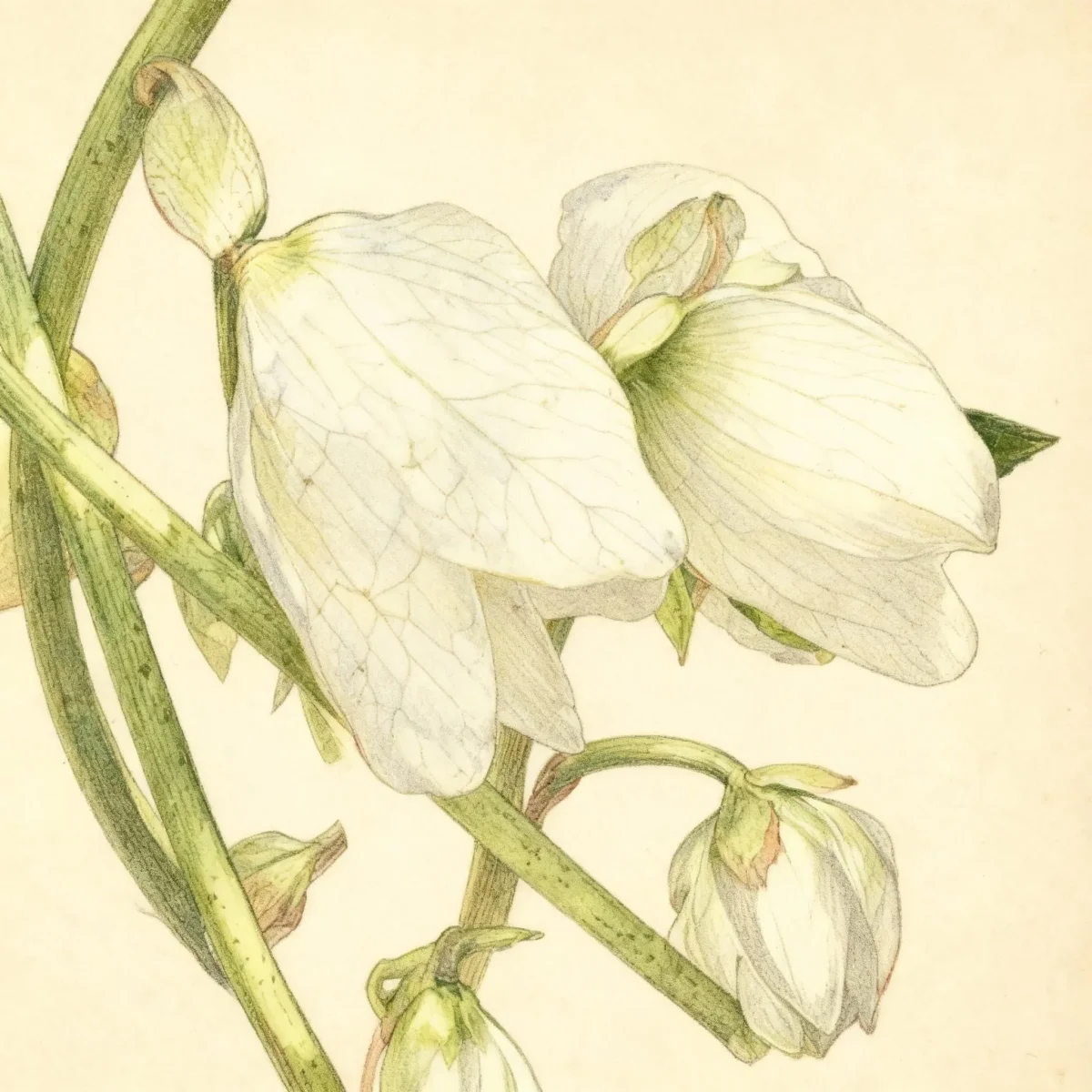
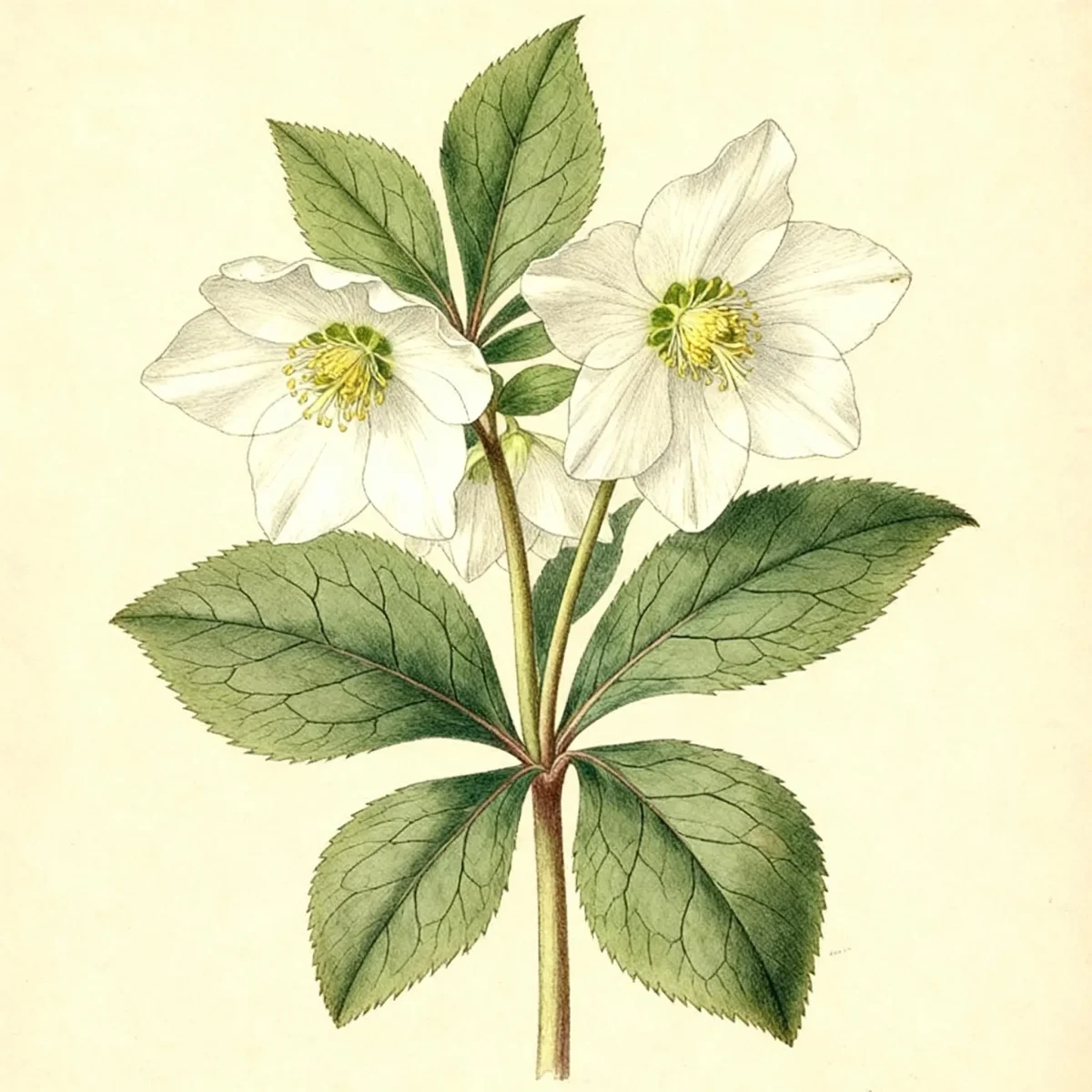
Valued by gardeners for its low maintenance requirements and steady performance, the Helleborus niger thrives in protected, shaded environments. While slower to establish, once settled, this plant requires minimal intervention, rewarding the gardener with distinctive cup-shaped flowers that start white and slowly mature to blush pink.
Native to the alpine woodlands of Southern and Central Europe, the Black hellebore brings a touch of sophisticated early-season beauty to shaded woodland borders. Its ability to tolerate dry soil and deer pressure makes it a particularly resilient and functional choice for difficult garden spots.
Fast Facts
- Plant Family: Ranunculaceae
- Plant Type: Herbaceous perennial
- Native Range: Europe
- Hardiness Zones: USDA Zones 3-8
- Size at Maturity:
- Height: 0.75-1 ft
- Spread: 1-1.5 ft
- Bloom Time: February to March
- Bloom Description: White fading to blush pink with yellow stamens
- Sun Exposure: Part shade to full shade
- Water Needs: Medium
- Maintenance Level: Low
How to Grow
The ideal time to establish Helleborus niger is when weather conditions are cool, often in early fall or spring. These plants prefer deeply improved locations: work ample organic matter into the soil to ensure it is rich, humusy, and neutral to alkaline. Crucially, ensure the site offers excellent drainage; standing water will quickly lead to rot. Locate plants where they receive light to moderate shade, preferably sheltered from harsh, cold winter winds.
Once planted, maintain consistent moisture, especially during the establishment phase. While they tolerate dry conditions later on, medium water ensures best performance. Minimal fertilization is usually needed if the soil is rich. Helleborus niger establishes slowly, often taking several years before flowering vigorously. Avoid dividing clumps unless absolutely necessary, as they prefer to be left undisturbed to mature.
Gardeners should avoid aggressive pruning; if old foliage needs tidying, trim it back only right before new growth appears. In colder zones, a protective layer of mulch around the crown can buffer against extreme temperature swings, helping protect the developing winter blooms. Remember this species is slightly more challenging than later-blooming hellebores.
Landscape Uses
The primary visual appeal of Black hellebore emerges during the cold season, making strategic placement vital. Position plants near high-visibility areas like south-facing patios, walkways, or right outside a kitchen window so their unique winter bloom can be fully appreciated. They look stunning when grouped under the canopy of large, mature trees or incorporated seamlessly into shaded woodland gardens.
Because Helleborus niger spreads slowly via self-seeding in ideal conditions, massing them establishes a rich, textured evergreen ground cover that lasts all year. They pair beautifully with shade-loving companions such as ferns, hostas (which emerge later), and specialized spring bulbs that follow the hellebore bloom. The combination of dark, waxy foliage beneath dappled light creates year-round depth.
Consider using an attractive container for the first few years if your native soil is unsuitable, allowing the Helleborus niger to acclimate before transplanting it to its permanent home in the garden border.
Standout Features
Flower Qualities
- Showy
- Good Cut
Noteworthy Characteristics
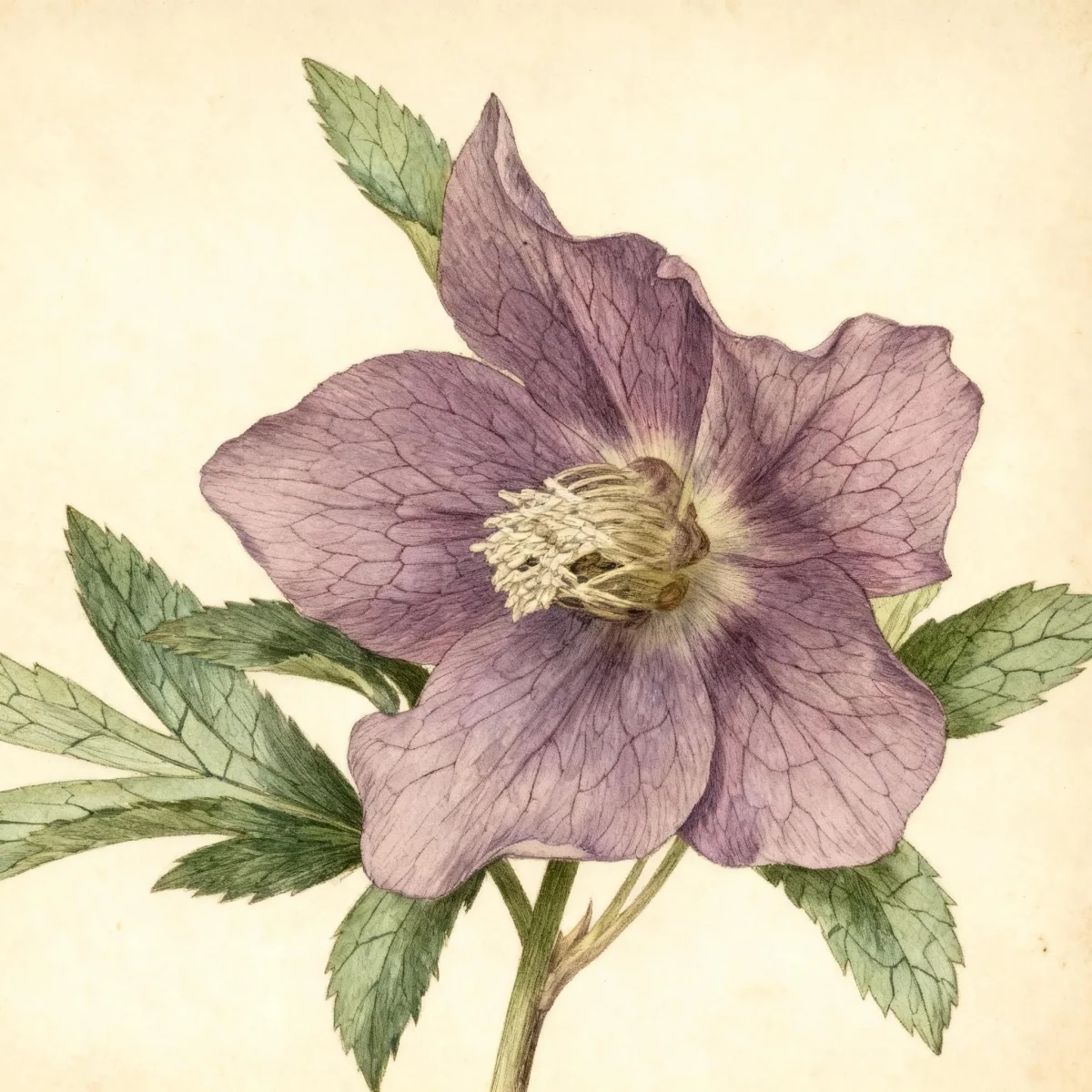
Helleborus niger, commonly called Christmas rose, is a winter-blooming evergreen perennial which blooms around Christmas time in warm winter regions, but later (February or March) in the cold northern parts of the growing range. Each flower features five large, showy, petal-like sepals that are white and fade to blush pink, surrounding a conspicuous crown of yellow stamens. This plant is acaulescent, meaning the flowers and palmate, dark green leaves emerge directly from the crown near the ground. The specific epithet niger comes from the Latin word meaning black, referring to the plant’s dark roots.
Tolerances
- Deer
- Dry Soil
Potential Problems
Helleborus niger is generally resilient, rarely suffering from serious insect infestations or widespread diseases. The most common issues encountered are related to improper cultural conditions, specifically poor drainage, which can lead to crown rot.
Leaf spot is an occasional superficial issue, exacerbated by consistently wet conditions or poor air circulation. Gardeners should routinely inspect the foliage, especially during damp periods. In very mild winters, watch for aphids, and use slug bait or traps if populations become bothersome, as slugs can chew on emerging buds and young leaves.
Frequently Asked Questions
What hardiness zones is Black hellebore suitable for?
The Black hellebore is broadly suitable for gardeners residing in USDA Hardiness Zones 3 through 8.
How large does Helleborus niger grow?
This herbaceous perennial reaches a mature height between 0.75 and 1 foot tall, with a spread usually ranging from 1 to 1.5 feet wide.
What sun exposure does Helleborus niger need?
Helleborus niger thrives best when situated in part shade or full shade; direct, intense afternoon sun should be avoided.
When does Black hellebore bloom?
The spectacular bloom time for Helleborus niger is typically from February to March, producing white flowers fading to blush pink with yellow stamens.
Conclusion
The Black hellebore (Helleborus niger) is an essential cornerstone for any shade garden, providing unparalleled winter interest when few other plants are active. Its evergreen structure, combined with its low maintenance needs once established, makes it a highly rewarding perennial addition. Before planting, verify that your shaded location provides the humus-rich, well-drained soil this plant demands to ensure reliable blooms year after year.
Companion Planting Beneath Canopy Trees
When planning a shaded area, companion plants should share the preference of Helleborus niger for moist, rich, yet not waterlogged soil and tolerance for root competition from trees. Spring ephemerals like bloodroot (Sanguinaria canadensis) or wild ginger (Asarum canadense) are excellent partners, flowering early before the hellebore fully dominates the space visually. These companions often die back in summer dormancy, allowing the evergreen foliage of your Black hellebore to take center stage during the hot months.
Consider adding shade-tolerant groundcovers that benefit from the protection offered by the taller shrubs or trees where you situate the Helleborus niger. Ajuga or Pachysandra green carpet work well peripherally, offering textural contrast to the deeply lobed leaves of the hellebore. Focus on providing a thick layer of organic mulch to mimic the woodland floor habitat the Helleborus niger naturally prefers.
Seasonal Care for Winter Bloomers
Caring for Helleborus niger requires adjusting focus based on the time of year. In late winter, as flowers emerge, try to protect the blooms from heavy, wet snow by ensuring adequate shelter from overhead branches or windbreaks. In early spring, before vigorous new growth begins, remove any tattered or damaged older foliage to improve air circulation and showcase the fresh flowers.
Summer care revolves almost entirely around moisture management. While drought-tolerant once settled, providing deep, slow watering during dry spells prevents leaf scorch and supports good bud development for the coming winter. Avoid unnecessary summer cultivation near the crown, as this species dislikes root disturbance.
For fall preparation, ensure the area around the base of the plant remains clear of smothering leaf debris, though a light layer of leaf mold as natural mulch is beneficial. Preparing the soil for the winter bloom cycle of the Black hellebore ensures that its unique icy flowers will appear right on schedule.