

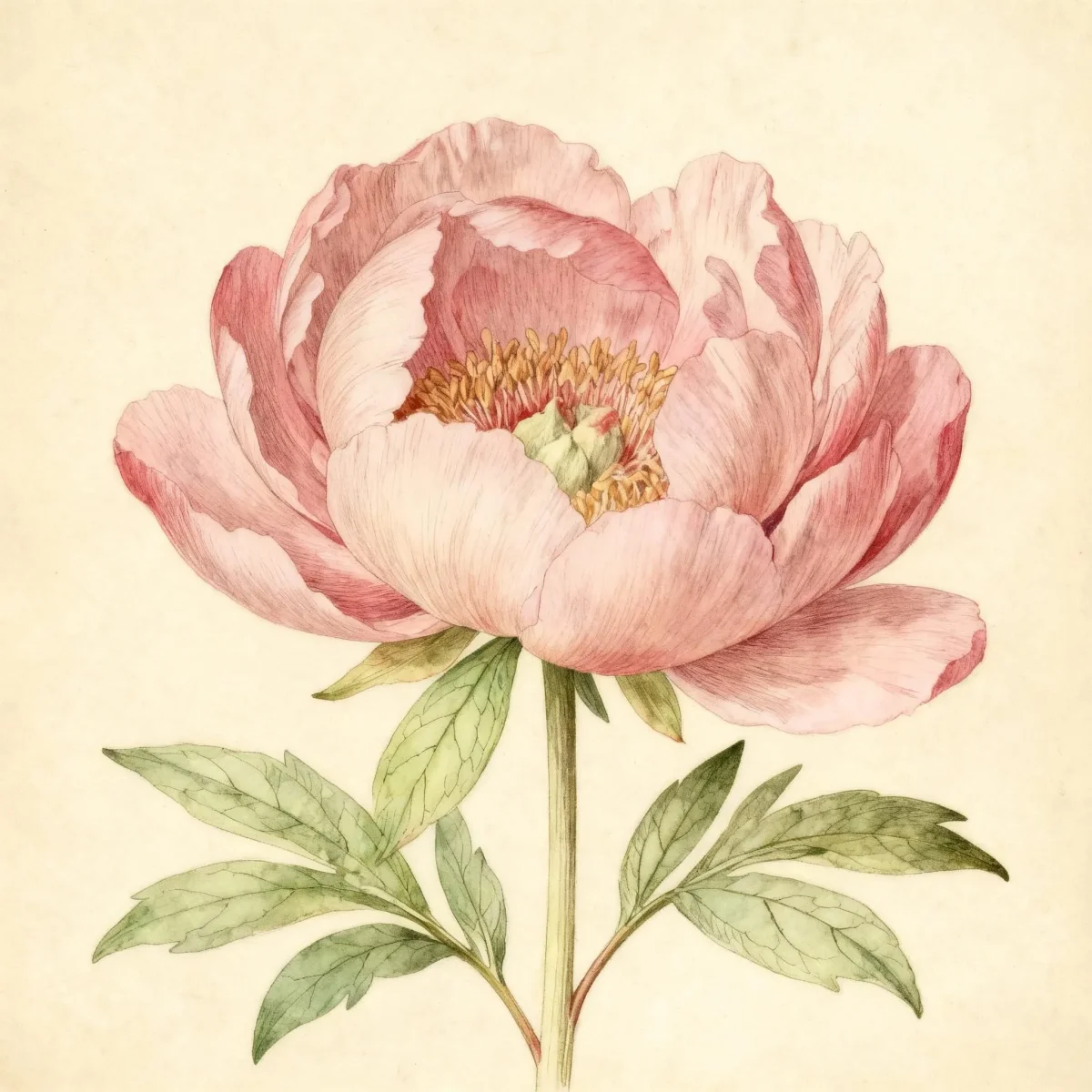
Common peony (Paeonia officinalis)
Discover the Common peony (Paeonia officinalis), an herbaceous perennial native to Europe, known for its showy, fragrant crimson blooms in May.

Bloom Boldly, No Matter the Season - Sweatshirt
Cozy organic cotton sweatshirt featuring our exclusive Purple Coneflower design. Perfect for gardeners who bloom year-round.
Inspired by the beautiful Common peony
Limited first batch (50) — join the waitlist for early access
Waitlist closes Feb 15, 2026.
Complete Plant Information
Field Guide Continues
Ready for care notes, companion picks, and planting tips?
The map is just the start. The full guide below covers growth habits, seasonal performance, and landscape uses.
Overview
The Common peony, scientifically known as Paeonia officinalis, is a cherished herbaceous perennial celebrated for its classic beauty and relative ease of care once established. Native to Europe, this plant brings dramatic visual interest to the spring garden with its single, cup-shaped flowers, most notably in shades of crimson red. Gardeners value the Paeonia officinalis not just for its early bloom but also for its attractive, divided foliage that persists well into the warmer months.
This species forms a compact, somewhat shrubby perennial, typically reaching heights between 1.5 to 2 feet. It performs reliably in woodland settings or cottage gardens, offering showy blooms that are mildly fragrant. Being long-lived, establishing this peony is a commitment ensuring decades of seasonal garden structure and color.
Due to its hardiness in warmer zones and its modest size, the Common peony serves as an excellent vertical accent or low hedge element. Successful cultivation relies on providing rich, well-drained soil and appropriate light conditions, rewarding the gardener with dependable seasonal color year after year.
Fast Facts
- Plant Family: Paeoniaceae
- Plant Type: Herbaceous perennial
- Native Range: Europe
- Hardiness Zones: USDA Zones 8-10
- Size at Maturity:
- Height: 1.5-2 ft
- Spread: 1.5-2 ft
- Bloom Time: May
- Bloom Description: Crimson red
- Sun Exposure: Full sun to part shade
- Water Needs: Medium
- Maintenance Level: Medium
How to Grow
Planting Paeonia officinalis should ideally occur in the fall to allow roots to establish before the heat of summer. Select a location that receives full sun to partial shade. The key to success is amending the soil to be rich, fertile, and most importantly, moist but extremely well-drained, as peonies resent wet feet. Ensure the area is protected from strong winds if possible.
Routine care for the Common peony involves maintaining consistent moisture throughout the growing season, especially in drier climates, meeting its medium water needs. Avoid excessive fertilization, as this often promotes lush foliage at the expense of flowers. After the crimson blooms fade in May, promptly remove spent flowers to tidy the plant’s appearance.
Seasonal cleanup is vital for plant health. After the first hard frost signals the end of the season, cut the entire foliage mass down to the ground level and remove all debris from the garden bed. This practice minimizes the overwintering sites for potential blight diseases. Remember that these plants are exceptionally long-lived and should generally be left undisturbed; division is rarely necessary and often disrupts established root systems.
Landscape Uses
The Paeonia officinalis is considered a compact woodland peony, making it highly versatile in shaded or partially shaded garden environments. It excels in open woodland areas or naturalized shade gardens where its robust form can stand out. This species also fits perfectly within traditional cottage garden borders, providing early, reliable color among later-blooming perennials.
For structure, this plant can function effectively as a low, informal herbaceous hedge or as neat edgers along pathways. The attractive foliage, which lasts beyond the bloom period, allows it to group well with later-emerging shade-lovers such as various hostas, creating layered interest throughout the season. Consider pairing the scarlet bloom with cool blues or whites for high contrast.
Standout Features
Flower Qualities
- Showy
- Fragrant
Noteworthy Characteristics
Paeonia officinalis is native to southern Europe and presents as a small, somewhat shrubby, herbaceous perennial reaching about 2 feet tall and wide. Its single, fragrant, cup-shaped flowers, reaching up to 5 inches in diameter, display a striking crimson red color with yellow center stamens in May. The genus name honors Paeon, the physician of the gods, while the specific epithet suggests it was once sold in shops, perhaps due to perceived medicinal properties.
Tolerances
- Rabbit
- Deer
Potential Problems
Peonies, including the Common peony, are generally quite resistant to pests, which is a significant advantage for gardeners. However, watch out for fungal issues like Botrytis blight and Phytophthora blight, which thrive in overly damp or poorly drained conditions. Ensuring excellent air circulation and performing thorough fall cleanup helps mitigate these risks. Ants frequently congregate on the flower buds; these are entirely harmless and should be left alone as they occasionally aid in bud protection. Blooms generally stand erect and rarely require staking.
Frequently Asked Questions
What hardiness zones is Common peony suitable for?
The Paeonia officinalis is winter hardy across USDA Zones 8 through 10, making it suitable for warmer temperate regions.
How large does Paeonia officinalis grow?
This herbaceous perennial typically matures to a height between 1.5 and 2 feet tall, with an equal spread of 1.5 to 2 feet wide.
When does Common peony bloom?
The bloom time for the Paeonia officinalis is generally in May, producing vibrant crimson red flowers.
What sun exposure does Paeonia officinalis need?
This plant performs best when situated in locations receiving full sun to light part shade conditions.
Conclusion
The value of the Paeonia officinalis lies in its traditional beauty, dependable crimson blooms in late spring, and long lifespan, offering structure for decades. By respecting its need for rich, well-drained soil and practicing essential fall cleanup, you can ensure your Common peony thrives. Assess your garden’s hardiness zone compatibility now and plan your installation for the optimal planting season.
Companion Planting
Selecting companions for Paeonia officinalis should focus on plants that appreciate similar soil fertility and can fill out the space once the peony’s bloom cycle concludes. Its cultural needs align well with late-season bloomers or foliage-focused perennials that tolerate partial shade. Consider pairing the early spring show of the Common peony with late spring or early summer bloomers like Bearded Irises, provided the area offers sufficient sun.
For areas trending toward light shade, hostas and bleeding hearts make excellent neighbors, as their leaf textures contrast beautifully with the fine, divided leaves of the peony. Ensure that companion plants do not aggressively compete for space or moisture near the peony’s slowly developing root structure, as this plant dislikes being disturbed.
Seasonal Care Calendar
Spring preparation involves clearing away the debris cut back in the previous fall and ensuring the soil remains evenly moist as basal growth emerges. Lightly top-dress with compost if the soil is severely lacking structure, but avoid burying the growth buds (eyes). Once the crimson blooms finish in May, deadhead spent flowers to tidy the appearance and prevent seed production.
Summer maintenance focuses primarily on watering during dry spells, providing medium water volume consistently. Leave the foliage intact until it naturally yellows or is killed back by the first hard frost, as the leaves are essential for carbohydrate storage that fuels next year’s growth. Do not be alarmed by ants on the buds; they are harmless visitors.
Fall is the crucial cleanup period for Paeonia officinalis. After the first hard frost, use sterilized shears to cut the entire, dried-down foliage mass right at the soil line and remove all plant matter from the garden bed to reduce disease inoculum. This practice is key to healthy future blooms, as this species is sensitive to blights carried over winter debris.


