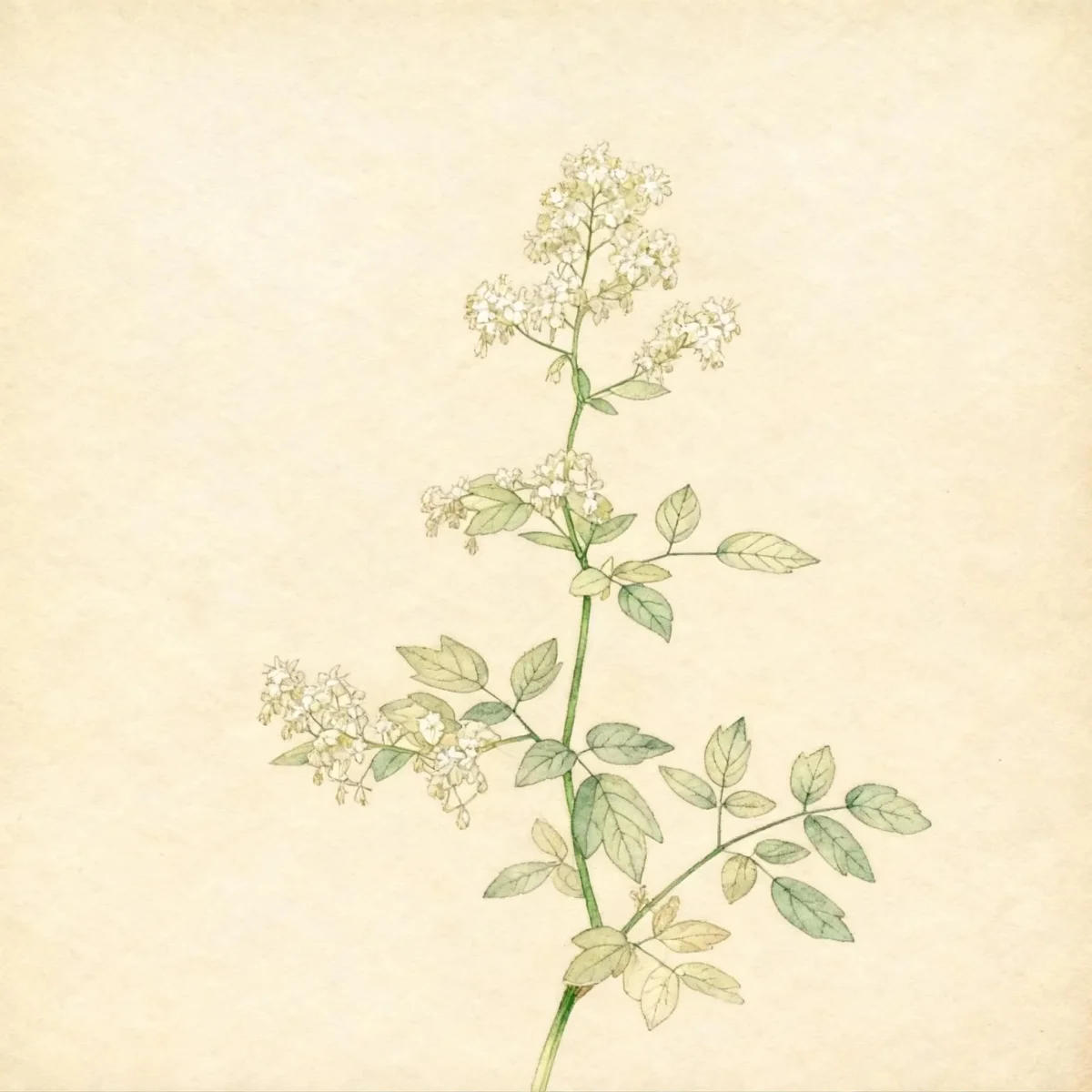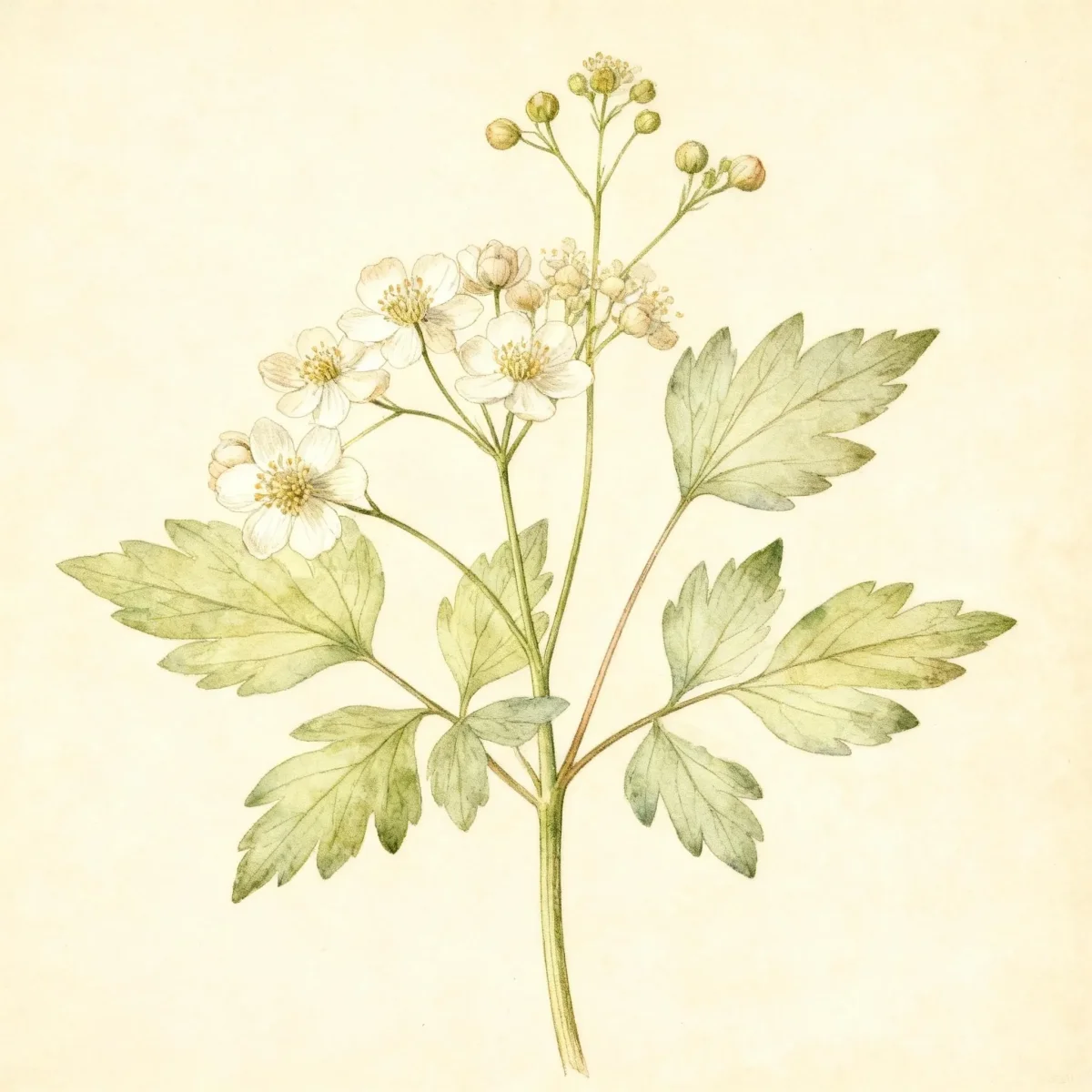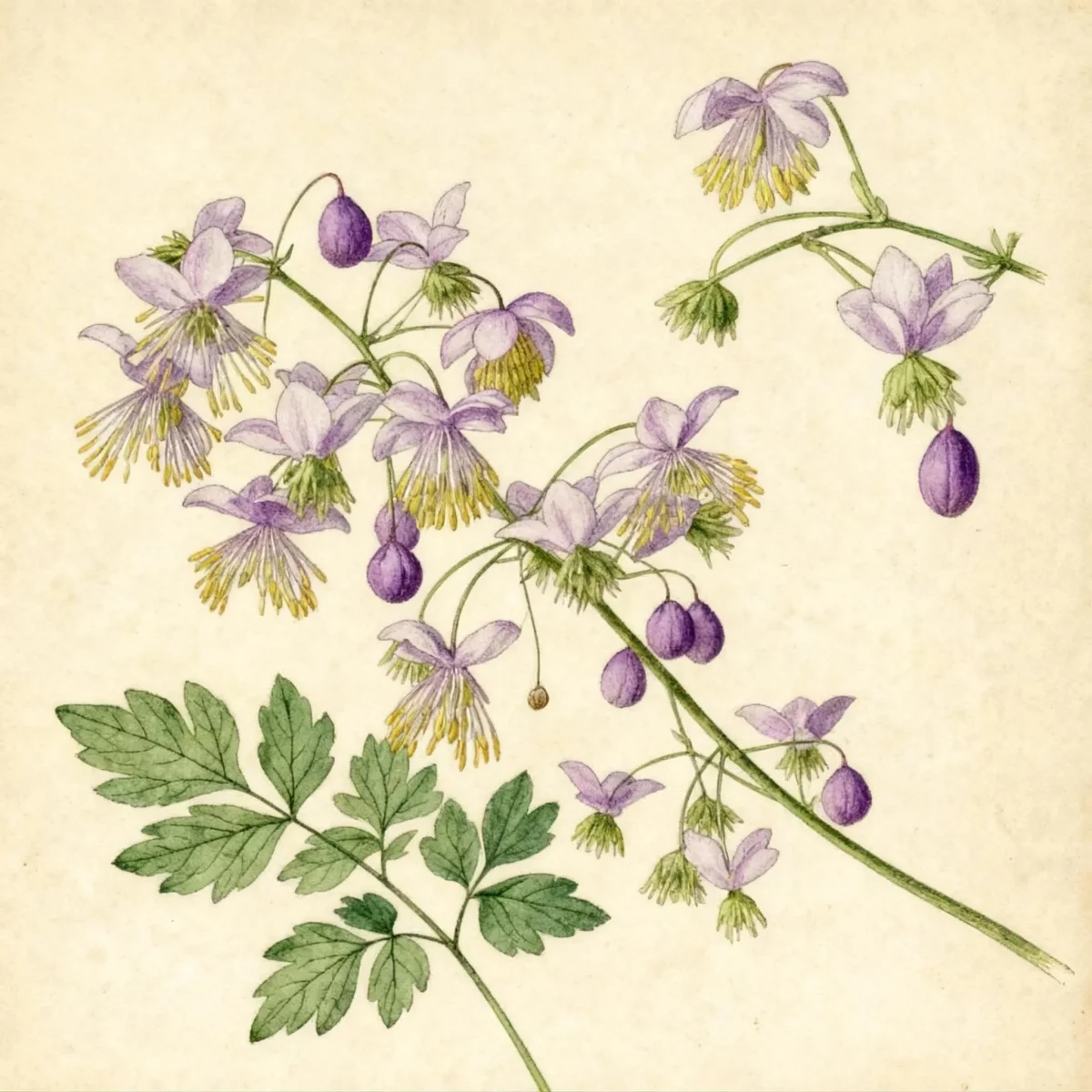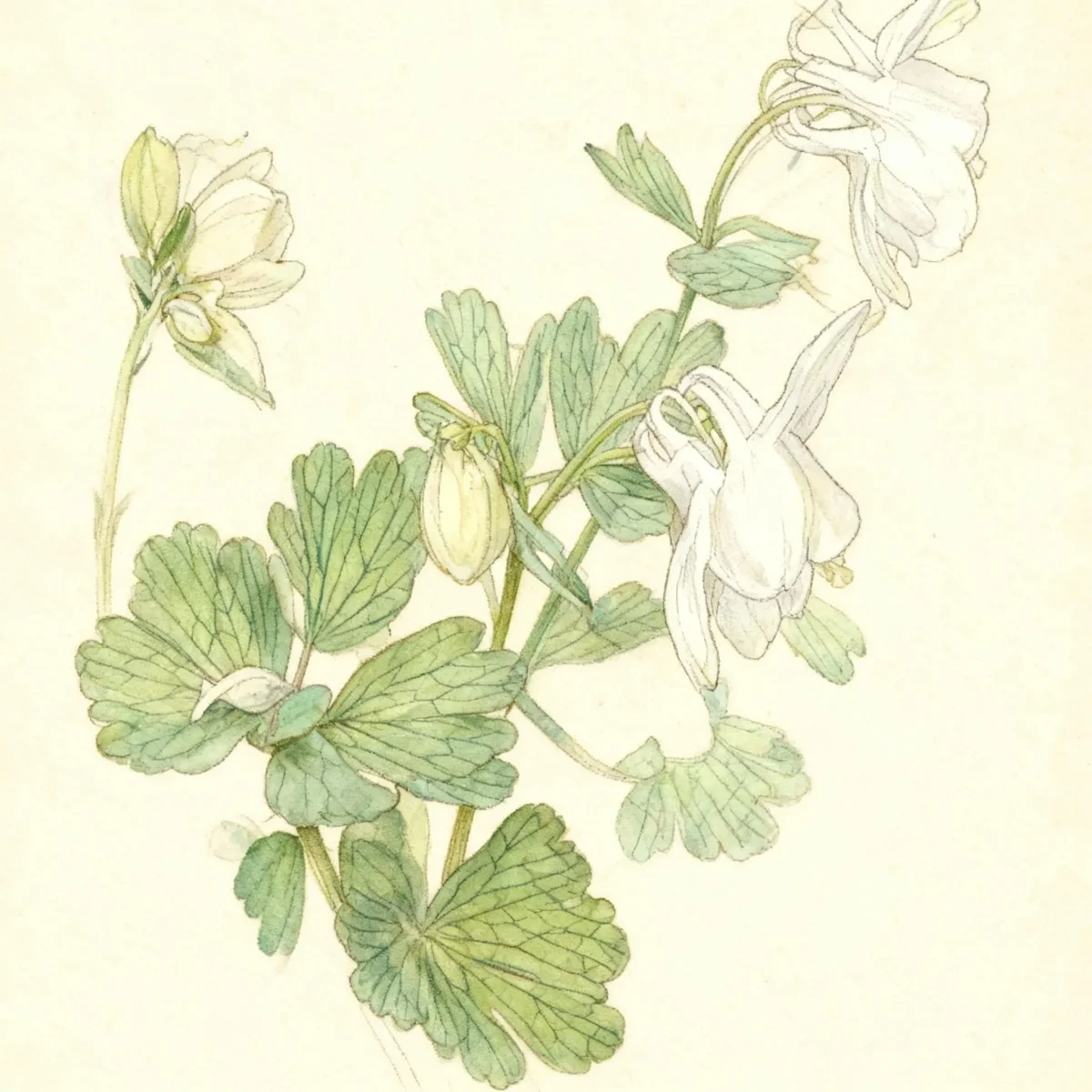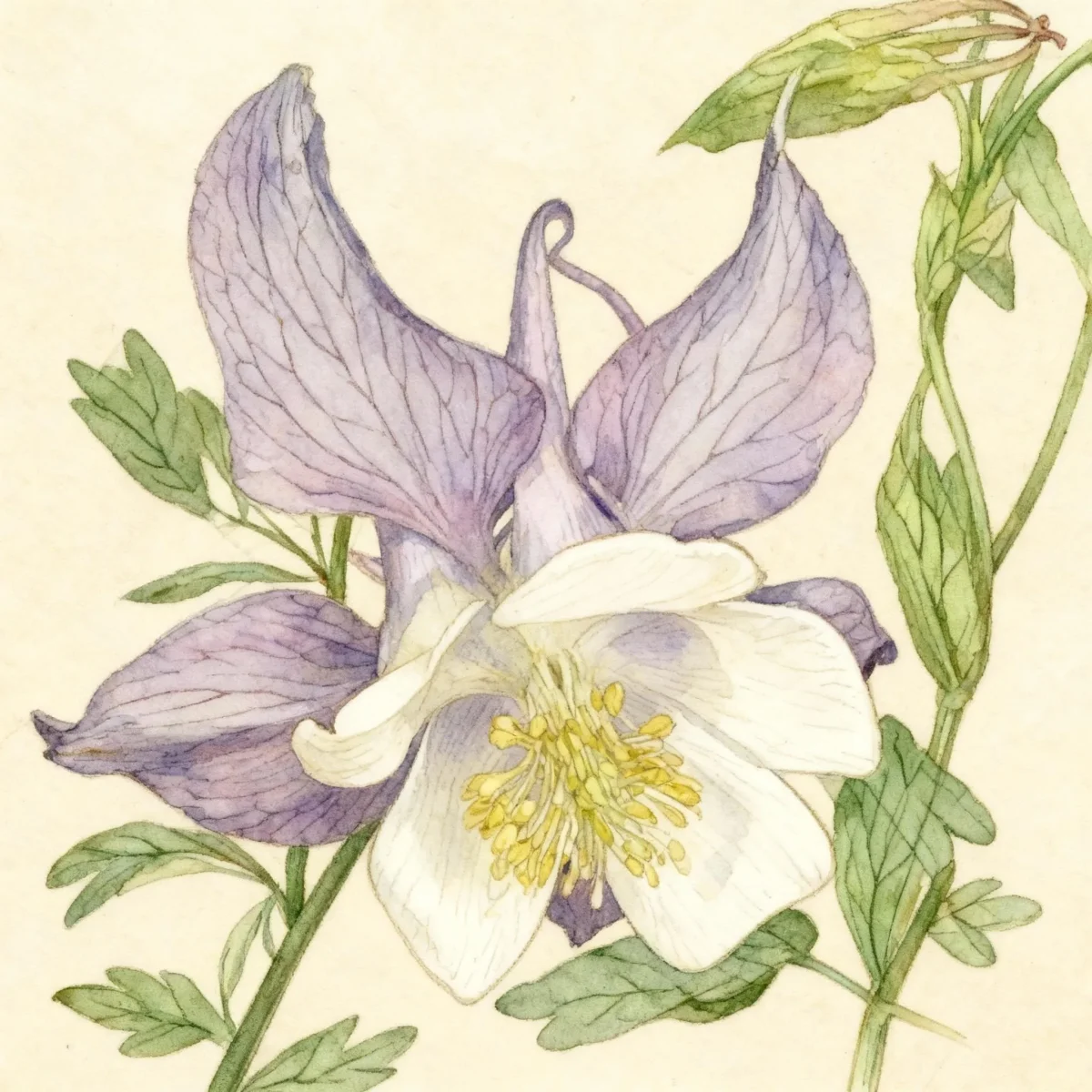

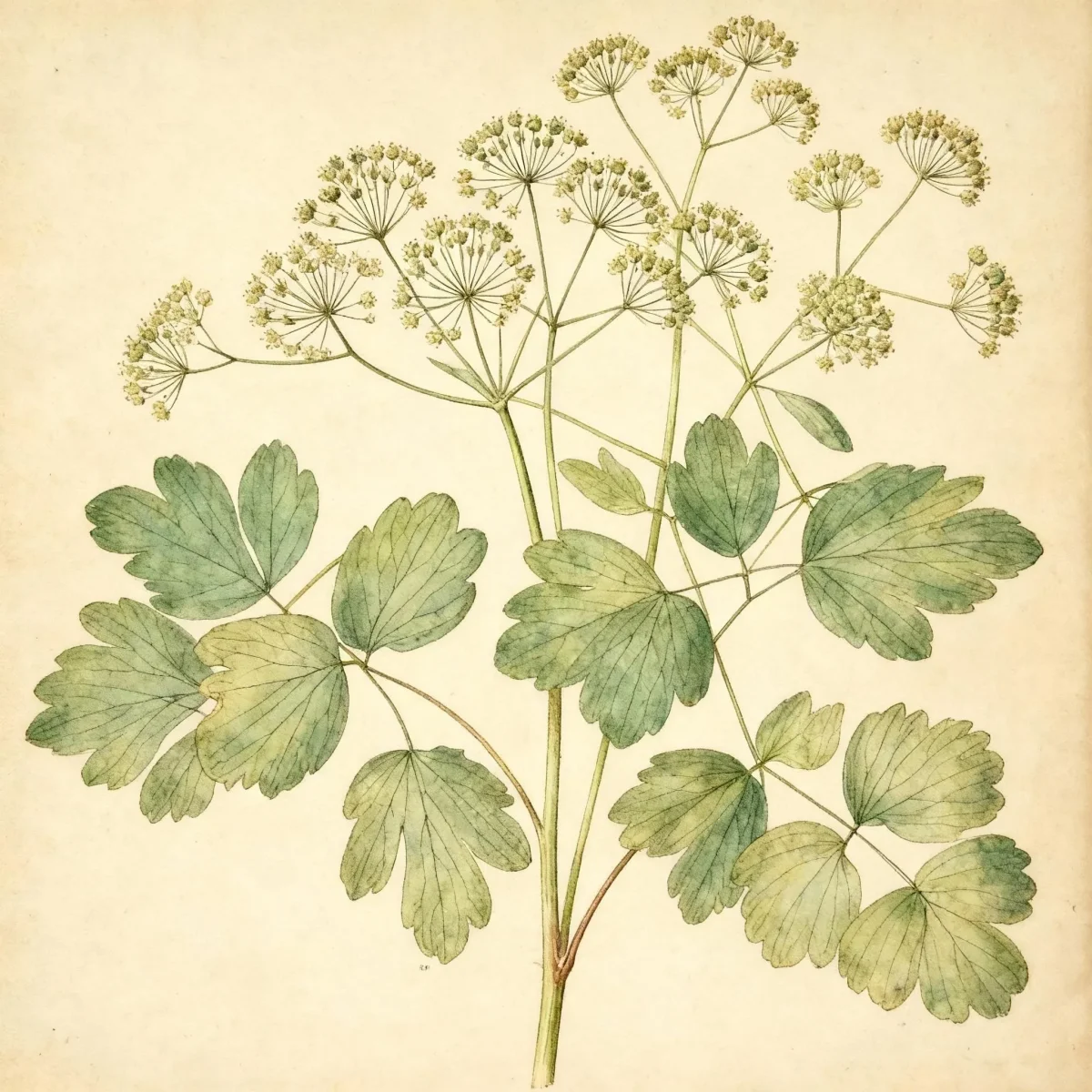
Meadow rue (Thalictrum squarrosum)
Thalictrum squarrosum (Meadow rue) is a rhizomatous perennial from China offering airy yellow-green blooms in mid-summer. Hardy zones 5-9.
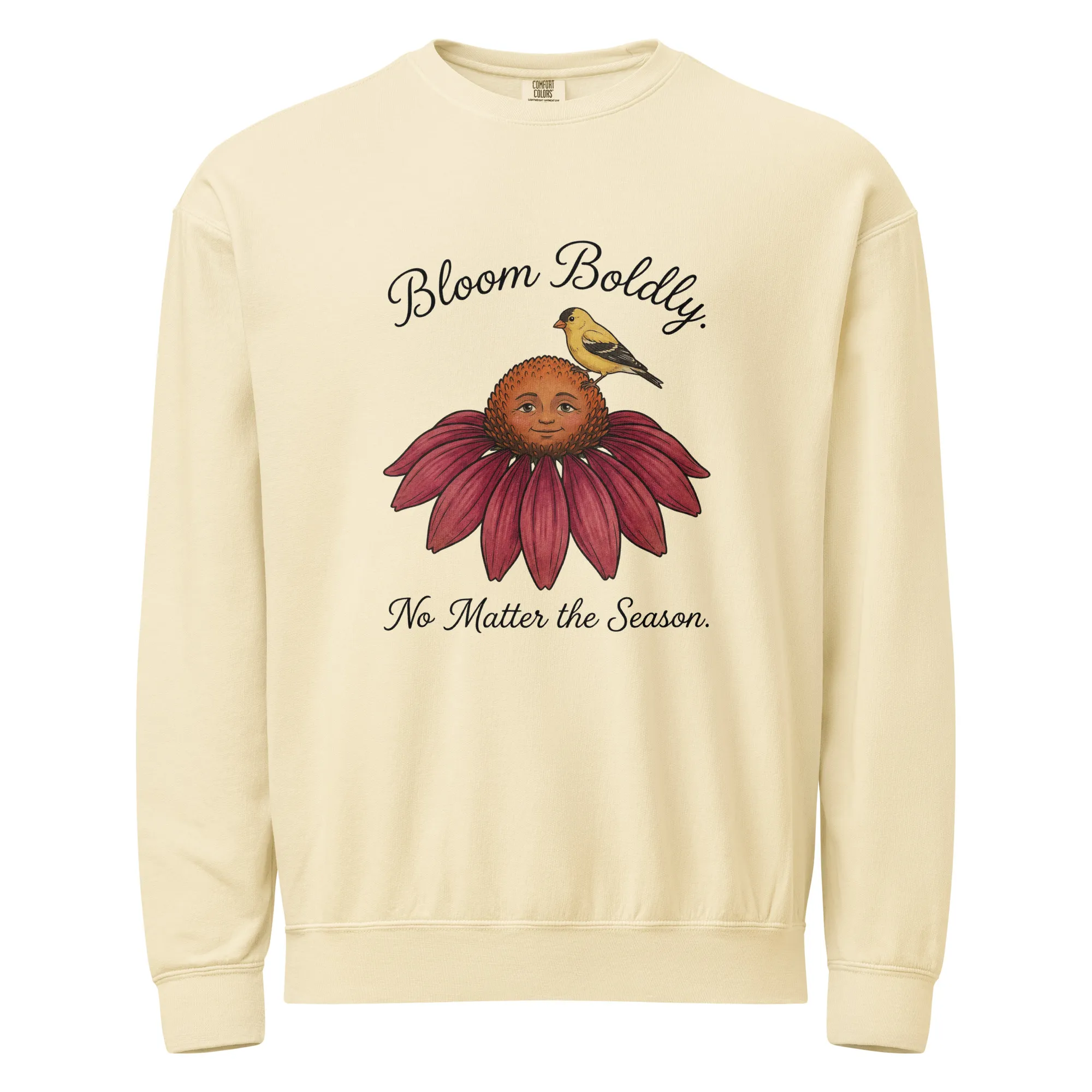
Bloom Boldly, No Matter the Season - Sweatshirt
Cozy organic cotton sweatshirt featuring our exclusive Purple Coneflower design. Perfect for gardeners who bloom year-round.
Inspired by the beautiful Meadow rue
Limited first batch (50) — join the waitlist for early access
Waitlist closes Feb 15, 2026.
Complete Plant Information
Field Guide Continues
Ready for care notes, companion picks, and planting tips?
The map is just the start. The full guide below covers growth habits, seasonal performance, and landscape uses.
Overview
The Thalictrum squarrosum, commonly known as Meadow rue, brings an airy, delicate texture to the garden landscape throughout the hot summer months. Valued for its height and fluffy inflorescences, this rhizomatous perennial provides vertical interest without the heaviness of many other tall bloomers. Its distinctive yellow-green flowers create a subtle, ethereal focal point when planted against deeper green backdrops.
Native to the plains and field margins of China, this variety of Meadow rue establishes itself as a reliable clump-former in temperate climates. It requires consistent moisture, especially during peak summer when flowering occurs, rewarding gardeners with reliable vertical structure from 3 to 5 feet tall.
While the foliage itself is finely divided and attractive, the main show begins in July and August when the airy panicles of apetalous flowers emerge. Successful cultivation of Thalictrum squarrosum depends on providing the right balance of moisture and partial shade, ensuring vibrant foliage color persists well into the season.
Fast Facts
- Plant Family: Ranunculaceae
- Plant Type: Herbaceous perennial
- Native Range: China
- Hardiness Zones: USDA Zones 5-9
- Size at Maturity:
- Height: 3-5 ft
- Spread: 2-4 ft
- Bloom Time: July to August
- Bloom Description: Yellow-green
- Sun Exposure: Full sun to part shade
- Water Needs: Medium
- Maintenance Level: Medium
How to Grow
For best long-term performance, plant Thalictrum squarrosum in moist, moderately fertile, organically rich, well-drained soil. The ideal location offers part shade, though this meadow rue variety can tolerate full sun if soil moisture is kept consistently high, avoiding any summer drying out. Growth may be less vigorous if sited in densely shaded locations.
Watering is critical for this perennial. Maintain consistent soil moisture, especially when actively growing and blooming. If the foliage of your Meadow rue starts turning yellow during the summer heat, it is a clear sign that the soil has become too dry and supplemental watering is required immediately.
Maintenance for Thalictrum squarrosum is relatively straightforward but considered medium difficulty due to its moisture requirements. While it thrives and may self-seed in optimum conditions, regular observation is necessary to prevent drought stress. No specific pruning is mentioned, but removing spent flower stalks after blooming can keep the appearance tidy.
Division can be done as needed to maintain clump vigor, although the plant is generally long-lived once established. Growing from seed is also possible, further aiding naturalization efforts in compatible garden spaces.
Landscape Uses
The fine texture and mid-to-late summer bloom time make Thalictrum squarrosum a versatile choice for various garden settings. It excels when allowed to naturalize gently in informal areas like woodland margins or open meadows where its airy structure can soften hard lines.
For structured planting, this meadow rue is perfect for the middle or back of mixed borders, providing height that complements shorter, bolder perennials. Its graceful presence works beautifully in cottage gardens, adding traditional charm alongside peonies or later-blooming ornamental grasses.
Use the delicate form of Thalictrum squarrosum to contrast sharply against plants with large, solid leaves. This interplay of texture adds deep visual interest, ensuring that the garden appears complex and engaging even when the yellow-green flowers are past their peak.
Standout Features
Flower Qualities
- Showy
Noteworthy Characteristics
Thalictrum squarrosum, commonly known as meadow rue, is a rhizomatous, clump-forming perennial of the buttercup family that typically grows on dichotomously branched stems to 3-5’ tall. Tiny, starry, apetalous, bisexual flowers with yellow-tinged-green sepals bloom in fluffy, many-flowered inflorescences from July through August. The genus name honors Dioscorides, and the specific epithet highlights its spreading parts, while plants in the genus Thalictrum are commonly called meadow rue due to leaf similarity with common rue.
Tolerances
Potential Problems
Thalictrum squarrosum is generally robust, experiencing no serious insect or disease issues in most environments. However, gardeners should remain vigilant for fungal issues common to the Ranunculaceae family. Powdery mildew, smut, and rust may sporadically appear, particularly if air circulation is poor or humidity levels are consistently high. Ensuring adequate spacing between plants and avoiding overhead watering can help mitigate the risk of fungal infections on the foliage.
Frequently Asked Questions
What hardiness zones is Meadow rue suitable for?
Thalictrum squarrosum is reliably hardy in USDA Zones 5 through 9, offering a broad range of adaptability across the United States.
How large does Meadow rue grow?
This herbaceous perennial typically reaches a mature height between 3 and 5 feet, with a corresponding spread of 2 to 4 feet, creating a noticeable vertical element.
When does Meadow rue bloom?
The blooming period for Thalictrum squarrosum generally occurs in midsummer, specifically from July into August, displaying its characteristic yellow-green flowers.
What sun exposure does Thalictrum squarrosum need?
This plant prefers a location receiving full sun to part shade. Remember that if grown in full sun, soil moisture must be maintained consistently.
Conclusion
The Thalictrum squarrosum, or Meadow rue, stands out as an invaluable mid-summer structure plant prized for its fine texture and charming yellow-green blooms. Its ability to thrive in moist soils while adding height makes it a fantastic asset for cottage gardens and naturalized plantings. Before planting, confirm that your intended location provides its required medium water consistently across its suitable zones 5-9.
Companion Planting
Since Thalictrum squarrosum requires consistent moisture and prefers relief from intense afternoon sun, companion plants should share similar cultural requirements to thrive alongside this Meadow rue. Excellent partners include Astilbe, which also loves moist, partially shaded conditions, or Hosta varieties that offer contrasting leaf textures. For sunny, moist locations, consider Iris or Siberian Iris, whose roots can handle the wet conditions while their upright forms complement the airy nature of the buttercup family member.
Seasonal Care Calendar
Spring preparation is crucial for setting up the Thalictrum squarrosum for success. Once new growth emerges, ensure the soil is enriched with organic matter to help retain the necessary moisture throughout the growing season. Summer requires vigilance regarding watering; check soil moisture deeply every few days during dry spells, as foliage yellowing indicates stress. In the fall, allow the foliage to die back naturally before cutting stems down to the ground after the first hard frost, preparing the root system for winter dormancy.