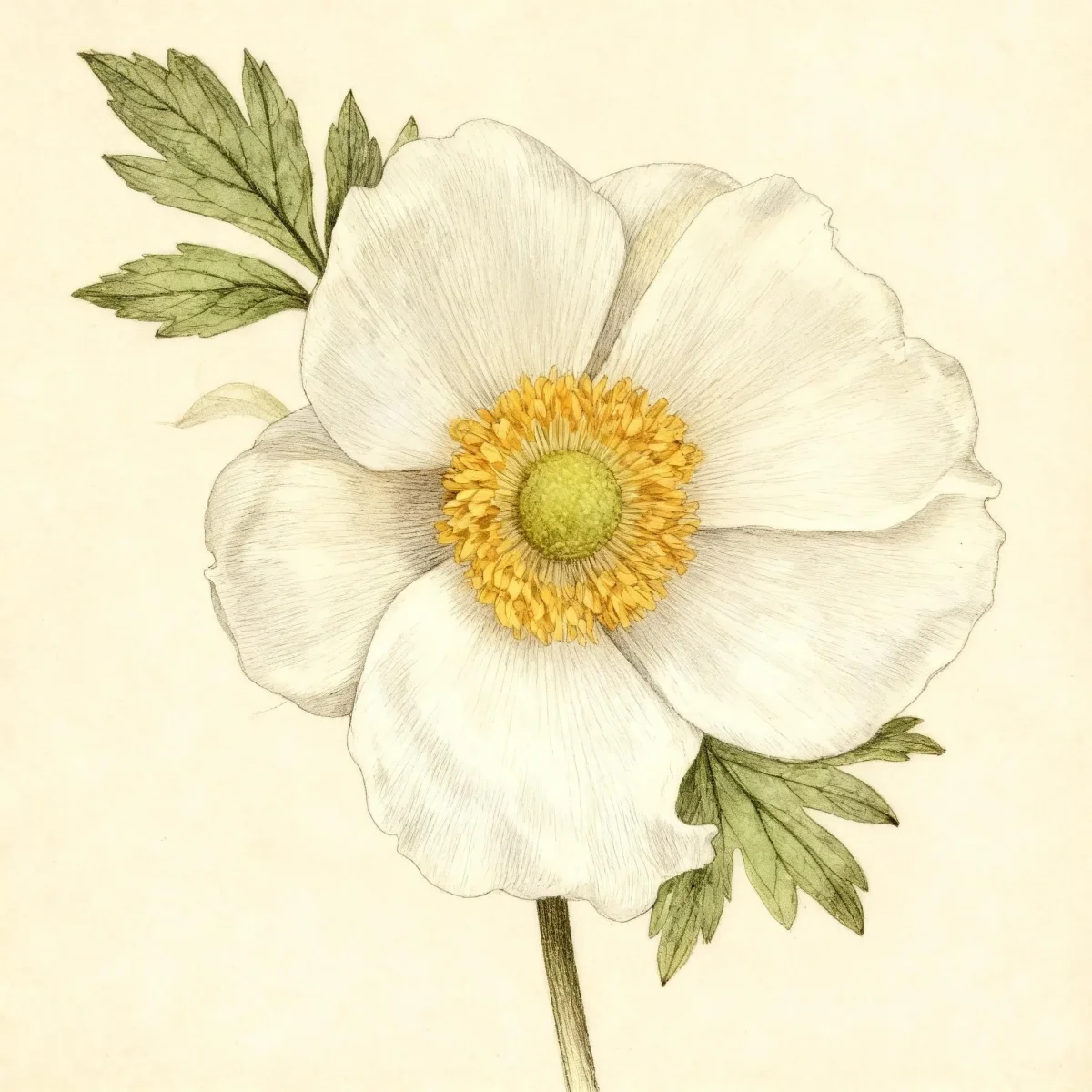
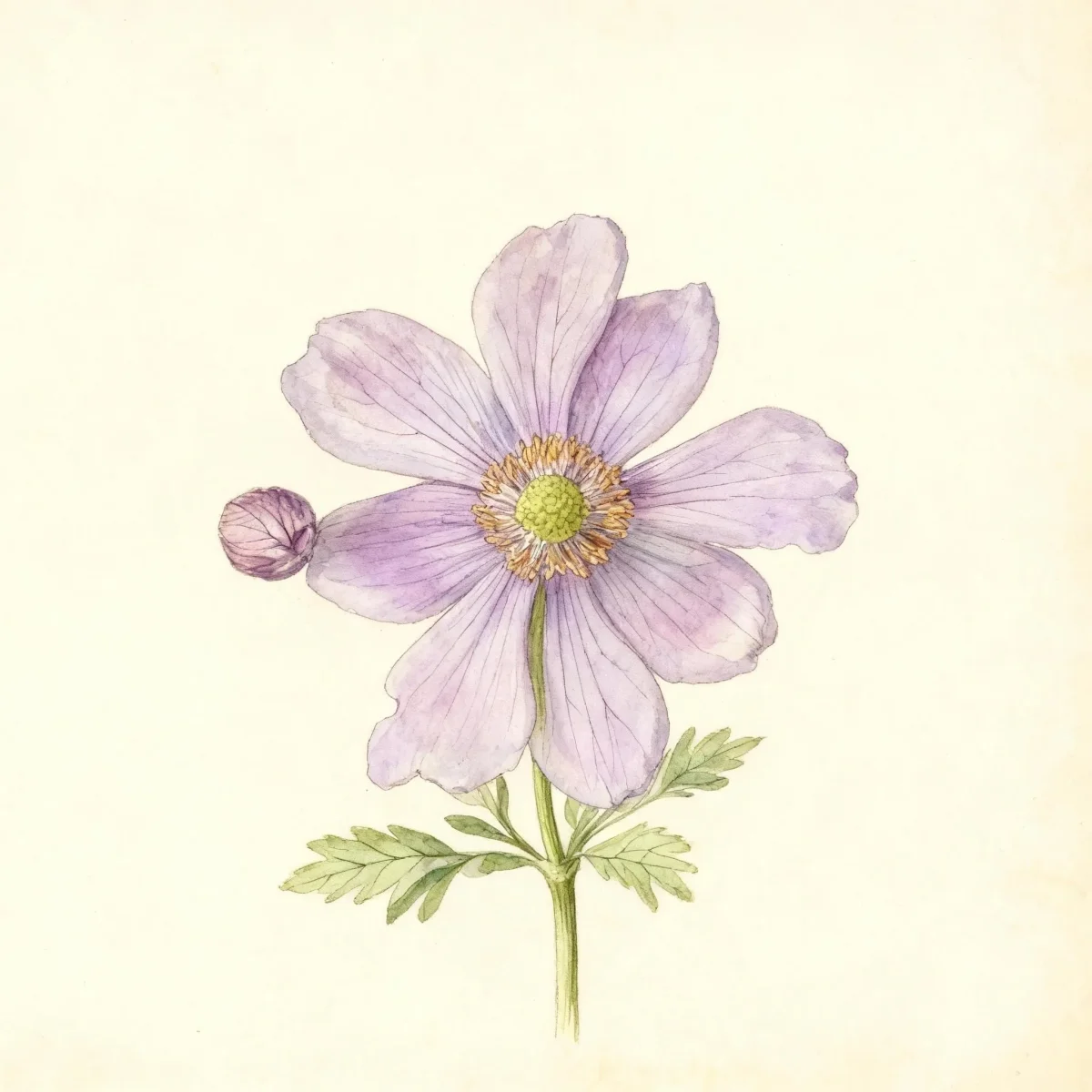
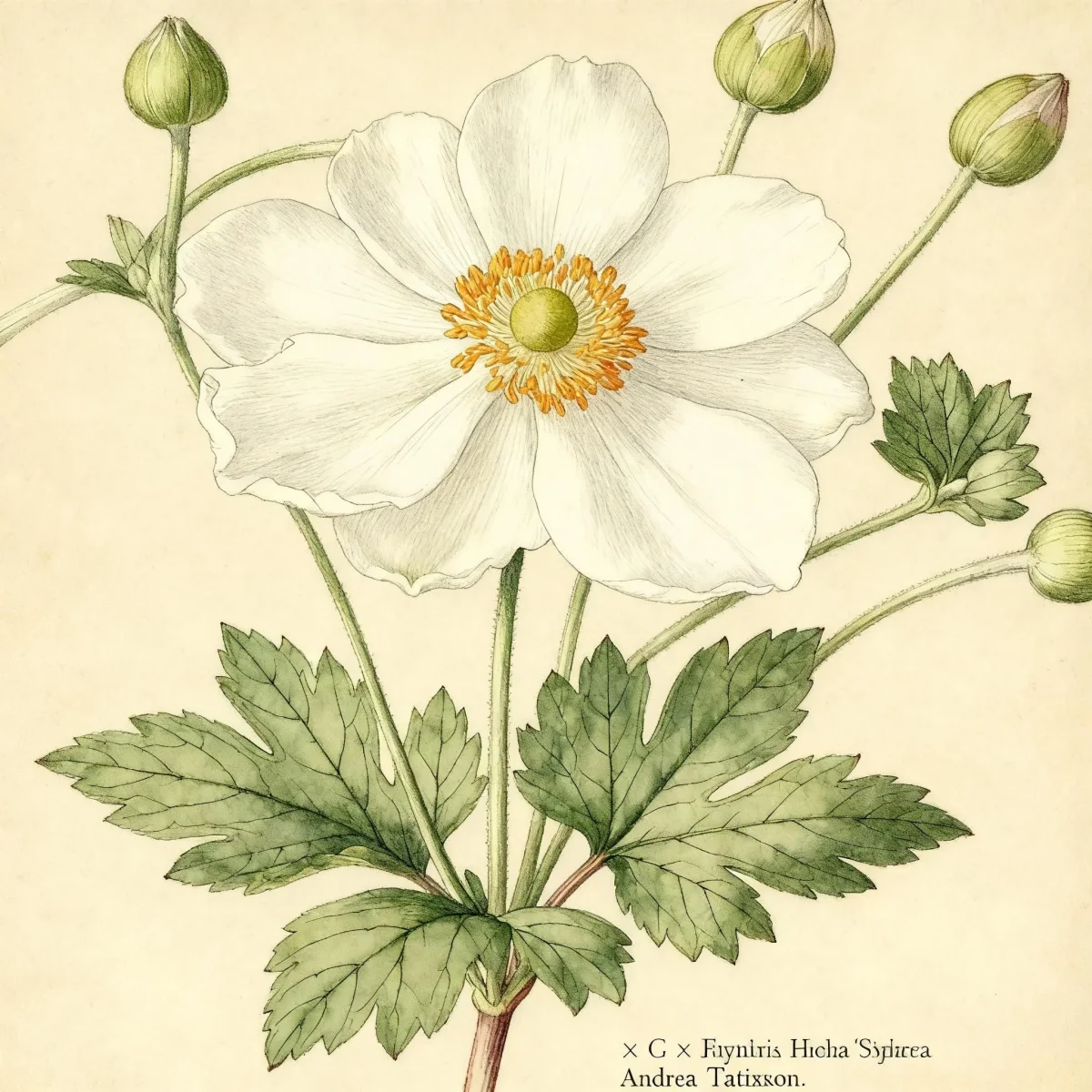
Windflower (Anemone tomentosa)
Vigorous Anemone tomentosa Windflower offers late-season pink blooms. Low maintenance herbicide for Zones 4-7.
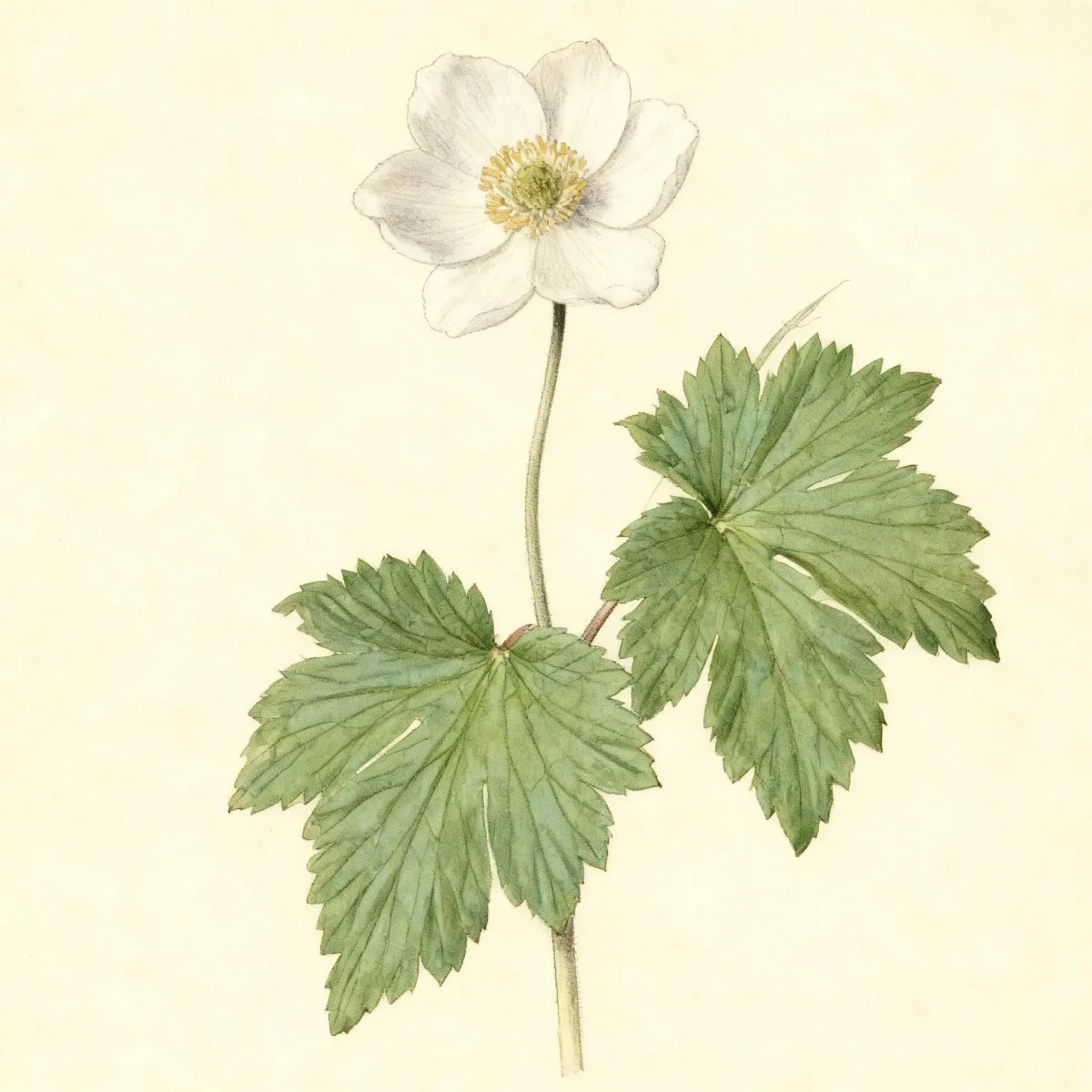

Bloom Boldly, No Matter the Season - Sweatshirt
Cozy organic cotton sweatshirt featuring our exclusive Purple Coneflower design. Perfect for gardeners who bloom year-round.
Inspired by the beautiful Windflower
Limited first batch (50) — join the waitlist for early access
Waitlist closes Feb 15, 2026.
Complete Plant Information
Field Guide Continues
Ready for care notes, companion picks, and planting tips?
The map is just the start. The full guide below covers growth habits, seasonal performance, and landscape uses.
Overview
The Anemone tomentosa, commonly known as Windflower, is a standout herbaceous perennial prized for its ability to provide vibrant color late in the gardening season, extending visual interest well into autumn. This vigorously spreading plant forms dense colonies, making it excellent for filling space in mixed borders where summer bloomers fade. Its showy, pale pink flowers stand tall above the foliage mound on wiry stems.
Native to the open grassy slopes of Northern China, this Anemone tomentosa adapts well to a range of conditions, though it thrives with consistent moisture. Gardeners appreciate the Windflower for its low maintenance requirements once established, though patience is required as it can establish slowly. Its late-season performance means it catches the eye when many other perennials are finished.
Aesthetically, the Anemone tomentosa offers graceful height, reaching up to four feet with slightly cup-shaped flowers featuring distinctive rose shadings. This fibrous-rooted perennial reliably returns each year, contributing texture and structure to the late summer and early fall garden display.
Fast Facts
- Plant Family: Ranunculaceae
- Plant Type: Herbaceous perennial
- Native Range: Northern China
- Hardiness Zones: USDA Zones 4-7
- Size at Maturity:
- Height: 2-4 ft
- Spread: 2-3 ft
- Bloom Time: August to October
- Bloom Description: Pink with rose shadings
- Sun Exposure: Full sun to part shade
- Water Needs: Medium
- Maintenance Level: Low
How to Grow
To ensure success with Anemone tomentosa, choose a location providing organically rich, humusy, well-drained soil. Ideally, site plants where they receive full sun or gentle part shade, as foliage tends to scorch in hot, dry summer sun. Planting should occur when the threat of hard frost has passed, allowing the plant time to establish its root system before winter dormancy.
Watering is crucial for this Windflower variety; maintain evenly moist soil conditions, as the soil must not be allowed to dry out, especially during the heat of summer. While it requires medium water input, avoid planting in areas prone to poor drainage, particularly over winter, as wet feet are detrimental. Fertilization is generally unnecessary if the soil is rich to begin with.
Plants may be slow to get going initially, but once established via their spreading rhizomes, they will aggressively naturalize, forming desirable large colonies over time. In colder winter climates (Zones 4), applying a winter mulch helps protect the roots. Propagation is best achieved via root cuttings taken in winter or division in spring.
Taller specimens may benefit from staking or physical support to prevent flopping, particularly if situated in an exposed area. Remember that these plants struggle south of USDA Zone 7.
Landscape Uses
The spreading habit of Anemone tomentosa makes it an outstanding choice for mass plantings, where its ability to “naturalize” creates a soft, meadow-like drift of color in late summer. It integrates beautifully into cottage gardens, lending height and late-season interest among established perennials.
For formal settings, use Windflower in deep perennial borders that back onto fences or walls, utilizing its 2-4 foot height effectively. The flowers are also highly valued as fresh cut flowers, bringing that late-season blush indoors.
Consider planting Anemone tomentosa where you need dependable late color without high maintenance. Its foliage, which is woolly white on the undersides, adds subtle textural contrast throughout the growing season.
Flower Qualities
- Showy
- Good Cut
Noteworthy Characteristics
Anemone tomentosa, commonly called Japanese anemone or Windflower, is a vigorous, fibrous-rooted perennial that provides a late summer to early fall bloom (August to October) of showy, slightly cup-shaped, pale pink flowers (2-3” diameter) with darker rose shadings and a ring of yellow center stamens. Mostly basal foliage typically grows in a spreading mound to 2’ tall with wiry-but-graceful flower stems rising above the foliage in late summer to 3-4’ tall. This anemone is native to open grassy slopes in north and central China.
Tolerances
- Rabbit
- Deer
Potential Problems
Generally, this Windflower variety suffers from few serious insect or disease issues, which adds to its appeal as a low-maintenance choice. Gardeners should remain vigilant, however, for common fungal issues such as leaf spot, powdery mildew, downy mildew, rust, and leaf/stem smut, especially in humid conditions or if air circulation is poor. Slugs, caterpillars, beetles, and nematodes may occasionally cause leaf damage. If plants become too tall and floppy, providing staking or similar support systems prevents them from collapsing under their own weight or during windy weather.
Frequently Asked Questions
What hardiness zones is Windflower suitable for?
The Anemone tomentosa is reliably hardy across USDA Zones 4 through 7.
How large does Anemone tomentosa grow?
This perennial typically reaches a height of 2 to 4 feet, spreading moderately to between 2 and 3 feet wide at maturity.
When does Windflower bloom?
The spectacular late-season bloom period for this Anemone tomentosa spans from August through October, featuring flowers described as pink with rose shadings.
What sun exposure does Anemone tomentosa need?
For best performance and to prevent foliage burn, plant your Windflower where it receives full sun to light part shade conditions.
Conclusion
The Anemone tomentosa brings reliable structure and essential late-season flowers to the garden, making it an invaluable perennial for late-summer color. Its tolerance for minor neglect means that gardeners seeking low-effort beauty will appreciate this spreading Windflower. Before planting, confirm your site conditions align with its requirements for rich, consistently moist soil, especially if you are gardening near the edges of its designated USDA Zones 4-7 range.
Companion Planting
Since Anemone tomentosa requires consistently moist, well-draining, rich soil, good companions are plants that share similar cultural needs and fill in the visual space during the early summer lull before the anemone peaks. Hostas work exceptionally well, especially those with strong blue or variegated foliage, as they appreciate the same partial shade the anemone prefers later in the season. Astilbes and Ligularia species are also excellent partners, offering contrasting textures and equally demanding moisture levels. Avoid pairing with drought-tolerant succulents or grasses that prefer dry feet, as this will lead to an unbalanced garden ecosystem.
Propagation Tips
While Anemone tomentosa will spread on its own via rhizomes, gardeners can actively propagate new divisions or increase stock through targeted methods. The most effective time for propagation is often winter using root cuttings, though success can be variable. A simpler, though less effective, method is division of the root mass, which should be done in the spring while the plant is actively starting its growth cycle. Ensure any division has a healthy section of root attached to encourage rapid re-establishment in its new location.