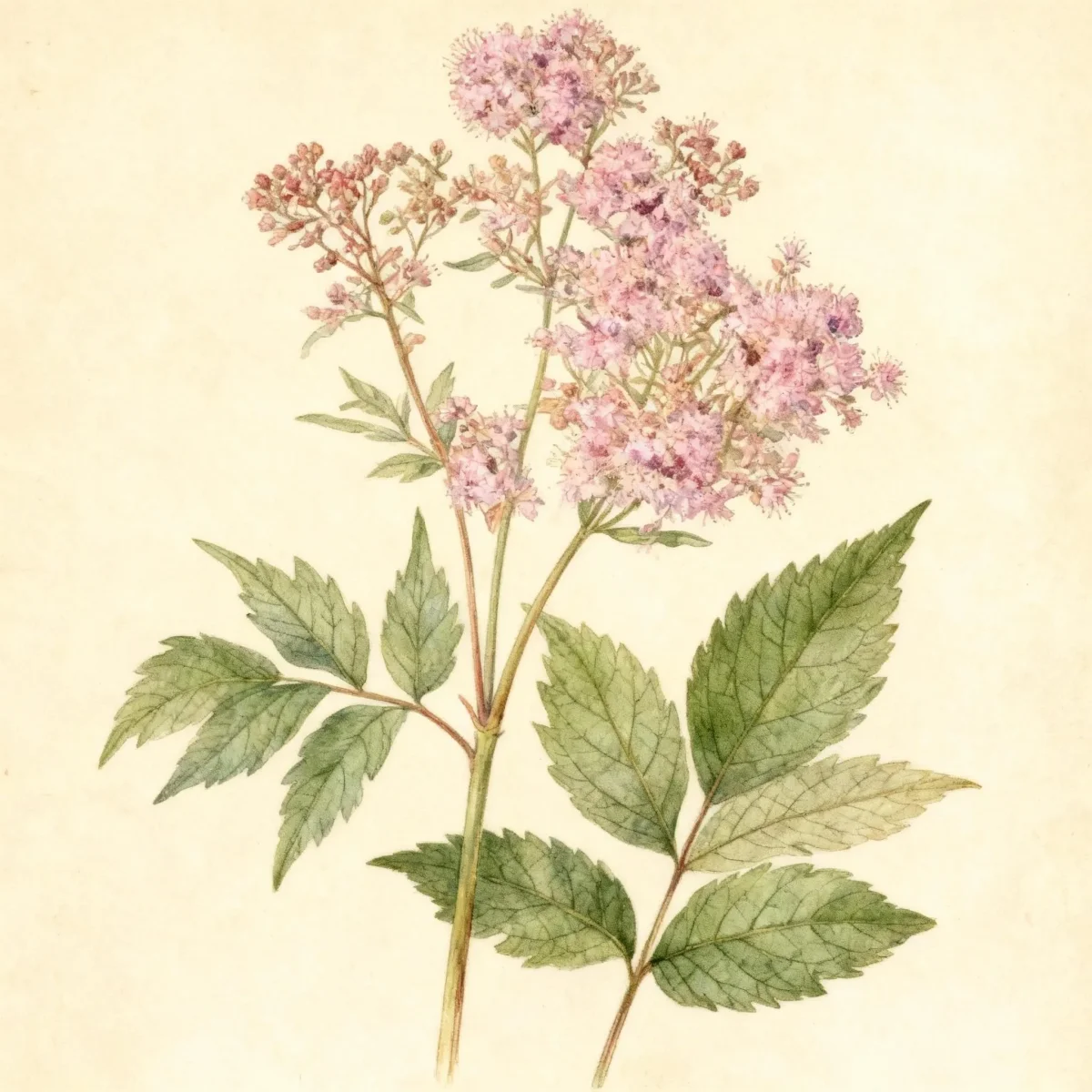

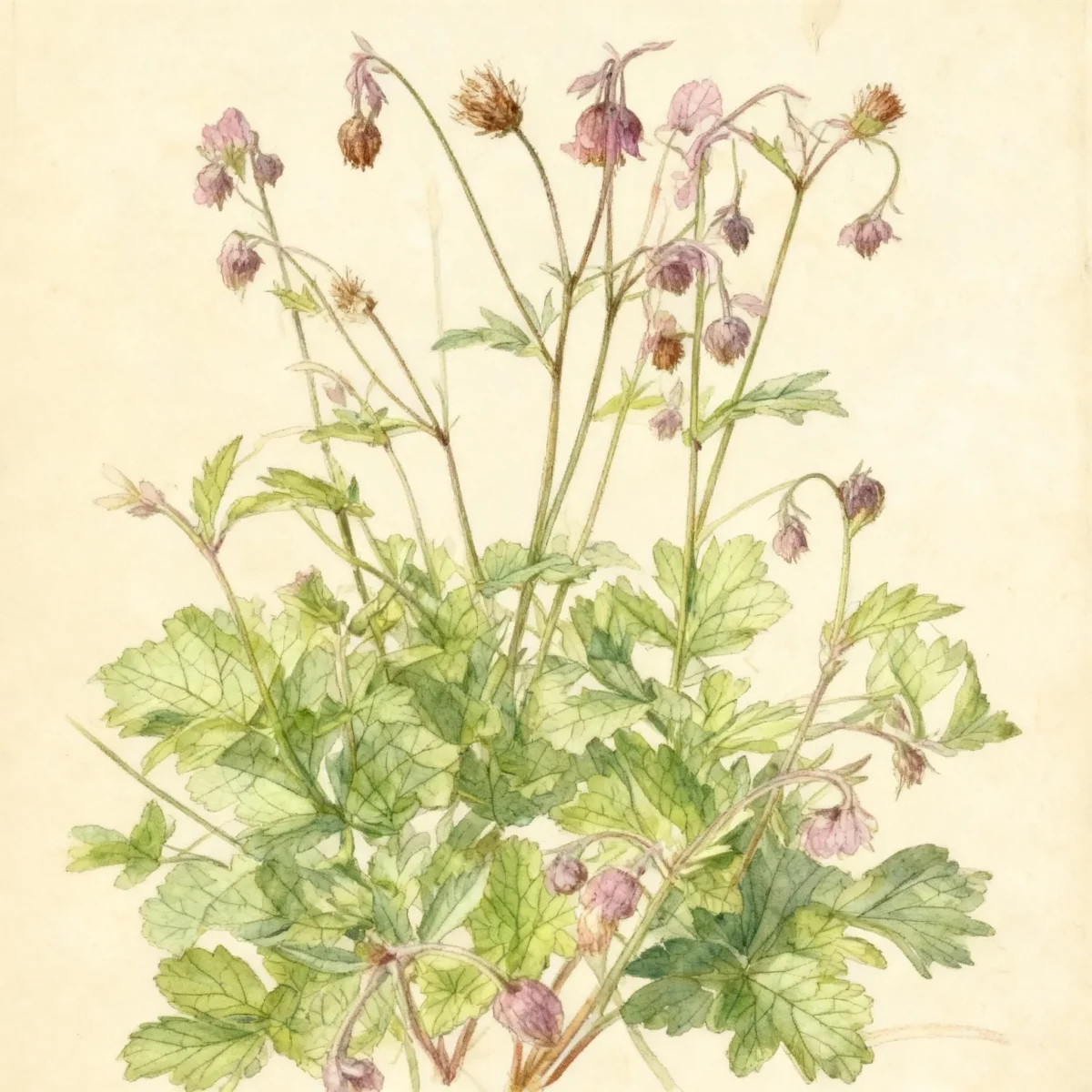
Water avens (Geum rivale)
Discover Water avens (Geum rivale), a clump-forming perennial thriving in moist soils with unique nodding flowers.
Bloom Boldly, No Matter the Season - Sweatshirt
Cozy organic cotton sweatshirt featuring our exclusive Purple Coneflower design. Perfect for gardeners who bloom year-round.
Inspired by the beautiful Water avens
Limited first batch (50) — join the waitlist for early access
Waitlist closes Feb 15, 2026.
Complete Plant Information
Field Guide Continues
Ready for care notes, companion picks, and planting tips?
The map is just the start. The full guide below covers growth habits, seasonal performance, and landscape uses.
Overview
Geum rivale, widely known as Water avens, is a highly valuable herbaceous perennial perfect for gardeners struggling to fill damp, shady corners of the yard. This species forms attractive clumps of dark green foliage, providing consistent texture even outside of its bloom period. Its most distinctive feature is the nodding, bell-shaped flowers held on slender stems in late spring and summer.
This plant thrives naturally in boggy areas, wet meadows, and swamps, making it an excellent choice for rain gardens or consistently moist borders. While it appreciates moisture, the key to success with Geum rivale lies in balancing its need for water with avoiding scorching summer heat, especially in warmer climates.
The flower display of Water avens, featuring a striking brown-purple calyx enclosing creamy to purple-pink petals, offers unique color contrast unlike many standard garden bloomers. Its preference for cool, wet spots means this resilient plant can offer ground cover and visual appeal where many other perennials fail.
Fast Facts
- Plant Family: Rosaceae
- Plant Type: Herbaceous perennial
- Native Range: Europe, northeastern America
- Hardiness Zones: USDA Zones 3-7
- Size at Maturity:
- Height: 0.75-1.5 ft
- Spread: 0.5-1 ft
- Bloom Time: May to August
- Bloom Description: Brown-purple calyx and cream to purple-pink petals
- Sun Exposure: Full sun to part shade
- Water Needs: Medium to wet
- Maintenance Level: Medium
How to Grow
Plant Geum rivale in spring or early fall, ensuring the location provides consistent moisture. This plant performs best when situated in moist, fertile soils. While it tolerates full sun, gardeners in hot, humid regions should situate Water avens where it receives essential afternoon shade to prevent stress.
Watering is critical, as this perennial prefers consistently moist to wet soil conditions—it truly likes boggy settings. Avoid letting the soil dry out completely, especially during hot spells. Fertilization is usually unnecessary if the soil is rich, but a light application of compost in spring can boost vigor.
Maintenance for Geum rivale is rated medium primarily due to regional limitations; it struggles south of Zone 7 due to heat and humidity. Deadheading spent flowers is highly recommended, as this encourages the plant to produce additional bloom cycles throughout the summer. While generally reliable north of Zone 5, be aware that winter hardiness may waiver in slightly milder northern areas than expected.
Propagation is straightforward, accomplished either by sowing seeds or by dividing established clumps. Ensure propagation is done carefully, as the plant establishes itself best when its roots remain undisturbed.
Landscape Uses
Water avens provides excellent structure for naturalistic plantings where moisture is abundant. Mass plantings function beautifully as an attractive ground cover, particularly once the initial flush of blooms has passed but the interesting foliage remains. Consider using Geum rivale in mass plantings along the edge of a stream, pond, or in a dedicated rain garden pocket.
Due to its preference for damp areas, Water avens pairs wonderfully with moisture-loving companions such as Astilbe, wetland Irises, or certain varieties of Ferns that also appreciate partial shade and rich soil. Its unique, subtle flower color allows it to blend harmoniously into shade borders without overpowering more colorful neighbors.
In traditional borders or rock gardens, use this Geum variety to anchor the middle ground where consistent moisture can be guaranteed. The nodding flowers add subtle vertical interest, drawing the eye without high drama, complementing the robust textures of adjacent moisture-loving foliage.
Standout Features
Flower Qualities
- Showy
Noteworthy Characteristics
Geum rivale, commonly known as water avens, purple avens or chocolate root, is a clump-forming herbaceous perennial of the rose family that typically thrives in boggy areas including wet meadows and swamps. It is native to Eurasia and North America (Labrador to British Columbia south to New Jersey, West Virginia, northern Illinois, Minnesota and in the mountains to New Mexico). The brownish-purple calyx of each flower surrounds its cream to purple-pink petals, offering a unique coloration that draws attention in damp settings. Fun fact: If plant rhizomes are boiled in water, the resulting liquid has a faint taste of chocolate, hence the common name of chocolate root.
Tolerances
- Wet Soil
Potential Problems
Geum rivale is generally recognized as a low-maintenance plant, suffering from no serious insect or disease problems when sited correctly. The primary threat arises from environmental stress rather than pests. This plant may prove short-lived when situated in heavy clay soils, which can impede drainage even if the site seems wet, or most significantly, in hot summer climates where humidity exacerbates stress conditions. To ensure longevity, focus on providing excellent soil structure that remains moist but not waterlogged and guarantees afternoon shade in warm zones.
Frequently Asked Questions
What hardiness zones is Water avens suitable for?
Geum rivale is reliably hardy in USDA Zones 3 through 7, though performance may diminish as temperatures rise above Zone 7 in the summer.
How large does Water avens grow?
This perennial typically reaches a mature height between 0.75 and 1.5 feet tall, spreading between 0.5 and 1 foot wide, forming a useful clump for moist areas.
When does Water avens bloom?
Water avens flowers are present from May well into August, presenting unique blooms characterized by a brown-purple calyx and cream to purple-pink petals.
What sun exposure does Geum rivale need?
Geum rivale performs best in full sun provided the soil remains consistently moist, or in part shade, particularly where summer heat is intense.
Conclusion
The Water avens is an exceptional choice for gardeners seeking reliable color and reliable ground cover in challenging wet environments. By planting Geum rivale where moisture is abundant and heat is moderated, you capitalize on its strengths as a bog-loving native perennial. Check your local hardiness zone, and plan to amend heavy soils to ensure your Geum rivale establishes a long, healthy life.
Companion Planting
Selecting companions for Geum rivale focuses on species that share a high requirement for consistent moisture. Plants that thrive in similar partial shade conditions complement the Water avens foliage effectively. Consider pairing it with moisture-loving ferns, moisture-tolerant Woodland Phlox, or Hakone grass (Hakonechloa macra) to create a lush, layered look in wet borders or near water features.
Ensure that chosen partners do not aggressively outcompete the Geum rivale for root space, as aggressive spreaders can shade out the lower leaves crucial for the perennial’s overall health. The subtle, hanging flowers of this avens look particularly charming when contrasted against the bolder textures of hostas or large-leaved Rodgersia planted nearby.
Wildlife Benefits
While not typically touted as a primary pollinator magnet, the nodding flowers of Geum rivale do attract beneficial insects seeking nectar in the late spring and early summer landscape. Its cup-shaped structure is accessible to various smaller bees and hoverflies that service flowers in damp, partially shaded habitats.
The dense, clump-forming habit of the foliage also offers excellent low cover for ground-dwelling beneficial insects during early spring before taller growth takes over. Because the plant often prefers cooler, moister microclimates, it can serve as a vital, reliable forage source during the early season when other, more sun-dependent flowers have not yet opened.