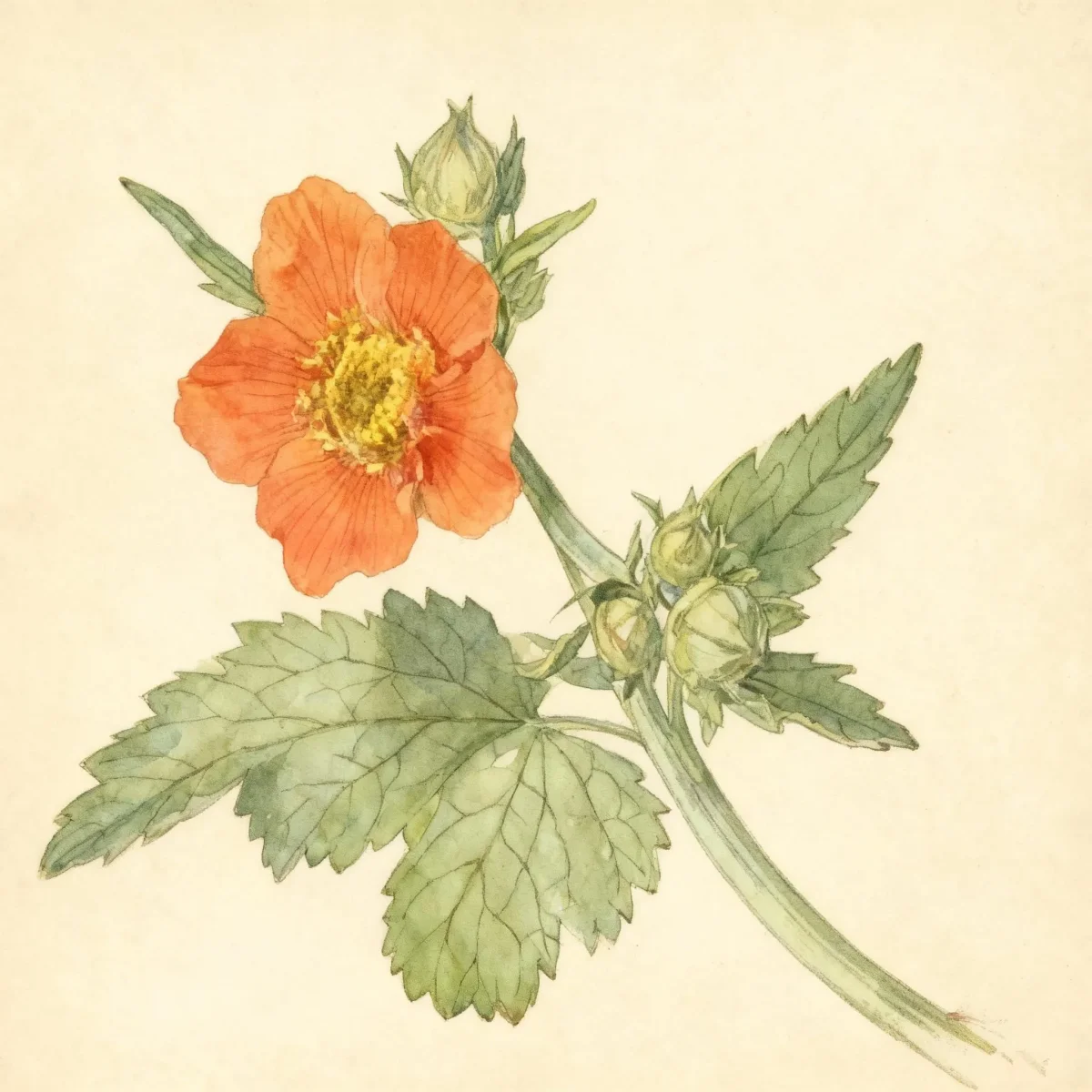
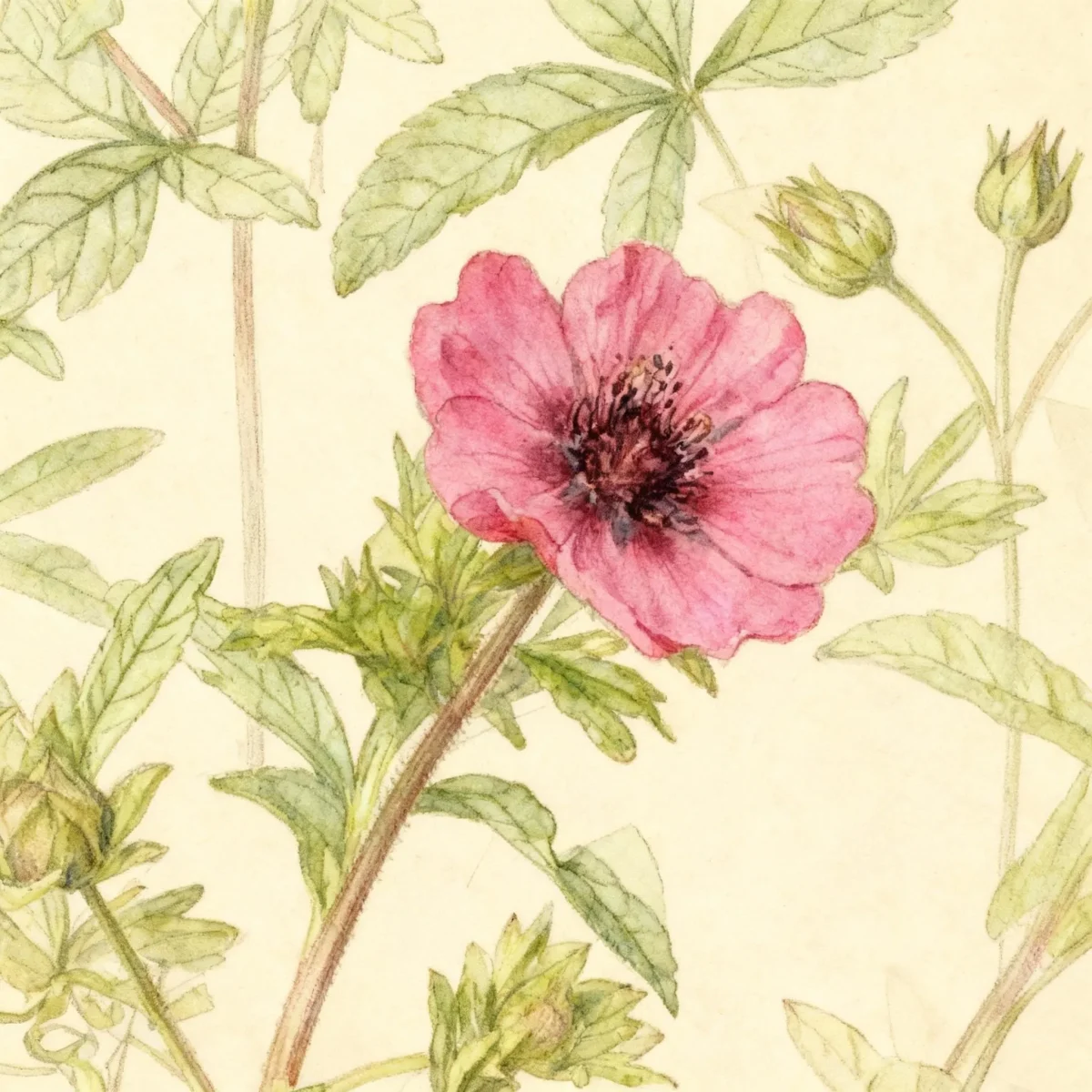
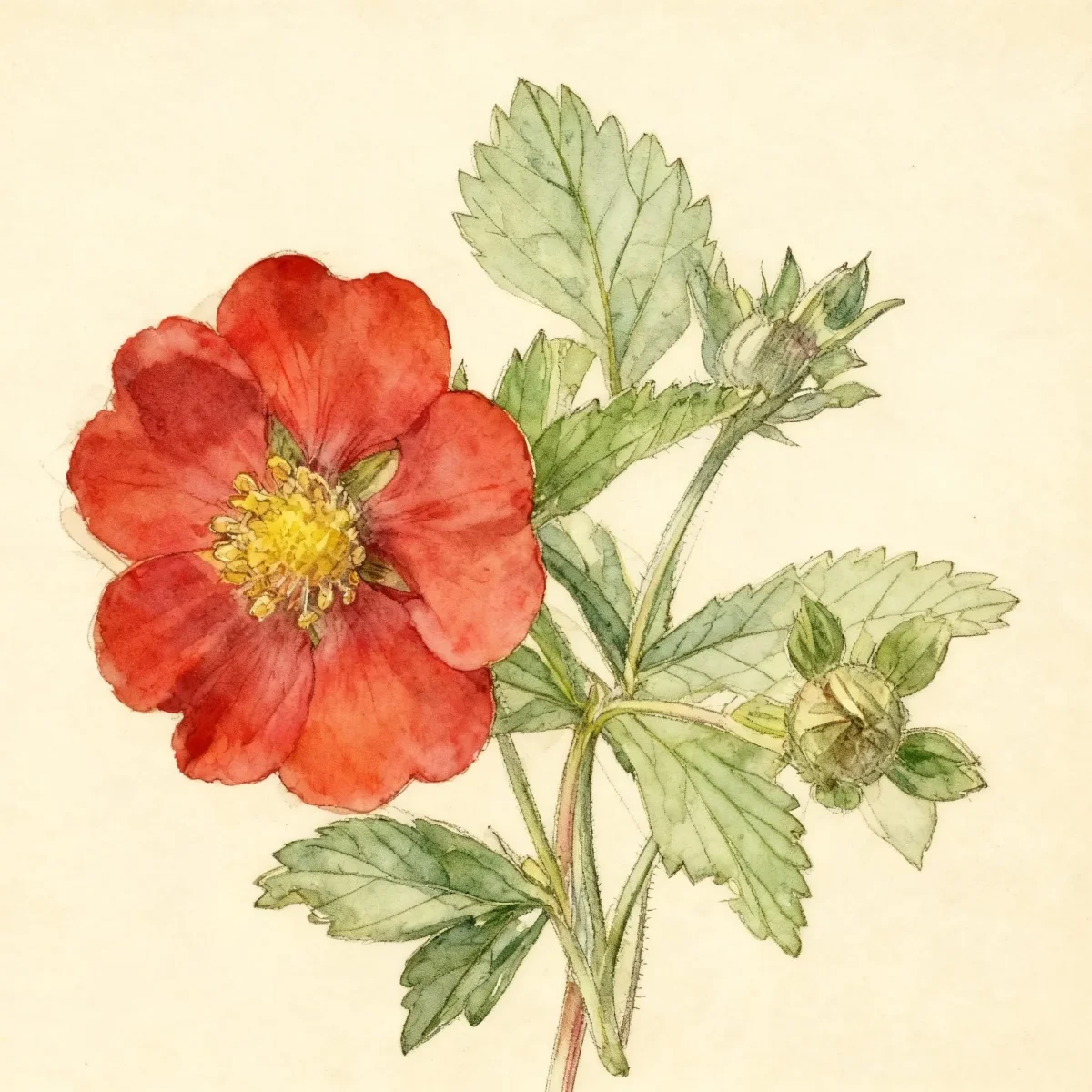
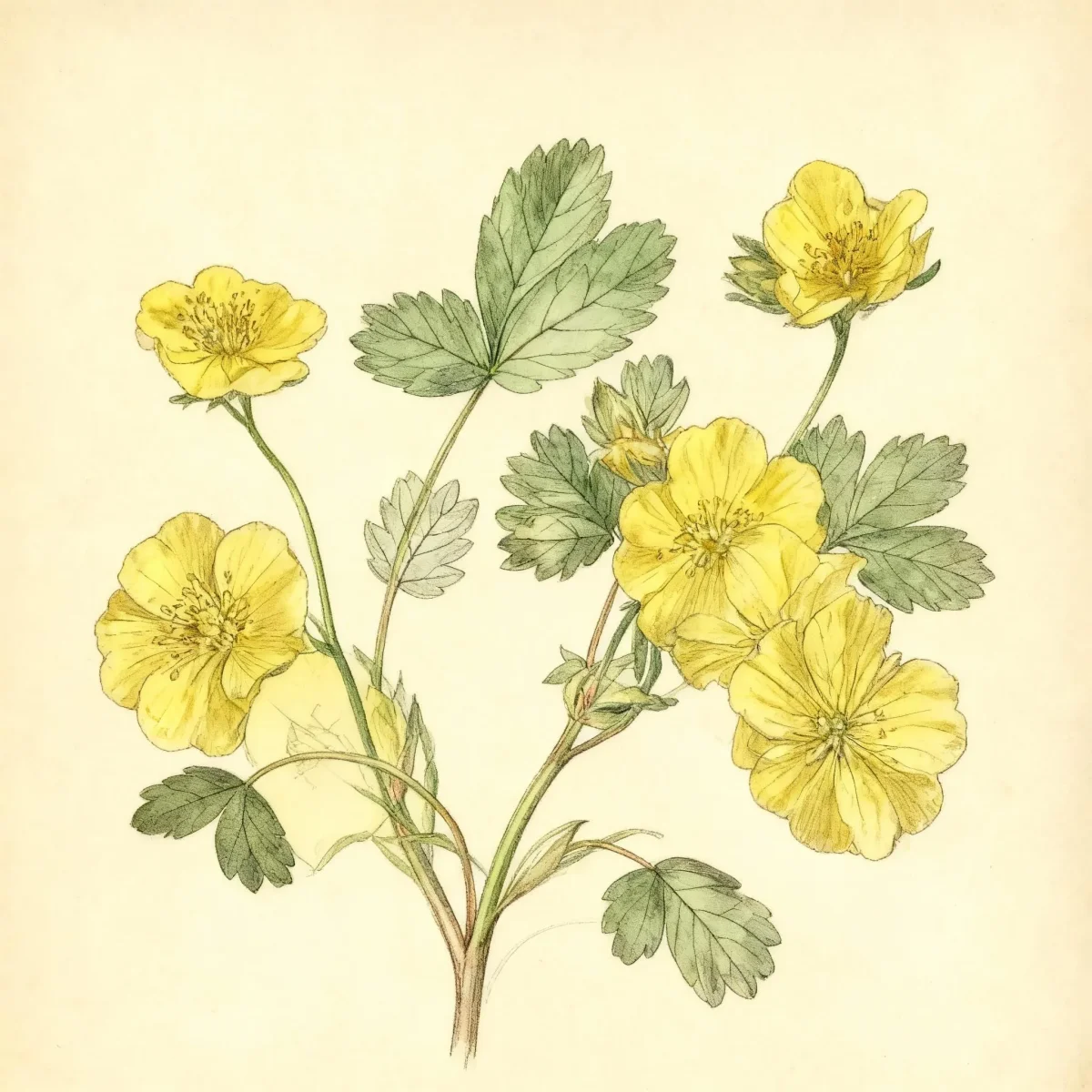
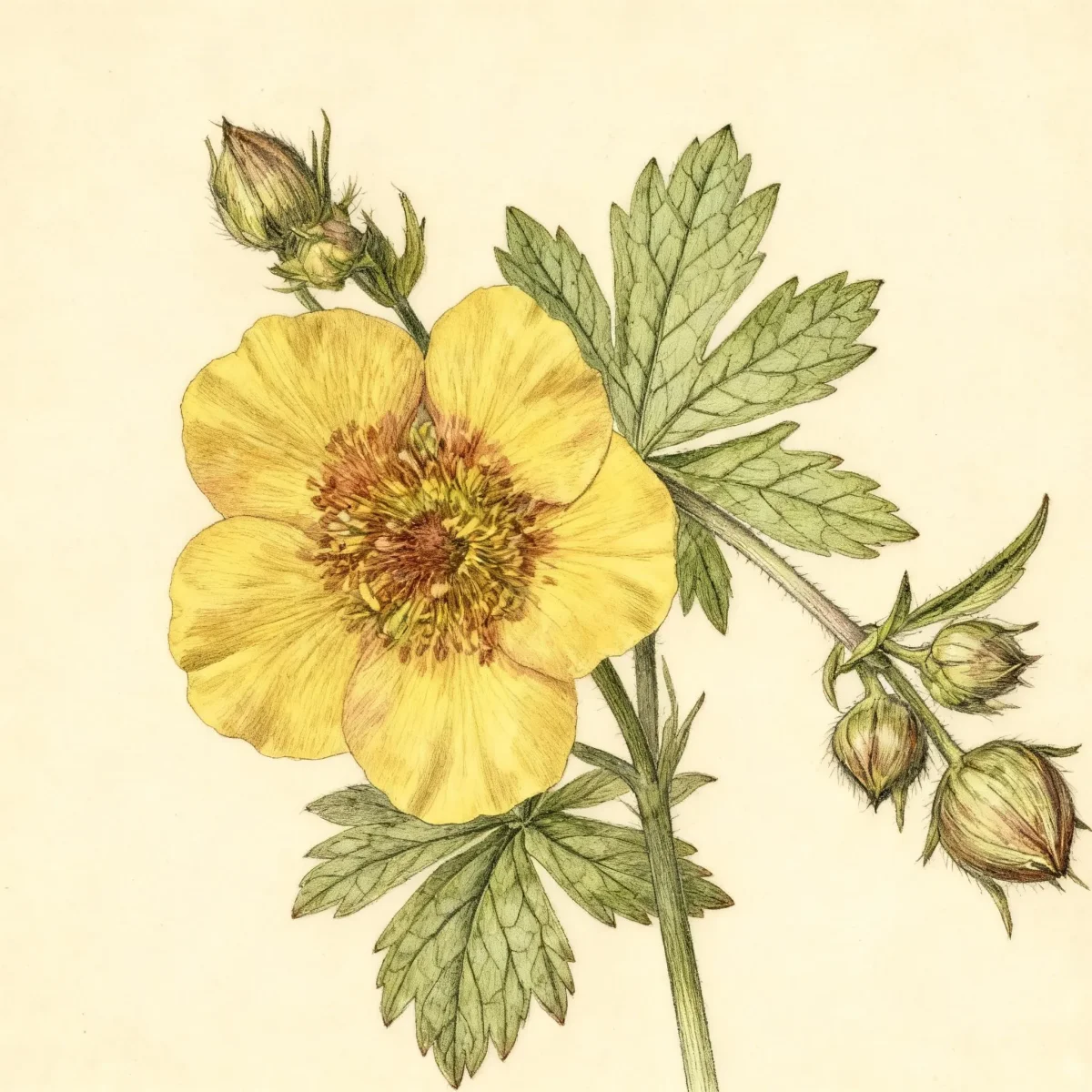
Rock cinquefoil (Potentilla rupestris)
Hardy Potentilla rupestris (Rock cinquefoil) is a low-maintenance perennial offering white blooms. Ideal for zones 5-7 rock gardens.
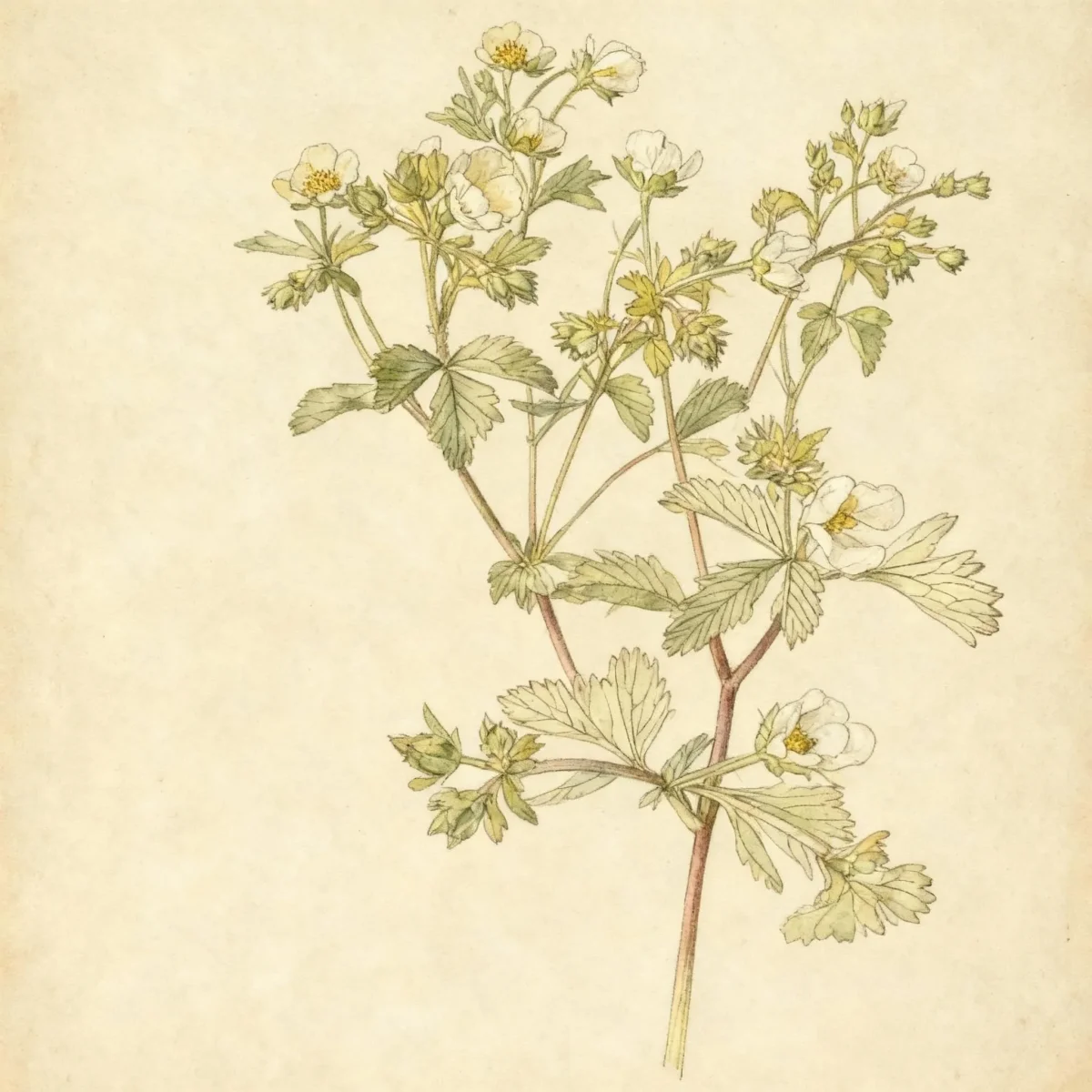

Bloom Boldly, No Matter the Season - Sweatshirt
Cozy organic cotton sweatshirt featuring our exclusive Purple Coneflower design. Perfect for gardeners who bloom year-round.
Inspired by the beautiful Rock cinquefoil
Limited first batch (50) — join the waitlist for early access
Waitlist closes Feb 15, 2026.
Complete Plant Information
Field Guide Continues
Ready for care notes, companion picks, and planting tips?
The map is just the start. The full guide below covers growth habits, seasonal performance, and landscape uses.
Overview
Rock cinquefoil, scientifically known as Potentilla rupestris, is a valuable addition to the perennial border, prized for its neat, mounding habit and delicate white flowers. This vigorous, clump-forming species from the Rosaceae family provides reliable spring interest. Its compact size makes it perfectly suited for specific niches within the landscape where larger plants would overwhelm the space.
The appeal of Potentilla rupestris lies in its toughness combined with its aesthetic simplicity. It produces five-petaled white flowers, each highlighted by a central boss of bright yellow stamens, creating a cheerful display from late spring into early summer. Gardeners appreciate its low maintenance requirements and excellent performance in cooler northern climates.
This species is native across Europe, Siberia, and China, demonstrating strong winter hardiness in the appropriate zones. While requiring medium moisture, established plants develop respectable drought tolerance, offering a low input, high reward option for rock gardens and border fronts where sun exposure is plentiful.
Fast Facts
- Plant Family: Rosaceae
- Plant Type: Herbaceous perennial
- Native Range: Europe, Siberia, China
- Hardiness Zones: USDA Zones 5-7
- Size at Maturity:
- Height: 0.75-1.5 ft
- Spread: 0.75-1.5 ft
- Bloom Time: May to June
- Bloom Description: White with yellow stamens
- Sun Exposure: Full sun to part shade
- Water Needs: Medium
- Maintenance Level: Low
How to Grow
Plant Potentilla rupestris during the spring or fall when conditions are cool. Choose a location providing excellent drainage, as this is crucial for successful establishment. While they thrive in full sun, they will tolerate light shade, though growth may become sparser under lower light levels. The soil should be average; rich amendments are not necessary for this resilient rock-loving species.
Water young plants consistently to establish a robust root system, adhering to medium water requirements. Once mature, established plants exhibit good drought tolerance, though supplemental watering during extended hot periods will ensure peak performance. This species offers excellent winter hardiness, performing best in cool northern summers; avoid planting this rock cinquefoil in areas known for extremely hot and humid summers, like those south of USDA Zone 7.
Maintenance for Potentilla rupestris is typically very low. Deadheading spent blooms is usually unnecessary for shaping but can sometimes encourage a slight rebloom. If the plant becomes too sprawling late in the season, light trimming can refresh its appearance. Allow plants to remain undisturbed; they may naturally reseed in the garden under optimal growing conditions.
Landscape Uses
The compact stature of Potentilla rupestris makes it an indispensable choice for rock gardens, where its low profile complements rugged stone textures perfectly. Its mounding habit also shines when used along border fronts, providing a neat, finished edge that transitions between hardscape elements or taller plantings and the lawn.
Use this rock cinquefoil alongside other drought-tolerant, sun-loving perennials that share similar structure needs, such as shorter ornamental grasses or creeping thymes. Its white flowers offer a lovely cool tone that contrasts well with summer-blooming blues or yellows, ensuring visual interest throughout the shorter bloom cycle of the Potentilla rupestris.
Standout Features
Flower Qualities
- Showy
Noteworthy Characteristics
Potentilla rupestris, commonly known as rock cinquefoil, is a vigorous, clump-forming, herbaceous perennial of the rose family that typically grows in a mound to 8-18” tall with a similar spread. Each plant features a basal clump of leaves divided into 5 to 7 round-toothed leaflets, with upper leaves often showing only 3 leaflets. The white, five-petaled flowers (1/2 to 1 1/4” wide) are distinctive for their center boss of bright yellow stamens.
Tolerances
- Deer
- Drought
Potential Problems
Overall, Potentilla rupestris exhibits a very clean health profile. Gardeners rarely encounter serious insect or disease issues when it is grown in suitable conditions. The minor issue to watch for relates to climate; plants will perform poorly if subjected to sustained hot, humid summers below its lower hardiness limit (Zone 7).
To prevent stress, ensure sharp drainage, especially during winter dormancy, as wet, cold soil can encourage root issues. Since maintenance is low, avoid over-fertilizing, which can lead to overly lush, floppy growth that reduces its aesthetic appeal and natural hardiness.
Frequently Asked Questions
What hardiness zones is Rock cinquefoil suitable for?
Potentilla rupestris is well-suited for USDA Hardiness Zones 5 through 7, offering excellent winter hardiness in these ranges.
How large does Potentilla rupestris grow?
This herbaceous perennial typically forms a mound reaching 0.75 to 1.5 feet in height, with a similar spread of 0.75 to 1.5 feet at maturity.
When does Potentilla rupestris bloom?
Rock cinquefoil produces its five-petaled white flowers with yellow stamens primarily from May to June.
What sun exposure does Rock cinquefoil need?
For the best display and compact habit, Potentilla rupestris requires full sun, though it can tolerate limited periods of part shade.
Conclusion
The low-maintenance nature and dependable spring bloom of Potentilla rupestris secure its place as a garden favorite. Its robust constitution, including notable deer and drought tolerance, makes this rock cinquefoil an excellent choice for challenging sunny spots. Before planting, confirm that your location falls within USDA Zones 5-7 to ensure the best performance from this handsome perennial.
Companion Planting
Because Potentilla rupestris enjoys full sun and demands well-drained soil, pairing it with other Mediterranean or alpine-style plants works perfectly. Consider drought-tolerant companions like Creeping Thyme (Thymus serpyllum) or various low-growing Sedums. These companions share similar soil preferences and will not compete excessively for moisture once established, ensuring the rock cinquefoil remains a structural element in the mid-border.
Propagation Tips
While Potentilla rupestris may occasionally reseed in ideal garden conditions, propagation is most reliably achieved through division. In early spring before new growth hardens off, carefully dig up the clump and divide it into smaller sections, ensuring each division has several healthy buds and roots attached. Plant these divisions promptly in prepared, average soil to minimize transplant shock and encourage rapid establishment of the new rock cinquefoil plants.