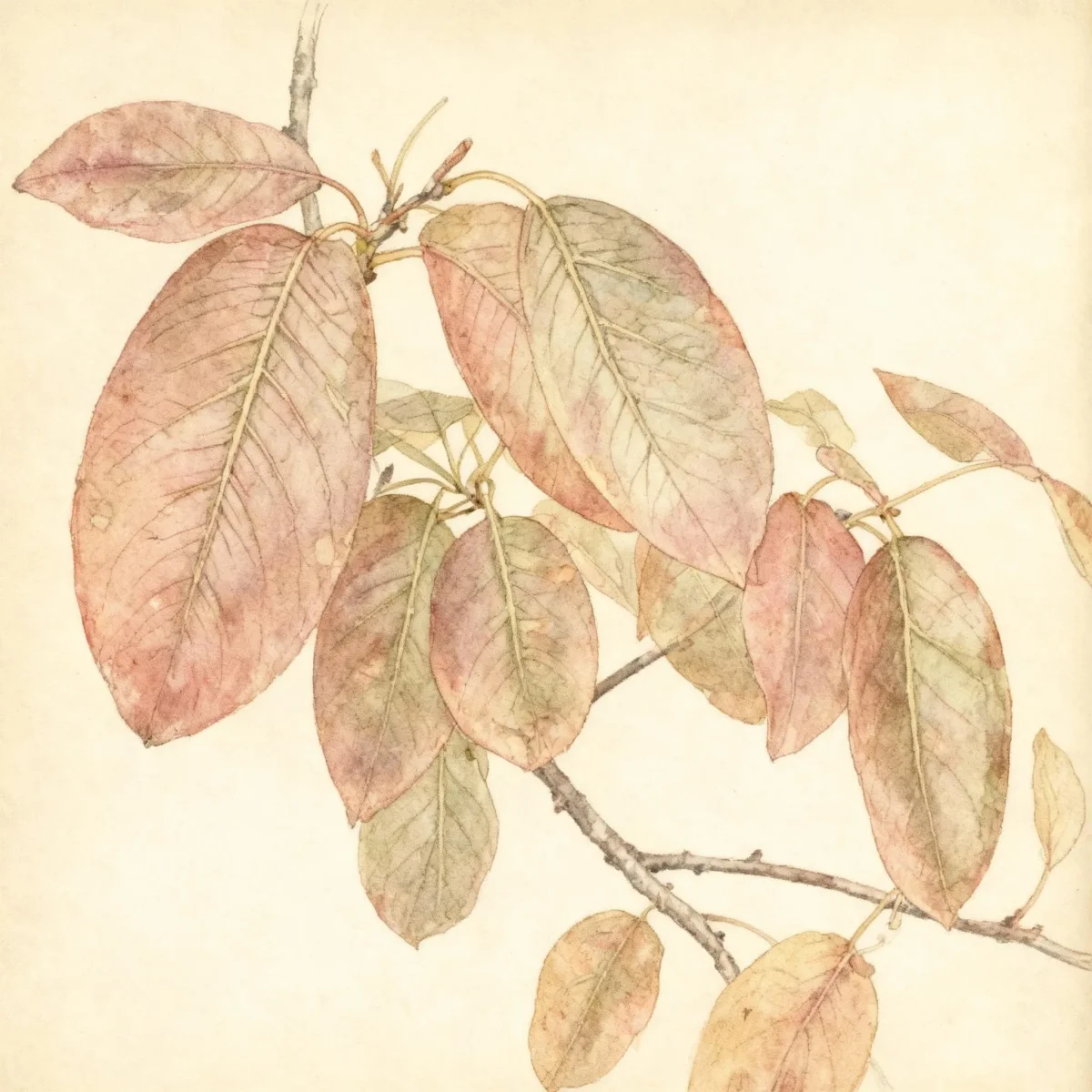
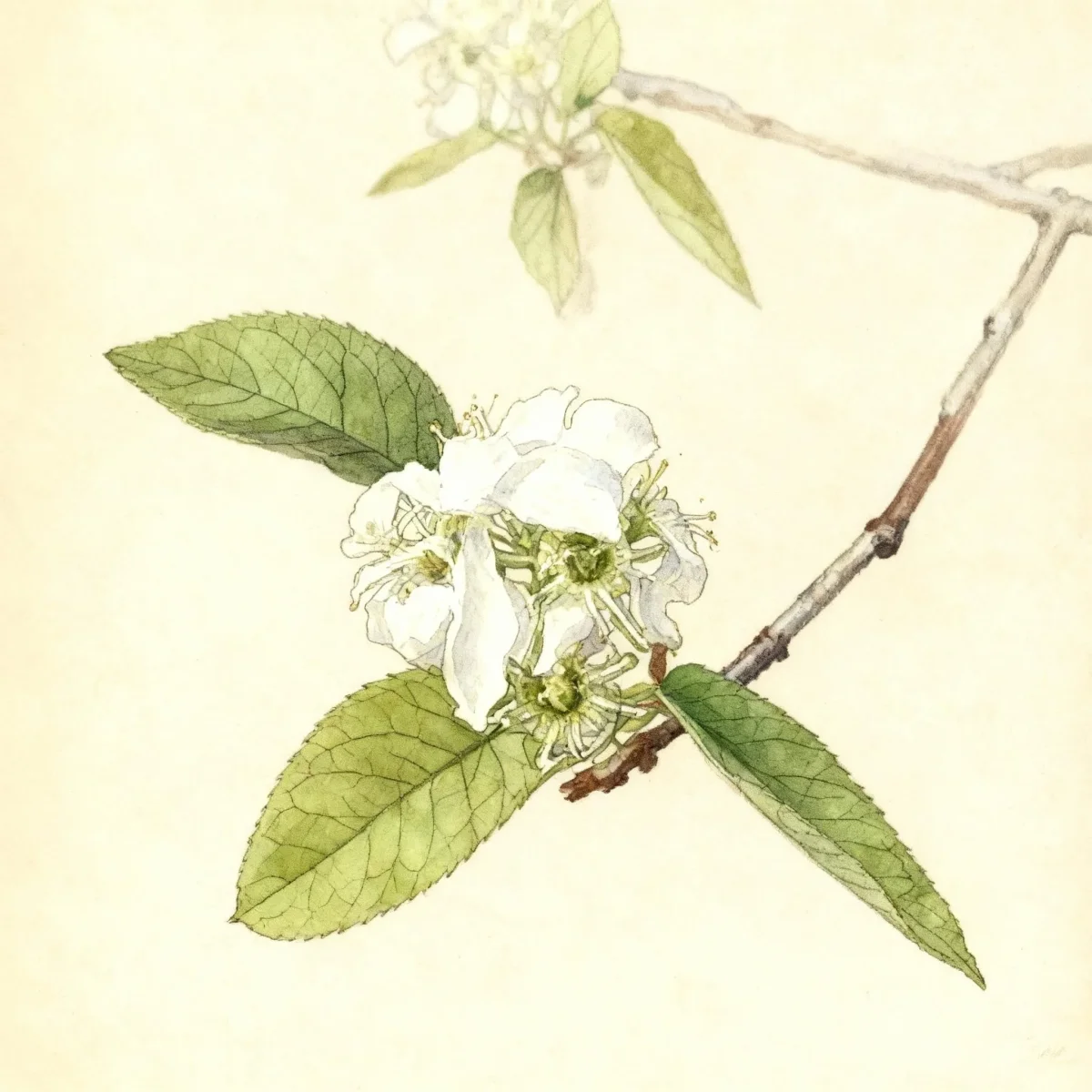
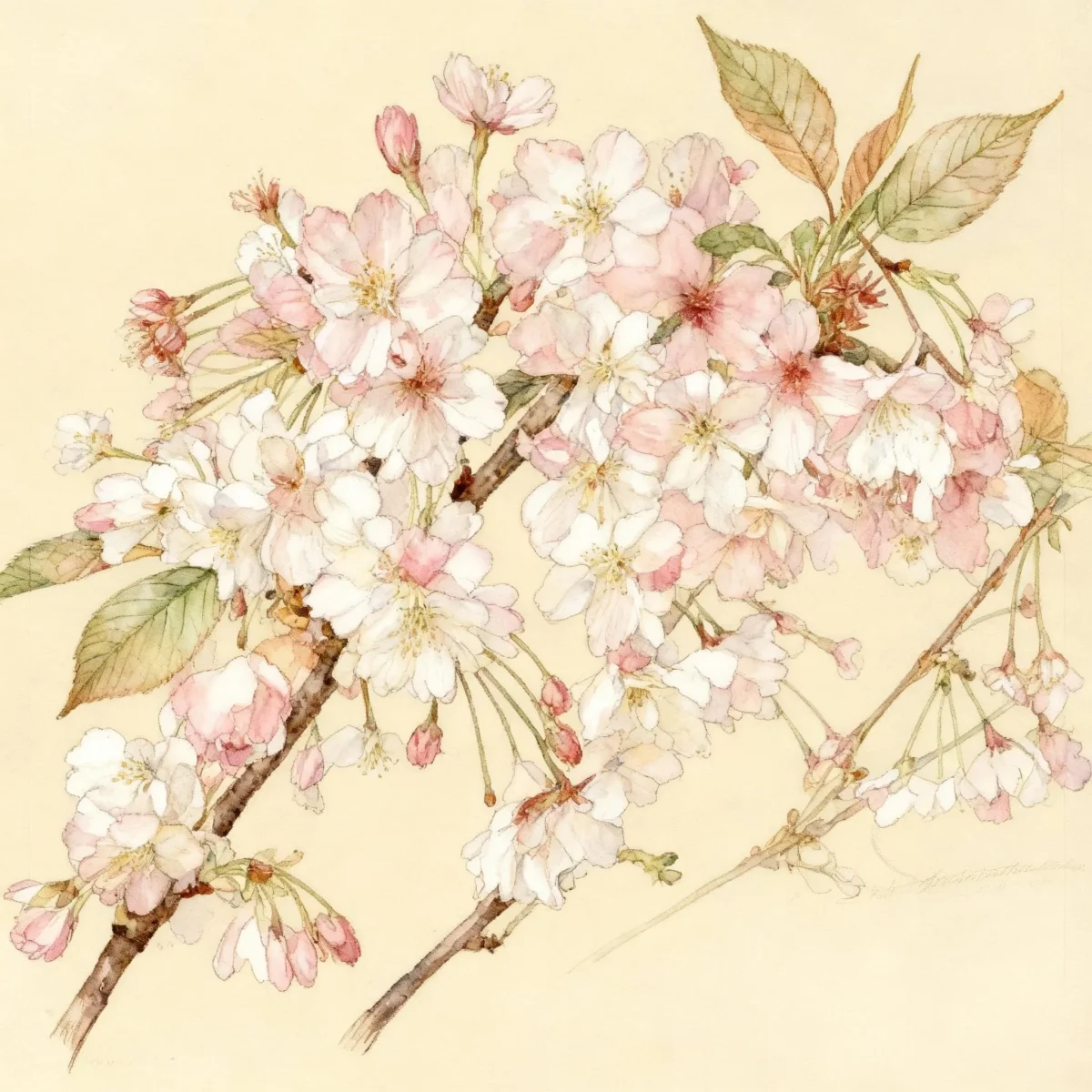
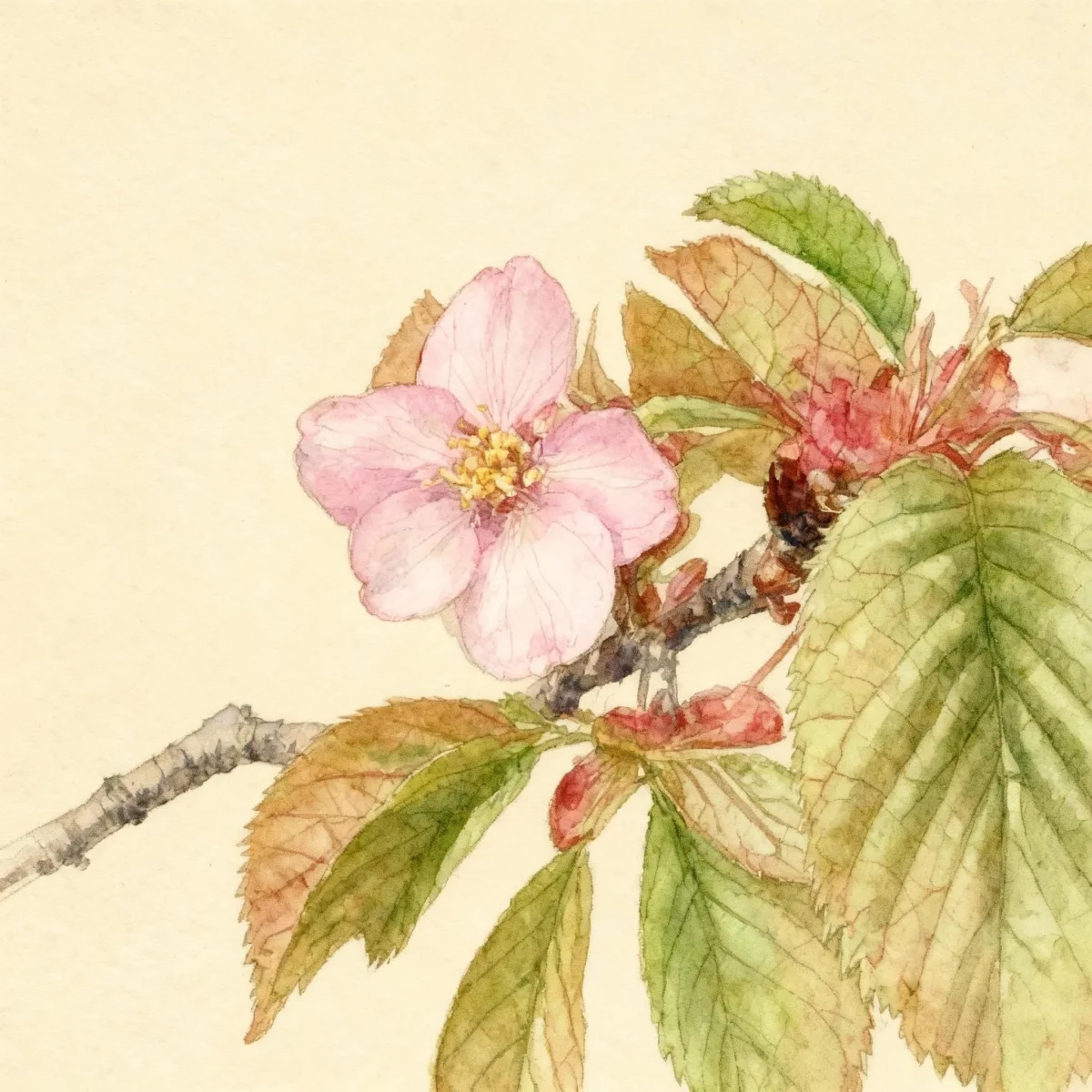
Wild plum (Prunus americana)
Prunus americana, the Wild plum, is a low-maintenance native tree offering fragrant white blooms and edible fruit for zones 3-8.


Bloom Boldly, No Matter the Season - Sweatshirt
Cozy organic cotton sweatshirt featuring our exclusive Purple Coneflower design. Perfect for gardeners who bloom year-round.
Inspired by the beautiful Wild plum
Limited first batch (50) — join the waitlist for early access
Waitlist closes Feb 15, 2026.
Complete Plant Information
Field Guide Continues
Ready for care notes, companion picks, and planting tips?
The map is just the start. The full guide below covers growth habits, seasonal performance, and landscape uses.
Overview
The Wild plum, scientifically known as Prunus americana, is a highly adaptable and valuable addition to the native landscape. This plant establishes itself as a small, deciduous tree or a multi-stemmed shrub, often found naturally colonizing stream banks or hedgerows across Eastern and Central North America. Gardeners prize Prunus americana for its seasonal interest, particularly the early spring floral display preceding leaf-out.
As a resilient native species, the American plum offers significant ecological support alongside its ornamental value. It thrives in average, well-drained soils and exhibits excellent adaptability to less-than-ideal conditions. While the resulting small plums are edible, this species is foremost valued for its structure and its early, showy, fragrant blossoms.
Overall, this species requires low maintenance once established, making it an excellent choice for naturalized areas, screens, or specimen planting where toughness is required. Managing its tendency to sucker is the main cultural task associated with maintaining its desired shape, whether as a single trunk or a dense shrub mass.
Fast Facts
- Plant Family: Rosaceae
- Plant Type: Tree
- Native Range: Eastern and central North America
- Hardiness Zones: USDA Zones 3-8
- Size at Maturity:
- Height: 15-25 ft
- Spread: 15-25 ft
- Bloom Time: March
- Bloom Description: White
- Sun Exposure: Full sun to part shade
- Water Needs: Dry to medium
- Maintenance Level: Low
How to Grow
Planting the Wild plum is best achieved in early spring or fall, allowing the roots time to settle before extreme summer heat or winter freezes. Select a location receiving full sun to dappled light. It is easily grown in average soils, provided they are well-drained; standing water is detrimental to its health.
Care for established Prunus americana is minimal. It tolerates dry to medium moisture regimes, requiring supplemental irrigation only during extended drought periods. Fertilizing is generally unnecessary as it naturally adapts well to average soil fertility. The most crucial care aspect is managing its suckering habit; remove vigorous sprouts emerging from the base or roots immediately to direct energy toward the main crown and prevent the formation of an undesirable thicket.
As the seasons change, little winter preparation is needed due to its hardiness in Zones 3 through 8. In late winter or very early spring before buds swell, inspect branches for any damaged wood or signs of disease like canker or black knot that require pruning. Its adaptable nature means it transitions well between different cultural settings.
Landscape Uses
The Prunus americana shines when utilized as a structural element in the landscape, suitable for use as a screen or hedgerow where its shrubby growth habit can create an effective visual barrier. It is formally listed for use as a flowering tree, making it an excellent specimen planted where its early spring color can be appreciated against a darker backdrop.
When placed in borders, consider companion planting with later-blooming shrubs or perennials that can fill in the space once the plum has finished flowering and leafed out. Given its suckering nature, planting it away from manicured beds where spreading is not desired is recommended. Use it near naturalized areas or farm edges where its tendency to form larger colonies is either beneficial or easily contained.
Standout Features
Flower Qualities
- Showy
- Fragrant
Fruit Qualities
- Showy
- Edible
Noteworthy Characteristics
Prunus americana, commonly called American plum, is a Missouri native, small, deciduous, single trunk tree or multi-stemmed shrub which occurs in rocky or sandy soils in woodlands, pastures, abandoned farms, streams and hedgerows throughout the State. Flowers, appearing in March before foliage emerges, consist of 5-petaled white clusters, followed by edible, round, red plums (about 1” diameter) that ripen in early summer. Although the fruit can be eaten raw, its quality is often improved when processed into jellies or preserves.
Tolerances
- Drought
- Dry Soil
- Black Walnut
Potential Problems
The fruit production of the Wild plum can be complicated by pests and diseases common to stone fruits. Plum curculio and brown rot are significant issues affecting fruit integrity, necessitating careful monitoring during the flowering and fruiting stages. Disease management should also include watching for leaf spot, canker, and black knot on the woody structure.
Insect pests are also a consideration; aphids, scale insects, borers, and tent caterpillars may infest branches or leaves throughout the growing season. Maintaining good air circulation and promptly removing infected or damaged wood can help reduce disease spread, minimizing the need for chemical interventions on this otherwise tough native plant.
Frequently Asked Questions
What hardiness zones is Wild plum suitable for?
The Prunus americana is highly cold-hardy, thriving in USDA Zones 3 through 8.
How large does Wild plum grow?
This species typically matures to a height between 15 and 25 feet, with a comparable spread of 15 to 25 feet.
When does Wild plum bloom?
The American plum generally exhibits its bloom time in March, presenting white flowers before the leaves fully develop.
What sun exposure does Prunus americana need?
Prunus americana performs best when situated in areas receiving full sun to light, part shade conditions.
Conclusion
The toughness, low maintenance, and early seasonal beauty provided by the Wild plum make Prunus americana an invaluable native shrub or tree for diverse landscapes. Its fragrant springtime blooms and adaptability to dry soils ensure it remains a resilient choice for habitat restoration or defined borders. Before planting, confirm your location falls within USDA Zones 3-8 and plan for occasional sucker removal to manage its spreading habit.
Wildlife Benefits
The early bloom period of the Wild plum is crucial for emerging pollinators in the temperate zones where it grows. Its white flowers provide a significant early nectar and pollen source when fewer alternatives are available, supporting bees and other beneficial insects crucial for the ecosystem.
Furthermore, the persistent, showy red fruits, even if not ideal for raw eating by humans, serve as an important late-season food source for local bird populations and small mammals. Planting this native plum contributes directly to local biodiversity by supporting multiple trophic levels throughout its life cycle.
Companion Planting
Because Prunus americana prefers dry to medium, well-drained soils and tolerates Black Walnut competition, consider pairing it with other resilient, drought-tolerant natives for a cohesive, low-input planting scheme. Excellent partners might include tough prairie grasses or coneflowers (Echinacea species) that share similar moisture and sun profile needs once established.
Avoid planting moisture-loving woodland species near the Wild plum, as it prefers conditions that lean toward the drier side of average. This selectivity helps ensure all plants thrive without one group dominating the minimal available soil moisture during hot, dry summer months.