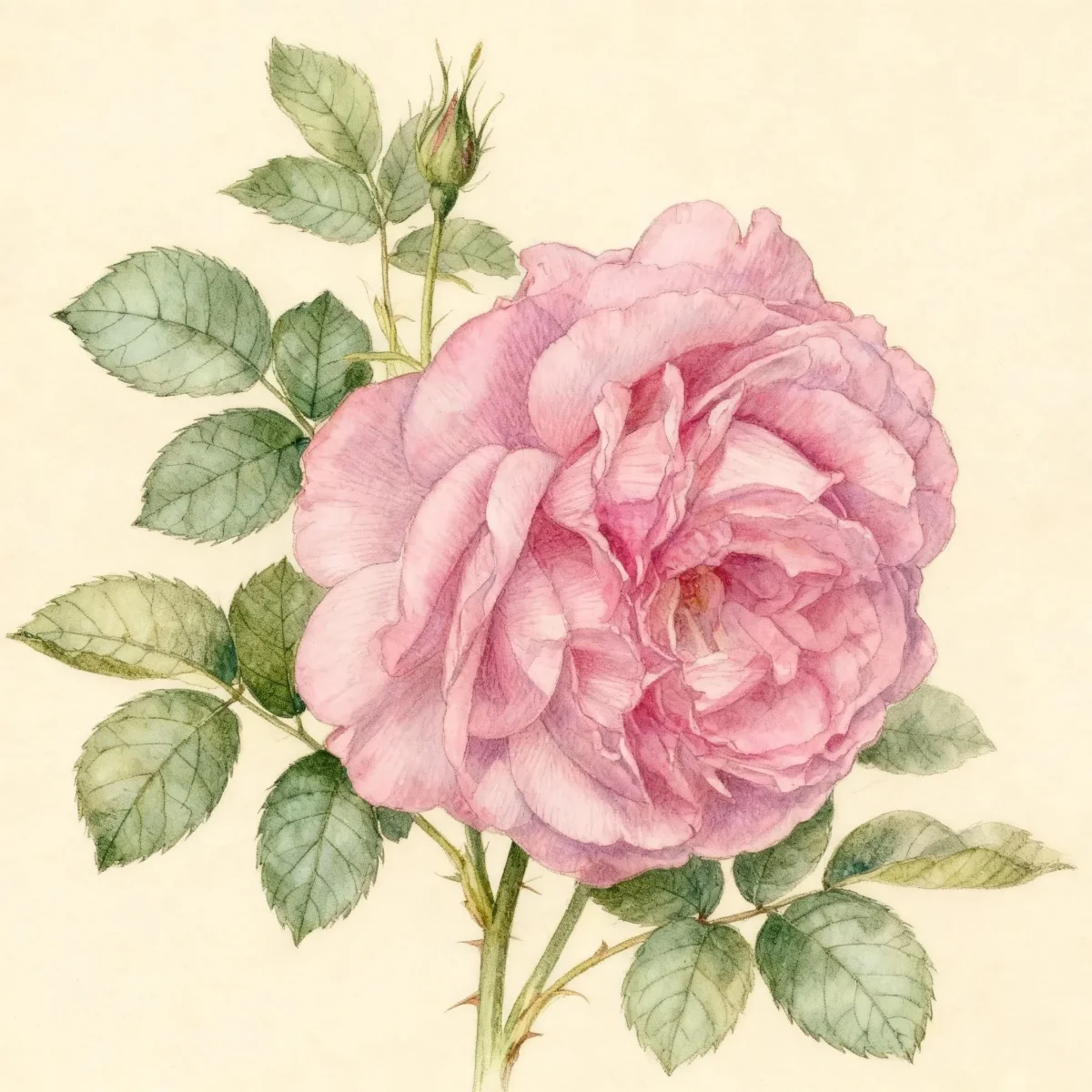
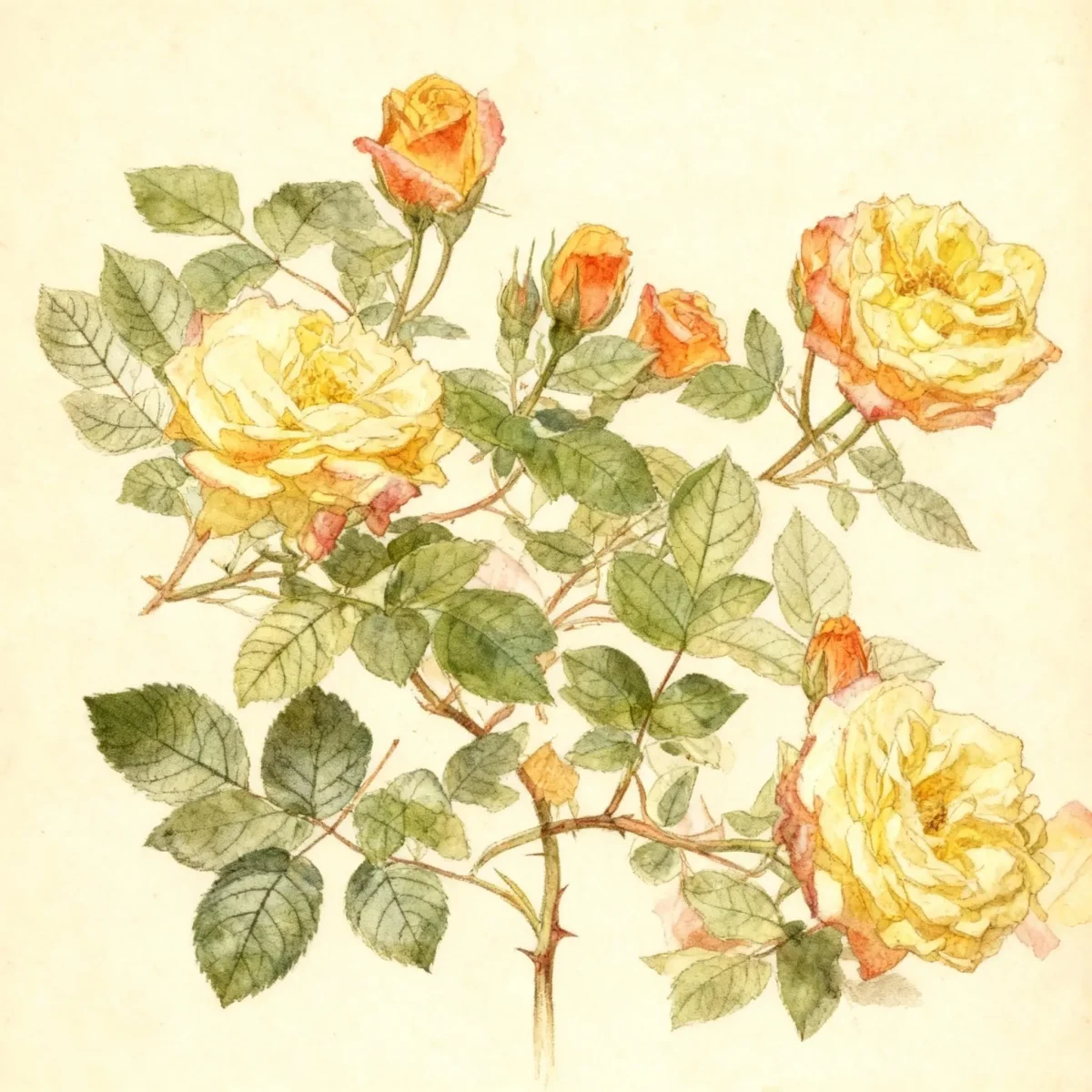
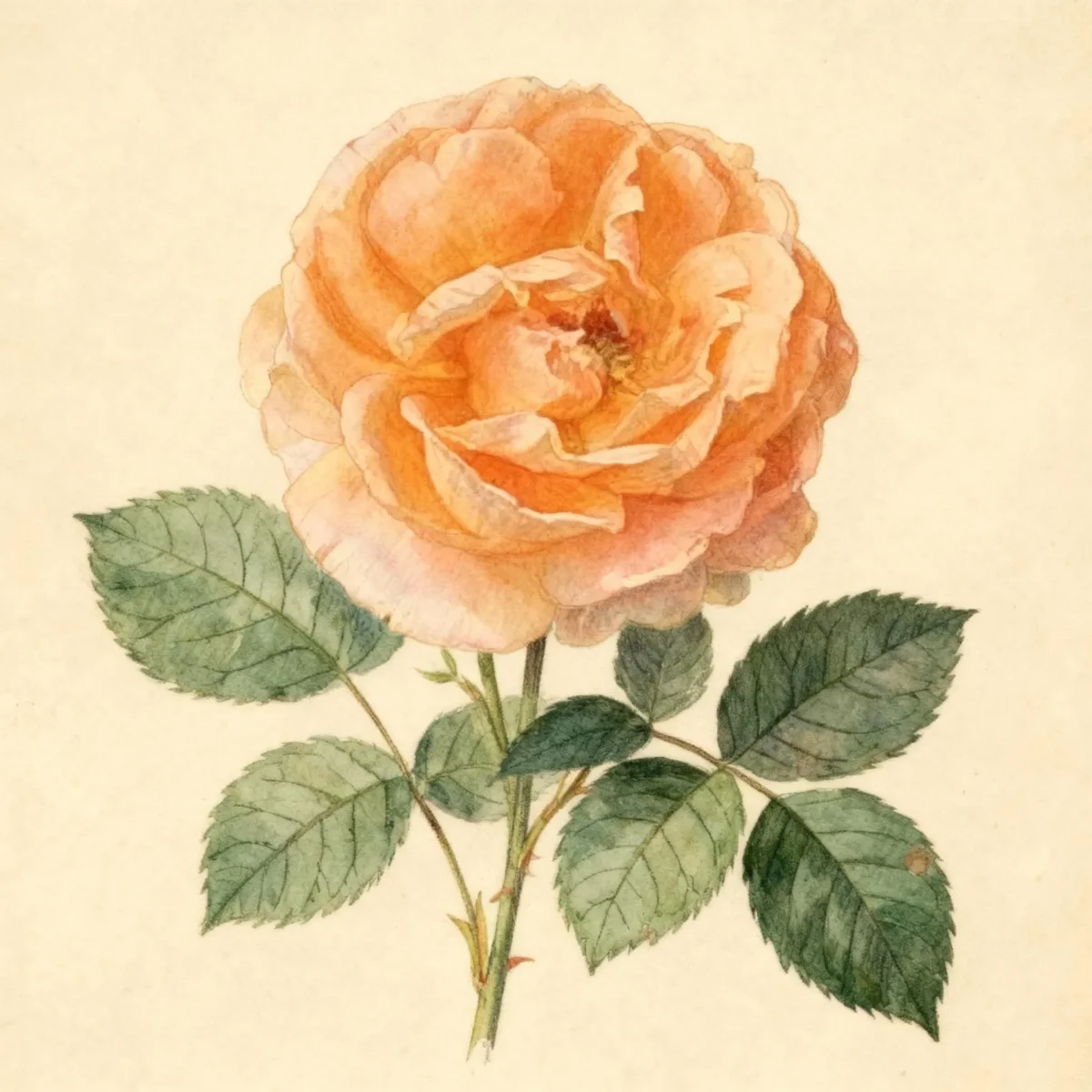
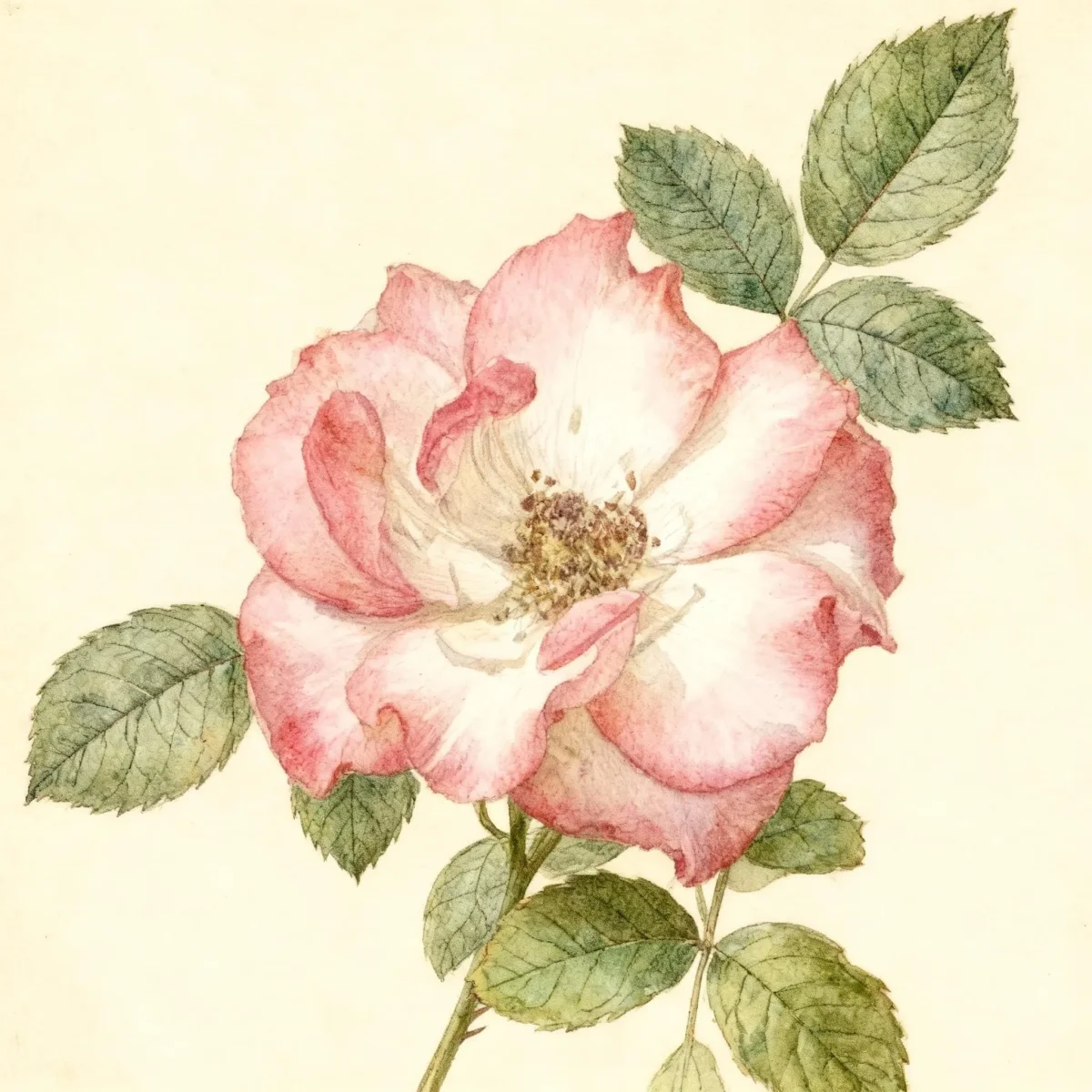
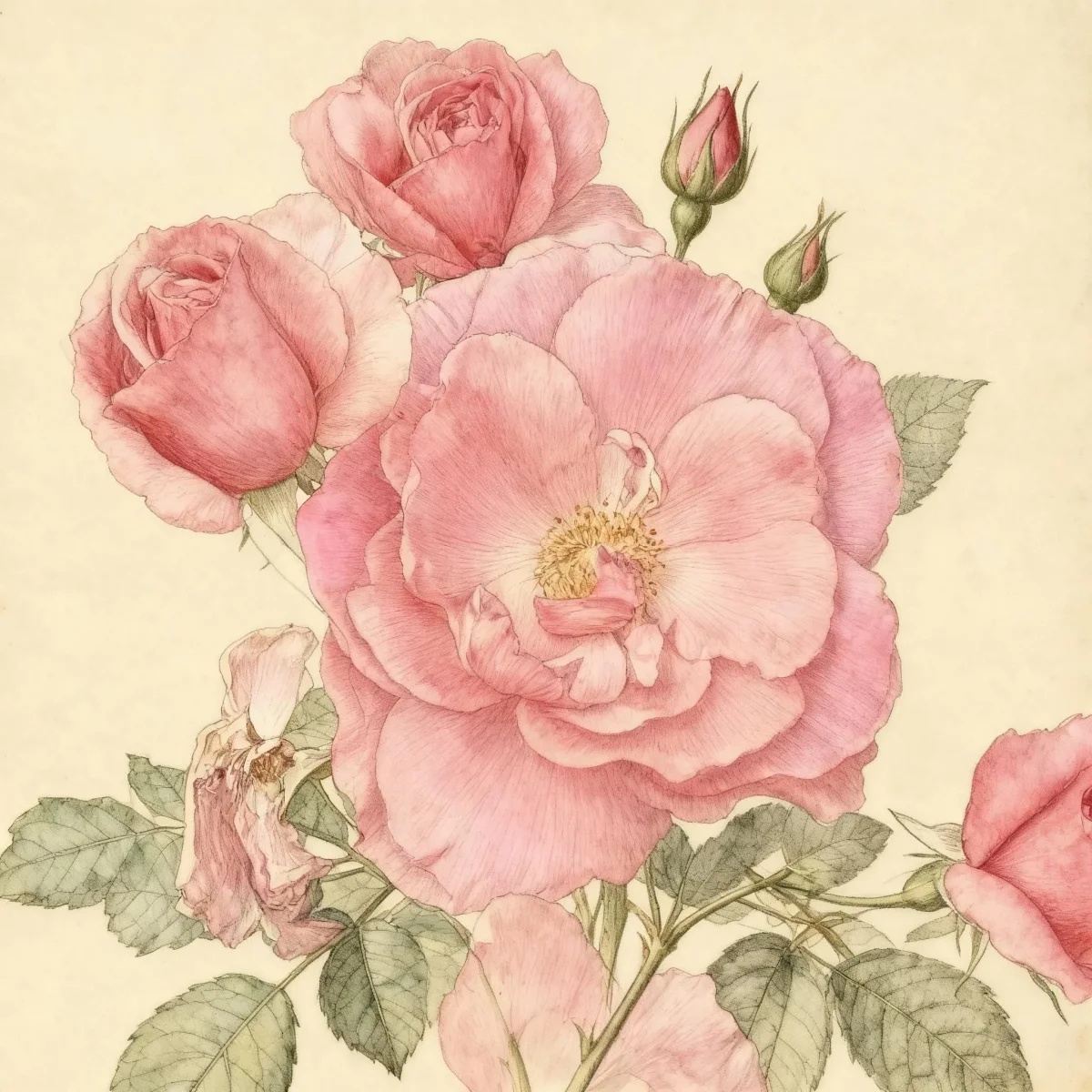
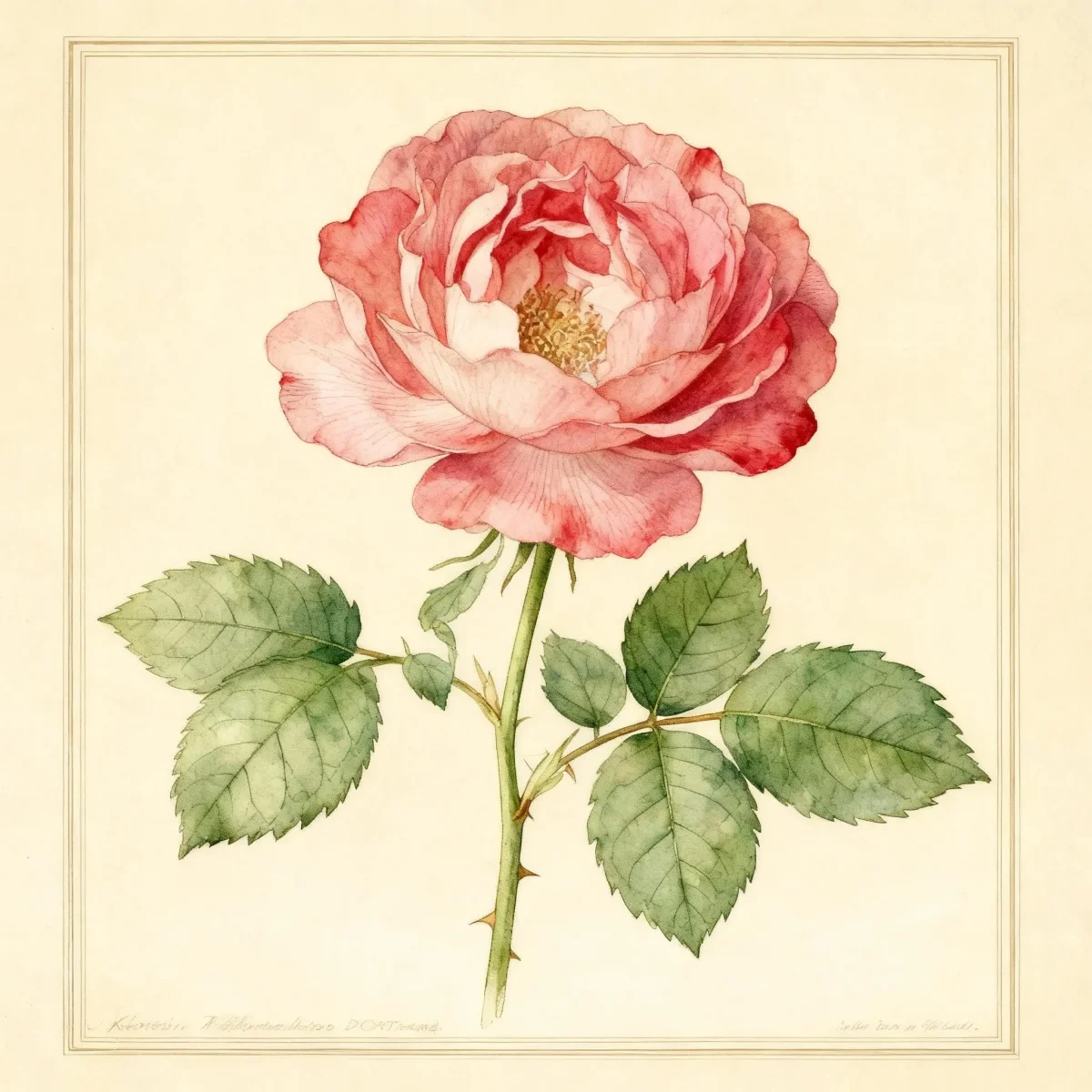
Manchu rose (Rosa xanthina)
The Manchu rose (Rosa xanthina) offers showy, fragrant yellow semi-double blooms in spring. A hardy shrub for zones 5-9.

Bloom Boldly, No Matter the Season - Sweatshirt
Cozy organic cotton sweatshirt featuring our exclusive Purple Coneflower design. Perfect for gardeners who bloom year-round.
Inspired by the beautiful Manchu rose
Limited first batch (50) — join the waitlist for early access
Waitlist closes Feb 15, 2026.
Complete Plant Information
Field Guide Continues
Ready for care notes, companion picks, and planting tips?
The map is just the start. The full guide below covers growth habits, seasonal performance, and landscape uses.
Overview
The Manchu rose, scientifically known as Rosa xanthina, brings striking late spring color to the landscape with its semi-double yellow flowers. This wild shrub rose, native to scrubby areas in China, Korea, and Mongolia, is valued for its robust nature and vibrant display preceding the main rose flush. It forms an upright, arching structure, making it suitable for informal hedging.
Unlike many modern hybrids, this older species often exhibits better natural resistance to common rose ailments, establishing itself as a reliable performer. When sited correctly, the Manchu rose provides an excellent screen or focal point, complimented later in the season by persistent red hips.
Gardeners will appreciate the medium stature of this shrub, which matures into a substantial presence, requiring medium maintenance but rewarding effort with bright, musky-fragrant blooms. Success with Rosa xanthina centers on providing ample sunlight and ensuring good air movement throughout the growing season.
Fast Facts
- Plant Family: Rosaceae
- Plant Type: Deciduous shrub
- Native Range: China, Korea, Mongolia
- Hardiness Zones: USDA Zones 5-9
- Size at Maturity:
- Height: 6-9 ft
- Spread: 7-10 ft
- Bloom Time: April to May
- Bloom Description: Yellow (semi-double)
- Sun Exposure: Full sun
- Water Needs: Medium
- Maintenance Level: Medium
How to Grow
The ideal location for planting the Manchu rose is in full sun, which encourages the most vigorous growth and best disease resistance, although it will tolerate light shade. Best results are achieved in organically rich, well-drained loams with medium moisture levels. Be aware that while Rosa xanthina can handle drier spells once established, consistent watering is necessary for peak performance.
Water deeply and regularly, focusing moisture application in the mornings to allow foliage to dry before nightfall; avoid overhead watering whenever possible. Good air circulation is vital to help mitigate potential foliar diseases common to roses. Applying a summer mulch will help maintain cooler roots and retain essential ground moisture.
Pruning for the Manchu rose should occur as needed in late winter while the shrub is dormant. Focus removal on crossing, dead, or damaged wood. To keep the shrub healthy, practice good garden hygiene: promptly remove and destroy all diseased leaves during the growing season and conduct a thorough cleanup of fallen debris in winter.
Landscape Uses
Tall informal hedges are a perfect application for robust shrubs like Rosa xanthina. Its 6 to 10-foot spread allows it to form a substantial, semi-screening border along property lines or functional areas of the garden. Plantings should be sited in full sun to maximize both bloom density and foliage health.
Beyond hedging, the Manchu rose acts as an excellent specimen plant in a large shrub border where its arching habit can be appreciated. For the dedicated rose enthusiast, incorporating several Rosa xanthina plants within a dedicated rose garden provides an early burst of unique yellow color that complements later-blooming hybrid teas or floribundas.
Consider grouping these shrubs together in sunny areas to create an informal mass planting that showcases the extensive spring bloom. While not specified here, companion plants that thrive in similar conditions—such as hardy perennial grasses or drought-tolerant perennials—will complete the look without competing heavily for resources.
Standout Features
Flower Qualities
- Showy
- Fragrant
Noteworthy Characteristics
Rosa xanthina, commonly called Manchu rose, is a wild shrub rose that is native to open slopes and scrubby areas in central China. It typically grows on upright, arching canes armed with reddish-brown thorns and clad with medium green leaves featuring 7-13 leaflets. Semi-double yellow flowers (to 2” diameter) appear densely for several weeks from late April into May, often exhibiting a musky fragrance. Flowers are eventually followed by attractive spherical to ellipsoid red hips that mature in late summer and can persist into winter, offering valuable late-season interest.
Tolerances
(No data provided)
Potential Problems
Wild roses like the Manchu rose generally exhibit better inherent resistance to common pests and diseases compared to many commercially bred hybrid roses. However, susceptibility remains for standard rose issues. Potential fungal diseases include black spot, rust, and powdery mildew.
Insects to watch for include common rose pests such as aphids, borers, scale, thrips, and leafhoppers, with spider mites sometimes appearing during hot, dry periods. Maintaining good air circulation and practicing thorough sanitation—removing all fallen debris, especially in winter—are the best preventative cultural controls against disease and overwintering pests.
Frequently Asked Questions
What hardiness zones is Manchu rose suitable for?
The Manchu rose is hardy across USDA Zones 5 through 9, offering broad applicability across many temperate regions.
How large does Rosa xanthina grow?
This deciduous shrub typically reaches heights between 6 and 9 feet, spreading out to occupy an area 7 to 10 feet wide at maturity.
What sun exposure does Rosa xanthina need?
For the best flowering and disease defense, Rosa xanthina requires full sun, though it can tolerate slightly lighter shade if necessary.
When does Manchu rose bloom?
The primary bloom period occurs from late April into May, featuring semi-double yellow flowers that are noted for being showy and fragrant.
Conclusion
The Manchu rose (Rosa xanthina) provides exceptional value as a tough, large shrub capable of holding its structure while delivering a spectacular, early display of distinctive yellow blooms. By ensuring full sun exposure and practicing diligent seasonal cleanup, gardeners can maintain a healthy, low-fuss specimen. Check your local USDA zone compatibility before planning your planting of this classic species rose.
Companion Planting
When selecting companions for the vigorous Manchu rose, focus on plants that enjoy similar full-sun exposure and well-drained soil conditions. Because Rosa xanthina is a taller shrub, consider using lower-growing, drought-tolerant perennials beneath it to suppress weeds and provide ground cover. Good choices include hardy varieties of creeping thyme or Sedum cultivars that can handle drier conditions once the rose is established.
Avoid planting fine-textured perennials too closely, as good air circulation is essential for preventing fungal issues on the rose canes. Taller, airy perennials like Russian Sage (Perovskia atriplicifolia) can complement the structure of the Rosa xanthina without crowding its base, adding a contrasting blue-gray texture near the base of the yellow blooms.
Seasonal Care Calendar
Spring preparation is key for vigorous growth of the Manchu rose. As dormancy breaks in late winter or very early spring, perform necessary pruning by removing any dead or weak wood, shaping the shrub as desired. Once new growth begins, apply a balanced rose fertilizer according to product directions.
During the active growing season (summer), monitor moisture levels, ensuring deep watering during dry spells, always watering the base of the plant rather than overhead. Apply a thick layer of organic mulch (2-3 inches) around the root zone, keeping the mulch away from the main canes to prevent rot and discourage soil-borne diseases.
Fall care centers on cleanup to prepare the Rosa xanthina for dormancy. Rake up and destroy all fallen leaves promptly, as this removes overwintering disease spores. Stop fertilizing by mid-summer to encourage the canes to harden off properly before the first hard frost.