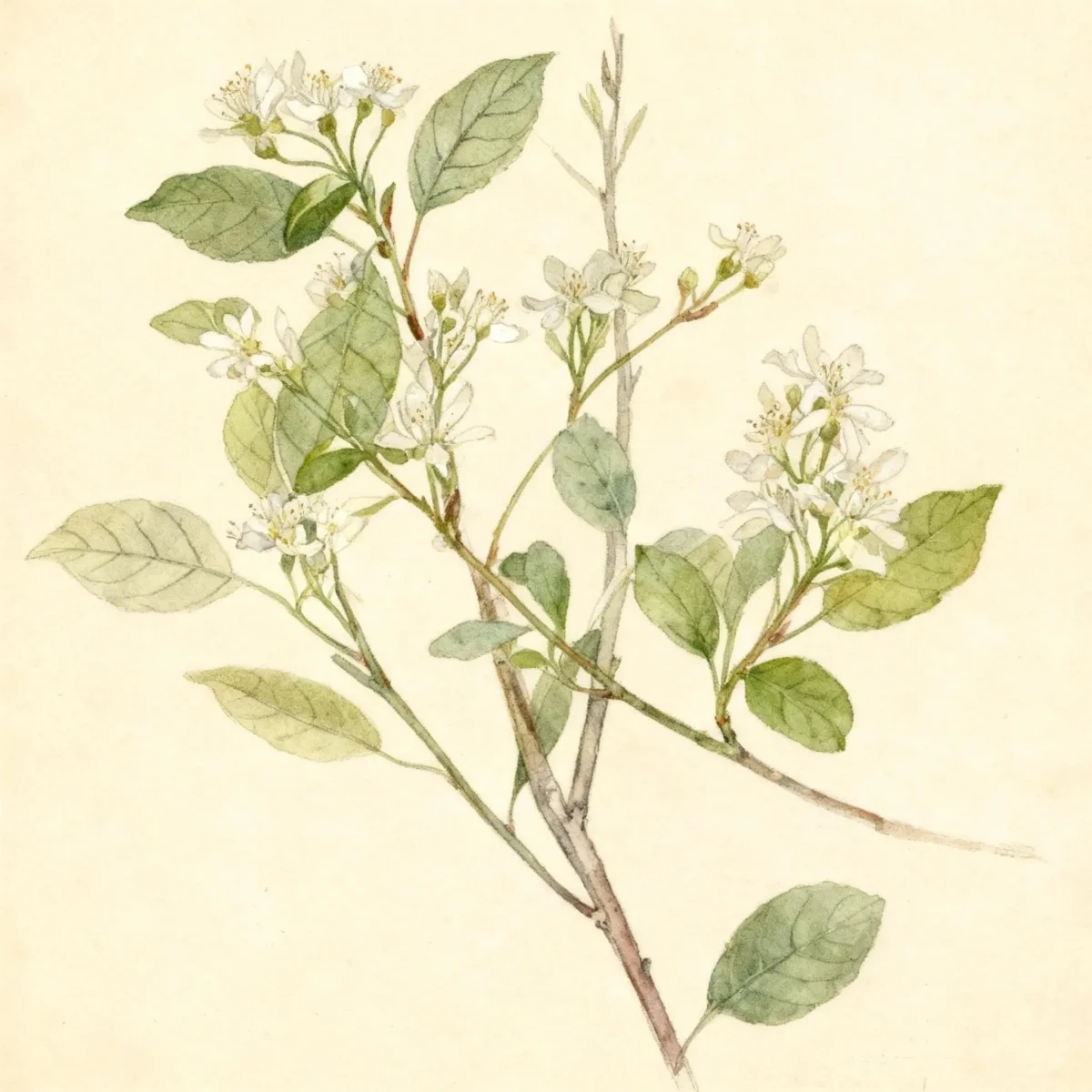
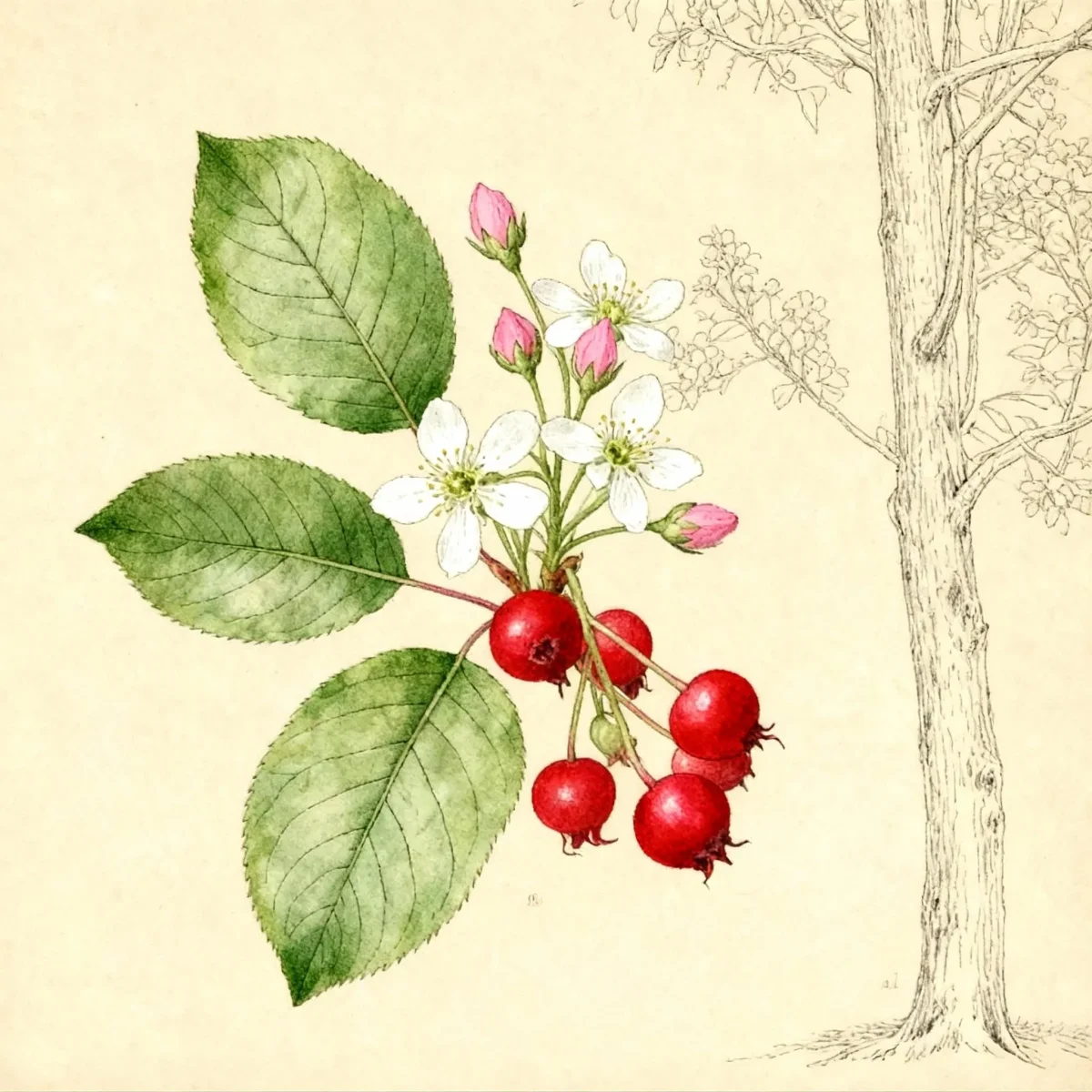
Black cherry (Prunus serotina)
Prunus serotina, the Black cherry, is a large North American native tree prized for fragrant spring bloom, summer foliage, and wildlife value.
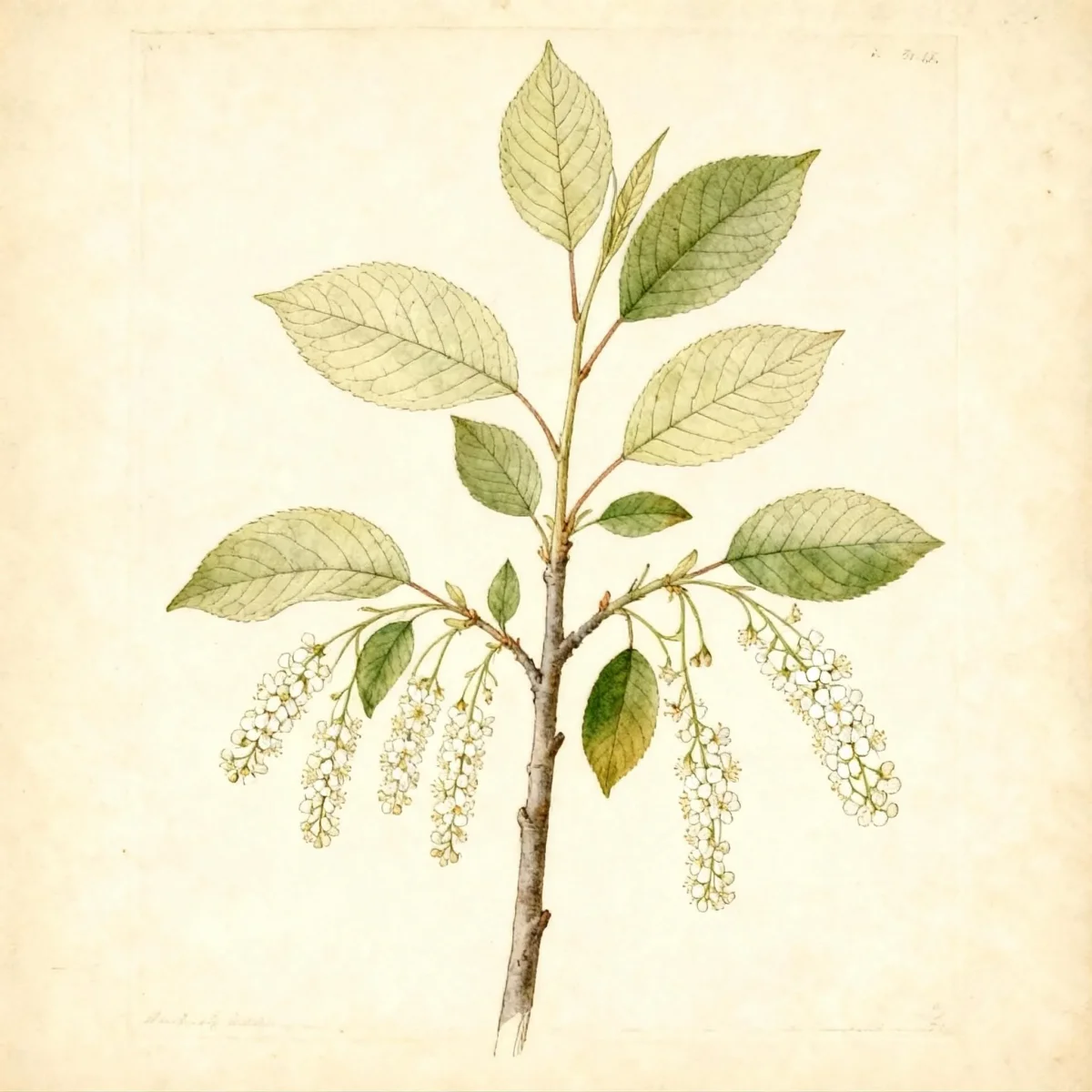

Bloom Boldly, No Matter the Season - Sweatshirt
Cozy organic cotton sweatshirt featuring our exclusive Purple Coneflower design. Perfect for gardeners who bloom year-round.
Inspired by the beautiful Black cherry
Limited first batch (50) — join the waitlist for early access
Waitlist closes Feb 15, 2026.
Complete Plant Information
Field Guide Continues
Ready for care notes, companion picks, and planting tips?
The map is just the start. The full guide below covers growth habits, seasonal performance, and landscape uses.
Overview
The Black cherry, scientifically known as Prunus serotina, is a stately and valuable addition to larger landscapes. It is renowned as one of the largest native cherries, providing substantial structure and seasonal interest across the growing season. Gardeners appreciate this tree for its profuse spring flowering, attractive glossy green summer leaves, and handsome fall coloration.
Prunus serotina offers significant ecological benefits, as its late-ripening fruits are highly attractive to various forms of wildlife. While the raw fruit is bitter, Native Americans historically utilized the inner bark for medicinal decoctions, and the prized wood is commercially significant for fine woodworking.
This species is generally considered low maintenance once established, adapting well to average conditions but thriving best with fertile, moist loam and ample sunlight. Its imposing presence makes it an excellent specimen tree for parks or expansive yards where its nearly columnar to rounded mature crown can be fully appreciated.
Fast Facts
- Plant Family: Rosaceae
- Plant Type: Tree
- Native Range: North America
- Hardiness Zones: USDA Zones 3-9
- Size at Maturity:
- Height: 50-80 ft
- Spread: 30-60 ft
- Bloom Time: April to May
- Bloom Description: White
- Sun Exposure: Full sun to part shade
- Water Needs: Medium
- Maintenance Level: Low
How to Grow
Plant Prunus serotina during the dormant season, typically in early spring or late fall, to maximize root establishment. The Black cherry performs best when situated in deep, moist, and fertile loamy soils. Ensure the location receives full sun for the best flowering and growth, though it tolerates part shade.
Care requirements are relatively low once anchored. Provide consistent, medium water, especially during dry spells in the establishment phase. Fertilization is generally unnecessary if planted in naturally rich soil, as excessive nutrients can sometimes invite pest pressure common to cherries. Pruning should be minimal, primarily focused on removing crossing or damaged limbs when young.
A critical consideration for any gardener planning to utilize Prunus serotina is its root structure. Young trees quickly develop a long tap root, which makes the process of transplanting significantly more difficult compared to shallower-rooted species. Site selection must therefore be permanent.
Landscape Uses
The primary landscape function of the Black cherry is serving as a medium to large flowering shade tree. Its height and substantial canopy size make it unsuitable for small suburban lots but ideal for anchoring open areas, large estates, or woodland borders. Use it where its spring bloom can be admired from a distance.
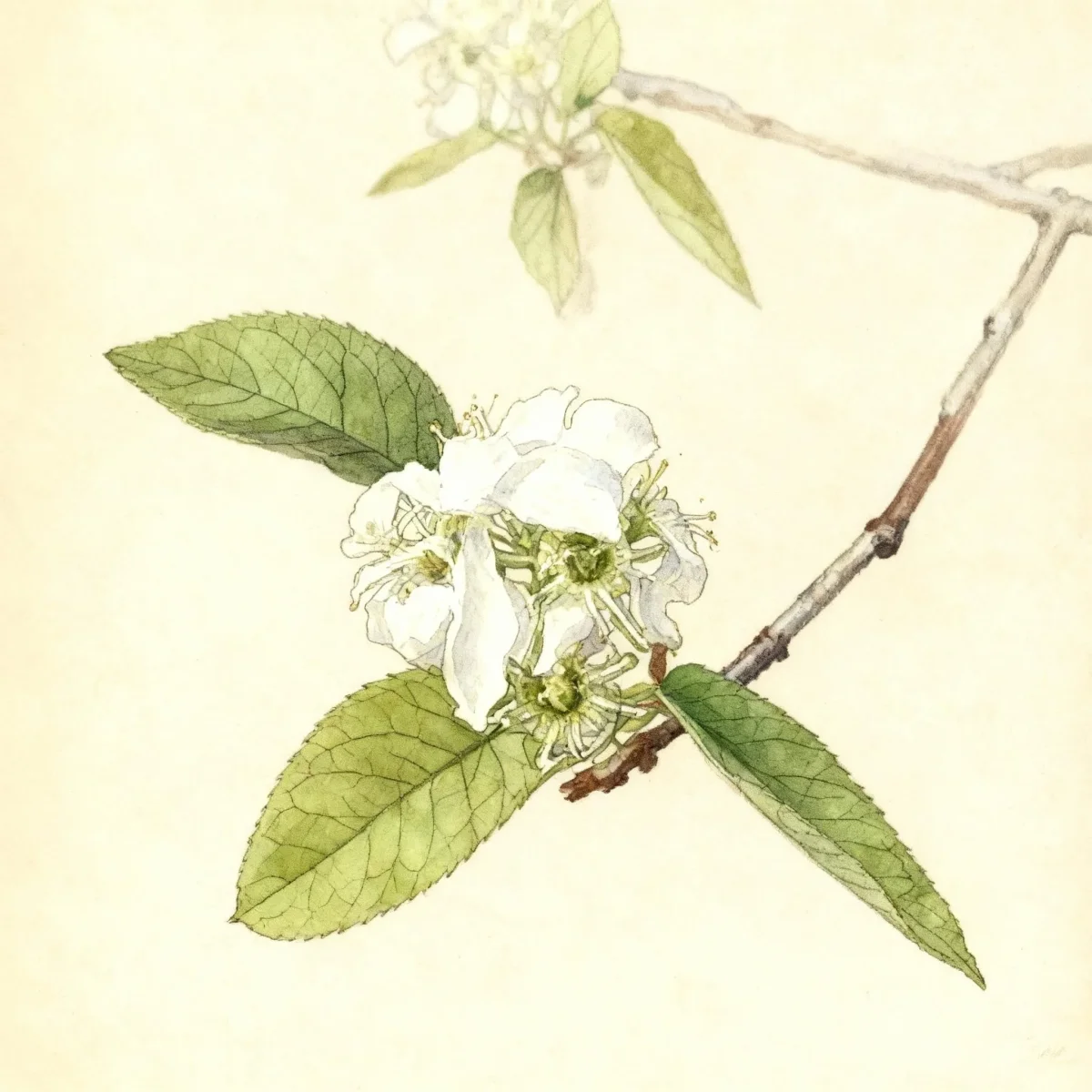
As a flowering tree, it offers striking contrast when planted against evergreens, allowing its clusters of white, fragrant flowers to truly stand out in the landscape in April and May. While it attracts wildlife, gardeners should consider the placement of the fruit if planting near patios or walkways, as fallen cherries can stain surfaces.
Prunus serotina provides excellent vertical accent and screening potential. It mixes well with other large, deep-rooted native species that tolerate similar soil conditions, offering multi-season texture that complements its valuable flowering performance.
Standout Features
Flower Qualities
- Showy
- Fragrant
Fruit Qualities
- Showy
Noteworthy Characteristics
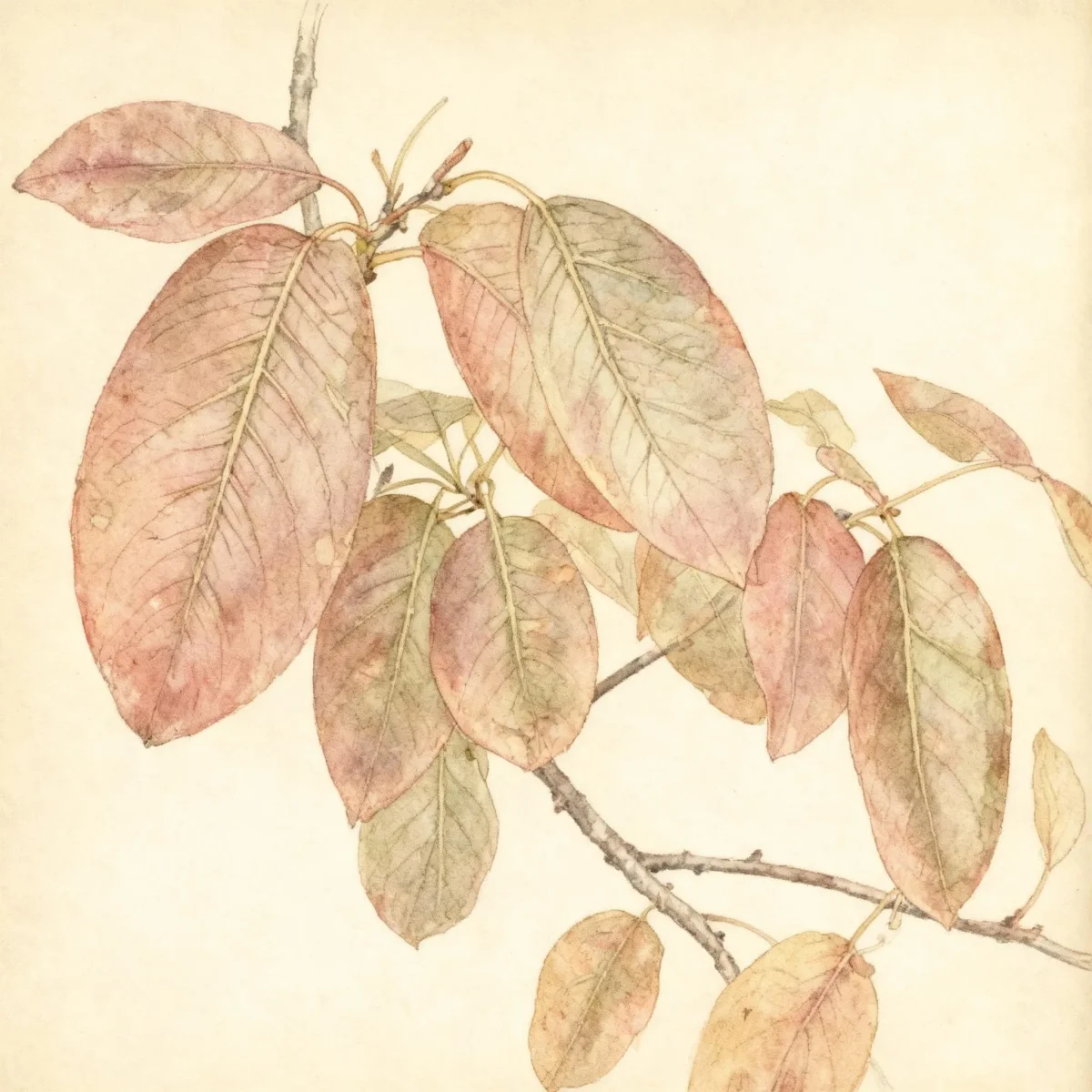
Prunus serotina, commonly called black cherry, is native across eastern North America and is one of the largest cherries, reaching 50 to 80 feet tall with a narrow, rounded crown. It is noted for its profuse spring bloom consisting of fragrant white flowers in slender clusters, followed by small, dark purple-black fruits attractive to birds. The foliage provides excellent seasonal transition, shifting to attractive yellow and rose shades in the fall before the mature tree reveals its dark, scaly bark.
Tolerances
- Black Walnut
Potential Problems
Although the native Prunus serotina is adapted to local climates, all members of the cherry genus are susceptible to numerous insect and disease pressures. Potential common issues include various leaf spots, powdery mildew, and fireblight. Successful management often involves selecting a site with excellent air circulation and avoiding overhead watering to minimize fungal development.
Common insect pests requiring monitoring include aphids, scale insects, and borers, particularly when the tree is stressed or young. Tent caterpillars are also frequently noted feeding on the foliage. Maintaining overall tree vigor, particularly adequate soil moisture and nutrients, remains the best defense against these common problems.
Frequently Asked Questions
What hardiness zones is Black cherry suitable for?
The Black cherry (Prunus serotina) is well-suited for cultivation in USDA Hardiness Zones 3 through 9.
How large does Prunus serotina grow?
This species is a large tree, typically reaching mature heights between 50 to 80 feet tall and spreading between 30 to 60 feet wide.
What sun exposure does Black cherry need?
Prunus serotina thrives best in full sun but can successfully grow where light exposure ranges toward part shade.
When does Prunus serotina bloom?
The flowering period for Black cherry is typically from April to May, producing clusters of white flowers.
Conclusion
The Prunus serotina is a magnificent specimen tree, offering high aesthetic value through its fragrant spring flowers, reliable fall color, and robust structure. Its designation as a low-maintenance species, combined with high wildlife value, makes the Black cherry an outstanding choice for large-scale landscape planning. Before planting, always confirm local soil moisture and confirm the ample space required for this impressive native tree to reach its full potential.
Wildlife Benefits
The fruits of the Black cherry are a vital late-summer and early-fall food source for numerous bird species, including robins, cedar waxwings, and catbirds. While the fruits themselves are bitter and generally unused by humans fresh off the tree, their dark, sweetening coloration once fully ripe signals food availability for the local ecosystem. Planting Prunus serotina directly supports avian populations in your area.
Beyond the fruit, the canopy structure of the mature tree provides excellent nesting and roosting sites. The early spring bloom also provides nectar for early foraging pollinators, though its primary ecological role centers around providing substantial physical habitat and seasonal sustenance via the developing cherries.
Design Ideas
For a naturalistic, woodland edge planting scheme, integrate Prunus serotina alongside species that appreciate similar moisture and fertile soil requirements. Consider pairing it with native understory trees and large shrubs that appreciate dappled light beneath its developing canopy, such as dogwoods or elderberry, as the tree matures.
When utilized as a stately shade tree along large driveways or open lawn areas, ensure ample clearance around the base. Mature Black cherry develops impressive size, demanding respect for its eventual footprint. Aim for significant setbacks from structures to accommodate the 30-to-60-foot spread.