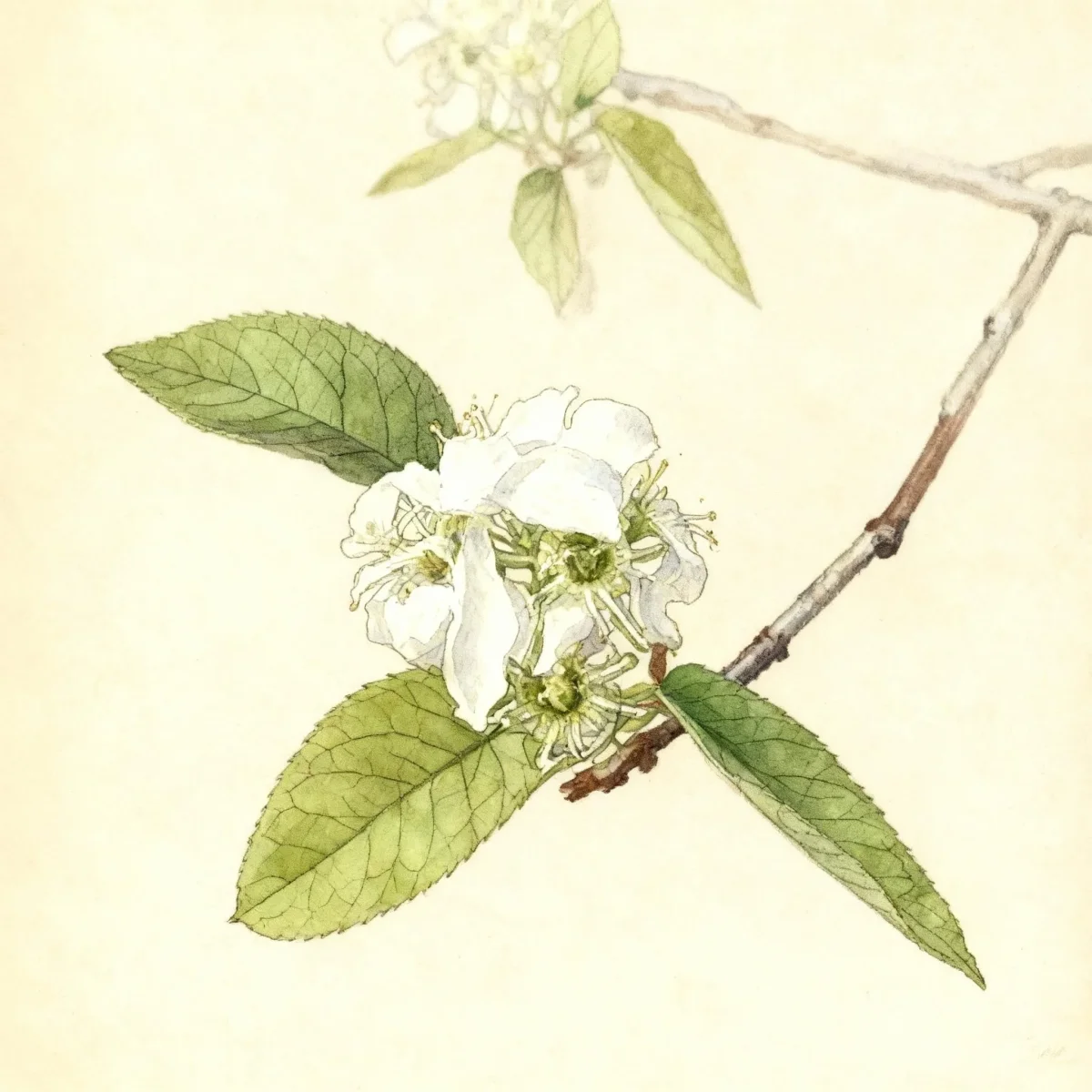
Bird cherry (Prunus avium)
The Bird cherry, Prunus avium, is a showy, fragrant ornamental tree offering white spring blooms and edible wild fruit.

Bloom Boldly, No Matter the Season - Sweatshirt
Cozy organic cotton sweatshirt featuring our exclusive Purple Coneflower design. Perfect for gardeners who bloom year-round.
Inspired by the beautiful Bird cherry
Limited first batch (50) — join the waitlist for early access
Waitlist closes Feb 15, 2026.
Complete Plant Information
Field Guide Continues
Ready for care notes, companion picks, and planting tips?
The map is just the start. The full guide below covers growth habits, seasonal performance, and landscape uses.
Overview
The Bird cherry, scientifically known as Prunus avium, is a vigorous deciduous tree valued for its beautiful spring display and wildlife benefits. This species is renowned for its abundant, fragrant white flowers that appear early in the season, often slightly preceding the emerging foliage. It serves well as a structural element in the landscape, providing necessary shade and aesthetic appeal throughout the growing season.
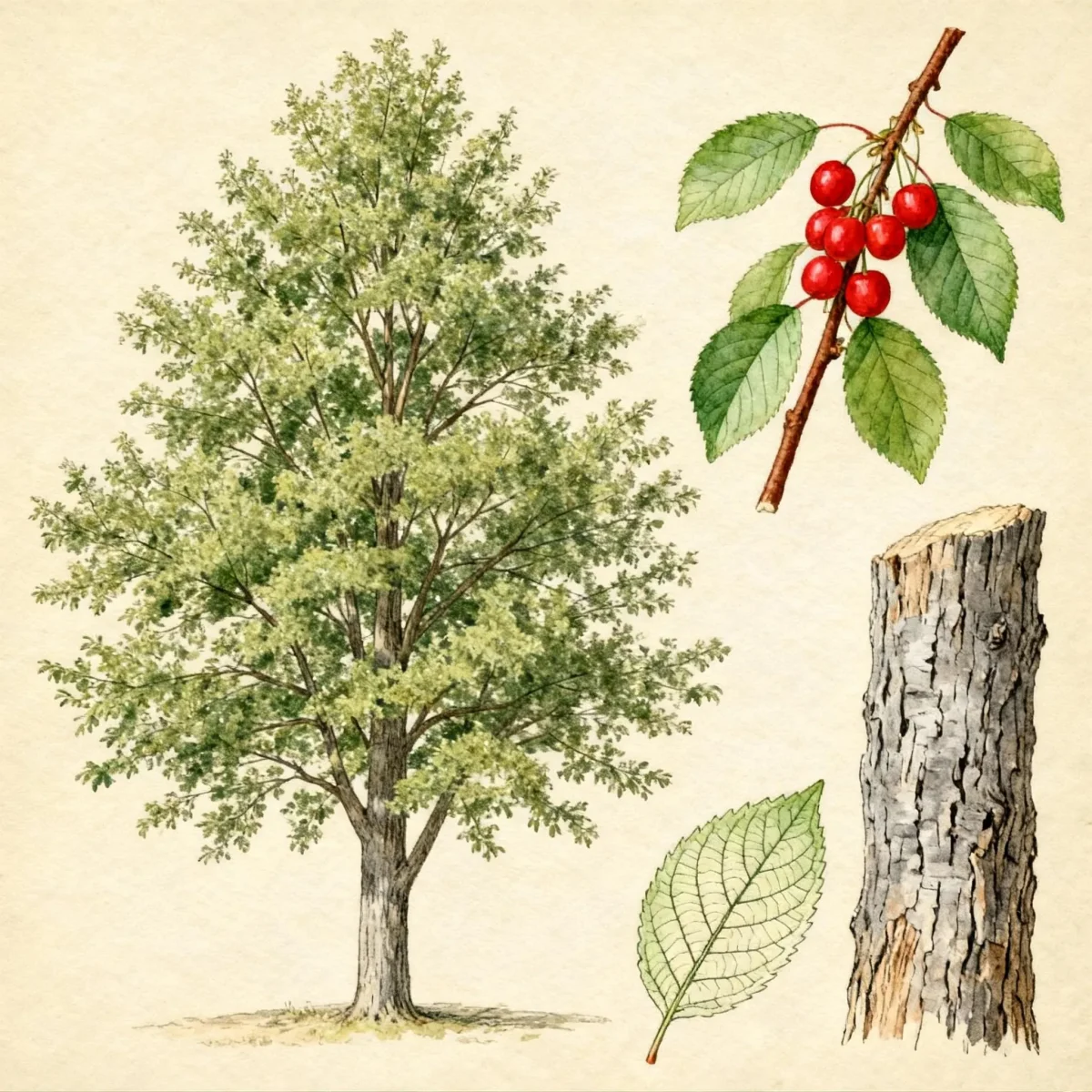
Although related to cultivated sweet cherries, the native fruit of Prunus avium tends to be smaller and less sweet. Nevertheless, these small red to black cherries ripen in early summer, providing a food source that is highly attractive to local birds and squirrels, hence its common name. Gardeners appreciate the Bird cherry for its strong ornamental presence, adapting to USDA zones 3 through 8.
Originating in Europe and Asia, this tree has been naturalized across parts of North America. Successful cultivation requires careful attention to moisture management, as it demands well-drained, average soil. When sited correctly, Prunus avium offers significant vertical interest and seasonal structure to medium to large landscapes.
Fast Facts
- Plant Family: Rosaceae
- Plant Type: Tree
- Native Range: Northern Africa, western Asia, Europe
- Hardiness Zones: USDA Zones 3-8
- Size at Maturity:
- Height: 15-30 ft
- Spread: 15-30 ft
- Bloom Time: April
- Bloom Description: White
- Sun Exposure: Full sun to part shade
- Water Needs: Medium
- Maintenance Level: Medium
How to Grow
Planting the Bird cherry is best done in the spring or fall, ensuring the roots establish before extreme temperatures hit. Select a site that receives full sun to light afternoon shade; while it can tolerate part shade, flowering performance improves significantly in maximizing light exposure. The critical cultural requirement for Prunus avium is soil condition: it must have average moisture but excellent drainage. It strongly prefers moisture-retentive soils, but it shows absolutely no tolerance for consistently wet or waterlogged conditions, which can quickly lead to root issues.
Ongoing care for this medium-maintenance tree involves attentive watering, especially during establishment or periods of drought, maintaining that medium water need. Fertilization is usually unnecessary unless the soil is demonstrably poor. Pruning should be minimal, primarily focused on removing dead, damaged, or crossing branches immediately after flowering ceases to maintain good air circulation and structural integrity.
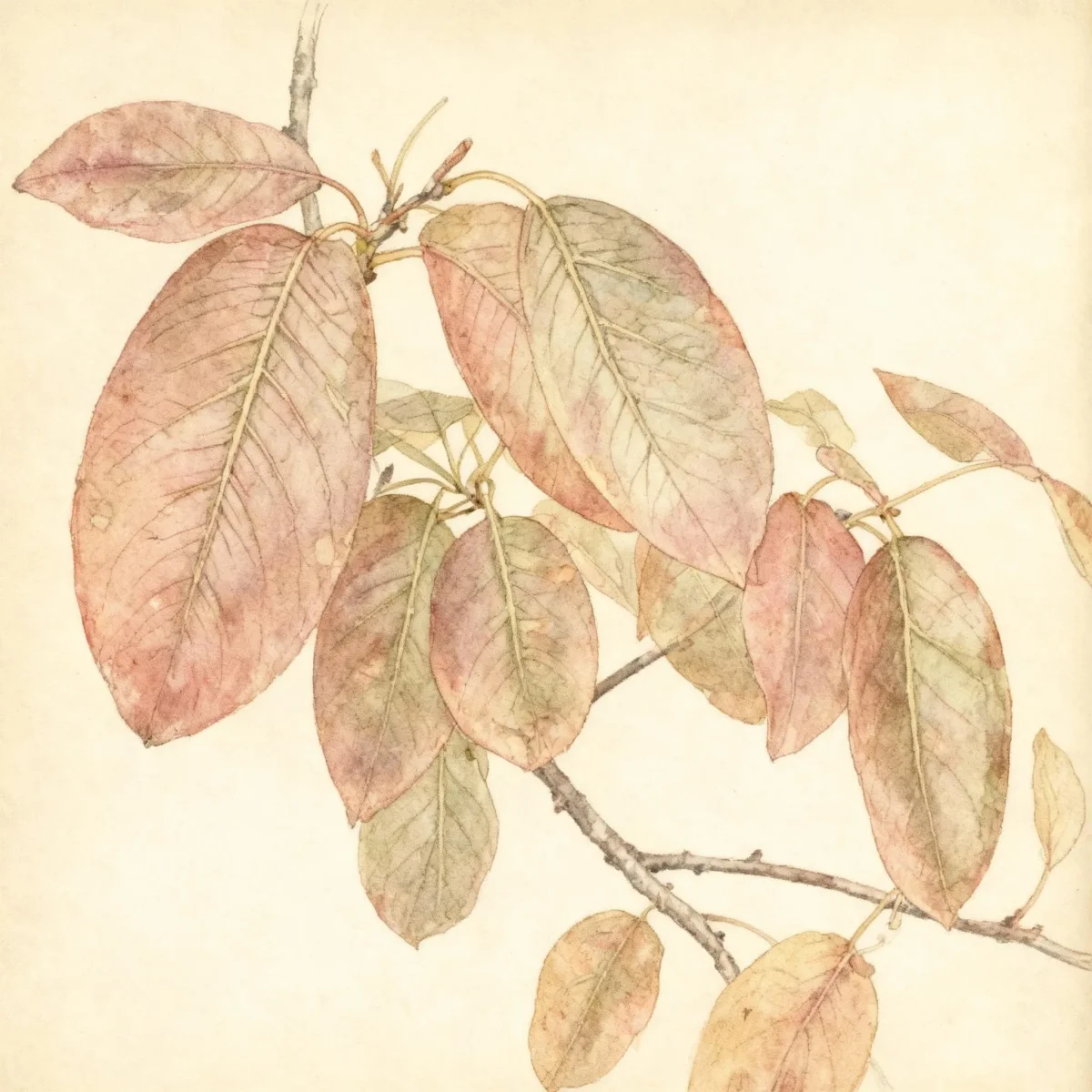
Be prepared for standard seasonal considerations typical of stone fruits. In early spring, monitor for potential frost damage to developing buds or flowers, which can be highly susceptible to sudden cold snaps. In the fall, the dull green foliage turns a pleasant yellow before dropping. Because the fruit attracts wildlife, gardeners may need to implement physical barriers like netting if they intend to harvest the small cherries themselves.
Landscape Uses
The Prunus avium is perfectly suited as a small to medium-sized ornamental flowering tree, making it an excellent specimen planting in open lawns or courtyards where its canopy can be appreciated. Its spreading habit provides good shade, qualifying it as a reliable Shade Tree during the summer months. It functions beautifully as a vertical anchor in mixed perennial borders or near patios, provided its root zone isn’t compacted.
As a flowering tree, it pairs well with later-blooming shrubs and perennials that enjoy similar sun and moisture profiles, such as lilacs or early sumac varieties. For a softer look, underplanting with spring bulbs like daffodils or tulips can help mask the base of the trunk while taking advantage of the dappled light present just before the canopy fills out. Avoid planting close to foundations or septic fields due to its spreading root tendencies.
The showy spring display of the Bird cherry warrants giving it a prominent position in the landscape design. Use it to frame an entrance or terminate a sightline, ensuring that the viewer can appreciate the fragrant clusters of white blossoms in April. Its medium size allows it to integrate well into established gardens that cannot accommodate the massive size of larger shade trees.
Standout Features
Flower Qualities
- Showy
- Fragrant
Fruit Qualities
- Showy
- Edible
Noteworthy Characteristics
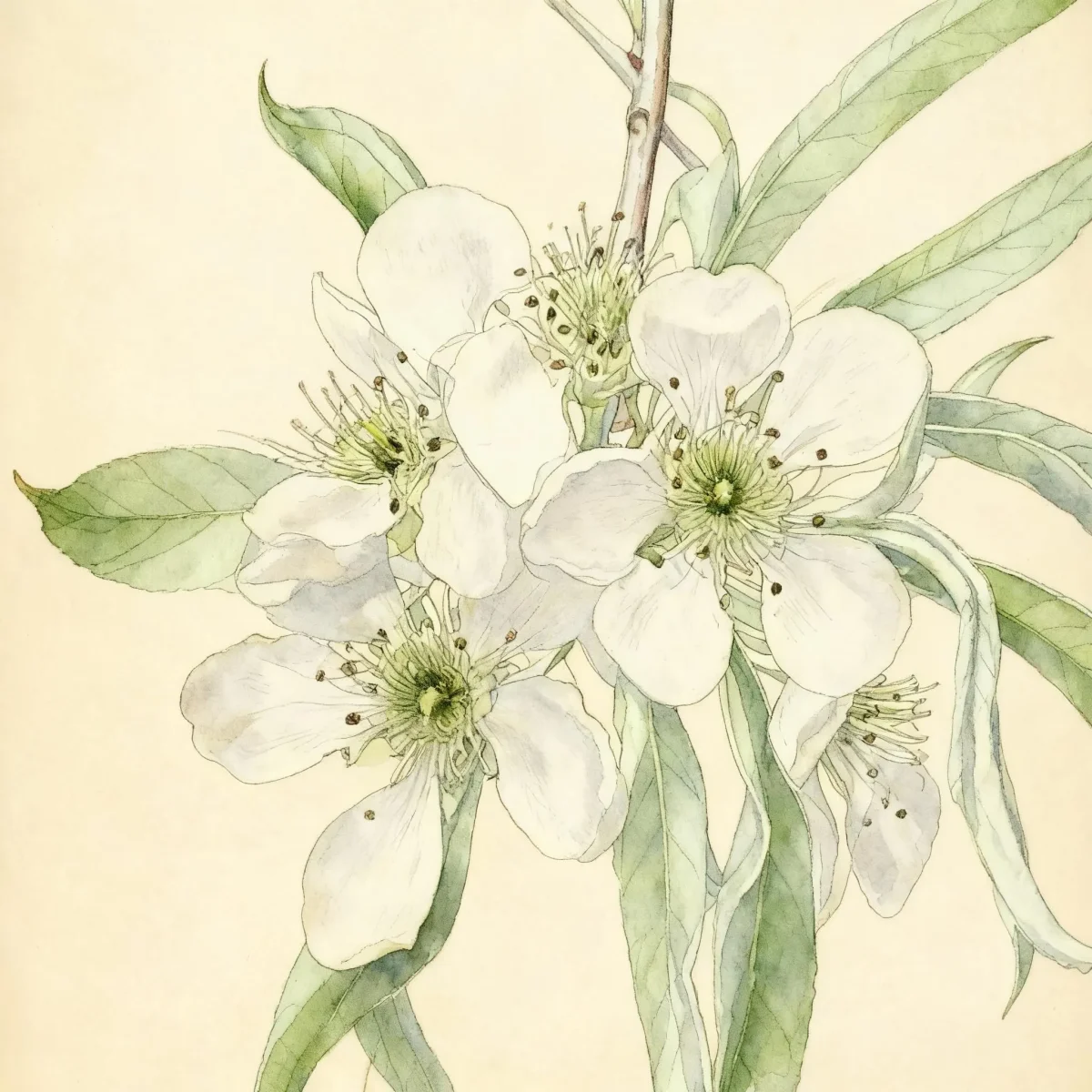
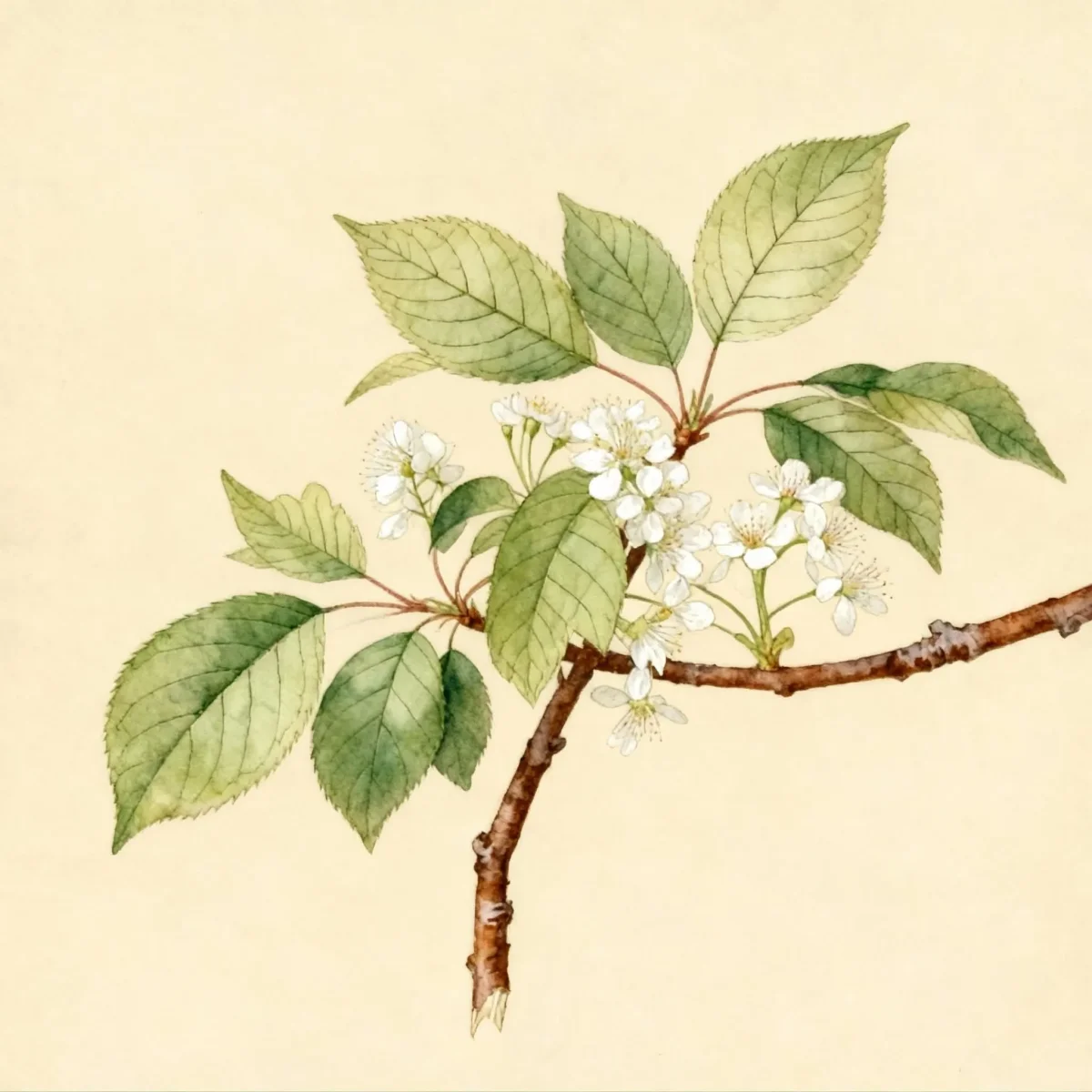
Prunus avium is generally grown as an ornamental cherry tree, native to Europe and Asia, and cultivated in the U.S. since colonial times. Although it is a parent of many sweet cherry cultivars, its own fruits are smaller, but the fragrant white flowers appear robustly in spring clusters just before the leaves emerge. Birds and squirrels readily consume the resulting small red to black cherries which ripen early in the summer.
Tolerances
No specific tolerances were listed, omit this section.
Potential Problems
The Bird cherry can face numerous challenges from diseases and pests common to the Prunus genus. Potential disease problems include leaf spot, bacterial canker, brown rot, black knot, crown gall, leaf curl, leaf scorch, powdery mildew, root rot, scab, and shot-hole fungus. Potential insect pests include aphids, fruit flies, saw flies, and scale. To combat wildlife interference, netting or nylon mesh can be draped over branches to prevent birds from stealing the small crop of cherries. Furthermore, be aware that the flower buds and blossoms of Prunus avium are susceptible to significant injury from cold winter temperatures and late spring frosts.
Frequently Asked Questions
What hardiness zones is Bird cherry suitable for?
The Bird cherry, Prunus avium, is robust and suitable for gardening in USDA Zones 3 through 8.
How large does Bird cherry grow?
This tree typically matures to a height between 15 and 30 feet, with a corresponding spread between 15 and 30 feet wide.
When does Bird cherry bloom?
Prunus avium displays its beautiful white, fragrant flowers during the month of April.
What sun exposure does Bird cherry need?
For optimal flowering and overall health, plant the Bird cherry where it will receive full sun to part shade exposure.
Conclusion
The Prunus avium, or Bird cherry, offers exceptional ornamental value through its stunning, fragrant spring bloom and its contribution to local wildlife ecosystems. While the maintenance level is medium, understanding its requirement for excellent drainage is key to long-term success. Before planting, verify that your site falls within USDA Hardiness Zones 3-8 and offers the required sun exposure.
Wildlife Benefits
The fruit produced by the Bird cherry is a significant draw for local fauna, making it a valuable inclusion for gardeners focused on ecological support. The small, red to black cherries ripen in early summer, offering a critical food source just as the season warms up. Birds and squirrels readily consume this fruit, which also aids in the natural dispersal of the seeds throughout the environment.
Beyond the summer fruit, the dense branching structure of this medium-sized tree offers shelter and potential nesting sites for various bird species throughout the year. As a native flowering tree in its region of origin, it supports early emerging pollinators thanks to its fragrant, showy blossoms appearing in April before many other sources are available.
Companion Planting
When selecting companions for the Bird cherry, focus on plants that thrive in similar sun conditions (full sun to part shade) and have comparable needs for medium moisture and well-drained soil. Because Prunus avium prefers moisture retention without being waterlogged, avoid planting moisture-loving bog plants directly underneath its canopy.
Consider underplanting with spring ephemerals or bulbs like Muscari (grape hyacinth) or Narcissus (daffodils). These bloom before the cherry canopy fully develops, maximizing early spring resources, and they die back as the tree requires more water during the summer heat. For surrounding structure, slower-growing shrubs that don’t aggressively compete for surface water are ideal.
Propagation Tips
While cultivars are typically grafted, propagating the native Prunus avium can often be achieved through seed, relying on the natural processes that lead to its wild establishment. Collect the small red to black cherries immediately after they ripen in early summer, ensuring you remove all surrounding pulp to prevent fungal issues during storage.
The seeds inside require a period of stratification—mimicking winter conditions—to break dormancy. This usually involves a cold, moist period lasting several weeks to months. After stratification, sow the seeds in a well-drained, slightly acidic propagating mix. Be patient, as germination can be erratic, reflecting the plant’s natural survival strategies.