Multiflora rose (Rosa multiflora)
Explore Rosa multiflora, the Multiflora rose, known for deep roots in historical uses but requiring high maintenance today due to invasiveness.

Bloom Boldly, No Matter the Season - Sweatshirt
Cozy organic cotton sweatshirt featuring our exclusive Purple Coneflower design. Perfect for gardeners who bloom year-round.
Inspired by the beautiful Multiflora rose
Limited first batch (50) — join the waitlist for early access
Waitlist closes Feb 15, 2026.
Complete Plant Information
Field Guide Continues
Ready for care notes, companion picks, and planting tips?
The map is just the start. The full guide below covers growth habits, seasonal performance, and landscape uses.
Overview
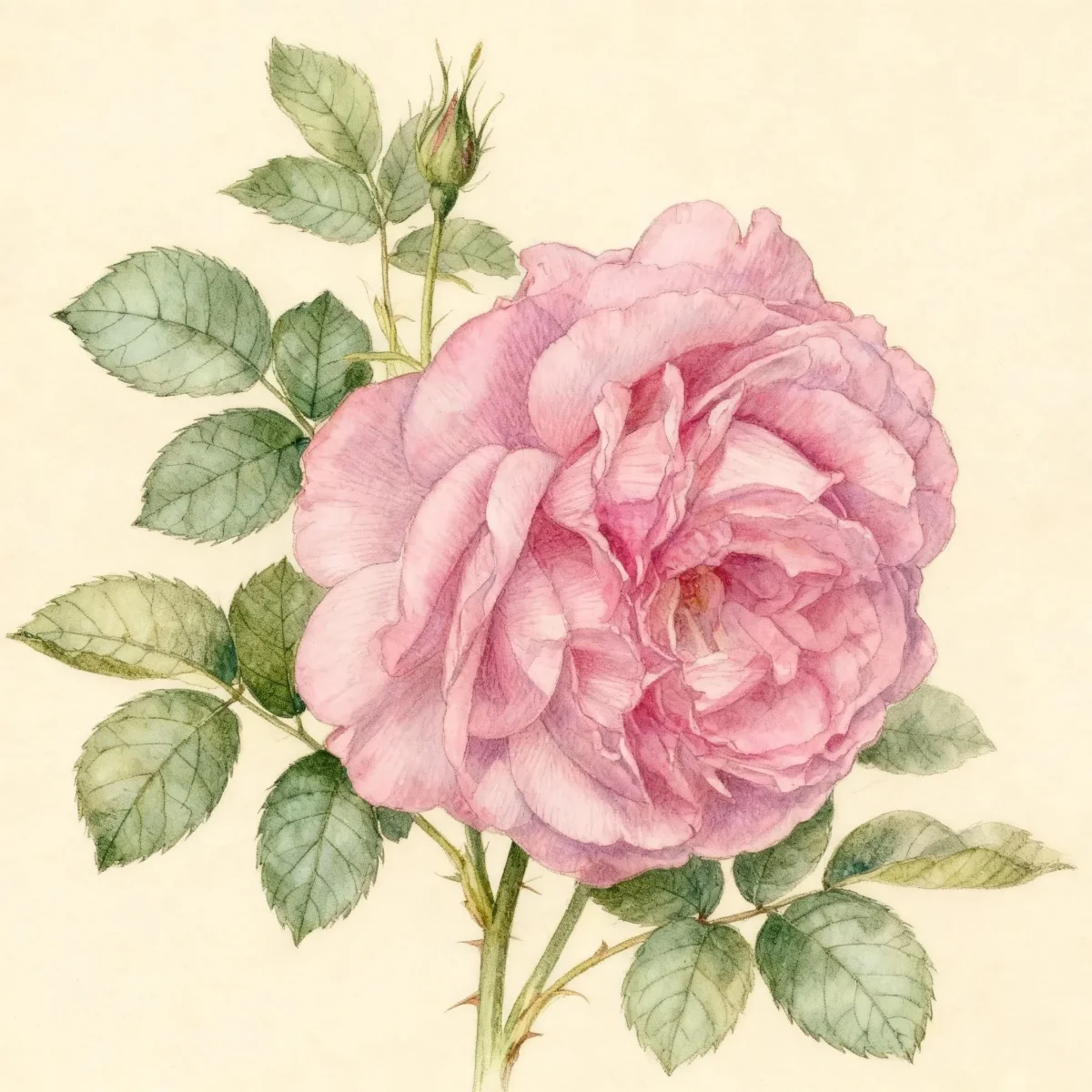
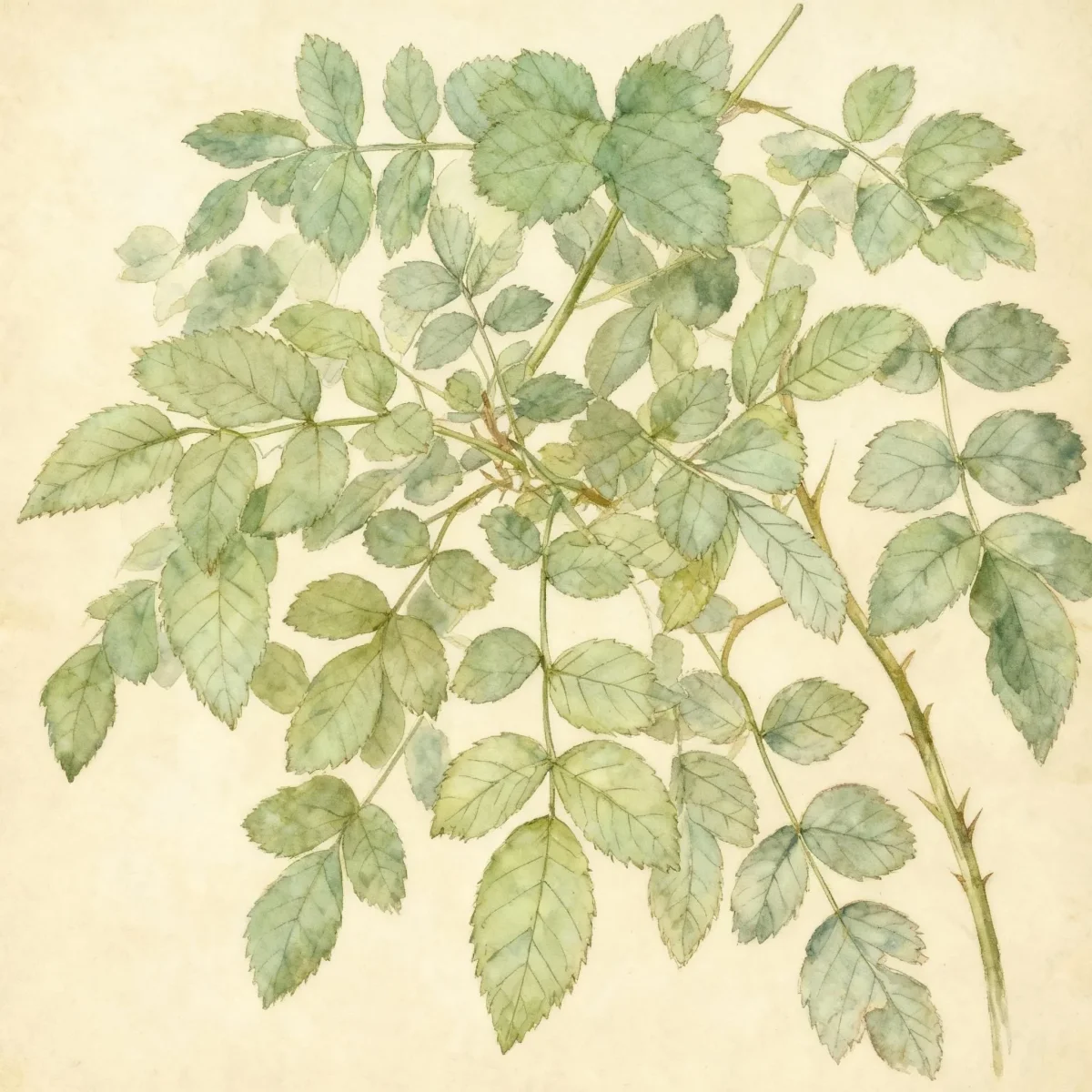
The Rosa multiflora, commonly known as the Multiflora rose, is a vigorous, deciduous shrub initially valued for its dense growth habit and profuse spring flowers. Native to Japan and Korea, this rambling rose spreads rapidly, forming arching, prickly thickets that offer excellent, albeit aggressive, cover. Its aesthetic appeal lies in the massive display of small, five-petaled, fragrant white to light pink blooms produced in early summer.
Historically, Rosa multiflora served crucial roles in erosion control and establishing wildlife cover across the American landscape. However, its rapid naturalization and invasive tendencies have overshadowed these benefits. Modern gardeners must approach this species with extreme caution due to its aggressive self-seeding and ability to outcompete native flora.
This rose demands significant attention; consequently, it carries a high maintenance level. While beautiful when kept contained, understanding the cultural needs and potential drawbacks of Multiflora rose is paramount before incorporating it into any garden design.
Fast Facts
- Plant Family: Rosaceae
- Plant Type: Deciduous shrub
- Native Range: Japan, Korea
- Hardiness Zones: USDA Zones 5-9
- Size at Maturity:
- Height: 6-15 ft
- Spread: 8-18 ft
- Bloom Time: June
- Bloom Description: White to light pink
- Sun Exposure: Full sun
- Water Needs: Medium
- Maintenance Level: High
How to Grow
Planting the Rosa multiflora should ideally occur when soil conditions are prepared, focusing on deep, fertile media with excellent drainage. While it prefers full sun for optimal flowering and disease resistance, this Multiflora rose shows better shade tolerance than many cultivated roses. Ensure the location allows for its considerable spread, as it easily reaches 18 feet wide.
Consistent moisture is key for healthy establishment, requiring medium watering, though overhead watering should be avoided to minimize disease pressure. Good air circulation is vital, and applying a summer mulch can help maintain consistent soil moisture and temperature. Gardeners must be aware that Rosa multiflora is classified as a noxious weed in certain regions, such as Missouri, meaning sale and distribution may be restricted or entirely prohibited outside of its use as rootstock.
Due to its aggressive nature and susceptibility to common rose ailments, maintenance ranks as high. Preventative fungicide applications may be necessary in humid environments to manage potential black spot or powdery mildew. Pruning should focus on controlling its rampant growth and removing suckers to limit spread from root sprouts.
Landscape Uses
Historically, the aggressive spreading habit of Rosa multiflora made it popular for establishing dense, impenetrable hedges used for livestock control or boundary markers. Its use to naturalize areas for wildlife cover was also widespread. However, given its highly invasive status in many regions, deliberately planting Multiflora rose is strongly discouraged where native ecosystems need protection.
For those areas where its cultivation is permitted and containment is strictly enforced, it functions best when used solely as understock for proven, non-invasive grafted roses. It should never be planted near open fields, pastures, or conservation land, as its seedlings rapidly colonize disturbed soils. If used as a hedge, intensive management, including barrier installation and constant vigilance against new sprouts, is necessary to mitigate its invasive spread.
Standout Features
Flower Qualities
- Showy
- Fragrant
Fruit Qualities
- Showy
Noteworthy Characteristics
Rosa multiflora, called Multiflora rose, is native to Japan and Korea and is recognized by its rambling, arching, and wide-spreading habit. It produces small, aromatic flowers clustered densely in June, followed by persistent red hips, demonstrating its natural hardiness. This species’ history shifted dramatically after initial introduction, leading to its current status as a pervasive weed problem across many eastern and central US landscapes due to vigorous self-seeding and rooting canes.
Tolerances
Potential Problems
Roses, including Rosa multiflora, are prone to several common fungal diseases such as black spot, rust, and powdery mildew. Cultural practices are the initial defense: ensure full sun exposure for the best flowering and disease resistance, maintain good air circulation, and water consistently without soaking the foliage. In humid zones, preventative fungicide programs throughout the growing season are often mandatory.
Insect pests are also a concern, with aphids, mites, scale, and borers frequently observed feeding on the canes and foliage. A more urgent threat is rose rosette disease, which requires aggressive removal and disposal of infected plants. Critically, the most significant problem associated with this species is its extreme invasiveness; the Multiflora rose spreads vigorously via seeds deposited by birds, rooting stems, and root sprouts, leading to dense, impenetrable stands that displace desirable native vegetation.
Frequently Asked Questions
What hardiness zones is Multiflora rose suitable for?
The Rosa multiflora is suitable for USDA Zones 5 through 9.
How large does Multiflora rose grow?
This deciduous shrub typically achieves a height between 6 and 15 feet with a spread ranging from 8 to 18 feet at maturity.
When does Rosa multiflora bloom?
The Rosa multiflora produces its profuse bloom display in June, featuring white to light pink flowers.
What sun exposure does Rosa multiflora need?
For best flowering and disease resistance, Rosa multiflora requires full sun exposure.
Conclusion
The Rosa multiflora presents a classic conflict between historical utility and modern ecological impact; while it offers showy, fragrant summer blooms and hardy growth, its extreme invasiveness demands high maintenance and caution. Before planting any specimen of Multiflora rose, verify local regulations, as cultivation may be illegal due to its noxious weed status in some areas. Always plan for intense management to contain this powerful spreader.
Companion Planting
Selecting suitable companions for Rosa multiflora requires understanding its aggressive root system and high nutrient/moisture demands. In situations where it is intentionally grown as a rootstock or hedgerow (and containment is prioritized), pair it with other durable, sun-loving perennials that can compete somewhat favorably against its spreading canopy, such as sturdy ornamental grasses or deep-rooted native shrubs.
However, the primary focus when planting near Rosa multiflora should be on creating physical barriers or choosing plants outside its immediate drip line. Avoid delicate groundcovers or slow-growing natives near the base, as these will almost certainly be smothered by the cane sprawl and leaf drop of the established rose.
Wildlife Benefits
Despite its invasive threat to habitat structure, the dense growth of the Multiflora rose provides significant cover for small game birds and mammals, which is why it was initially promoted for wildlife stockings. The small red hips that persist into winter are a reliable, if secondary, food source for various birds during lean winter months when other berries have been consumed.
The fragrant flowers, produced in a large June flush, are attractive to numerous generalist pollinators, though they may not provide specialized resources for native bees. Gardeners seeking wildlife benefits should always prioritize native shrub alternatives that support local insect populations more effectively while avoiding the ecological risk posed by the Multiflora rose.