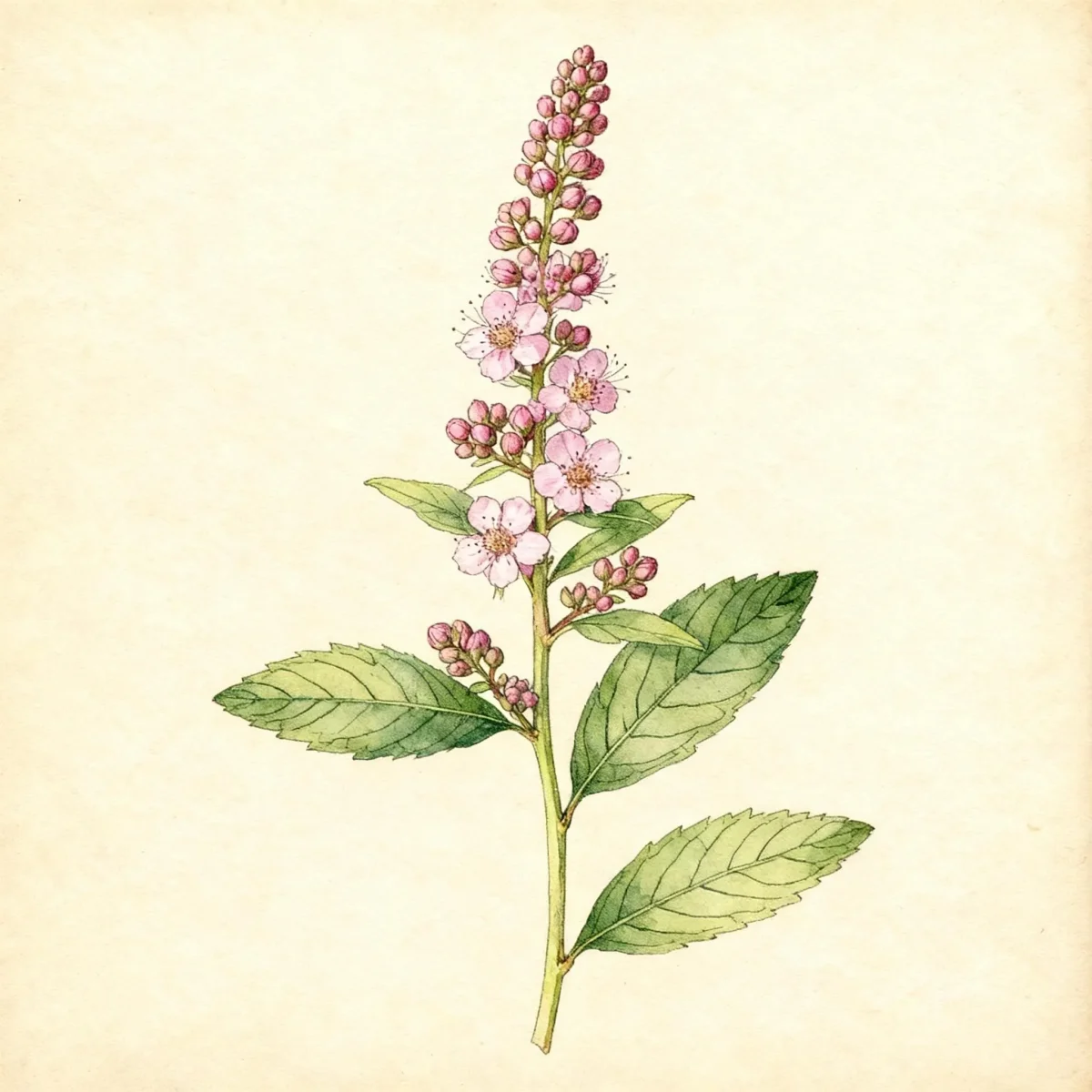
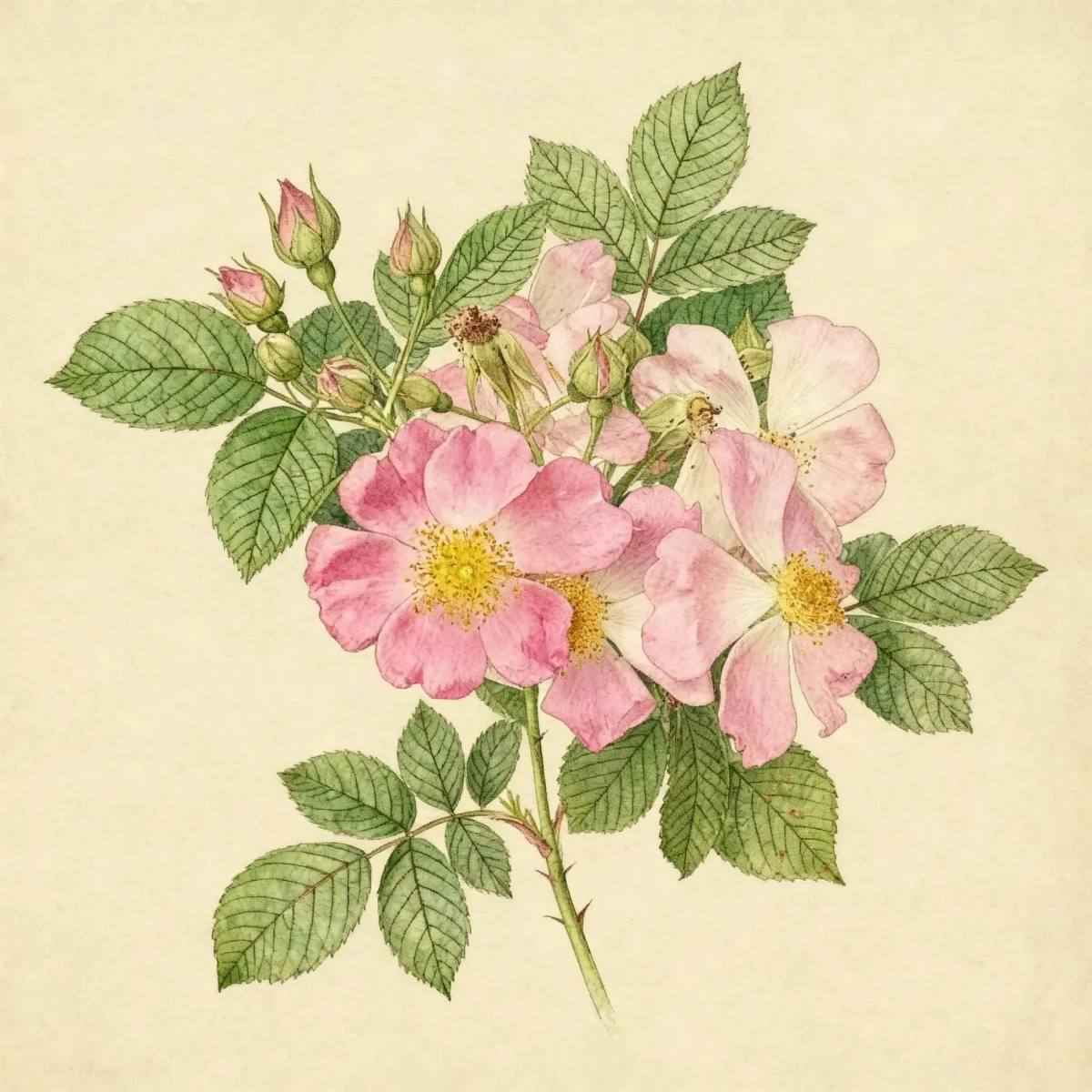
Prairie rose (Rosa setigera)
Discover Prairie rose (Rosa setigera), a vigorous, spreading native shrub thriving in moist soils. Ideal for naturalizing in zones 5-8.
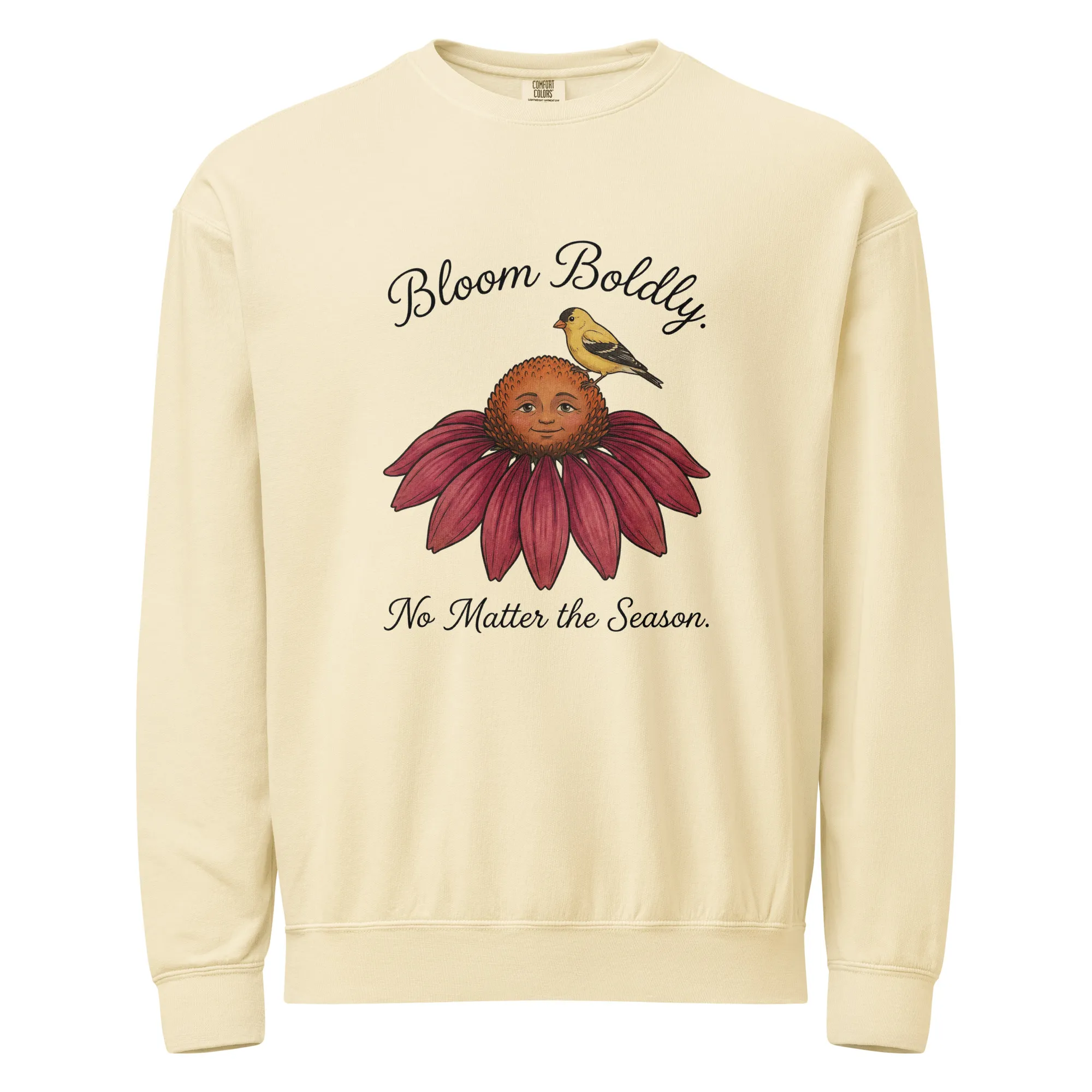
Bloom Boldly, No Matter the Season - Sweatshirt
Cozy organic cotton sweatshirt featuring our exclusive Purple Coneflower design. Perfect for gardeners who bloom year-round.
Inspired by the beautiful Prairie rose
Limited first batch (50) — join the waitlist for early access
Waitlist closes Feb 15, 2026.
Complete Plant Information
Field Guide Continues
Ready for care notes, companion picks, and planting tips?
The map is just the start. The full guide below covers growth habits, seasonal performance, and landscape uses.
Overview
The Prairie rose, scientifically known as Rosa setigera, offers excellent structural value and native appeal for gardeners across the Eastern and central United States. This particular species rose is distinguished by its vigorous growth habit, capable of functioning both as a substantial shrub or a moderate climber when offered support. Its aesthetic appeal peaks in June when it produces showy, single, deep pink blossoms that gracefully mature to a whitish hue.
Rosa setigera is highly valued for its adaptability, favoring moist soil conditions often associated with native stream banks and prairies. Beyond its beautiful, once-blooming flowers, the foliage provides seasonal interest, developing attractive deep red and purple tones in the late autumn. For ecologically minded gardeners, the maturing red hips offer essential late-season food for birds and small mammals.
While requiring medium maintenance, the Prairie rose often exhibits better natural disease resistance than many cultivated hybrid roses. Incorporating this robust shrub into borders or informal hedges provides excellent native texture and reliable summer color in its suitable hardiness zones.
Fast Facts
- Plant Family: Rosaceae
- Plant Type: Deciduous shrub
- Native Range: Eastern and central North America
- Hardiness Zones: USDA Zones 5-8
- Size at Maturity:
- Height: 6-12 ft
- Spread: 8-10 ft
- Bloom Time: June
- Bloom Description: Pink fading to whitish
- Sun Exposure: Full sun to part shade
- Water Needs: Medium to wet
- Maintenance Level: Medium
How to Grow
Plant Rosa setigera during the dormant season, either late fall or early spring, ensuring a location that receives full sun to part shade. While it tolerates partial shade, best flowering and disease resistance generally occur in full sun exposure. The critical soil requirement is that it must be medium to wet and well-drained; this species thrives where other roses might struggle due to moisture levels.
Water deeply and regularly, preferably in the mornings, consistently avoiding overhead watering to minimize foliar disease risk. Maintain good air circulation around the plant to promote vigorous, healthy growth. A summer mulch layer is beneficial for retaining soil moisture and keeping the root zone cool throughout the hot months.
Pruning should be scheduled for late winter or early spring before new growth begins. Due to its sprawling nature, the Prairie rose may require shaping or cutting back to control size, especially when used in formal settings. In colder regions within its range, providing protection for the crowns during harsh winters is advisable. Thorough cleanup of fallen leaves, both during the growing season and especially during the dormant clean-up, helps limit the overwintering of potential pathogens.
Landscape Uses
The versatility of the Prairie rose allows it to fill several crucial roles in landscape design. Its robust, spreading nature makes it an exceptional choice for creating informal hedges or natural barriers where delineation or screening is needed. For naturalistic plantings, use Rosa setigera in native plant gardens or to naturalize into thickets along banks or property edges where its moisture requirement can be consistently met.
When planted in shrub borders, the strong vertical element of the taller specimens contrasts nicely with lower, ground-covering perennials. If you desire vertical interest, train the flexible canes of the Prairie rose onto sturdy supports to act as a vigorous climber over fences or pergolas. Pairing this species rose with other moisture-loving natives like Swamp Milkweed or certain asters can enhance the ecological value of the planting area.
Standout Features
Flower Qualities
- Showy
- Fragrant
- Good Cut
Fruit Qualities
- Showy
Noteworthy Characteristics
Rosa setigera, commonly called rairie rose is a spreading, Missouri-native shrub (to 4’ tall) or climber (to 15’ tall with support) which typically occurs in moist soils along streams, in prairie thickets, along roads, fencerows, and in clearings throughout the State. Features deep pink, single (5-petaled) flowers (to 2.5” across) which bloom in late spring to early summer. Mild fragrance. No repeat bloom. Shiny, dark green foliage turns variable but attractive shades of deep red, purple in late autumn. Hips mature and turn red in early autumn and are eaten by birds and small mammals.Genus name comes from the Latin name for rose.Specific epithet means bearing bristles.
Tolerances
- No data available for formal tolerances.
Potential Problems
Roses are susceptible to a large number of diseases, the most common of which are black spot, powdery mildew, rust and rose rosette. Although good cultural practices are the first line of defense in disease control, regular preventative fungicide applications throughout the growing season are often required in humid climates with periodic summer rains such as the St. Louis area. This species rose has better natural disease resistance than most of the hybrid roses. Potential insect problems include aphids, beetles, borers, scale, thrips, rose midges, leafhoppers and spider mites.
Prevention relies heavily on proper structure; ensure maximum sunlight exposure and prune for excellent air movement to minimize fungal issues. If infestations occur, address pests like aphids promptly using horticultural oils or insecticidal soap, focusing on morning treatments. Adhering to a strict cultural regimen significantly reduces the need for chemical intervention.
Frequently Asked Questions
What hardiness zones is Prairie rose suitable for?
The Prairie rose (Rosa setigera) is typically hardy in USDA Zones 5 through 8. Always check local conditions to ensure compatibility before planting.
How large does Rosa setigera grow?
This species generally matures to a height between 6 and 12 feet, with a spread ranging from 8 to 10 feet, though it can climb up to 15 feet with adequate support.
When does Prairie rose bloom?
The Rosa setigera blooms once during the month of June, producing attractive flowers described as pink fading to whitish.
What sun exposure does Rosa setigera need?
For optimal performance, the Prairie rose requires full sun to part shade conditions. Full sun promotes the best flowering and disease resistance.
Conclusion
The Prairie rose (Rosa setigera) stands out as a resilient and ecologically valuable native shrub, perfect for establishing informal screens, naturalized areas, or robust hedgerows. Its tolerance for medium to wet soils sets it apart from many cultivated garden roses. Before planting, confirm that your site falls within USDA Zones 5-8 and provides the necessary sun exposure for this beautiful, spreading native.
Wildlife Benefits
The value of Rosa setigera extends significantly into supporting local fauna. The hips that form after the summer bloom persist into early autumn, becoming a vital food source for numerous species of birds and small mammals preparing for winter. Planting the Prairie rose is an excellent strategy for boosting backyard biodiversity.
Furthermore, as a native flowering shrub, the single-petal structure of its blossoms makes the nectar and pollen highly accessible to native bees and other beneficial insects early in the season. Integrating this species into a mixed planting scheme ensures continuous resource availability throughout the spring and summer for pollinators active in your region.
Propagation Tips
While Rosa setigera can be propagated from seed (hips), ensuring viability often requires specific cold stratification periods mimicking winter dormancy. A more direct and reliable method, especially for maintaining desirable shrub characteristics, involves cuttings. Take semi-hardwood cuttings in mid-to-late summer, just as the stems begin to firm up but before they become fully woody.
To increase the success rate of these cuttings, use rooting hormone on the base of the cutting before planting them in a well-draining, moist medium, like a 50/50 mix of peat and perlite. Keep the cuttings consistently watered and protected from intense heat. Treating the cuttings as a small batch of the species rose will yield new shrubs that share the same vigorous growth pattern as the parent plant.