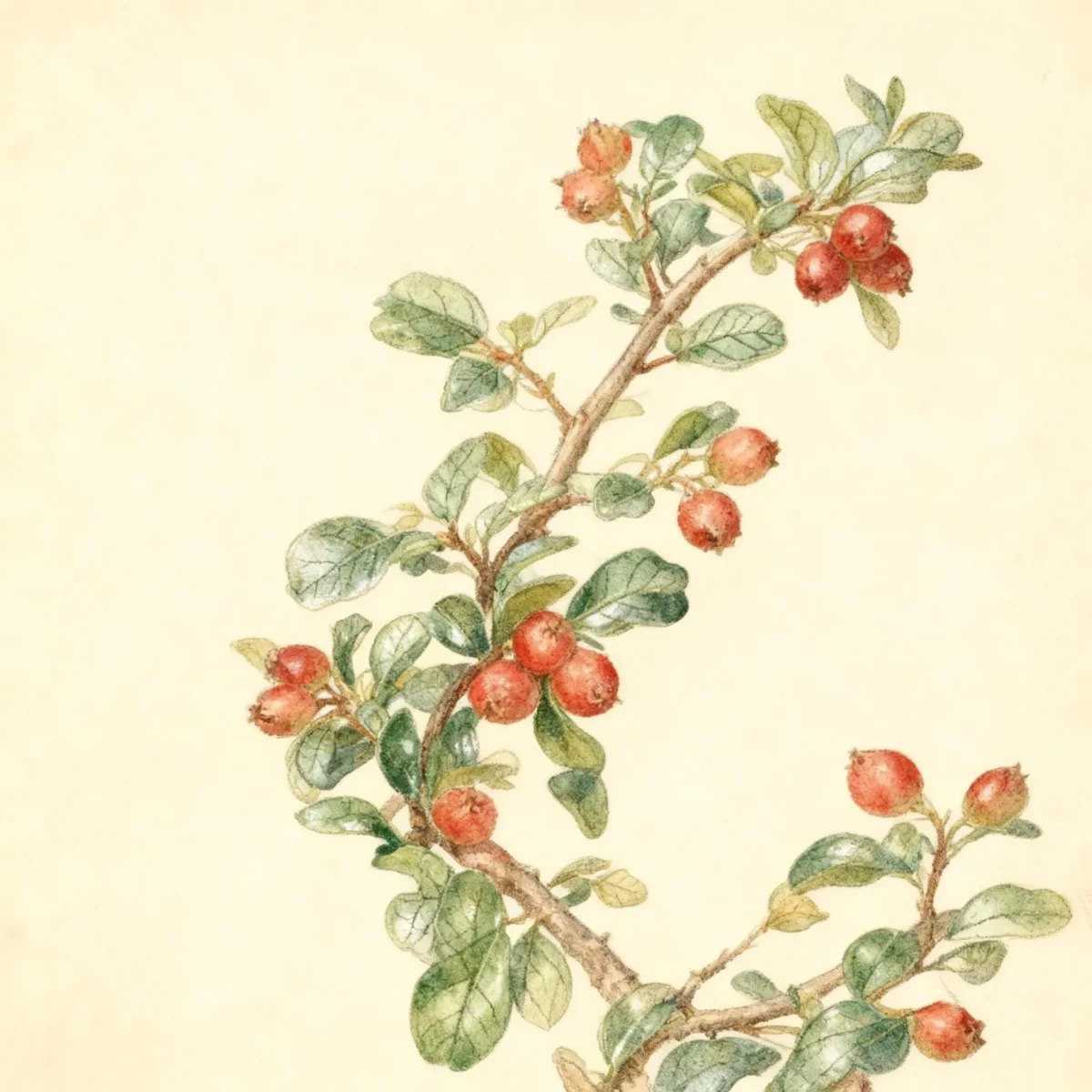
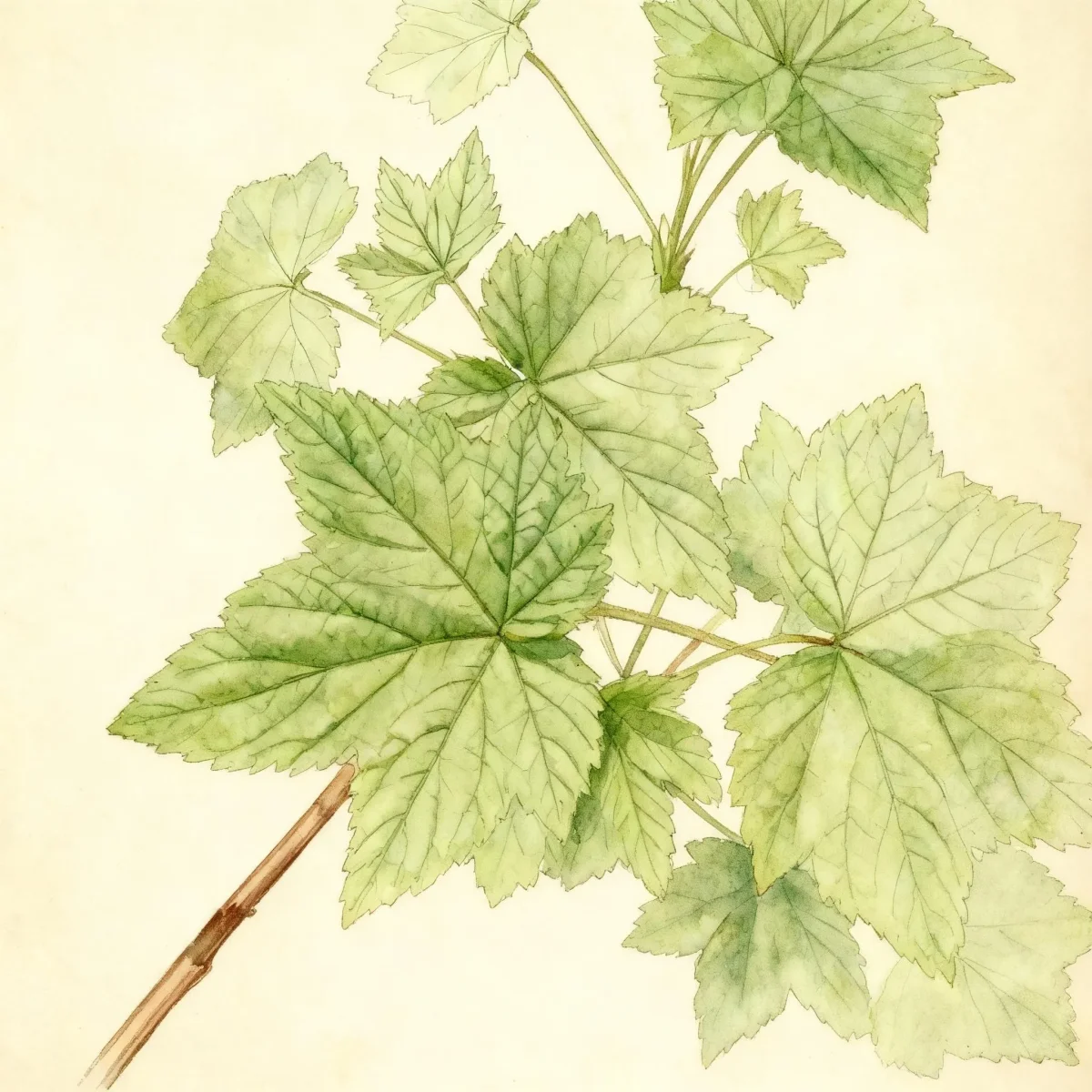
Thimbleberry (Rubus parviflorus)
Discover Rubus parviflorus (Thimbleberry), a non-spiny, showy deciduous shrub native to Western North America.

Bloom Boldly, No Matter the Season - Sweatshirt
Cozy organic cotton sweatshirt featuring our exclusive Purple Coneflower design. Perfect for gardeners who bloom year-round.
Inspired by the beautiful Thimbleberry
Limited first batch (50) — join the waitlist for early access
Waitlist closes Feb 15, 2026.
Complete Plant Information
Field Guide Continues
Ready for care notes, companion picks, and planting tips?
The map is just the start. The full guide below covers growth habits, seasonal performance, and landscape uses.
Overview
Rubus parviflorus, widely recognized as the Thimbleberry, is a highly desirable deciduous shrub, valued for its dense, upright, and conspicuously non-spiny habit. This western North American native brings both visual interest and edible rewards to the landscape. As a versatile thicket-former, the Thimbleberry is an excellent choice for naturalizing large areas or creating informal structural plantings.
This shrub produces fragrant, showy white flowers from May through July, followed by edible, raspberry-like fruits that mature in mid-summer. The large, velvety green leaves offer good texture and turn attractive golden-brown hues in the autumn, ensuring multi-seasonal appeal. Gardeners appreciate Rubus parviflorus for its toughness and its ability to thrive where other brambles might fail due to spinescence.
Successfully growing the Thimbleberry requires attention to soil moisture and temperature regulation. While it tolerates some seasonal wetness, consistent soggy conditions must be avoided as they lead to root rot. For optimal flowering and fruiting, ensure the plants benefit from cool summers, as excessive heat can stress Rubus parviflorus.
Fast Facts
- Plant Family: Rosaceae
- Plant Type: Deciduous shrub
- Native Range: Western North America
- Hardiness Zones: USDA Zones 3-10
- Size at Maturity:
- Height: 4-8 ft
- Spread: 4-8 ft
- Bloom Time: May to July
- Bloom Description: White
- Sun Exposure: Full sun to part shade
- Water Needs: Medium
- Maintenance Level: Medium
How to Grow
The Thimbleberry establishes best when planted in the spring or fall, allowing it time to settle before summer heat strikes. Locate Rubus parviflorus in areas offering organically rich, slightly acidic soil that is kept consistently moist yet drains exceptionally well. While part shade is tolerated, achieving dense coverage and the most abundant fruit display usually requires full sun exposure.
Watering should be consistent, especially during dry spells, as medium moisture levels are preferred. Overwatering, however, is detrimental, as this species is intolerant of wet soils which promote root rot. Fertilization is generally unnecessary if planted in rich soil, but light feeding in early spring can benefit heavy producers.
Pruning is crucial if maximizing flowers and fruit on the Thimbleberry is the goal. Remember that fruit appears on second-year canes that overwintered successfully. Immediately after harvest, remove all canes that have fruited, leaving the new, non-fruiting canes for the following year. In late winter, thin remaining canes, removing any that are damaged by overwintering or growing weakly, ensuring good air circulation.
Landscape Uses
The natural tendency of Rubus parviflorus to spread slightly makes it an outstanding candidate for large-scale naturalized plantings in woodland edges or along slopes. As an ornamental shrub, it fills space effectively, creating textured, informal masses that mimic native forest margins. It serves well as a screen or an unclipped, informal hedge where a softer line is desired over formal shearing.
Because of its density and visual impact, the Thimbleberry acts as an excellent backdrop plant, pairing well with ferns, rhododendrons, and other natives that appreciate similar moisture and soil conditions. Its value extends to wildlife gardens; the fruits attract various birds and the shrub serves as a larval host for species like the yellow-banded sphinx moth. Plan its placement where its soft texture and large leaves can contrast with finer-textured plantings.
Standout Features
Flower Qualities
- Showy
- Fragrant
Fruit Qualities
- Showy
- Edible
Noteworthy Characteristics
Rubus parviflorus, commonly known as thimbleberry or western thimbleberry, is a dense, upright, multi-branched, thicket-forming, non-spiny, deciduous shrub which typically grows to 4-8’ tall, native across vast areas of Western North America. Fragrant five-petaled white flowers bloom in clusters in spring, giving way to edible raspberry-like fruits in mid-summer, which are rarely cultivated commercially due to their extreme softness. The velvety, lobed green leaves provide excellent seasonal interest before turning attractive shades of gold and brown in the fall.
Tolerances
- Will tolerate some brief seasonal flooding
Potential Problems
Thimbleberry can be susceptible to several common fungal issues, including leaf spots, anthracnose, botrytis, powdery mildew, and spur blight, often exacerbated by poor air circulation. Root rots are a major concern if the soil remains perpetually saturated, as Rubus parviflorus demands well-drained conditions. Gardeners should also monitor for debilitating systemic issues like verticillium wilt. Insect pests like aphids can cause minor cosmetic damage, but cane borers and crown bores pose potentially more serious, though less frequent, threats requiring diligent scouting.
Frequently Asked Questions
What hardiness zones is Thimbleberry suitable for?
Thimbleberry, or Rubus parviflorus, is highly adaptable across USDA Zones 3 through 10.
How large does Thimbleberry grow?
This deciduous shrub typically reaches mature heights between 4 to 8 feet tall with a comparable spread of 4 to 8 feet wide.
What sun exposure does Thimbleberry need?
Rubus parviflorus performs best when situated in locations that receive full sun to partial shade, balancing light needs with moisture retention.
When does Thimbleberry bloom?
The characteristic white flowers of the Thimbleberry appear throughout the late spring and early summer, typically blooming from May to July.
Conclusion
The Thimbleberry (Rubus parviflorus) offers gardeners a unique, non-spiny bramble with beautiful spring flowers and tasty summer fruit, making it a uniquely valuable native addition. Its ability to naturalize and provide texture complements many woodland or informal garden designs. Before planting, confirm that your site offers consistently moist yet well-drained soil suitable for this robust shrub.
Wildlife Benefits
The Thimbleberry is an excellent addition to any wildlife habitat garden, offering significant value to local ecosystems. In addition to being a larval host plant for the yellow-banded sphinx moth, the fragrant white flowers attract numerous beneficial insects and pollinators during their bloom period in late spring and early summer. The soft, edible aggregate fruits, ripe in mid-summer, are a highly sought-after food source for native birds, ensuring repeated seasonal visitation to the garden.
Propagation Tips
Propagating Rubus parviflorus can be achieved through several reliable methods adaptable to the home gardener. The most effective methods involve taking dormant rhizome segments during the winter dormancy period or rooting stem cuttings taken when the plant is actively growing. Seed propagation is also possible, though germination can be slow and requires careful stratification to mimic natural winter conditions before the seeds will sprout.