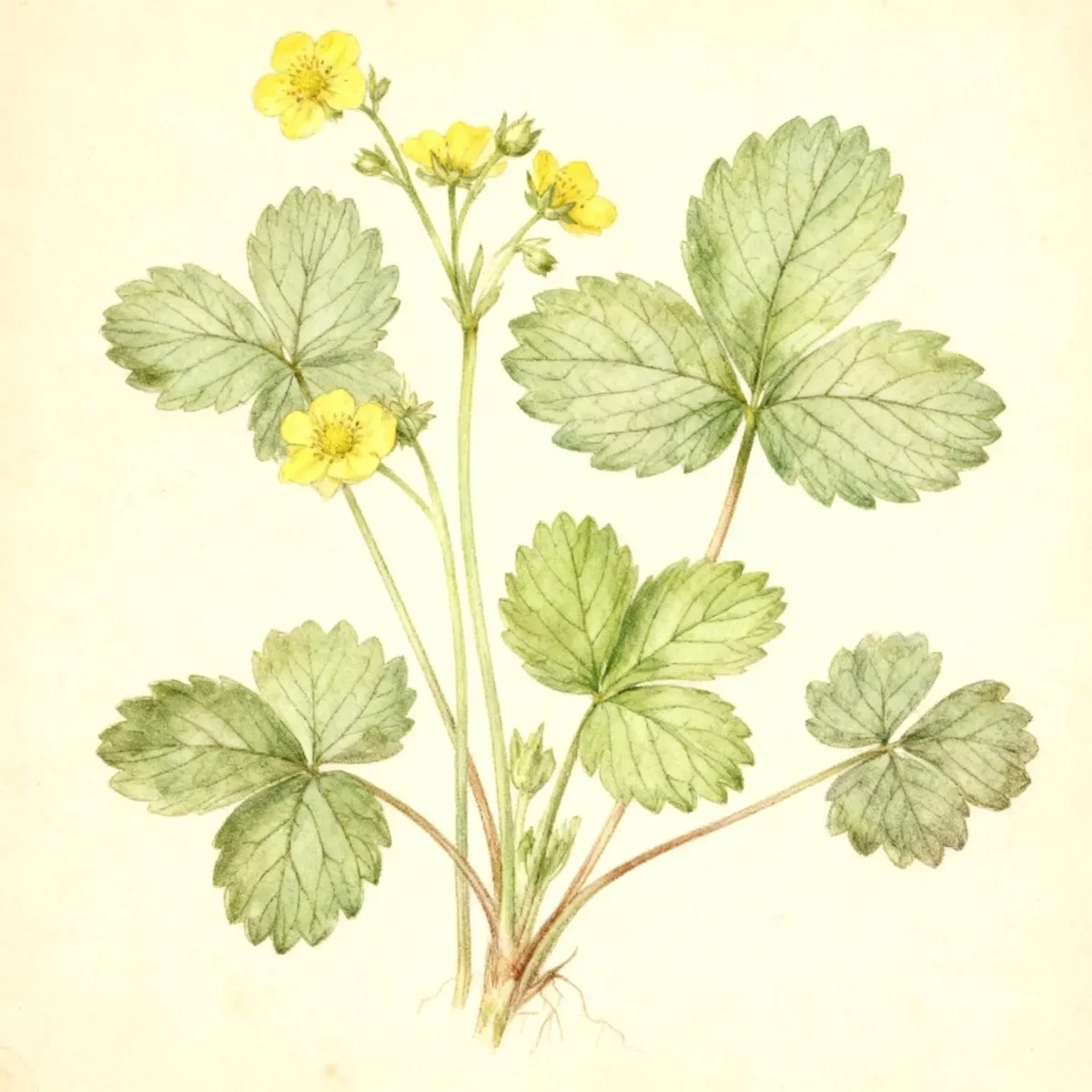
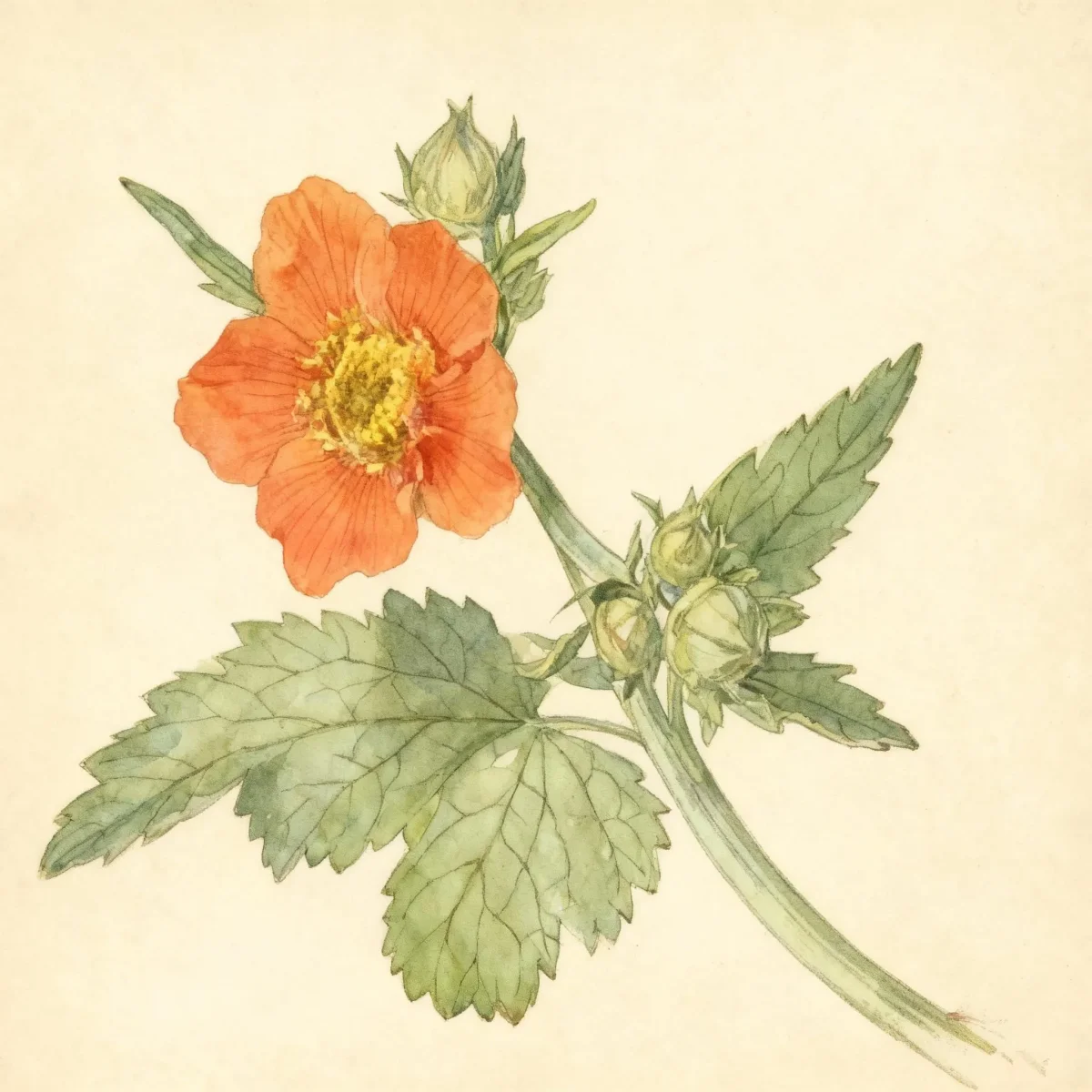
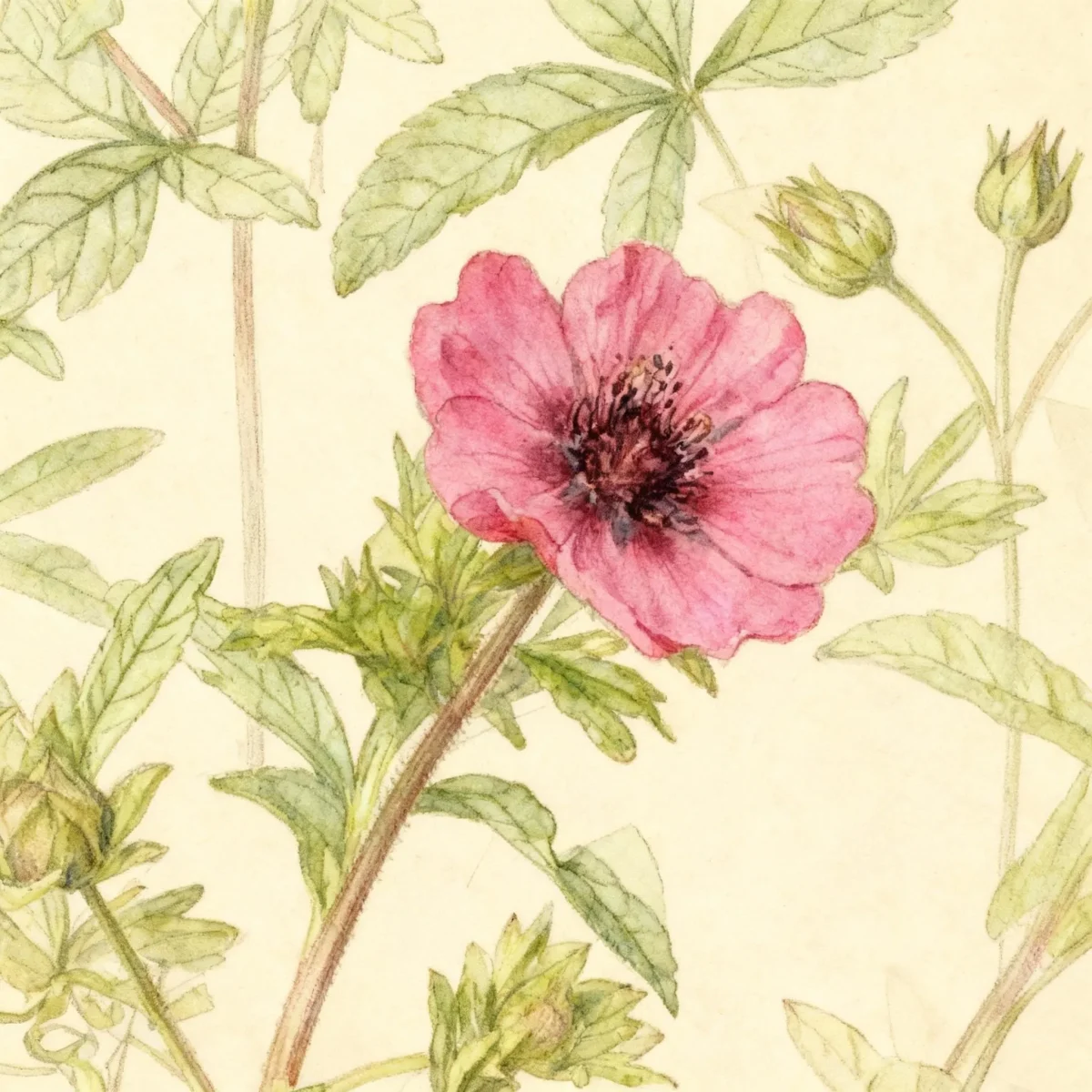
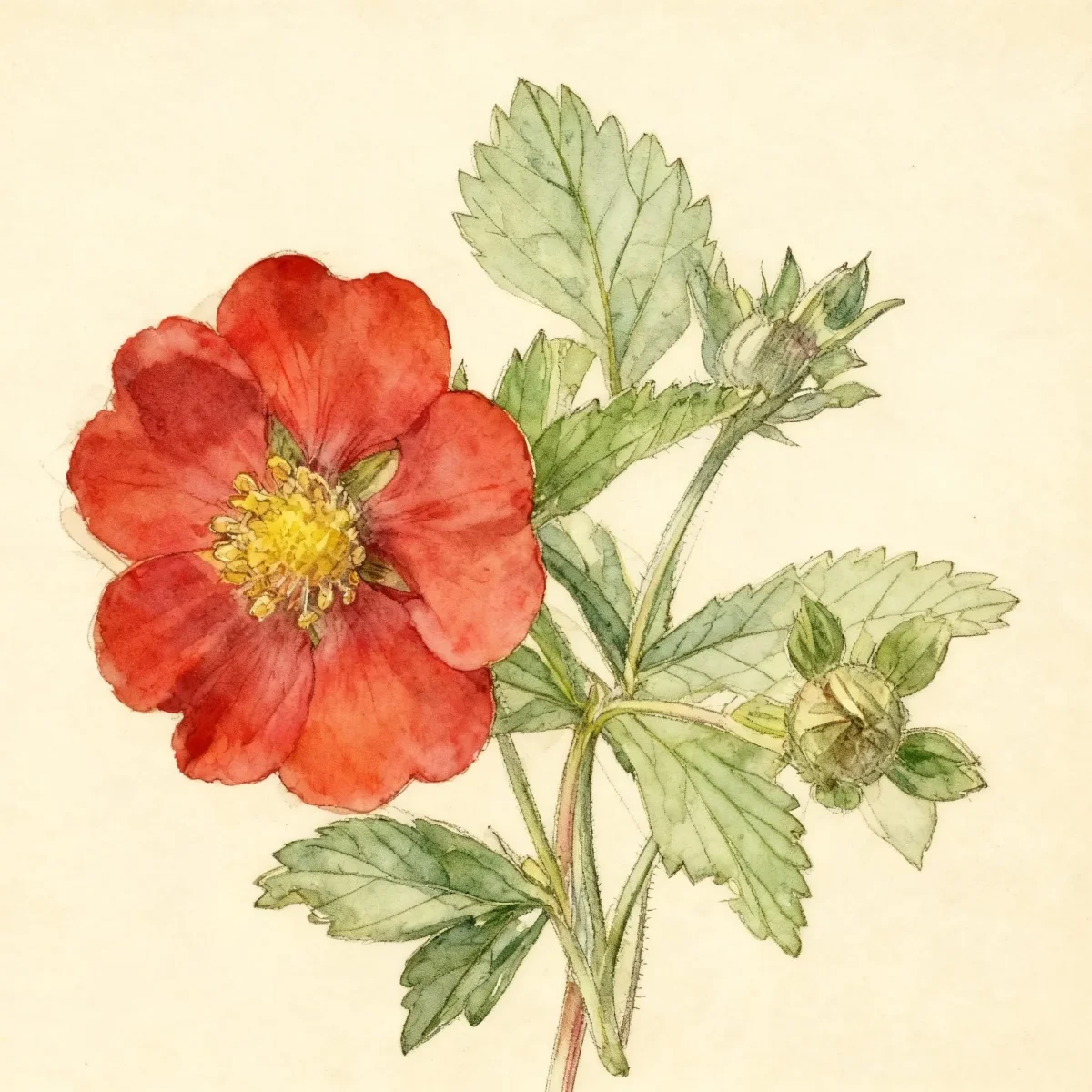
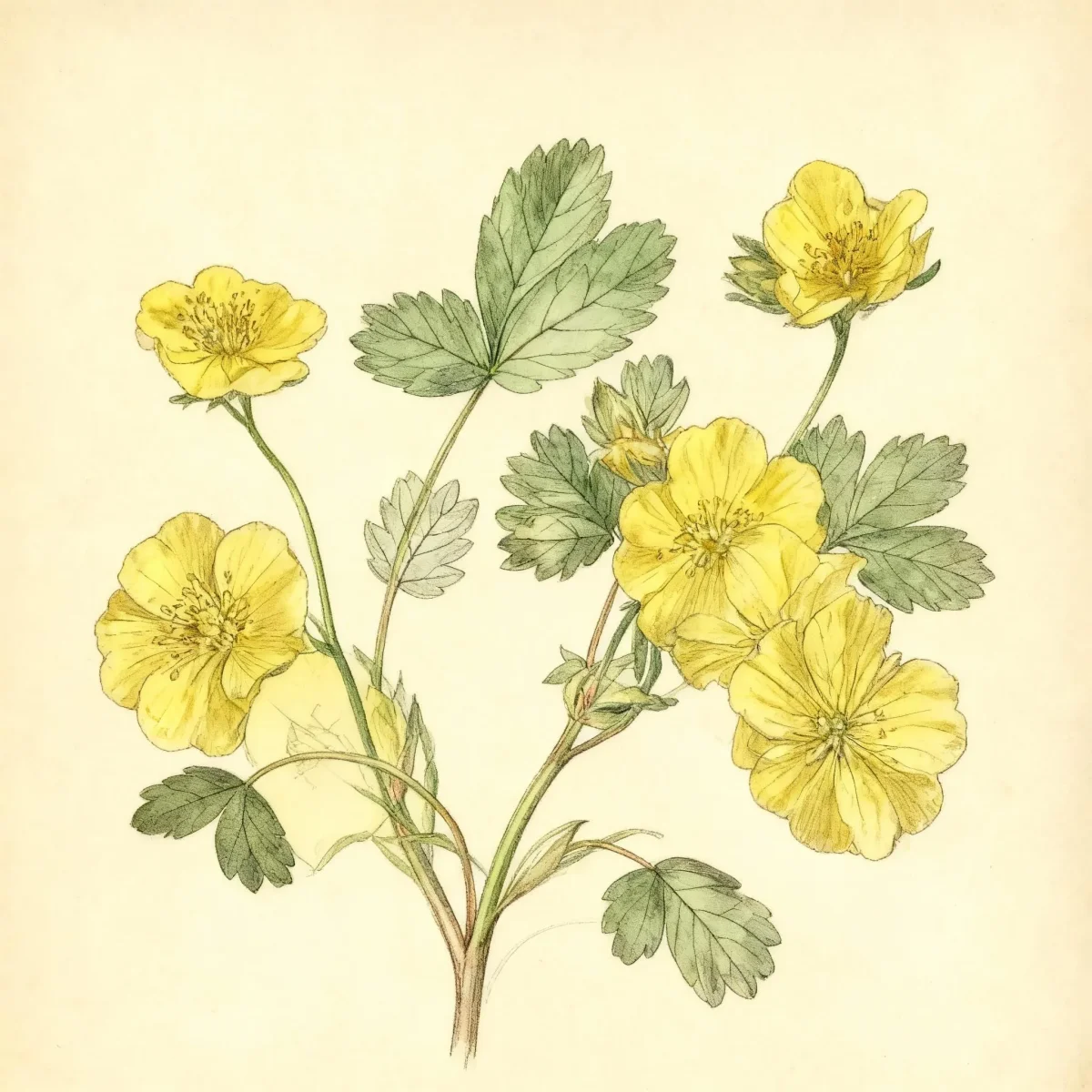
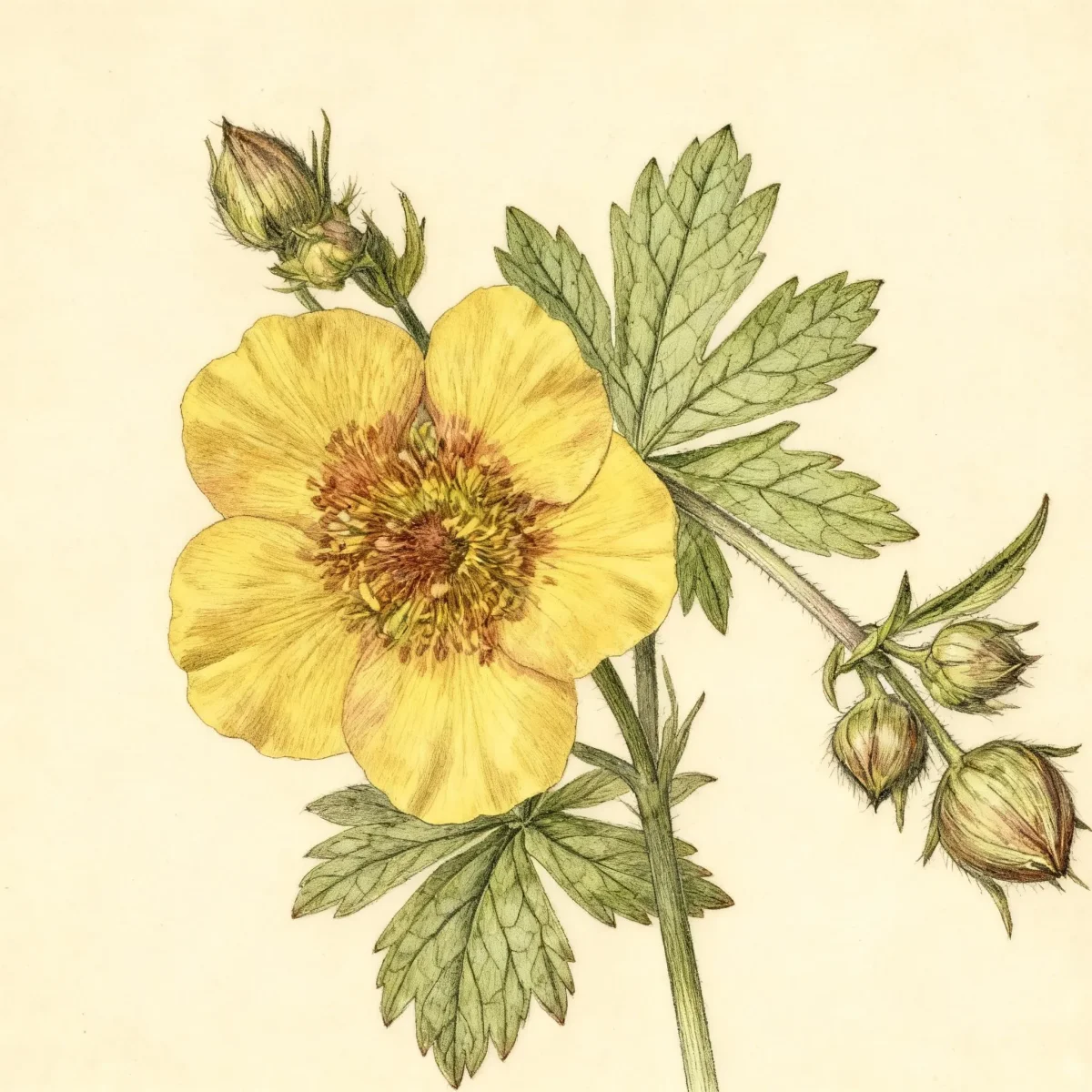
Barren strawberry (Waldsteinia fragarioides)
Waldsteinia fragarioides (Barren strawberry) is a tough, mat-forming perennial ground cover featuring spring yellow flowers.
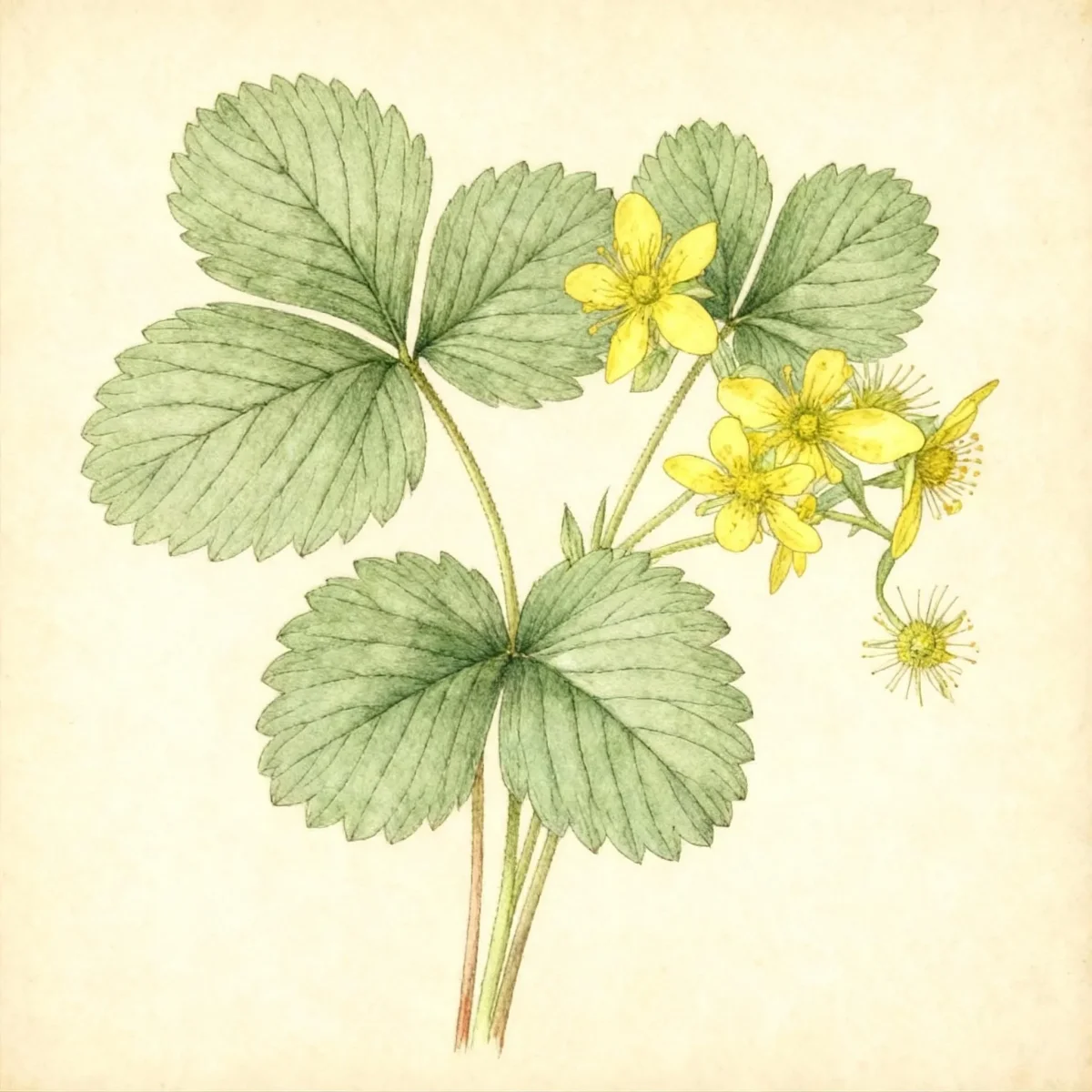

Bloom Boldly, No Matter the Season - Sweatshirt
Cozy organic cotton sweatshirt featuring our exclusive Purple Coneflower design. Perfect for gardeners who bloom year-round.
Inspired by the beautiful Barren strawberry
Limited first batch (50) — join the waitlist for early access
Waitlist closes Feb 15, 2026.
Complete Plant Information
Field Guide Continues
Ready for care notes, companion picks, and planting tips?
The map is just the start. The full guide below covers growth habits, seasonal performance, and landscape uses.
Overview
Waldsteinia fragarioides, commonly known as Barren strawberry, is a highly effective and low-maintenance herbaceous perennial prized for its dense, mat-forming habit. This native plant serves as an excellent evergreen alternative to grass in challenging areas where turf establishment is difficult. It spreads via rhizomes, quickly creating a dense cover that suppresses weeds effectively.
The ornamental appeal of Waldsteinia fragarioides peaks in spring when it is adorned with bright, cheerful yellow, five-petaled flowers held slightly above the attractive trifoliate foliage. While the flowers resemble those of true strawberries, the resulting fruits are inedible achenes, leading to its common name, Barren strawberry.
Culturally, this species is remarkably adaptable, tolerating a wide range of soils once established. Gardeners in cooler northern climates will see the best performance from this plant, as it prefers conditions free from intense summer heat and humidity. Using Waldsteinia fragarioides is an excellent way to incorporate native texture and low-maintenance coverage into landscape designs.
Fast Facts
- Plant Family: Rosaceae
- Plant Type: Herbaceous perennial
- Native Range: Eastern United States
- Hardiness Zones: USDA Zones 4-7
- Size at Maturity:
- Height: 0.25-0.5 ft
- Spread: 0.5-1 ft
- Bloom Time: April to May
- Bloom Description: Yellow
- Sun Exposure: Full sun to part shade
- Water Needs: Medium
- Maintenance Level: Low
How to Grow
Plant Barren strawberry in the spring or fall, ensuring the location offers average, medium, well-drained soil. While it tolerates various soil types, it thrives best in humusy, slightly acidic conditions. Ensure the spreading rhizomes are placed appropriately, as established mats can be difficult to eradicate if misplaced.
Water consistently to help establish the plant during its first growing season. Once mature, Waldsteinia fragarioides generally requires medium amounts of water to maintain its evergreen foliage, though established clumps can tolerate brief dry spells. Fertilization is rarely necessary; excessive richness can sometimes encourage excessive leaf growth at the expense of flowering.
Maintenance for this perennial is exceptionally low. Pruning is generally unnecessary, though an edging shear can be used in early spring to tidy up any winter damage or unwanted spread beyond the desired area. Be mindful that Waldsteinia fragarioides prefers cooler summers and protection from extreme heat and humidity, particularly in the southern reaches of its hardiness range.
Landscape Uses
The primary function of Barren strawberry is as a robust ground cover. It is highly recommended for naturalized areas, woodland gardens, or rock gardens where its spreading nature can be appreciated without constant containment. The 0.25 to 0.5-foot height makes it an excellent choice for softening hard edges along borders or pathways.
Consider using Waldsteinia fragarioides as an attractive, low-growing substitute for grass in transition zones or on slopes where mowing is impractical. Its low stature and medium spread make it suitable near rockwork or cascading over low retaining walls. While it spreads effectively, it remains one of the more polite ground covers suitable for small, defined borders.
Standout Features
Flower Qualities
- Showy
Noteworthy Characteristics
Waldsteinia fragarioides, commonly called barren strawberry, is an ornamental, strawberry-like plant grown primarily as a ground cover. Although native to eastern North America, it is rare in Missouri where it is only known to occur on wooded slopes and ledges in several counties in the Ozarks. It is a mat-forming plant (to 6” tall) which spreads by runner-like rhizomes creeping just below the soil surface. Fruits are not berries, but are single-seeded achenes which are inedible, hence the common name of barren strawberry.
Tolerances
- Deer
- Clay Soil
Potential Problems
This plant is generally robust, exhibiting no serious insect or disease problems, which contributes significantly to its low maintenance rating. Occasional slug visits may occur, particularly in damper, shaded locations. To manage potential slug activity, employ standard cultural controls or baits early in the season to protect the spring foliage.
Frequently Asked Questions
What hardiness zones is Barren strawberry suitable for?
Waldsteinia fragarioides is reliably cold-hardy in USDA Zones 4 through 7.
How large does Barren strawberry grow?
This species typically achieves a height between 0.25 and 0.5 feet, with a spread ranging from 0.5 to 1 foot.
What sun exposure does Waldsteinia fragarioides need?
Barren strawberry performs best when situated in locations that receive full sun to part shade conditions.
When does Barren strawberry bloom?
You can expect the striking yellow flowers of Waldsteinia fragarioides to appear from April through May.
Conclusion
The Barren strawberry, Waldsteinia fragarioides, is a dependable, low-growing perennial that offers texture and vibrant yellow blooms without demanding extensive upkeep. Its tolerance for clay soil and minimal maintenance requirements make it an ideal solution for difficult groundcover applications. Before planting, confirm that your local conditions align with its preferred zones 4-7 and plan for spring establishment.
Companion Planting
Selecting appropriate companions enhances the visual appeal of Waldsteinia fragarioides while ensuring all plants thrive in similar conditions. Since Barren strawberry prefers partial shade and medium moisture, pair it with other shade-tolerant natives such as woodland phlox (Phlox divaricata) or native sedges (Carex species). These companions complement the spreading habit of the Barren strawberry without competing aggressively for light.
As an edging plant, Waldsteinia fragarioides looks excellent juxtaposed against plants that offer height contrast. Consider using upright woodland ferns or small, clump-forming hostas near taller border plantings to create layered interest. Ensure that any companions share the preference for well-drained, perhaps slightly acidic, soil typical of the native range of Waldsteinia fragarioides.
Propagation Tips
Propagation of Barren strawberry is quite straightforward due to its aggressive spreading habit. The easiest method is simple division of the established mat during the spring or fall. Gently lift sections of the crown, ensuring each division retains several rooted rhizomes, and replant them immediately into prepared soil.
Because it spreads readily by runners, Waldsteinia fragarioides can also be encouraged to colonize new areas quickly. In addition to division, aim for the rhizomes to creep just below the soil surface; these will naturally root and create new daughter plants. This vegetative spread makes it less reliant on seed for expansion within the landscape.