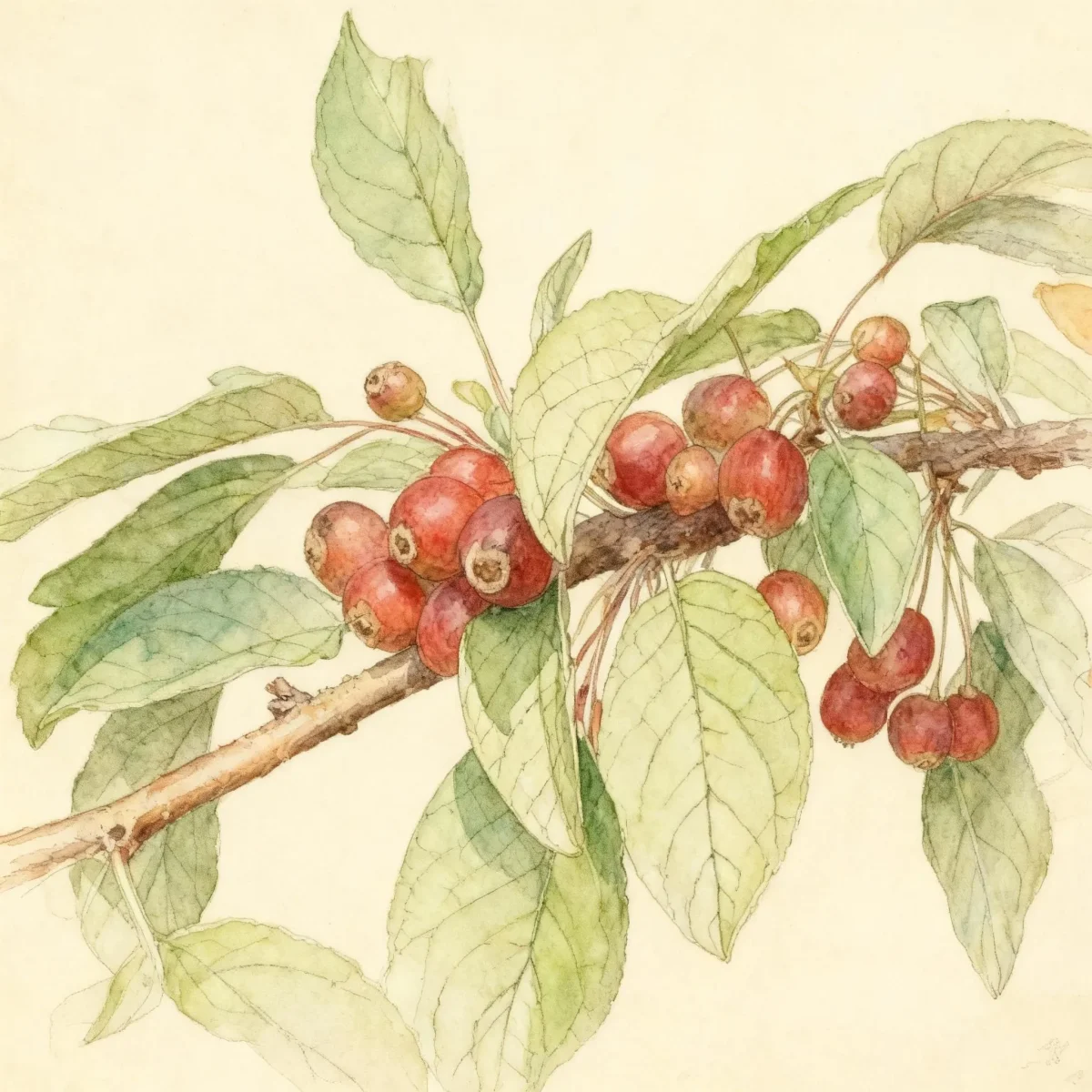
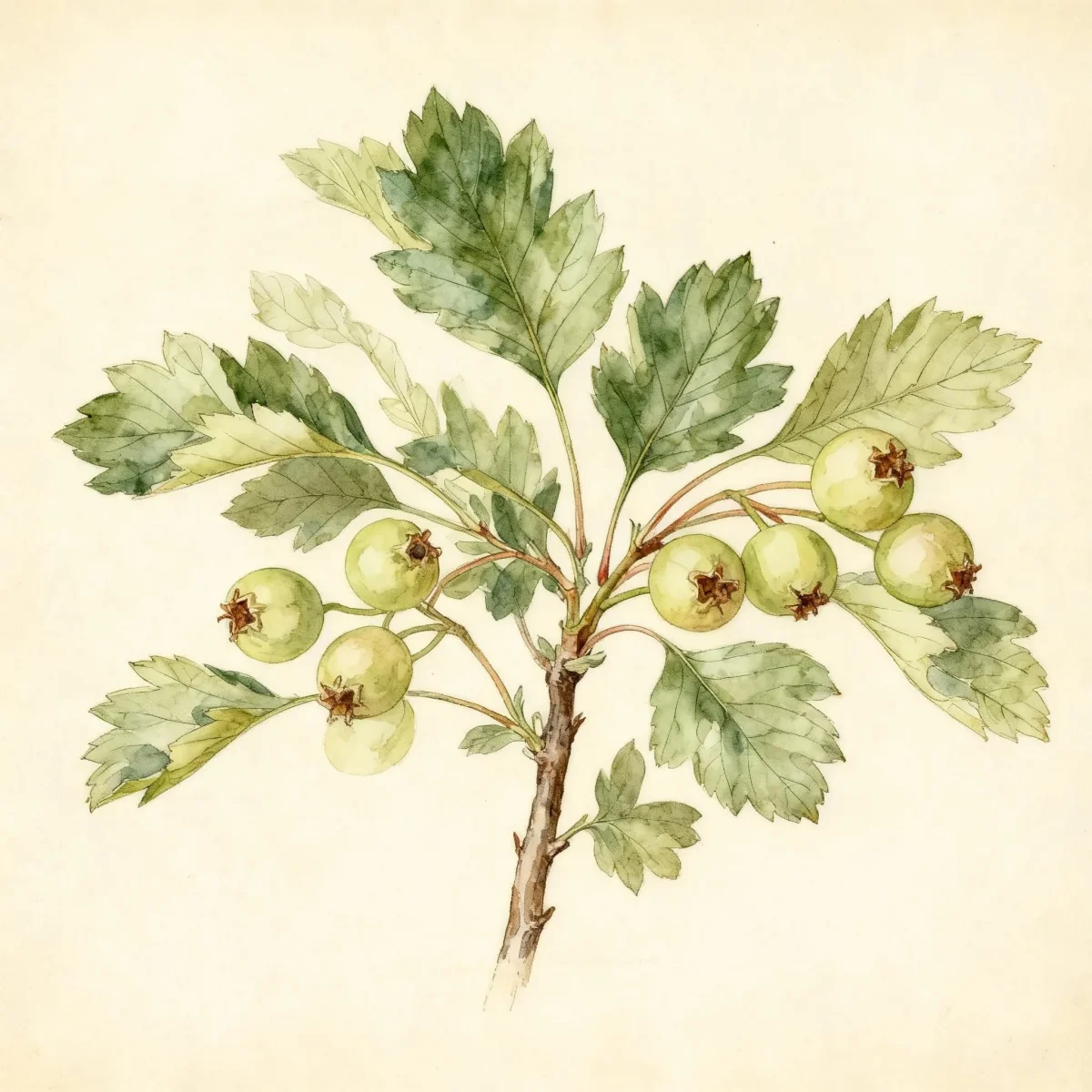
Mountain ash (Sorbus alnifolia)
Sorbus alnifolia, or Korean mountain ash, is an ornamental tree valued for its creamy flowers, good fall color, and relative pest resistance compared to other ashes.
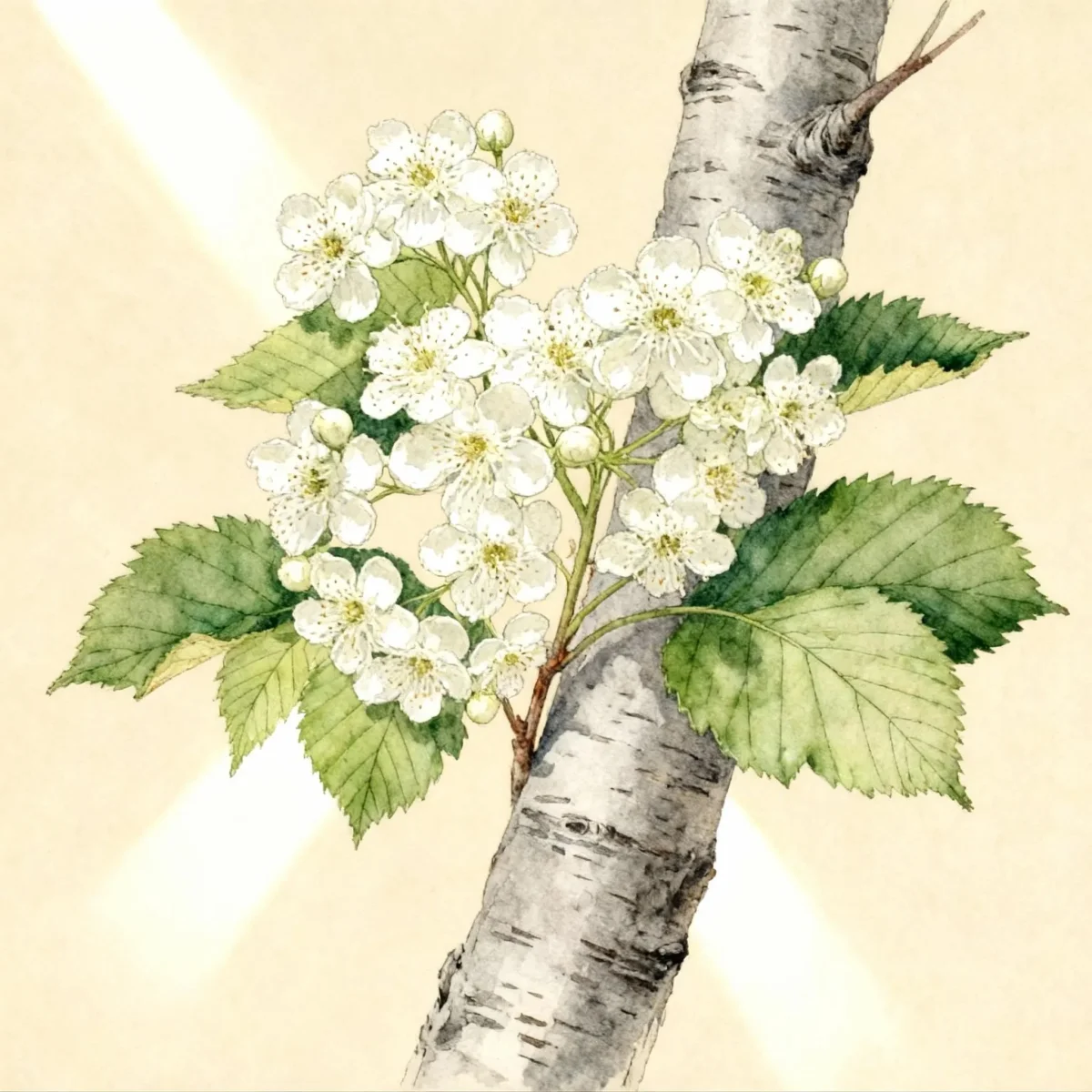

Bloom Boldly, No Matter the Season - Sweatshirt
Cozy organic cotton sweatshirt featuring our exclusive Purple Coneflower design. Perfect for gardeners who bloom year-round.
Inspired by the beautiful Mountain ash
Limited first batch (50) — join the waitlist for early access
Waitlist closes Feb 15, 2026.
Complete Plant Information
Field Guide Continues
Ready for care notes, companion picks, and planting tips?
The map is just the start. The full guide below covers growth habits, seasonal performance, and landscape uses.
Overview
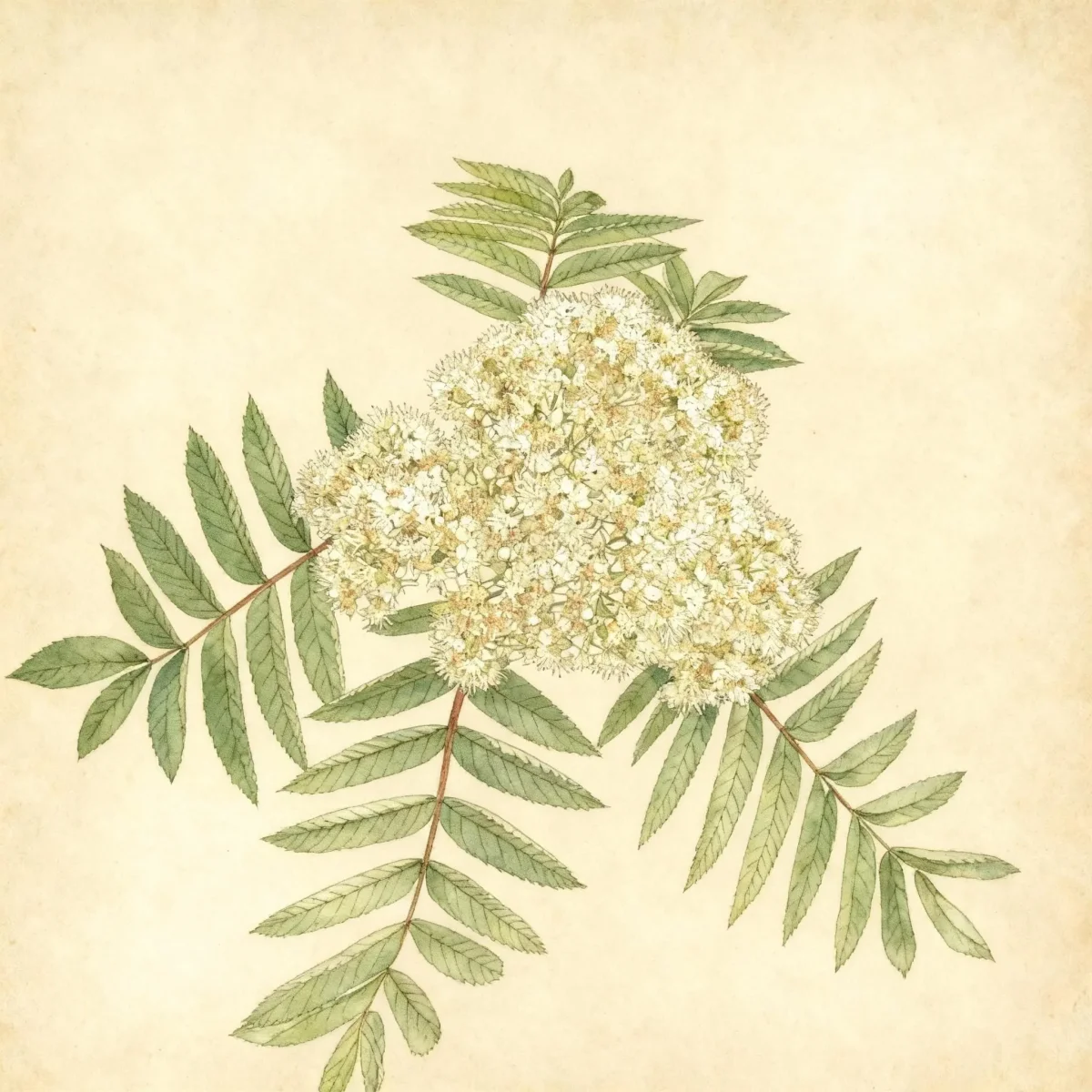
Sorbus alnifolia, commonly known as Korean mountain ash, is a distinctive deciduous tree valued for its unique aesthetic qualities that set it apart from other popular species. Gardeners prize this North American substitute for its attractive, dense branching, glossy simple leaves (unlike the compound leaves of many true mountain ashes), and brilliant ornamental fruit display. This species of Mountain ash is a moderate-sized tree, typically reaching 40 to 50 feet tall, making it suitable for specimens in cooler northern landscapes.
A significant advantage of planting Sorbus alnifolia is its noted resistance to borers that frequently plague other Mountain ash varieties. When sited correctly, it offers four-season interest, starting with creamy white flowers in spring, handsome foliage in summer, striking fruit persistence into winter, and often outstanding golden-orange fall color. This resilient, pyramidal tree offers excellent structure for residential and formalized landscapes in suitable climates.
Fast Facts
- Plant Family: Rosaceae
- Plant Type: Tree
- Native Range: Temperate Asia
- Hardiness Zones: USDA Zones 3-7
- Size at Maturity:
- Height: 40-50 ft
- Spread: 20-25 ft
- Bloom Time: May
- Bloom Description: White
- Sun Exposure: Full sun
- Water Needs: Medium
- Maintenance Level: Medium
How to Grow
The best time to plant Sorbus alnifolia is generally in the spring or fall, allowing the root system time to establish before temperature extremes. This tree thrives when given full sun exposure, which is critical for maximizing flowering and fruit production. It requires moist, acidic, well-drained soils; amending heavy clay soils to improve drainage is highly recommended for long-term health.
Watering needs are moderate, requiring consistent moisture, particularly during establishment and through dry summer periods. Fertilizing is usually unnecessary unless the soil is severely lacking nutrients. Pruning should be minimal, focusing only on removing dead, damaged, or crossing branches. Significant pruning should be reserved for late fall or early spring before new growth begins.
Culturally, remember that this Mountain ash tree prefers cooler mountain climates. It struggles noticeably if planted in hot, humid regions south of USDA Zone 7. While somewhat tolerant of urban pollution compared to other ornamentals, site selection remains key to ensuring your Sorbus alnifolia remains vigorous and attractive for decades.
Landscape Uses
This tree is perfectly suited as a specimen planting where its silhouette and seasonal changes can be fully appreciated. Its pyramidal shape when young transitions to a pleasing rounded form, making it an excellent focal point on a lawn or in a mixed border. Consider placing the Sorbus alnifolia where its fall fruit display is visible from windows or near entertaining areas to maximize seasonal viewing enjoyment.
As a flowering tree, it works well integrated into large foundation plantings or along peripheral areas of a property that require moderate screening without the need for dense coverage. Because it is a medium-sized specimen, pair it with lower-growing shrubs or perennials that appreciate similar acidic and moist soil conditions, avoiding planting too close to structures due to its eventual 25-foot spread.
Standout Features
Flower Qualities
- Showy
Fruit Qualities
- Showy
Noteworthy Characteristics
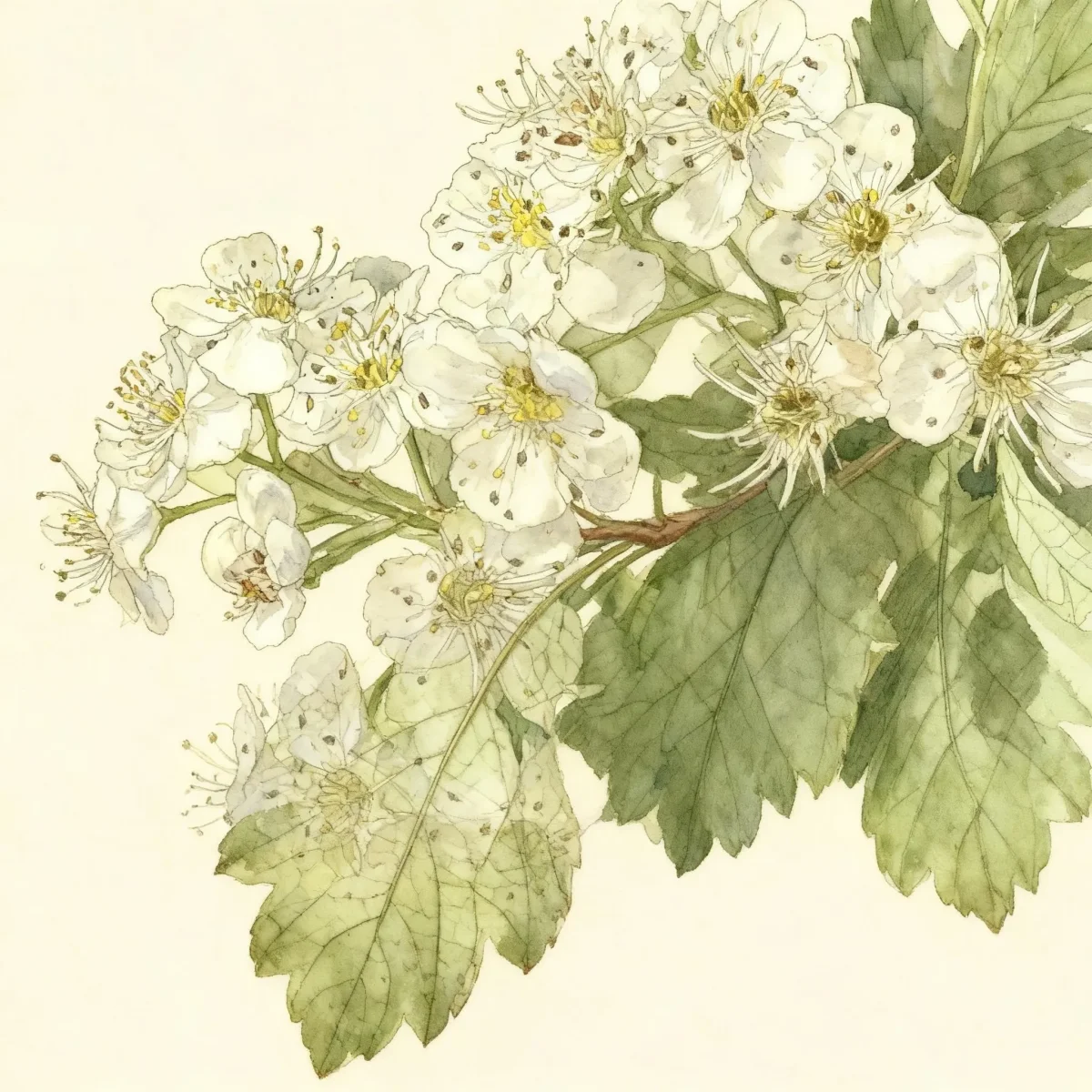
Sorbus alnifolia, commonly called Korean mountain ash, is a small, densely-branched, deciduous, ornamental flowering tree of the rose family that is noted for its attractive form, creamy white flowers, simple beach-like leaves, red fall fruit and good fall color. It grows rapidly to 40-50’ tall by 25’ wide, with a pyramidal shape when young that rounds with age. Smooth, gray, beech-like bark is quite noticeable in winter.
Tolerances
- Somewhat intolerant of urban pollution
Potential Problems
The potential problems facing this Mountain ash relate primarily to fungal diseases. Bacterial fireblight is a major concern and can cause branches to appear scorched rapidly. Scab is another common issue, often leading to significant leaf drop during the season.
Preventative care, such as ensuring excellent air circulation through proper spacing and avoiding overhead watering during hot weather, can minimize fungal outbreaks. Stressed Sorbus alnifolia trees are generally more vulnerable to opportunistic pests like cankers and borers, making correct cultural care the best defense.
Frequently Asked Questions
What hardiness zones is Mountain ash suitable for?
The Korean mountain ash (Sorbus alnifolia) is robustly hardy in USDA Zones 3 through 7.
How large does Mountain ash grow?
This ornamental tree typically matures to a height between 40 and 50 feet tall, with a spread ranging from 20 to 25 feet wide.
When does Mountain ash bloom?
You can expect the Sorbus alnifolia to produce its white, showy flowers during the month of May.
What sun exposure does Mountain ash need?
For best performance, ensure your planting location provides full sun exposure throughout the day.
Conclusion
The Sorbus alnifolia, or Korean mountain ash, offers northern gardeners a reliable, visually engaging specimen tree that provides excellent structure and seasonal interest without the boring pest issues common to its relatives. Its resistance to borers makes it a top choice among Mountain ash varieties for landscapes needing moderate stature and dependable performance. Check your local USDA Hardiness Zone compatibility and plan to plant in rich, well-drained soil this coming cool season.
Companion Planting
When selecting plants to grow near your Sorbus alnifolia, focus on species that share a preference for acidic, consistently moist soil conditions. Groundcovers like various Vaccinium species (blueberries, if pH is appropriate) or acid-loving ferns thrive in the dappled light that may filter beneath the mature canopy while benefiting from the cool microclimate the tree helps create.
Avoid planting shallow-rooted species immediately adjacent to the base of the tree, as this can encourage root competition and stress the Mountain ash. Instead, use sturdy, deep-rooted perennials like Hosta or Astilbe in the understory, provided they receive adequate moisture during the drier parts of summer.
Wildlife Benefits
The persistent berry-like pomes developed by Sorbus alnifolia are a significant draw for local bird populations, especially after leaves have dropped in late autumn or early winter. These scarlet fruits provide essential late-season and winter sustenance when other food sources become scarce, making the tree a valued addition to bird-friendly gardens.
While the creamy white flowers in May offer nectar for early-season pollinators, the main wildlife contribution comes from the fruit and structural shelter offered by its dense branching habit. Selecting Sorbus alnifolia over less ornamental options can boost local biodiversity efforts without sacrificing landscape aesthetics.