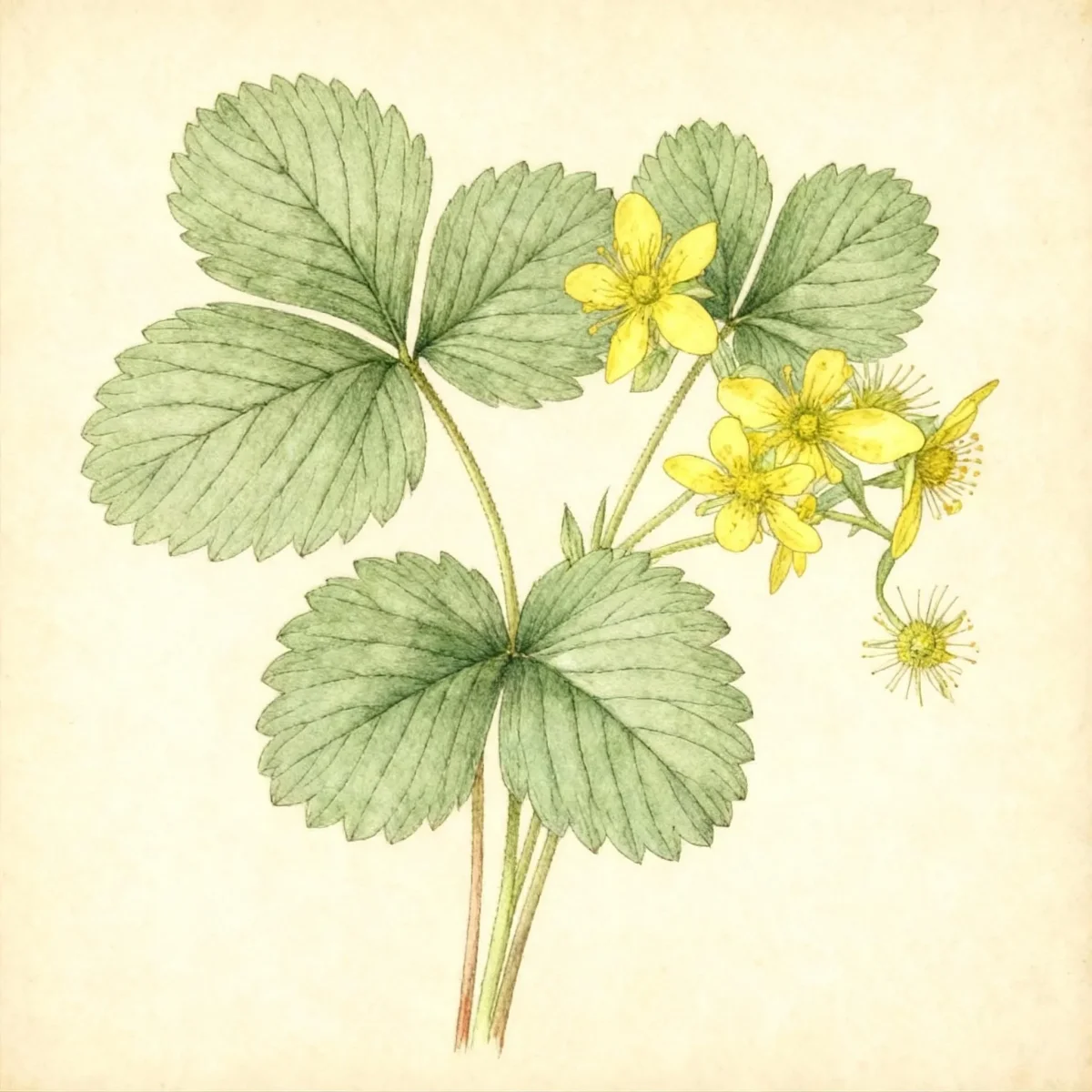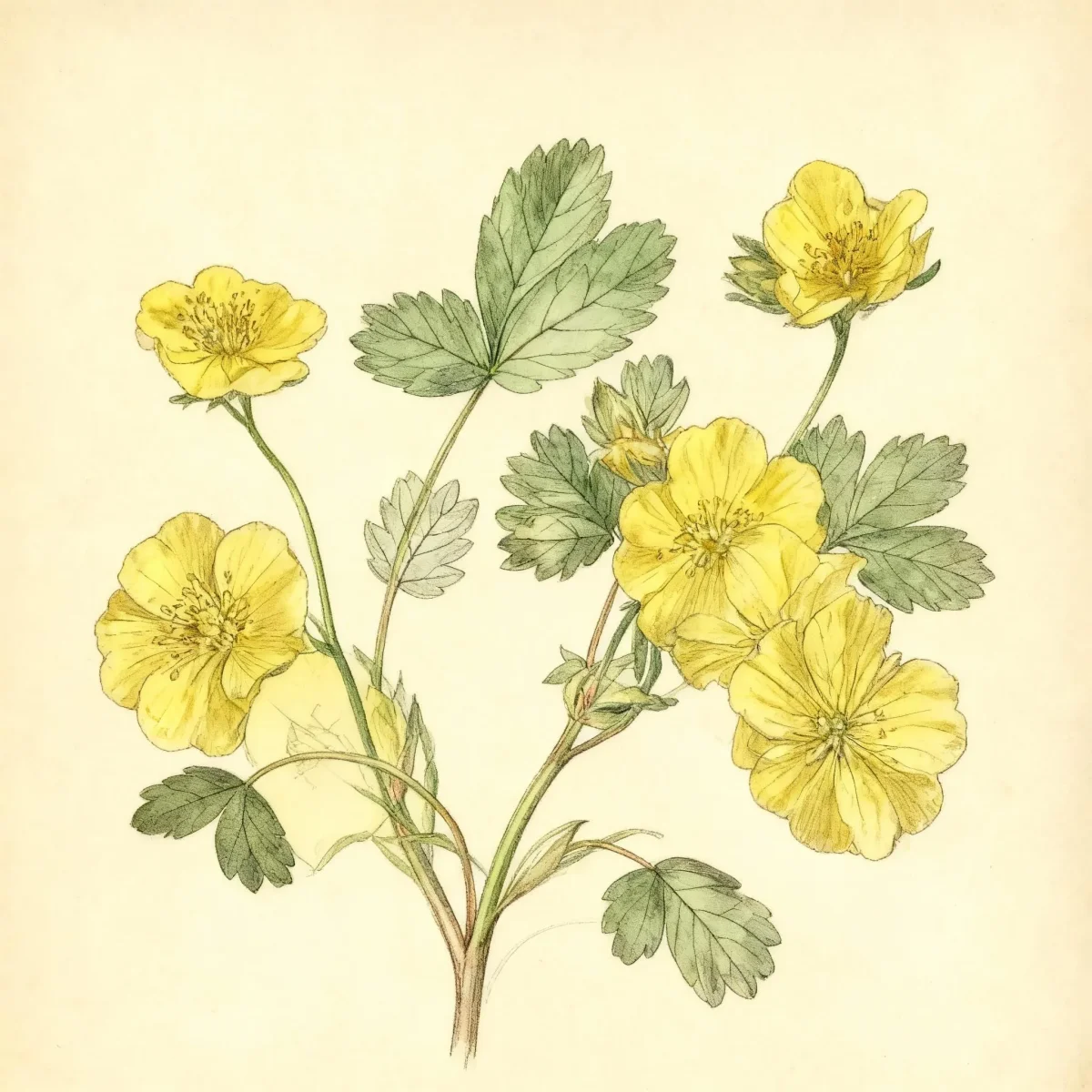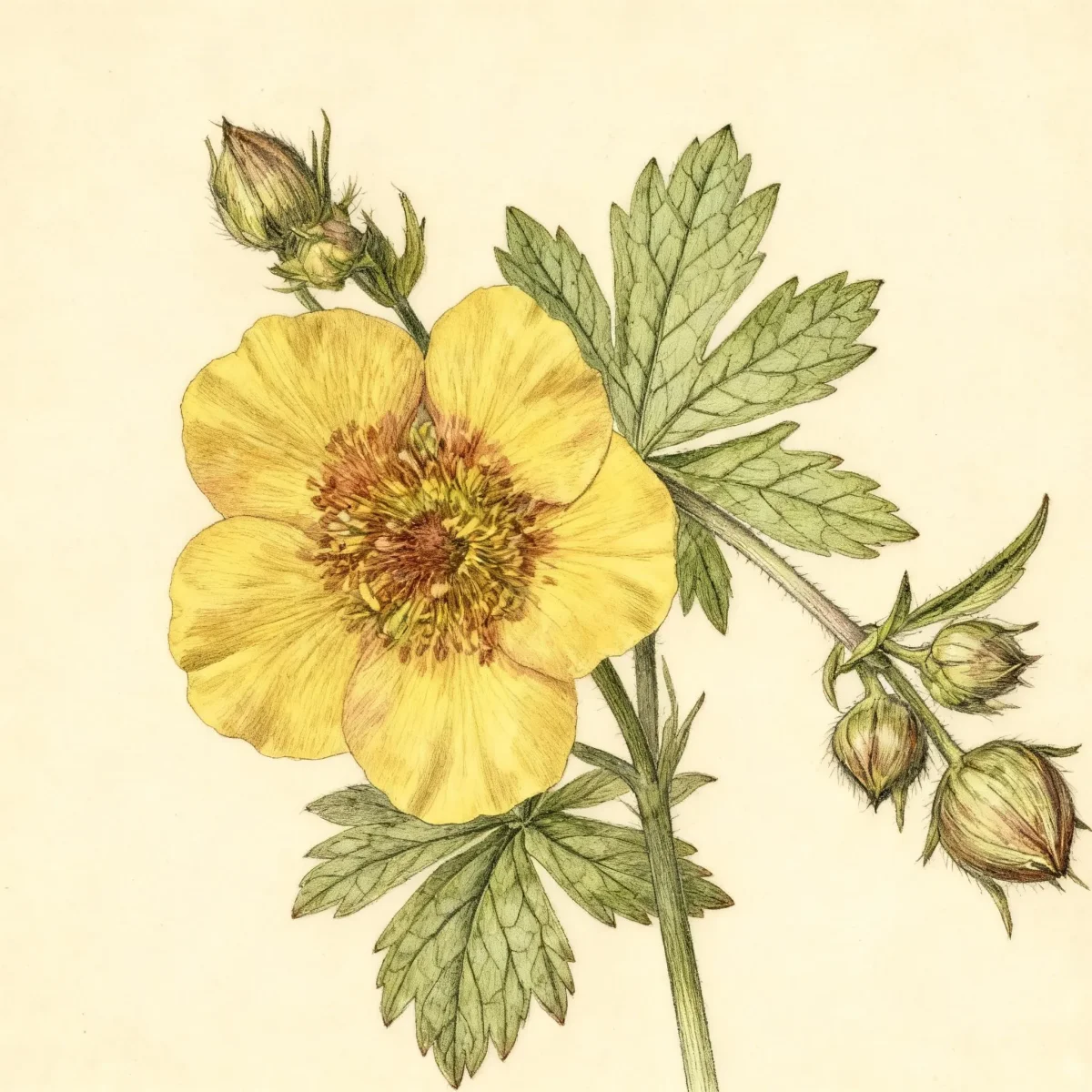

Barren strawberry (Waldsteinia geoides)
Waldsteinia geoides, Barren strawberry, offers attractive low cover with bright spring yellow blooms. Low maintenance ground cover for zones 4-7.
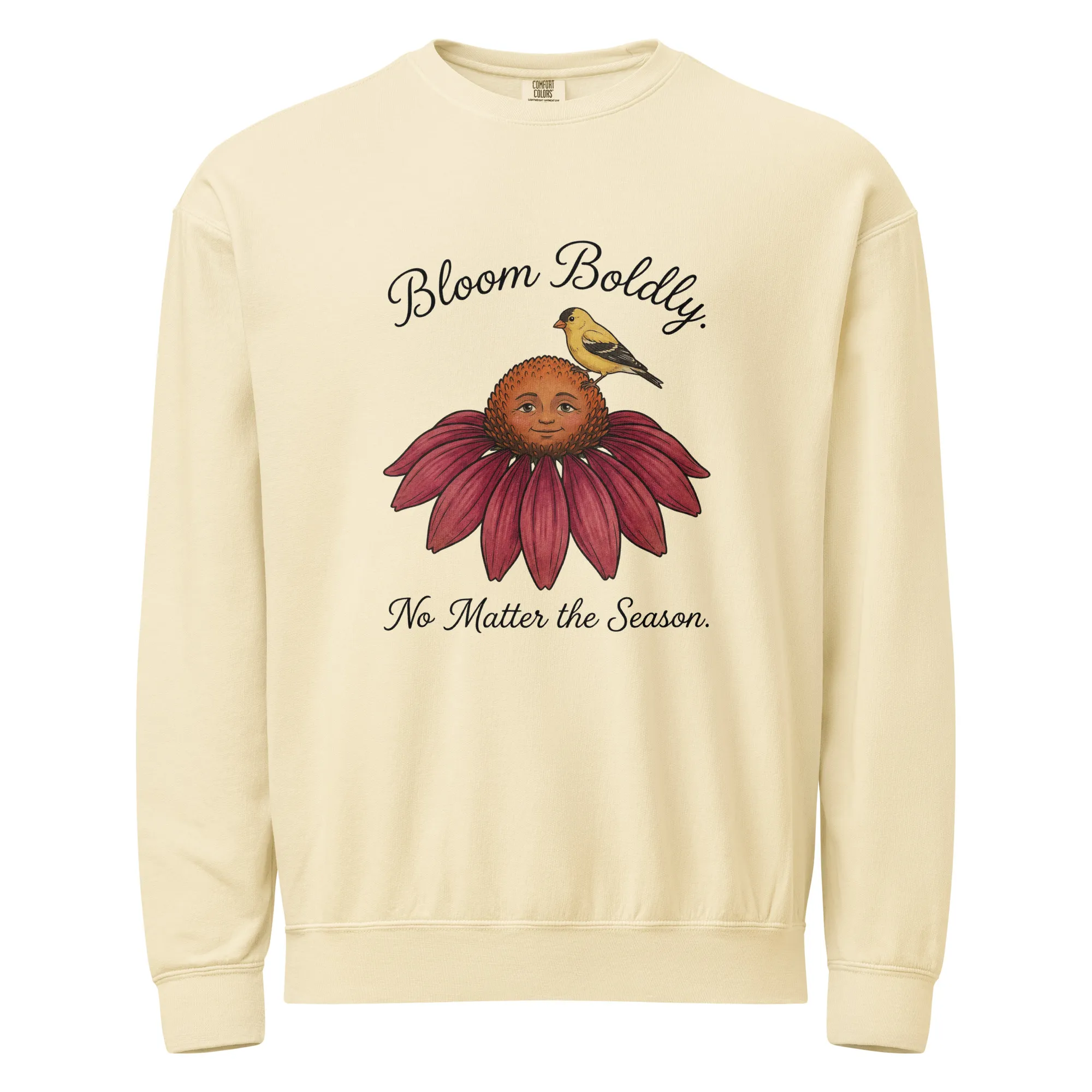
Bloom Boldly, No Matter the Season - Sweatshirt
Cozy organic cotton sweatshirt featuring our exclusive Purple Coneflower design. Perfect for gardeners who bloom year-round.
Inspired by the beautiful Barren strawberry
Limited first batch (50) — join the waitlist for early access
Waitlist closes Feb 15, 2026.
Complete Plant Information
Field Guide Continues
Ready for care notes, companion picks, and planting tips?
The map is just the start. The full guide below covers growth habits, seasonal performance, and landscape uses.
Overview
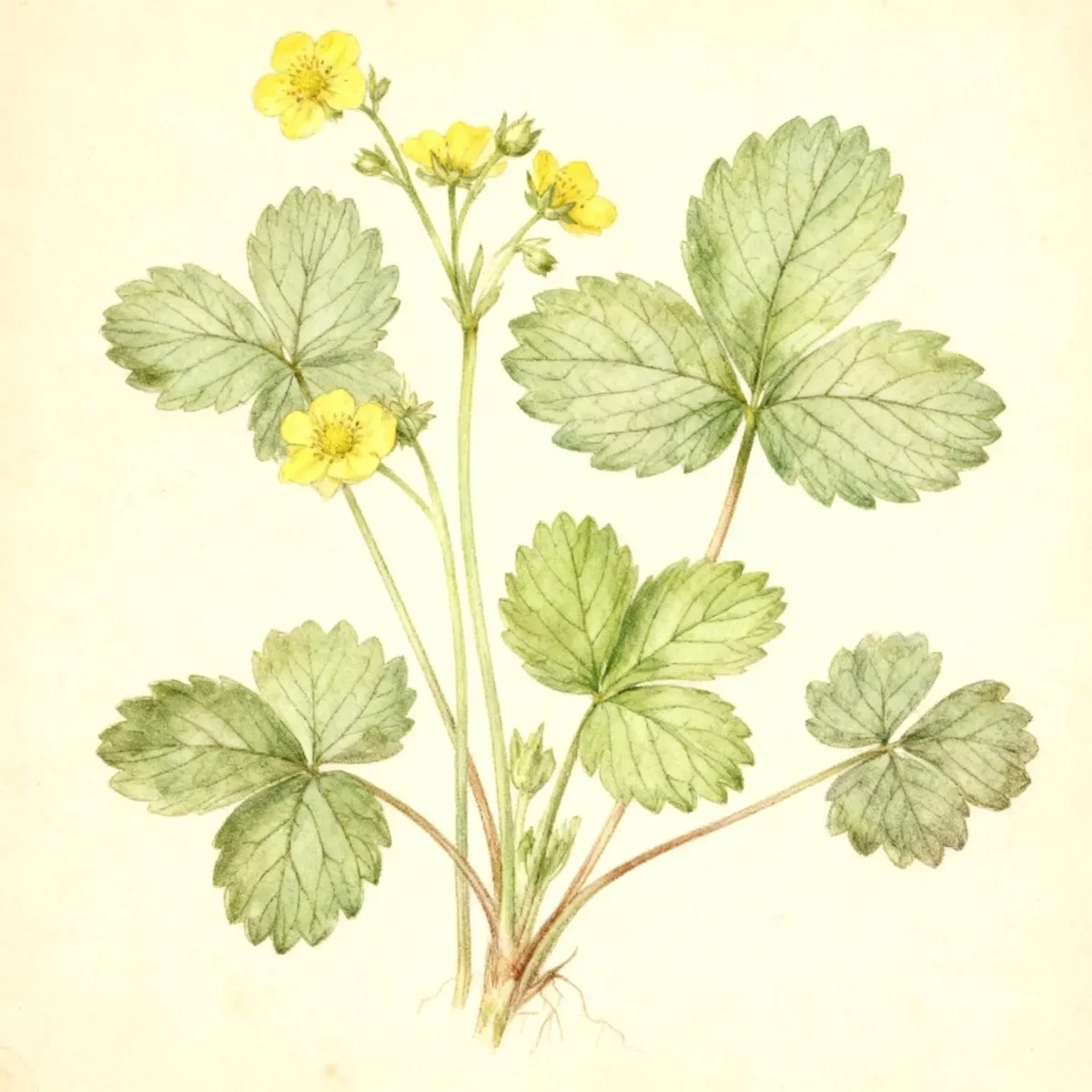
Barren strawberry (Waldsteinia geoides) is a highly effective, low-growing perennial valued for its dense coverage and cheerful spring display. This plant forms a pleasing mat of three to five-lobed, strawberry-like foliage that often remains evergreen or semi-evergreen through the winter. Its primary aesthetic appeal arrives when it sends up small, saucer-shaped, vibrant yellow flowers slightly above the leaf clumps in mid to late spring.
Part of the Rosaceae family, waldsteinia is noted for its ease of care and adaptability, making it a reliable choice for slopes, borders, and shaded areas where turf struggles. Unlike some aggressive relatives, Waldsteinia geoides spreads gently via short rhizomes, forming an attractive, dense ground cover without becoming overly weedy.
Gardeners appreciate the Waldsteinia geoides for its combination of texture, persistent low-mounding habit, and robust performance. It offers great value as a maintenance-free solution for naturalizing spaces or providing uniform texture beneath mature trees and shrubs, giving gardens a tidy, finished look year-round.
Fast Facts
- Plant Family: Rosaceae
- Plant Type: Herbaceous perennial
- Native Range: Eastern and central Europe
- Hardiness Zones: USDA Zones 4-7
- Size at Maturity:
- Height: 0.5-0.75 ft
- Spread: 0.75-1.5 ft
- Bloom Time: April to May
- Bloom Description: Yellow
- Sun Exposure: Full sun to part shade
- Water Needs: Medium
- Maintenance Level: Low
How to Grow
Plant Waldsteinia geoides in the spring or fall for best establishment, ensuring the location offers average, medium-moisture, well-drained soils. While it tolerates full sun, it thrives best when sited in partial shade, especially in hot summer climates where consistent moisture can be difficult to maintain. If you are planting this species specifically as a ground cover, space the plants approximately 9 inches apart to allow adequate room for the short rhizomes to knit the area together effectively over time.
Watering requirements for Barren strawberry are medium; ensure the soil remains consistently moist until the plant is fully established. Although it tolerates some drought once mature, providing regular moisture enhances its semi-evergreen habit and overall vigor. Fertilization is rarely necessary as Waldsteinia geoides performs well in average soils, though it prefers richer, moister conditions if available.
Maintenance for this plant is minimal, fitting perfectly into low-input garden designs. As it slowly self-seeds, some light thinning might be necessary after several years if the coverage becomes too dense in specific areas. There is no required deadheading or heavy pruning for this perennial ground cover.
Landscape Uses
The superb spreading nature of Barren strawberry makes it an exemplary ground cover, especially useful for covering slopes or filling in awkward spaces under large deciduous trees and shrubs where grass struggles to survive. Since the Waldsteinia geoides slowly spreads via short rhizomes rather than aggressive runners, it forms a tight, attractive mat that suppresses weeds effectively.
Consider using Waldsteinia geoides along garden borders or as neat, dense edging along pathways where its low habit (under 9 inches) will provide a clean transition to hardscaping. When used in rock gardens, its coarse texture and bright yellow spring blooms offer a welcome contrast to finer, sparser alpine plantings.
This rugged perennial naturalizes well, allowing you to create large sweeps of uniform green foliage punctuated by flowers. Plant it alongside spring bulbs like daffodils or grape hyacinths, as the Barren strawberry foliage will emerge to pleasantly mask the dying foliage of early spring bloomers.
Standout Features
Flower Qualities
- Showy
Noteworthy Characteristics
Waldsteinia geoides, commonly called waldsteinia, is a low-growing, evergreen to semi-evergreen, strawberry-like perennial of the rose family that typically grows in clumps of basal leaves up to 6-8” tall, eventually spreading by short rhizomes to form a dense, attractive ground cover. Its leaves resemble wild strawberry foliage, leading to common names like mock strawberry or barren strawberry. The plant produces five-petaled, saucer-shaped yellow flowers slightly above the foliage in mid to late spring.
Tolerances
- Deer
- Drought
- Clay Soil
Potential Problems
This species generally exhibits strong resistance to serious insect or disease issues, which contributes to its low maintenance status. Gardeners should primarily remain watchful for slugs, which can occasionally chew holes in the foliage, especially in damp, shaded locations. The primary cultural risk comes from poor drainage; root rot is a potential issue if the soil remains overly saturated and poorly aerated for extended periods. Ensure adequate soil drainage during planting to prevent this.
Frequently Asked Questions
What hardiness zones is Barren strawberry suitable for?
Waldsteinia geoides is reliably hardy across USDA Zones 4 through 7.
How large does Barren strawberry grow?
This species typically reaches a height between 0.5 and 0.75 feet tall, spreading to cover an area between 0.75 and 1.5 feet wide.
What sun exposure does Waldsteinia geoides need?
It prefers the transition from full sun to part shade, ensuring consistent moisture is available if placed in sunnier locations.
When does Barren strawberry bloom?
The bright yellow, saucer-shaped flowers appear reliably from April into May.
Conclusion
The Waldsteinia geoides, or Barren strawberry, is an indispensable, tough perennial for gardeners seeking reliable, low-growing ground cover. Its resilience against deer and drought, combined with its cheerful yellow spring flowers, ensures year-round interest with minimal effort. Before installing, confirm that your growing area falls within USDA Zones 4-7 and plan for moist, well-drained soil preparation to guarantee successful establishment of this excellent Waldsteinia species.
Companion Planting
When planning your landscape around Waldsteinia geoides, consider companions that appreciate similar partial shade conditions and consistent moisture. Hostas, especially shorter, mounding varieties, pair beautifully as their foliage texture contrasts nicely with the coarse, serrated leaves of the waldsteinia. Ferns, such as Japanese Painted Ferns, also thrive in the same light conditions and offer contrasting silvery or burgundy tones during the summer months.
For spring color synchronization, plant early-blooming perennials like Hellebores (Lenten Rose) nearby. The Hellebores will often begin flowering just as the Waldsteinia geoides is finishing its show, ensuring a seamless transition of color interest as the season progresses into summer.
Propagation Tips
Propagation of Barren strawberry is straightforward, primarily relying on its rhizomatous nature. The easiest method for increasing your stock is division, which should ideally be performed in early spring just as new growth emerges or in the early fall. Gently lift existing clumps and carefully separate the root masses, ensuring each new section has ample roots and foliage attached.
Since the plants will self-seed, collecting the small, dry nutlets (fruit) after they mature and sowing them directly in garden soil or starting them indoors is another option, though this results in slower establishment compared to division. Plant divisions about 9 inches apart throughout the garden where you wish to establish a dense, attractive mat of Barren strawberry foliage.