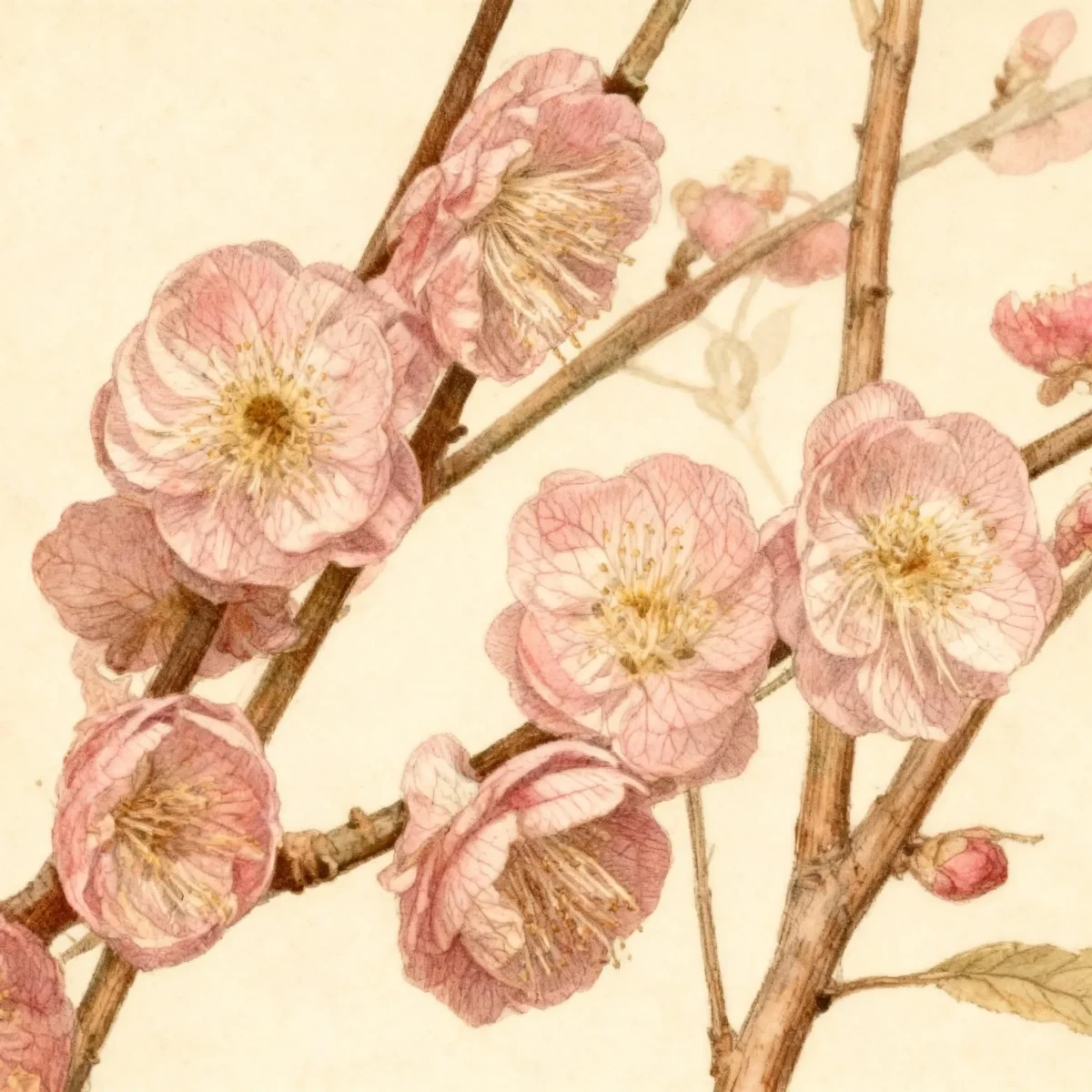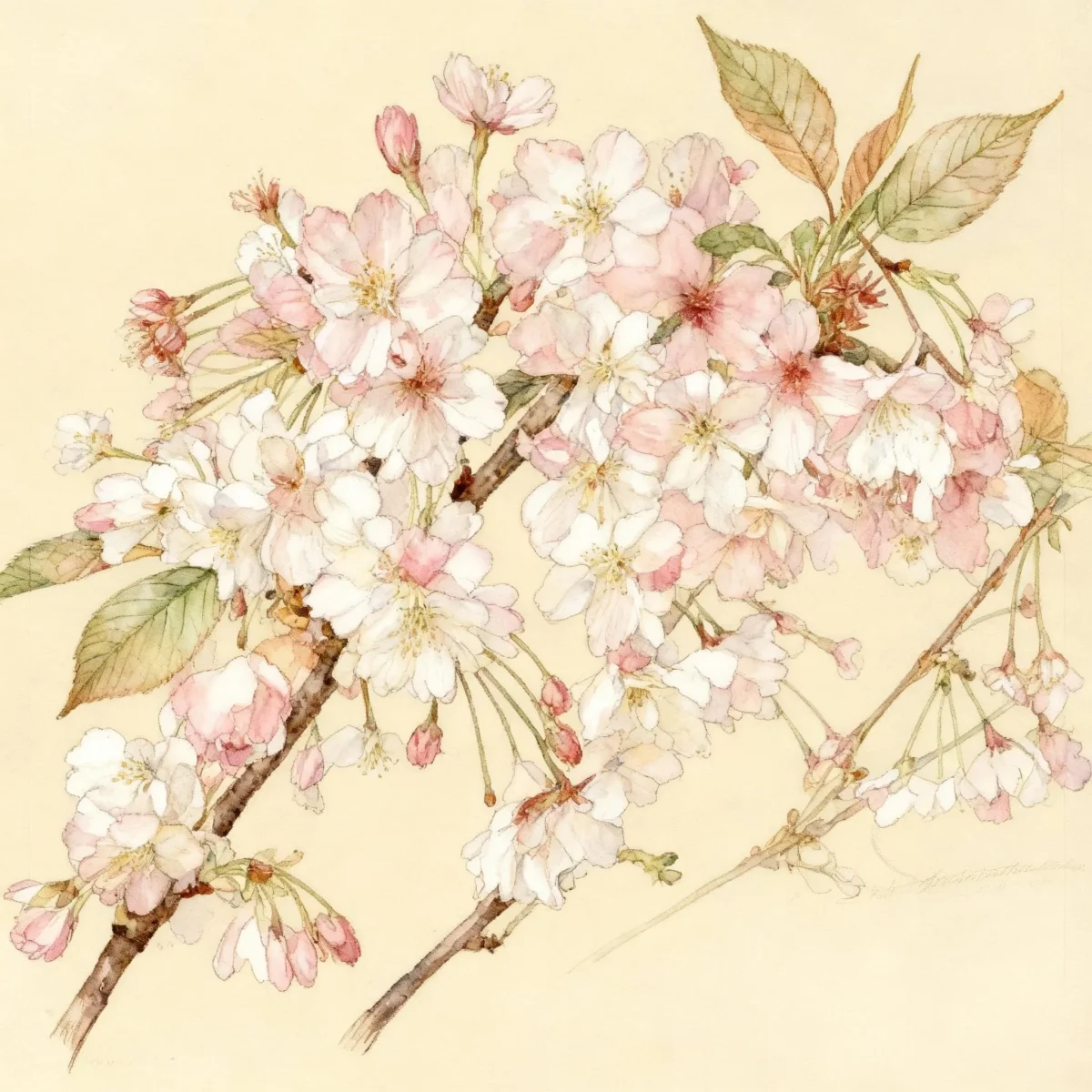

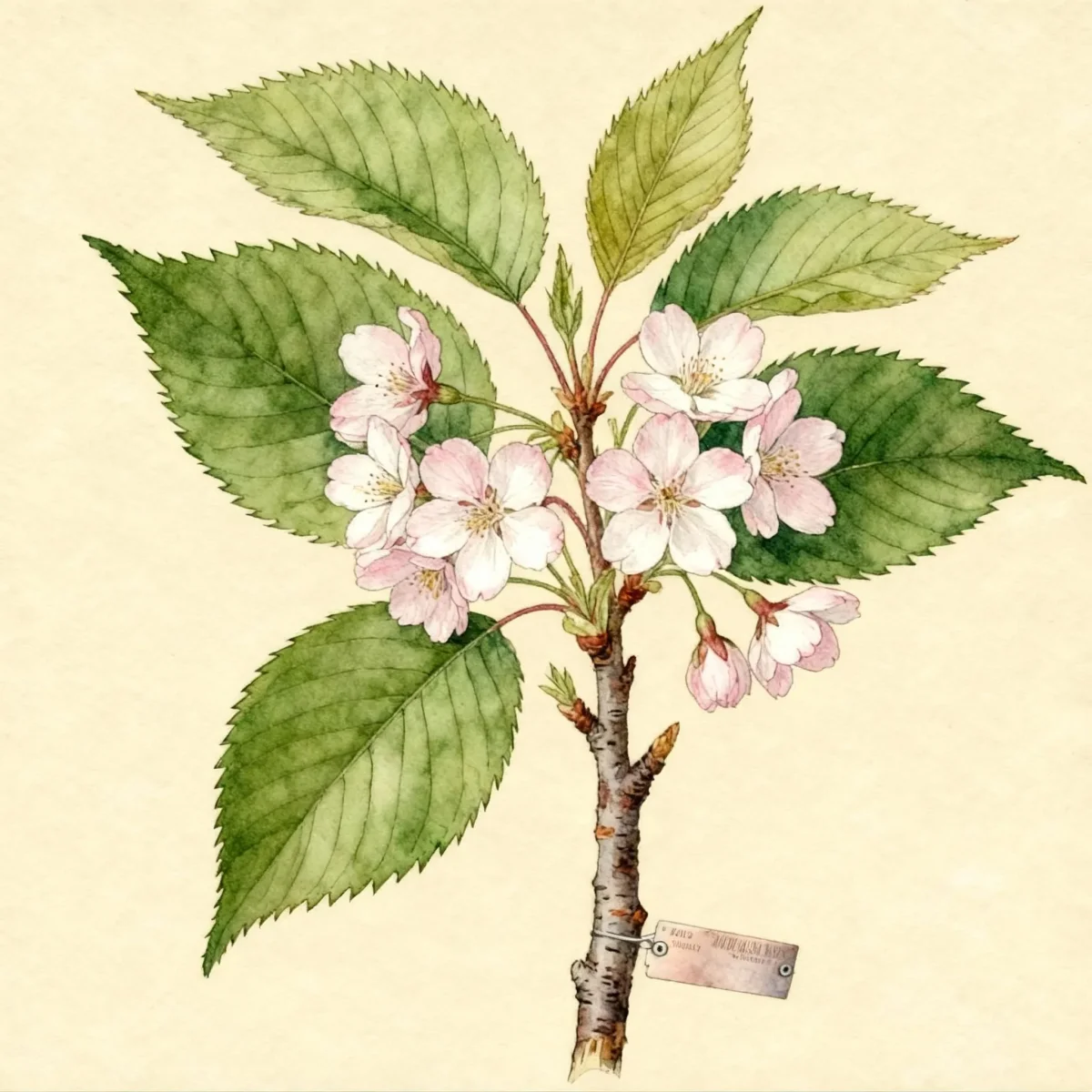
Yoshino cherry (Prunus × yedoensis)
The Yoshino cherry (Prunus × yedoensis) offers spectacular early spring blooms with fragrant white flowers. A superb ornamental tree for lawns and streets.
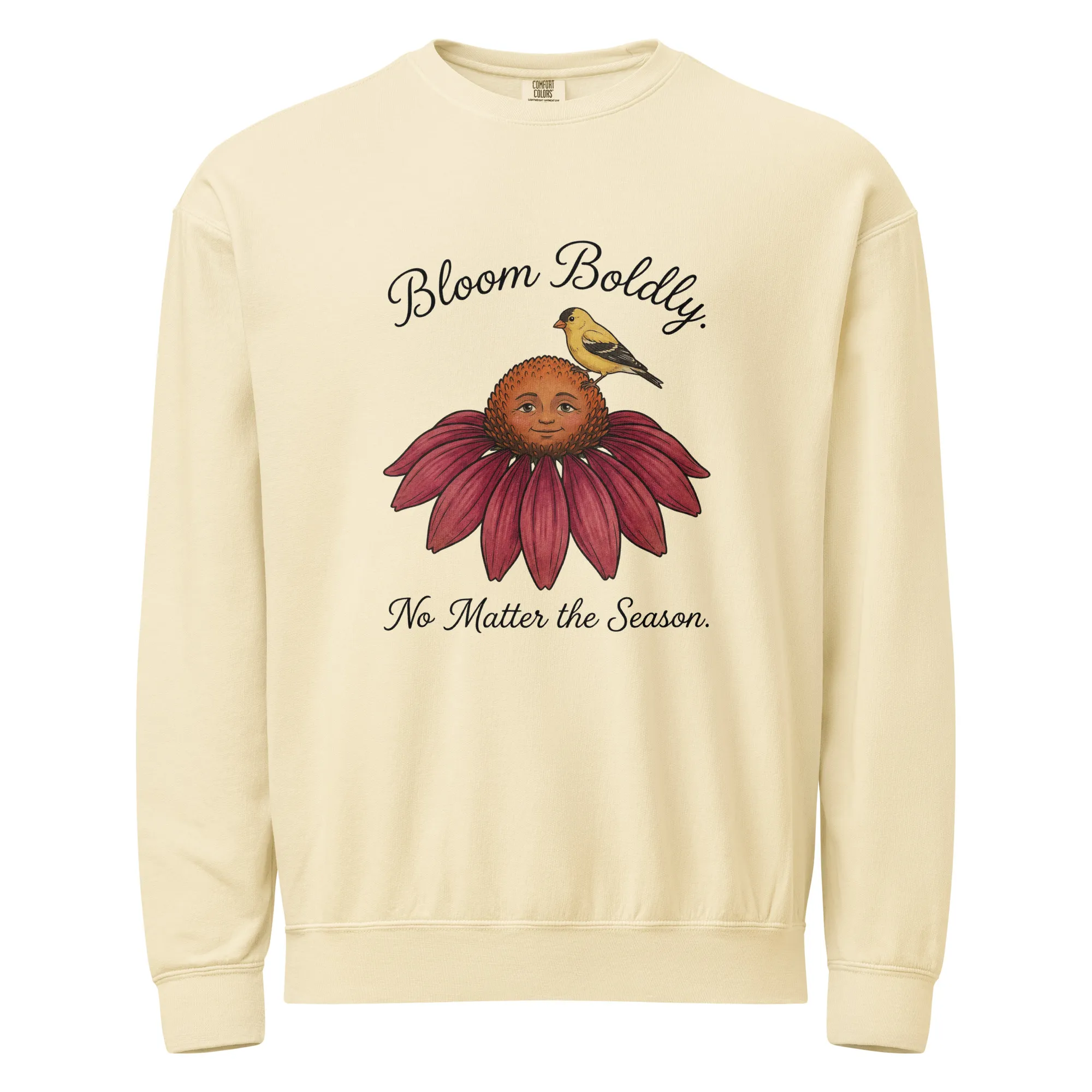
Bloom Boldly, No Matter the Season - Sweatshirt
Cozy organic cotton sweatshirt featuring our exclusive Purple Coneflower design. Perfect for gardeners who bloom year-round.
Inspired by the beautiful Yoshino cherry
Limited first batch (50) — join the waitlist for early access
Waitlist closes Feb 15, 2026.
Complete Plant Information
Field Guide Continues
Ready for care notes, companion picks, and planting tips?
The map is just the start. The full guide below covers growth habits, seasonal performance, and landscape uses.
Overview
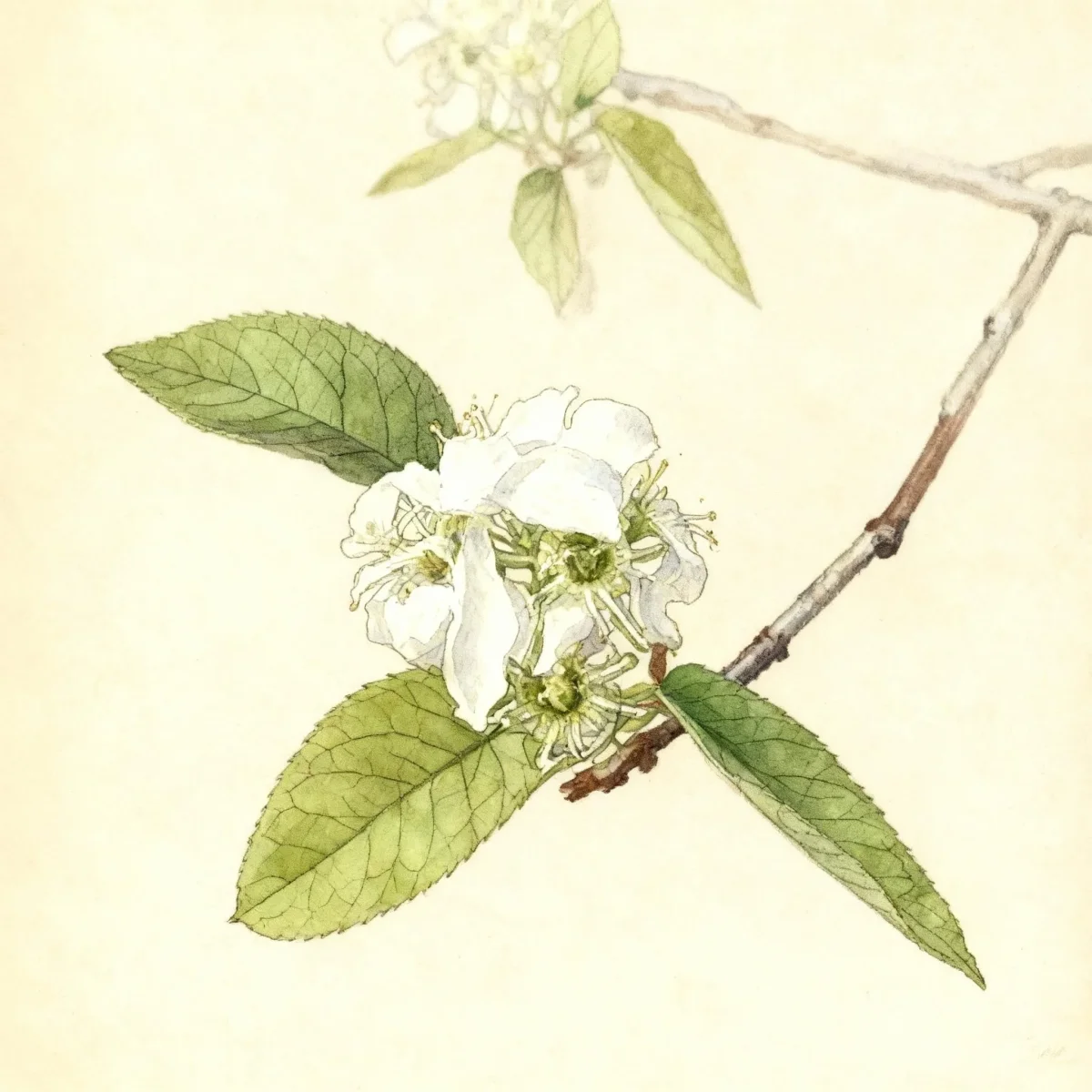
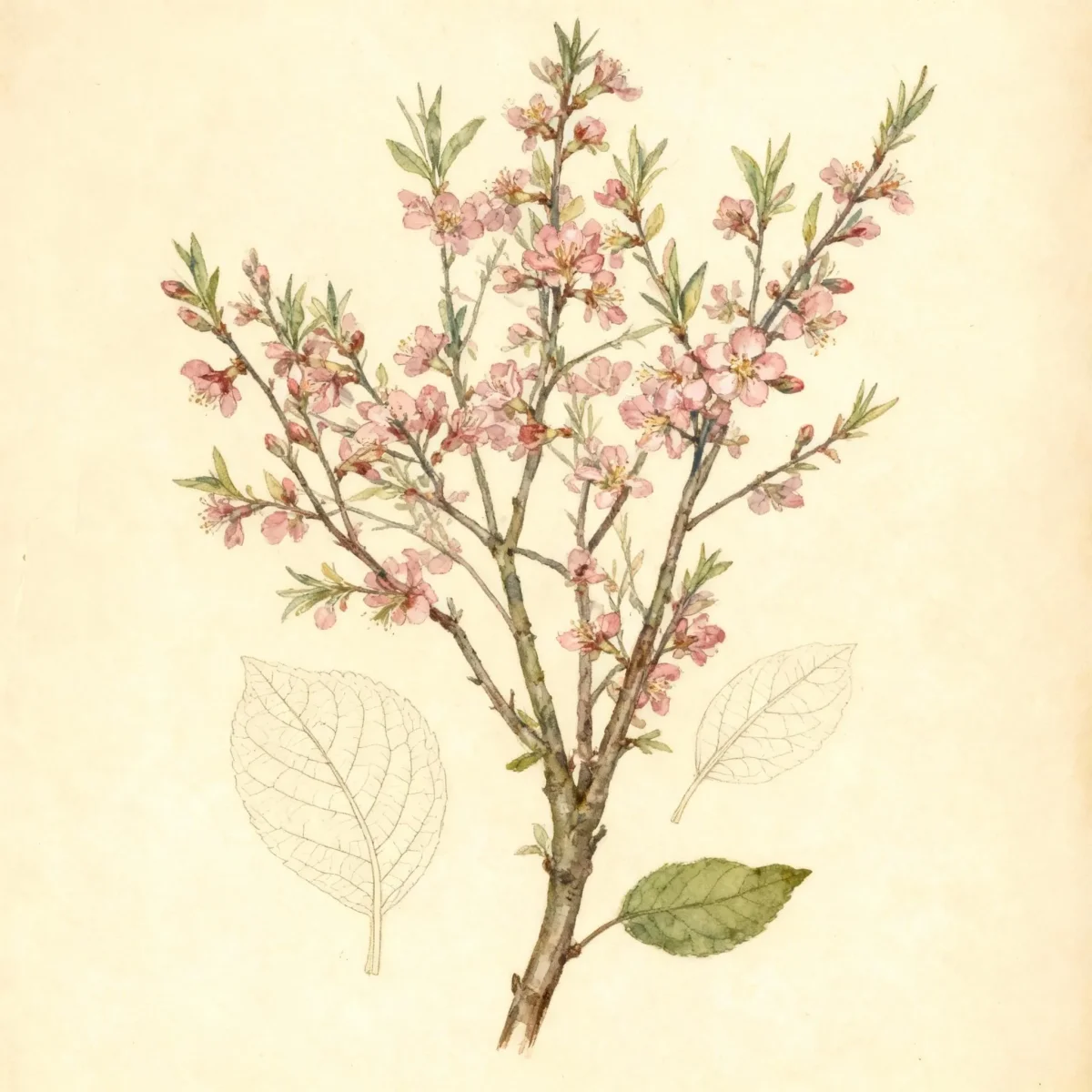
The Yoshino cherry (Prunus × yedoensis) is renowned globally for its absolutely spectacular display of early spring blossoms, making it a premier ornamental flowering cherry tree. This hybrid offers fragrant white flowers, sometimes subtly tinged pink, that erupt before the foliage emerges, blanketing the wide-spreading crown. Arborists highly value Prunus × yedoensis for its graceful form and adaptability.
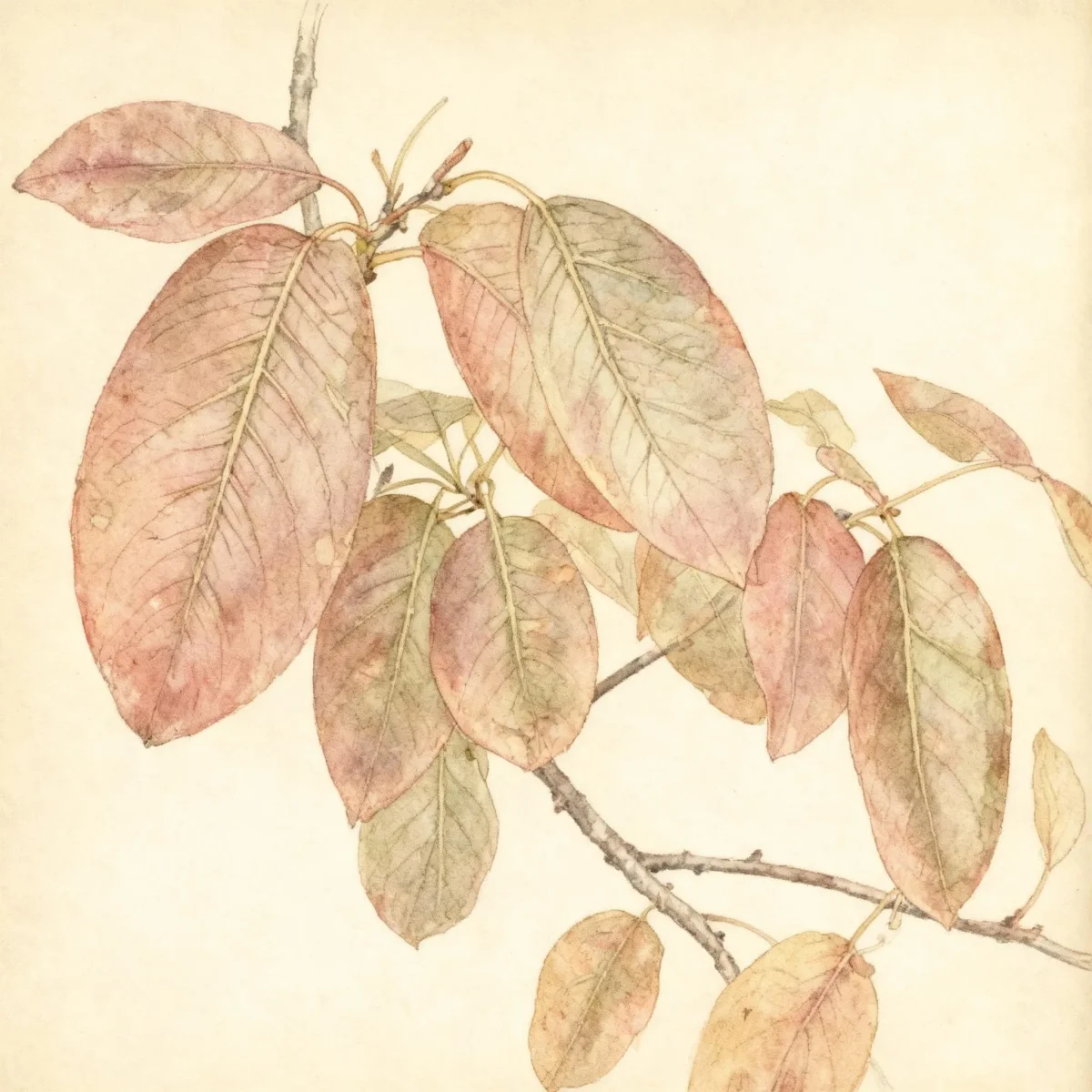
This desirable tree matures generally between 30 to 40 feet tall and wide, creating a broad-rounded silhouette perfect for softening urban landscapes. Its appeal extends beyond spring, as the dark green leaves provide summer shade before turning attractive yellow hues with bronze tints in the fall. The Yoshino cherry is a robust specimen tree, famous globally for its prominent use throughout Washington D.C.
While requiring a high maintenance commitment, the aesthetic reward is immense. Plant selection should account for its need for consistent moisture and well-drained soil, avoiding the poor drought tolerance of this beautiful species.
Fast Facts
- Plant Family: Rosaceae
- Plant Type: Tree
- Native Range: Japan
- Hardiness Zones: USDA Zones 5-8
- Size at Maturity:
- Height: 30-40 ft
- Spread: 30-40 ft
- Bloom Time: March to April
- Bloom Description: White, sometimes tinged pink
- Sun Exposure: Full sun to part shade
- Water Needs: Medium
- Maintenance Level: High
How to Grow
Plant Prunus × yedoensis during the dormant season—late fall or early spring—to allow the roots to establish before summer heat arrives. Ensure the planting location provides full sun exposure for the best flower production, although it tolerates light afternoon shade. Crucially, the soil must be medium-moist and well-drained, as this species dislikes sitting in waterlogged conditions.
Consistent watering is essential, especially during the first few establishment years and during dry spells, reflecting its medium water requirements. While average soil is acceptable, avoid heavy clay soils that retain too much water. Fertilization is generally not required unless soil tests indicate severe nutrient deficiencies; focus instead on maintaining adequate moisture levels.
Pruning should be done judiciously, focusing only on removing dead, damaged, or crossing branches immediately after flowering concludes. Avoid heavy pruning in late summer or fall, as this can encourage late-season growth susceptible to winter damage. The high maintenance level often relates to pest and disease vigilance required for optimal health.
These flowering cherries tolerate heat and humidity well, which makes them excellent choices for warmer regions within their hardiness range. Adaptability to various soil types is noted, provided drainage remains unimpaired.
Landscape Uses
The spring flowers are the absolute best ornamental feature of the Yoshino cherry. Its medium, yet spreading, stature makes it an excellent selection for lawns where its full canopy can be appreciated from all angles. As a reliable street tree, Prunus × yedoensis provides excellent seasonal interest lining avenues where its relatively short stature won’t conflict with overhead utilities as severely as larger shade trees.
Consider using this cherry as a specimen tree near patios or decks, providing beauty and dappled shade during the growing season. When planted in groups, the combined mass of early spring blooms creates an unforgettable landscape impact, often seen in public parks and large gardens.
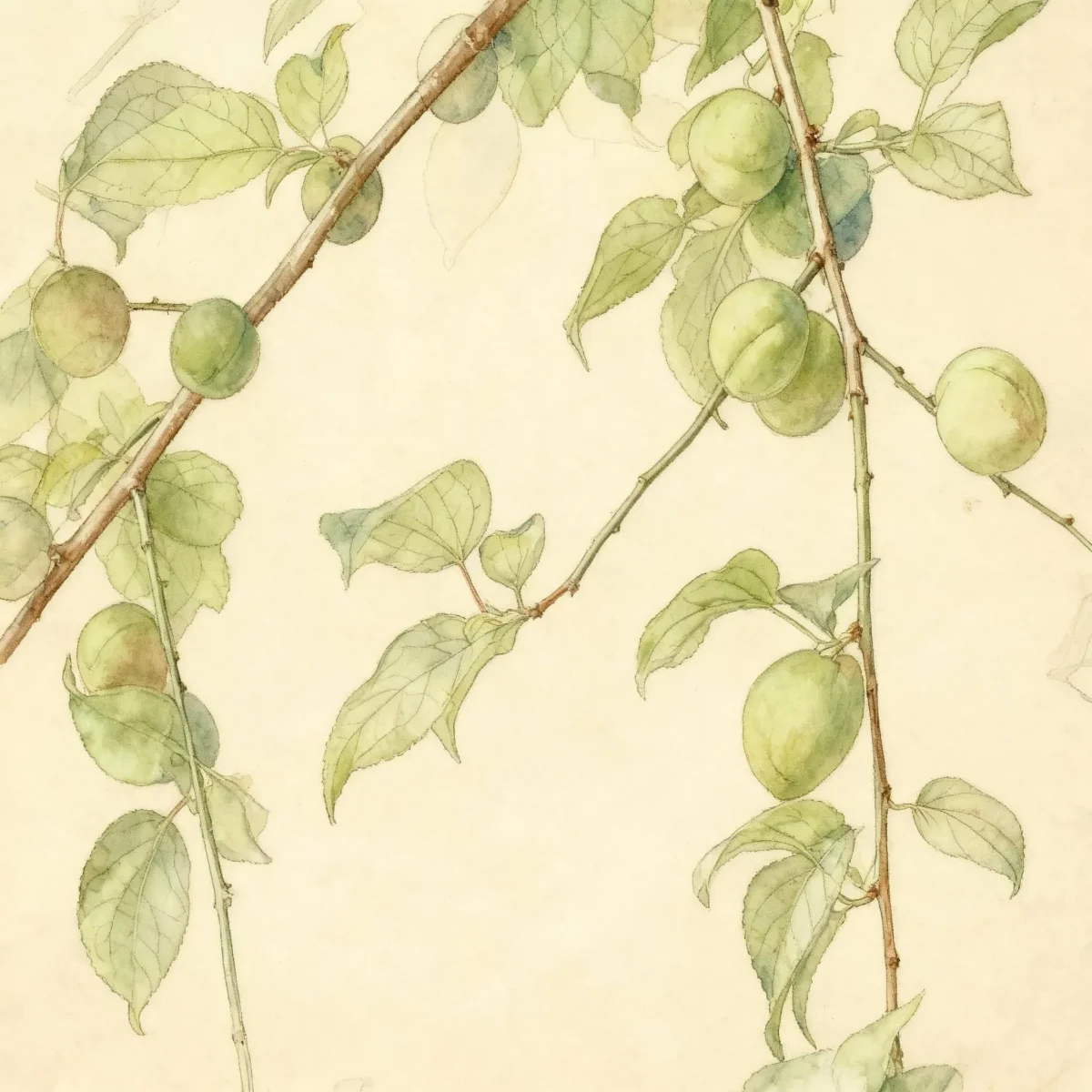
This species functions superbly as a focal point in mixed borders or as an accent against evergreen backdrops, highlighting the delicate flower clusters of the Prunus × yedoensis. While it produces fruit, the bitter nature of the cherries means it won’t cause excessive litter problems associated with some other stone fruits.
Standout Features
Flower Qualities
- Showy
- Fragrant
Fruit Qualities
- Showy
Noteworthy Characteristics
Prunus × yedoensis, commonly called Yoshino cherry, is a graceful ornamental flowering cherry tree that typically grows 30-40’ tall with a spreading, broad-rounded, open crown. Fragrant white (sometimes tinged pink) flowers in 3 to 6-flowered clusters (racemes) appear before or simultaneous to the emergence of the foliage in a profuse and spectacular early spring bloom. This hybrid cherry comes from Japan and is one of the predominant cherry trees planted in Washington D.C.
Tolerances
- Tolerates heat
- Tolerates humidity
Potential Problems
Cherries are susceptible to a large number of insect and disease pests, necessitating the high maintenance classification for Prunus × yedoensis. Potential diseases include leaf spot, die back, and leaf curl, which often signal underlying stress, such as poor drainage or drought. Good air circulation provided by proper spacing helps minimize fungal issues.
Inspect foliage regularly for signs of common insects like aphids, scale, and caterpillars, which can weaken the tree significantly. Borers pose a threat to older or stressed specimens, so maintaining vigorous health through correct watering is critical for natural defense. Japanese beetles are also troublesome pests that skeletonize leaves during mid-summer.
Frequently Asked Questions
What hardiness zones is Yoshino cherry suitable for?
The Yoshino cherry is suitable for USDA Hardiness Zones 5 through 8.
How large does Prunus × yedoensis grow?
This spectacular ornamental tree typically reaches a height of 30 to 40 feet and spreads equally wide, resulting in a grand, broad-rounded crown.
When does Yoshino cherry bloom?
The profuse blooming period for Prunus × yedoensis occurs early in the season, generally from March to April, featuring large clusters of fragrant white flowers.
What sun exposure does Prunus × yedoensis need?
It thrives best with full sun exposure but can tolerate part shade; however, maximizing the spectacular early bloom requires the sunniest location available.
Conclusion
The Yoshino cherry remains a beloved landscape staple specifically for its unmatched, fragrant early spring floral display, making the effort required for its care worthwhile. Whether serving as a stately specimen or lending drama to a boulevard, Prunus × yedoensis delivers immediate visual impact. Ensure you select a site with excellent drainage and consistent moisture to support this magnificent tree through its growing season.
Companion Planting
When planting around your Yoshino cherry, focus on companions that share similar requirements for sun and moisture, avoiding plants that compete aggressively at the root zone. Consider low-growing groundcovers that appreciate dappled sunlight once the cherry leafs out, such as Vinca minor or spring ephemeral bulbs that will die back before the cherry needs the water.
Avoid planting turfgrass directly up to the trunk flare, as this compromises bark health and makes monitoring for pests difficult. Instead, maintain a mulched ring around the base, keeping mulch away from contact with the trunk itself to prevent rot and pest concealment critical for Prunus × yedoensis health.
Seasonal Care Calendar
Spring is critical for observing bloom quality and managing early pests like aphids as the flower clusters emerge. Immediately after flowering finishes in spring, any necessary structural pruning should be completed to minimize stress before summer heat sets in.
Summer care centers heavily on consistent watering, especially during dry periods, as this species does not tolerate drought well. Monitor actively for leaf-chewing insects, such as Japanese beetles.
Fall is the time to appreciate the subtle secondary show as the foliage turns yellow with bronze tints before dropping its leaves. Reduce supplemental watering slightly in late autumn to encourage dormancy preparation, but ensure the soil does not become excessively dry before winter sets in.