Manchurian cherry (Prunus maackii)
The Manchurian cherry (Prunus maackii) is a cold-hardy flowering tree noted for its exfoliating golden bark and spring white blooms.

Bloom Boldly, No Matter the Season - Sweatshirt
Cozy organic cotton sweatshirt featuring our exclusive Purple Coneflower design. Perfect for gardeners who bloom year-round.
Inspired by the beautiful Manchurian cherry
Limited first batch (50) — join the waitlist for early access
Waitlist closes Feb 15, 2026.
Complete Plant Information
Field Guide Continues
Ready for care notes, companion picks, and planting tips?
The map is just the start. The full guide below covers growth habits, seasonal performance, and landscape uses.
Overview
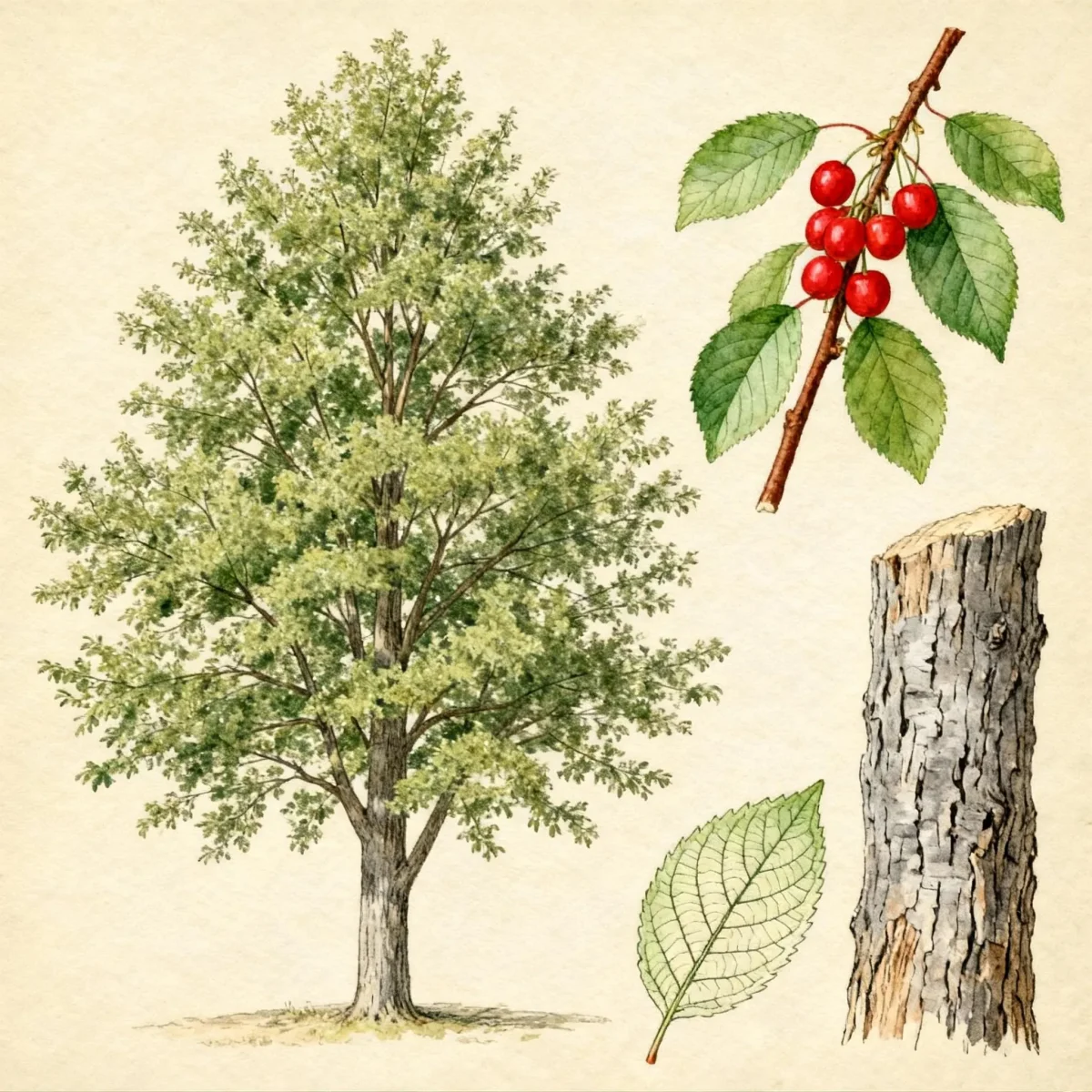
The Prunus maackii, commonly known as the Manchurian cherry, is a highly valued ornamental tree, particularly appreciated for its outstanding winter interest provided by its distinctive, peeling bark. This bark transforms from golden brown to russet tones as the tree matures, offering year-round visual appeal where many other trees are dormant. Its graceful, dense, broad-rounded crown anchors properties in colder climates.
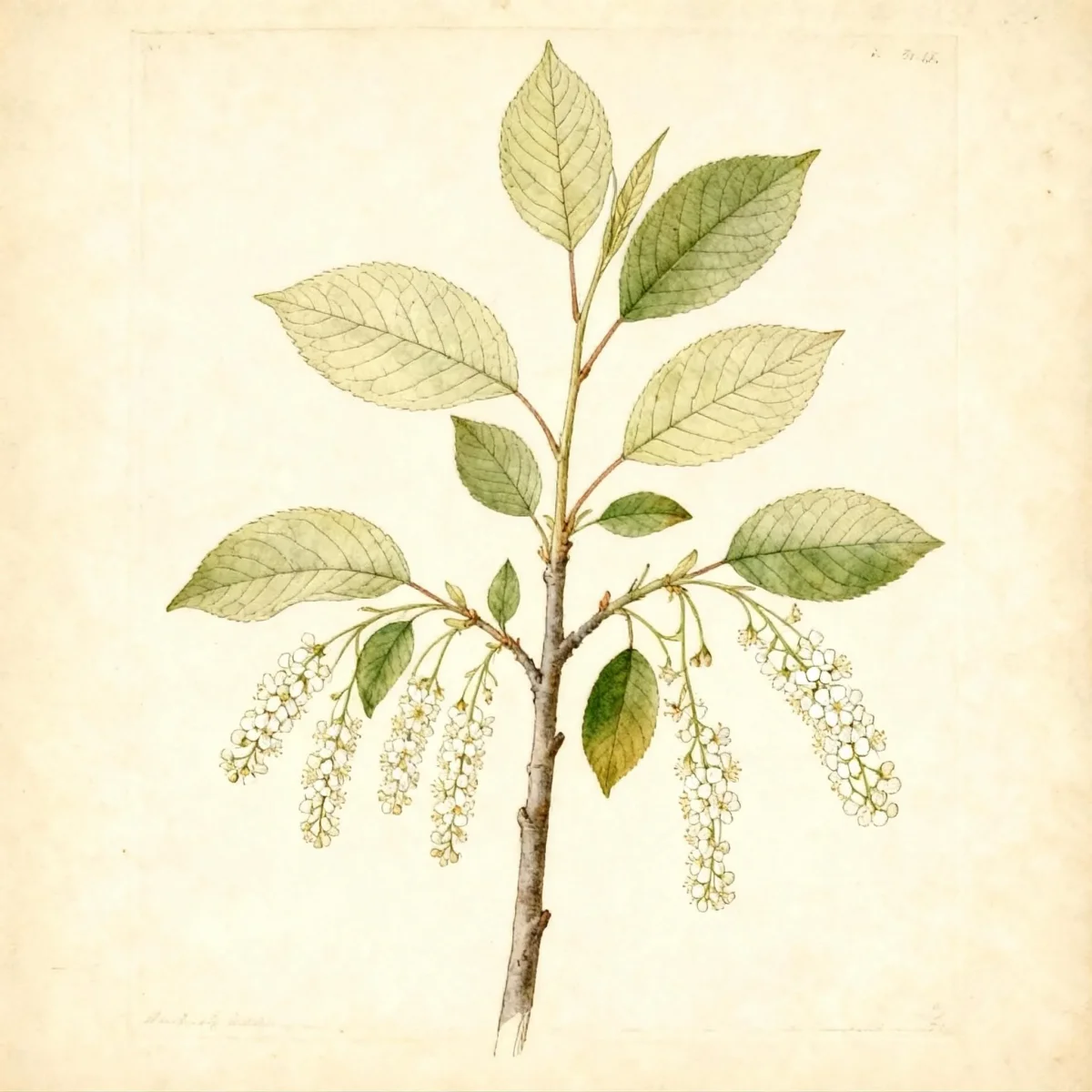
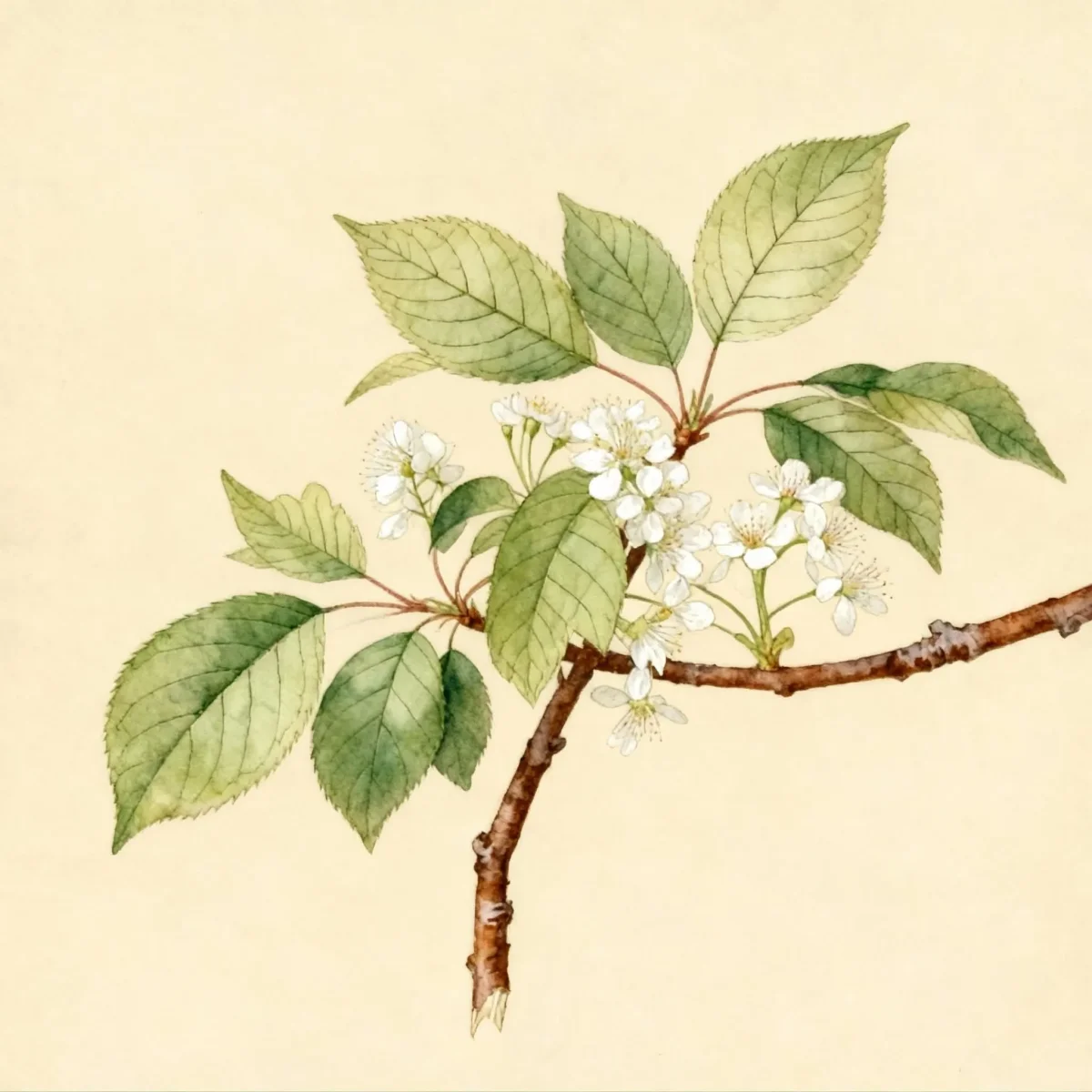
Native to Manchuria and Korea, the Prunus maackii exhibits excellent cold hardiness, making it a reliable choice for challenging northern landscapes, thriving where many other cherry varieties struggle. In spring, it offers fragrant white blooms, followed by small, glossy black cherries that ripen late in the summer.
Gardeners seeking low-maintenance structure and reliable seasonal interest should consider this species. While durable in cold snaps, remember that the Manchurian cherry requires adequate sun and well-drained soil to flourish, avoiding overly hot or humid environments.
Fast Facts
- Plant Family: Rosaceae
- Plant Type: Tree
- Native Range: Korea, Manchuria
- Hardiness Zones: USDA Zones 2-6
- Size at Maturity:
- Height: 20-30 ft
- Spread: 18-25 ft
- Bloom Time: April to May
- Bloom Description: White
- Sun Exposure: Full sun to part shade
- Water Needs: Medium
- Maintenance Level: Medium
How to Grow
The best time to plant the Manchurian cherry is typically in the spring or early fall, allowing the roots time to establish before extreme weather hits. This species thrives best when situated in full sun, especially in northern zones where heat stress is minimal. Plant in average, medium-moisture soils that must be well-drained; poor drainage can quickly lead to root issues.
Ongoing care for Prunus maackii is relatively straightforward, though maintenance is rated as medium due to pest susceptibility. Water deeply but infrequently once established, ensuring the soil dries slightly between waterings. Fertilization is often unnecessary unless growth is very slow or the soil is highly poor.
A critical cultural note for the Manchurian cherry is its sensitivity to heat and humidity; it generally performs poorly south of USDA Zone 6. Avoid planting where it will receive intense afternoon sun combined with high summer humidity, as this can lead to foliage scorch. Pruning should be done sparingly, usually only to remove dead or damaged wood, focusing on maintaining the natural, rounded canopy.
Landscape Uses
The Manchurian cherry excels as a specimen tree, leveraging its spectacular bark structure against winter backdrops or year-round against evergreen plantings. Its strong form also makes it an excellent choice for placement open lawns, where its silhouette can be fully appreciated.
For street plantings or large landscape anchors, this Tree provides reliable structure and early spring color. The blooms of the Prunus maackii are beautiful, and the subsequent fruit, though small, offers supplemental color and potential wildlife feeding opportunities. Pair it with low-growing, shade-tolerant perennials or groundcovers beneath its canopy to draw attention to the trunk base.
Standout Features
Flower Qualities
- Showy
- Fragrant
Fruit Qualities
- Showy
Noteworthy Characteristics
The Prunus maackii, often known as Amur cherry, is a graceful flowering ornamental tree, usually reaching 20 to 30 feet tall with a dense, rounded crown. Its most noted feature is the attractive, exfoliating golden brown to russet bark, which provides year-round interest. Fragrant white flowers appear in spring clusters, followed by small, glossy black cherries that are sometimes used for making jams or juices.
Tolerances
Potential Problems
Cherries are susceptible to various insect and disease issues, and the Manchurian cherry is no exception. Potential diseases include leaf spot, die back, leaf curl, powdery mildew, root rot, and fireblight. Manage fungal issues by ensuring good air circulation and avoiding overhead watering.
Insect pests commonly target the bark and foliage. Be vigilant for aphids, scale insects, borers, leafhoppers, caterpillars, and troublesome spider mites. Inspect the bark regularly for signs of boring insects and treat immediately upon discovery. In very hot summer conditions, the foliage of the Prunus maackii may scorch if exposed to intense, unrelenting sun.
Frequently Asked Questions
What hardiness zones is Manchurian cherry (-Prunus maackii-) suitable for?
The Manchurian cherry is suitable for USDA Zones 2 through 6, highlighting its exceptional cold hardiness.
How large does Manchurian cherry (Prunus maackii) grow?
This tree typically reaches a mature height of 20 to 30 feet with a corresponding spread of 18 to 25 feet.
When does Manchurian cherry (Prunus maackii) bloom?
Prunus maackii blooms during the transition from spring into early summer, specifically from April to May, producing white flowers.
What sun exposure does Manchurian cherry (-Prunus maackii-) need?
It requires full sun to part shade; however, best performance and bark color development are often seen in full sun locations.
Conclusion
The unique, exfoliating golden bark of the Manchurian cherry secures its place as a vital ornamental tree, providing interest long after the beautiful white spring flowers fade. For gardeners in cold, northern regions, the reliable performance of Prunus maackii makes it a superior choice. Before planting, verify that your site offers full sun and excellent drainage to ensure the health and longevity of your new feature tree.
Companion Planting
When planning the garden around your Manchurian cherry, select companions that appreciate similar soil and sun conditions. Since the tree prefers medium moisture but requires excellent drainage, avoid boggy-loving plants immediately at the base. Plants benefiting from dappled light under the canopy, derived from the “part shade” tolerance, include Hostas or spring ephemeral bulbs like certain Daffodils or Snowdrops (Galanthus), which will complete their lifecycle before the cherry leafs out fully.
Deep-rooted shrubs that complement the cherry’s upright structure, such as Physocarpus (Ninebark) cultivars with contrasting foliage color, work well near the edges of the tree’s drip line to enhance visual texture without competing heavily for surface water. Always maintain a clear ring around the trunk base free of turf grass to prevent physical damage and soil compaction, which both negatively affect cherry health.
Seasonal Care Calendar
Spring cleanup immediately following the bloom period is a good time for light cosmetic pruning on the Prunus maackii to remove any winter damage, though heavy shaping should be avoided. Monitor closely during this time for early signs of leaf curl or powdery mildew, treating promptly if detected.
Summer is maintenance reduction time, focusing primarily on ensuring adequate watering during dry spells, especially for newly planted specimens. Inspect the trunk and lower branches weekly for insect activity like scale or borers, which are common problems for this species. Corrective pruning for deadwood can occur any time of year, but major cuts should be avoided during the hottest weeks.
As fall approaches, clean up fallen leaves, which can harbor fungal spores over winter. Although the foliage turns only an undistinguished yellow before dropping, removing this material reduces the potential inoculum load for the following spring. Prepare the base for winter by ensuring the mulch layer is adequate (but not touching the trunk) across the root zone for insulation.