Creeping cotoneaster(Cotoneaster adpressus)
Creeping cotoneaster (Cotoneaster adpressus) is a stunning, low-maintenance deciduous shrub perfect for ground cover and erosion control.
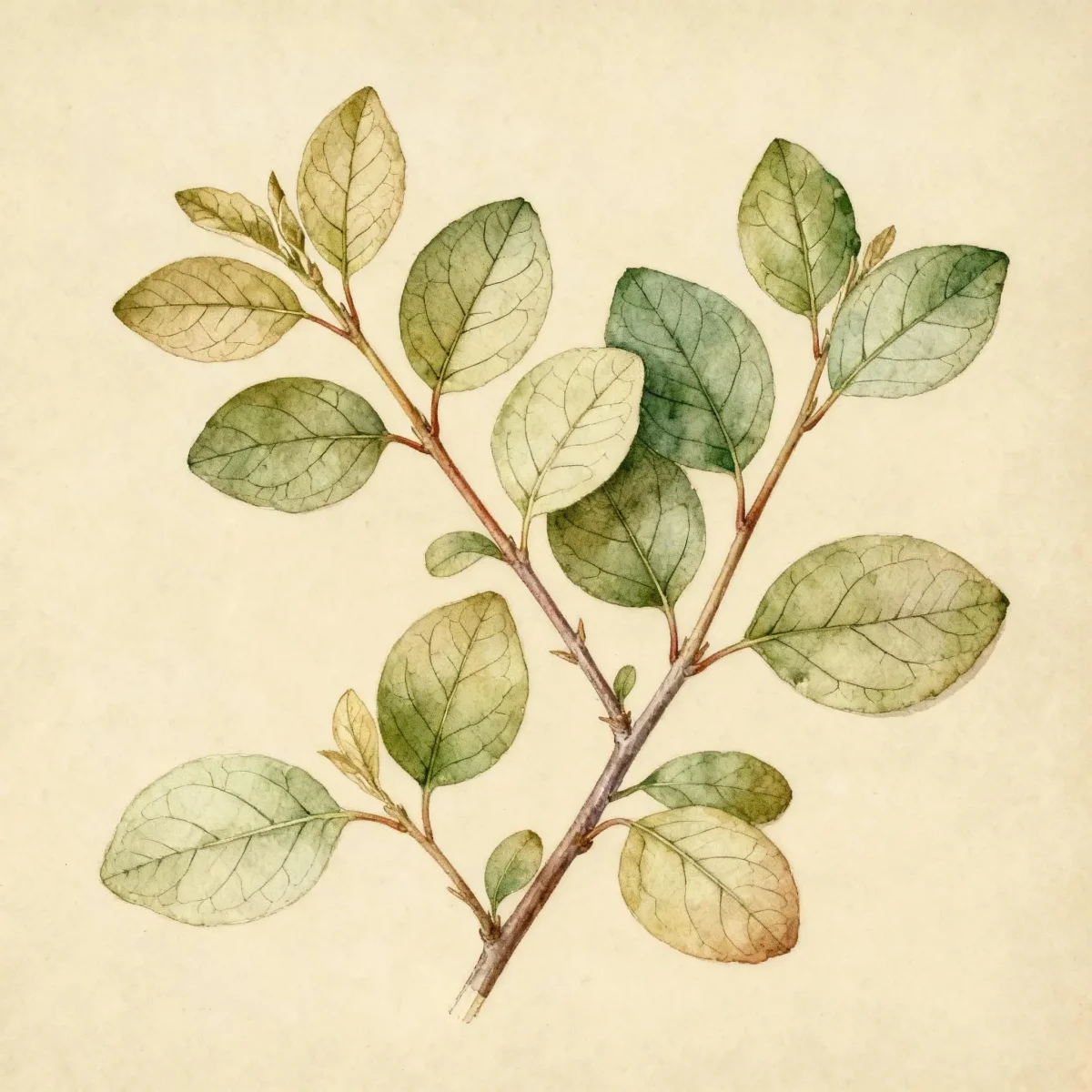
Complete Plant Information
- Hardiness zones
- USDA 4–8
- Plant type
- Deciduous shrub
- Plant family
- Rosaceae
- Sun exposure
- Full sun to part shade
- Water needs
- Medium
- Maintenance
- Low
- Height
- 0.5–1 ft (15–30 cm)
- Spread
- 4–6 ft (122–183 cm)
- Bloom time
- May to June
- Flower color
- White tinged with pink
- Flower qualities
- Showy
- Fruit qualities
- Showy
- Tolerances
- Rabbit, Drought, Erosion, Air Pollution
- Garden uses
- Ground Cover, Naturalize
- Native range
- China
Field Guide Continues
Ready for care notes, companion picks, and planting tips?
The map is just the start. The full guide below covers growth habits, seasonal performance, and landscape uses.
Overview
The Cotoneaster adpressus, widely known as Creeping cotoneaster, is an exceptionally valuable landscape plant prized for its dense, prostrate habit. Growing slowly to just one foot tall but often spreading outward six feet wide, it effectively blankets sunny slopes and open areas. Its dark green foliage offers excellent ground coverage, transitioning to attractive red hues in autumn before being replaced by small, cheerful red fruits persistent into the fall.
This tough, adaptable shrub thrives where other plants might struggle, making Cotoneaster adpressus an excellent choice for areas needing low-profile, reliable coverage. It requires relatively little intervention once established, providing aesthetic value through its spring flowers and summer fruit display with minimal gardener effort. Its spreading nature makes it ideal for discouraging weed growth and managing soil on inclines.
For gardeners seeking resilient, spreading ground cover, Creeping cotoneaster delivers year-round visual interest. Its modest stature ensures it won’t overwhelm adjacent plantings, while its hardiness allows it to fit comfortably across USDA Zones 4 through 8, providing a beautiful, functional solution for broad landscape applications.
Fast Facts
- Plant Family: Rosaceae
- Plant Type: Deciduous shrub
- Native Range: China
- Hardiness Zones: USDA Zones 4-8
- Size at Maturity:
- Height: 0.5-1 ft
- Spread: 4-6 ft
- Bloom Time: May to June
- Bloom Description: White tinged with pink
- Sun Exposure: Full sun to part shade
- Water Needs: Medium
- Maintenance Level: Low
How to Grow
The best time to establish Cotoneaster adpressus is typically in the spring or fall, allowing the roots to settle before periods of extreme weather. This adaptable plant prefers moist, loamy, well-drained soil, although it tolerates poorer soil conditions once mature. Ensure excellent drainage is provided, as constantly soggy roots are detrimental. Plant container-grown specimens about 3 feet apart when massing them for ground cover effect.
Watering should be consistent while plants are getting established. Once mature, this plant is relatively drought-tolerant, especially if sited properly in full sun to light shade. Fertilization is rarely necessary if the site conditions are adequate, as Creeping cotoneaster is known for tolerating lean soils. Pruning should be minimal; only remove dead or crossing branches if necessary.
Be aware that plants of Cotoneaster adpressus may struggle if placed in excessively hot summer conditions, often finding conditions difficult south of USDA Zone 7. Propagation is most easily achieved using stem cuttings taken from the mature, low-growing branches. If sited correctly on a bank or slope, this ground cover will require very little long-term care.
Landscape Uses
Creeping cotoneaster is primarily utilized as a dense, woody ground cover for expansive sunny areas. Its low, spreading form, reaching up to 6 feet wide, makes it indispensable for stabilizing banks and slopes, offering excellent erosion control where turfgrass struggles. This valuable landscape plant provides texture, color, and year-round coverage.
Beyond mass plantings, this species excels when allowed to sprawl naturally over hardscaping elements. Consider using Cotoneaster adpressus to soften the lines of rock gardens, cascade gently over the tops of low retaining walls, or provide a neat, living apron around foundation plantings. Pairing it with taller, upright evergreen shrubs will maximize the contrast in form and texture throughout the year.
Standout Features
Flower Qualities
- Showy
Fruit Qualities
- Showy
Noteworthy Characteristics
Cotoneaster adpressus, sometimes commonly called creeping cotoneaster, is a prostrate, slow-growing, deciduous shrub that grows to only 1’ tall but spreads to 6’ wide. Horizontal branches may root where they touch the ground, aiding its spread. The small, five-petaled white flowers tinged with pink bloom in late spring and are followed by spherical dark red fruits attractive to birds.
Tolerances
- Rabbit
- Drought
- Erosion
- Air Pollution
Potential Problems
While generally tough, Cotoneaster adpressus remains susceptible to several horticultural issues, most notably fireblight, which can cause rapid dieback. Gardeners should also watch for various leaf spots and canker, especially in overly moist or poorly ventilated areas. Pest infestations like mites might appear during persistent hot, dry spells, requiring prompt treatment, particularly on established plants that tolerate drought well otherwise. Maintenance can sometimes be tricky due to the dense foliage, which makes cleaning out interior dead leaves and debris time-consuming.
Frequently Asked Questions
What hardiness zones is Creeping cotoneaster suitable for?
Creeping cotoneaster is reliably hardy in USDA Zones 4 through 8, though it may struggle in intense heat found in the southern portion of this range.
How large does Cotoneaster adpressus grow?
This prostrate shrub maintains a very low profile, typically growing only 0.5 to 1 foot tall, but it spreads vigorously to cover an area between 4 and 6 feet wide.
Does Cotoneaster adpressus attract wildlife?
Yes, the spherical dark red fruits that mature in late summer and fall are an attractive winter food source specifically noted for attracting birds.
When does Creeping cotoneaster bloom?
The plant yields its tiny, five-petaled flowers, which are white tinged with pink, starting in May and continuing through June.
Conclusion
The Cotoneaster adpressus offers exceptional value as a low-growing, durable ground cover capable of handling slopes and drier conditions once established. Its modest size, attractive seasonal features, and low maintenance requirements make Creeping cotoneaster a reliable choice for large landscapes. Before planting, always confirm your location falls within USDA Zones 4–8 to ensure the best performance from this excellent specimen.
Propagation Tips
The simplest method for increasing your supply of Cotoneaster adpressus is through the propagation of stem cuttings. Since the horizontal branches have a tendency to root where they contact the soil, this natural layering demonstrates its ease of rooting. Take cuttings in the appropriate season and treat them to encourage root development, minimizing disturbance to established masses.
Companion Planting
Pairing this tough ground cover with plants that share its preference for well-drained soil and an open site can create a harmonious landscape display. Consider planting Cotoneaster adpressus near low-growing Sedum or various drought-tolerant ornamental grasses that do not aggressively compete for surface area. This combination works well beneath taller structure plants like pines or junipers where sunlight might filter through partially.
Recommended Companion Plants
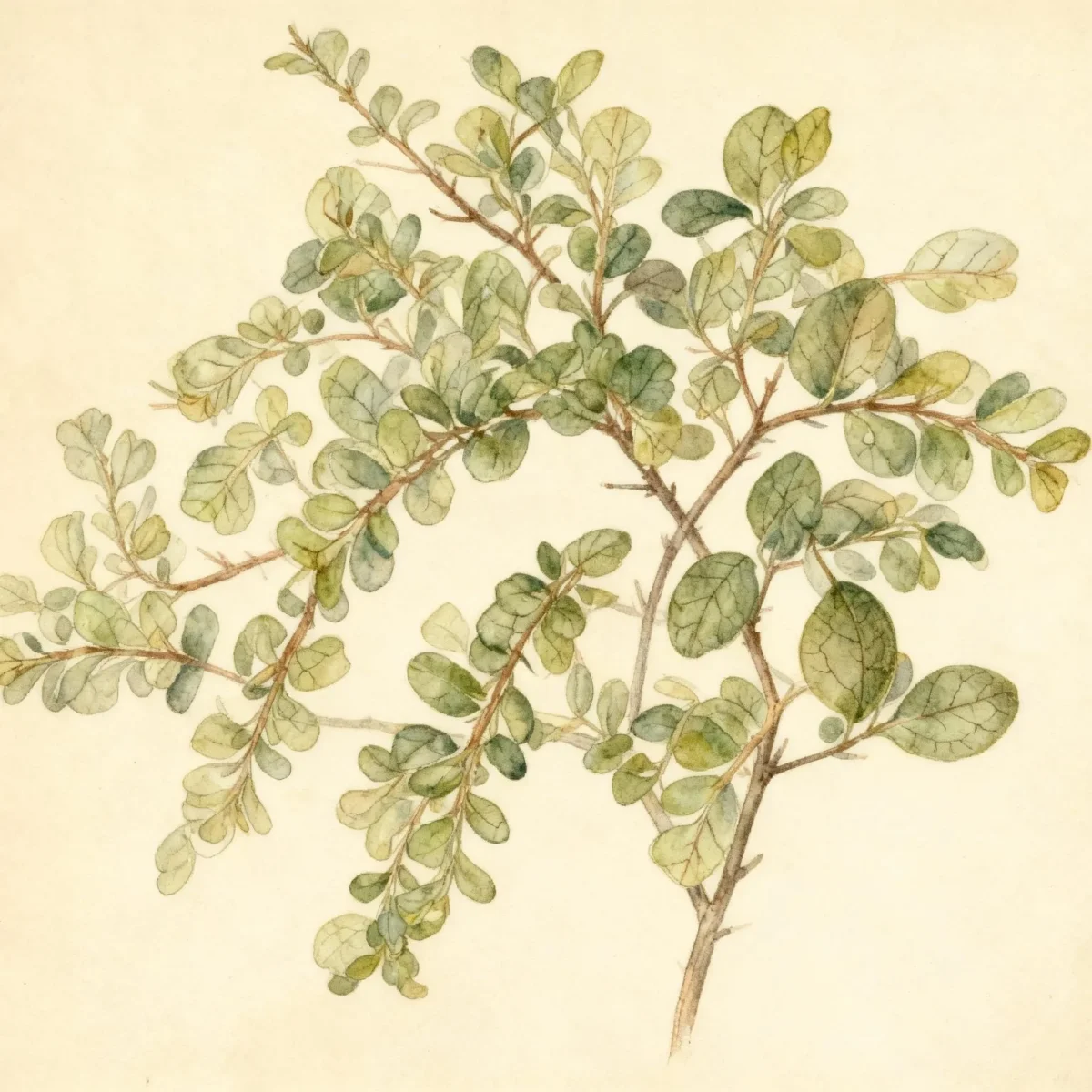
Creeping cotoneaster
Cotoneaster adpressus 'Little Gem'
- USDA zones
- 4–7
- Light
- Full sun to part shade
- Water
- Medium
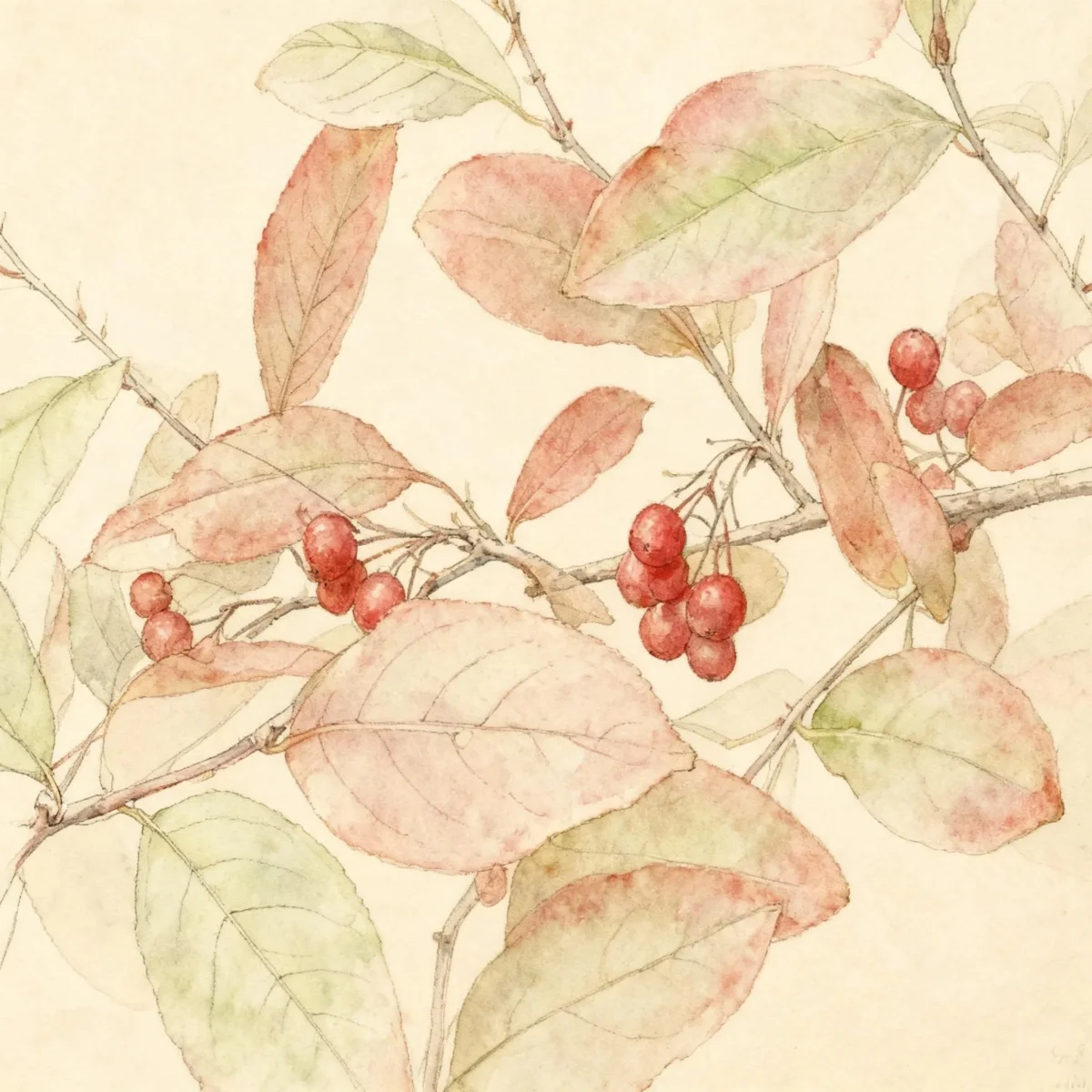
Chokeberry
Aronia arbutifolia 'Brilliantissima'
- USDA zones
- 4–9
- Light
- Full sun to part shade
- Water
- Medium
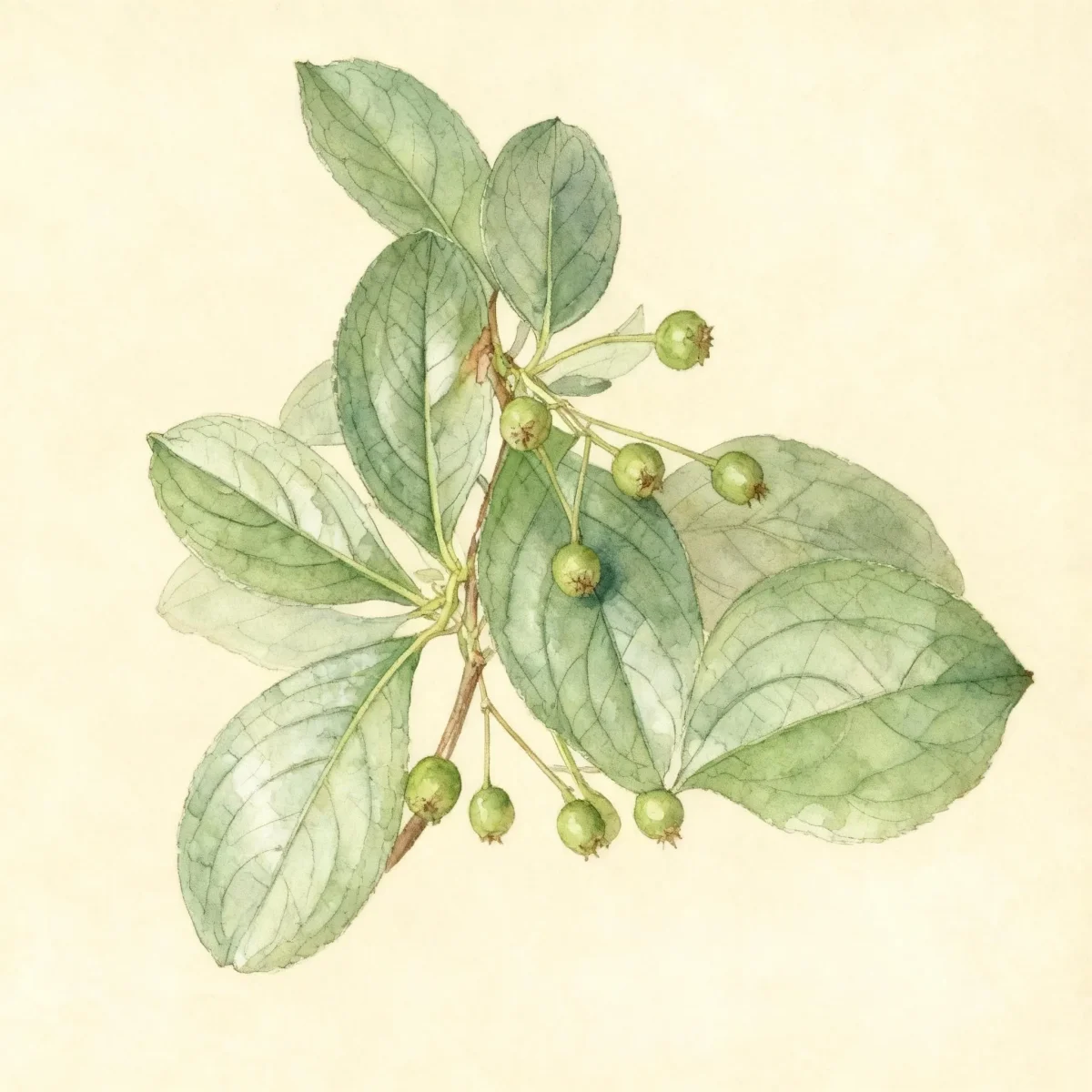
Black chokeberry
Aronia melanocarpa 'Estland'
- USDA zones
- 3–8
- Light
- Full sun to part shade
- Water
- Medium

Black chokeberry
Aronia melanocarpa var. Elata
- USDA zones
- 3–8
- Light
- Full sun to part shade
- Water
- Medium
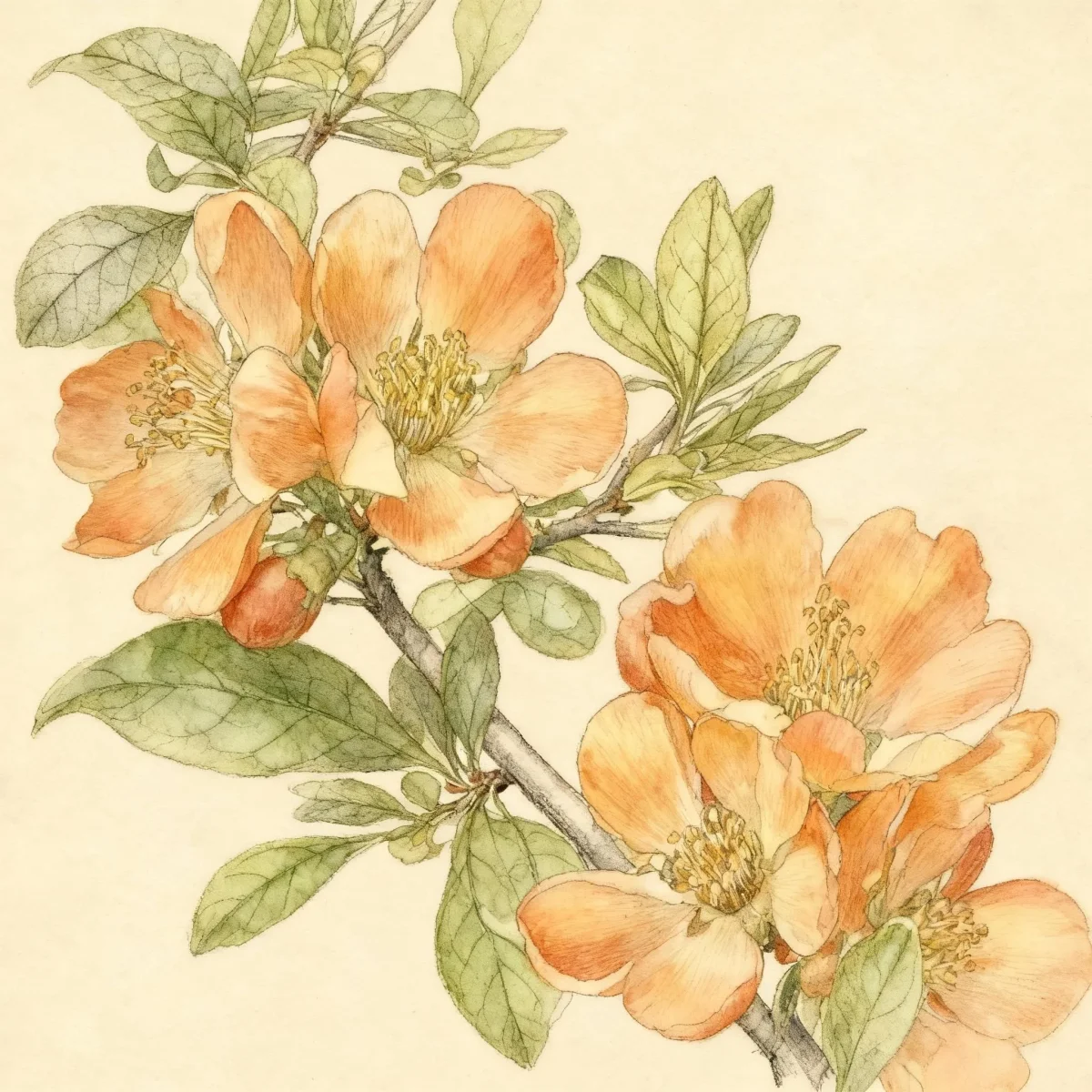
Japanese quince
Chaenomeles japonica var. Alpina
- USDA zones
- 4–8
- Light
- Full sun to part shade
- Water
- Medium
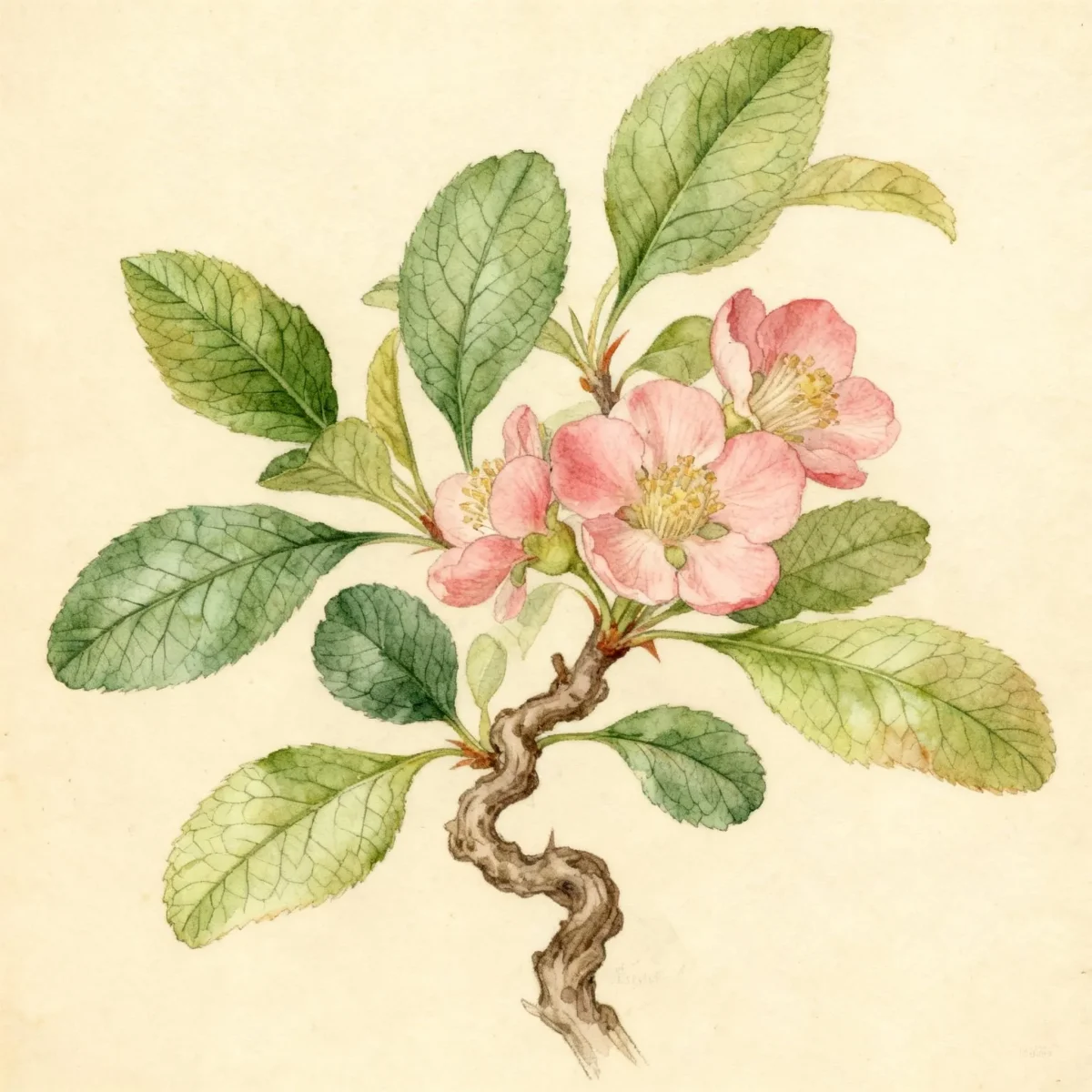
Flowering quince
Chaenomeles speciosa 'Contorta'
- USDA zones
- 4–8
- Light
- Full sun to part shade
- Water
- Medium
Keep Learning
Test what you know with a garden quiz
You have the plant facts and care notes. Continue with a related challenge, or browse the complete quiz library.

Can You Identify These Common Garden Plants? Test Your Plant Knowledge
Think you know your roses from your peonies? Test your plant identification skills with our comprehensive garden plant quiz featuring 10 challenging questions.
Start quiz
USDA Garden Zone Map Quiz
Use this USDA garden zone map quiz to check whether you can read hardiness zones and choose plants with more confidence.
Start quizBrowse the full quizzes section
Explore plant identification, zone strategy, and seasonal gardening challenges.
View all quizzes