Hardy orange (Poncirus trifoliata)
The thorny Hardy orange (Poncirus trifoliata) is a hardy citrus relative offering fragrant spring flowers and ornamental yellow fruit.

Bloom Boldly, No Matter the Season - Sweatshirt
Cozy organic cotton sweatshirt featuring our exclusive Purple Coneflower design. Perfect for gardeners who bloom year-round.
Inspired by the beautiful Hardy orange
Limited first batch (50) — join the waitlist for early access
Waitlist closes Feb 15, 2026.
Complete Plant Information
Field Guide Continues
Ready for care notes, companion picks, and planting tips?
The map is just the start. The full guide below covers growth habits, seasonal performance, and landscape uses.
Overview
The Hardy orange, scientifically known as Poncirus trifoliata, is a uniquely resilient and fascinating addition to the landscape, often surprising gardeners with its citrus scent despite its formidable hardiness. Unlike most true citrus, this deciduous shrub or small tree thrives in colder climates, offering multi-season visual interest. Its dense, thorny structure also provides robust functional benefits unlike its softer relatives.
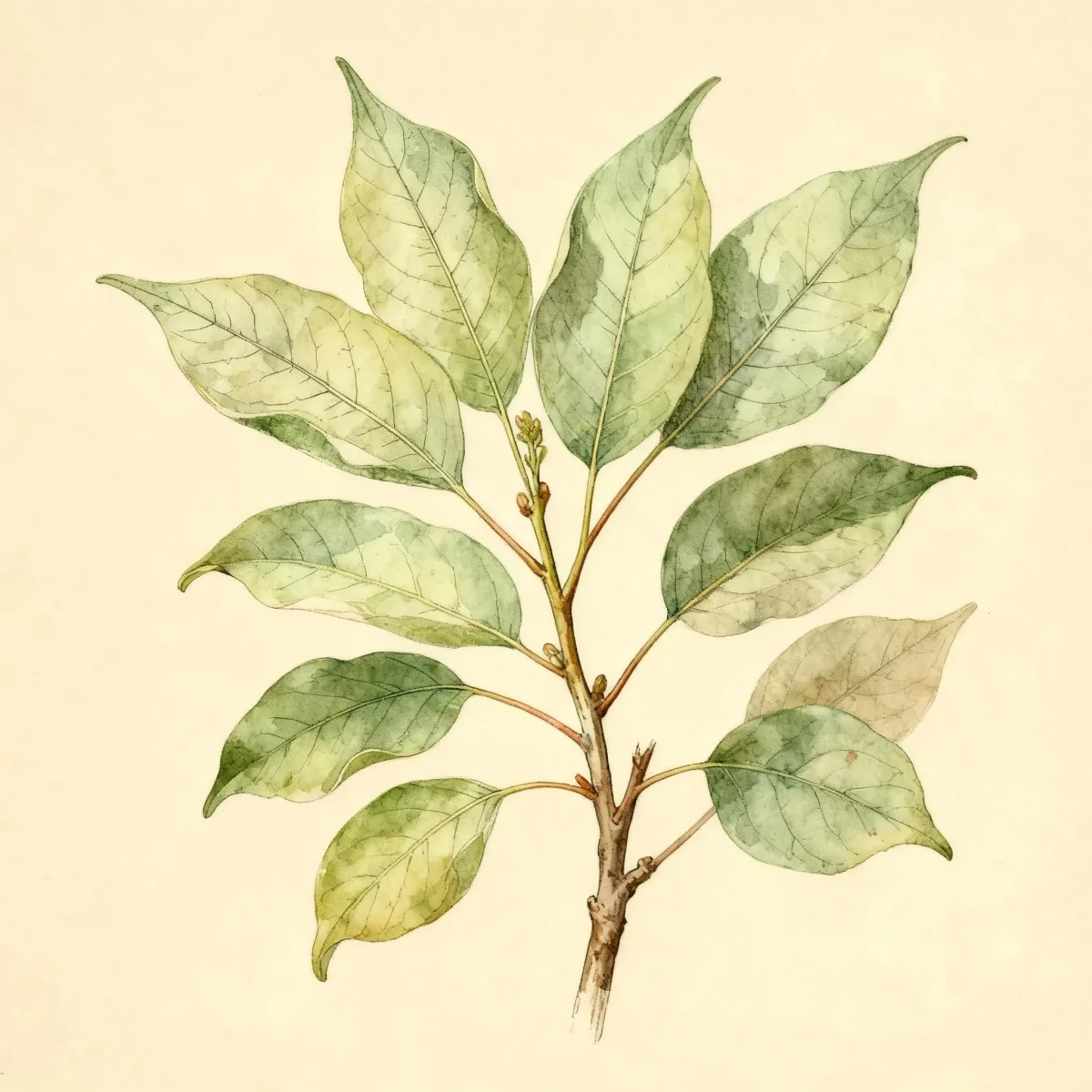
Distinguished by its trifoliate leaves—three leaflets attached to the stem—the Poncirus trifoliata emerges a pale green, turning glossy dark green before coloring yellow in the fall. Fragrant, white flowers precede small, downy green fruits that ripen to an attractive yellow. This citrus relative is valued both for its ornamental display and its potential uses in preserves, though its edibility requires processing due to high acidity.
Gardeners should prepare for a high-maintenance subject that provides significant rewards in structure, scent, and seasonal color. While capable of creating impenetrable barriers, it demands specific placement due to its spiny nature. Understanding the needs of Poncirus trifoliata ensures it matures into a striking specimen or highly effective screening element.
Fast Facts
- Plant Family: Rutaceae
- Plant Type: Deciduous shrub
- Native Range: China
- Hardiness Zones: USDA Zones 5-9
- Size at Maturity:
- Height: 8-20 ft
- Spread: 6-15 ft
- Bloom Time: April to May
- Bloom Description: White
- Sun Exposure: Full sun
- Water Needs: Medium
- Maintenance Level: High
How to Grow
Plant Poncirus trifoliata in the spring or fall, ensuring it receives full sun exposure to encourage dense growth and flowering. The species requires average, medium moisture soils that are consistently well-drained; citrus relatives dislike sitting in soggy conditions which can cause root issues. While adaptable, providing protection is crucial in the cooler northern reaches of USDA Zone 5, as winter hardiness may become unreliable there.
Once established, the Hardy orange requires medium water inputs; water deeply during extended hot or dry periods but allow the soil surface to dry slightly between irrigation events. Fertilize lightly in spring according to general citrus guidelines if soil fertility is poor, but excessive feeding can lead to weak, overly lush growth susceptible to damage. Pruning should be minimally performed, mainly to shape the plant or remove undesirable branches, and should always be done only as needed after the spring flowering concludes.
Due to its thorny nature, handle maintenance tasks carefully, especially when pruning close to the plant. Be mindful that its formidable thorns make shaping a hedge a more challenging task than with softer shrubs. Avoid planting this species where frequent human or pet traffic might occur unless a truly impenetrable barrier is the primary goal.
Landscape Uses
The primary functional role of Poncirus trifoliata in the landscape is defensive screening. Its classification as a classic hedgerow plant is well earned, as the combination of dense branching and vicious thorns creates a barrier virtually impenetrable to animals, and often people. This makes the Hardy orange ideal for defining remote property lines or protecting vulnerable areas of the garden.
Beyond its utilitarian function, the Poncirus trifoliata excels as a specimen plant where structure and curiosity are desired. Its fragrant spring blossoms draw attention, and the persistent yellow fruit adds crucial winter interest, rewarding the gardener who appreciates unusual foliage and form. While not traditional, this plant can also serve as a robust, highly unusual anchor in a mixed shrub border where its tough nature can be appreciated.
Consider planting a row for formal structure, remembering that the high maintenance level will involve careful pruning to keep it tidy. If using it near high-traffic paths, plant taller, non-thorny shrubs in front of the hedge to soften the edge while still benefiting from the Poncirus trifoliata’s defensive line.
Standout Features
Flower Qualities
- Showy
- Fragrant
Fruit Qualities
- Showy
- Edible
Noteworthy Characteristics
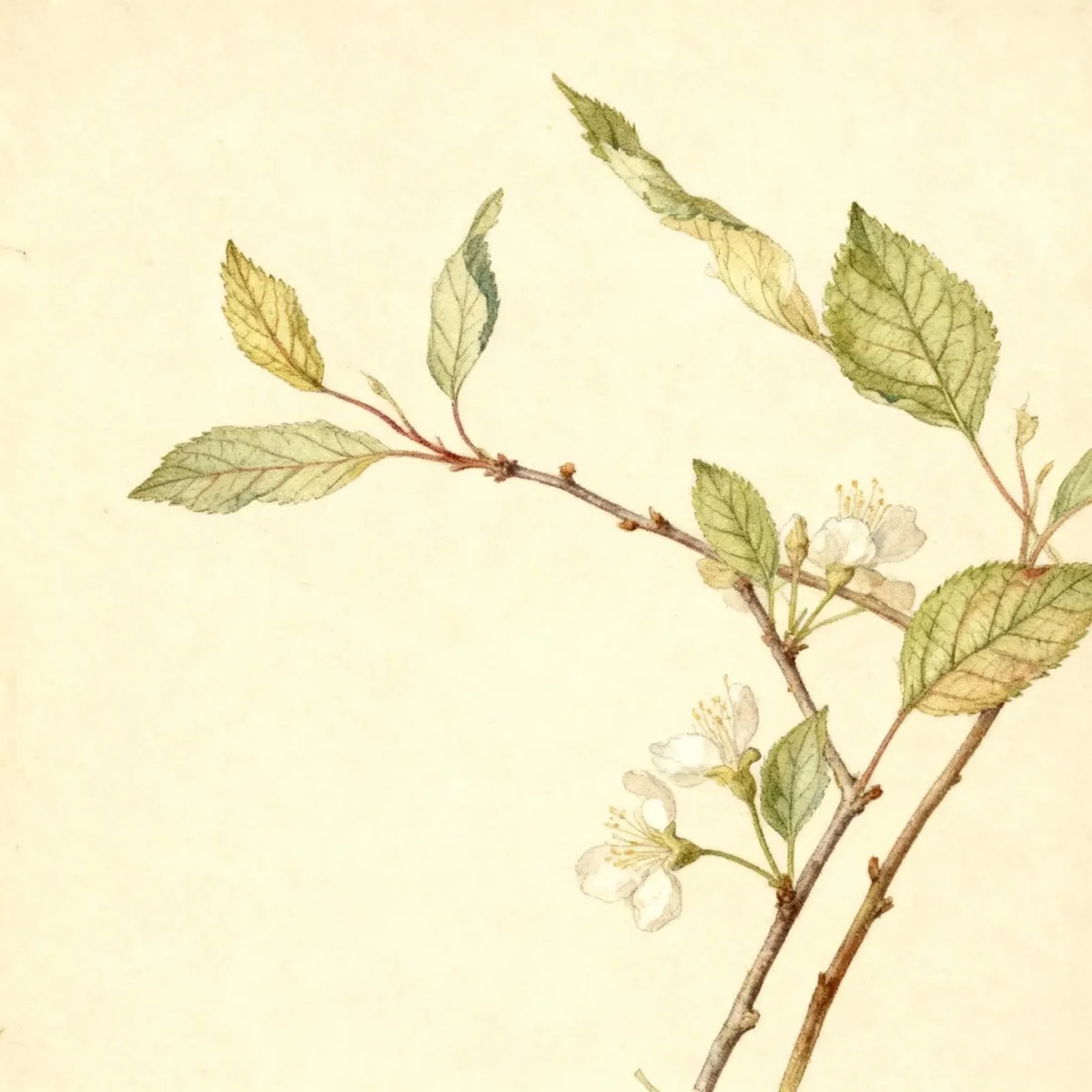
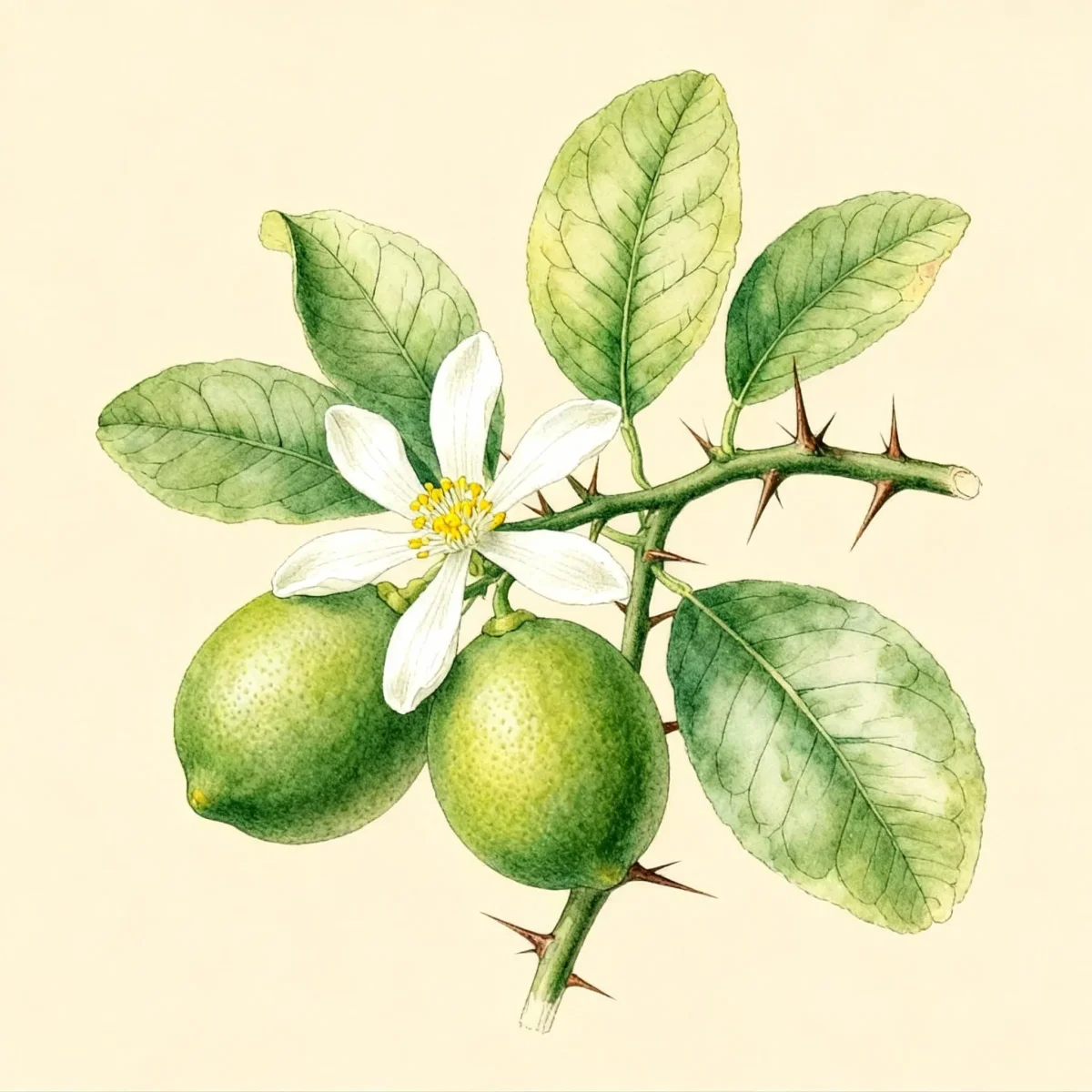
Poncirus trifoliata, commonly called hardy orange, a citrus relative, is a thorny, well-branched, deciduous shrub or small tree which typically grows 8-15’ tall. Fragrant, white flowers appear singly in spring, giving way to 1-2.5” diameter fruits that ripen bright yellow in the fall. The trifoliate leaves add texture, turning yellow before leaf drop, making this plant engaging across all four seasons.
Tolerances
- Drought
Potential Problems
The most significant deterrent for casual gardeners dealing with Poncirus trifoliata is its weaponry: the thorns are vicious and require great care during handling or pruning. While the plant generally avoids serious insect or disease problems that plague true citrus, physical danger is the primary management concern. Always wear heavy leather gloves and appropriate protective gear when working near or pruning your Poncirus trifoliata.
Because it is less reliably hardy than other shrubs in northern Zone 5 zones, potential problems can include winter dieback if sited in an exposed, desiccating location. To mitigate this, ensure the soil is well-draining and mulch heavily around the base, especially for newly planted specimens.
Frequently Asked Questions
What hardiness zones is Hardy orange suitable for?
The Hardy orange (Poncirus trifoliata) is suitable for USDA Hardiness Zones 5 through 9, though northern Zone 5 placement may require a protected location for reliable winter survival.
How large does Poncirus trifoliata grow?
This deciduous shrub typically reaches a height between 8 and 20 feet, with a corresponding spread ranging from 6 to 15 feet wide.
What sun exposure does Poncirus trifoliata need?
For optimum health, flowering, and density, the Poncirus trifoliata requires full sun exposure throughout the growing season.
When does Hardy orange bloom?
The fragrant white blossoms of the Hardy orange appear relatively early in the season, typically blooming between April and May.
Conclusion
The Poncirus trifoliata, or Hardy orange, offers gardeners a unique combination of citrus fragrance, late-season ornamental fruit, and superior hardiness compared to true citrus. Its thorny character makes it a functional powerhouse for creating secure borders. Before integrating this fascinating deciduous shrub into your landscape, confirm your USDA zone compatibility and plan your planting location strategically to minimize pruning hazards.
Companion Planting
When integrating Poncirus trifoliata into the garden design, consider companion plants that offer shade protection in extremely hot summers or contrast nicely with its thorny structure. Plants that thrive in similar well-drained soil conditions, like certain Bayberry varieties or hardy Viburnums, can create a dense, defensive screen layered outward from the orange. Avoid planting highly sensitive perennials immediately adjacent, as the need for occasional heavy pruning on the Poncirus trifoliata can be disruptive.
Seasonal Care Calendar
Spring is the primary time for evaluation, as this is when the plant emerges following dormancy and bursts into fragrant bloom in April or May. Wait until flowering is complete before performing any necessary pruning to avoid removing next year’s flower buds. Summer care focuses on ensuring medium water needs are met during dry spells, especially if the plant is young or providing screening in full sun. In the fall, the downy fruits ripen to yellow, contributing significant color until winter sets in. Winter care for Poncirus trifoliata centers on protection in colder zones; avoid heavy pruning or fertilization late in the season to allow wood to harden off properly.