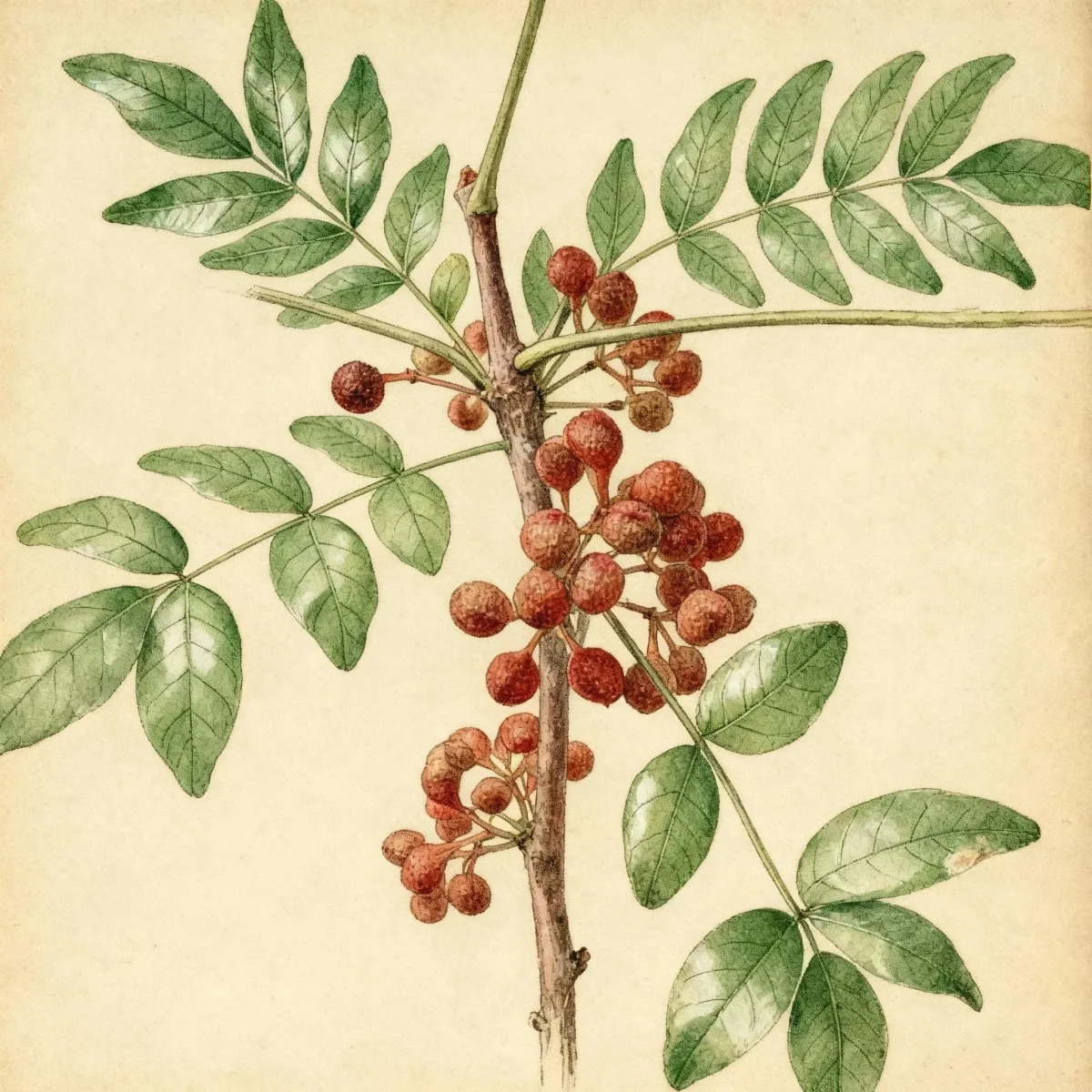
Toothache tree (Zanthoxylum americanum)
Discover the aromatic, spiny Zanthoxylum americanum (Toothache tree), ideal for screens and native plantings in Zones 3-7.

Bloom Boldly, No Matter the Season - Sweatshirt
Cozy organic cotton sweatshirt featuring our exclusive Purple Coneflower design. Perfect for gardeners who bloom year-round.
Inspired by the beautiful Toothache tree
Limited first batch (50) — join the waitlist for early access
Waitlist closes Feb 15, 2026.
Complete Plant Information
Field Guide Continues
Ready for care notes, companion picks, and planting tips?
The map is just the start. The full guide below covers growth habits, seasonal performance, and landscape uses.
Overview
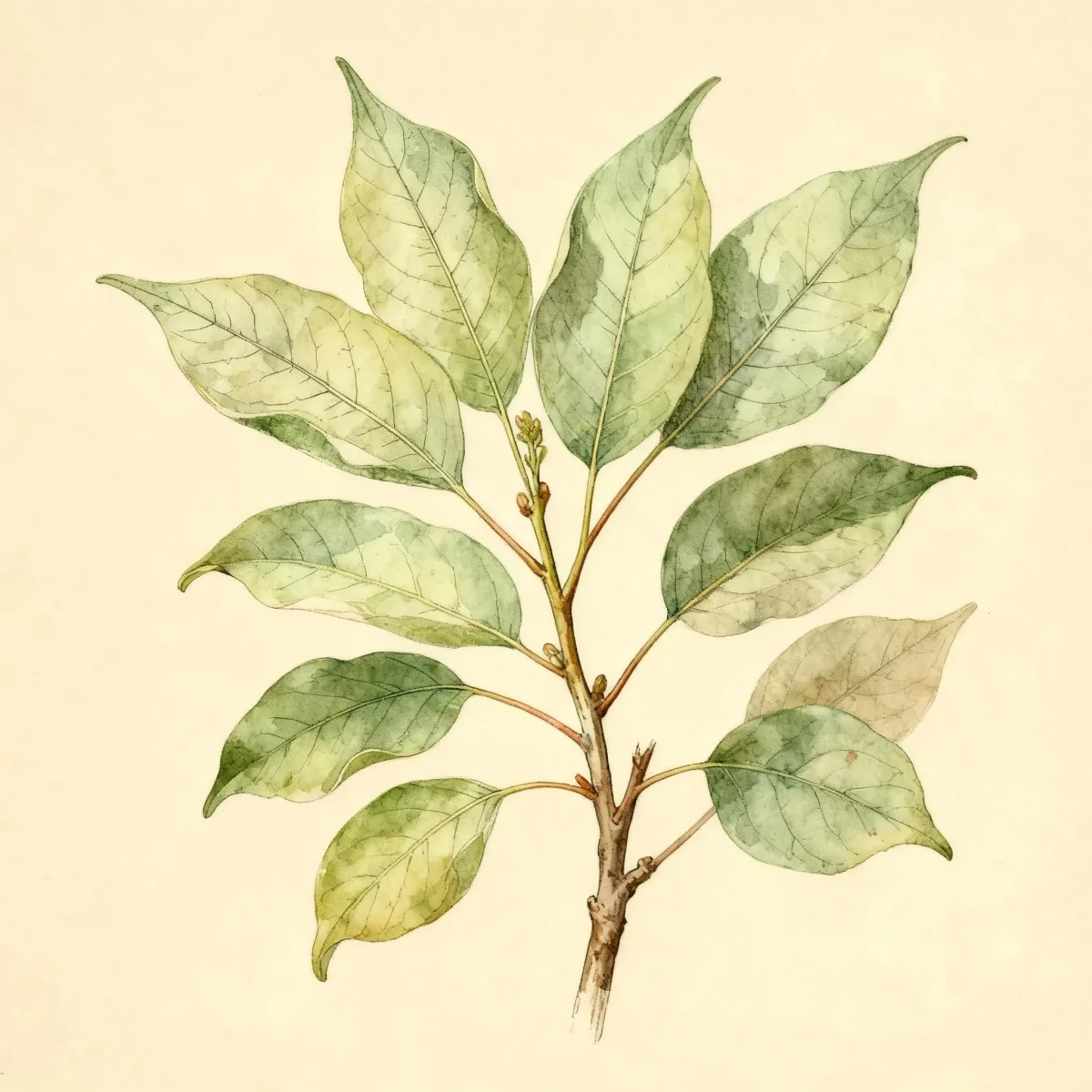
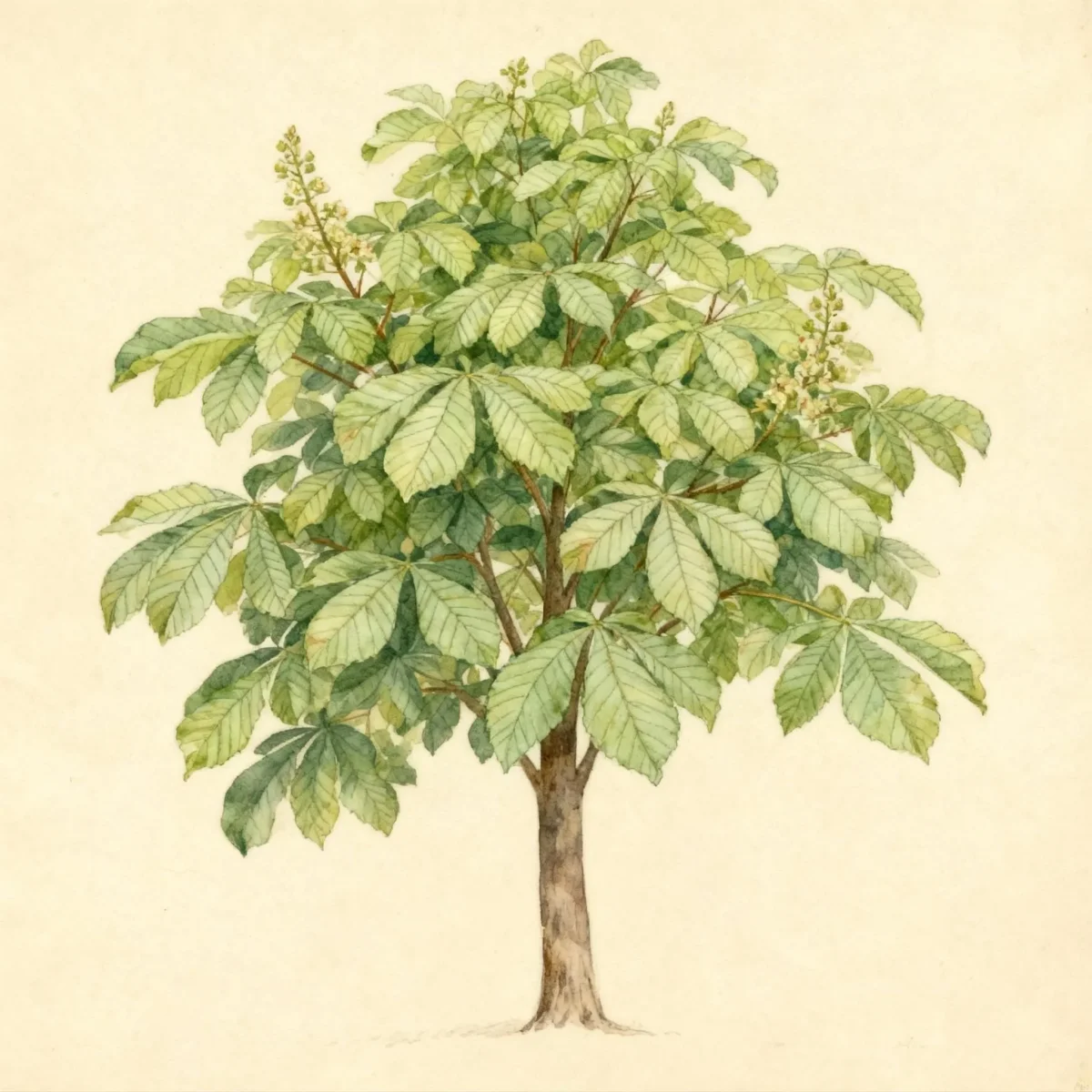
The Toothache tree (Zanthoxylum americanum) is a unique and aromatic addition to the Eastern North American landscape. Though its name suggests dental utility due to the historical use of its bark for numbing effects, this plant offers significant functional appeal in modern native gardens. It is a spiny, deciduous shrub or small tree belonging to the citrus family (Rutaceae).
This species, Zanthoxylum americanum, naturally forms dense thickets via root suckers, making it excellent for naturalized settings or creating quick visual barriers. While somewhat understated ornamentally, its aromatic foliage, sharp defense mechanisms, and wildlife value distinguish it from common landscape selections.
Gardeners should note that Zanthoxylum americanum is dioecious, meaning male and female flowers are on separate plants, requiring both sexes for the production of its attractive, reddish-brown fruits in late summer. Plan your placement carefully to manage its suckering habit while maximizing its appeal.
Fast Facts
- Plant Family: Rutaceae
- Plant Type: Tree
- Native Range: Eastern North America
- Hardiness Zones: USDA Zones 3-7
- Size at Maturity:
- Height: 15-20 ft
- Spread: 10-15 ft
- Bloom Time: April
- Bloom Description: Yellowish - green
- Sun Exposure: Full sun to part shade
- Water Needs: Medium
- Maintenance Level: Medium
How to Grow
Plant the Toothache tree during the spring or fall when conditions are cool to help it establish easily. Zanthoxylum americanum is highly adaptable but thrives best in average, well-drained soils. While it tolerates poor conditions, ensuring adequate drainage is key to preventing long-term issues. It readily handles both full sun exposures and partial shade scenarios.
Maintenance for Zanthoxylum americanum is generally medium. Pruning should focus primarily on removing suckers if you wish to control its natural spreading habit; otherwise, allow it to develop its multi-stemmed structure. Fertilizing is rarely necessary given its tolerance for poor soils.
Be mindful of its tendency to colonize by root suckers, which can quickly form dense thickets. If boundary control is required, maintain a regular pruning schedule or plant it in an area where aggressive spreading is desired or acceptable, such as a naturalized woodland edge. This rugged plant proves quite hardy across its range.
Landscape Uses
The Toothache tree offers specific roles in the landscape where its unique structure and native provenance are valued. Due to its spiny nature and tendency to sucker, it is highly effective when used as a natural screen or informal hedgerow, providing a dense, impenetrable barrier. Integrating Zanthoxylum americanum into wider native plantings or naturalized woodland areas allows it to fulfill its ecological role without dominating a formal garden space.
While not typically a specimen tree, its aromatic qualities and striking fruit clusters warrant inclusion near walkways or seating areas where passersby can appreciate the sensory experience. Pair it with later-blooming species that thrive in similar conditions to extend interest throughout the season, knowing it tolerates competition from challenging neighbors like Black Walnut.
Standout Features
Flower Qualities
- Fragrant
- Insignificant
Fruit Qualities
- Showy
Noteworthy Characteristics
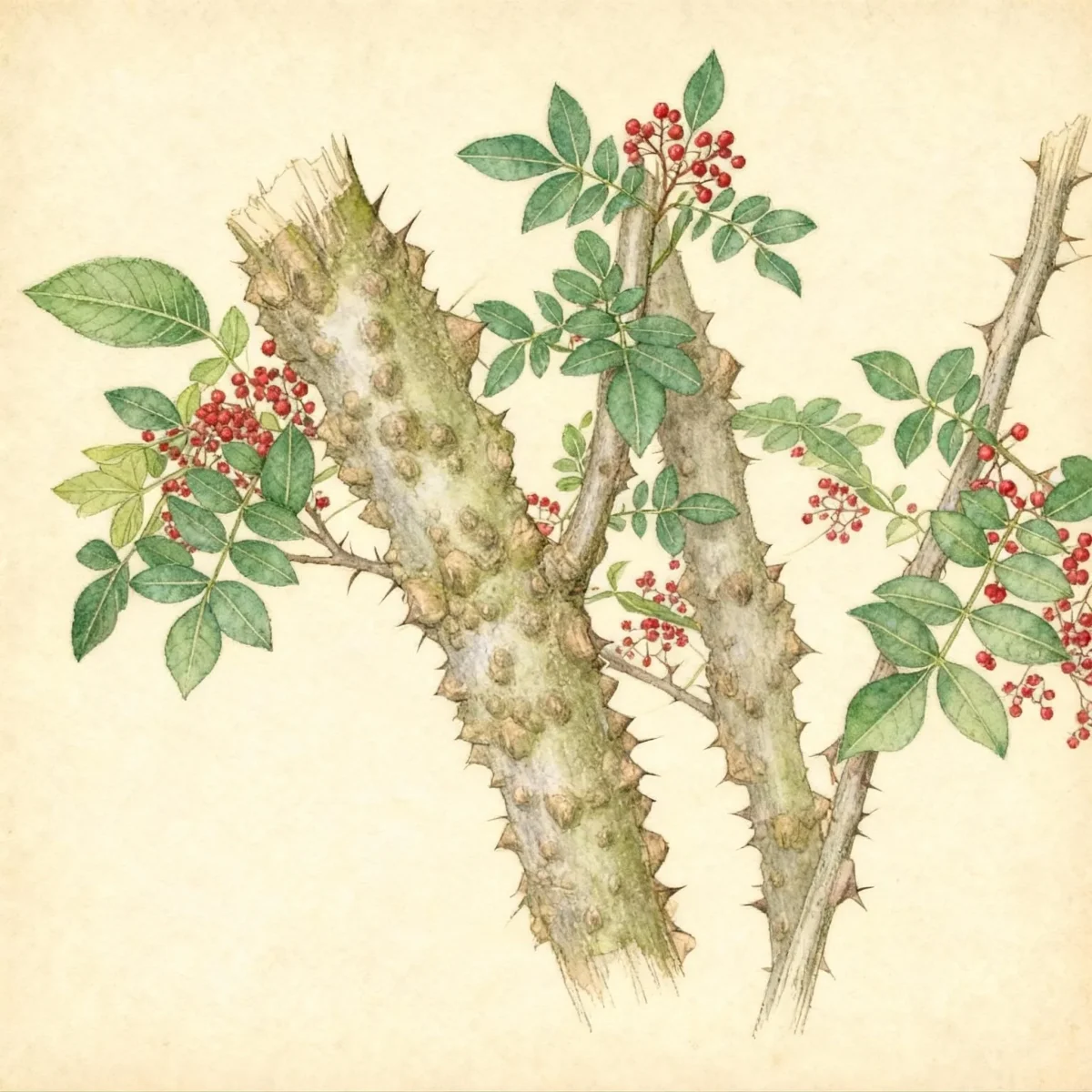
Zanthoxylum americanum, commonly called prickly ash, is an aromatic, spiny, thicket-forming deciduous shrub or small tree that, as the common name suggests, resembles (particularly in leaf) an ash with prickles. It is not an ash, however, but a member of the citrus family (Rutaceae) and is closely related to the also spiny hardy orange, Poncirus trifoliata. Prickly ash is a Missouri native plant that typically occurs on bluffs, upland rocky hillsides, open woods, moist ravines and thickets in most of the State except for the Ozark region. Stems and leaves possess sharp prickles up to 1/2” long, and all parts of the plant emit a distinct lemony fragrance.
Tolerances
- Drought
- Black Walnut
Potential Problems
This species generally suffers from no serious insect or disease problems, contributing to its reliable nature. The most notable interaction involves wildlife, as prickly ash foliage serves as a crucial food source for the larvae of the giant swallowtail butterfly. Gardeners should expect that considerable defoliation may occur in certain years when butterfly populations peak. Embrace this symbiotic relationship as part of supporting native insect ecology rather than attempting extensive chemical control.
Frequently Asked Questions
What hardiness zones is Toothache tree suitable for?
The Toothache tree (Zanthoxylum americanum) is adaptable to a wide range of climates, thriving in USDA Zones 3 through 7.
How large does Toothache tree grow?
Maturity typically sees this plant reaching heights between 15 and 20 feet, with a corresponding spread between 10 and 15 feet, often forming a multi-stemmed shrub.
When does Zanthoxylum americanum bloom?
Bloom time is in April, producing clusters of small, yellowish-green flowers that possess a noticeable, though often visually insignificant, fragrance.
What sun exposure does Zanthoxylum americanum need?
This species prefers conditions ranging from full sun up to partial shade, making it versatile for various light conditions in the landscape.
Conclusion
The aromatic and resilient Toothache tree provides reliable structural interest and supports local insect populations, making Zanthoxylum americanum a valuable choice for native restoration plantings. Its rugged nature and tolerance for poor soils simplify maintenance once established. Check your USDA hardiness zone compatibility and plan to plant during the cooler seasons for the best establishment success.
Wildlife Benefits
The aromatic compounds and structure of the Toothache tree make it a quiet powerhouse for local fauna. While the flowers attract bees in spring, the primary wildlife value comes from the leaves serving as the essential host plant for the giant swallowtail butterfly caterpillars. Providing this specific host plant is a direct way to support butterfly lifecycle completion in your regional ecosystem.
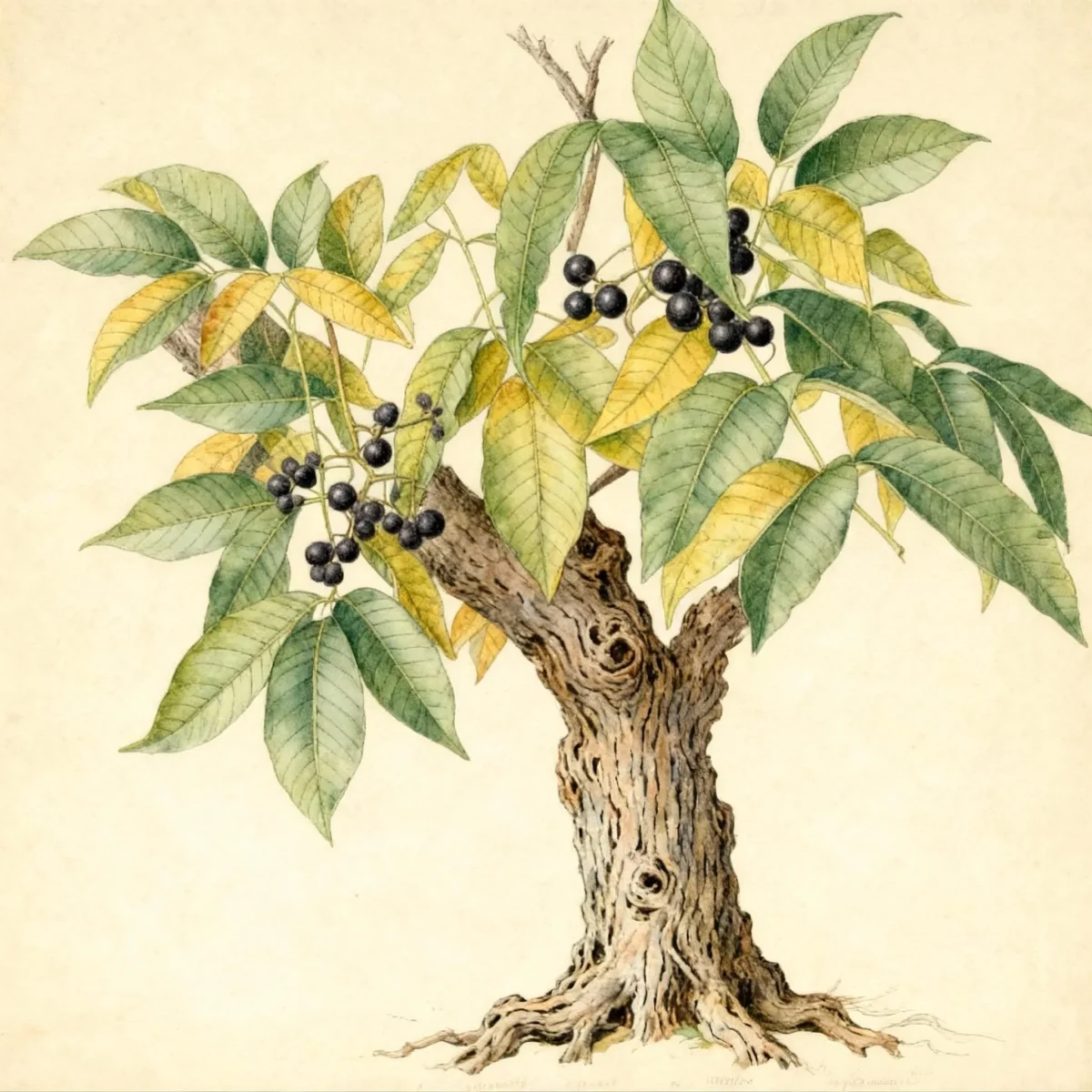
Furthermore, the clusters of reddish-brown fruits that mature in late summer, containing shiny black seeds, offer an important late-season food source. Although the fruits are sometimes overlooked, they provide necessary sustenance for birds and small mammals as they prepare for winter migrations or dormancy.
Propagation Tips
Propagation of Zanthoxylum americanum is most frequently achieved through managing its natural reproductive tendencies. The easiest method, though requiring management afterward, is harvesting and stratifying the seeds from the mature fruits in the fall. Alternatively, gardeners can successfully propagate this plant asexually by digging up and transplanting the numerous root suckers produced during the growing season.
When transplanting suckers—a highly effective way to clone an existing, successful Zanthoxylum americanum—ensure you dig deeply to capture a significant portion of the root system attached to the cutting. Dividing these suckers in early spring before new foliage emerges gives the separated plant the best chance to establish quickly in its new medium, often avoiding the need for elaborate rooting hormone treatments.