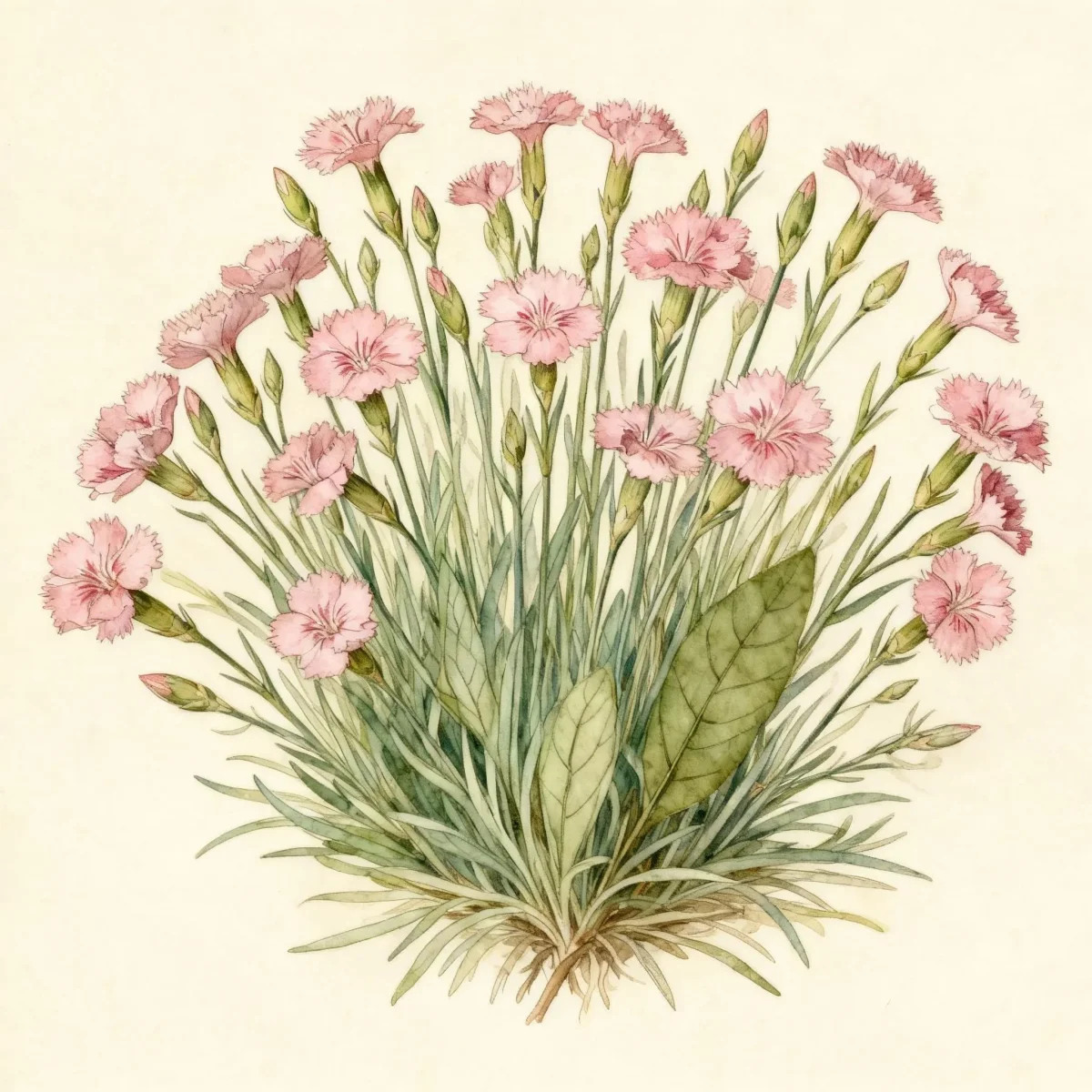
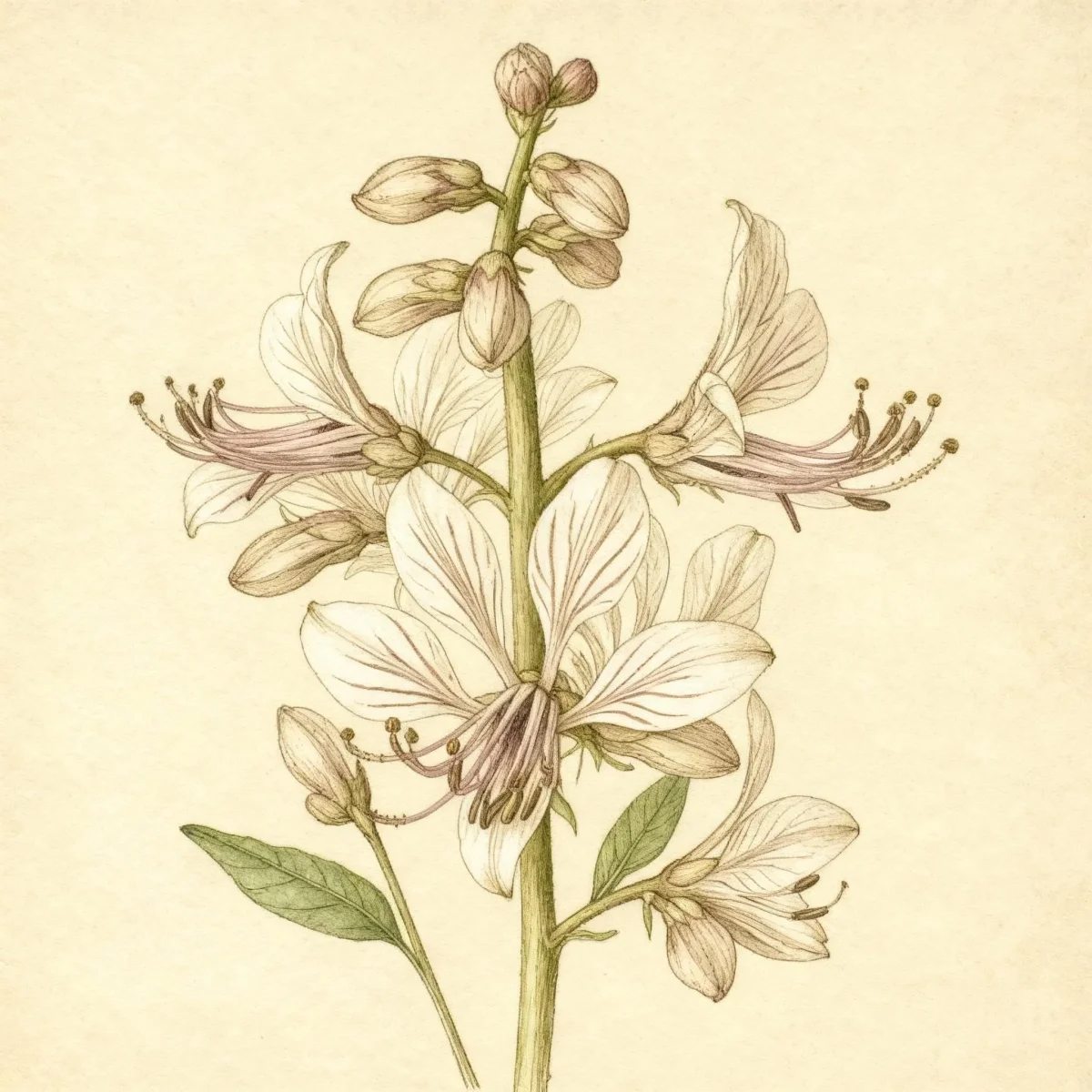
Dittany (Dictamnus albus)
Dictamnus albus, or Dittany, is a tough, long-lived perennial known for fragrant flowers and flammable seed pods. Low maintenance.
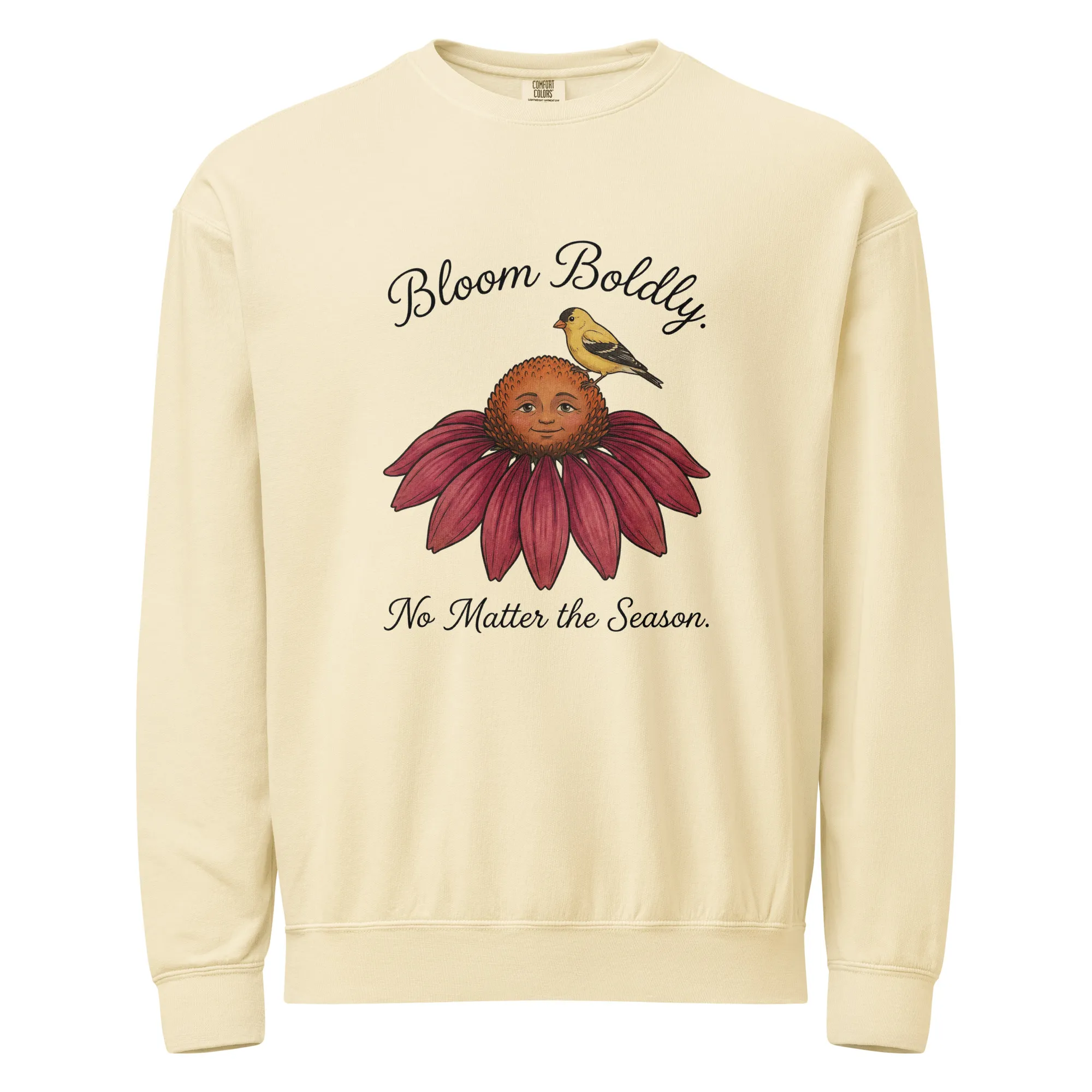
Bloom Boldly, No Matter the Season - Sweatshirt
Cozy organic cotton sweatshirt featuring our exclusive Purple Coneflower design. Perfect for gardeners who bloom year-round.
Inspired by the beautiful Dittany
Limited first batch (50) — join the waitlist for early access
Waitlist closes Feb 15, 2026.
Complete Plant Information
Field Guide Continues
Ready for care notes, companion picks, and planting tips?
The map is just the start. The full guide below covers growth habits, seasonal performance, and landscape uses.
Overview
Dictamnus albus, commonly known as Dittany, is a uniquely fascinating and rugged herbaceous perennial valued for its longevity and reliable summer blooms. This species establishes slowly but becomes a permanent, steadfast fixture in the garden once settled. It offers elegant foliage paired with terminal racemes of showy flowers, providing excellent vertical structure through the season.
A key characteristic of Dictamnus albus is its unusual defense mechanism; the seed pods and old flowers emit a flammable volatile oil, earning it names like Gas Plant or Fire Plant. While visually appealing with fragrant flowers and glossy leaves, gardeners should be aware that the foliage contains an oil that can cause photosensitivity and skin rashes in sensitive individuals.
For gardeners seeking low-fuss plants that reward patience, Dittany is an excellent choice, thriving for years with minimal intervention. It performs best in northern climates where cool nights aid its growth, making it a dependable component for mixed borders where its structural presence is appreciated.
Fast Facts
- Plant Family: Rutaceae
- Plant Type: Herbaceous perennial
- Native Range: Central and western Asia, Europe
- Hardiness Zones: USDA Zones 3-8
- Size at Maturity:
- Height: “2-3 ft”
- Spread: “1.5-2.5 ft”
- Bloom Time: May to June
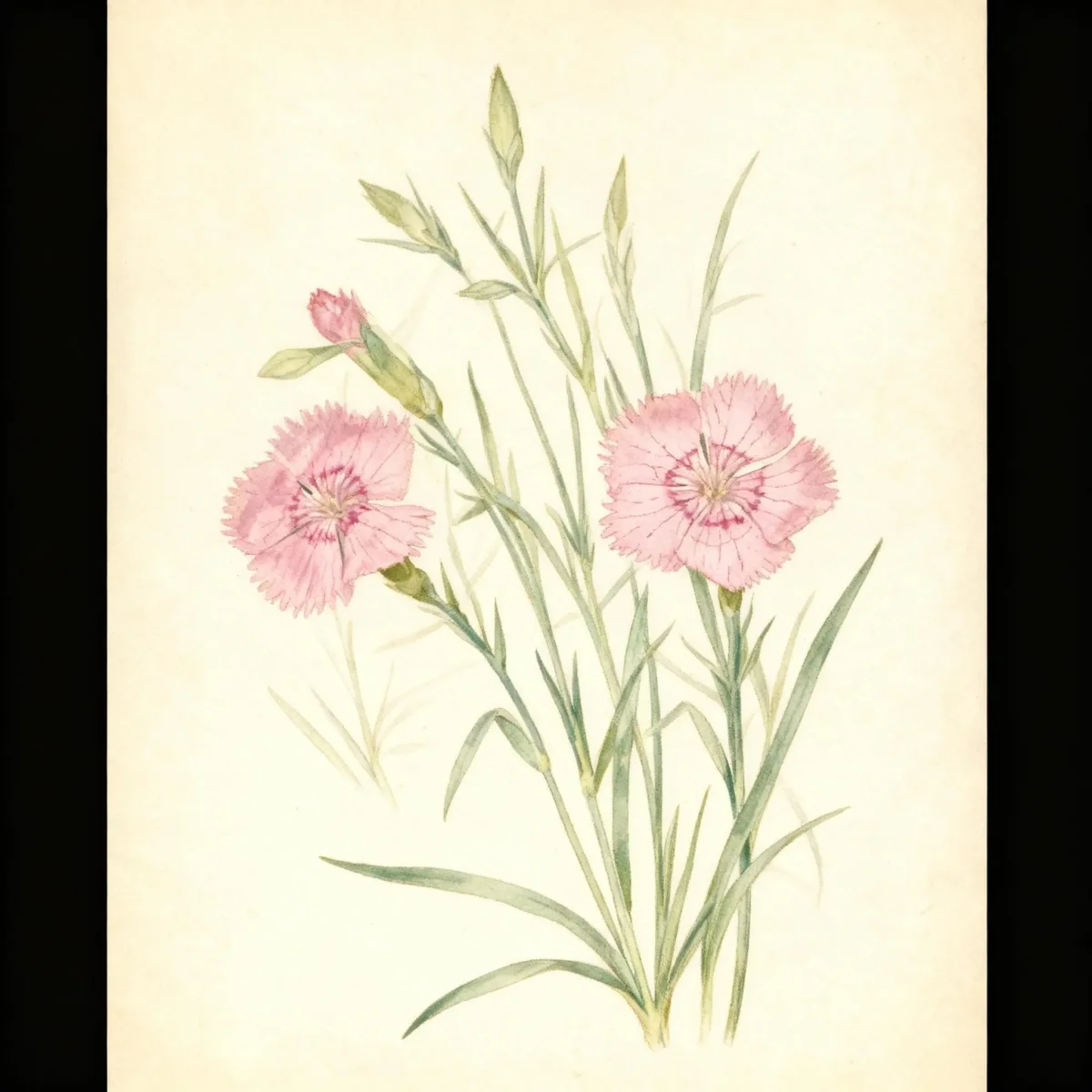
- Bloom Description: White, pink, red, lilac, sometimes veined or dotted red
- Sun Exposure: Full sun
- Water Needs: Medium
- Maintenance Level: Low
How to Grow
The best time to establish Dictamnus albus is when young starts are available, though planting from seed is possible, requiring patience as flowering may not occur for 3-4 years. Plant in average, medium, well-drained soils that are fertile and humusy; while the plant tolerates drought once established, it prefers soil that remains evenly moist and never soggy. Position this perennial where it receives full sun, although it can tolerate light shade, especially in hotter regions.
Care for this Dittany is straightforward once the initial slow establishment period passes. Water consistently during the first year to encourage root development. Fertilization is rarely necessary if the soil is fertile, as this plant prefers less feeding. Because it is notoriously difficult to divide and dislikes being moved, site selection is crucial; it is best left undisturbed for decades.
In terms of maintenance, this long-lived perennial requires very little pruning or coddling. The rigid stems generally do not require staking. While there are no serious insect or disease issues, always be mindful of the foliar oil’s irritating properties when handling the leaves or cleaning up debris in the spring.
Landscape Uses
Dittany (Dictamnus albus) excels as a specimen anchor or integrated group planting within traditional cottage gardens or mixed perennial borders. Its upright habit provides excellent vertical contrast against lower-growing perennials, drawing the eye upward through the mid-to-back layers of the border.
This plant pairs wonderfully with established classics that share similar sun and soil needs, particularly daylilies, peonies, campanulas, and iris. By placing Dictamnus albus where its unique flowers can be appreciated up close, gardeners can best observe the subtle coloring and enjoy the foliage fragrance when brushed. Because it is difficult to divide, use it where you intend it to remain a permanent textural element.
Standout Features
Flower Qualities
- Showy
Fruit Qualities
- Showy
Noteworthy Characteristics
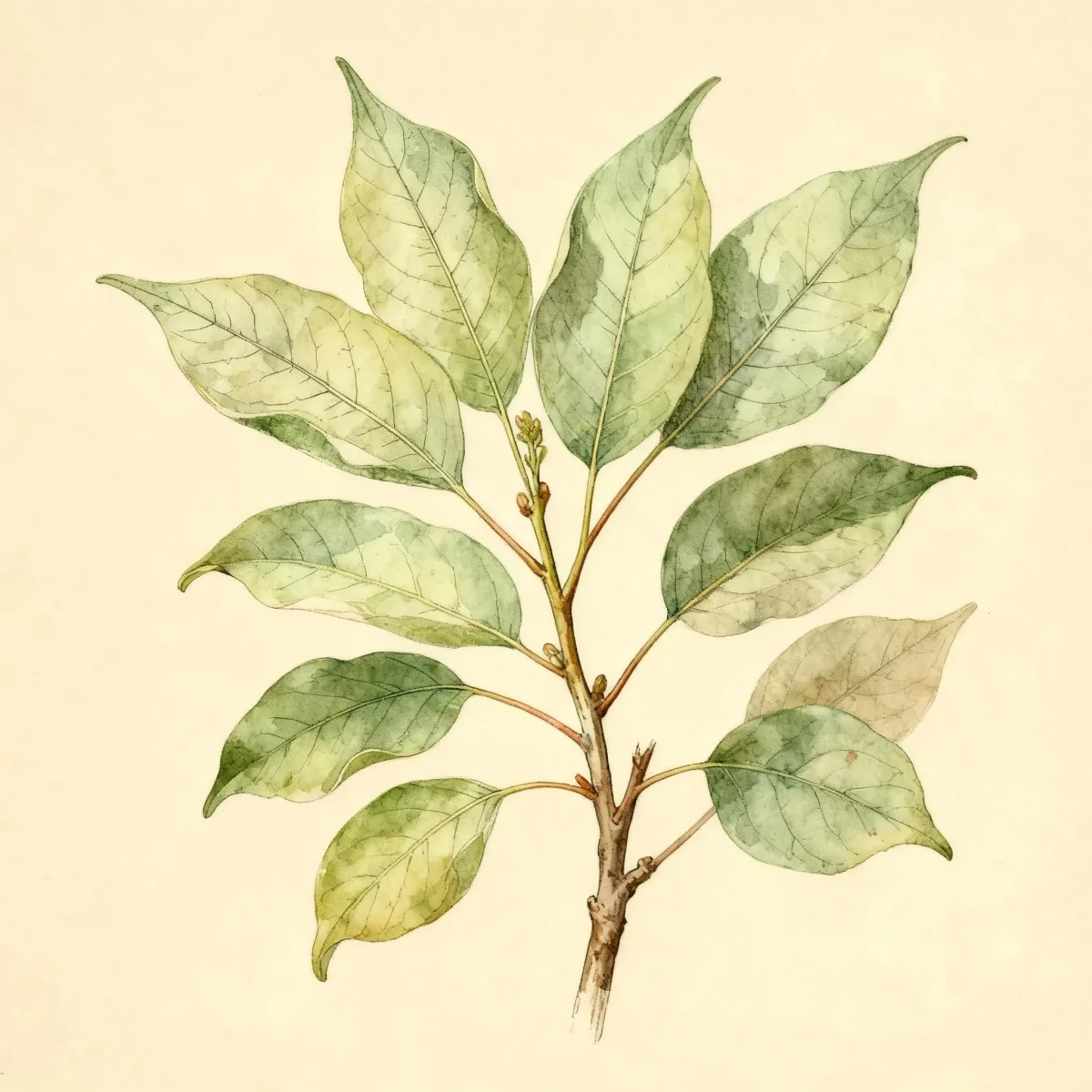
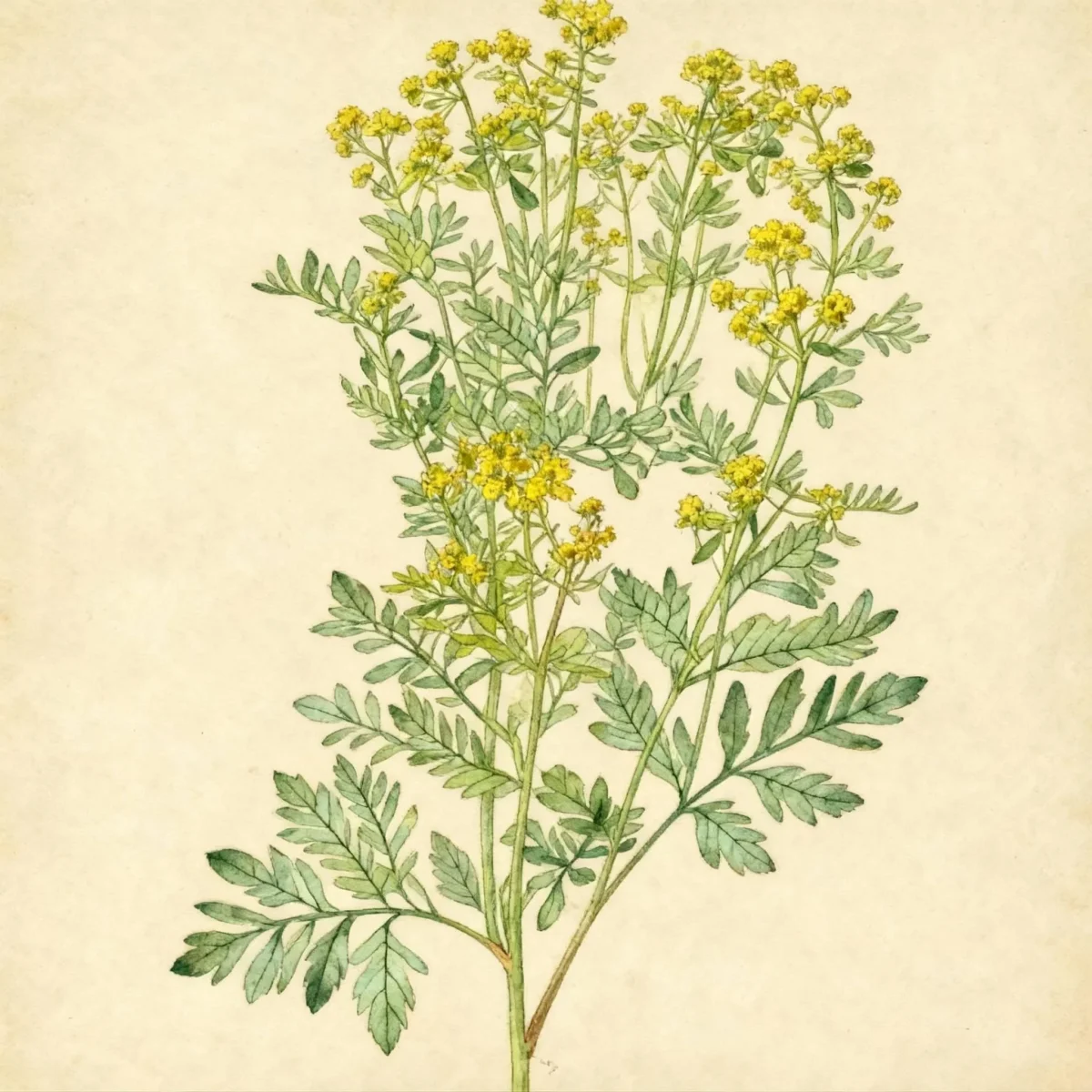
Dictamnus albus, commonly called dittany, is an upright, clump-forming, woody-based, herbaceous perennial which features rigid, vertical stems typically growing 2-4’ tall. Stems are topped by terminal racemes of fragrant, 5-petaled, white or pink flowers (1” long) in late spring to early summer. The elegant, glossy, odd-pinnate, light green leaves are attractive throughout the growing season and emit a pleasant lemony fragrance when rubbed or crushed.
Tolerances
- No serious insect or disease problems. Rigid stems usually do not need support
Potential Problems
This plant is highly regarded because it generally suffers from no serious insect or disease problems, contributing significantly to its low-maintenance profile. The stout, rigid stems are strong and typically do not require staking, even when holding the terminal racemes of flowers. The primary management concern is human interaction, as the foliage of Dictamnus albus contains phototoxic oils that can cause severe skin rashes (phytophotodermatitis) upon exposure to sunlight after contact, particularly if the leaves are bruised or crushed. Handle with gloves, especially on sunny days.
Frequently Asked Questions
What hardiness zones is Dittany suitable for?
Dictamnus albus is a tough perennial suitable for USDA Zones 3 through 8, indicating excellent cold tolerance.
How large does Dittany grow?
This plant typically matures to a height between 2 and 3 feet and spreads between 1.5 and 2.5 feet wide, forming a tidy clump.
When does Dittany bloom?
Dittany flowers appear from May into June, offering blooms in shades of white, pink, red, or lilac, often displaying attractive veining.
What sun exposure does Dittany need?
Dictamnus albus thrives best when provided with full sun exposure.
Conclusion
The combination of low maintenance, impressive longevity, and unique characteristics, such as the flammable seed pods, makes Dictamnus albus an invaluable semi-wild addition to established borders. If you appreciate plants that offer year-after-year reliability and visual interest, research the suitability of Dittany for your garden conditions and plan to plant it in a permanent, semi-protected location this next cool season.
Companion Planting
When designing a border around Dictamnus albus, prioritize plants that prefer similar growing conditions: full sun to light shade and well-drained, medium-moisture soil. Pairing Dittany with plants that bloom earlier or later helps extend the season of interest around its structural foliage. Consider using spring-flowering bulbs that die back before the Dittany fully leafs out.
Because this plant dislikes being moved, careful companion selection is necessary to avoid disturbing its mature root system later. Good textural partners include bearded iris, which shares a similar sturdy aesthetic, or Peonies, which offer bolder, earlier spring color. The blue and purple hues of Campanulas provide a lovely cool contrast to the pink or white spikes of the Dictamnus albus flowers.
Design Ideas
The upright, architectural habit of Dictamnus albus lends itself well to formal or cottage-style settings where vertical lines are desired. Try planting groups of three or five plants spaced appropriately across a border to create repeating focal points that guide the eye along the bed. Its fragrance is best enjoyed when planted near pathways or seating areas, provided gardeners are cautious about brushing against the foliage unnecessarily.
For a dramatic effect, plant Dictamnus albus near sun-loving, mounding plants that soften the base, such as Lamb’s Ears (Stachys byzantina), which thrives in similar conditions. Ensure the area has good drainage; soggy soil is the primary factor that will cause this otherwise robust plant to fail prematurely.