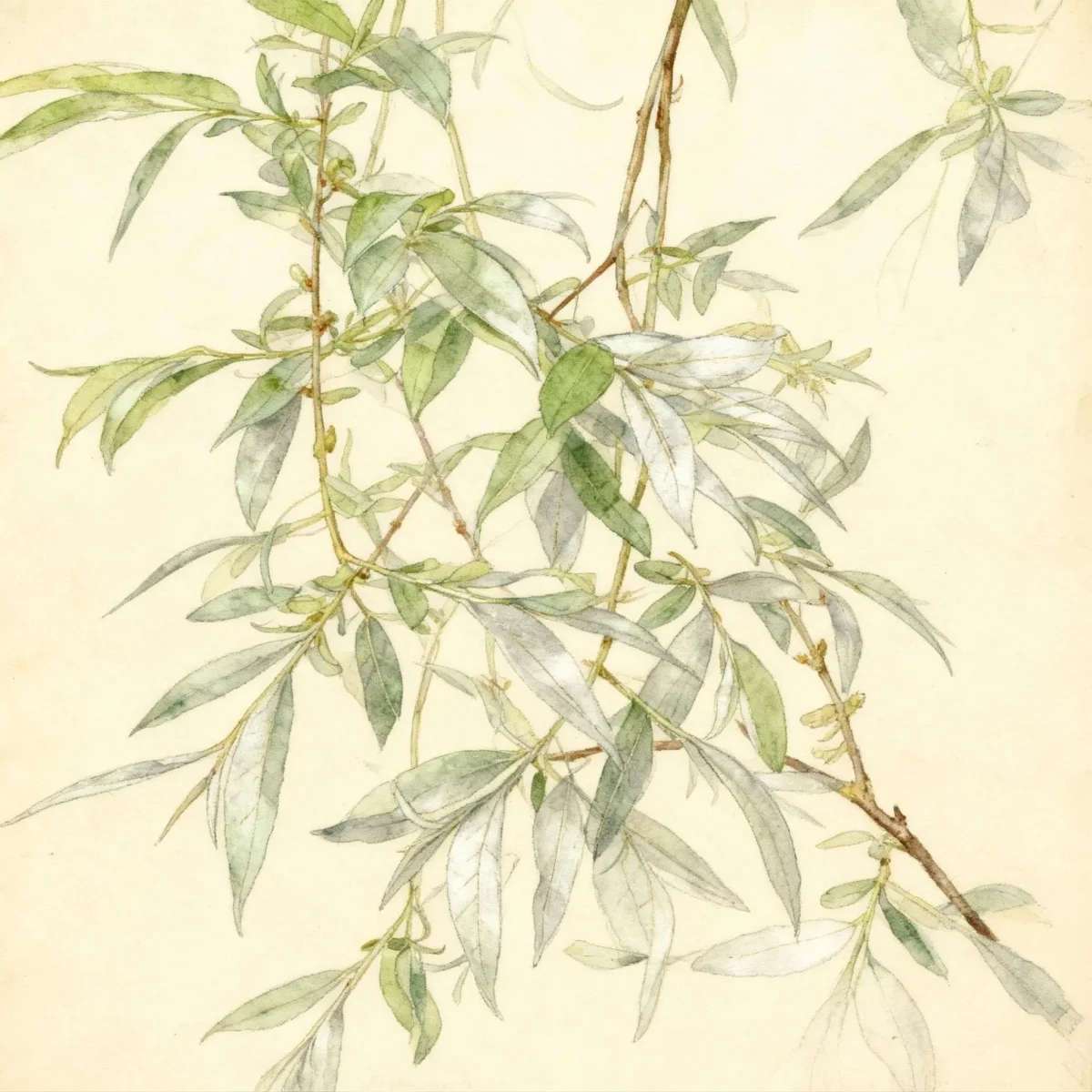
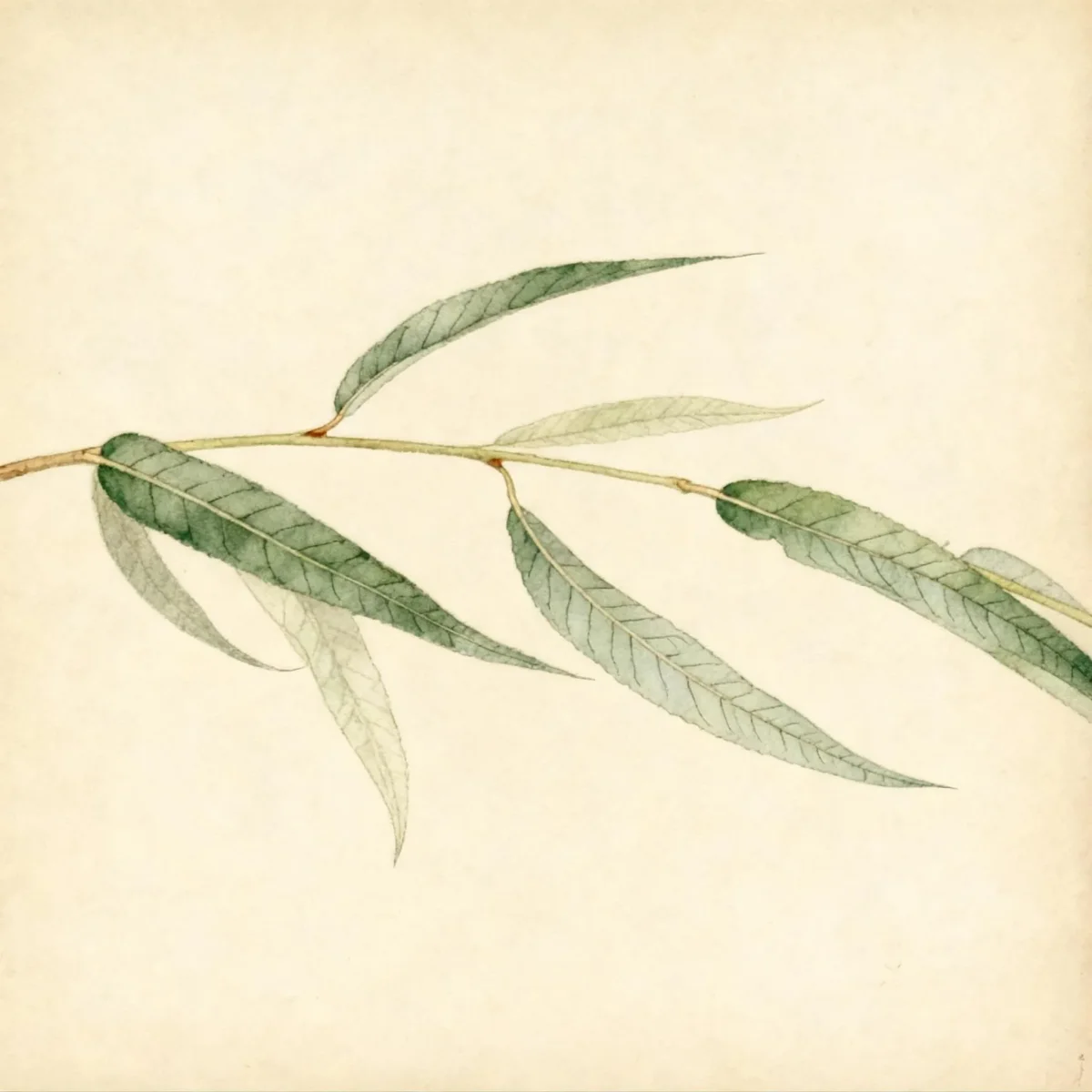
Eastern cottonwood (Populus deltoides)
The Eastern cottonwood (Populus deltoides) is a large, fast-growing deciduous tree known for rapid shade development in USDA Zones 2-9.


Bloom Boldly, No Matter the Season - Sweatshirt
Cozy organic cotton sweatshirt featuring our exclusive Purple Coneflower design. Perfect for gardeners who bloom year-round.
Inspired by the beautiful Eastern cottonwood
Limited first batch (50) — join the waitlist for early access
Waitlist closes Feb 15, 2026.
Complete Plant Information
Field Guide Continues
Ready for care notes, companion picks, and planting tips?
The map is just the start. The full guide below covers growth habits, seasonal performance, and landscape uses.
Overview
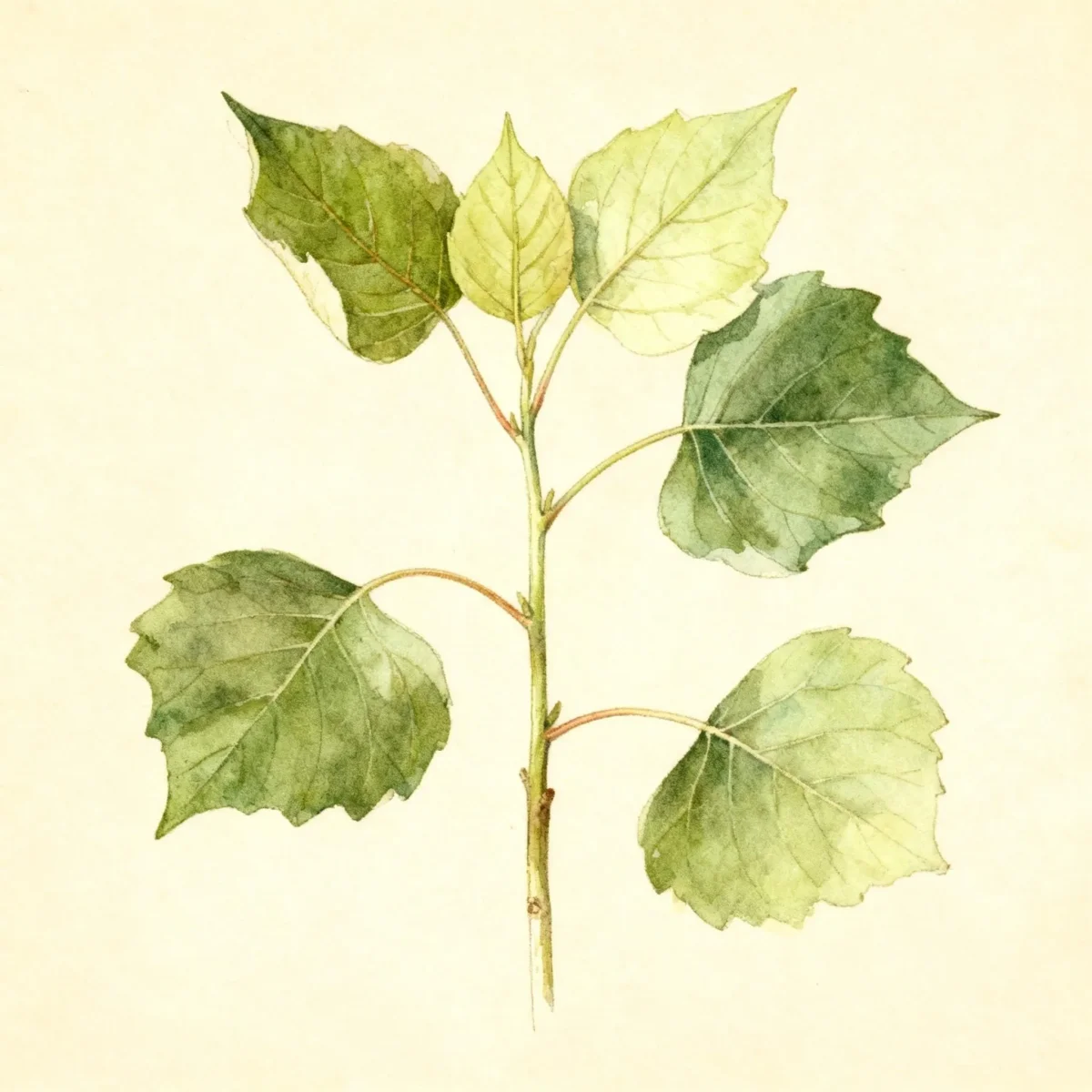
The Eastern cottonwood, scientifically known as Populus deltoides, is a massive, quick-growing deciduous specimen native to the river valleys and lowlands of the eastern and central United States. This tree is instantly recognizable by its large, triangular, coarsely toothed leaves and its rapid vertical growth, making it an excellent choice where immediate height and shade are paramount objectives. While possessing great stature, it is crucial to site this tree appropriately due to its weak wood and vigorous root system.
Populus deltoides establishes an extensive network of roots; however, unlike aspens, it does not produce unwanted sprouts or clones in the surrounding area. Its seasonal display includes early spring flowers before the leaves emerge, followed by the characteristic “cotton” from female seed capsules, which signals its presence throughout the landscape. Gardeners seeking a monumental shade provider suitable for marginal, moist sites should consider the Eastern cottonwood.
Fast Facts
- Plant Family: Salicaceae
- Plant Type: Tree
- Native Range: Eastern and central United States
- Hardiness Zones: USDA Zones 2-9
- Size at Maturity:
- Height: 50-80 ft
- Spread: 35-60 ft
- Bloom Time: March to April
- Bloom Description: Red (male) and green (female)
- Sun Exposure: Full sun
- Water Needs: Medium to wet
- Maintenance Level: Medium
How to Grow
Planting the Populus deltoides is best achieved in early spring or late fall, establishing the tree in full sun. This species thrives in average, medium to wet, well-drained soils, strongly preferring consistently moist conditions, though mature specimens exhibit surprising drought tolerance. Due to its massive mature size, ensure ample spacing away from structures, utility lines, and paved surfaces.
Watering requirements are high when establishing this fast grower; aim for deep, regular watering to support rapid development. Fertilization is rarely required, as the tree aggressively seeks nutrients naturally, especially when planted near water sources. Limit pruning to removing dead or damaged limbs, as the wood is relatively weak, and it generally requires little structural intervention once established.
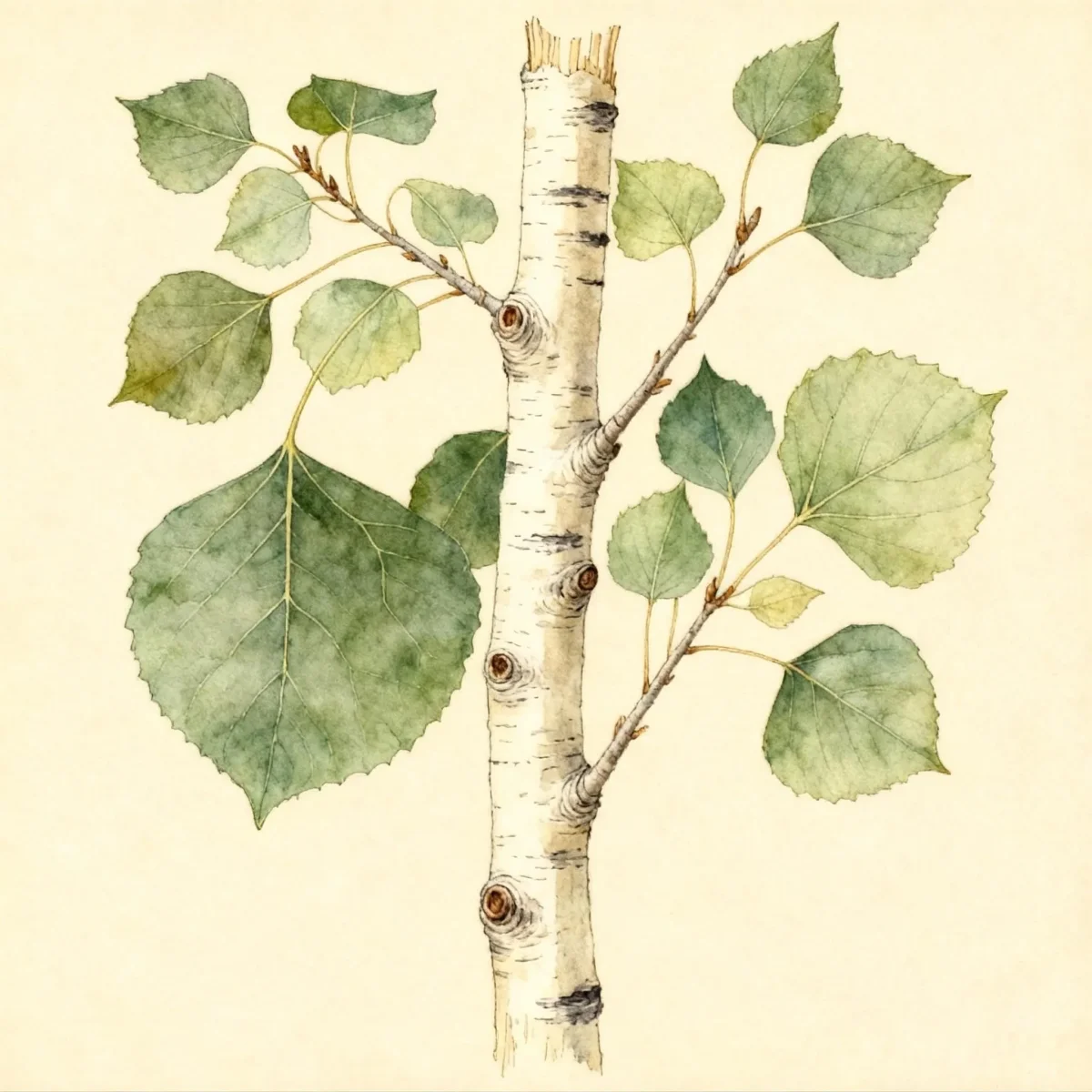
Twigs broken from Populus deltoides that find their way into the soil may successfully root and develop into new trees, indicating its capacity for asexual reproduction via fragments. Gardeners should recognize that while it grows quickly, this speed is coupled with inherent structural weaknesses, demanding careful suburban placement.
Landscape Uses
The primary functional asset of the Eastern cottonwood is its utility as a massive, rapid shade tree, particularly suited for rural settings, open parks, or along stream banks where high water tables are common. While it excels as a shade architect, it is generally considered a poor selection for confined urban landscapes due to its messy mature seed dispersal and aggressive, potentially damaging root system that can impact sidewalks and sewer lines.
For gardeners needing robust coverage in low-lying areas where other large trees struggle, the Populus deltoides is an effective solution. Consider planting male-only cultivars if the seed fluff is a concern, as these provide similar benefits without the subsequent cleanup burden. It pairs well with other water-loving, large understory trees or large shrubs in naturalized rain garden or riparian buffer designs.
Standout Features
Flower Qualities
- Insignificant
Noteworthy Characteristics
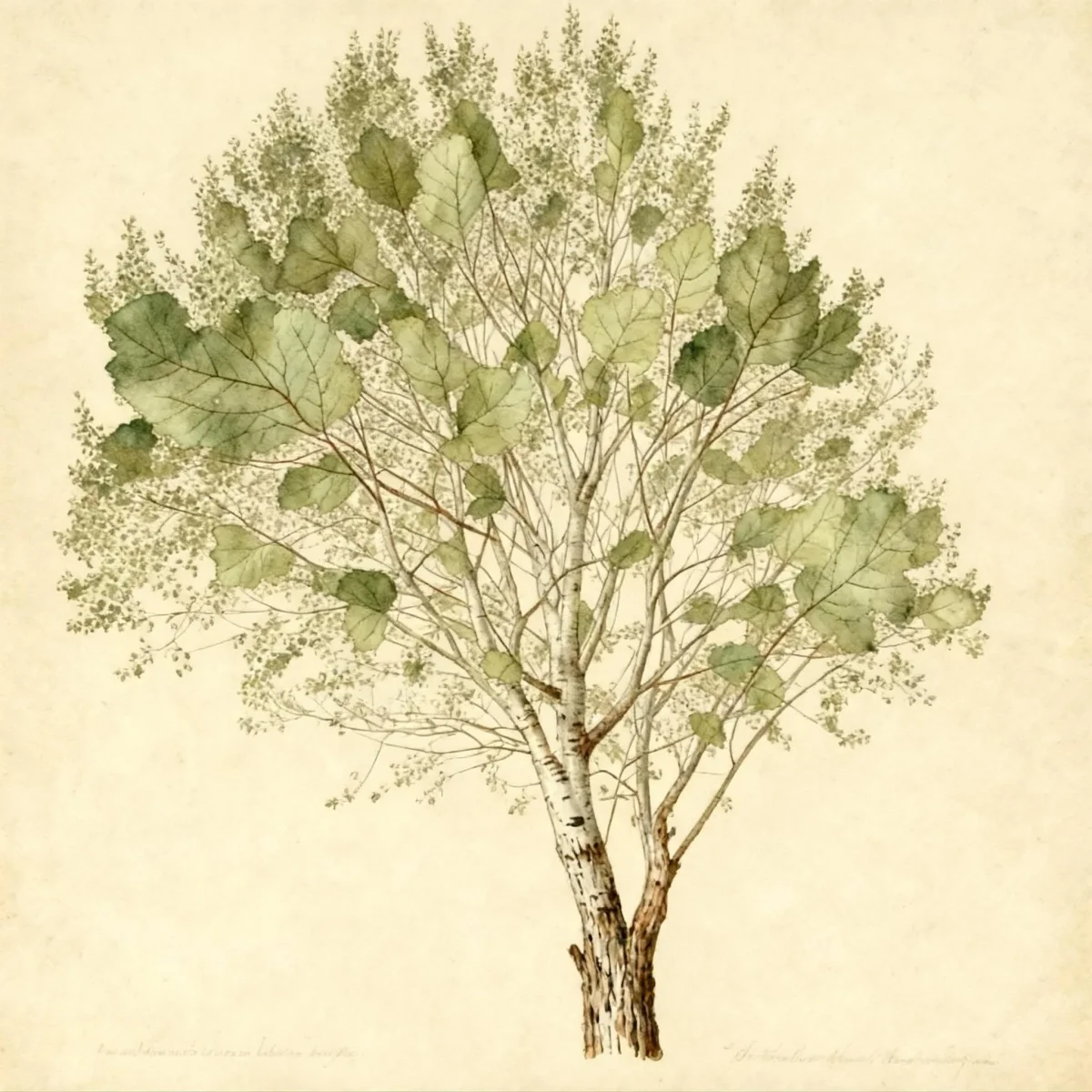
Populus deltoides, commonly called eastern cottonwood, is a large, fast-growing, deciduous tree that typically grows 50-80’ (less frequently to 120’) tall with a broad, open-rounded shaped habit. Yellowish twigs, coarsely toothed leaves and gummy end buds distinguish this from the other poplars. Its leaves turn a clear yellow in the fall after the female flowers release their cottony seeds in late spring.
Tolerances
- Drought
- Air Pollution
Potential Problems
The Eastern cottonwood is susceptible to a wide range of aesthetic and health issues requiring vigilance. Common ailments include dieback, various cankers, leaf spots, rusts, and powdery mildew, often exacerbated by high humidity or stagnant air. Management should focus on ensuring excellent air circulation during planting to mitigate fungal pressures.
Insect pests frequently target this species, including borers, aphids, caterpillars, and scale insects. Regular scouting, especially during the growing season, allows for timely intervention using appropriate horticultural oils or insecticides if infestation levels threaten tree vigor. Choosing sterile, all-male cultivars can also reduce seasonal mess associated with seed drop.
Frequently Asked Questions
What hardiness zones is Eastern cottonwood suitable for?
The Eastern cottonwood (Populus deltoides) is remarkably hardy, thriving in USDA Zones 2 through 9.
How large does Eastern cottonwood grow?
At maturity, this tree typically reaches a height between 50 and 80 feet, with a spread ranging from 35 to 60 feet.
What sun exposure does Eastern cottonwood need?
This species performs best and achieves its fastest growth when planted in full sun conditions.
When does Eastern cottonwood bloom?
Flowering occurs relatively early in the season, generally between March and April, with male trees displaying red flowers and female trees showing green flowers.
Conclusion
The Populus deltoides offers unmatched speed in achieving significant height and providing deep shade, especially in challenging moist or drought-prone rural sites. While requiring management regarding its messy seed production and weak wood, its adaptability across USDA Zones 2 to 9 makes the Eastern cottonwood a powerful natural landscape element. Before planting, confirm sufficient space is available for its expansive mature crown and root system.
Companion Planting
When establishing Populus deltoides in buffer zones or large rural plantings, consider companion species that appreciate similar, high-moisture soil conditions. Pairing it with other large, moisture-loving canopy trees can create a robust riparian forest feel. Alternatively, utilizing wetland-tolerant shrubs underneath can help stabilize soil without competing aggressively for surface resources once the cottonwood is established.
Propagation Tips
Propagation of Populus deltoides is straightforward, often relying on the tree’s inherent vigor. While seeds are abundant and easily dispersed by wind (hence the cotton), successful germination depends on prompt sowing when conditions are ideal. A highly reliable method involves taking hardwood cuttings from dormant twigs; these should be buried or planted shallowly in moist soil, as the resulting twigs have a strong tendency to root quickly and produce a new, vigorous tree.