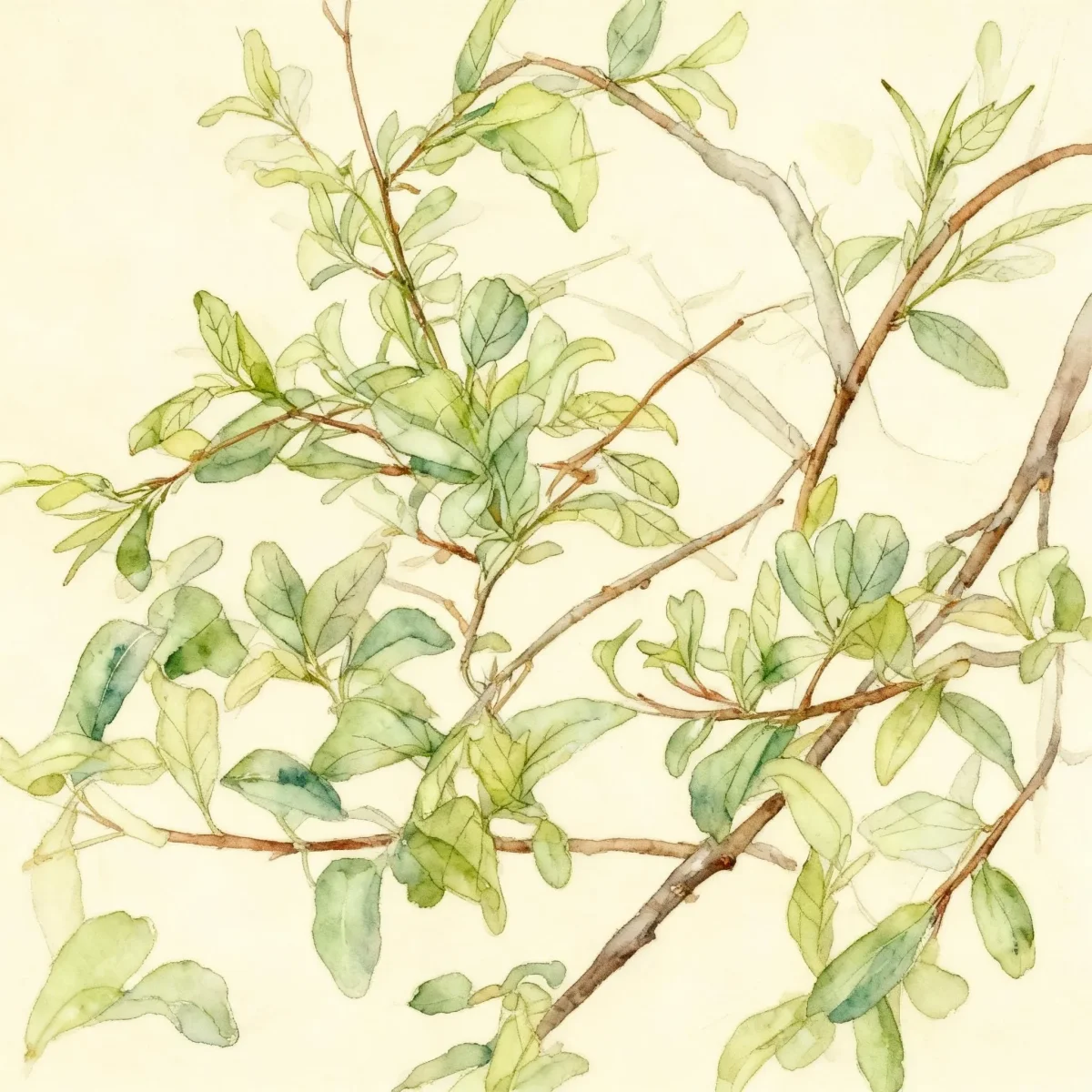
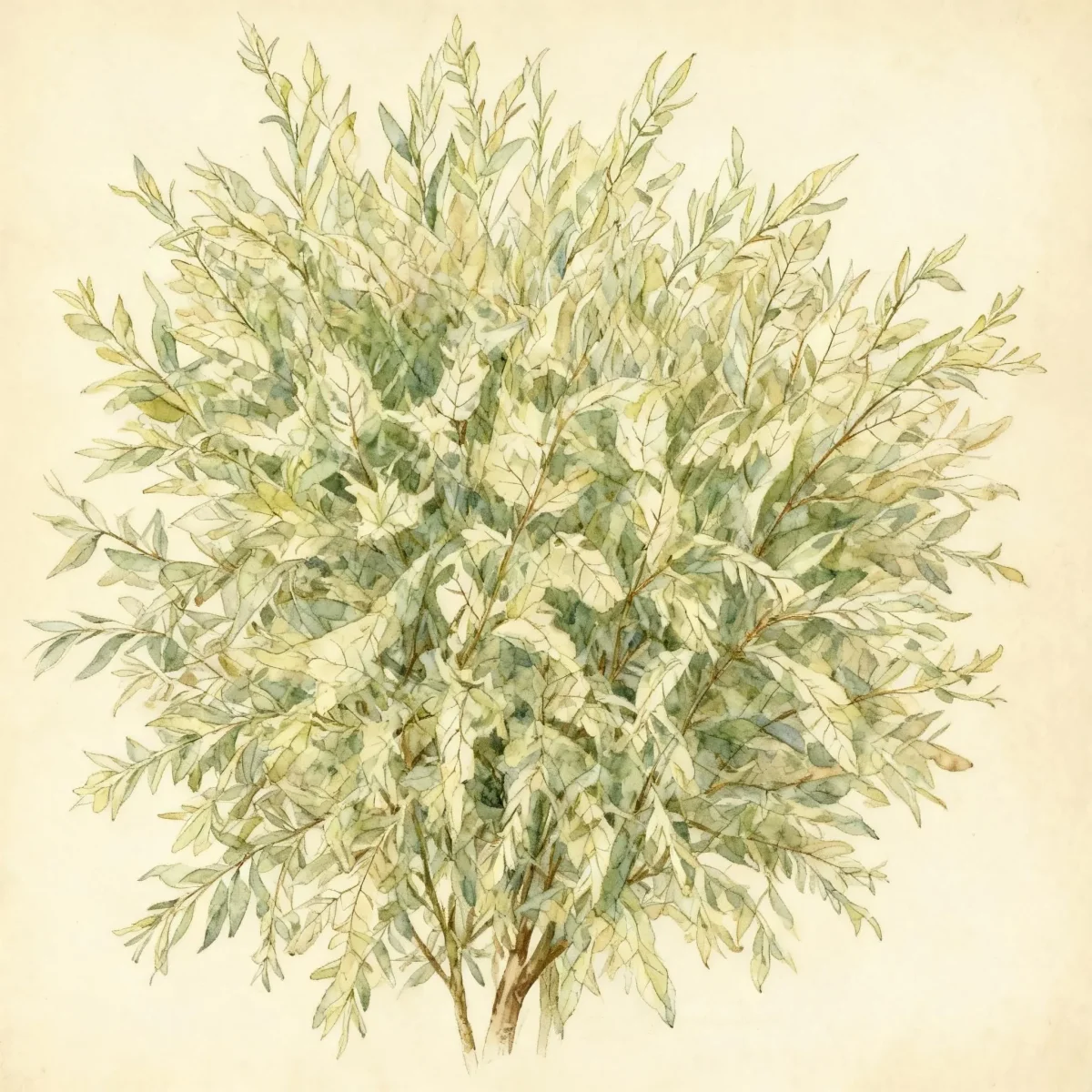
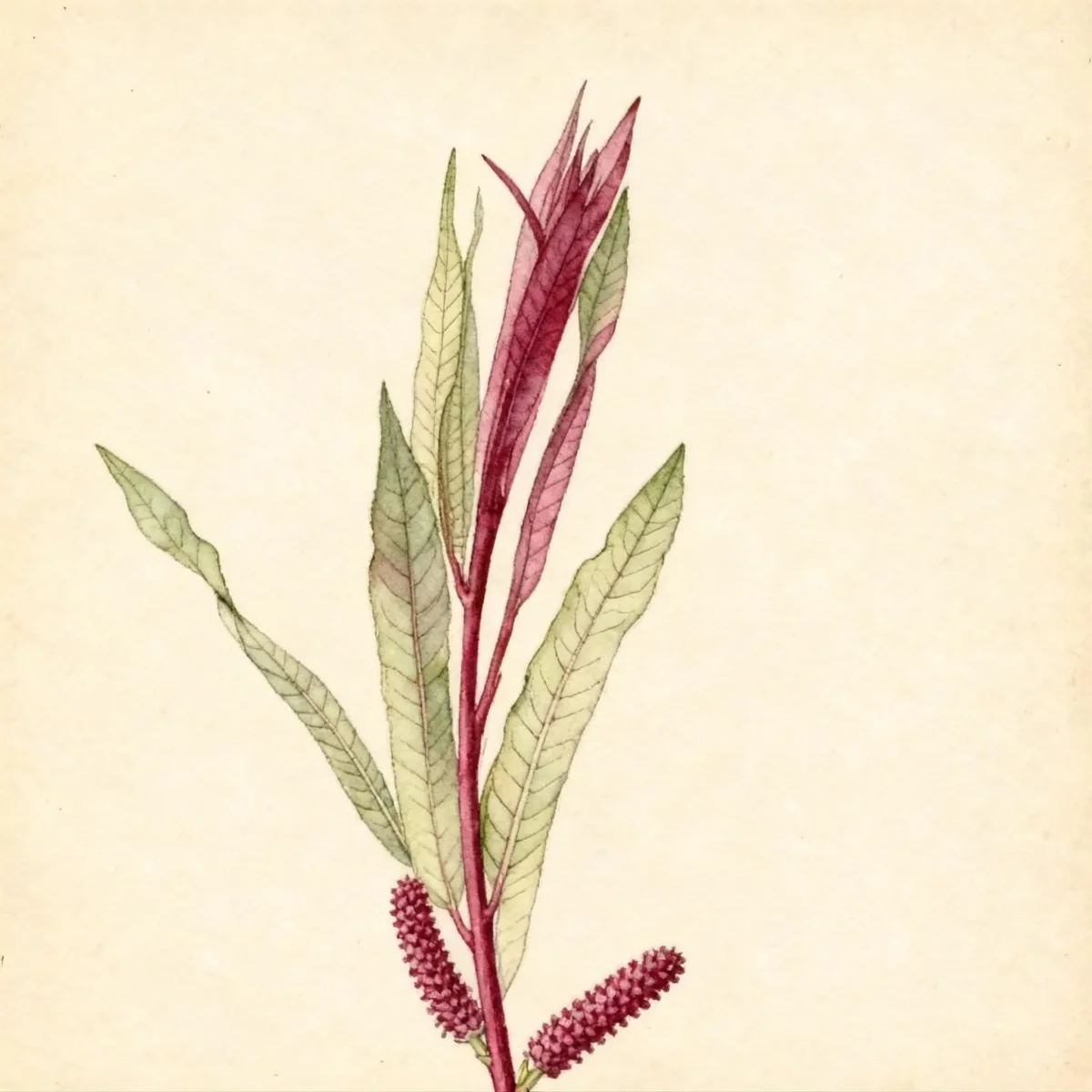
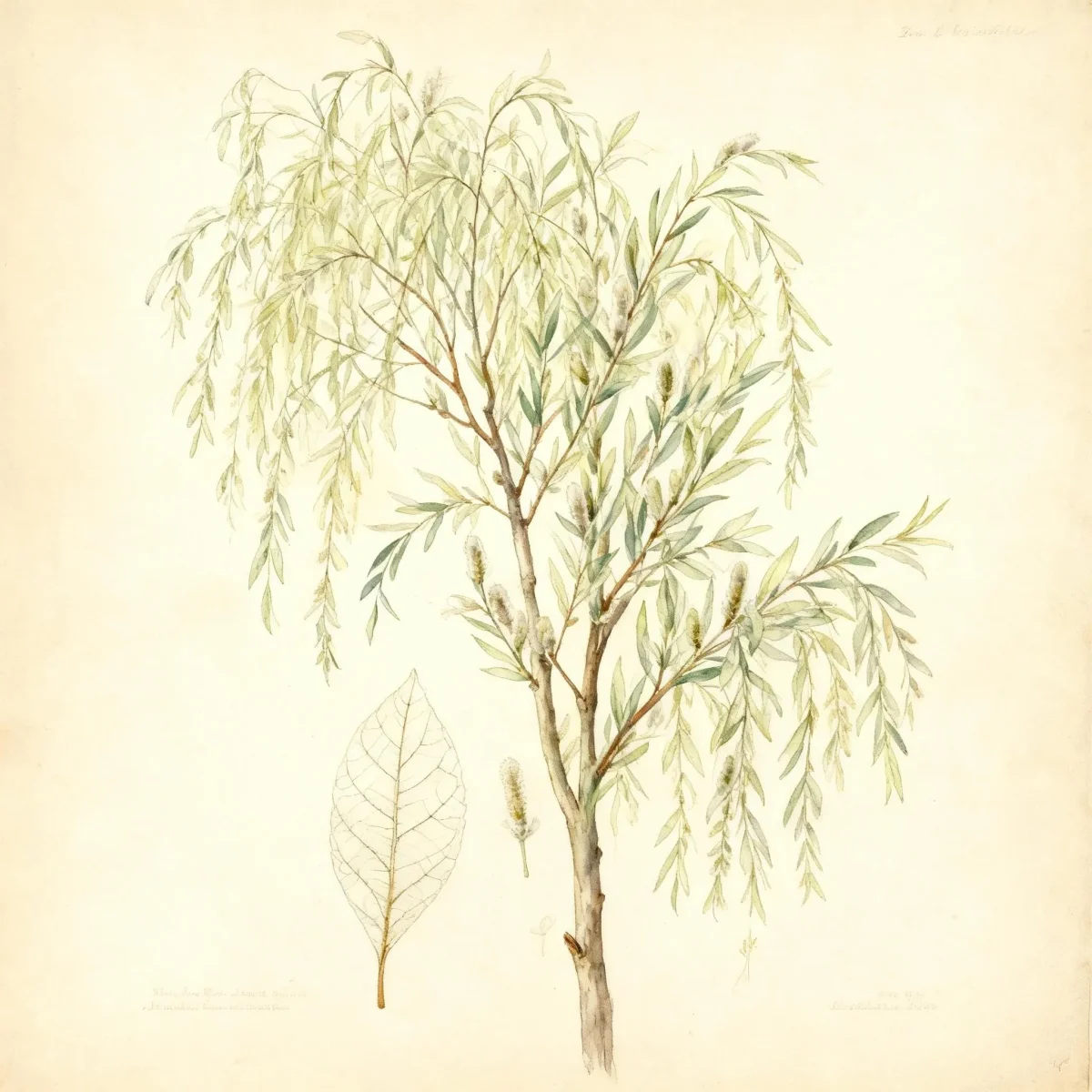
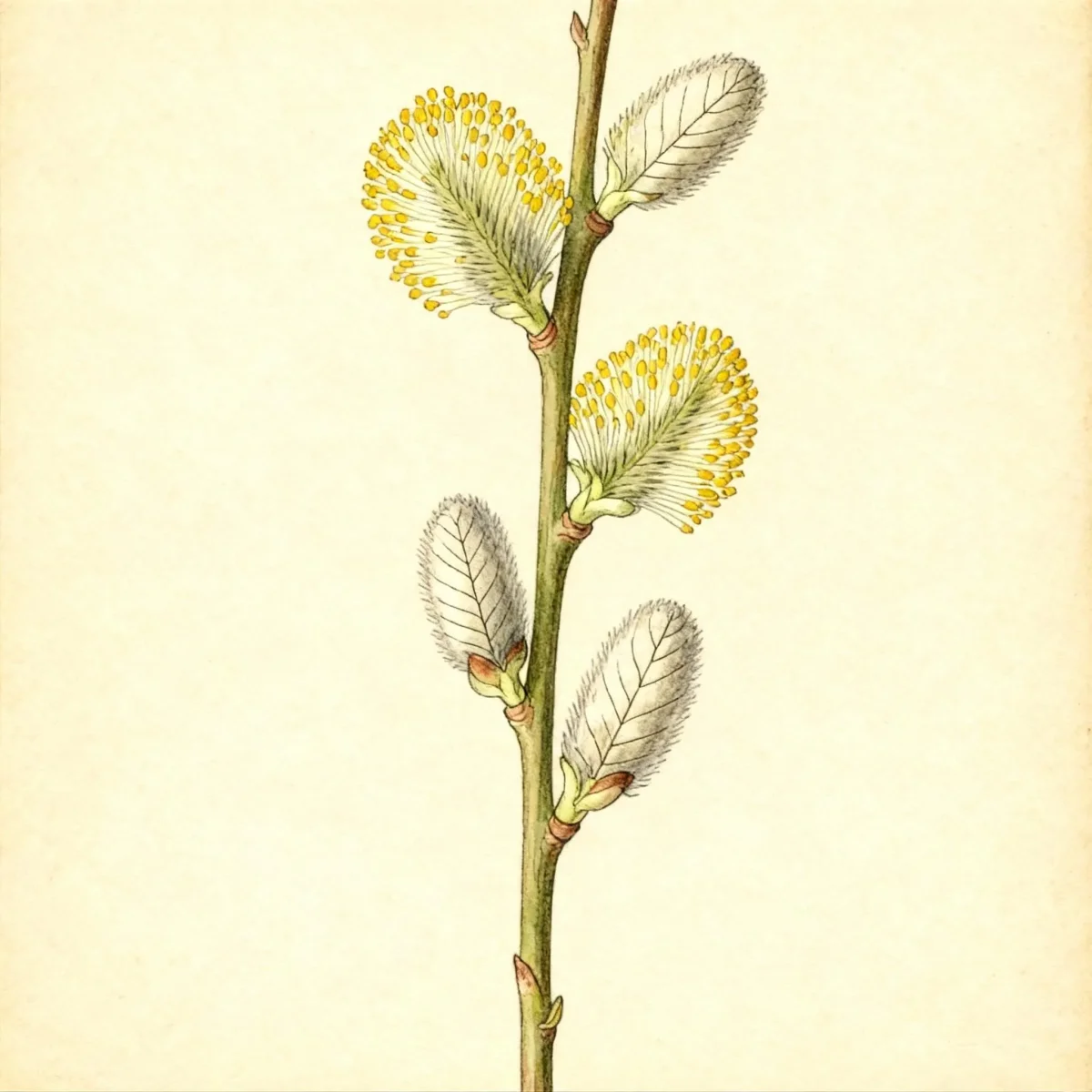
Pussy willow (Salix discolor)
The Pussy willow (Salix discolor) offers stunning, fuzzy catkins in early spring. This low-maintenance shrub thrives in wet soils.

Bloom Boldly, No Matter the Season - Sweatshirt
Cozy organic cotton sweatshirt featuring our exclusive Purple Coneflower design. Perfect for gardeners who bloom year-round.
Inspired by the beautiful Pussy willow
Limited first batch (50) — join the waitlist for early access
Waitlist closes Feb 15, 2026.
Complete Plant Information
Field Guide Continues
Ready for care notes, companion picks, and planting tips?
The map is just the start. The full guide below covers growth habits, seasonal performance, and landscape uses.
Overview
The Pussy willow, Salix discolor, is highly valued for its showy, silvery-gray catkins that appear along stiff branches in late winter, signaling the return of spring well before leaf-out. This native North American shrub provides essential early-season interest when few other plants are active. Salix discolor naturally forms a large, multi-stemmed structure adaptable to various moist landscapes.
Beyond its signature bloom, the Pussy willow is a surprisingly robust plant, tolerating challenging site conditions such as wet soil and deer pressure. Its medium size allows it to function beautifully as a screen, a focal point, or integrated into wetland restoration projects. Gardeners should prioritize male specimens to ensure the finest display of ornamental catkins.
Selecting Salix discolor is an excellent choice for low-maintenance gardeners seeking robust screening or solutions for perpetually damp areas. Its rapid growth and tolerance for heavy pruning make it versatile for hedges or shaping, cementing its status as a functional and attractive native landscape staple.
Fast Facts
- Plant Family: Salicaceae
- Plant Type: Deciduous shrub
- Native Range: North America
- Hardiness Zones: USDA Zones 4-8
- Size at Maturity:
- Height: 6-15 ft
- Spread: 4-12 ft
- Bloom Time: March to April
- Bloom Description: Yellow stamens/greenish styles
- Sun Exposure: Full sun to part shade
- Water Needs: Medium to wet
- Maintenance Level: Low
How to Grow
Plant Pussy willow in average, medium to wet, well-drained soils. While it prefers full sun for the best growth and flowering, it can tolerate partial shade conditions. Be aware that Salix discolor is intolerant of dry soils; it thrives where moisture is plentiful, making it ideal for rain gardens or near ponds.
Water newly planted shrubs regularly to establish a healthy root system. Once established, their natural preference for moist conditions means they usually require supplemental water only during prolonged drought, as they tolerate wet soil well. This species requires minimal fertility management.
Pruning is crucial for maintaining optimal ornamental appeal. Prune as needed in late winter or early spring before new leaves emerge to encourage better stem structure and catkin display. For size control, the entire shrub can be aggressively cut back to the ground every 3 to 5 years to rejuvenate the shape and promote abundant new, catkin-bearing stems.
Landscape Uses
The versatility of the Pussy willow makes it a valuable asset in habitat and structural plantings. Male plants are specifically sought after for their early, showy catkins, which are perfect for cutting in the spring for indoor arrangements; these stems also dry well for crafting. Used as a hedge, this species responds well to regular shearing, providing quick coverage along property lines or screening utility areas.
Integrate Salix discolor into designed low spots or rain gardens, leveraging its high tolerance for wet soil where many other shrubs would decline. Along streams or ponds, its strong root system helps stabilize banks, fulfilling its role as an Erosion control plant. For aesthetic contrast, pair established willows with later-blooming, high-color perennials that appreciate similar moisture levels.
When growing this plant ornamentally, ensuring you select a male cultivar guarantees the decorative late-winter catkins are present each year. Even in average garden soils—provided moisture is maintained—this Salix discolor will perform admirably, delivering early wildlife food and landscape structure.
Standout Features
Flower Qualities
- Showy
- Good Cut
- Good Dried
Noteworthy Characteristics
Salix discolor is native across much of North America, typically inhabiting moist meadows and stream banks within its range. As a dioecious species, it features male trees displaying showy, pearl-gray catkins in late winter, while females produce less conspicuous greenish catkins. The leaves are medium green above and paler beneath, contributing to its common name, American glaucous willow.
Tolerances
- Deer
- Erosion
- Wet Soil
- Black Walnut
Potential Problems
Salix discolor is susceptible to various aesthetic troubles, including blights, leaf spots, and powdery mildew, although these rarely threaten the plant’s survival. It is also prone to insect infestations like aphids and scale. The wood itself can be brittle, leading to breakage from heavy ice or snow accumulation.
Management often focuses on cultural practices. Ensure good air circulation by pruning for density, which helps mitigate fungal diseases like mildew. Because the wood is weak, planting in locations sheltered from high winds or heavy ice loads can reduce branch damage.
A significant consideration for placement is the shallow, vigorous root system, which can aggressively seek out and clog sewer lines or drains if planted too close to structures. Falling leaves, twigs, and branches contribute to seasonal litter management needs.
Frequently Asked Questions
What hardiness zones is Pussy willow suitable for?
Salix discolor is ruggedly hardy and suitable for USDA Zones 4 through 8.
How large does Pussy willow grow?
This deciduous shrub typically matures to a height between 6 and 15 feet, with a spread ranging from 4 to 12 feet wide. Aggressive pruning can keep it significantly smaller.
When does Pussy willow bloom?
The famous fuzzy catkins appear quite early, generally between March and April, preceding the appearance of the true foliage.
What sun exposure does Salix discolor need?
For optimal flowering and growth, this shrub prefers full sun, though it can tolerate part shade conditions.
Conclusion
The Pussy willow (Salix discolor) is an indispensable early-season plant, celebrated for its unique, fuzzy catkins and its strength in wet environments. Its low maintenance level and willingness to tolerate diverse soil conditions, including heavy moisture, make it a practical choice for many landscape challenges. Check your regional hardiness zone compatibility before planting this valuable native shrub this late winter or early spring.
Companion Planting for Moist Sites
When siting Salix discolor, consider pairing it with other moisture-loving natives that share its structural requirements but bloom at different times. Dogwood shrubs (Cornus sericea), particularly red-twig varieties, offer fantastic winter color that complements the bare branches of the willow before its bloom. Additionally, planting moisture-loving ferns or moisture-tolerant astilbes near the base can help shade the shallow roots and add textural contrast during the summer months.
Wildlife Benefits of Salix discolor
As one of the earliest woody plants to bloom, the Pussy willow provides vital nectar and pollen for emerging queen and bumblebees when few other sources are available. This early food source is critical for colony establishment in the spring. Furthermore, the dense, multi-stemmed habit offers excellent protective cover and nesting structure for small birds throughout the year, making it a strong foundational piece for wildlife gardens.