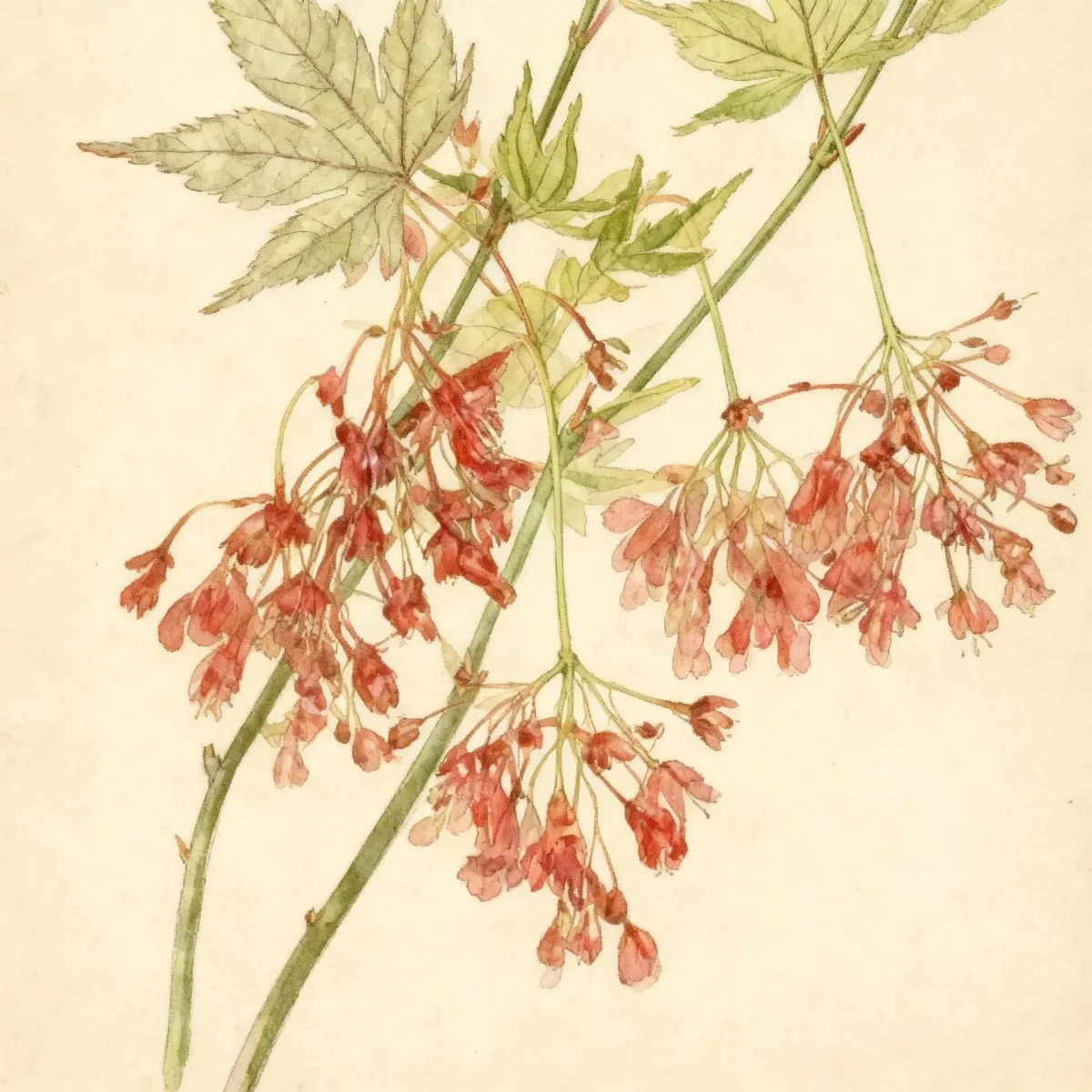
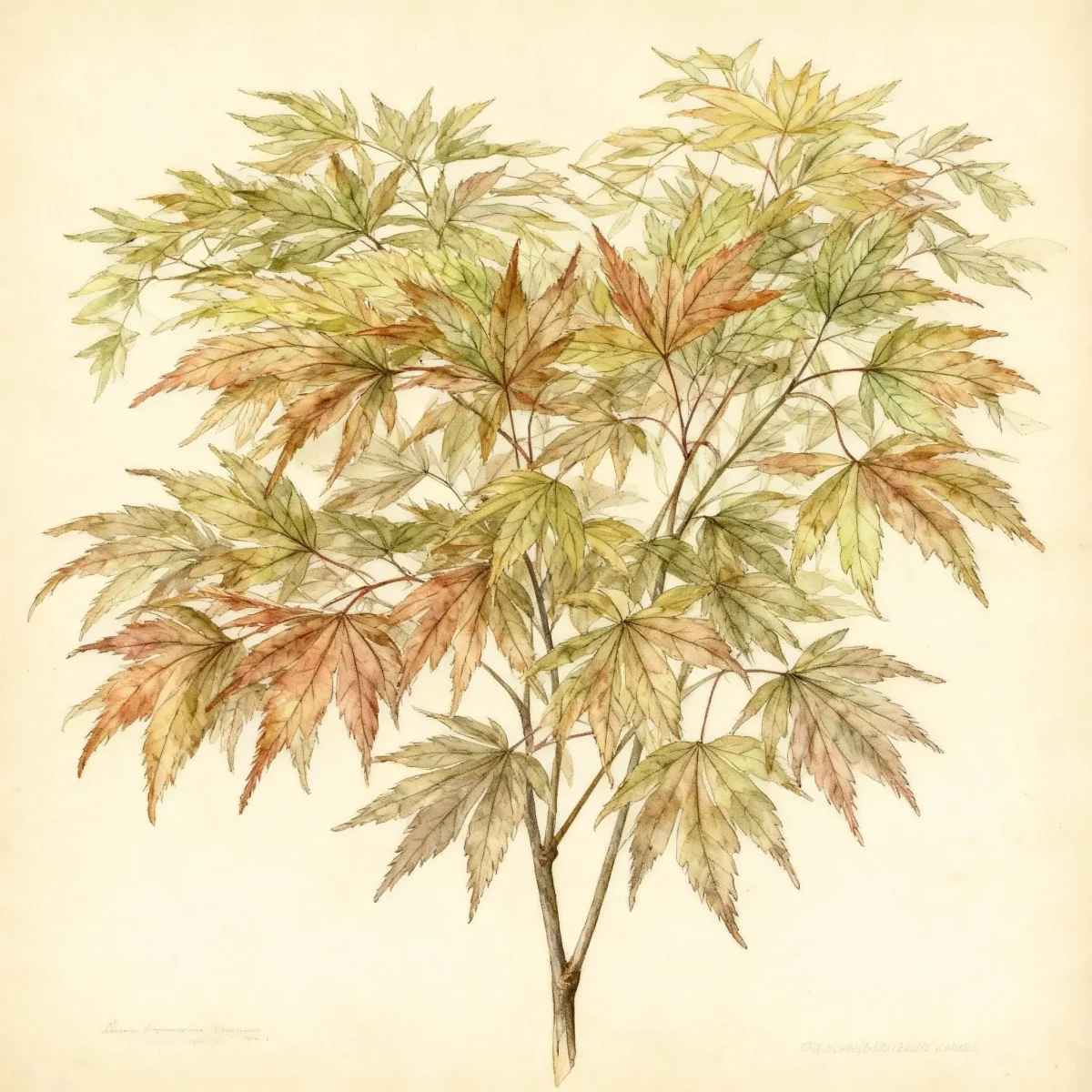
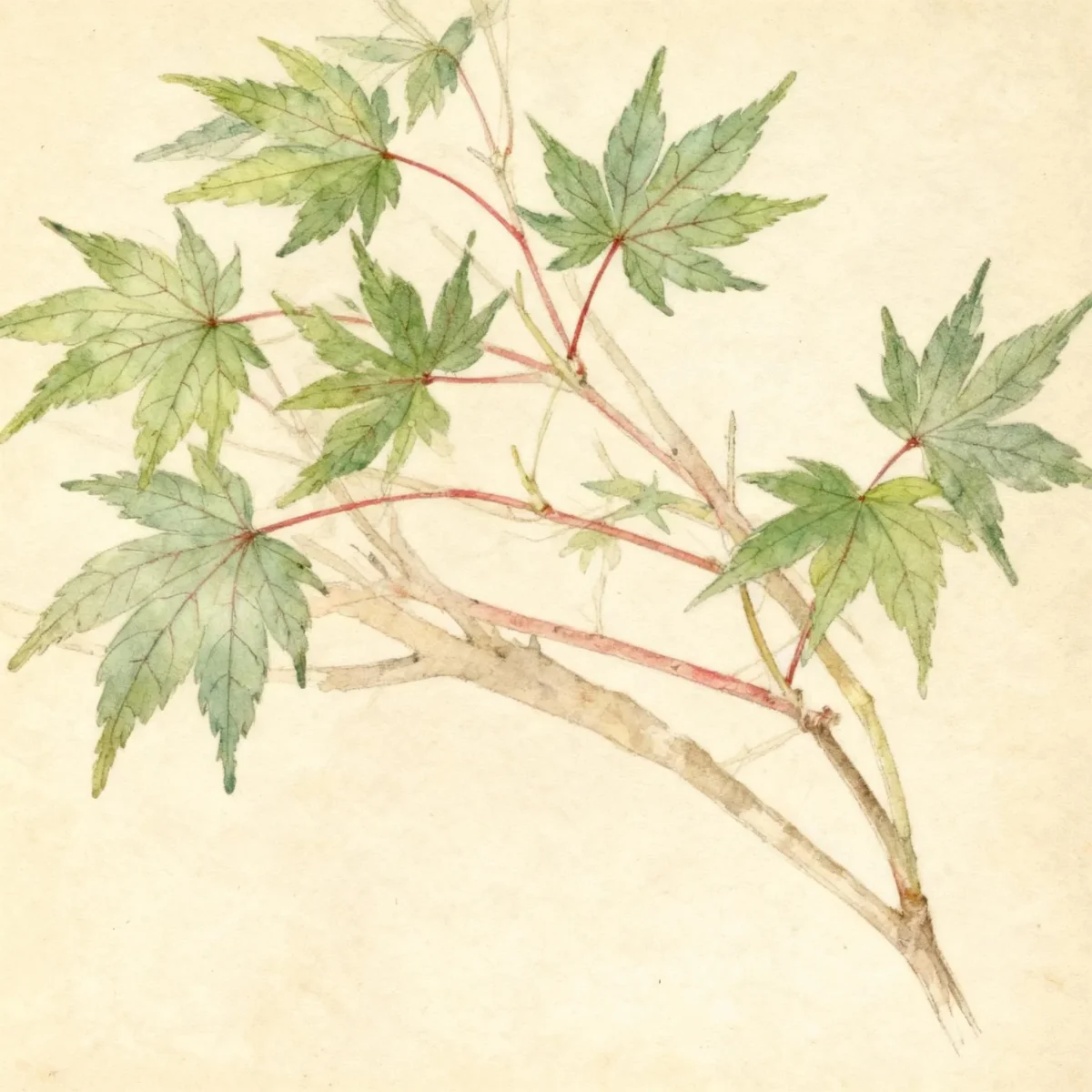
Longan (Dimocarpus longan)
The tropical Longan tree (Dimocarpus longan) yields edible fruit and thrives in Zones 10-12, requiring low maintenance.

Bloom Boldly, No Matter the Season - Sweatshirt
Cozy organic cotton sweatshirt featuring our exclusive Purple Coneflower design. Perfect for gardeners who bloom year-round.
Inspired by the beautiful Longan
Limited first batch (50) — join the waitlist for early access
Waitlist closes Feb 15, 2026.
Complete Plant Information
Field Guide Continues
Ready for care notes, companion picks, and planting tips?
The map is just the start. The full guide below covers growth habits, seasonal performance, and landscape uses.
Overview
The Longan, scientifically known as Dimocarpus longan, is a celebrated evergreen tree valued globally for its unique, sweet, edible fruit. This ornamental specimen anchors tropical landscapes with its height, often reaching 30 to 40 feet, and features attractive glossy foliage year-round. Gardeners in warm regions appreciate the Dimocarpus longan for its relatively low maintenance once established in an ideal subtropical setting.
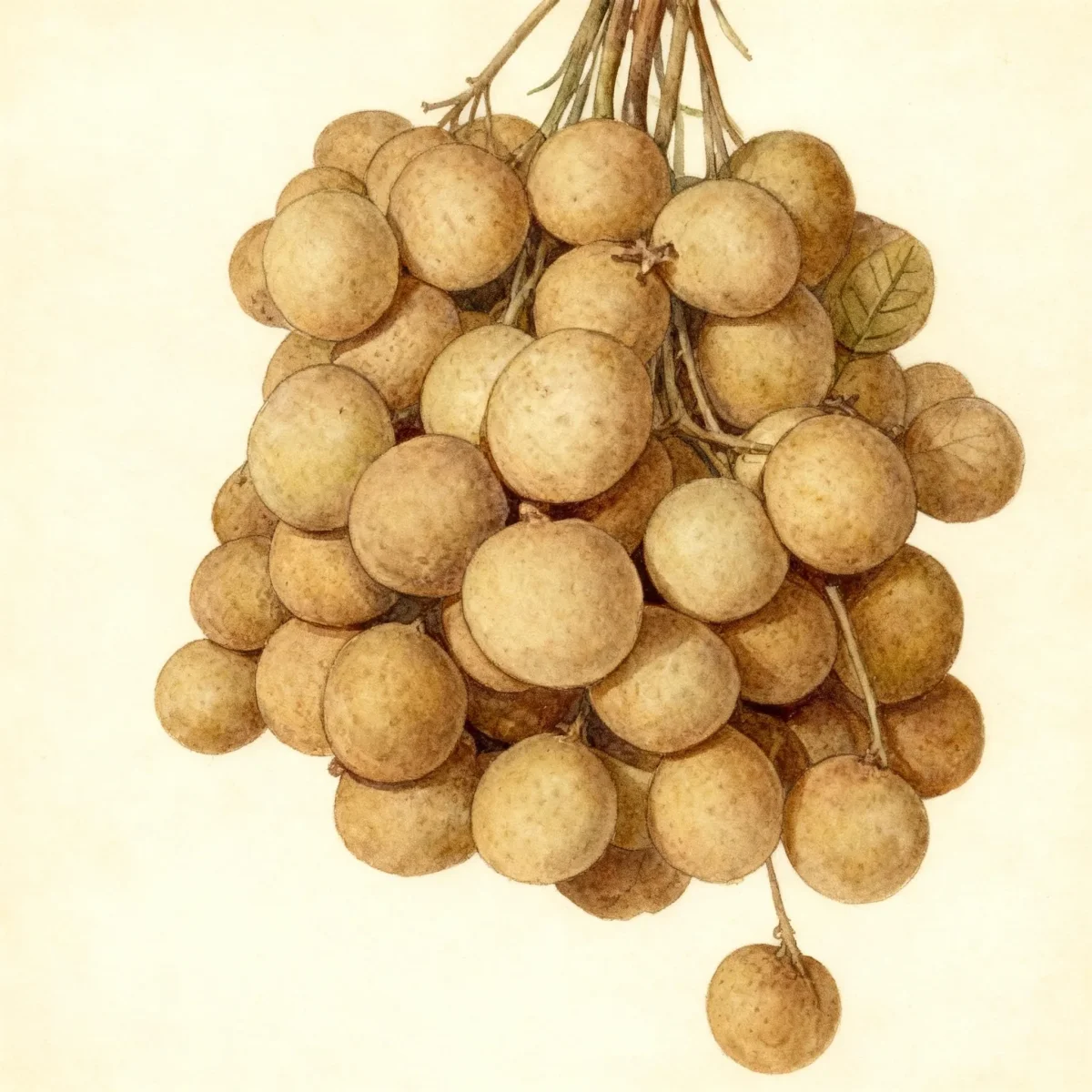
Native to Southeastern Asia, this tree is famous for the spherical, grape-sized fruits clustered in pendant sprays that ripen during the summer and early fall. The fruit’s translucent flesh and single black seed earned it the evocative common name, “dragon’s eye.” While treasured for fruit production, the Longan also serves well as a substantial shade provider due to its wide, spreading canopy.
Cultivating the Longan successfully requires understanding its need for distinct seasonal changes: warm, humid summers and relatively cool, dry winters. Successful propagation is achievable through methods like air layering or grafting, ensuring quality fruit production sooner than seed-grown stock.
Fast Facts
- Plant Family: Sapindaceae
- Plant Type: Tree
- Native Range: Southeastern Asia
- Hardiness Zones: USDA Zones 10-12
- Size at Maturity:
- Height: 30-40 ft
- Spread: 35-45 ft
- Bloom Time: April
- Bloom Description: Pale yellow to white
- Sun Exposure: Full sun to part shade
- Water Needs: Medium
- Maintenance Level: Low
How to Grow
Planting your Dimocarpus longan should occur when dormancy is less likely, typically in late spring, ensuring protection from strong winds. This tree thrives in rich, moist, acidic, fertile, and well-drained sandy loams. Full sun conditions encourage the best fruit set, though the tree tolerates partial shade.
Watering requirements are medium; while established trees are somewhat resilient, the Longan is intolerant of drought. Consistent moisture during the growing season is crucial for developing quality fruit clusters. Fertilization should follow a schedule tailored for fruit-bearing tropical trees, usually involving balanced nutrients, especially potash, during vegetative growth periods.
Maintenance is generally low, but pruning may be necessary to shape the tree, maintain a manageable size, and improve air circulation within the canopy. Because the Dimocarpus longan tolerates only light frost, gardeners in marginal areas must provide winter protection. Temperatures below 26 degrees F are fatal, emphasizing the need for its presence in subtropical zones like South Florida or Southern California.
Landscape Uses
Grown primarily for fruit, the Longan tree integrates beautifully into edible landscapes or tropical garden designs. Mature specimens offer excellent shade, making them suitable anchors for patios or open lawn areas where their spreading height (up to 45 feet) can be accommodated. The glossy, evergreen foliage provides consistent visual interest throughout the year, contrasting nicely with lower-growing, colorful subtropical shrubs.
For ornamental impact, consider pairing the Longan near structures where its summer fruit display can be appreciated without worrying about constant fruit drop onto paved areas. While excellent as a standalone specimen, ensure enough space is allocated, as mature specimens are broad. Its subtropical characteristics make it an ideal companion for other fruit trees that enjoy similar warm, humid conditions.
Standout Features
Flower Qualities
- Showy
Fruit Qualities
- Showy
- Edible
Noteworthy Characteristics
Dimocarpus longan, commonly called dragon’s eye or longan, is an evergreen monoecious tree that is native to Southeast Asia. It typically matures to 30-40’ tall with spreading branches, and it is commonly grown for its edible fruit in tropical/subtropical areas around the globe, particularly in China, India, Southeast Asia, and Australia. Glossy, evergreen, leathery, wavy-edged, pinnate compound leaves adorn the canopy, and the small flowers yield spherical, sweet, and juicy, grape-sized fruits that ripen in summer to early fall.
Tolerances
Potential Problems
The Longan tree generally experiences no serious insect or disease problems, which contributes to its low maintenance rating. Vigilance against common tropical pests like scale or mealybugs is still advised, especially on young or stressed trees. Ensuring excellent drainage prevents root rot, which is a more common issue than specific pervasive diseases in well-managed subtropical groves.
Frequently Asked Questions
What hardiness zones is Longan suitable for?
The Longan tree, or Dimocarpus longan, is hardy and survives best in USDA Zones 10 through 12.
How large does Longan grow?
When mature, the Longan tree typically reaches a height between 30 and 40 feet, with a spread ranging from 35 to 45 feet wide.
What sun exposure does Longan need?
This fruit tree prefers full sun but is adaptable enough to tolerate areas receiving part shade in the landscape.
When does Longan bloom?
Dimocarpus longan produces its pale yellow to white flowers quite early in the season, usually during April.
Conclusion
The Longan tree offers subtropical gardeners the dual benefit of attractive evergreen foliage and delicious, marketable fruit, all provided by a low-maintenance specimen. Integrating Dimocarpus longan into your landscape in appropriate warm zones ensures a rewarding harvest experience. Before planting, verify your local USDA hardiness zone aligns with its requirements for winter protection.
Companion Planting
When selecting companions for your Longan tree, prioritize other subtropical species that share similar cultural needs concerning watering and soil acidity. Plants that enjoy rich, moist, well-drained soil but cannot tolerate standing water will make excellent neighbors. Think about pairing the Dimocarpus longan with smaller, acid-loving tropical fruits that appreciate the dappled light provided by the mature canopy, such as certain varieties of passion fruit grown on supports nearby.
Avoid low-growing ground covers that might compete aggressively for surface moisture, as Longan is intolerant of drought. Instead, focus on companions that thrive in humidity and warmth, which complements the tree’s native environment in Southeastern Asia. Selecting plants with varied textures can heighten the visual appeal around the base of the large tree structure.
Propagation Tips
While Dimocarpus longan can be grown from seed, this method often results in variability in fruit quality and requires many years before maturity. For serious growers seeking predictable, high-quality fruit similar to the parent tree, propagation via grafting is highly recommended. Grafting allows gardeners to utilize rootstock adapted to local soil conditions while ensuring the scion wood carries desirable fruit characteristics.
Air layering presents another viable method for creating exact clones of a desirable Longan tree, often resulting in a plant ready for transplant sooner than seed germination. These established saplings provide a significant head start, allowing gardeners to focus immediately on managing the tree’s cultural needs, especially proper winter protection in cooler Zone 10 edges.