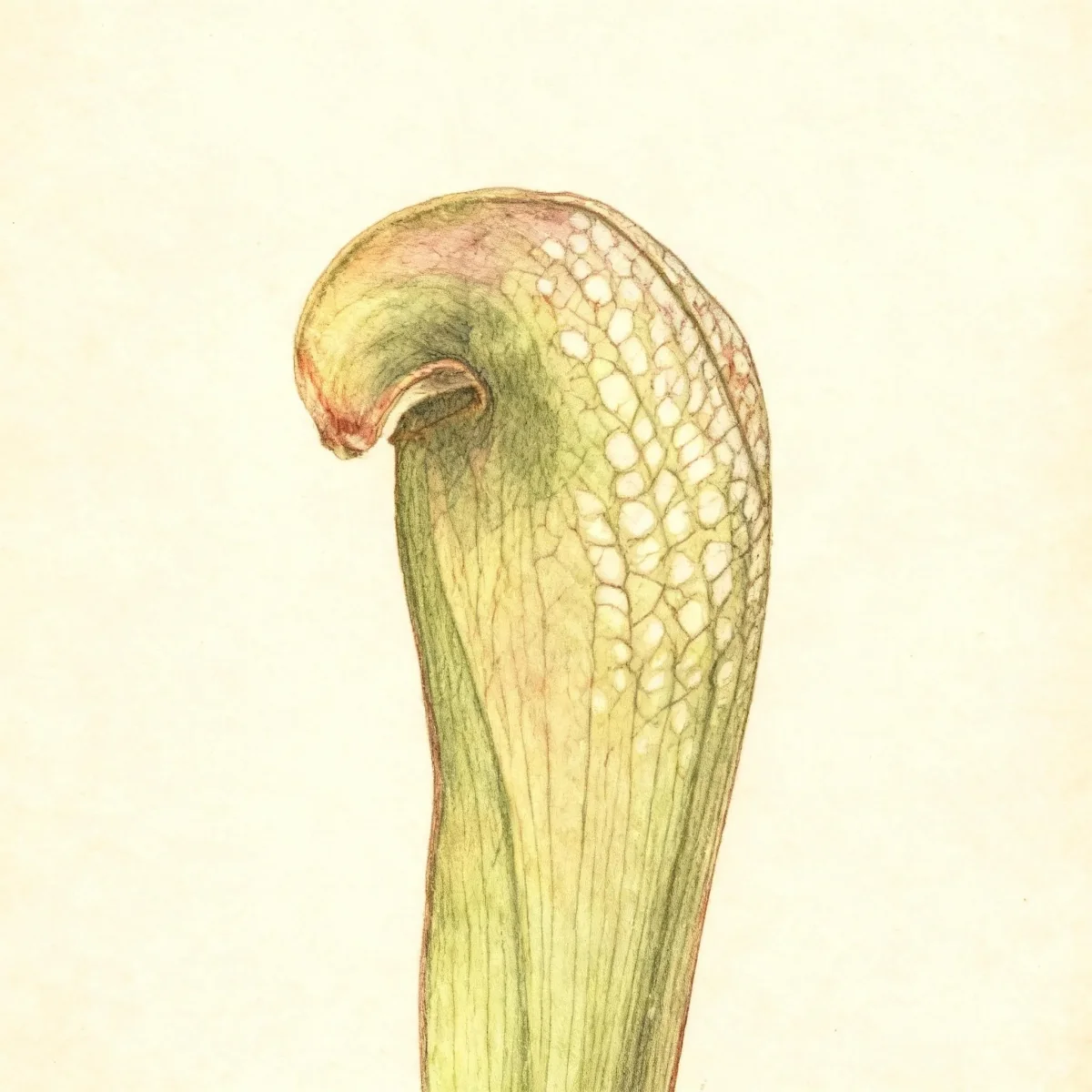
White trumpet pitcher plant (Sarracenia leucophylla)
The White trumpet pitcher plant (Sarracenia leucophylla) is a carnivorous perennial known for its bright white-topped pitchers. Requires high maintenance and full sun in bog gardens.
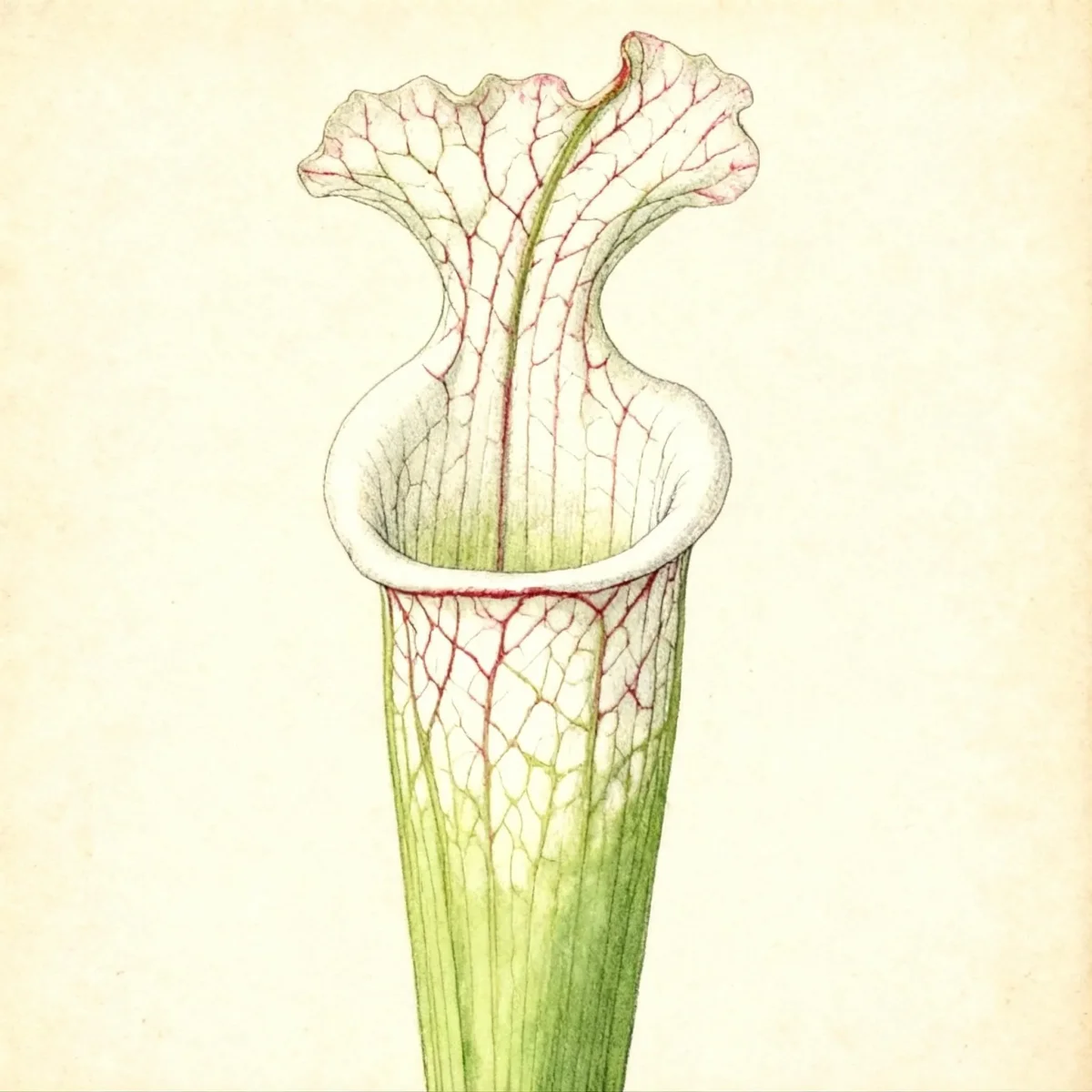

Bloom Boldly, No Matter the Season - Sweatshirt
Cozy organic cotton sweatshirt featuring our exclusive Purple Coneflower design. Perfect for gardeners who bloom year-round.
Inspired by the beautiful White trumpet pitcher plant
Limited first batch (50) — join the waitlist for early access
Waitlist closes Feb 15, 2026.
Complete Plant Information
Field Guide Continues
Ready for care notes, companion picks, and planting tips?
The map is just the start. The full guide below covers growth habits, seasonal performance, and landscape uses.
Overview
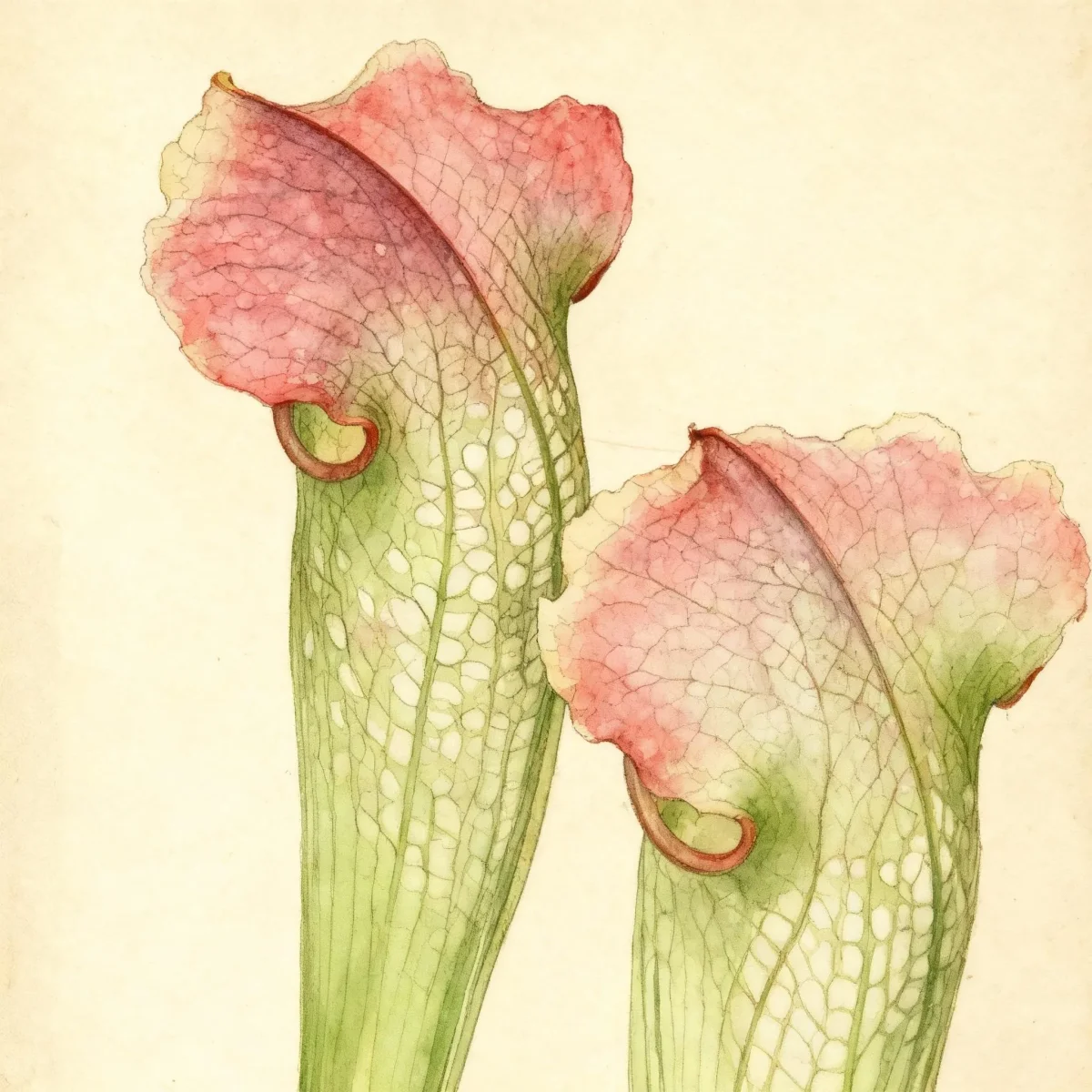
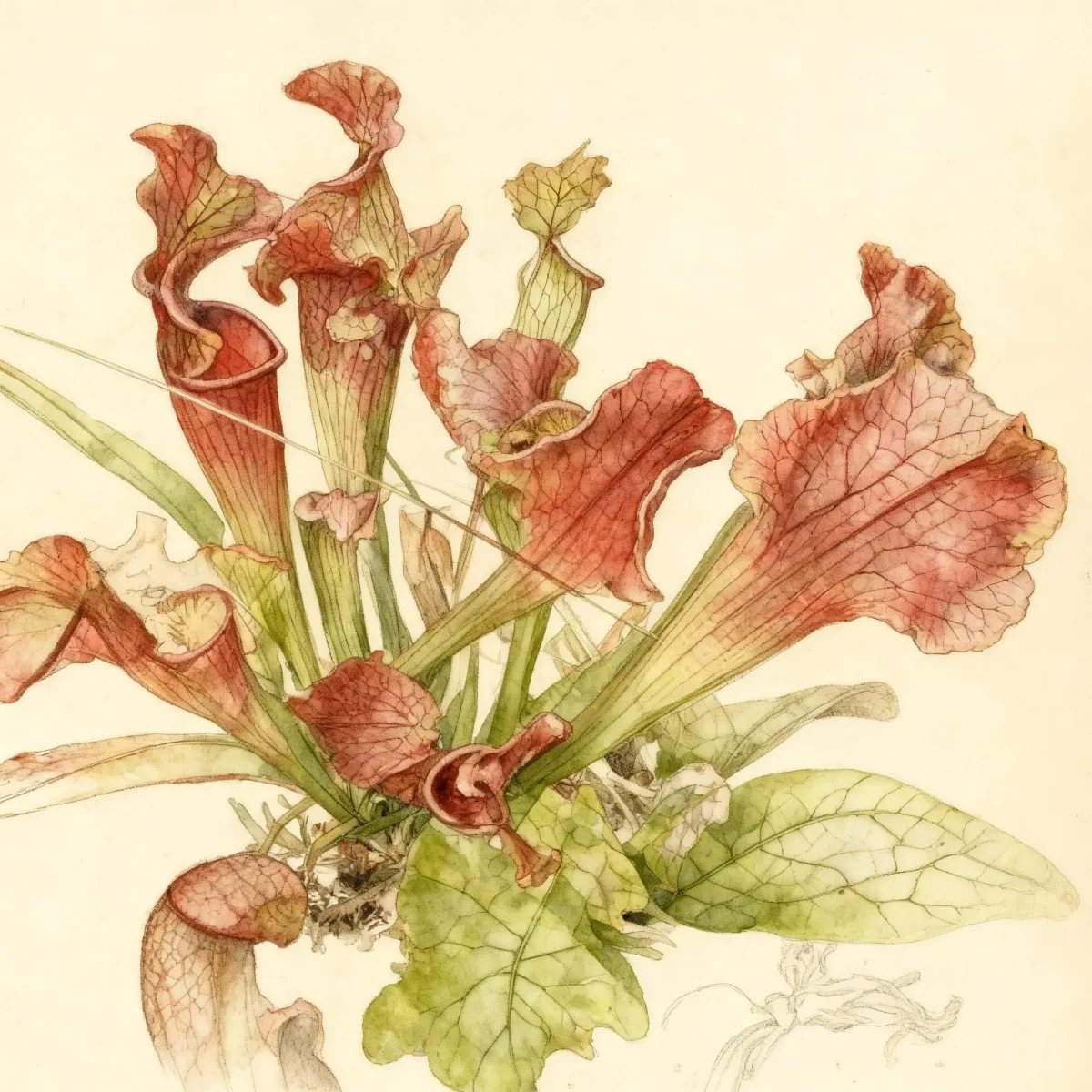
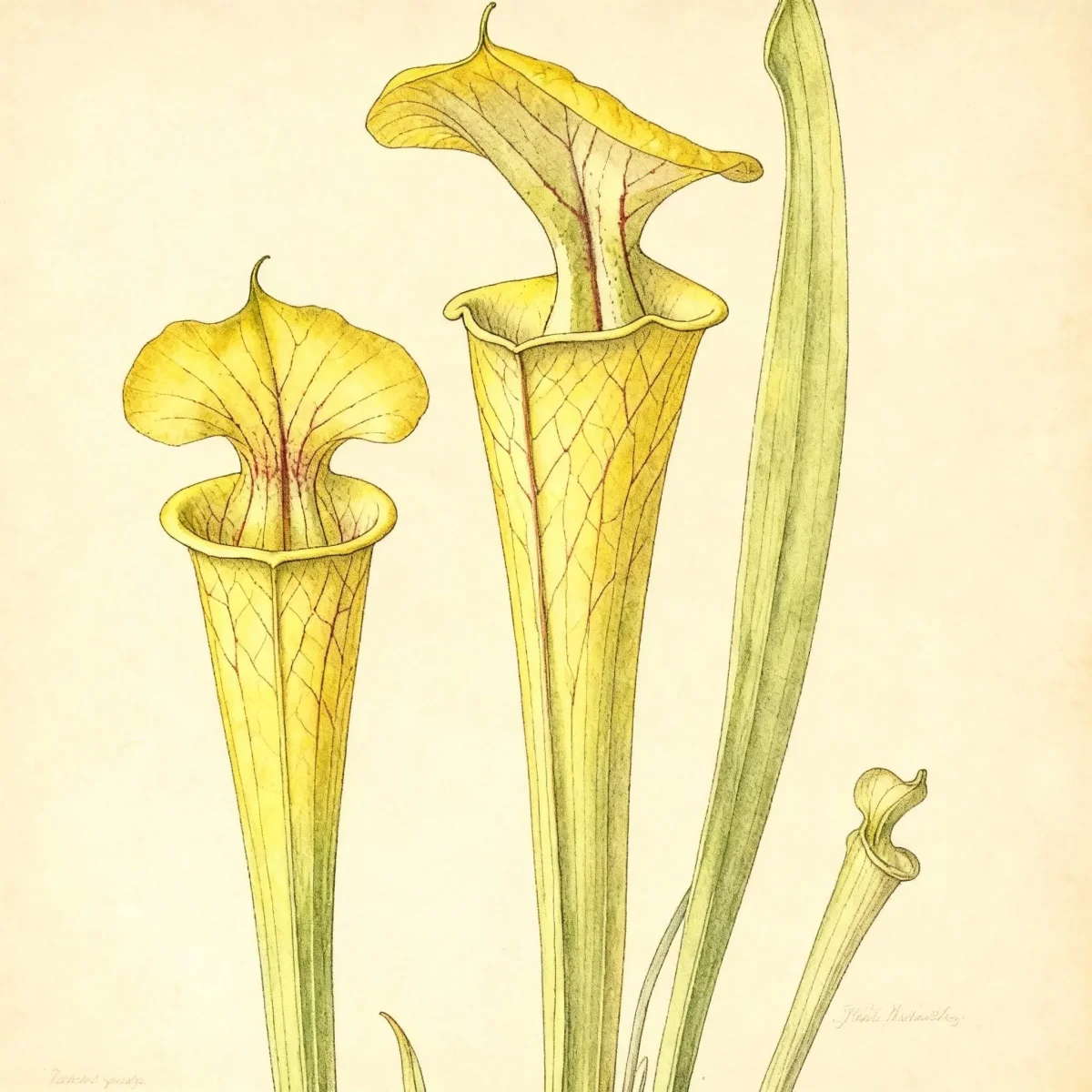
The White trumpet pitcher plant (Sarracenia leucophylla) is a spectacular carnivorous perennial native to the sandy bogs and pine savannas of the Southeastern US. Its most distinctive feature is the upright, slender-fluted pitchers that are green at the base, transitioning to a striking white at the mouth and lid, often featuring beautiful green venation. This unique coloration, combined with nectar production, effectively lures and traps insect prey, absorbing vital nutrients from their decayed bodies.
Cultivating Sarracenia leucophylla successfully demands strict adherence to its specialized needs, positioning it as a high-maintenance but rewarding specimen for dedicated gardeners. It requires constant moisture, acidic soil, and intense sunlight to develop its characteristic coloring and robust pitcher production, often yielding two crops of pitchers throughout the season.
While challenging outside of its natural habitat, the White trumpet pitcher plant serves as an eye-catching centerpiece in constructed bog gardens or containers, offering year-round architectural interest, especially as the pitchers die back and slender winter leaves occasionally persist. Gardeners looking for unique texture and natural pest control should consider integrating this fascinating carnivorous beauty.
Fast Facts
- Plant Family: Sarraceniaceae
- Plant Type: Herbaceous perennial
- Native Range: Southeastern United States
- Hardiness Zones: USDA Zones 6-8
- Size at Maturity:
- Height: 1-3 ft
- Spread: 1-3 ft
- Bloom Time: April to May
- Bloom Description: Red
- Sun Exposure: Full sun
- Water Needs: Wet
- Maintenance Level: High
How to Grow
The success of Sarracenia leucophylla hinges entirely on replicating the constantly damp, acidic conditions of its native bog environment. Ideal planting involves creating a pre-prepared bog garden, typically using liners or irrigation where necessary, sited in a location receiving full sun; partial shade severely compromises the development of leaf coloring and causes pitchers to droop. The required growing medium must be acidic, humusy muck, ideally composed of Canadian peat mixed with sand or perlite; never use standard potting soil or fertilizer, as these will quickly kill the plant.
Watering is critical: the soil must never dry out. These plants tolerate more wetness than many other pitcher plant species, requiring constant saturation. In a bog setting, this means consistent moisture, while container gardening demands placing the pots in a tray of water throughout the growing season. Use only rain, reverse osmosis, or distilled water, as minerals found in tap water are toxic to these sensitive plants.
Sarracenia leucophylla produces two distinct crops of pitchers: one in the spring and another in the late summer. As winter approaches, most pitchers will die back; in colder zones (6-8), trim only the fully dead tissue when the leaves decompose, as some slender, linear leaves may remain evergreen. Ensure the plant receives the cold dormancy period it requires; this is why it performs poorly as a standard houseplant indoors, despite some ability to overwinter containers sunk into protected soil. Propagation is easiest via rhizome division, though seed germination is possible but requires several years before flowering.
Landscape Uses
The primary and most successful application for the White trumpet pitcher plant is within a dedicated bog garden. This environment allows the required saturated conditions and acidic substrate to be maintained effortlessly in the landscape. If constructed correctly, a bog garden can serve wonderfully as a transitional feature or a dedicated water feature element in a rain garden, absorbing excess runoff while showcasing magnificent foliage.
For those lacking space for a full bog installation, container culture is the designated alternative. Growing Sarracenia leucophylla in plastic pots—packed with a mix like 50% peat and 50% perlite—placed on a sunny deck or patio is highly effective. Ensure these containers remain sitting in a tray of water during the growing season to maintain perpetual dampness.
These carnivorous beauties pair well with other moisture-loving, acid-tolerant bog inhabitants, such as various Drosera species (sundews), other Sarracenia varieties, and yellow flag irises (if moisture levels can be slightly modulated higher for the iris). Their upright, architectural form provides excellent vertical accent in a specialized planting scheme.
Standout Features
Flower Qualities
- Showy
- Fragrant
Noteworthy Characteristics
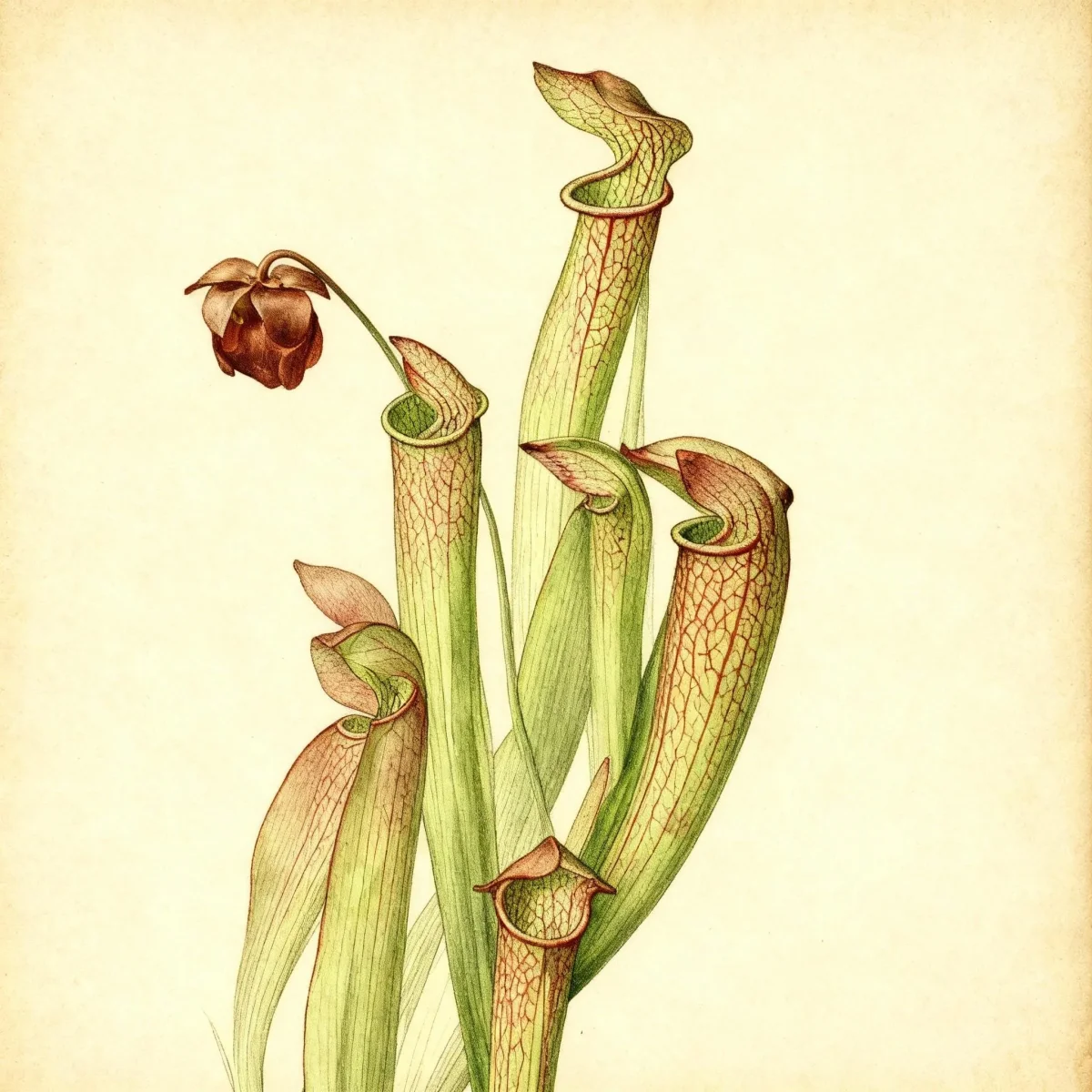
Sarracenia leucophylla, commonly known as the white-topped pitcher plant, is a stemless herbaceous perennial native to coastal plain bogs. It is famed for its modified leaves, which form narrow, upright pitchers displaying vivid white coloration near the mouth and lid, attracting and trapping insects which provide essential nutrients. In the spring, a single, distinctively drooping, bright red, five-petaled flower emerges on a leafless stalk, often exhibiting moderate fragrance.
Tolerances
(No data provided for specific tolerances beyond cultural needs)
Potential Problems
The most frequent issue encountered with the White trumpet pitcher plant stems from failing to meet its strict cultural requirements. If the soil dries out, or if tap water is used, the plant will quickly decline. Protect plantings from strong, sustained freezing winds, although winter hardiness within Zones 6-8 is usually adequate if the roots remain consistently moist.
Pest management is often unnecessary because the plant manages insects naturally; however, watch for common sap-sucking pests like aphids, scale, and mealybugs, treating them gently if necessary. Fungal issues like leaf spot and root rot manifest if drainage stagnates excessively, even within a damp environment, or if air circulation is poor. Never attempt to feed the plants manually or apply any fertilizer, as this is actively detrimental.
Frequently Asked Questions
What hardiness zones is White trumpet pitcher plant suitable for?
The Sarracenia leucophylla is hardy and appropriate for USDA Zones 6 through 8, provided it is protected from severe winter winds and kept wet.
How large does Sarracenia leucophylla grow?
This herbaceous perennial typically reaches a mature height between 1 and 3 feet tall, with a similar spread of 1 to 3 feet wide.
What sun exposure does White trumpet pitcher plant need?
Sarracenia leucophylla absolutely requires full sun to thrive and develop its signature vibrant white pitcher coloration; growth in shade results in weak, green, drooping foliage.
When does White trumpet pitcher plant bloom?
The striking red blooms of the White trumpet pitcher plant usually appear in the garden between April and May.
Conclusion
The unique appeal of the White trumpet pitcher plant lies in its dramatic, sculptural pitchers featuring bright white tops, making it an unparalleled specimen for specialized garden areas. Successfully cultivating this carnivorous beauty requires dedication to maintaining constant moisture and delivering unadulterated full sunlight within acidic media. Before transplanting, always confirm that your site mimics a constantly waterlogged bog environment consistent with its native Southeastern United States habitat.
Propagation Tips
Since standard seeds take years to mature, the easiest method for increasing your stock of Sarracenia leucophylla is through division along the horizontal rhizome. This process is best handled when the plant is dormant or just beginning to emerge from dormancy in early spring. Gently lift clumps of the plant and carefully separate sections that possess healthy growth points—typically evident as emerging buds.
Alternatively, though more time-consuming, growing from seed is possible. Seed propagation requires patience, as seedlings will not often produce flowers until they reach 4 to 5 years old. Unlike vegetative division, growing from seed requires managing highly specific aseptic germination techniques to ensure success.
Companion Planting
When designing a bog garden for Sarracenia leucophylla, focus on other plants that demand the same consistently wet, acidic, and nutrient-poor conditions. Excellent companions include various species of native North American Pitcher Plants (Sarracenia hybrids), Sundews (Drosera), and Butterworts (Pinguicula). These plants naturally associate in the wild and share the horticultural non-negotiables, such as the need for full sun and pure water.
Avoid planting standard landscaping perennials or shrubs near your carnivorous collection, as these common garden residents require richer soil, fertilizers, or drier conditions, all of which are lethal to the Sarraceniaceae family. The goal is to create a microcosm reflecting the lean, open, sunny muck typical of coastal plain swamps.