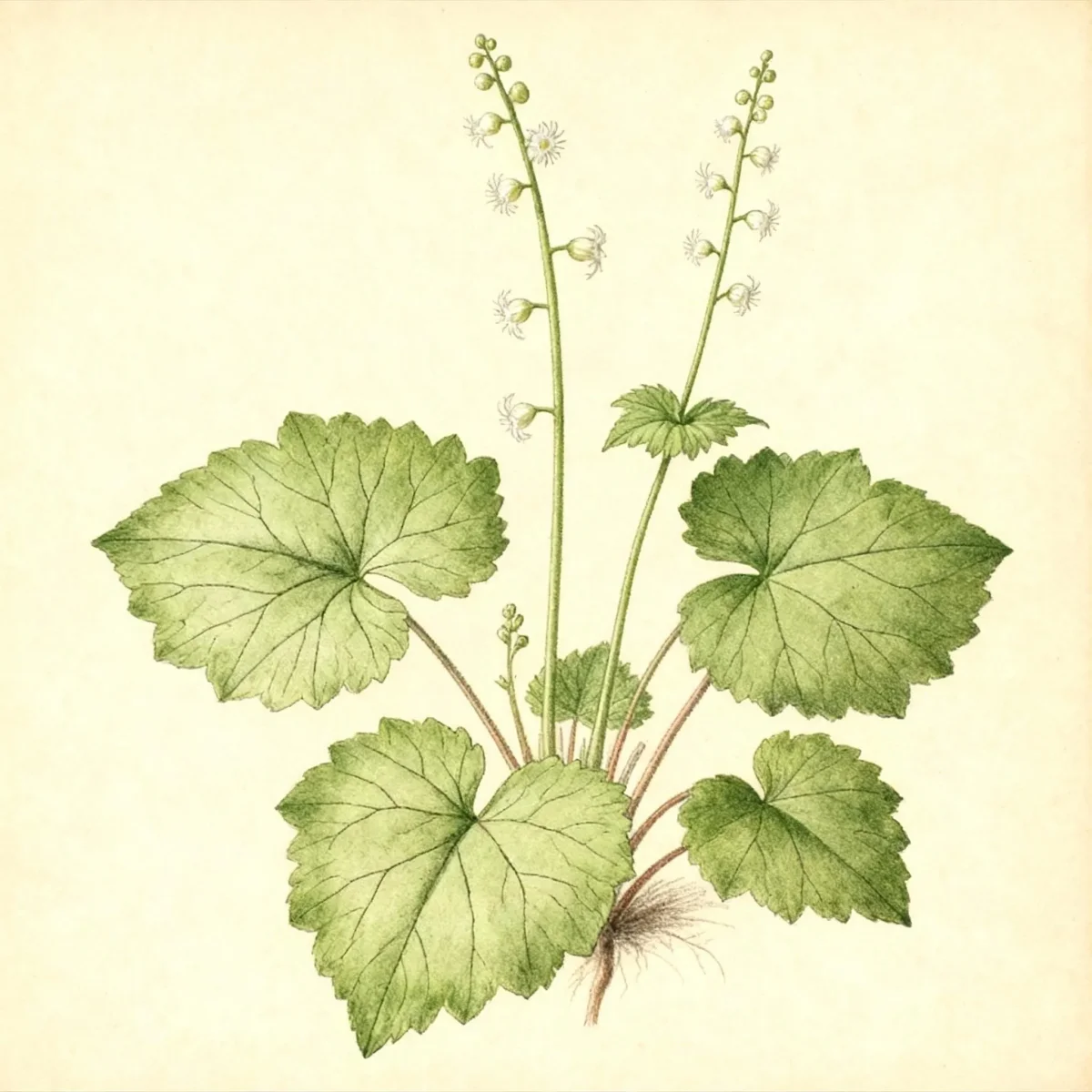
Brewer's-cap (Mitella diphylla)
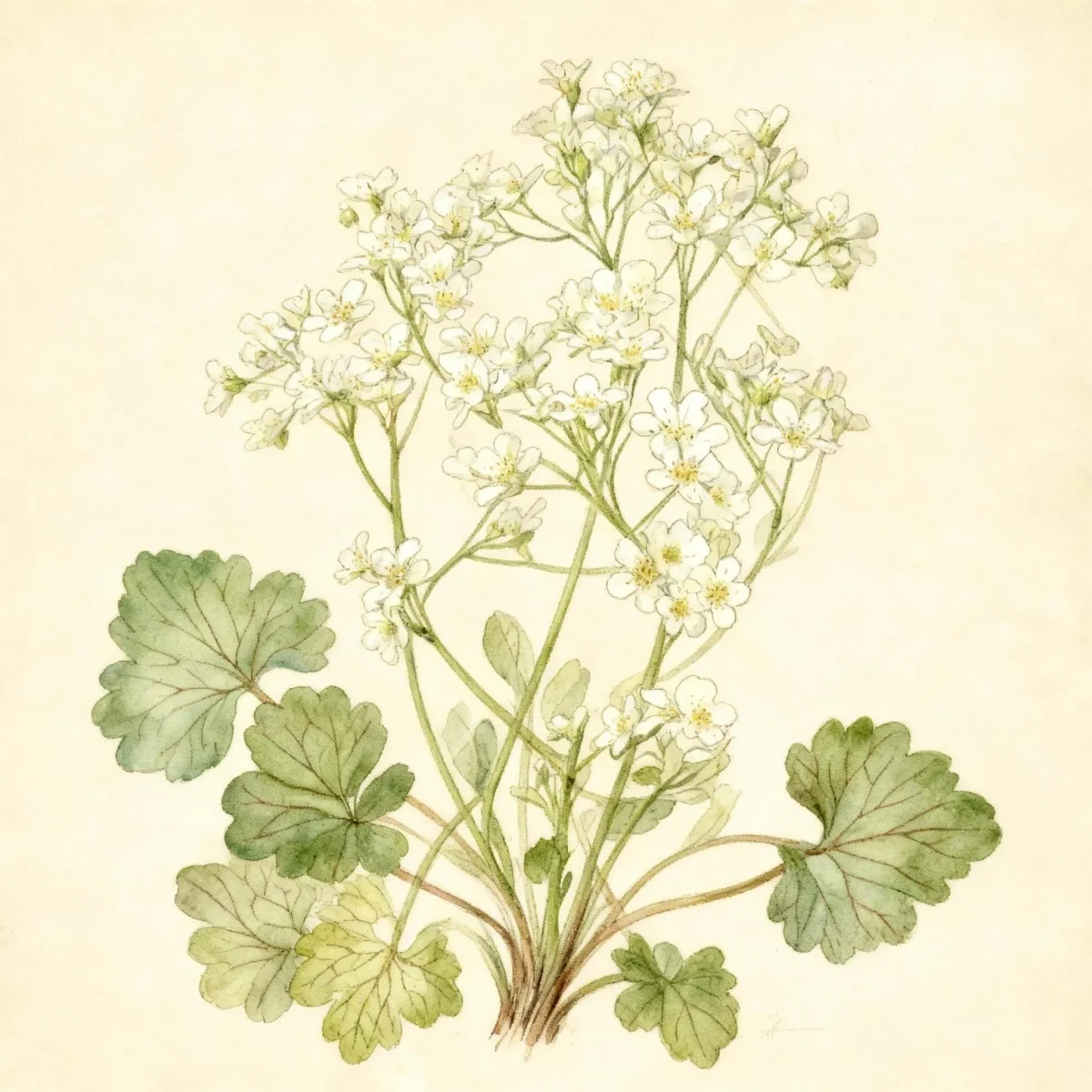
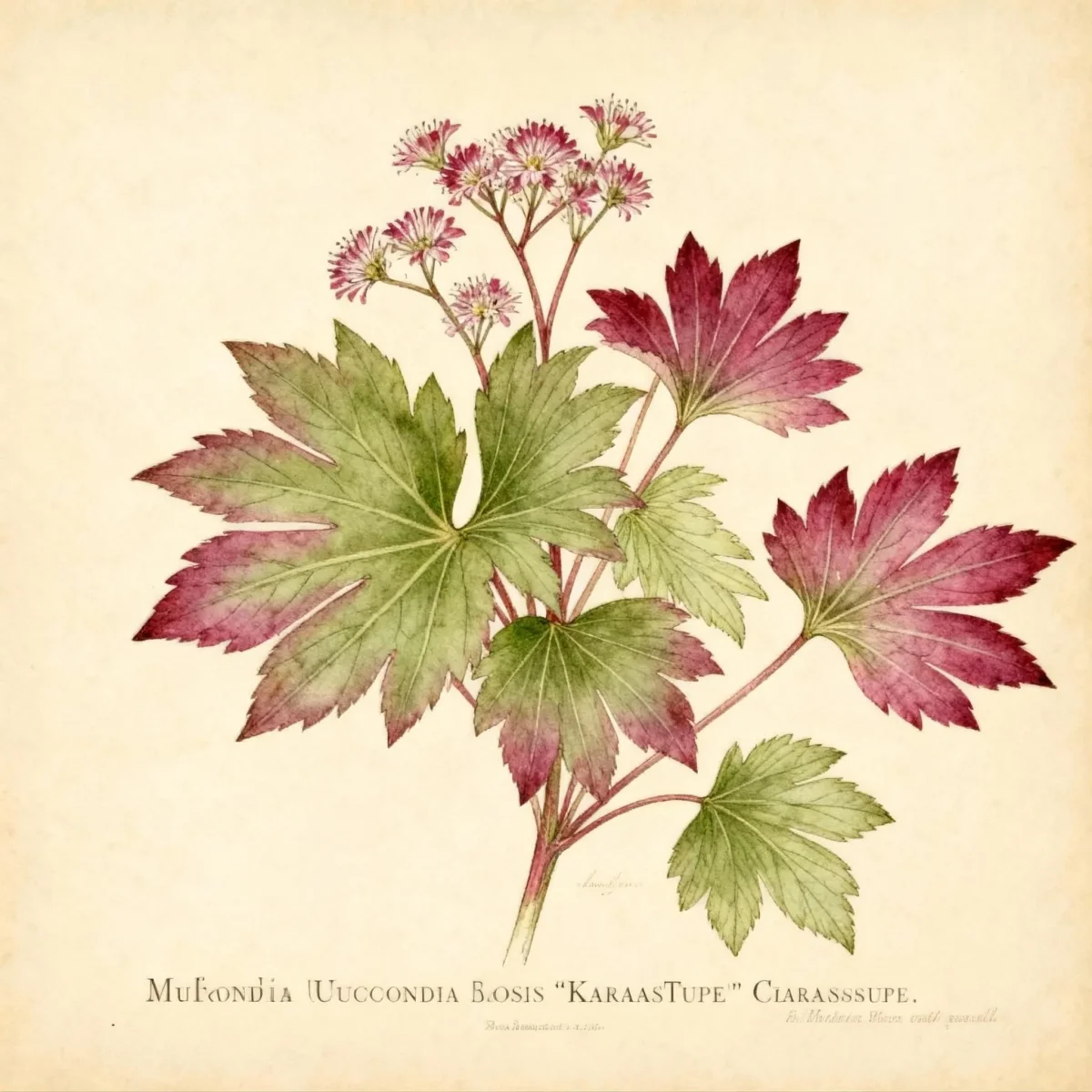
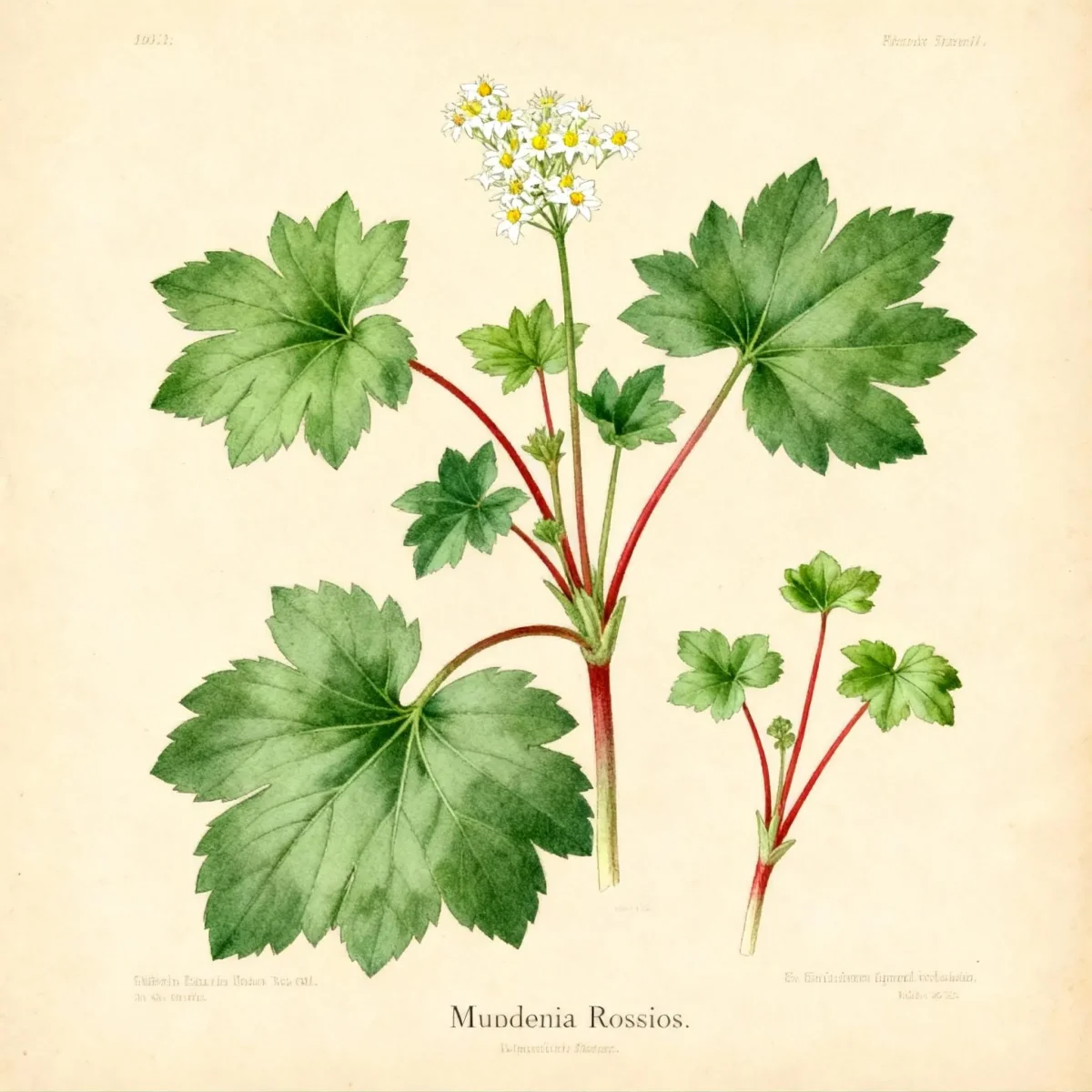
Mitella diphylla, or Brewer's-cap, is a striking woodland perennial with fringed white flowers, thriving in shade.

Bloom Boldly, No Matter the Season - Sweatshirt
Cozy organic cotton sweatshirt featuring our exclusive Purple Coneflower design. Perfect for gardeners who bloom year-round.
Inspired by the beautiful Brewer's-cap
Limited first batch (50) — join the waitlist for early access
Waitlist closes Feb 15, 2026.
Complete Plant Information
Field Guide Continues
Ready for care notes, companion picks, and planting tips?
The map is just the start. The full guide below covers growth habits, seasonal performance, and landscape uses.
Overview
Brewer’s-cap, scientifically known as Mitella diphylla, is a delicate, low-growing woodland native perfect for adding texture and ephemeral beauty to shaded garden areas. Its value lies in its charming, unique spring display of white, fringed flowers held above distinctive basal foliage. This herbaceous perennial provides essential groundcover interest in mesic environments.
Mitella diphylla is valued for its tolerance of deep shade once established, mirroring the damp, mossy ledges where it naturally occurs in North America. While the basal leaves offer year-round structure, the fleeting, intricately cut flowers truly define its season of appeal during the mid-spring months.
Gardeners seeking authentic woodland charm should consider Mitella diphylla. It requires consistent moisture and rich soil, making it an excellent supporting player in a naturalistic shade landscape design, offering subtle elegance rather than overt color.
Fast Facts
- Plant Family: Saxifragaceae
- Plant Type: Herbaceous perennial
- Native Range: North America
- Hardiness Zones: USDA Zones 3-7
- Size at Maturity:
- Height: 0.75-1 ft
- Spread: 0.5-0.75 ft
- Bloom Time: April to June
- Bloom Description: White
- Sun Exposure: Part shade
- Water Needs: Medium
- Maintenance Level: Medium
How to Grow
The ideal time to plant Mitella diphylla is when conditions are cool, such as early spring or early fall, allowing the plant to establish roots before summer heat arrives. These plants demand organically rich, well-draining soils and thrive best when situated in consistent part shade. While they prefer medium moisture, be aware that Brewer’s-cap can adapt to slightly drier soils or slightly deeper shade conditions, though establishment requires diligence.
Watering should be consistent, mimicking the reliable moisture found on a woodland floor. Avoid letting the soil dry out completely, especially during the first year after planting. Fertilization is generally minimal; amending the soil heavily with rich compost at planting time is often sufficient, as excessive feeding can sometimes reduce flowering.
Maintenance for this species is relatively low once established. There is little need for deadheading, as aesthetics rely more on foliage structure when not in bloom. Protect young plants from competition, as this plant is famously slow to establish roots and dislikes being disturbed once settled. In colder zones, mulch lightly in late fall to protect shallow roots.
Landscape Uses
Brewer’s-cap is truly a jewel of the spring shade garden, best utilized where onlookers can pause to appreciate its delicate structure. Its low stature and preference for moist, filtered light make it excellent for tucking into the foreground of woodland borders. Planting Mitella diphylla close to pathways or seating areas is highly recommended so visitors can examine the intricate, fringed white flowers up close.
This perennial acts wonderfully as a subtle textural element alongside larger, more colorful spring bloomers like woodland phlox or trout lily. Its foliage, reminiscent of Heuchera, provides a dense, low mat that suppresses weeds as it spreads slowly throughout the season. Consider using it beneath taller, light-barked trees to enhance the dappled light effect it requires.
For naturalistic plantings, group colonies of Brewer’s-cap together to create a soft, continuous carpet effect in deep shade pockets where turf grass struggles. It pairs beautifully with ferns, hostas that enjoy deep shade, and other moisture-loving native ephemerals that share its cultural needs.
Standout Features
Flower Qualities
- White
Noteworthy Characteristics
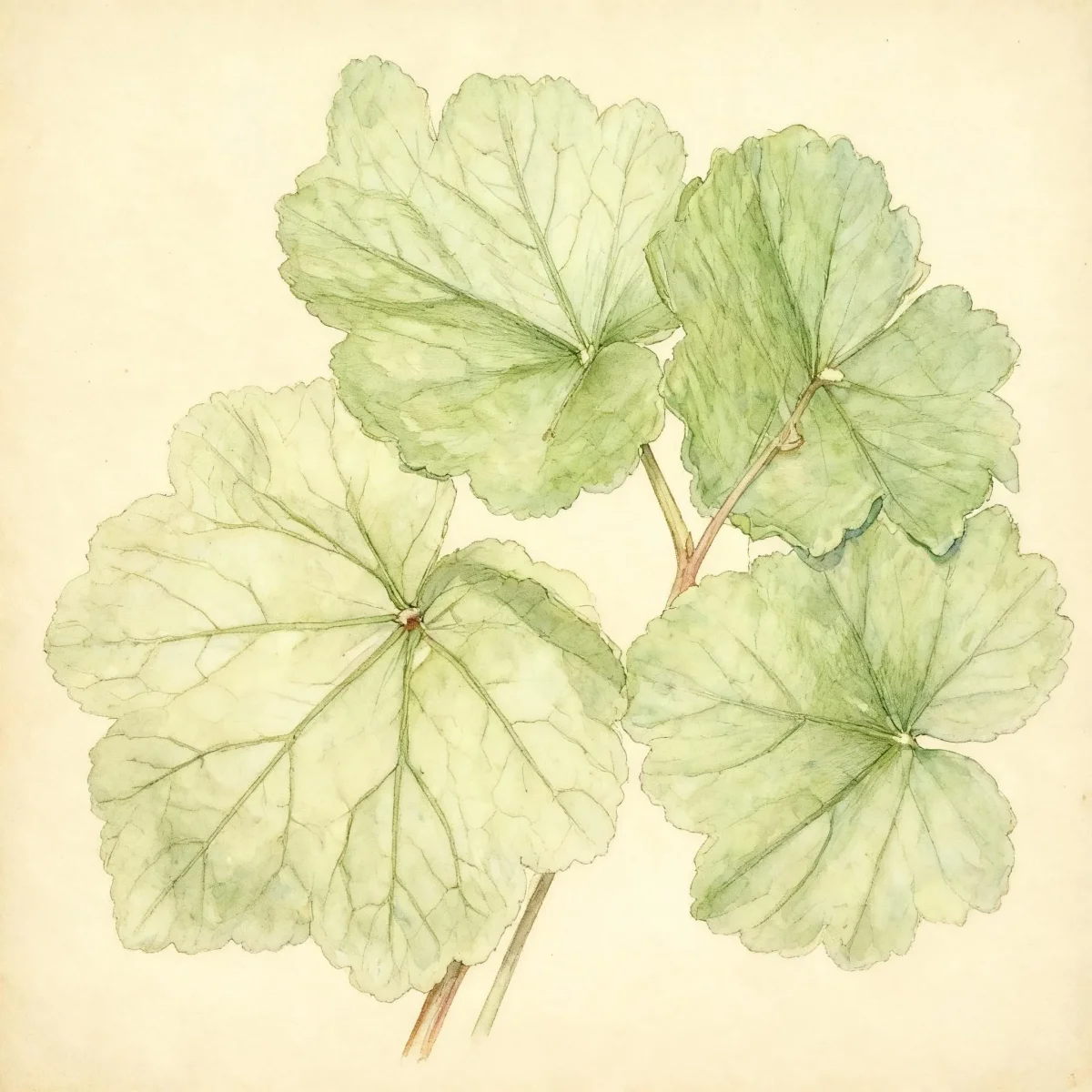
Mitella diphylla, commonly called twoleaf miterwort or bishop’s cap, is a woodland species native to the Northeast and Midwest regions of the United States where it is found in high quality mesic forests growing on moist, mossy ledges and north-facing slopes. The basal foliage of this plant resembles that of Heuchera, with long, finely hairy stalks, a cordate shape, and serrated edges (up to 4” long). The flowering stalk can reach up to 12” tall, with small, white flowers spaced up to 1” apart along the stem. The genus name Mitella references the shape of the mature seed capsules resembling a bishop’s miter.
Tolerances
Potential Problems
The primary challenge when cultivating Brewer’s-cap is patience, as this plant is notably slow to establish in a new location. Gardeners must ensure the location closely mimics its native environment: consistently moist, organically rich, and well-drained soil, shaded from harsh afternoon sun. If established correctly, Mitella diphylla generally faces few pest or disease pressures.
If growth appears stunted or the plant fails to thrive, check soil aeration and moisture consistency first. Avoid overly rich, heavy clay soils that impede drainage, as standing water is fatal. Because it is a slow spreader, avoid unnecessary digging or cultivation near established plants, which can damage their sensitive root systems.
Frequently Asked Questions
What hardiness zones is Brewer’s-cap suitable for?
Mitella diphylla is generally hardy and thrives across USDA Zones 3 through 7.
How large does Brewer’s-cap grow?
This plant typically reaches a modest height between 0.75 and 1 foot tall, with a spread of 0.5 to 0.75 feet wide.
What sun exposure does Brewer’s-cap need?
Brewer’s-cap performs best when situated in part shade, replicating the filtered light of a deciduous woodland setting.
When does Brewer’s-cap bloom?
You can expect the distinctive, white, fringed flowers of Mitella diphylla to appear anytime from April into June.
Conclusion
Mitella diphylla offers irreplaceable charm for the dedicated shade gardener, rewarding patience with uniquely structured white spring blossoms and attractive ground-covering foliage. Ensure you meet the medium water requirements and rich soil preferences when planting Brewer’s-cap. Before purchase, verify that your garden’s light conditions align with its part shade needs for the best chance of successful establishment.
Companion Planting
When planning a shade garden around Mitella diphylla, select companions that share its love for consistent moisture and humus-rich soil. Large-leaved hostas (especially Hosta sieboldiana cultivars) offer a structural contrast to the delicate leaves of Brewer’s-cap. Ferns, such as the Christmas fern (Polystichum acrostichoides), provide excellent textural contrast that complements the fine details of the Mitella diphylla blooms.
Consider pairing this species with other native spring ephemerals that will emerge and fade gracefully before Brewer’s-cap fully develops its summer presence. Native Trilliums or Mayapples (Podophyllum peltatum) work well, provided their moisture needs are also met, creating a layered, authentic woodland floor tapestry.
Propagation Tips
Propagation of Mitella diphylla is most easily achieved through division, as this herbaceous perennial spreads slowly by rhizomes beneath the soil surface. The best time to divide is in early spring, just as new basal growth is emerging, or in the early fall. Gently lift small clumps, ensuring each division retains healthy roots and several leaf points, and replant immediately into prepared, moist soil.
While seed dispersal occurs naturally via raindrops splash dispersal, collecting and sowing seeds requires more effort. The small black seeds should be sown fresh (as they are naturally dispersed) onto a moist, sandy loam, ideally subjecting them to a cold stratification period outdoors over winter to mimic natural conditions and improve germination rates for your Mitella diphylla seedlings.