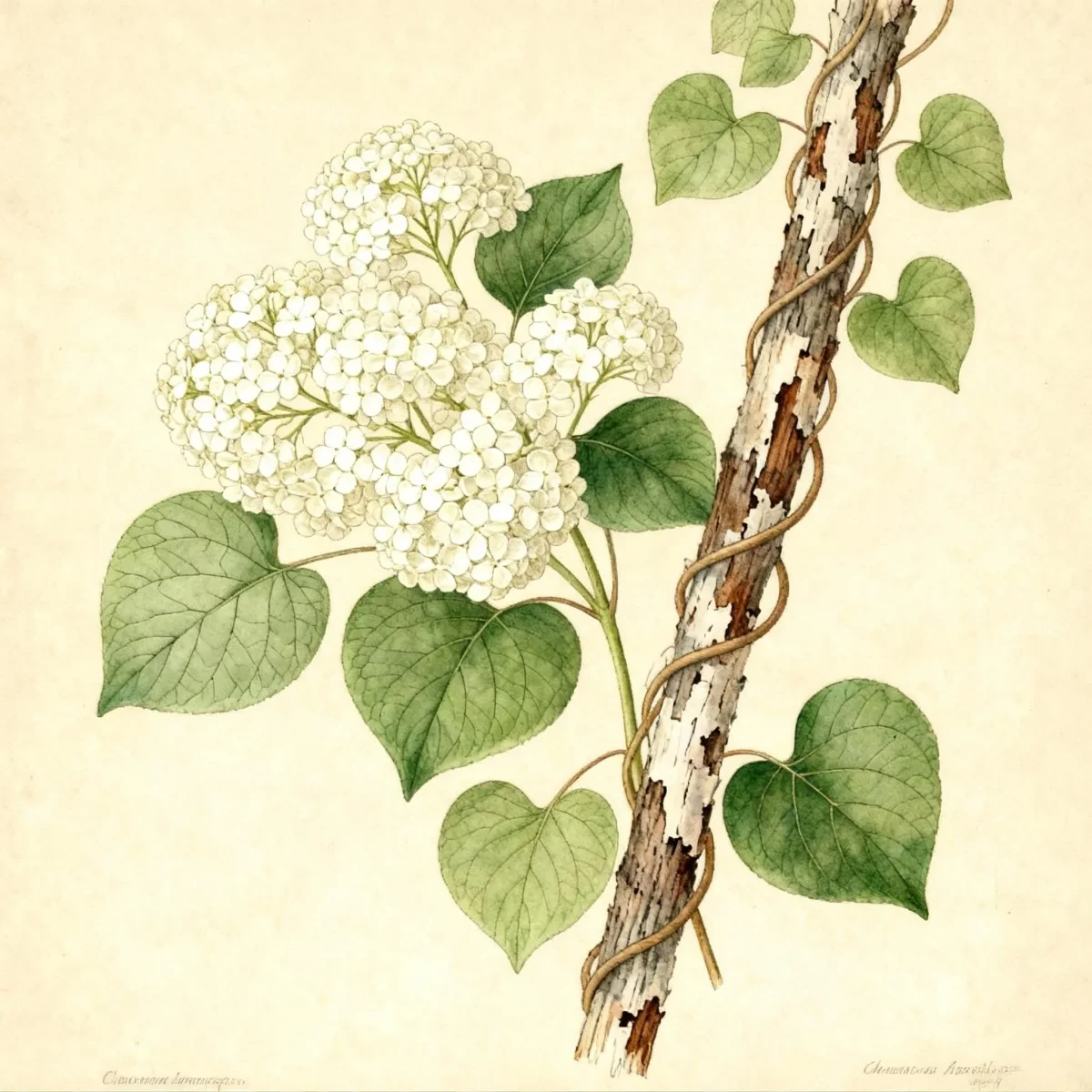
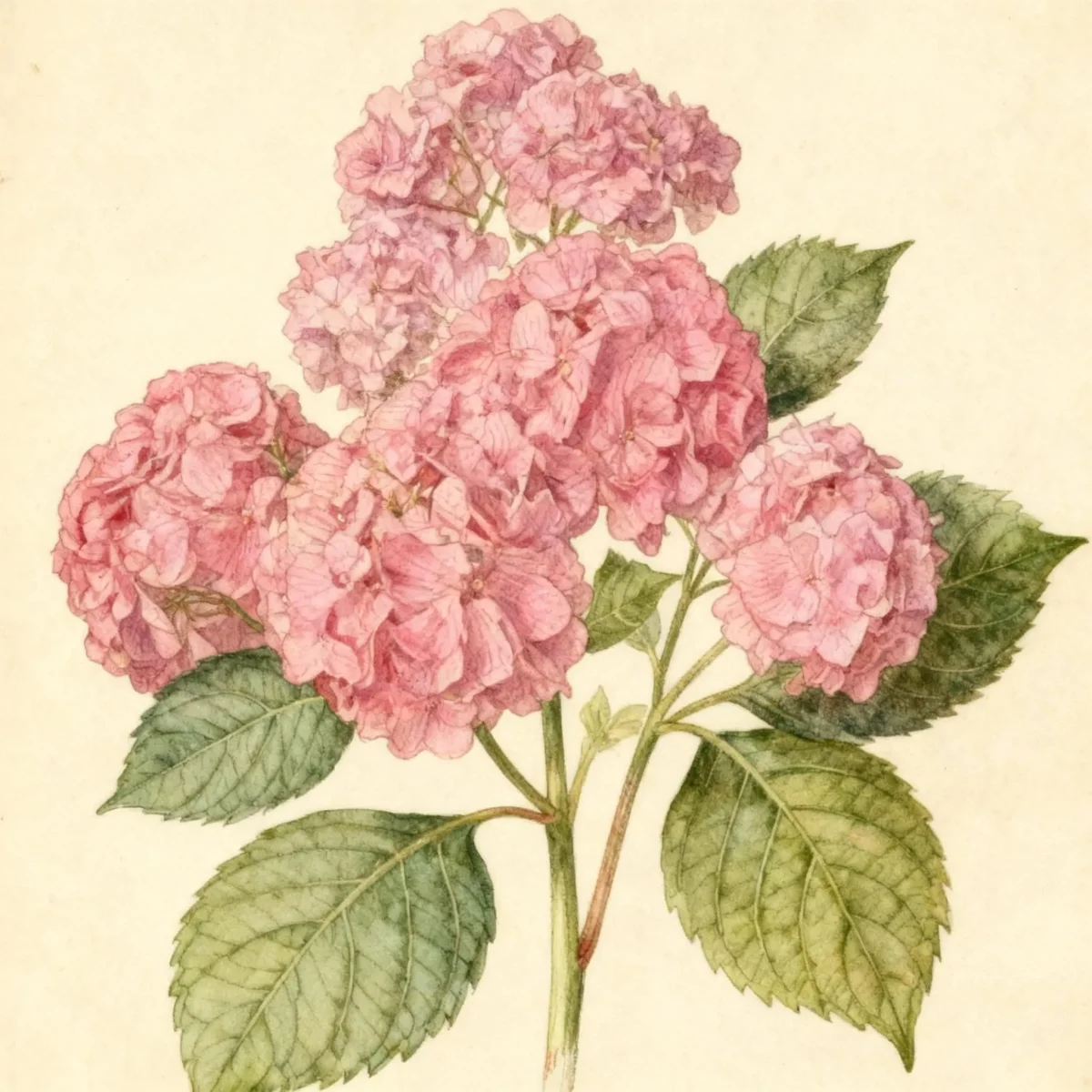
Japanese hydrangea vine (Schizophragma hydrangeoides)
Discover Schizophragma hydrangeoides, the Japanese hydrangea vine, perfect for shady walls with its white summer blooms and attractive foliage.

Bloom Boldly, No Matter the Season - Sweatshirt
Cozy organic cotton sweatshirt featuring our exclusive Purple Coneflower design. Perfect for gardeners who bloom year-round.
Inspired by the beautiful Japanese hydrangea vine
Limited first batch (50) — join the waitlist for early access
Waitlist closes Feb 15, 2026.
Complete Plant Information
Field Guide Continues
Ready for care notes, companion picks, and planting tips?
The map is just the start. The full guide below covers growth habits, seasonal performance, and landscape uses.
Overview
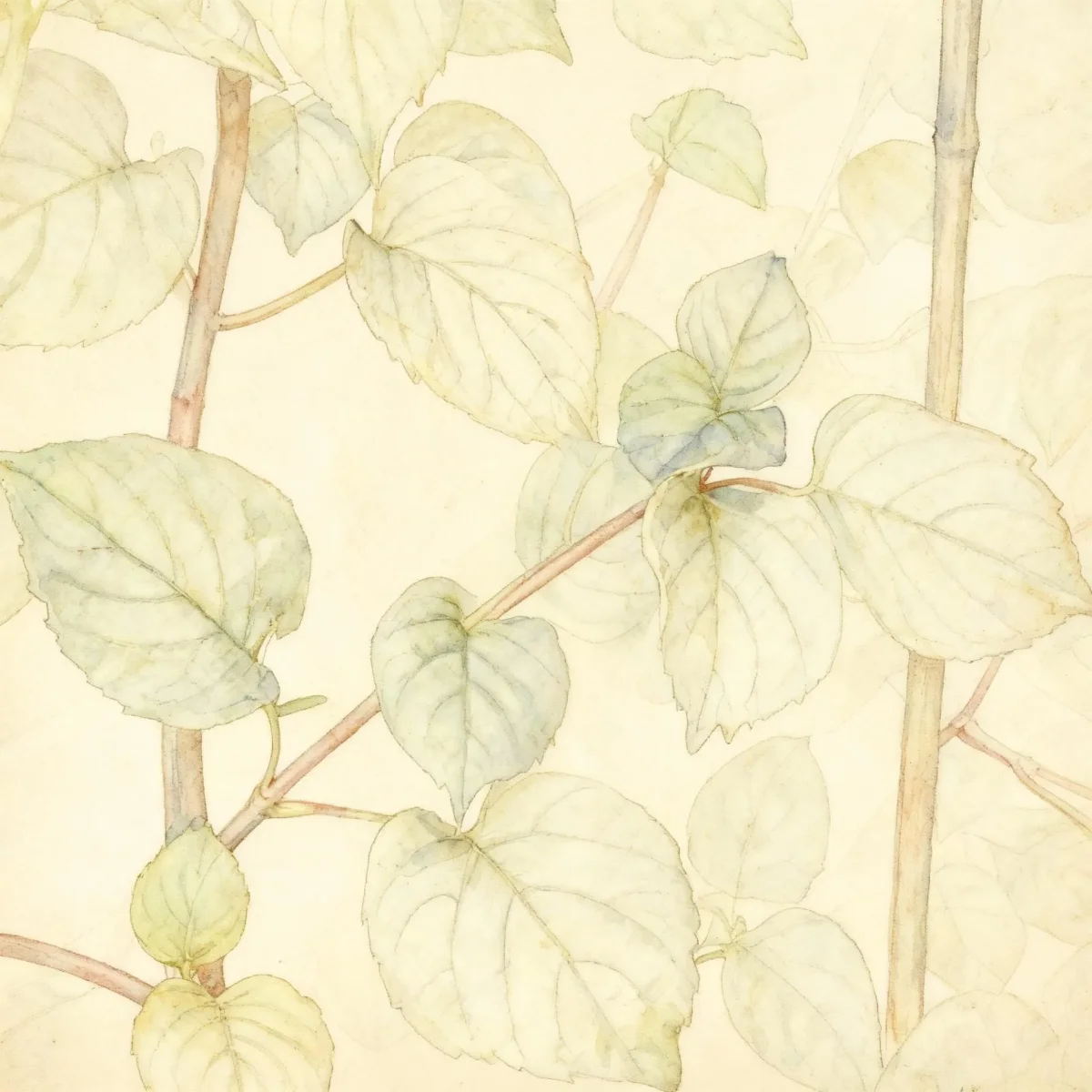
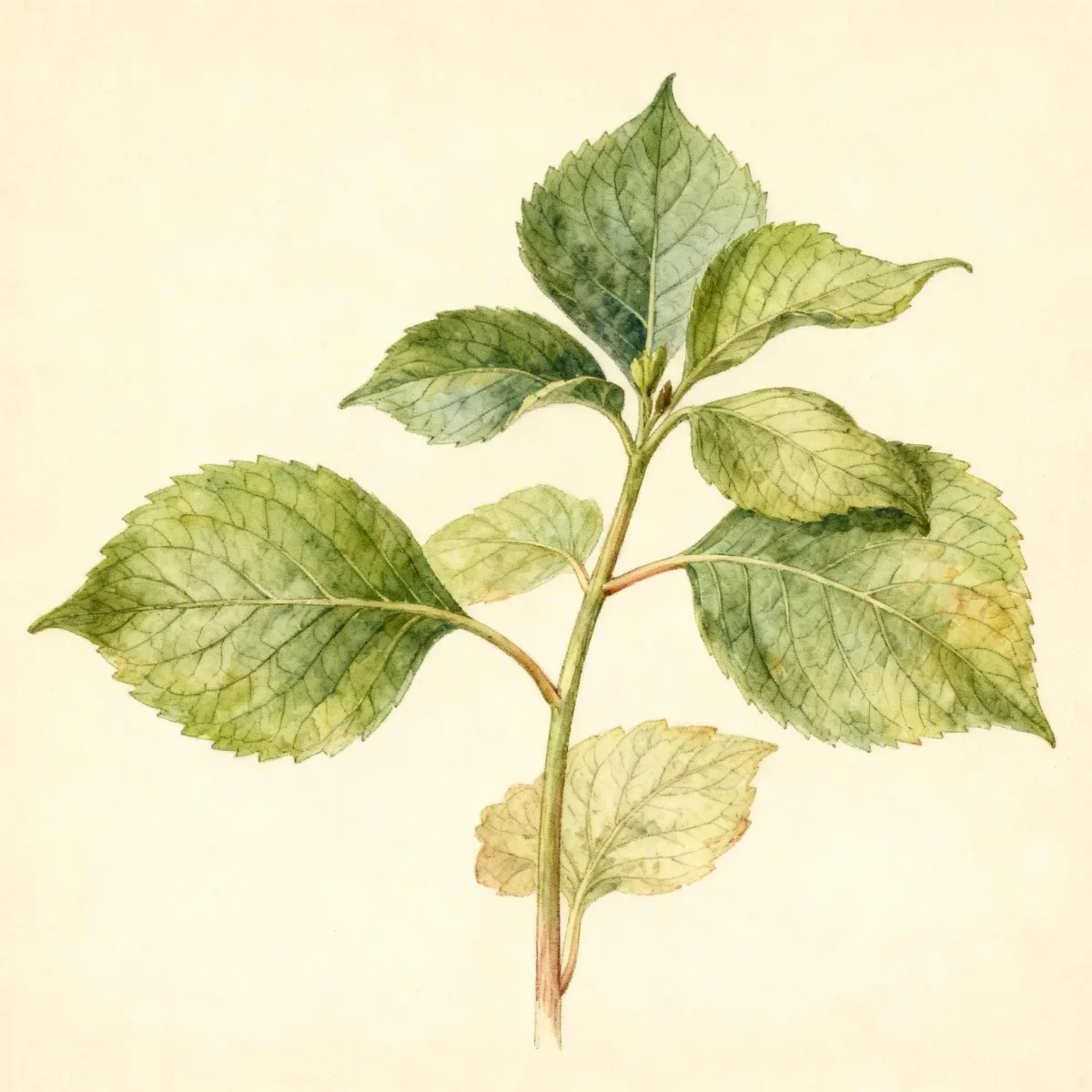
Schizophragma hydrangeoides, widely known as Japanese hydrangea vine, is a visually striking deciduous vine valued for its ability to gracefully climb vertical surfaces like masonry walls. This woody-stemmed specimen anchors itself using small, adhesive rootlets, creating an impressive architectural feature in the landscape. Its aesthetic appeal is enhanced by deeply toothed, heart-shaped foliage that emerges green and turns yellow in the fall.
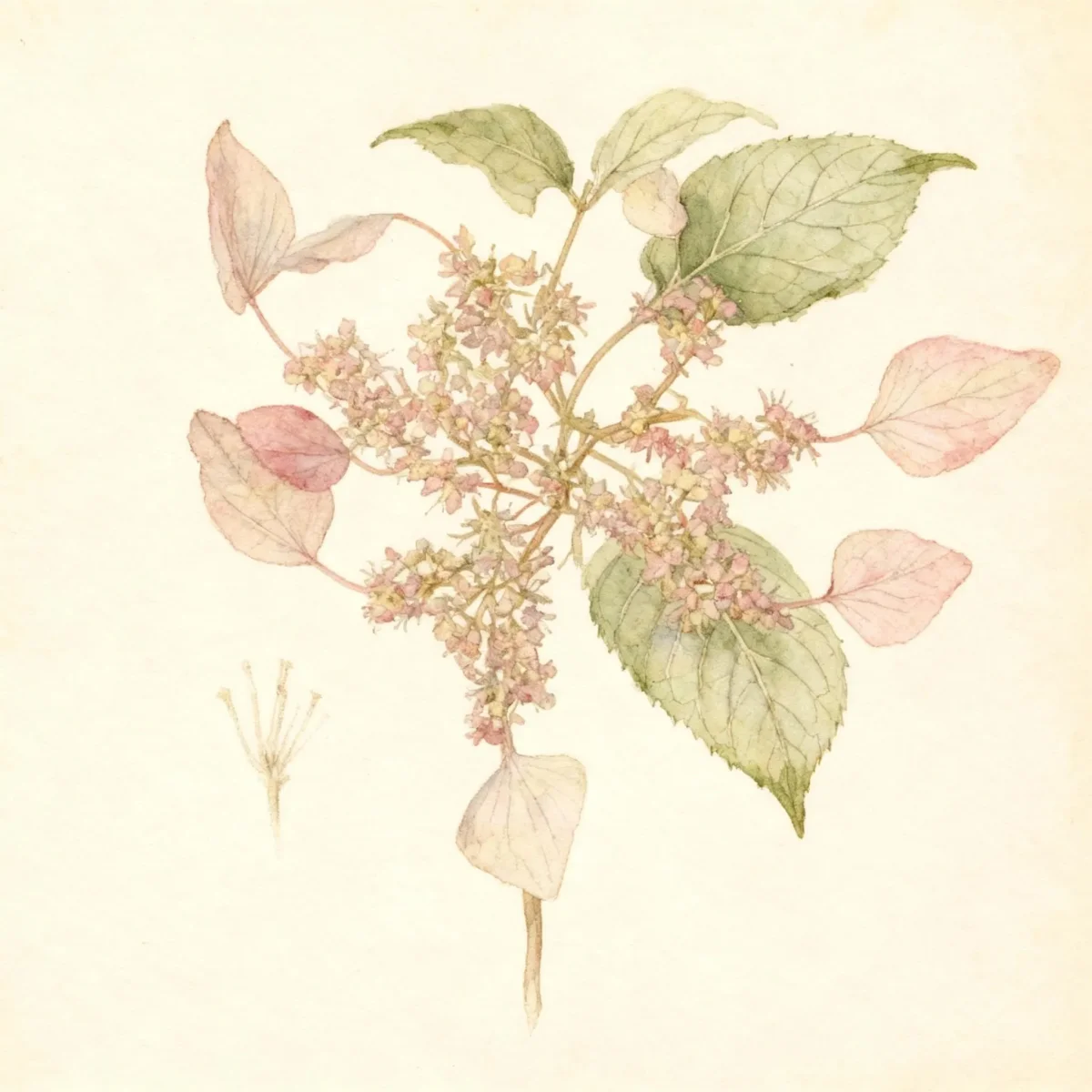
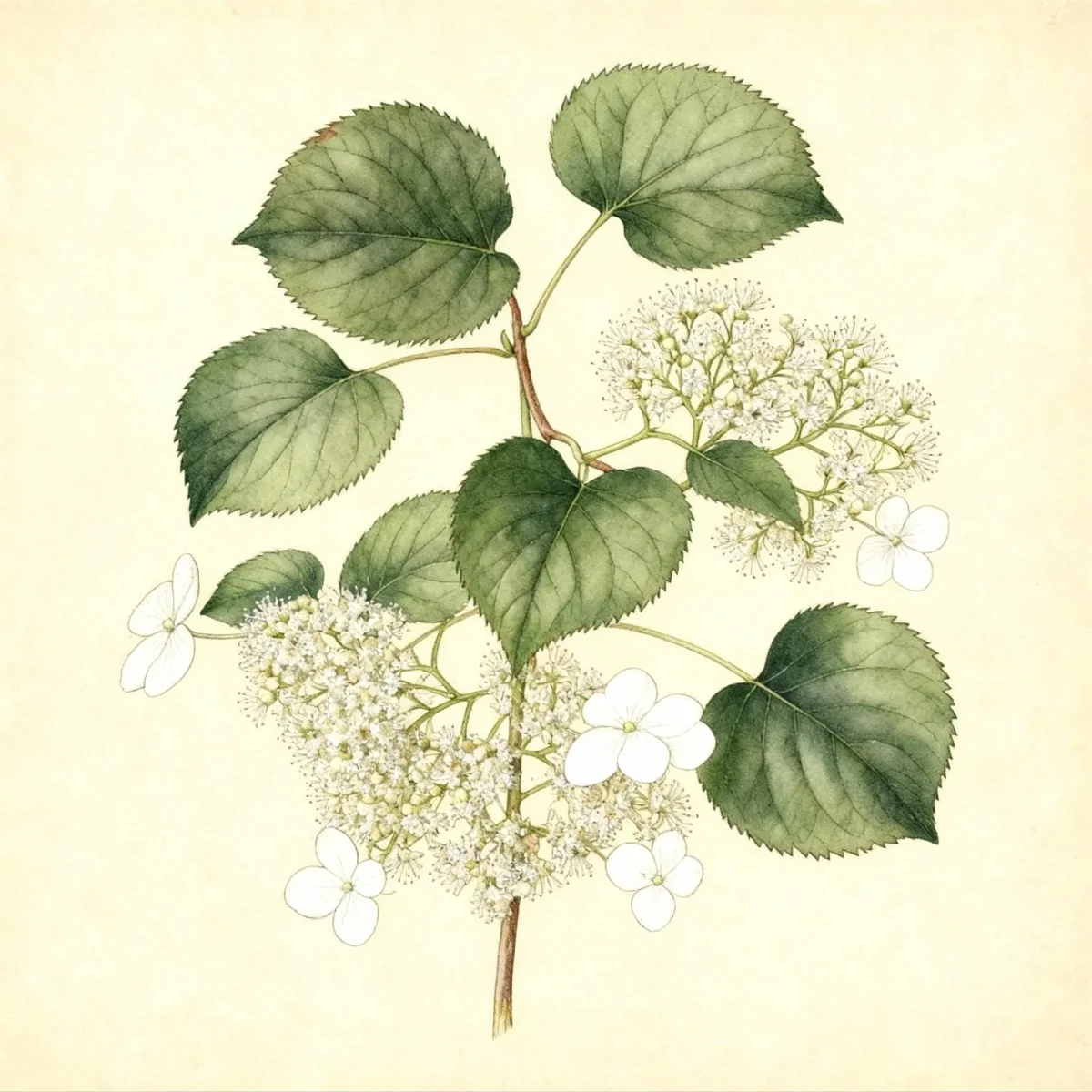
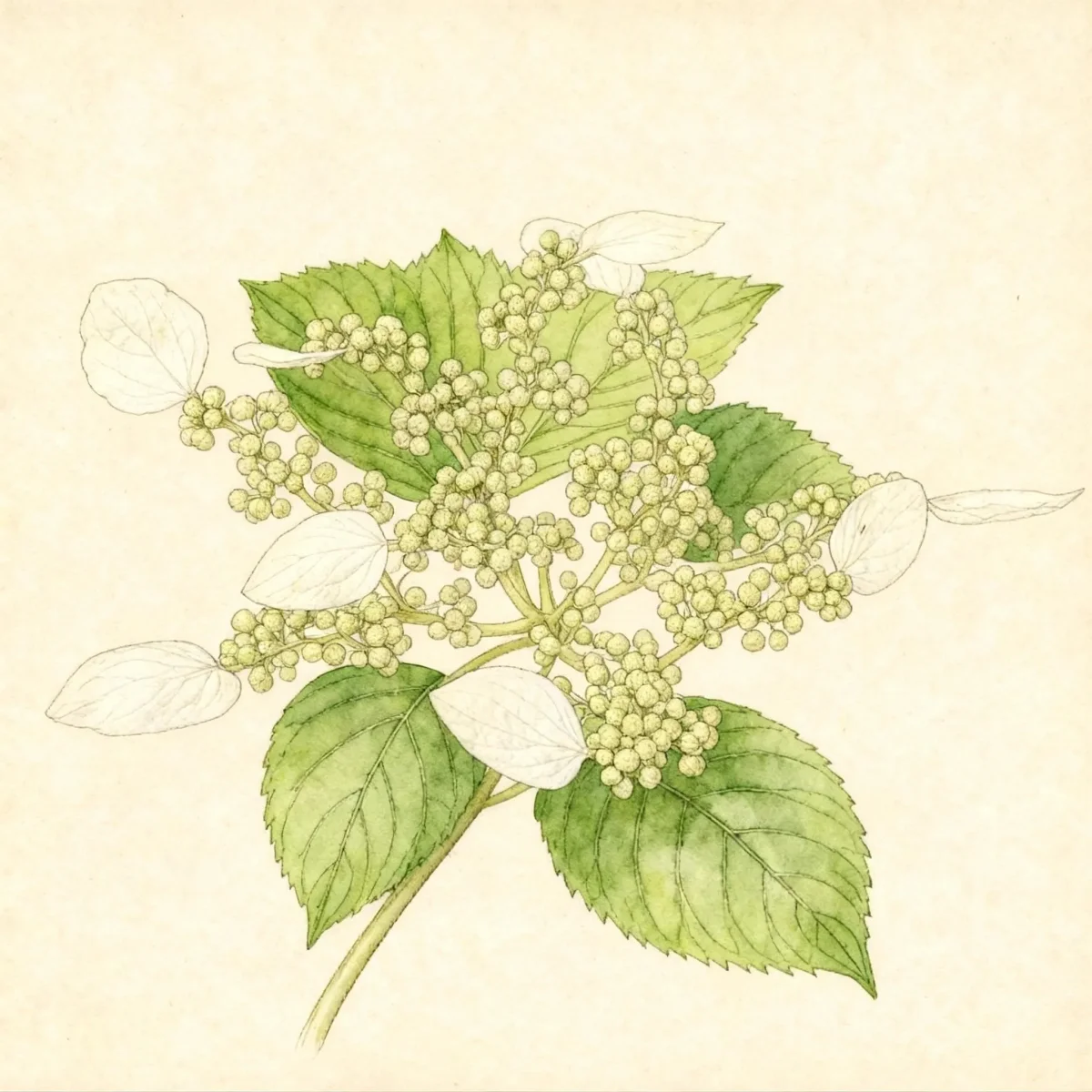
The primary ornamental draw of Schizophragma hydrangeoides appears in early summer when it displays large, flat-topped clusters of white, lace-cap-like flowers. These blooms, reminiscent of true hydrangeas, offer excellent texture and brightness in shaded garden spaces. The combination of attractive stems, foliage, and summer flowers makes the Japanese hydrangea vine a year-round asset.
Though it can be slow to establish initially, gardeners who provide the right conditions will be rewarded with a magnificent specimen, reaching heights of 20 to 30 feet. Consider this vine indispensable when seeking coverage for tall, shady spots where other flowering plants struggle to thrive.
Fast Facts
- Plant Family: Hydrangeaceae
- Plant Type: Vine
- Native Range: Japan, Korea
- Hardiness Zones: USDA Zones 5-8
- Size at Maturity:
- Height: 20-30 ft
- Spread: 6-9 ft
- Bloom Time: June to July
- Bloom Description: White
- Sun Exposure: Part shade to full shade
- Water Needs: Medium
- Maintenance Level: Medium
How to Grow
The ideal location for planting Schizophragma hydrangeoides is in rich, medium moisture, well-drained soil. While this vine can tolerate deep shade, it performs best when situated in part shade, especially away from the scorching afternoon sun. When establishing the Japanese hydrangea vine for quick coverage on structures, space individual plants approximately 6 to 9 feet apart, allowing room for its eventual spread.
Watering requirements are medium; ensure the soil remains consistently moist, especially during the first few growing seasons as the plant establishes its robust root system. Fertilization is generally not necessary if the soil structure is already rich. Avoid overly vigorous feeding, as this can encourage excessive leafy growth at the expense of flowering.
Pruning of Schizophragma hydrangeoides should be done judiciously in late winter or early spring before new growth begins. Major shaping or size reduction is best carried out at this time. Since this vine attaches to surfaces, be mindful when training its growth to ensure stems hug the desired structure without suffocating vulnerable mortar or brickwork.
Landscape Uses
The primary function of the Japanese hydrangea vine in the landscape is upward extension, making it perfect for softening the harsh lines of tall structures. Use it enthusiastically to climb masonry walls, arbors, or even mature, structurally sound trees where you desire summer white floral displays. Its dense foliage provides excellent screening for unsightly utility boxes or boundary walls in shaded boundaries.
Beyond vertical applications, this remarkable vine can be allowed to sprawl horizontally over low retaining walls or large rocks, creating a lush, cascading ground cover effect in deeply shaded garden pockets. In mixed borders, plant Schizophragma hydrangeoides behind shade-tolerant shrubs or evergreen foundations, ensuring it has a sturdy surface nearby to ascend toward the light.
Standout Features
Flower Qualities
- Showy
Noteworthy Characteristics
Schizophragma hydrangeoides, commonly called Japanese hydrangea vine, is a deciduous, woody-stemmed, climbing vine which is valued for its toothed, heart-shaped, deep green leaves (3-5” long) and large, flat-topped, lace cap hydrangea-like clusters (8-10” across) of white flowers which bloom in early summer. Reddish-brown stems provide some interest in winter, while the foliage turns yellow before dropping. The genus name references its tendency to split, and its specific epithet notes its resemblance to the Hydrangea genus.
Tolerances
- Heavy Shade
Potential Problems
Gardeners should anticipate that Schizophragma hydrangeoides is often slow to establish after planting, requiring patience during the first year or two. However, once actively growing, it generally faces no serious insect or disease problems, making it a relatively trouble-free specimen for experienced gardeners. Ensure excellent drainage to prevent stress that might attract opportunistic pests.
Frequently Asked Questions
What hardiness zones is Japanese hydrangea vine suitable for?
The Japanese hydrangea vine (Schizophragma hydrangeoides) performs well in USDA Hardiness Zones 5 through 8.
How large does Schizophragma hydrangeoides grow?
This vigorous vine typically reaches mature heights between 20 and 30 feet tall, with a spread varying from 6 to 9 feet wide.
What sun exposure does Japanese hydrangea vine need?
This plant thrives best when situated in part shade to full shade conditions, strongly preferring protected locations over direct, hot afternoon sun.
When does Schizophragma hydrangeoides bloom?
You can expect the white, lace-cap-like flowers of this vine to appear during the early summer months, specifically from June into July.
Conclusion
The Schizophragma hydrangeoides, or Japanese hydrangea vine, offers unparalleled vertical accent and textural beauty specifically tailored for shaded environments. Its reliable summer white blooms and attractive foliage solidify its status as a cornerstone specimen for shady wall coverage. Before planting, always verify that your growing location aligns with USDA Zones 5-8 and prepare rich, well-drained soil for establishment.
Companion Planting
When selecting companions for Schizophragma hydrangeoides, focus on plants that share its preference for medium moisture and shady to partially shaded sites. Hostas provide excellent low groundcover contrast beneath the climbing vine, especially those with variegated or blue foliage that plays well against the vine’s bright white summer flowers. Consider low-growing evergreen shrubs like Japanese forest grass (Hakonechloa macra) for year-round texture near the base of the vine where sunlight penetration is minimal.
Seasonal Care Calendar
Spring is the key time to prepare your soil and address structure, as this marks the beginning of the growing season for this vine. Perform any necessary pruning in late winter or early spring before new shoots emerge to maintain its shape and encourage good air circulation. As summer progresses through June and July, monitor water needs, ensuring the medium moisture level is maintained, especially during dry spells, though established plants are quite resilient. In autumn, enjoy the foliage show as the leaves turn yellow before they drop, leaving the reddish-brown stems to offer winter interest.