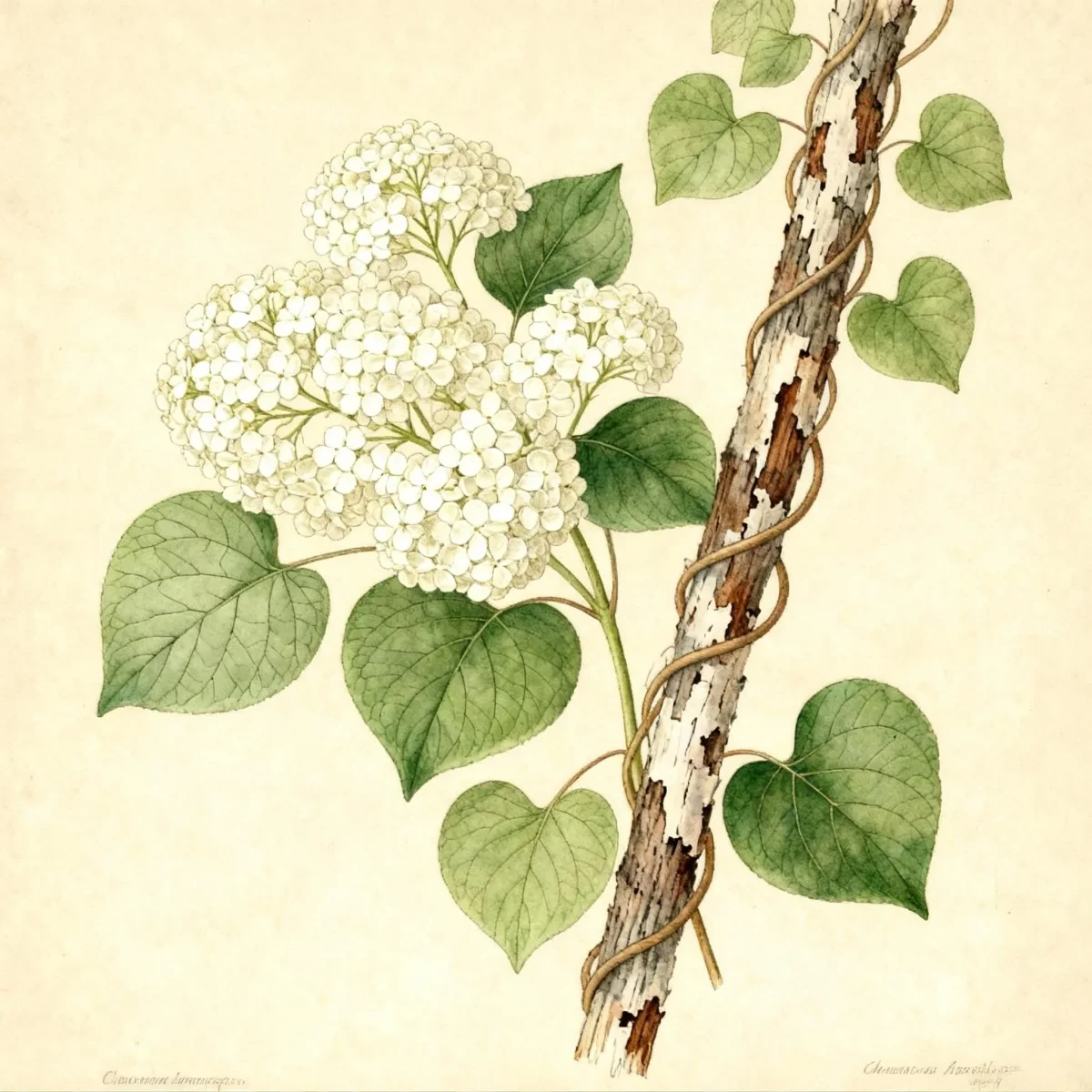
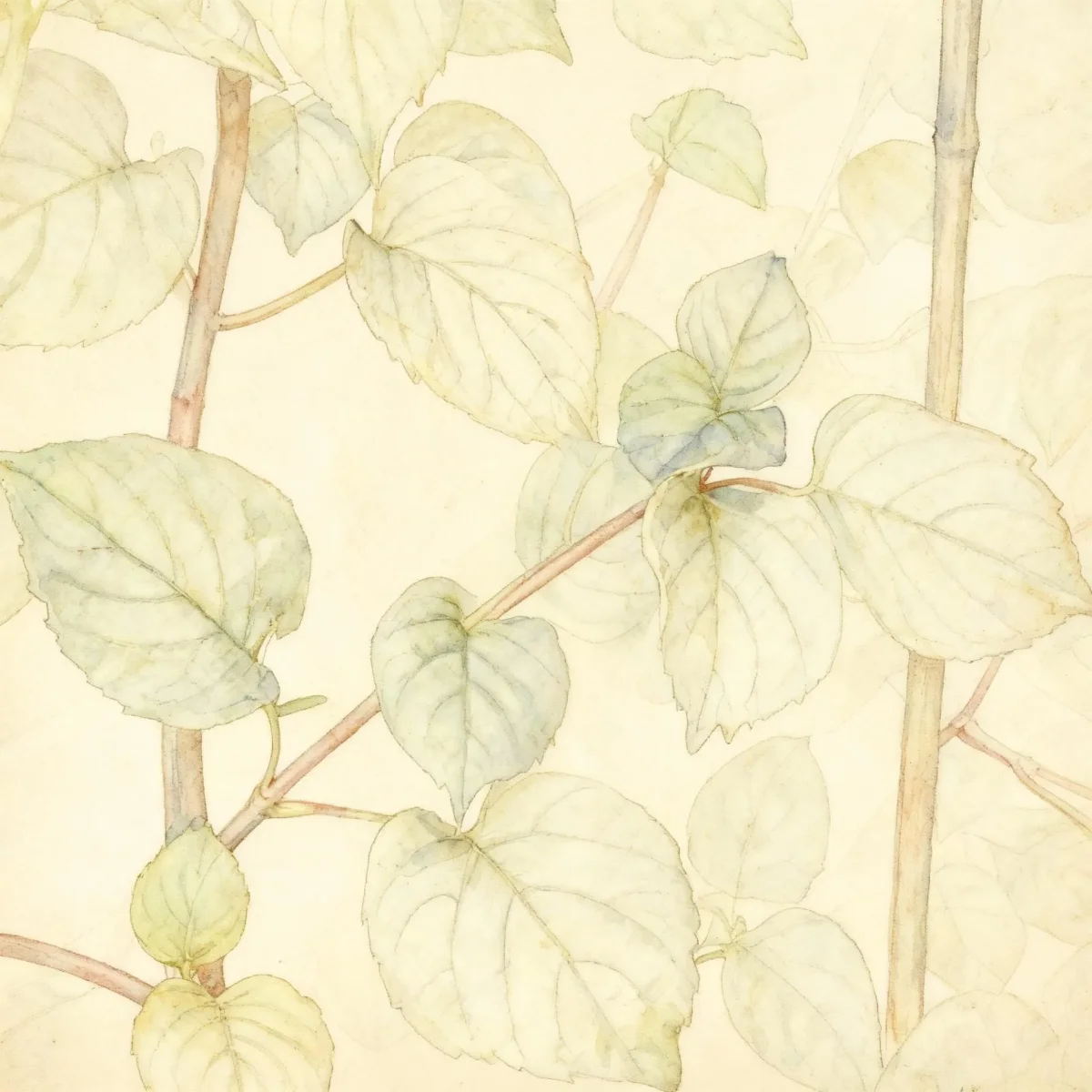
False hydrangea (Deinanthe bifida)
Discover Deinanthe bifida, the False hydrangea. Low maintenance perennial with white summer blooms for shady woodland gardens.

Bloom Boldly, No Matter the Season - Sweatshirt
Cozy organic cotton sweatshirt featuring our exclusive Purple Coneflower design. Perfect for gardeners who bloom year-round.
Inspired by the beautiful False hydrangea
Limited first batch (50) — join the waitlist for early access
Waitlist closes Feb 15, 2026.
Complete Plant Information
Field Guide Continues
Ready for care notes, companion picks, and planting tips?
The map is just the start. The full guide below covers growth habits, seasonal performance, and landscape uses.
Overview
Deinanthe bifida, commonly known as the False hydrangea, is a captivating herbaceous perennial perfect for brightening deep shade areas in the garden. Its aesthetic appeal stems from large, distinctly textured, hydrangea-like leaves and terminal clusters of white summer flowers. This plant brings a refined woodland character often sought after in low-light landscapes.
Although related to the woody shrubs, this member of the Hydrangeaceae family remains reliably herbaceous, dying back in winter and emerging in spring. It offers surprisingly low maintenance for the distinct visual impact it provides throughout the growing season, making Deinanthe bifida a favorite for specialized shade gardens.
Native to the cool, moist alpine forests of Japan, the False hydrangea thrives where many other flowering plants struggle. Gardeners value its ability to tolerate conditions ranging from part shade to deep shade while providing structure and delicate summer blooms.
Fast Facts
- Plant Family: Hydrangeaceae
- Plant Type: Herbaceous perennial
- Native Range: Japan
- Hardiness Zones: USDA Zones 4-8
- Size at Maturity:
- Height: 1.5-2 ft
- Spread: 1.5-2 ft
- Bloom Time: June to July
- Bloom Description: White
- Sun Exposure: Part shade to full shade
- Water Needs: Medium
- Maintenance Level: Low
How to Grow
The Deinanthe bifida performs best when planted in well-drained, fertile, and consistently moist soil, mirroring its native habitat. Incorporate plenty of organic matter, such as peat, to maintain the necessary richness and structure. Ensure the planting location receives light shade; while it tolerates full shade, it struggles with the drying effects of intense sun exposure.
Watering should be consistent, as the False hydrangea is intolerant of drought conditions. Aim for medium moisture levels, especially during extended dry spells in summer. Perform cultural pruning only as needed to remove dead or damaged foliage in early spring before new growth begins.
Successful establishment is often observed in cooler summer climates where heat stress is minimized. When planting, locate Deinanthe bifida in areas protected from strong winds, which can damage the relatively large leaves. Propagation is feasible through division of mature clumps or by sowing seeds.
Landscape Uses
The primary role of the False hydrangea is filling difficult, shaded areas within the landscape. It is ideally suited for shady woodland gardens where its lush foliage provides excellent texture contrast against ferns or hostas. Considering its compact, upright habit, it works well toward the front or middle of a shade border.
Because Deinanthe bifida may be difficult to locate in commerce, dedicated gardeners treasure it for adding unique diversity to shade plantings. It pairs well with moisture-loving woodland companions that share its preference for humus-rich soils and dappled light conditions.
When used sparingly, this perennial provides an unexpected, almost tropical-looking element where traditional flowering shrubs fail to thrive. Seek out locations where its distinctive leaves can be appreciated up close, complementing the overall structure of the woodland setting.
Standout Features
Flower Qualities
- Showy
Noteworthy Characteristics
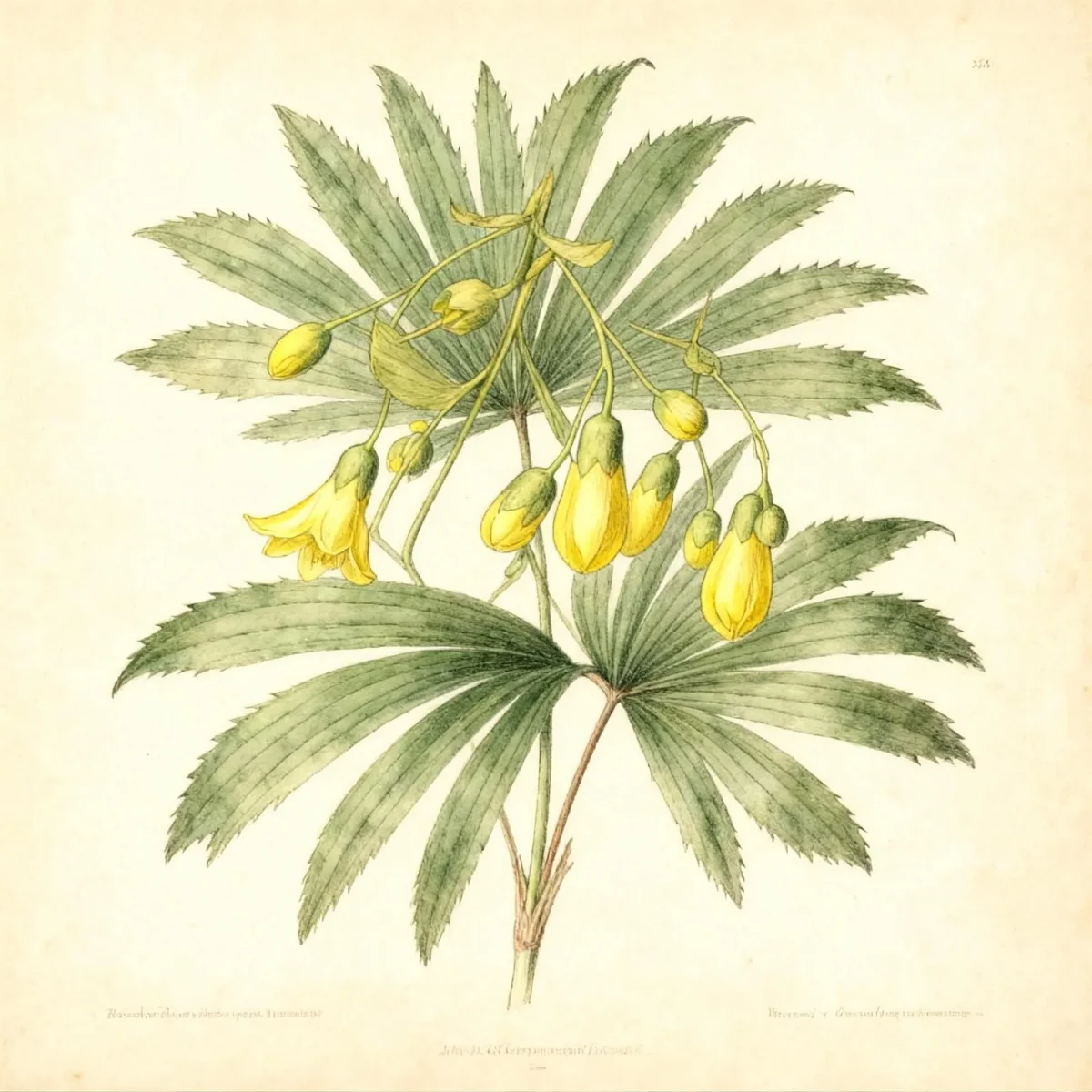
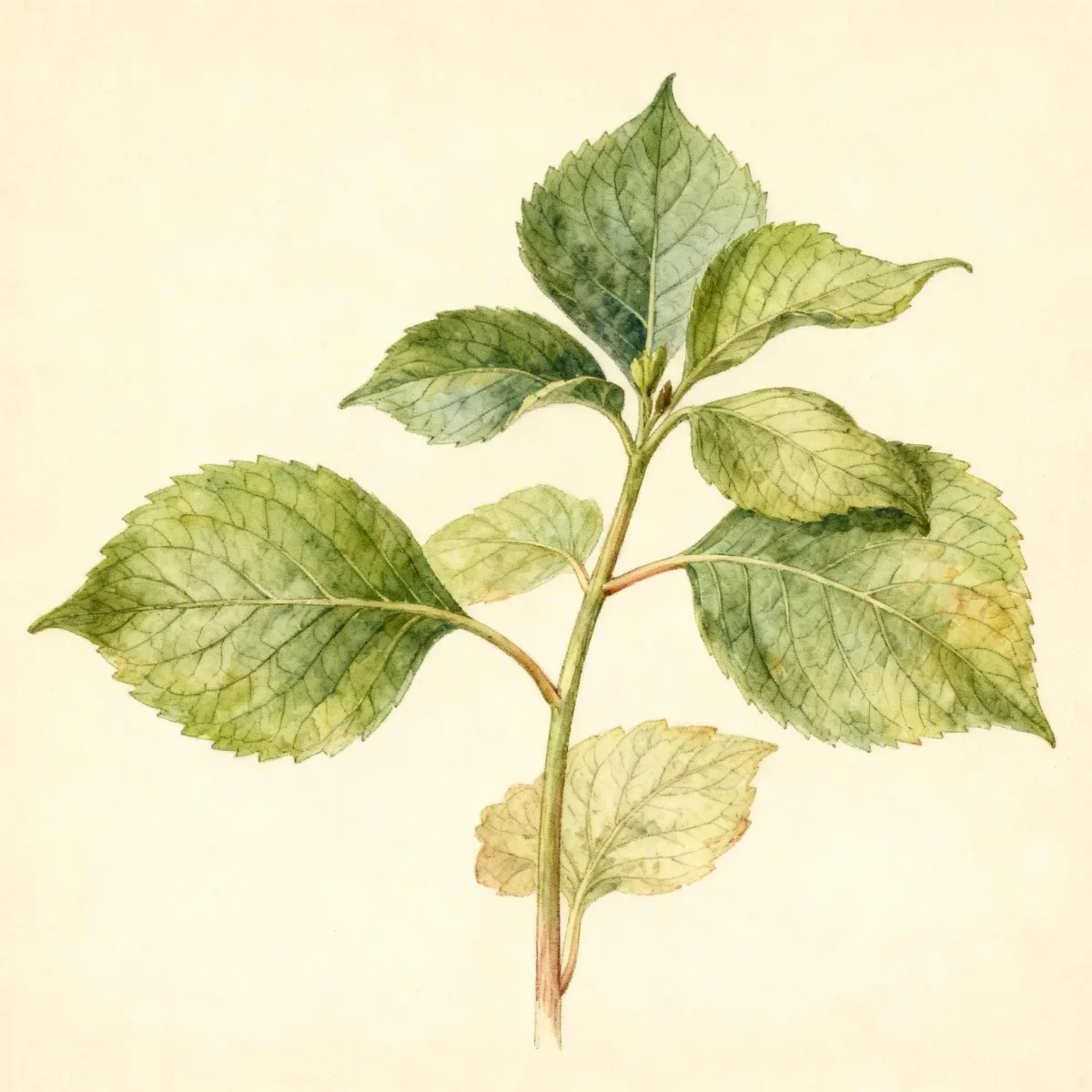
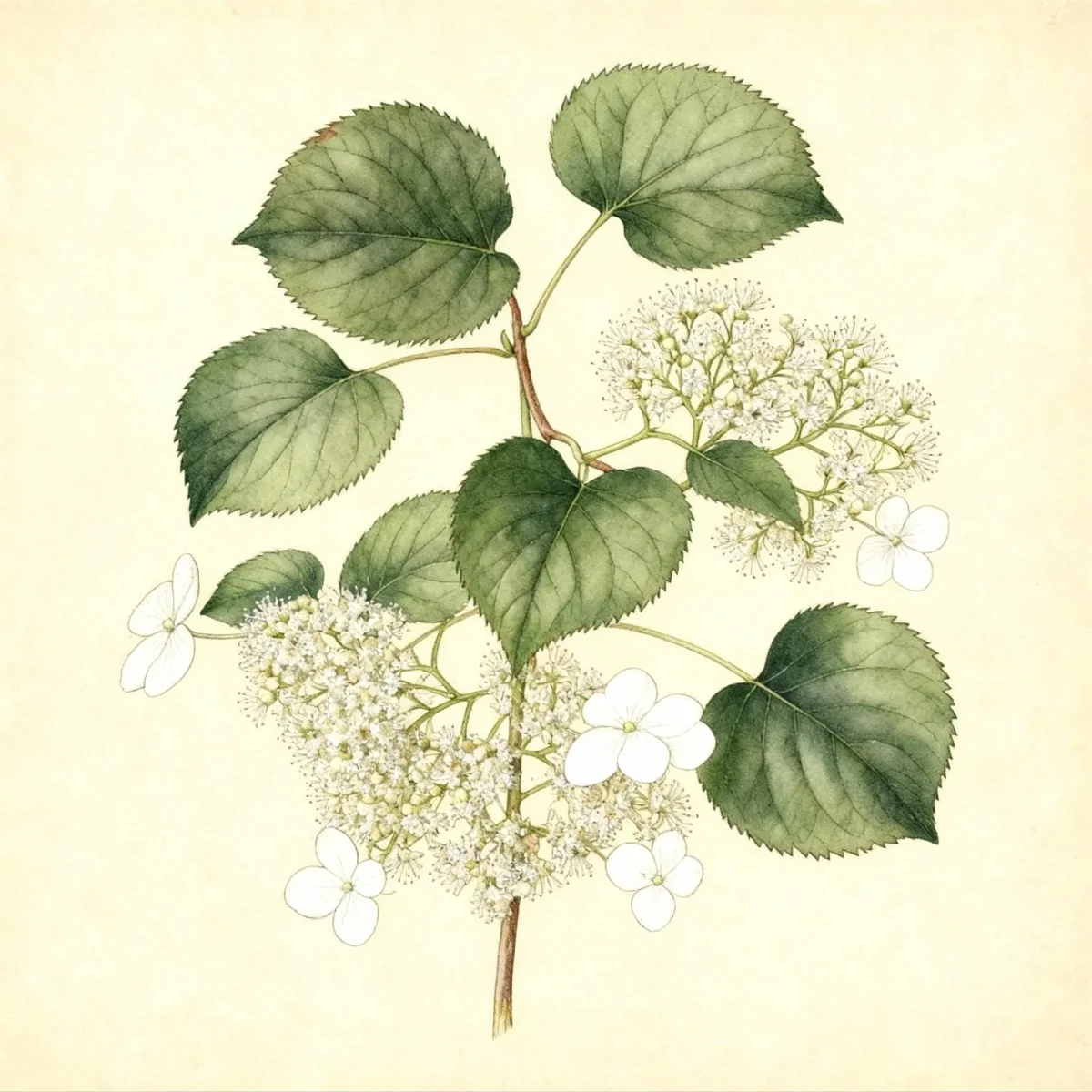
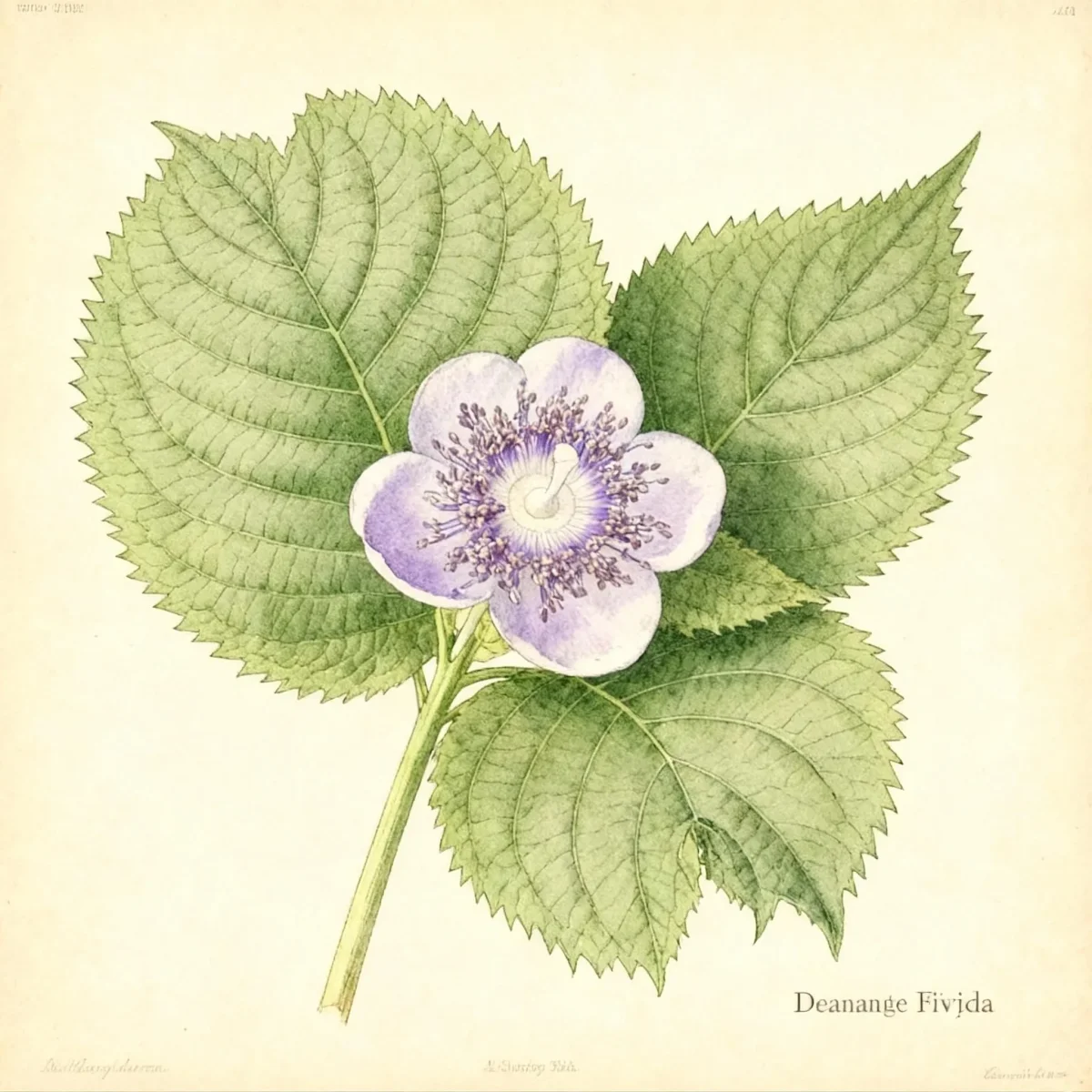
Deinanthe bifida, commonly called two-lobed false hydrangea, is an herbaceous perennial which typically grows to 2’ tall and as wide. It is native to cool moist alpine forests in Japan. White flowers in terminal clusters (corymbs) bloom above the foliage in summer. Flowers generally resemble those of some hydrangeas, featuring both fertile and larger sterile florets along the margins of the cluster. The leathery leaves are notable, often 4-8” long, coarsely-toothed, and characteristically possess two pointed lobes near the tip, supporting its common name.
Tolerances
- Heavy Shade
Potential Problems
This plant generally exhibits excellent resistance, reporting no serious insect or disease problems under correct cultural conditions. Gardeners should focus preventative efforts primarily on ensuring proper soil moisture and drainage, as root issues often arise from overwatering or poor drainage rather than specific pathogens. Avoid planting where competition from large tree roots will compromise the consistent moisture needs of this thirsty perennial.
Frequently Asked Questions
What hardiness zones is False hydrangea suitable for?
Deinanthe bifida is suitable for gardeners gardening within USDA Hardiness Zones 4 through 8.
How large does Deinanthe bifida grow?
This herbaceous perennial typically reaches a mature height and spread between 1.5 and 2 feet.
What sun exposure does False hydrangea need?
Deinanthe bifida thrives in conditions ranging from part shade to full shade, and direct, hot sun should always be avoided.
When does False hydrangea bloom?
The white flowers of the False hydrangea appear reliably during the summer months, typically spanning from June through July.
Conclusion
The Deinanthe bifida, or False hydrangea, is a highly valuable addition for adding structure and reliable summertime blooms to deeply shaded garden niches. Its need for consistent moisture and well-drained, peaty soil defines its simple cultural requirements. Plan your planting schedule around the dormant season to help this unique beauty establish successfully in your cool, shady landscape.
Companion Planting in Shade Gardens
When integrating Deinanthe bifida into a woodland design, selecting companions with similar moisture and light needs is key. Pair it with shade-loving, moisture-tolerant groundcovers or perennials that offer contrasting foliage textures. Consider large-leafed hostas, hardy ferns like the Japanese Painted Fern, or Astilbe, which shares a similar need for humus-rich, consistently damp soil. These combinations enhance the visual depth of the shady corner.
Propagation Tips for Deinanthe bifida
Successful propagation of the False hydrangea can be achieved through two primary methods: division or seed. Division is best performed in early spring just as new shoots are emerging, allowing you to separate healthy root sections and transplant them immediately. For seed propagation, collect the dried seed capsules in the fall, stratify the seeds over winter according to standard procedures, and sow them in the following spring. Division often yields faster results for establishing new plants.