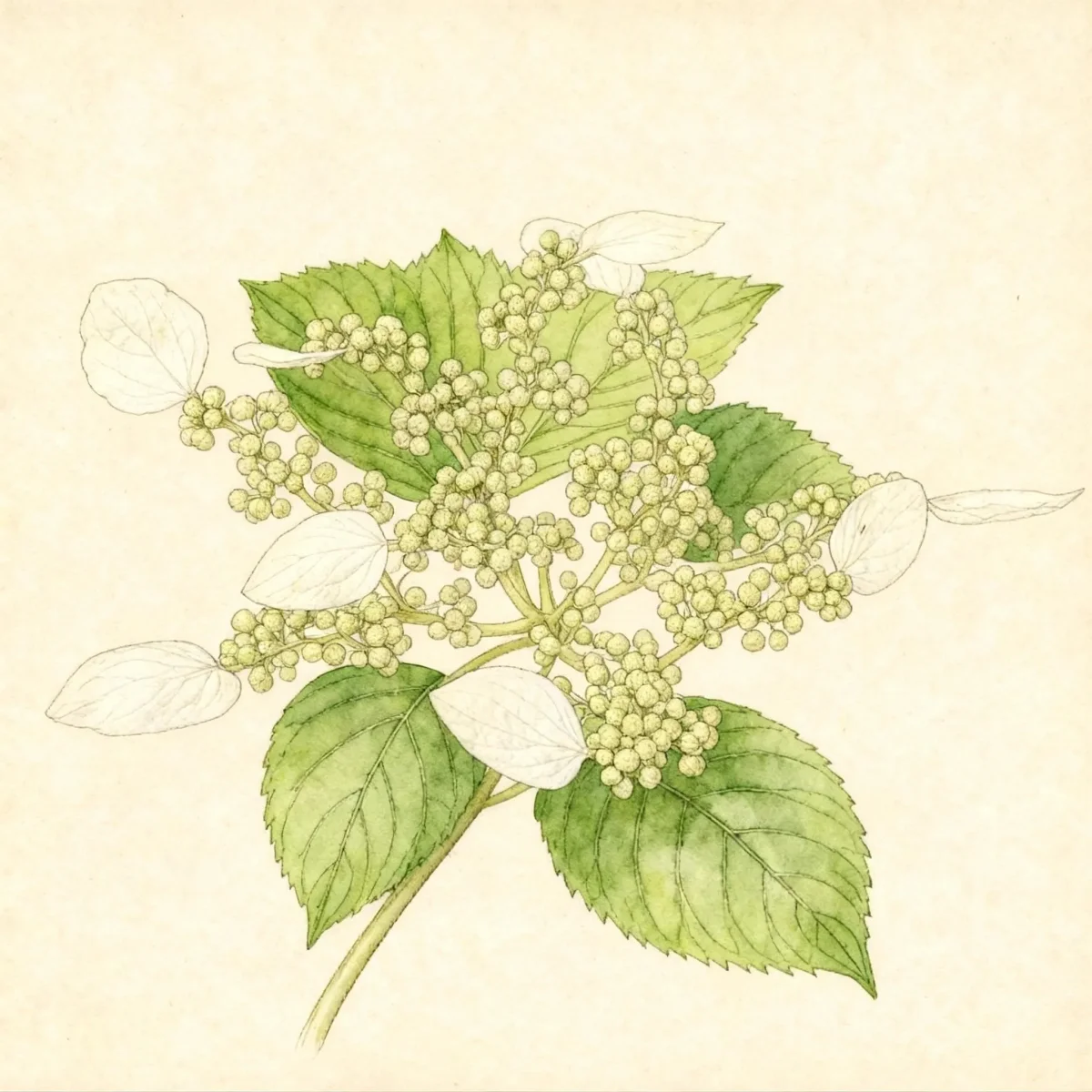
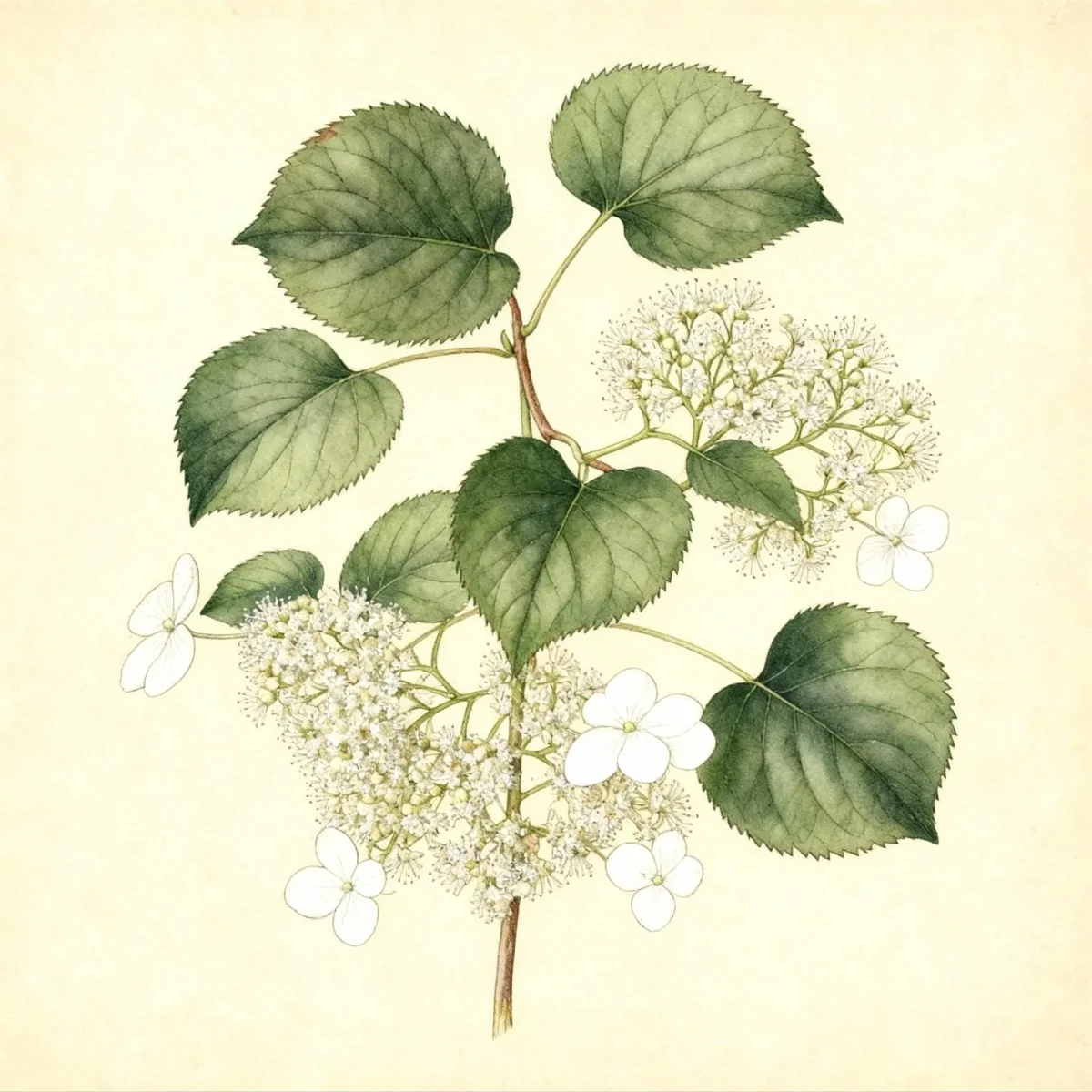
Climbing hydrangea (Hydrangea anomala)
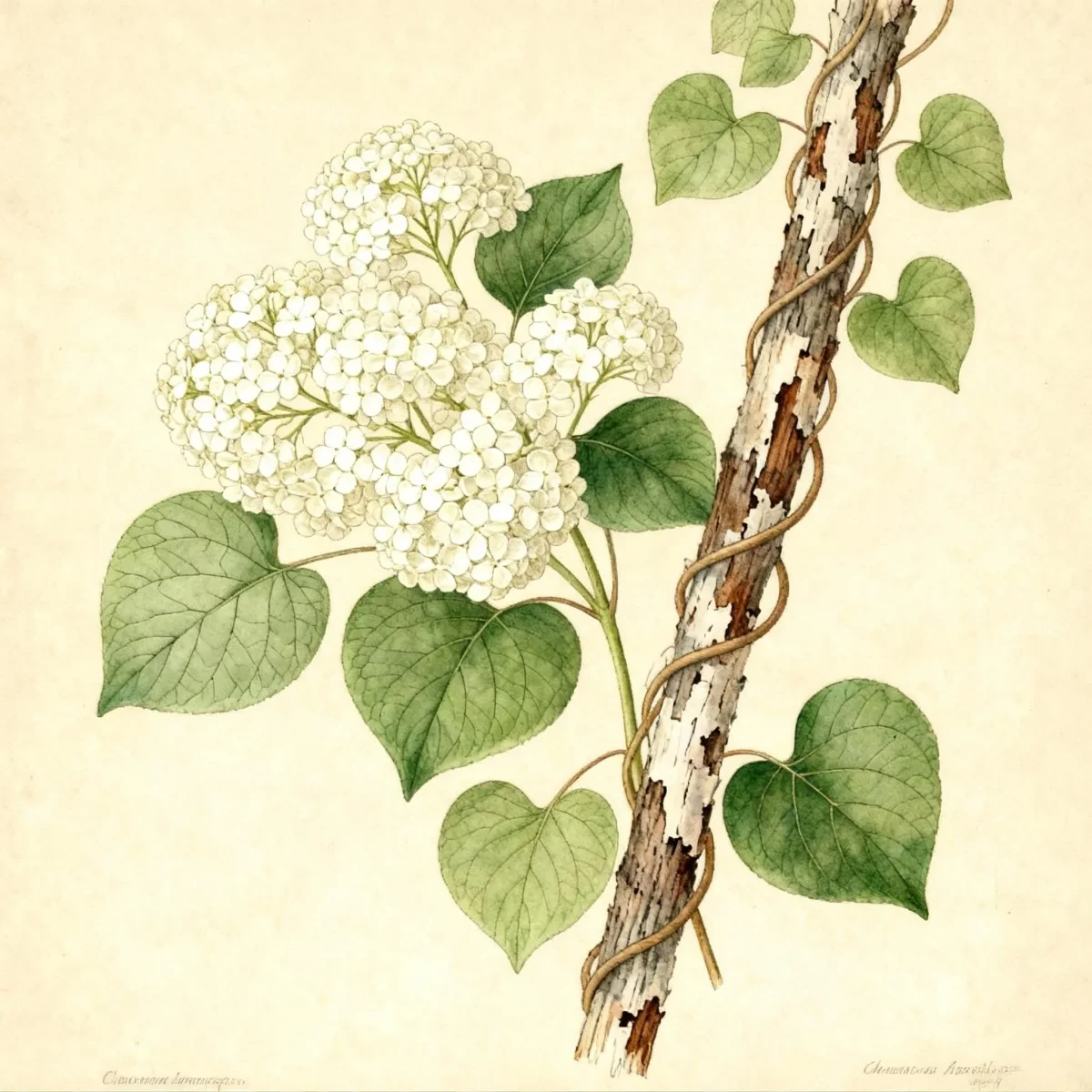
Hydrangea anomala, or Climbing hydrangea, is a vigorous, deciduous vine known for fragrant white lacecap blooms and attractive exfoliating bark.

Bloom Boldly, No Matter the Season - Sweatshirt
Cozy organic cotton sweatshirt featuring our exclusive Purple Coneflower design. Perfect for gardeners who bloom year-round.
Inspired by the beautiful Climbing hydrangea
Limited first batch (50) — join the waitlist for early access
Waitlist closes Feb 15, 2026.
Complete Plant Information
Field Guide Continues
Ready for care notes, companion picks, and planting tips?
The map is just the start. The full guide below covers growth habits, seasonal performance, and landscape uses.
Overview
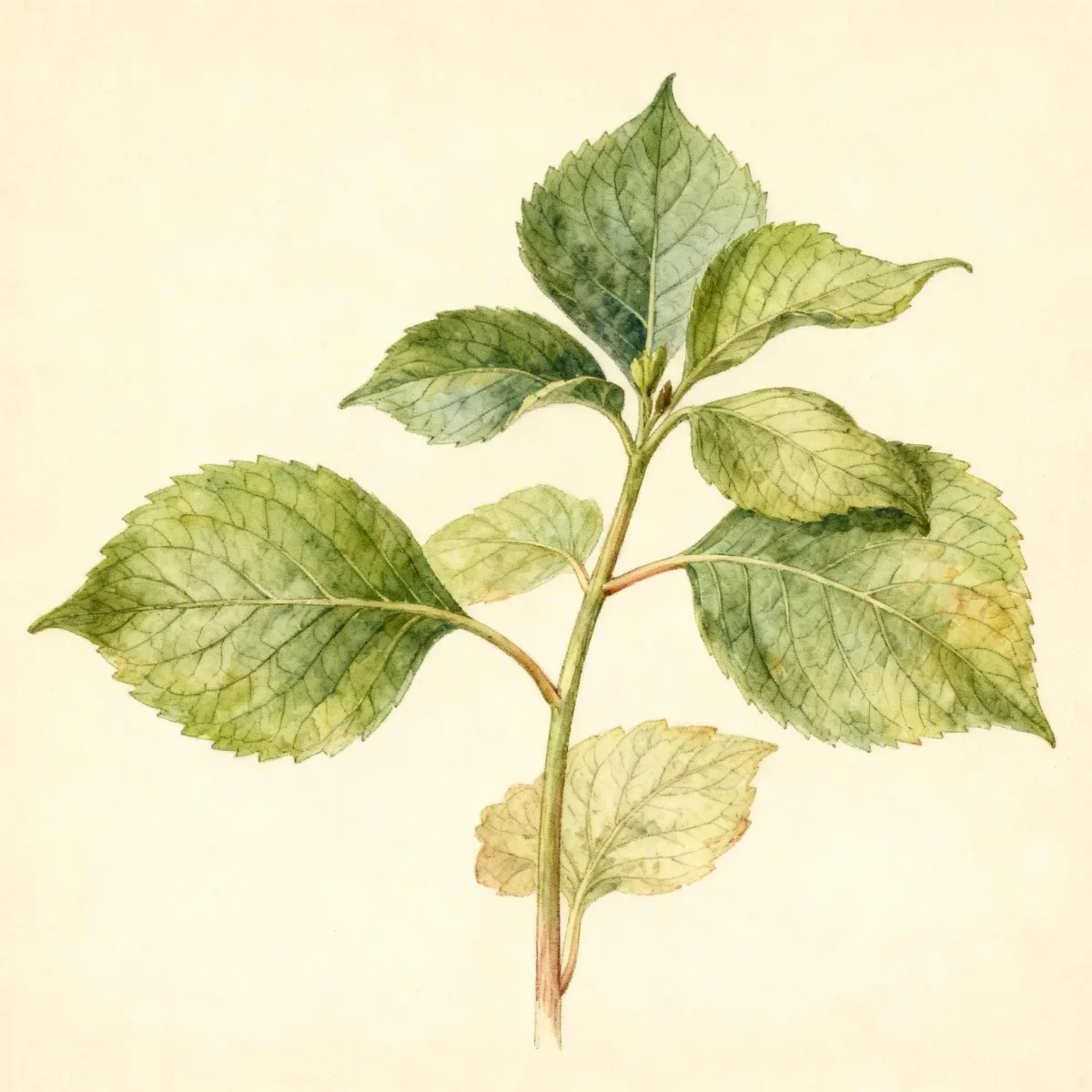
The Hydrangea anomala, commonly called Climbing hydrangea, is a spectacular yet largely understated woody vine celebrated for its ability to adhere firmly to vertical surfaces. This vigorous climber utilizes twining stems and aerial rootlets, maturing into an imposing structure that offers year-round architectural interest, particularly through its exfoliating, reddish-brown bark in winter. Gardeners value its ability to transform unsightly walls or mature tree trunks into living tapestries.
Although slow to establish its grip, once happily situated, Hydrangea anomala becomes vigorous, eventually reaching heights of 30 to 40 feet. Its floral display features flat-topped clusters of fragrant white flowers blooming in late spring, lending a subtle elegance to shady garden areas. This vine provides significant visual mass and texture while demanding relatively low maintenance once successfully anchored.
Native to the Himalayas and China, Hydrangea anomala thrives where many flowering shrubs struggle—in partial to full shade. Its adaptability to cling vertically makes it an exceptional choice for adding vertical dimension where traditional shrubs cannot compete, offering fragrance and texture across the season.
Fast Facts
- Plant Family: Hydrangeaceae
- Plant Type: Vine
- Native Range: Himalayas, China
- Hardiness Zones: USDA Zones 5-8
- Size at Maturity:
- Height: 30-40 ft
- Spread: 5-6 ft
- Bloom Time: May to June
- Bloom Description: White
- Sun Exposure: Part shade to full shade
- Water Needs: Medium
- Maintenance Level: Low
How to Grow
Establishment is key for the Climbing hydrangea. Plant this vine in spring or fall into rich, fertile, moist but well-drained soils. While it performs best in part shade to full shade, it can tolerate full sun only if soil moisture is kept consistently high. Be aware that this species is somewhat intolerant of extremely hot and humid conditions, making it potentially challenging in the heat of the deep South, and it may struggle in Zone 8.
Watering should remain consistent, especially during the initial establishment phase and any dry spells, fulfilling its medium water needs. Fertilization is rarely required if the soil is rich; focus instead on providing a consistent moisture level. Pruning is generally minimal for structure, as the vine self-climbs, though you can encourage bushier lateral growth by selectively cutting back the long horizontal branches that extend beyond the support structure.
Spring cleanup involves observing new growth and ensuring that aerial rootlets have found purchase on the support. Propagation can be achieved via stem cuttings or seeds, though results from cuttings are often slow. Remember, vigor increases dramatically only after the Hydrangea anomala has become thoroughly established.
Landscape Uses
The Climbing hydrangea excels as a vertical accent where structure and texture are desired. It is profoundly effective when placed against substantial structures like brick, stone, or wood walls, as the vine readily attaches using its holdfasts. This capability allows gardeners to soften imposing hardscapes beautifully.
Beyond building walls, this versatile vine is excellent when trained onto robust arbors, large fences, or the trunks of mature, healthy trees. For an informal look, allow Hydrangea anomala to sprawl over low stone walls, large rock piles, or unsightly stumps, effectively masking them. While less common, it can successfully serve as a dense ground cover in deeply shady spots or stabilized steep embankments.
When considering companions, plant shade-tolerant perennials or ground covers near the base, such as hostas or ferns, to soften the transition where the vine meets the ground. The eventual tiered effect of the Hydrangea anomala foliage creates superb depth in shaded garden layers.
Standout Features
Flower Qualities
- Showy
- Fragrant
- Good Cut
- Good Dried
Noteworthy Characteristics
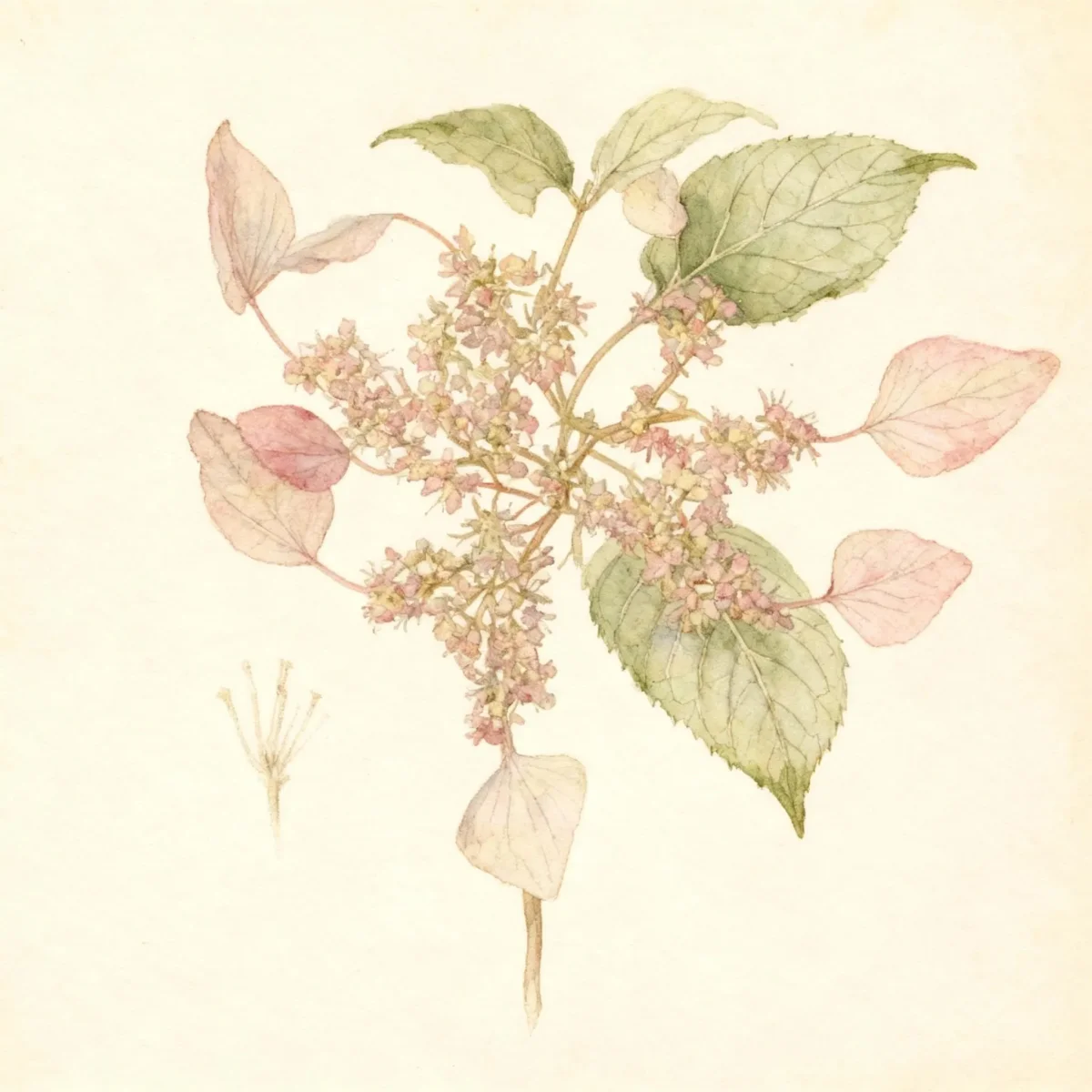
Hydrangea anomala, commonly known as climbing hydrangea, is a vigorous, sprawling, deciduous, woody vine that clings and climbs by twining and aerial rootlets along the stems, typically maturing over time to 30-40’ long. Its fragrant white flowers appear in lacecap configurations from May through July, surrounding showy sterile florets. Mature stems are noted for their attractive, peeling, reddish-brown bark that provides essential winter interest.
Tolerances
- Rabbit
- Drought
- Heavy Shade
Potential Problems
Overall, this plant is remarkably pest-free; garden managers report no serious insect or disease problems plaguing the Climbing hydrangea. The primary management concern is structural support. If you intend to grow Hydrangea anomala vertically on walls, fences, or large trees, you must ensure the support structure is robust enough to handle the mature weight of this lengthy vine.
As the vine matures, its lateral branches can extend several feet outward, creating a substantial, tiered visual mass that requires adequate space on the supporting structure. Plan for significant width as well as height when siting your Hydrangea anomala.
Frequently Asked Questions
What hardiness zones is Climbing hydrangea suitable for?
The Climbing hydrangea is suitable for landscapes within USDA Hardiness Zones 5 through 8.
How large does Hydrangea anomala grow?
Mature specimens typically reach heights between 30 and 40 feet, with a spread ranging from 5 to 6 feet if supported vertically.
When does Hydrangea anomala bloom?
This vine produces its fragrant white flowers primarily from May to June.
What sun exposure does Climbing hydrangea need?
It prefers part shade to full shade conditions, although it can tolerate full sun if kept very consistently moist.
Conclusion
The Hydrangea anomala is an exceptional choice for gardeners seeking dramatic, year-round texture, fragrant late-spring blooms, and excellent shade tolerance. Its unique climbing habit allows it to conquer large vertical spaces where few other woody plants can establish securely. Before planting, evaluate your site conditions, ensuring adequate moisture and a strong support system to accommodate the mature size of this resilient Climbing hydrangea.
Companion Planting
When selecting companions for Hydrangea anomala, focus on plants that share its preference for moderate light and consistently moist, rich soil. Shade-tolerant ferns, especially Japanese Painted Ferns or large Wood Ferns, provide fine, delicate texture that contrasts beautifully with the large, dark green leaves of the vine.
Consider using shade-loving broadleaf evergreens, such as certain varieties of Hellebores (Lenten Rose) or Mahonia species, to provide evergreen structure at the base of the vine during winter. These companions will integrate well with the low-growing or mounding habit the vine sometimes adopts when unsupported.
Because the Climbing hydrangea can eventually shade out smaller ground covers, ensure that any low plantings you choose are vigorous enough to compete without being smothered by the vine’s spreading lateral branches.
Propagation Tips
Propagating Hydrangea anomala offers several options for expanding your collection. While the species can be grown from seed, success is often faster and more reliable through stem cuttings. Take hardwood cuttings in the dormant season (late fall or winter) from young, healthy stems.
Alternatively, soft or semi-hardwood cuttings taken during the summer months (June or July) often root well, especially if kept in a humid, protected environment. Because the vine establishes slowly, patience is required; ensure cuttings receive consistent moisture and protection from intense, direct afternoon sun until they develop a strong root system.
Design Ideas Utilizing Vertical Space
Utilize Hydrangea anomala to frame entryways or soften the harsh angles of utilitarian structures like sheds or garage walls. Its ability to cling tightly makes it ideal for covering older masonry, restoring beauty without needing extensive scaffolding. For a deeply shaded woodland edge, allow the vine to climb the trunks of established, non-invasive deciduous trees, creating a dappled light canopy effect.
In larger landscapes, pair the Climbing hydrangea with robust, large-leafed plants like Rodgersia or Actaea (Baneberry) in the understory for a lush, textural tapestry. Avoid planting it directly against new or weak wooden structures, as the strong holdfasts can potentially damage soft materials as the vine expands.
Wildlife Benefits
While not a primary pollinator magnet like some other flowering shrubs, the fragrant flat-topped flowers of Hydrangea anomala do attract small beneficial insects during their bloom period in late spring/early summer. The small fertile flowers within the cluster are critical for insect visitation.
Furthermore, the dense, woody mass created by a mature vine offers excellent shelter and nesting sites for small birds, particularly in established, mature specimens. The heavy shade created underneath the dense canopy also provides cooler microclimates beneficial for shade-loving amphibians during hot periods.