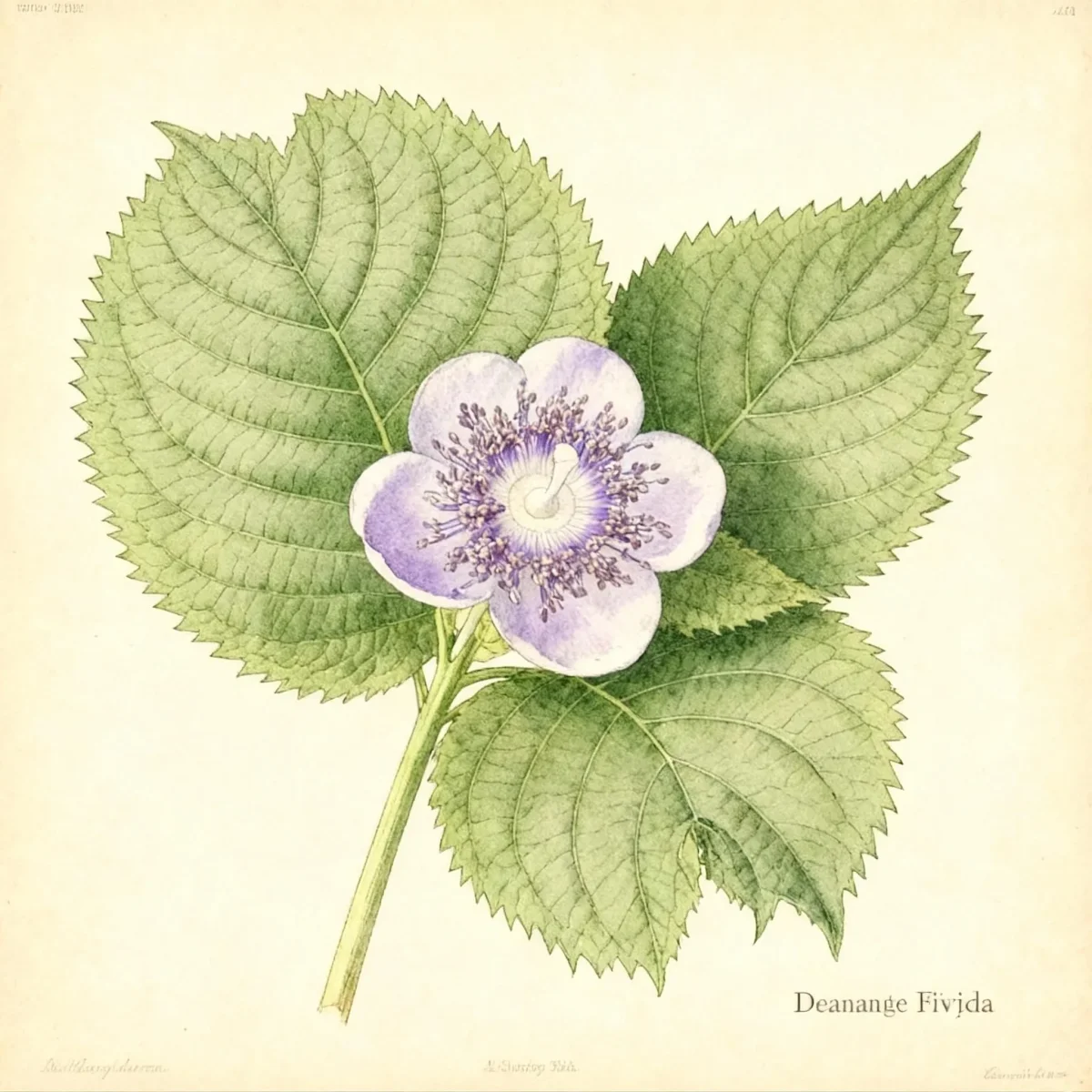
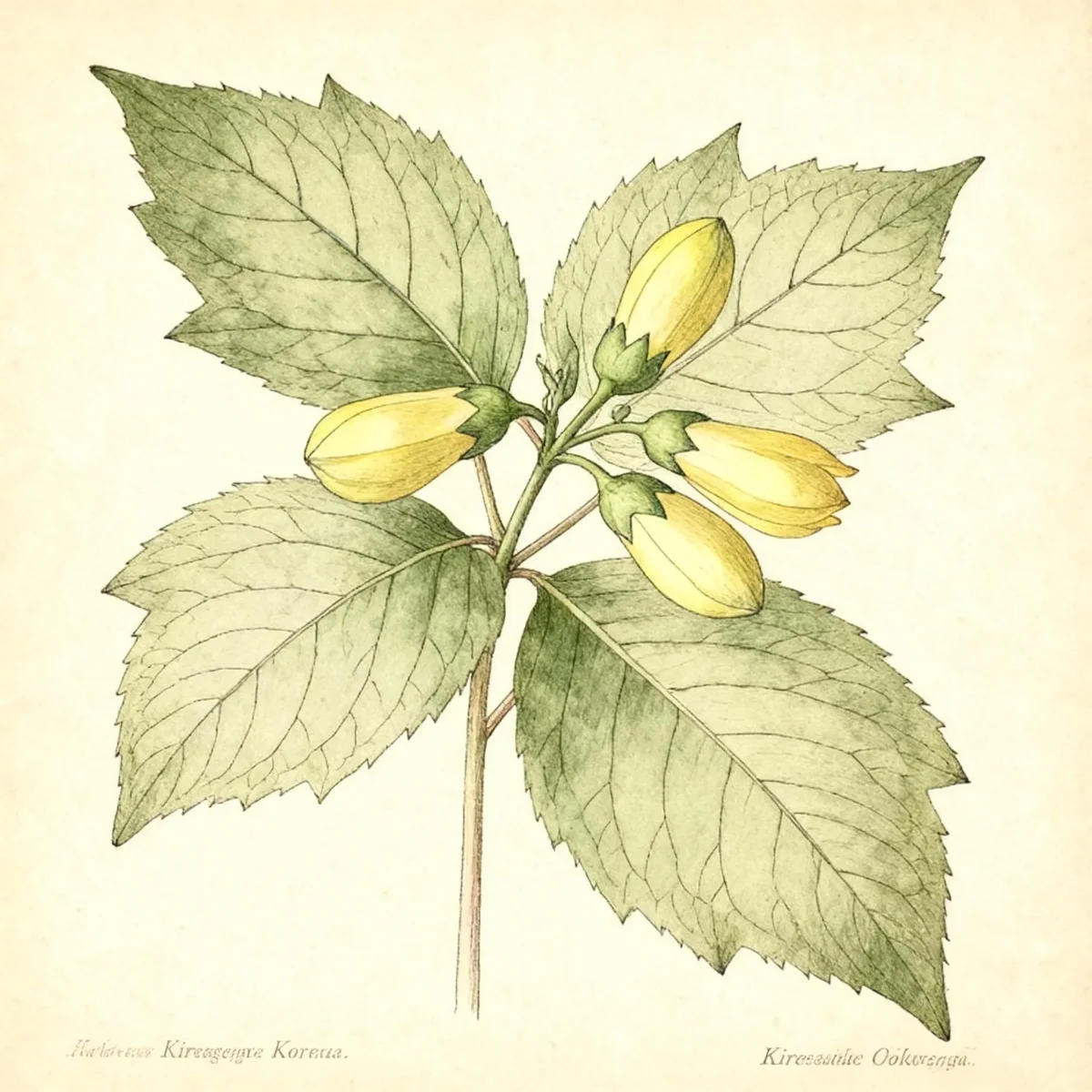
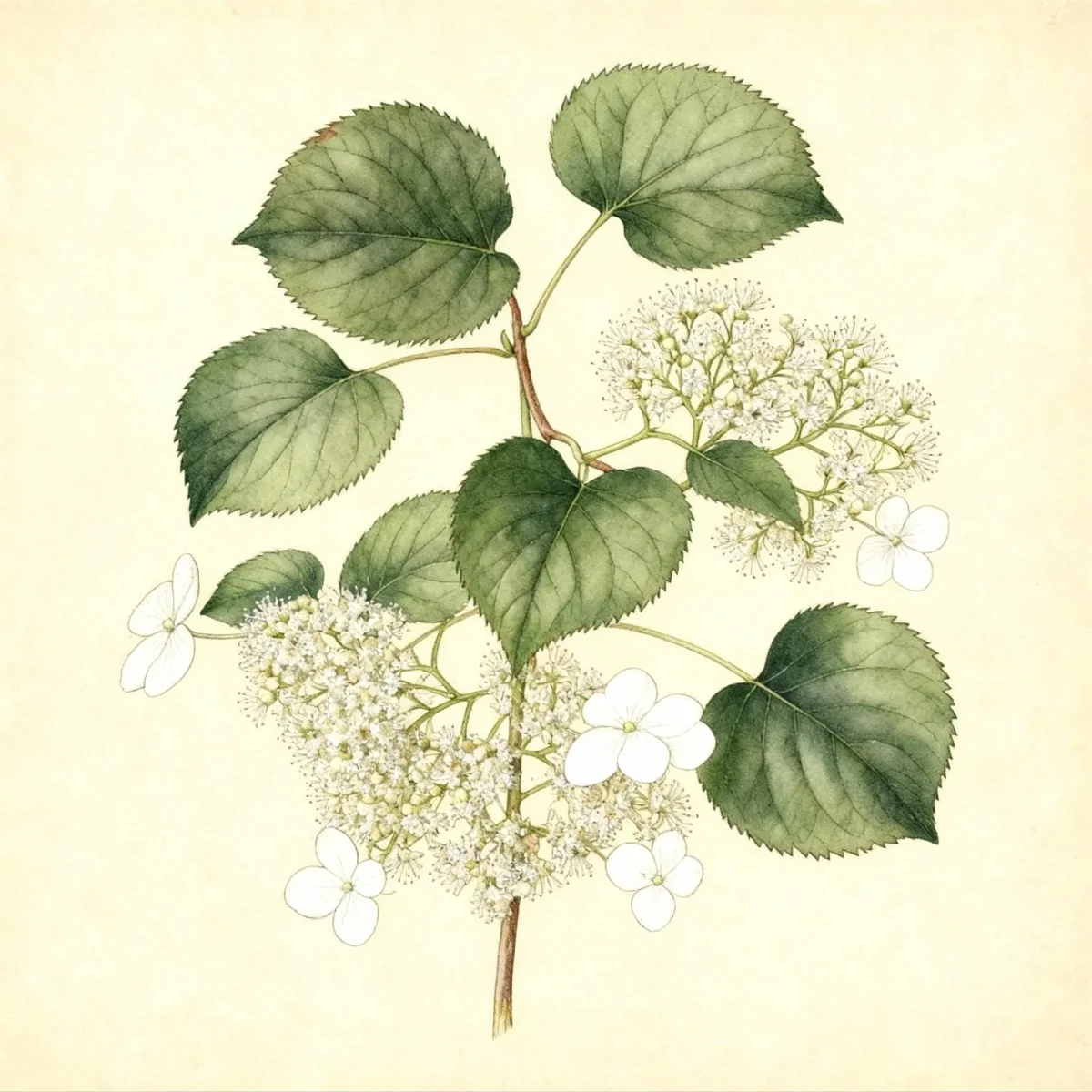
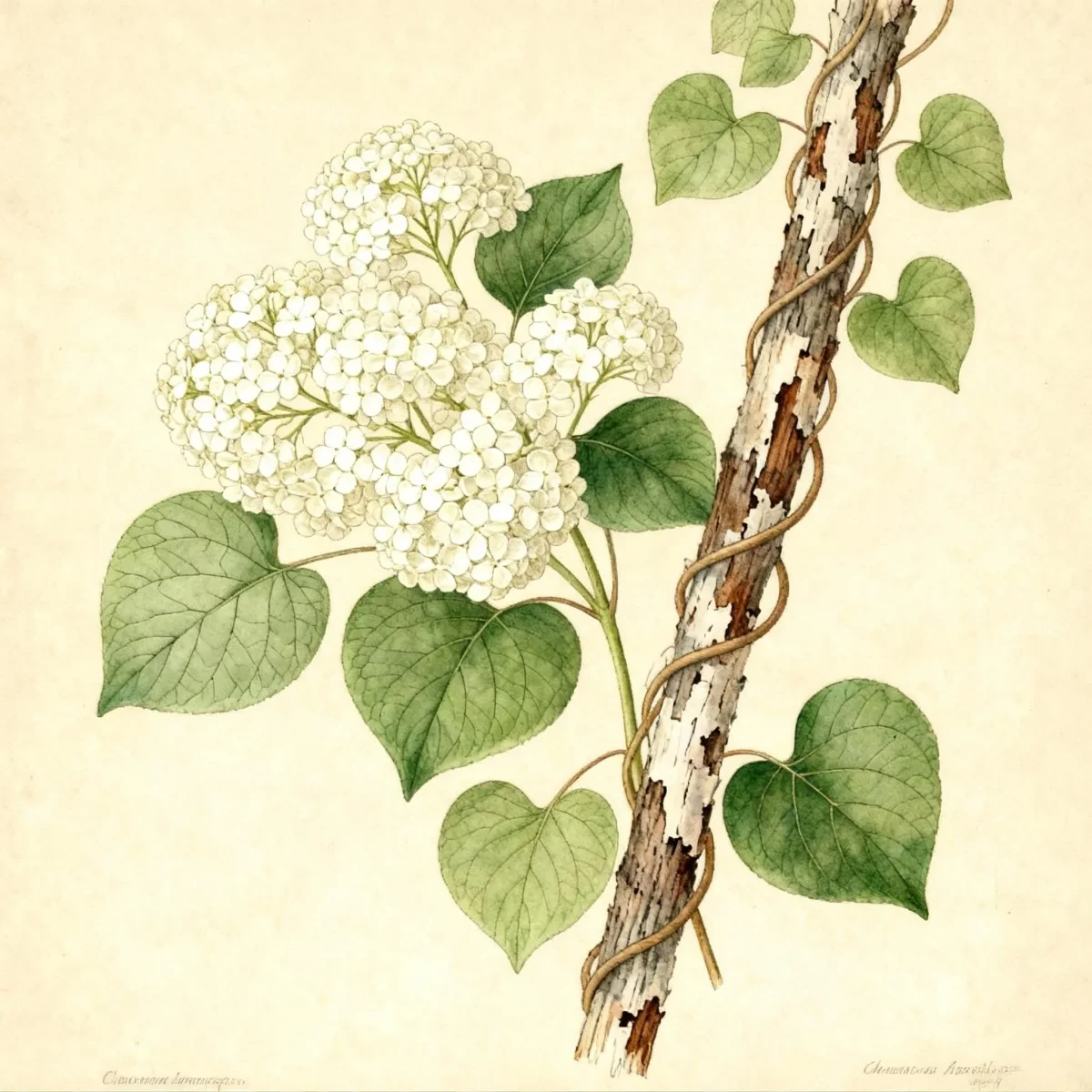
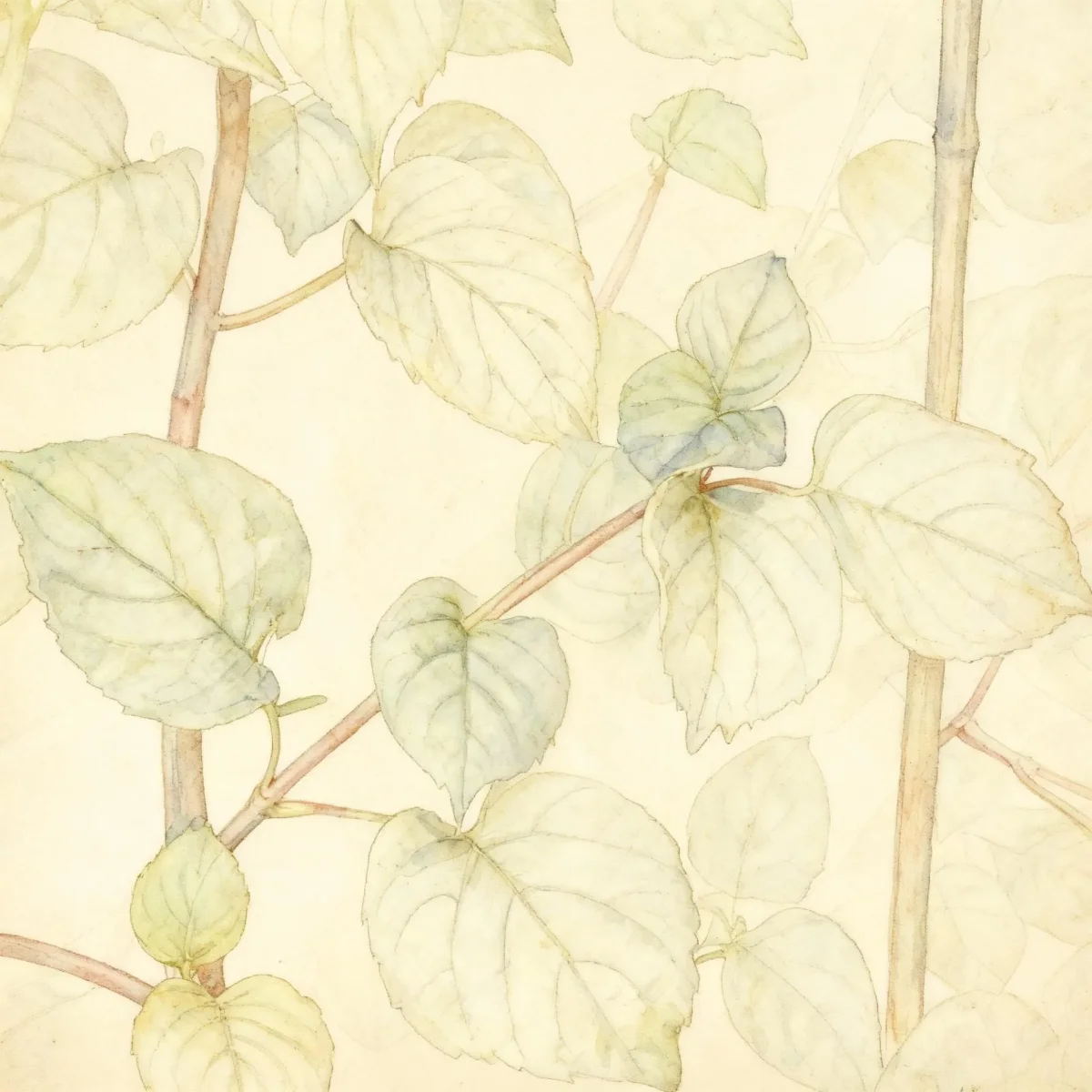
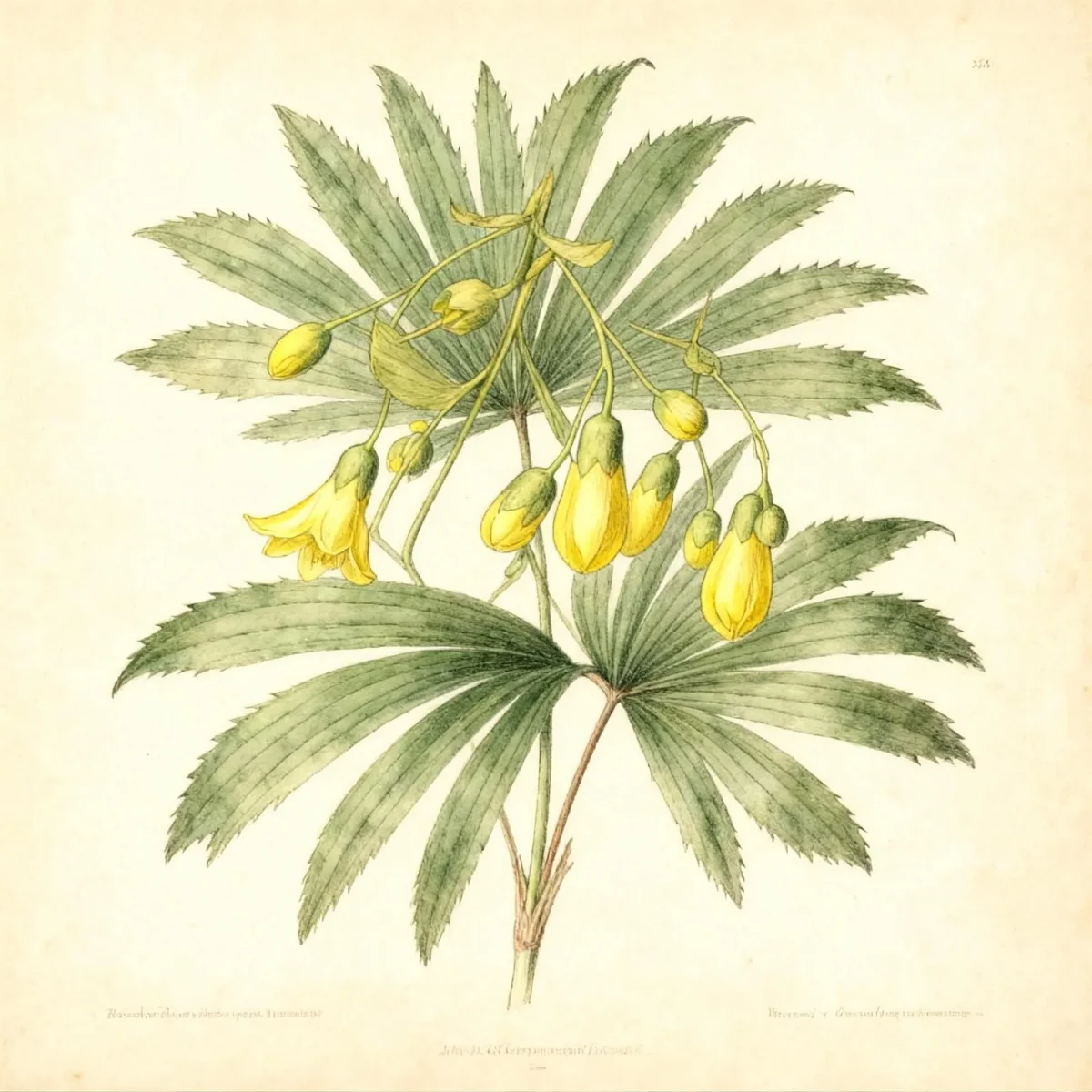
Yellow wax bells (Kirengeshoma palmata)
Discover Kirengeshoma palmata, the striking Yellow wax bells, prized for its maple-like foliage and unique waxy yellow blooms in partial shade.

Bloom Boldly, No Matter the Season - Sweatshirt
Cozy organic cotton sweatshirt featuring our exclusive Purple Coneflower design. Perfect for gardeners who bloom year-round.
Inspired by the beautiful Yellow wax bells
Limited first batch (50) — join the waitlist for early access
Waitlist closes Feb 15, 2026.
Complete Plant Information
Field Guide Continues
Ready for care notes, companion picks, and planting tips?
The map is just the start. The full guide below covers growth habits, seasonal performance, and landscape uses.
Overview
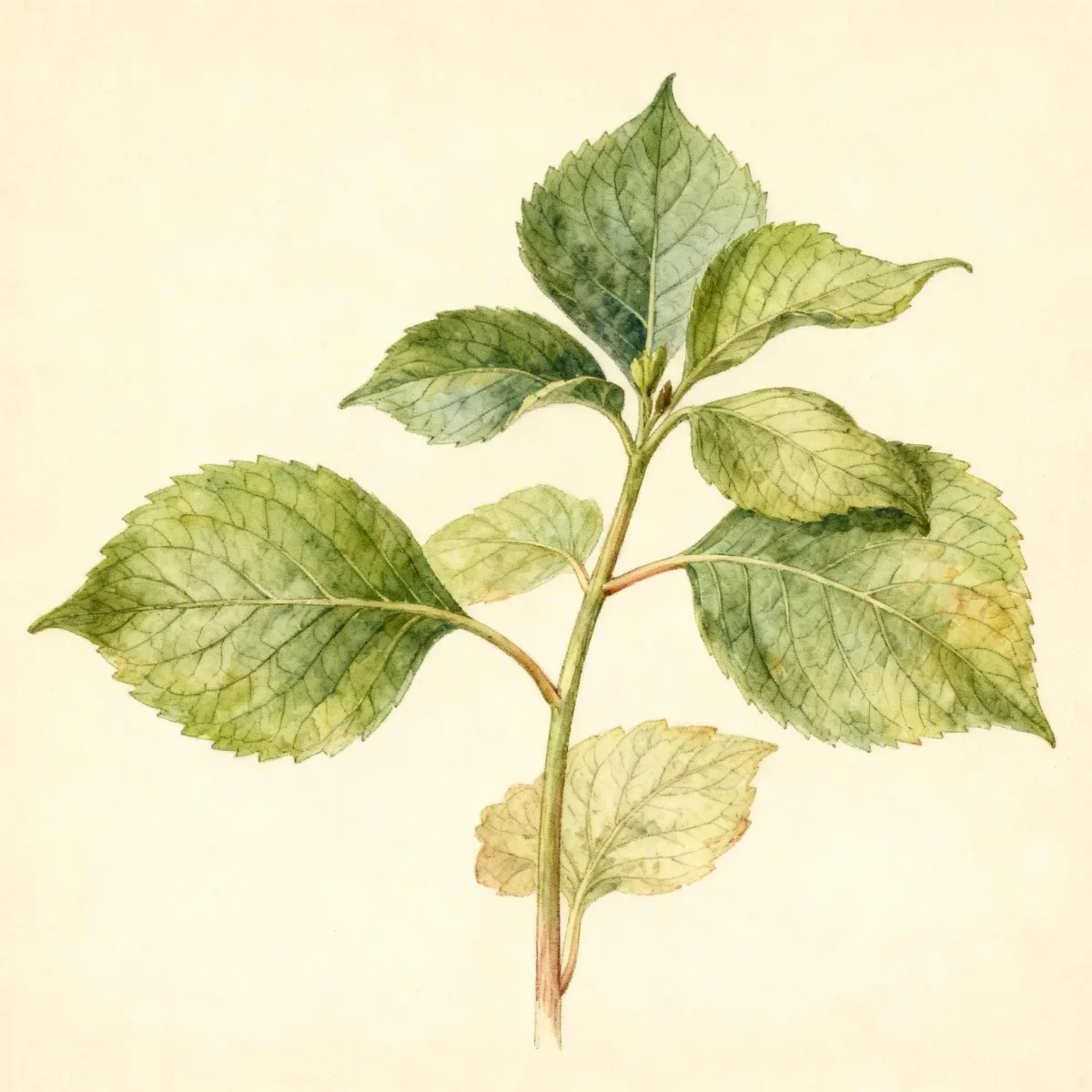
Kirengeshoma palmata, commonly known as Yellow wax bells, brings unique texture and understated elegance to the shade garden. This herbaceous perennial is celebrated primarily for its outstanding, deeply lobed, maple-like leaves, which provide consistent structure long before and after its unique flowering period. Gardeners value this plant for its ability to thrive in deeply shaded areas where many flowering perennials struggle.
The visual highlight occurs from June through July when the Kirengeshoma palmata produces its distinctive, waxy, bell-shaped yellow flowers. These nodding blooms hang gracefully from erect, purplish stems, offering a delightful contrast against the bold foliage. Its overall presentation is refined yet intriguing, making it a sophisticated addition to any woodland planting scheme.
With low maintenance requirements, Yellow wax bells offer significant aesthetic payoff for minimal effort. It establishes best in soils rich in humus and benefits from consistent moisture, fitting perfectly into established perennial borders or shaded woodland settings where its requirements can be easily met.
Fast Facts
- Plant Family: Hydrangeaceae
- Plant Type: Herbaceous perennial
- Native Range: Japan, Korea, China
- Hardiness Zones: USDA Zones 5-8
- Size at Maturity:
- Height: 3-4 ft
- Spread: 2-3 ft
- Bloom Time: June to July
- Bloom Description: Yellow
- Sun Exposure: Part shade to full shade
- Water Needs: Medium
- Maintenance Level: Low
How to Grow
Start planting Kirengeshoma palmata in the spring or fall once the danger of hard frost has passed. Success hinges on mimicking its native environment: choose a location offering part shade to full shade protection from harsh afternoon sun. The culture demands moist, acidic, humus-rich, and highly well-drained soils. Incorporating ample organic matter, like compost or aged leaf mold, is crucial for establishing the correct environment.
Watering requirements for Yellow wax bells are medium; aim to keep the soil consistently moist but never waterlogged. Consistent moisture is particularly important during the growing season to support the large leaf structure. Fertilization is rarely necessary if the soil is already rich in humus; however, an annual top-dressing of compost in early spring helps maintain soil quality without over-feeding.
Maintenance for this perennial is generally low. Pruning is typically limited to cutting back the old stems close to the ground in late winter or very early spring before new growth emerges. Inspect for pests infrequently, as the plant generally resists serious insect or disease issues.
Landscape Uses
The unusual architecture of Kirengeshoma palmata makes it an indispensable structural element in shaded borders and woodland gardens. Its height (3-4 ft) allows it to anchor the middle to back of a mixed border, providing vertical interest through its erect stems and dramatic foliage texture.
Use Yellow wax bells near paths or seating areas where its unique flowers can be appreciated up close, or mass several together to create a striking tapestry of texture in a dimmer area of the yard. They pair exceptionally well with plants that appreciate similar moist, acidic conditions, such as hostas, ferns, and native woodland shrubs like Japanese azaleas. The overall effect is one of refined, naturalistic planting design.
Standout Features
Flower Qualities
- Showy
Noteworthy Characteristics
Kirengeshoma palmata is a somewhat shrubby, herbaceous perennial with erect, purplish stems typically growing 3-4.5’ tall. Features coarsely toothed, deeply lobed, maple-like leaves (to 8” across) which are perhaps the most outstanding feature of the plant. Narrow, drooping, waxy, bell-shaped yellow flowers (1.5” long) appear in both terminal and upper leaf axillary clusters (cymes), usually three flowers per cluster, from late summer to early autumn. Flowers give way to somewhat grotesquely interesting, three-horned, brownish-green seed capsules.
Tolerances
Potential Problems
Gardeners cultivating Kirengeshoma palmata will be pleased to note that it rarely suffers from serious insect or disease problems. This natural hardiness contributes significantly to its low maintenance rating. Focus cultural efforts on providing the correct soil moisture and acidity rather than fighting pests or fungal outbreaks.
Frequently Asked Questions
What hardiness zones is Kirengeshoma palmata suitable for?
Yellow wax bells thrive in USDA Hardiness Zones 5 through 8, offering reliable perennial performance across a wide range of climates.
How large does Yellow wax bells grow?
This herbaceous perennial typically reaches a height between 3 and 4 feet, with a similar spread ranging from 2 to 3 feet wide.
What sun exposure does Kirengeshoma palmata need?
This plant prefers part shade to full shade conditions. Avoid intense, direct afternoon sun, which can scorch the large leaves.
When does Yellow wax bells bloom?
The unique yellow flowers of Kirengeshoma palmata generally appear mid-season, blooming from June into July.
Conclusion
The Yellow wax bells is a standout performer for shaded garden spaces, valued for its architectural foliage and fascinating waxy blooms. Integrating Kirengeshoma palmata into your perennial scheme provides texture and color where light is scarce. Before planting, ensure your site mimics its preferred acidic, deeply mulched environment and check your hardiness zone compatibility.
Companion Planting for Shade Gardens
When designing a planting scheme around Kirengeshoma palmata, focus on plants that share its love for moist, humus-rich, acidic soil and low light conditions. Groundcovers like Epimedium (Barrenwort) provide dense coverage beneath its canopy, suppressing weeds while enjoying similar shade. Tall, vertical ferns, such as Japanese Painted Fern or Ostrich Fern, will complement the broad leaf shape of the Yellow wax bells.
For complementary floral interest, consider plants that finish blooming as this one begins, or those that offer contrasting flower color. Hellebores provide early spring color, fading nicely by the time the deeply lobed leaves of Kirengeshoma palmata fully emerge. Pairing it with plants offering blue or purple flowers, such as Astilbe or certain varieties of Brunnera, creates a stunning cool-color contrast against the lime-yellow flowers.
Seasonal Care Calendar
Spring preparation is key for maximizing the display of your Kirengeshoma palmata. As soon as the ground thaws, top dress the area with 1-2 inches of high-quality compost or aged leaf mold to enrich the soil structure and moisture retention. Cut back any old, dead stems from the previous season.
Summer care revolves around consistent moisture management. While it tolerates medium water needs, high summer heat combined with its large leaves means regular, deep watering is essential, especially if your location leans toward sunnier part-shade. Avoid overhead watering late in the day to allow foliage to dry before evening.
In autumn, admire the unique brownish-green seed capsules that form after flowering, adding interest until frost. Once the foliage dies back for winter, leave the stems standing until the next spring cleanup to protect the crown and provide visual interest during the colder months.