

Cenizo (Leucophyllum frutescens)
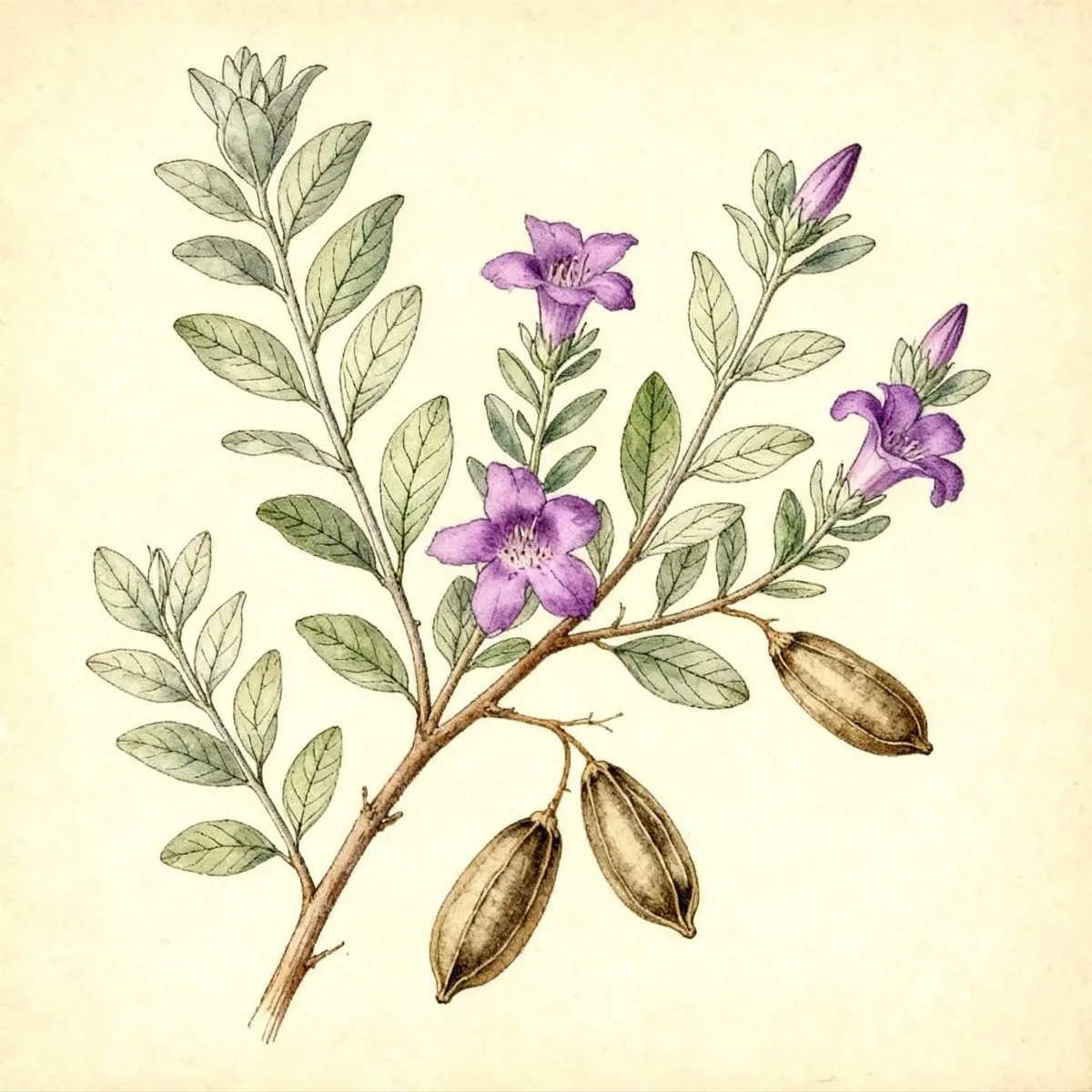
Leucophyllum frutescens (Cenizo) is a stunning, low-maintenance Texas native shrub known for dramatic purple blooms triggered by rain.

Bloom Boldly, No Matter the Season - Sweatshirt
Cozy organic cotton sweatshirt featuring our exclusive Purple Coneflower design. Perfect for gardeners who bloom year-round.
Inspired by the beautiful Cenizo
Limited first batch (50) — join the waitlist for early access
Waitlist closes Feb 15, 2026.
Complete Plant Information
Field Guide Continues
Ready for care notes, companion picks, and planting tips?
The map is just the start. The full guide below covers growth habits, seasonal performance, and landscape uses.
Overview
The Leucophyllum frutescens, widely recognized as Cenizo or Texas sage, is a highly valued broadleaf evergreen shrub, particularly in arid and drought-prone landscapes. Its primary aesthetic appeal lies in its distinctive, silvery-gray foliage which provides year-round brightness, offering excellent contrast against greener plantings. Gardeners prize this species for its remarkably low maintenance requirements and stunning floral displays.
This resilient shrub is native to the rocky landscapes of the Chihuahuan Desert in Texas and Mexico, making it exceptionally well-suited for challenging settings. The common name barometer bush derives from its tendency to produce a flush of purple flowers immediately following significant rainfall or humidity changes, a truly noteworthy characteristic of Leucophyllum frutescens.
For xeriscaping or areas needing hardy screening, Cenizo offers year-round structure and periodic bursts of color. Its tolerance for poor soils, intense sun, and drought establishes it as a cornerstone plant for low-water gardening success across its suitable hardiness zones.
Fast Facts
- Plant Family: Scrophulariaceae
- Plant Type: Broadleaf evergreen
- Native Range: Texas and Mexico
- Hardiness Zones: USDA Zones 8-10
- Size at Maturity:
- Height: 5-8 ft
- Spread: 4-6 ft
- Bloom Time: Seasonal bloomer
- Bloom Description: Purple
- Sun Exposure: Full sun
- Water Needs: Dry to medium
- Maintenance Level: Low
How to Grow
Planting Leucophyllum frutescens should occur when temperatures moderate, ideally in spring or early fall, allowing the roots to establish before extreme heat or cold sets in. Select a location that provides full sun exposure and guarantees sharp drainage, as this is paramount for success. This plant thrives in alkaline, gravelly, dry to medium soils. If your native soil is acidic, incorporate dolomitic limestone to adjust the pH upward.
Once established, watering requirements for Cenizo are minimal; it truly prefers gritty soils with infrequent moisture. Overwatering or planting in soggy conditions must be avoided, as this invites root issues like cotton root rot. Should you garden in an area experiencing high rainfall amounts, planting in raised beds is a valuable preventative measure.
Fertilizing Leucophyllum frutescens is unnecessary and generally discouraged, as rich nutrients can promote leggy, weak growth at the expense of flowering. Maintenance is low, focusing primarily on pruning only if needed to control sprawling or maintain a specific shape for hedging purposes. Propagation is reasonably straightforward using seeds or cuttings taken from semi-hardwood growth.
Landscape Uses
The strong vertical structure and silvery color of Cenizo make it highly versatile in xeriscape garden designs. When planted in succession, this shrub performs excellently as a durable hedge or effective windbreak, offering visual screening beginning at the 5-foot height mark. Its drought tolerance means it pairs well with other desert-adapted species that demand little supplemental water once established.
Beyond screening, Leucophyllum frutescens serves well as a foundation planting where excellent drainage is assured, or as a lone specimen near patios where its unique foliage can be appreciated up close. It can also be incorporated into large containers near driveways, providing structure throughout the year. Its general hardiness and low cultural demands make it a reliable choice for borders that need structure in hot, dry climates.
The silvery foliage acts as a cooling contrast in the landscape, effectively highlighting adjacent colorful perennials or warmer-toned desert grasses. Utilize smaller varieties, if available, in mass plantings to create drifts of shimmering texture against stone hardscaping common in southwestern landscapes.
Standout Features
Flower Qualities
- Showy
Noteworthy Characteristics
The Leucophyllum frutescens, commonly known as Texas sage or silver leaf, is a loosely branched shrub that typically matures between 5 and 8 feet tall. Its leaves are covered in fine, silvery-gray stellate hairs, giving the plant its famous whitish foliage appearance, though it is close to evergreen. The plant’s most famous display involves small, purple, tubular flowers that bloom suddenly, often triggered dramatically by rains or increased soil moisture throughout the summer and fall.
Tolerances
- Dry Soil
Potential Problems
Cenizo generally enjoys a reputation for being robust, with infrequent issues related to pests or diseases under proper growing conditions. The most serious potential problem faced by Leucophyllum frutescens is Cotton root rot, a soil-borne fungus prevalent in alkaline south/central Texas soils, though rare in truly arid settings.
If root rot is a known concern in your garden, selecting resistant varieties or implementing strict soil drainage protocols is crucial. Avoid high summer watering to minimize stress that can exacerbate fungal conditions. Overall, serious insect infestations or widespread foliar diseases are fortunately uncommon for this desert-adapted species.
Frequently Asked Questions
What hardiness zones is Cenizo suitable for?
Leucophyllum frutescens is reliably winter hardy in USDA Zones 8 through 10.
How large does Cenizo grow?
This shrub typically reaches a mature height between 5 and 8 feet tall, with a spread ranging from 4 to 6 feet wide. Be prepared to prune if you require a smaller stature.
What sun exposure does Cenizo need?
Cenizo absolutely requires full sun exposure to maintain its dense shape and encourage its namesake flowering response.
When does Leucophyllum frutescens bloom?
It is a seasonal bloomer, producing small, striking purple flowers primarily from late summer into the fall, often stimulated by rain events.
Conclusion
For gardeners seeking reliable structure, beautiful contrasting foliage, and dramatic, rain-triggered blooms, the Cenizo (Leucophyllum frutescens) remains an outstanding choice, particularly in water-wise landscapes. Its low demands and drought tolerance make it an indispensable component of sustainable Western gardening design. Before planting your Leucophyllum frutescens, confirm that your local USDA Zone falls within the 8 to 10 range and ensure the site offers excellent, sharp drainage.
Companion Planting in Xeriscapes
When selecting partners for your Leucophyllum frutescens, focus on other plants that share the need for full sun and low water use. Good companions include various Agave, Yucca, and Opuntia species which provide structural appeal alongside the soft texture of the Texas sage. For softer transitions, consider pairing Cenizo with Rosemary or Lavender, as these Mediterranean natives share similar preferences for fast-draining, somewhat lean soils.
The silvery-white foliage of the Cenizo acts as a perfect reflector, making neighboring plants with deep greens or blues appear more vibrant. Avoid bog-loving or heavy-feeding plants, as these will inevitably suffer in the dry, gritty conditions that Leucophyllum frutescens requires to thrive and bloom properly.
Pruning and Shaping Tips
While Leucophyllum frutescens is relatively low maintenance, some light pruning helps maximize its effectiveness as a screen or hedge and prevents overly sprawling habits as the plant ages. The best time to conduct significant shaping cuts is in late spring, after the threat of frost has passed but before the main summer blooming period commences.
Avoid heavy renewal pruning, especially into old wood, as this plant can be slow to break new buds in deep shade or highly stressed conditions. Focus instead on light shearing during the active growing season to encourage dense side branching, which improves the overall visual bulk of the hedge screen formed by the Cenizo. Never prune during active bloom if you wish to capture the rain-triggered flower event.


