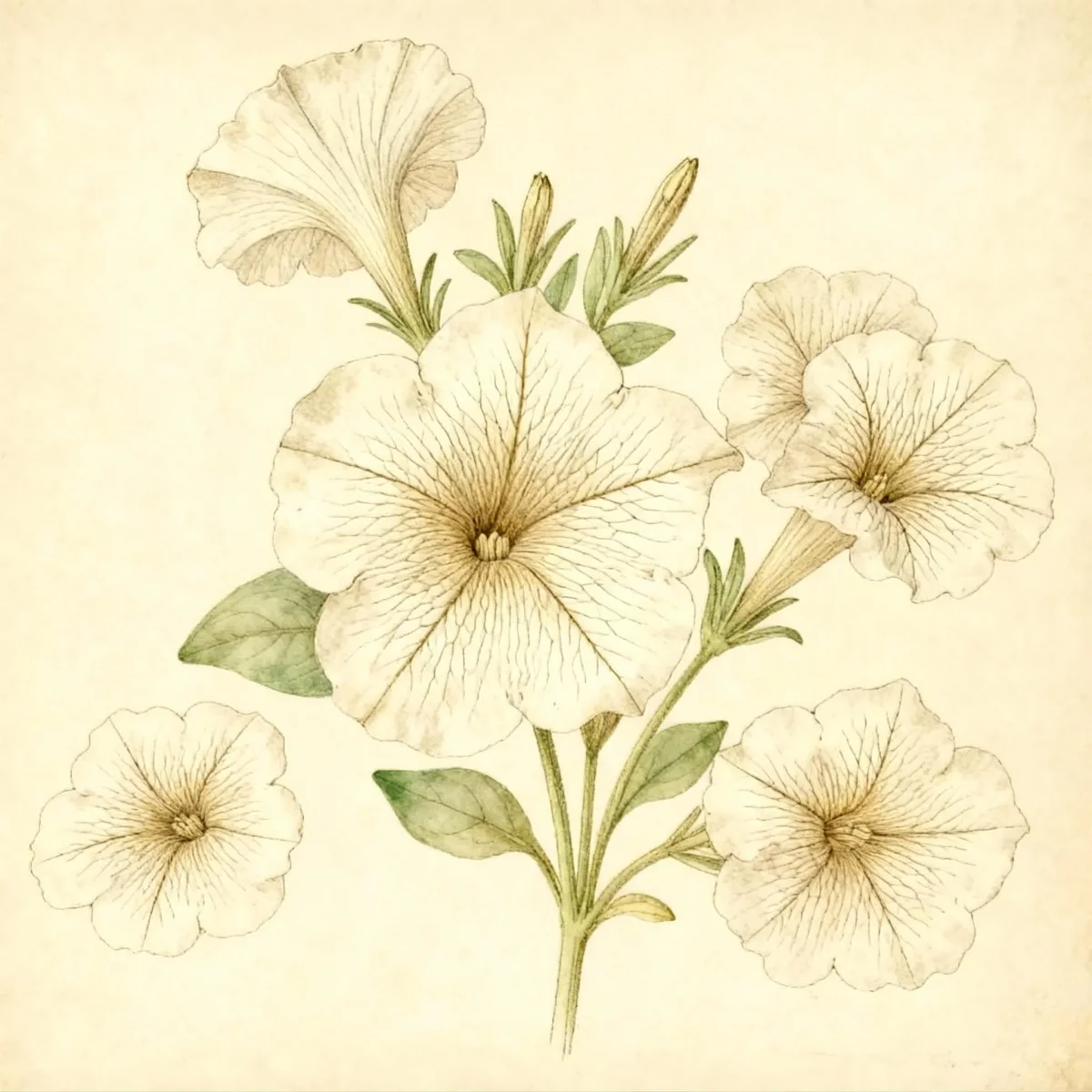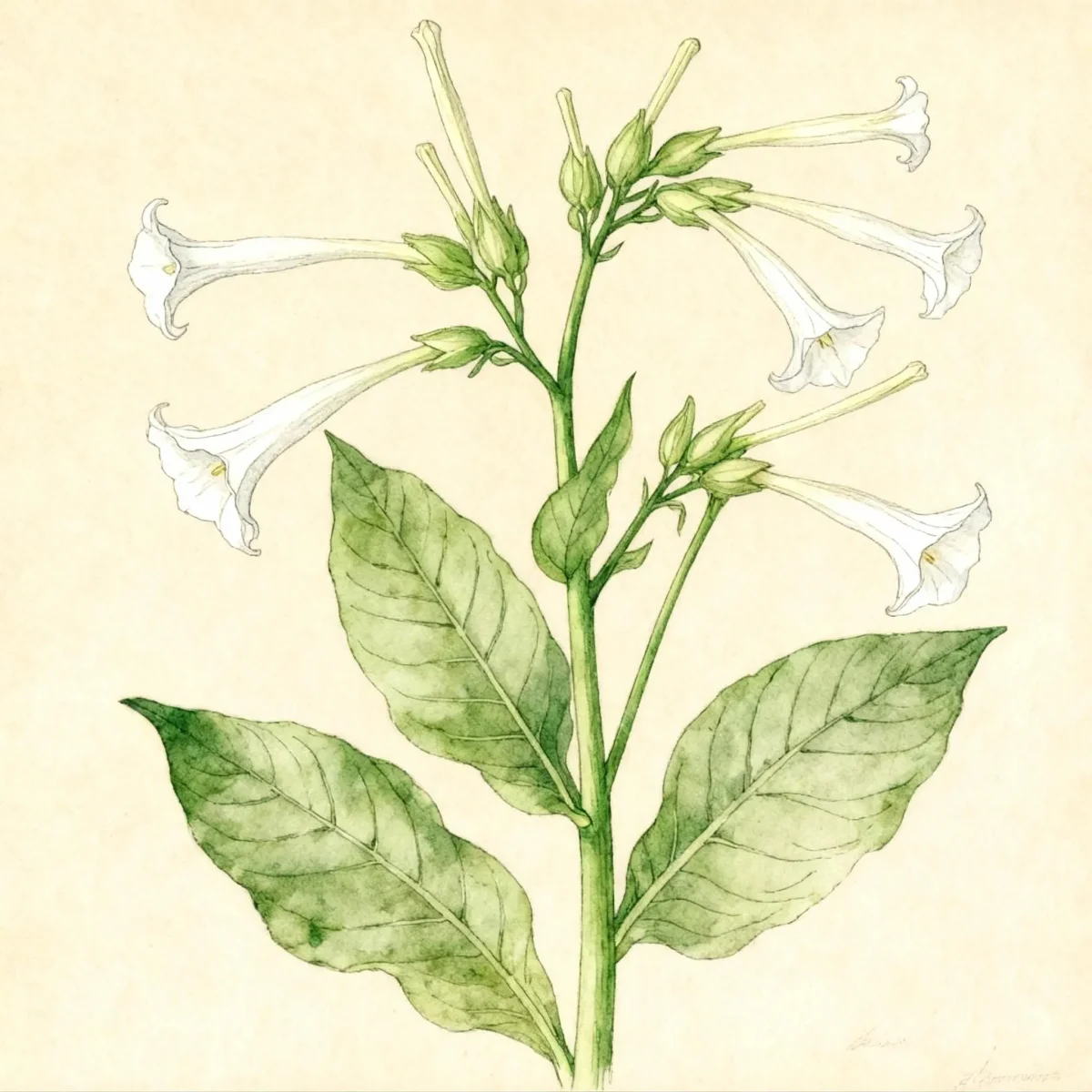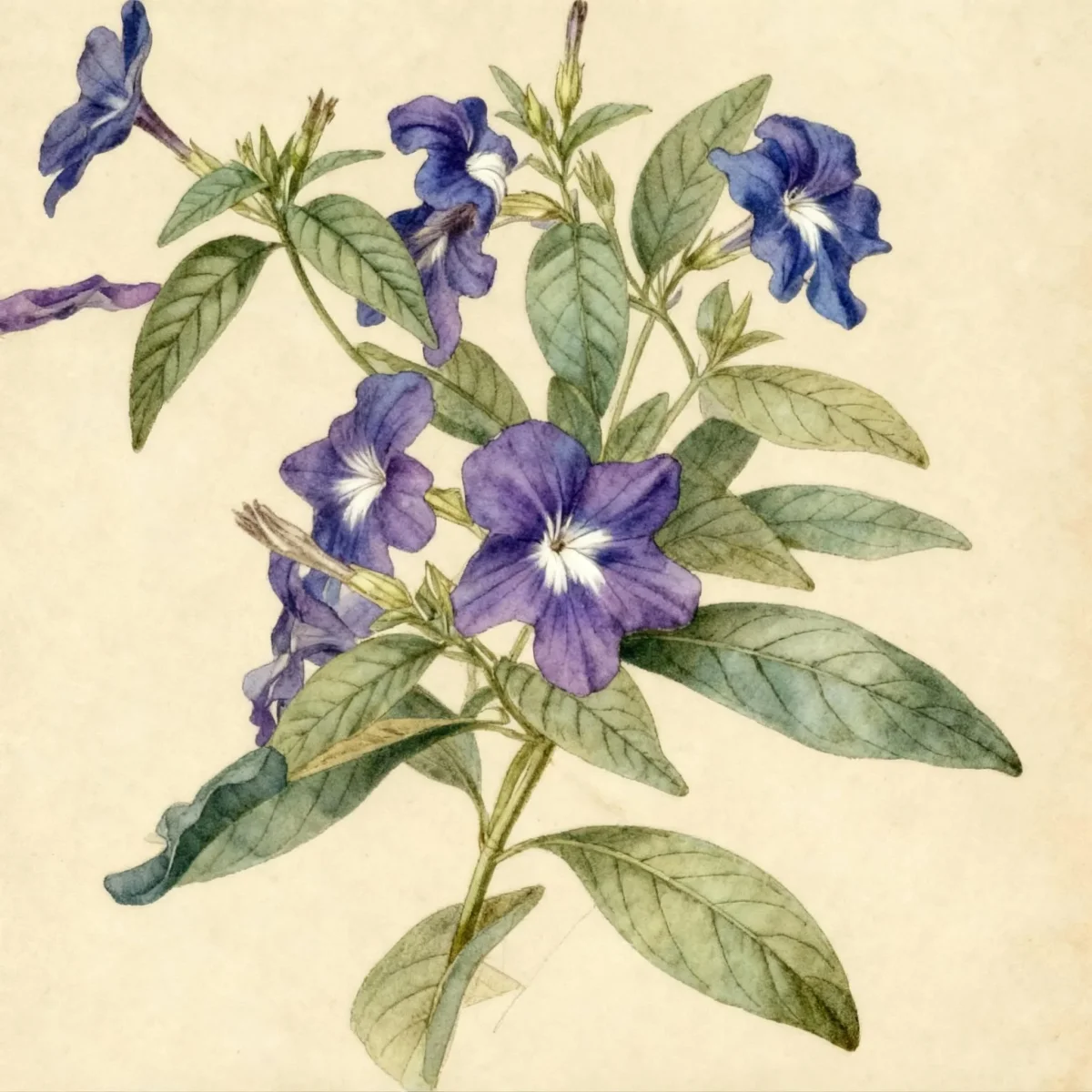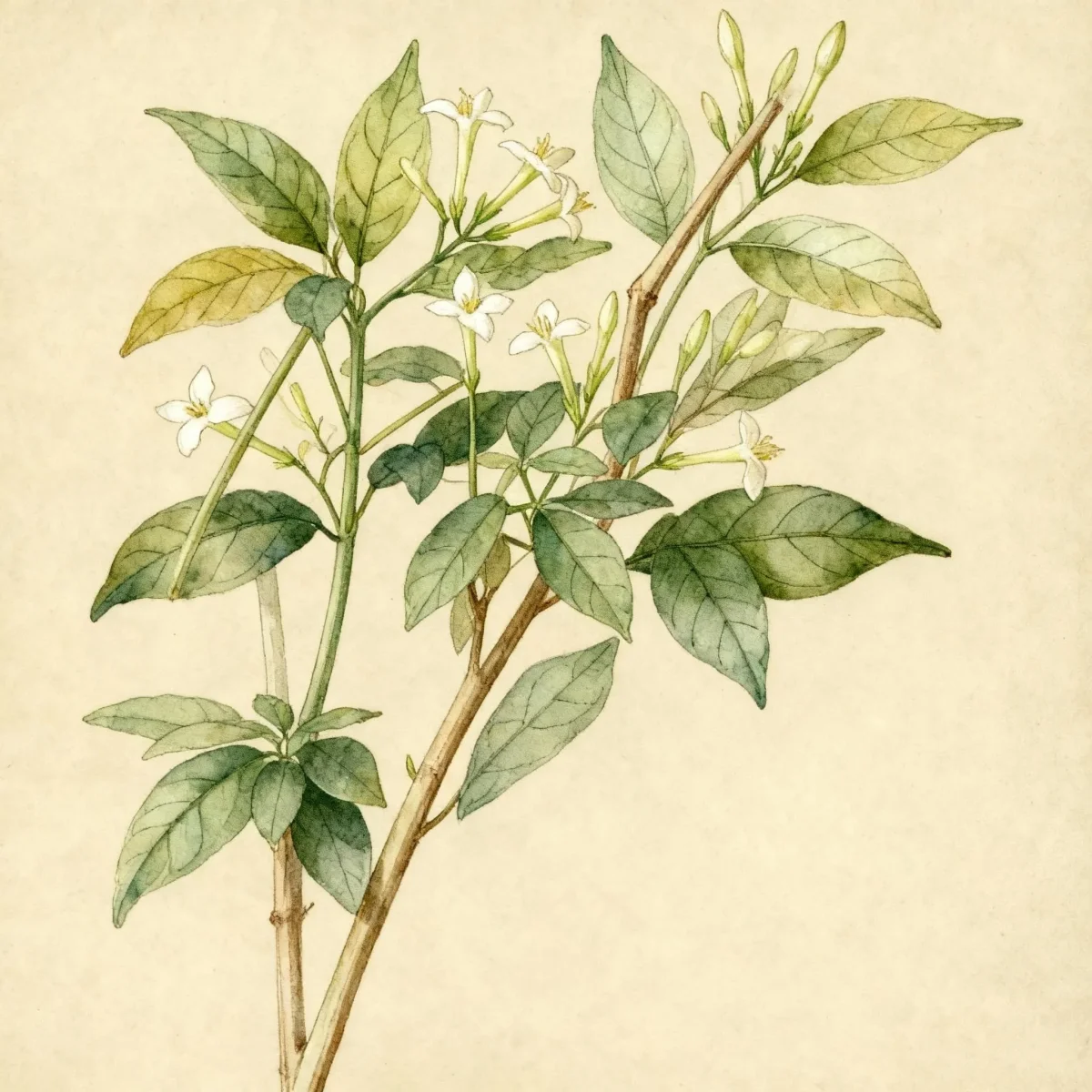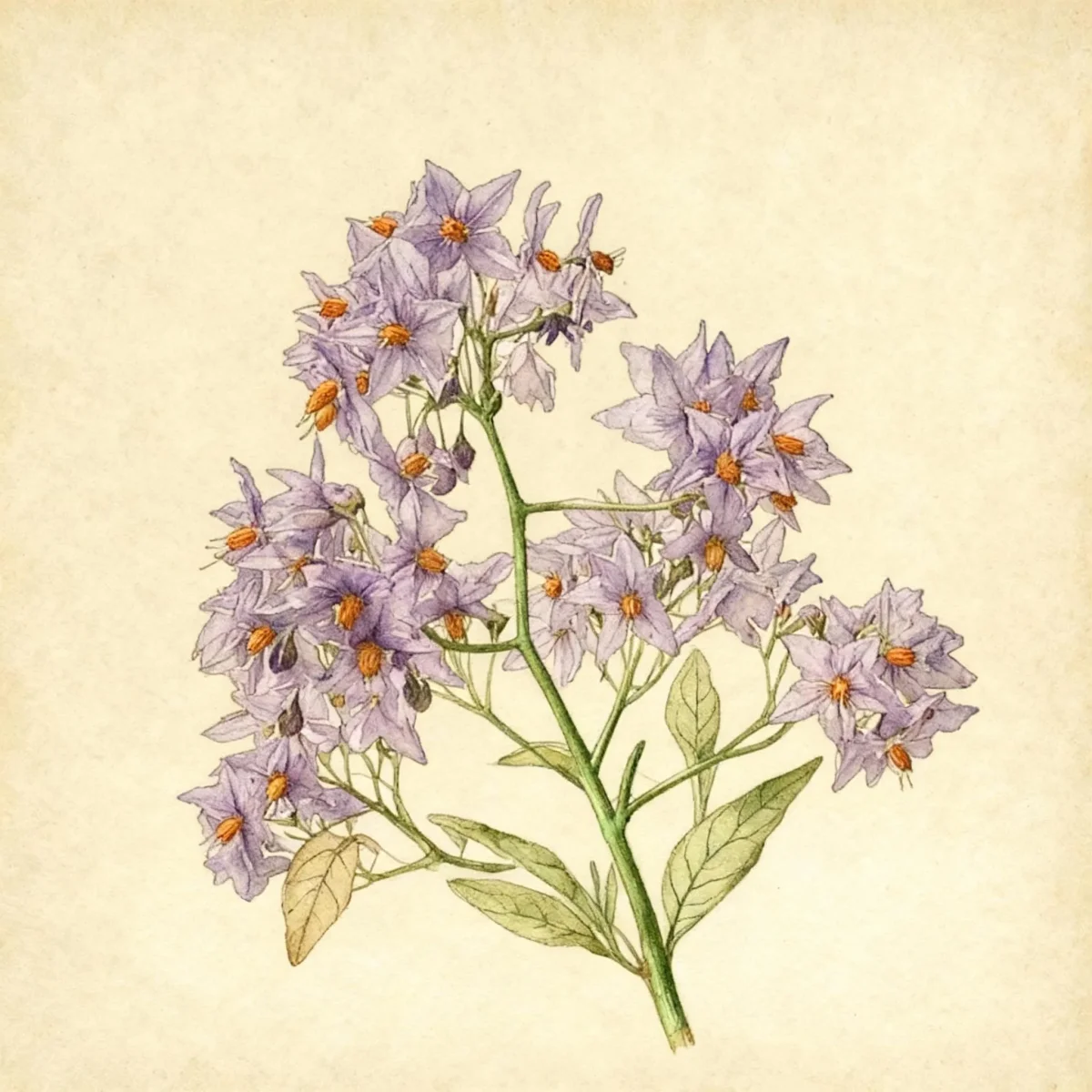

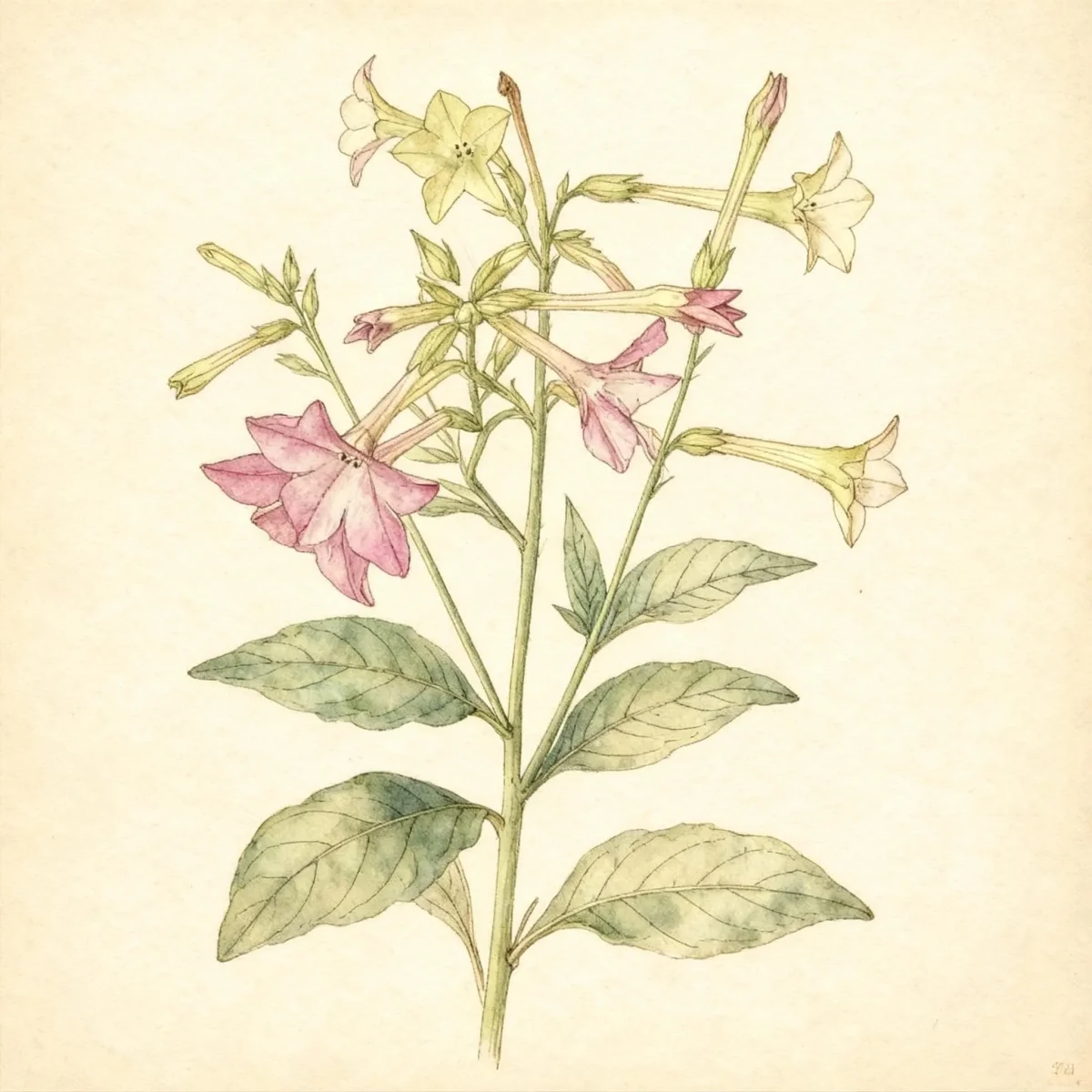
Flowering tobacco (Nicotiana alata)
Discover Nicotiana alata, the Flowering tobacco, known for its fragrant, showy blooms. A low-maintenance perennial often grown as an annual.

Bloom Boldly, No Matter the Season - Sweatshirt
Cozy organic cotton sweatshirt featuring our exclusive Purple Coneflower design. Perfect for gardeners who bloom year-round.
Inspired by the beautiful Flowering tobacco
Limited first batch (50) — join the waitlist for early access
Waitlist closes Feb 15, 2026.
Complete Plant Information
Field Guide Continues
Ready for care notes, companion picks, and planting tips?
The map is just the start. The full guide below covers growth habits, seasonal performance, and landscape uses.
Overview
Nicotiana alata, widely recognized as Flowering tobacco, is a dramatic addition to the summer garden, particularly valued for its height and intense evening fragrance when species plants are used. Native to South America, this somewhat spindly herbaceous perennial provides vertical interest, reaching heights of up to five feet. Gardeners appreciate the long blooming period, which lasts from early summer right up until the first hard frost.
While the species often features yellowish-green, nocturnal blooms, modern compact cultivars (often hybrids of N. alata) showcase flowers in pinks, reds, and whites that open during the day. Whether grown as a tender perennial in warmer climates or as a vibrant annual, Nicotiana alata offers impressive color and excellent scent, making it a beneficial plant near patios or seating areas.
This plant prefers consistency in moisture and light, demanding well-drained soil to thrive. Its low maintenance needs allow gardeners to enjoy its tropical appearance without excessive upkeep, solidifying the status of Flowering tobacco as a popular warm-season feature plant.
Fast Facts
- Plant Family: Solanaceae
- Plant Type: Herbaceous perennial
- Native Range: Southern Brazil, northern Argentina, Paraguay, Uruguay, Colombia
- Hardiness Zones: USDA Zones 10-11
- Size at Maturity:
- Height: 3-5 ft
- Spread: 1-2 ft
- Bloom Time: June to frost
- Bloom Description: Yellow-green to white, pink and red
- Sun Exposure: Full sun to part shade
- Water Needs: Medium
- Maintenance Level: Low
How to Grow
For areas outside USDA Zones 10 and 11, treat Nicotiana alata as an annual. Seed starting indoors 6 to 8 weeks before your last expected frost date is recommended for the best results, though direct sowing after frost danger has passed is also possible. Aim to transplant seedlings into the garden only after all danger of frost has passed.
Optimal soil conditions for this plant are consistently moist, organically rich, and well-drained. Although it tolerates full sun, providing afternoon shade is beneficial, especially in extremely hot summer climates, to prevent wilting and fading. Water regularly, maintaining medium moisture levels throughout the growing season, as drying out can stress the plant.
A critical cultural note involves placement: avoid siting Flowering tobacco near vegetable gardens containing other members of the nightshade family, such as tomatoes or peppers. This proximity increases susceptibility to common viral diseases. If conditions are ideal, the plant may readily self-seed, contributing to its naturalized appearance in subsequent seasons.
Landscape Uses
The vertical structure of Nicotiana alata makes it an excellent choice for adding height and drama within mixed borders or among rock garden plantings. It serves well as a transitional plant, bridging low groundcovers with taller shrubs behind them. Because the species naturally exhibits nocturnal fragrance, these varieties are highly recommended for siting immediately adjacent to patios, decks, or entryways where evening enjoyment is prioritized.
Modern, compact hybrids offer flexibility for mass plantings where a less imposing presence is desired. Consider grouping several plants together to amplify their visual impact and fragrance display. When planning companion plants, select those that share similar requirements for moisture and light, such as impatiens or hardy geraniums, ensuring the entire grouping thrives together.
Standout Features
Flower Qualities
- Showy
- Fragrant
Noteworthy Characteristics
Nicotiana alata, commonly called flowering tobacco or winged tobacco, is native from southern Brazil to northeastern Argentina. It is a somewhat spindly plant that typically grows 3-5’ tall and features nocturnally fragrant, long-tubed, yellowish-green to white flowers that open only at night. The specific epithet alata means winged, referring to the distinctive winged petioles on the basal leaves.
Tolerances
Potential Problems
Nicotiana alata generally exhibits good resistance, boasting no serious widespread insect or disease issues under normal conditions. The primary concern for growers is susceptibility to tobacco mosaic virus (TMV), which can be evidenced by stunted growth or mottled foliage. To mitigate virus risk, avoid handling tobacco products before touching these plants and ensure they are not sited near other Solanaceous crops known to carry the pathogen. Routine scouting for common garden pests is advised, though major infestations are rare.
Frequently Asked Questions
What hardiness zones is Flowering tobacco suitable for?
Nicotiana alata is winter hardy only in USDA Zones 10 and 11, where it functions as a tender perennial. Gardeners in cooler zones should treat it as an annual, planting after the last frost date.
How large does Nicotiana alata grow?
In its optimal growing conditions, this species typically reaches a height between 3 and 5 feet, with a modest spread of 1 to 2 feet. Compact cultivars will naturally remain shorter.
What sun exposure does Flowering tobacco need?
Flowering tobacco thrives in areas receiving full sun to partial shade. In the hottest parts of the growing season, providing some afternoon shade can significantly improve its performance and reduce stress.
When does Nicotiana alata bloom?
This plant begins blooming reliably in June and continues to flower vigorously until the first frost arrives. The blooms are generally yellow-green to white, though cultivars display shades of pink and red as well.
Conclusion
Nicotiana alata provides invaluable height, texture, and, often, a stunning nocturnal fragrance, making it a must-try for summer displays. By respecting its moisture needs and avoiding close proximity to vegetable patches, you can enjoy a season full of blooms from this low-maintenance favorite. Check your local hardiness zone now to determine whether you should plan for planting in spring or nurturing it through winter.
Companion Planting
When planning your garden layout around Nicotiana alata, consider companions that appreciate similar medium moisture levels and organic-rich soil. Annuals that offer brightly colored, day-blooming contrast work well beneath its taller stature. Pairing the subtly colored, fragrant white blossoms with vibrant bedding plants such as begonias, impatiens, or coleus creates dynamic texture and color combinations throughout the mid-to-late summer season.
Wildlife Benefits
While not primarily sought after for wildlife cover, the substantial flower structure of the Flowering tobacco species, particularly those with long, tubular flowers, makes them excellent attractants for night-flying pollinators. Moths visiting the nocturnally fragrant blooms contribute to garden biodiversity. Planting several specimens allows you to create a “nectar station” that supports these beneficial visitors throughout the long summer blooming period of Nicotiana alata.