
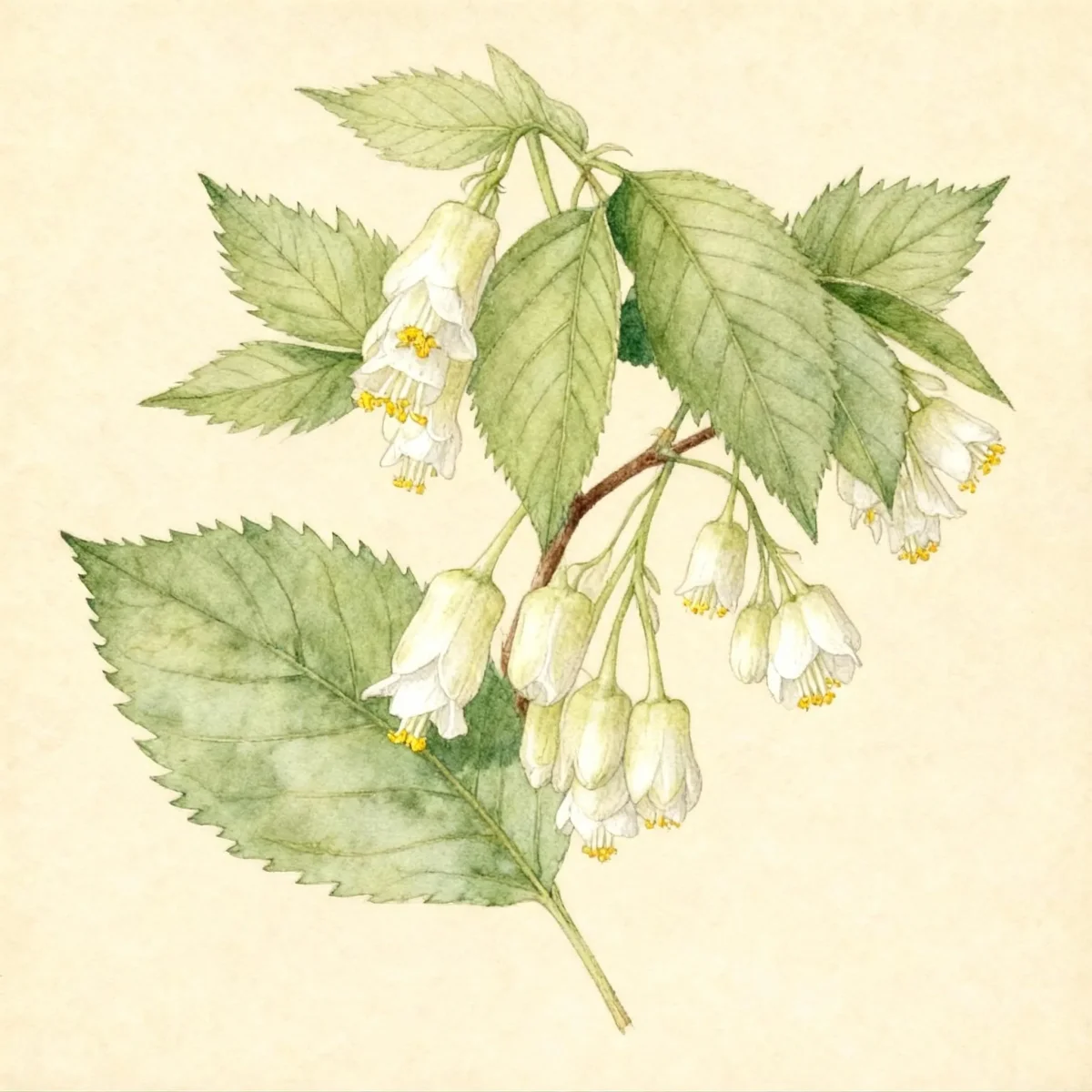
Bladdernut (Staphylea trifolia)
Discover Staphylea trifolia, the low-maintenance Bladdernut, featuring white spring blooms and unique papery seed pods adaptable to deep shade.
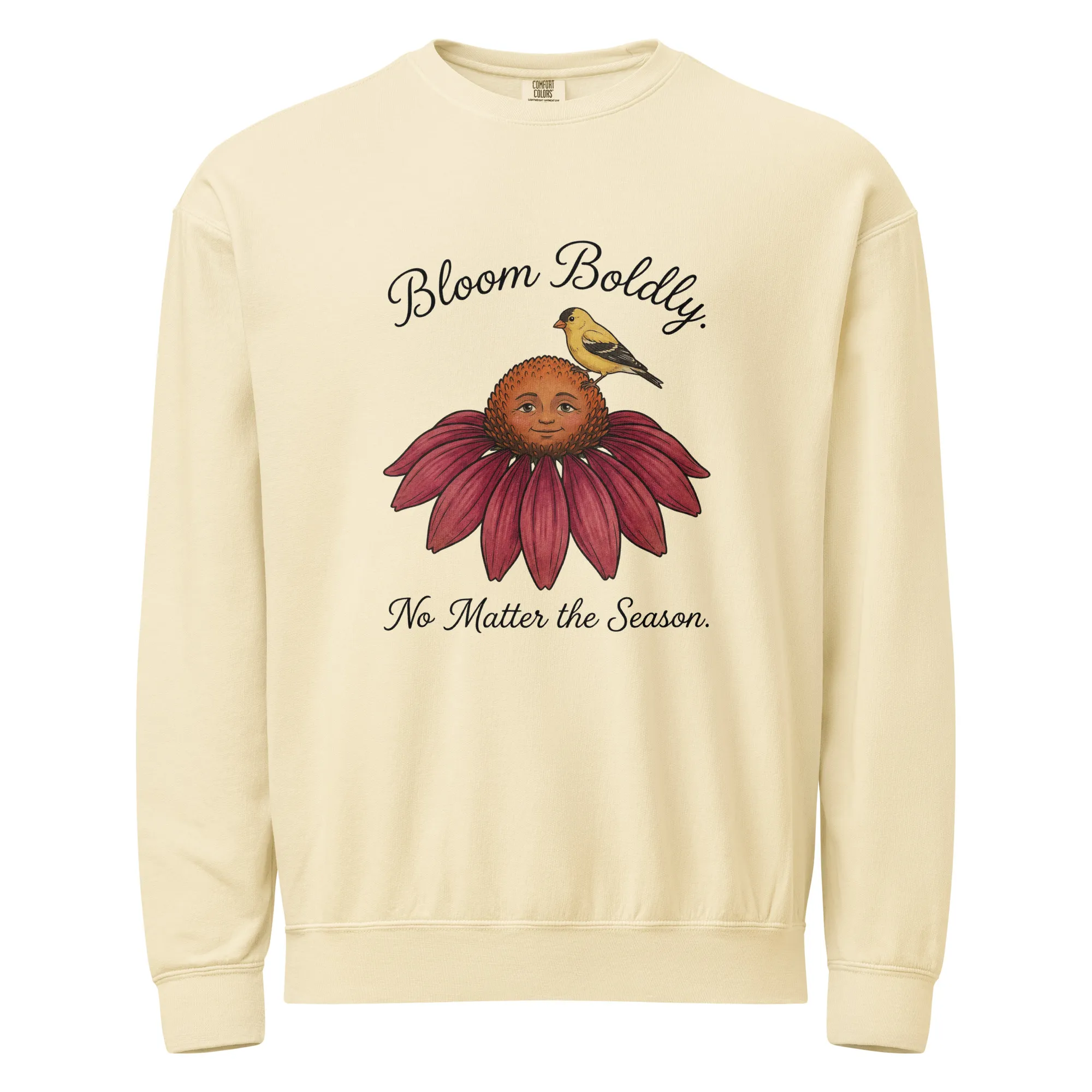
Bloom Boldly, No Matter the Season - Sweatshirt
Cozy organic cotton sweatshirt featuring our exclusive Purple Coneflower design. Perfect for gardeners who bloom year-round.
Inspired by the beautiful Bladdernut
Limited first batch (50) — join the waitlist for early access
Waitlist closes Feb 15, 2026.
Complete Plant Information
Field Guide Continues
Ready for care notes, companion picks, and planting tips?
The map is just the start. The full guide below covers growth habits, seasonal performance, and landscape uses.
Overview
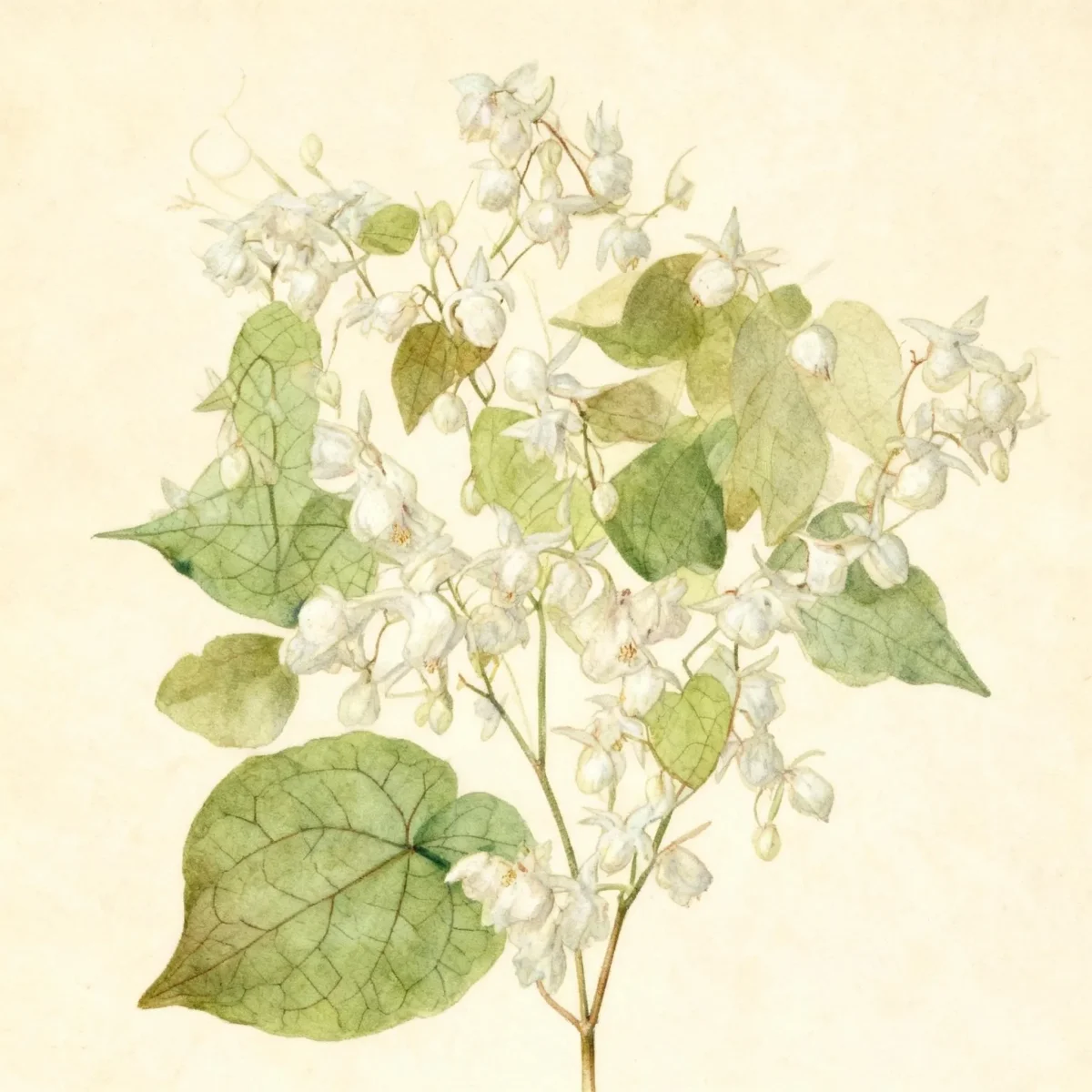
Staphylea trifolia, commonly known as Bladdernut, is a versatile and highly adaptable deciduous shrub celebrated for its resilience and unique ornamental features. This native species establishes dense colonies, making it an excellent choice for naturalizing large areas or creating woodland borders where other shrubs might struggle. Its appeal lies not just in its spring flowers but significantly in the inflated, bladder-like seed capsules that provide winter interest.
Growing reliably across USDA Zones 3 through 8, this rapid grower tolerates significant environmental stress once established. The Bladdernut forms medium-sized thickets, typically reaching 10 to 15 feet tall, thriving well across a broad spectrum of soil types, including heavy clay and dry conditions.
For gardeners seeking low-input, high-impact plantings, this shrub delivers both soft white spring blooms that give way to curious, persistent fruits. Its ability to handle heavy shade makes the American bladdernut an invaluable component in deep woodland areas or on challenging slopes.
Fast Facts
- Plant Family: Staphyleaceae
- Plant Type: Deciduous shrub
- Native Range: Eastern United States
- Hardiness Zones: USDA Zones 3-8
- Size at Maturity:
- Height: 10-15 ft
- Spread: 10-20 ft
- Bloom Time: April to May
- Bloom Description: White
- Sun Exposure: Part shade to full shade
- Water Needs: Dry to medium
- Maintenance Level: Low
How to Grow
The best time to establish new Staphylea trifolia plantings is during the dormant season—late fall or early spring—to allow roots to settle before summer heat demands. While it prefers evenly moist, well-drained soils, the Bladdernut is remarkably tolerant of dryer soils once mature, showcasing its adaptability. Ensure planting sites offer part shade to full shade, avoiding intense, prolonged afternoon sun.
Ongoing care for this shrub is minimal, which contributes to its low maintenance rating. Watering should be consistent during the first year; however, established plants generally manage with natural rainfall, requiring supplemental water only during extended droughts. Fertilization is rarely necessary unless the soil quality is extremely poor.
Due to its tendency to sucker and form dense colonies, pruning is usually restricted to removing crossed branches or managing its spread. If you desire a more upright, tree-like form, selectively thin suckers emerging from the base, focusing on maintaining a pleasing multi-stem structure suitable for woodland settings.
Landscape Uses
The versatility of Staphylea trifolia allows it to bridge functional requirements with aesthetic appeal in the landscape. It excels as a screening plant in native plant gardens or where a naturalized, low-maintenance transition zone is desired near woodland edges. Its tolerance for heavy shade makes it a reliable choice where light penetration is minimal.
Consider using Bladdernut in rain gardens or moist, shady slopes within naturalized areas, leveraging its adaptability to various soil conditions including clay. While it can resemble a small tree, it is best appreciated in groups or masses where its shrubby form complements larger canopy trees. It pairs well with other woodland natives that share its preference for shade, such as various ferns, hydrangeas, or rhododendrons.
Standout Features
Flower Qualities
- Showy
Fruit Qualities
- Showy
Noteworthy Characteristics
Staphylea trifolia, called American bladdernut, is a fast-growing, suckering, Missouri native large shrub or small tree that commonly occurs in bottomlands, woodland thickets and moist soils along streams throughout the State. Flowers give way to inflated, bladder-like, egg-shaped, papery seed capsules (1-2” long) which mature in late summer and often persist into early winter, adding significant textural interest. The foliage is composed of compound, trifoliate, dark green leaves, providing excellent coverage throughout the growing season.
Tolerances
- Drought
- Heavy Shade
- Clay Soil
- Dry Soil
- Shallow-Rocky Soil
- Black Walnut
Potential Problems
Staphylea trifolia is highly valued because it seldom suffers from significant pest or disease issues, drastically lowering annual input costs for maintenance crews and home gardeners alike. There are generally no serious insect or disease problems requiring preventative treatments. If growing conditions are extremely poor, occasional minor issues may arise, but robust varieties like the Bladdernut typically fend off common threats naturally.
Frequently Asked Questions
What hardiness zones is Bladdernut suitable for?
Staphylea trifolia is adaptable across a wide range, being reliably hardy in USDA Zones 3 through 8.
How large does Bladdernut grow?
This shrub typically reaches a mature height between 10 and 15 feet, with a spread often ranging from 10 to 20 feet wide, forming a dense, multi-stemmed outline.
When does American bladdernut bloom?
The bell-shaped, white flowers of the Bladdernut appear relatively early in the season, generally blooming from April to May.
What sun exposure does Staphylea trifolia need?
This plant performs best in sites receiving part shade, though it is remarkably tolerant of deep, full shade conditions.
Companion Planting
When integrating Staphylea trifolia into a layered woodland garden, select companions that share its preference for dry to medium moisture and part shade. Consider pairing it with native understory plants like Witch Hazel (Hamamelis species) or different types of native Viburnums, which offer varied bloom times or fall color. For groundcover beneath the shrub’s wide canopy, foamflower (Tiarella cordifolia) or native sedges (Carex species) thrive in similar low-light, low-water environments where the Bladdernut establishes its root base.
Wildlife Benefits
Although not primarily grown as a pollinator magnet, the early blooms of Staphylea trifolia provide nectar for emerging spring insects. More significantly, the persistent, papery seed capsules offer valuable winter food sources for various songbirds that forage through the colder months. Planting Bladdernut contributes structurally to native habitat, providing dense cover for smaller wildlife, particularly when allowed to form its natural, suckering, thicket-like habit.
Conclusion
The American bladdernut, Staphylea trifolia, offers exceptional value due to its low-maintenance nature and adaptability to challenging sites, including heavy shade and clay soils. Securing its unique structural beauty through its spring flowers and memorable seed pods makes it a star even in composed native plantings. Before installing, confirm that your landscape falls within USDA Zones 3-8 and provides at least partial shade for the best long-term success with your Bladdernut.