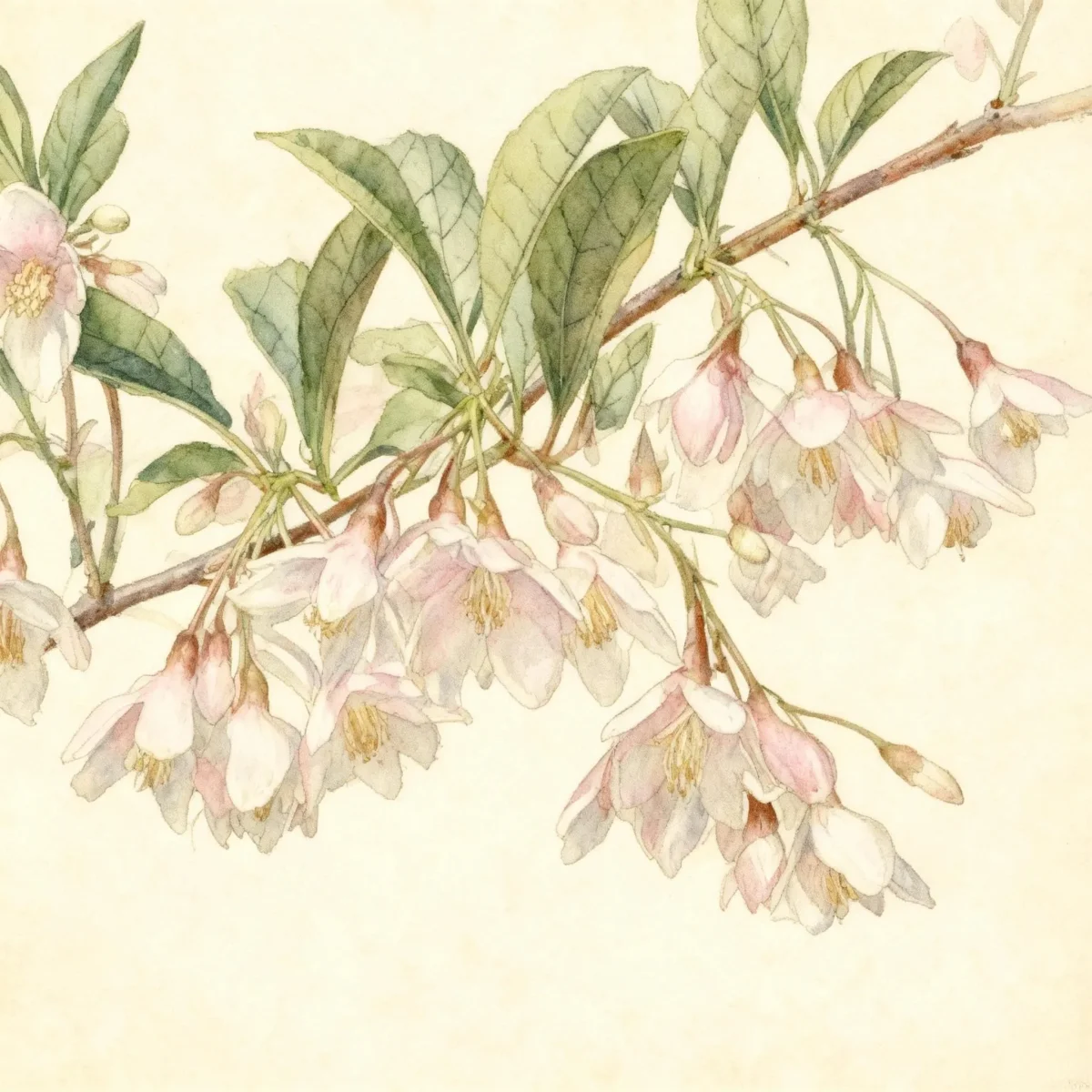
Silverbell tree (Halesia diptera)
The Silverbell tree (Halesia diptera) is a striking, low-maintenance native tree boasting showy white flowers in spring.

Bloom Boldly, No Matter the Season - Sweatshirt
Cozy organic cotton sweatshirt featuring our exclusive Purple Coneflower design. Perfect for gardeners who bloom year-round.
Inspired by the beautiful Silverbell tree
Limited first batch (50) — join the waitlist for early access
Waitlist closes Feb 15, 2026.
Complete Plant Information
Field Guide Continues
Ready for care notes, companion picks, and planting tips?
The map is just the start. The full guide below covers growth habits, seasonal performance, and landscape uses.
Overview
The Halesia diptera, commonly known as the Silverbell tree, is a delightful, often understated native specimen prized for its spring floral display. This small deciduous tree brings an elegant structure to the garden, maturing with a rounded form that is well-suited for medium-sized landscapes. Gardeners value the Halesia diptera for its ease of care and its naturalistic charm when allowed to grow in suitable, moist environments.
Native primarily to the wetter areas of the Southeastern United States, including floodplains and stream banks, this plant exhibits reliable performance across USDA Zones 5 through 8. While it adapts to average soils, the Silverbell tree truly excels when positioned in part shade and provided with consistently moist, acidic, and rich organic matter.
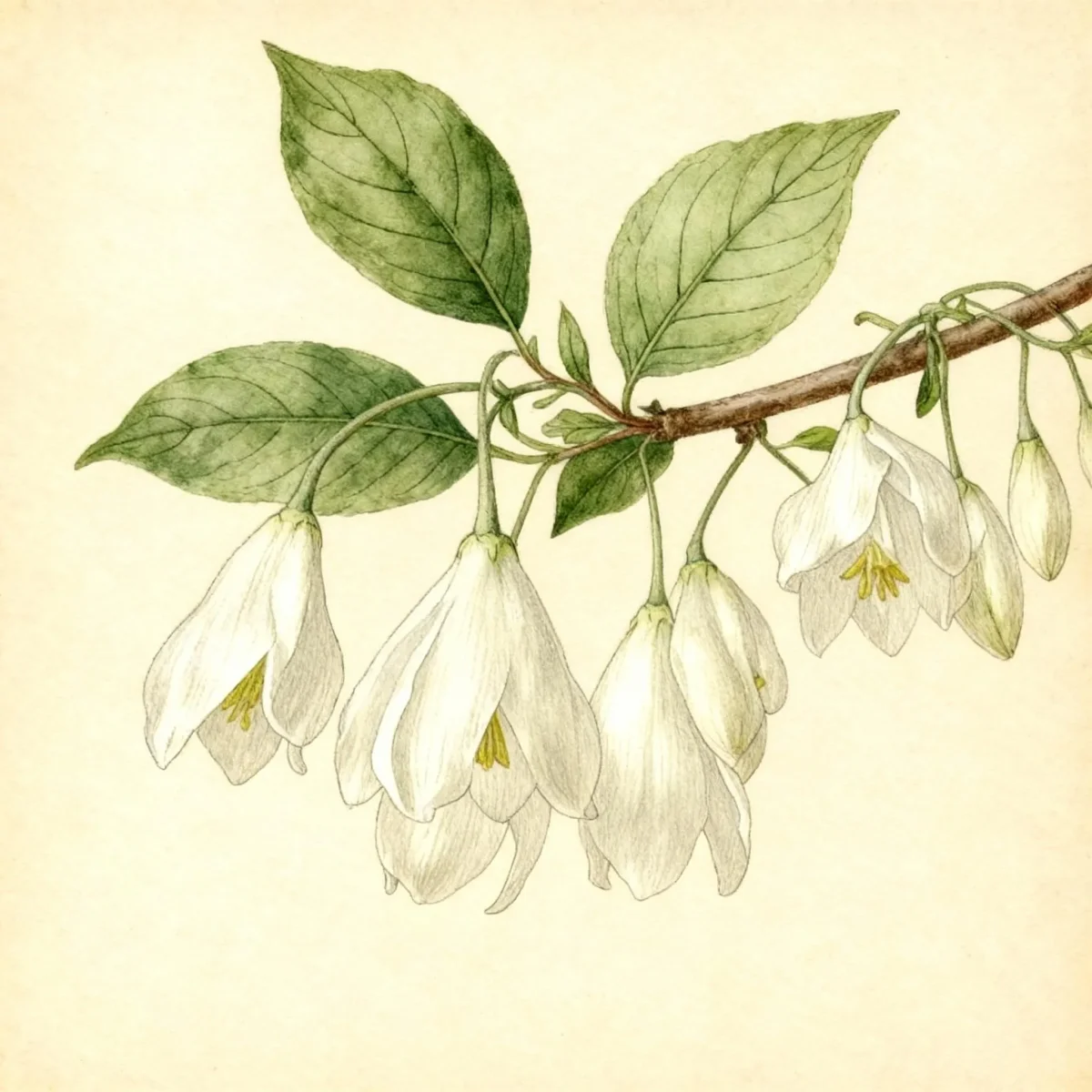
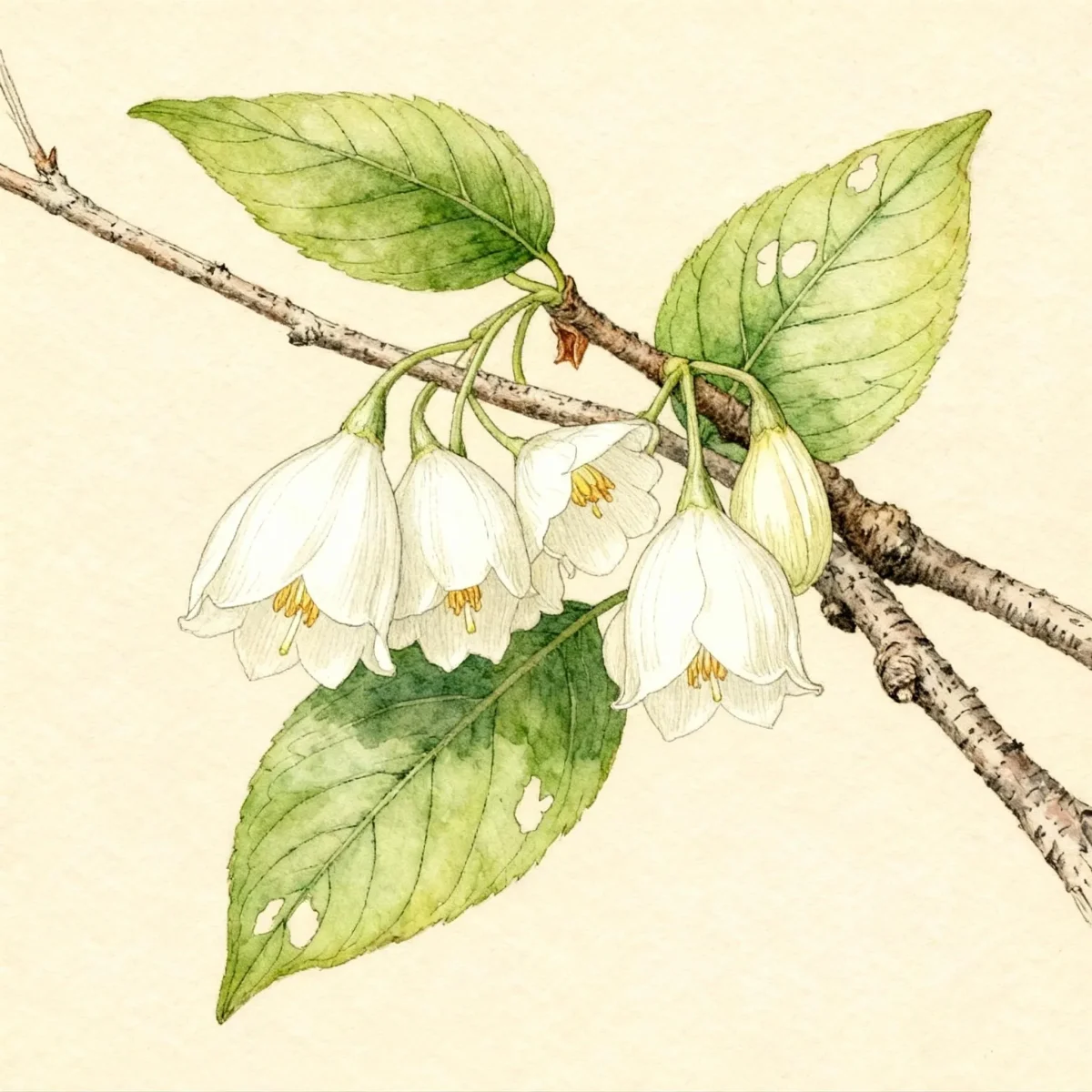
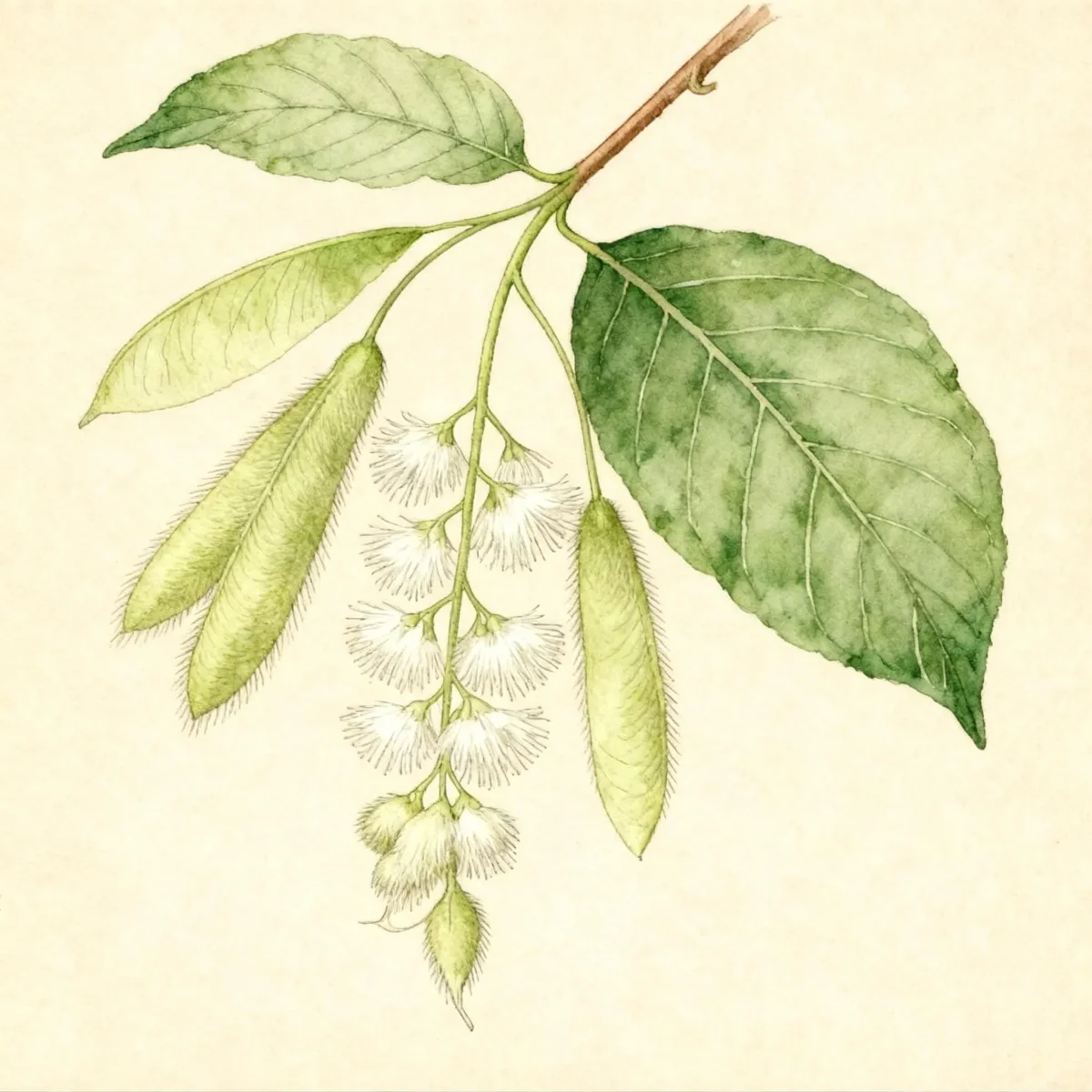
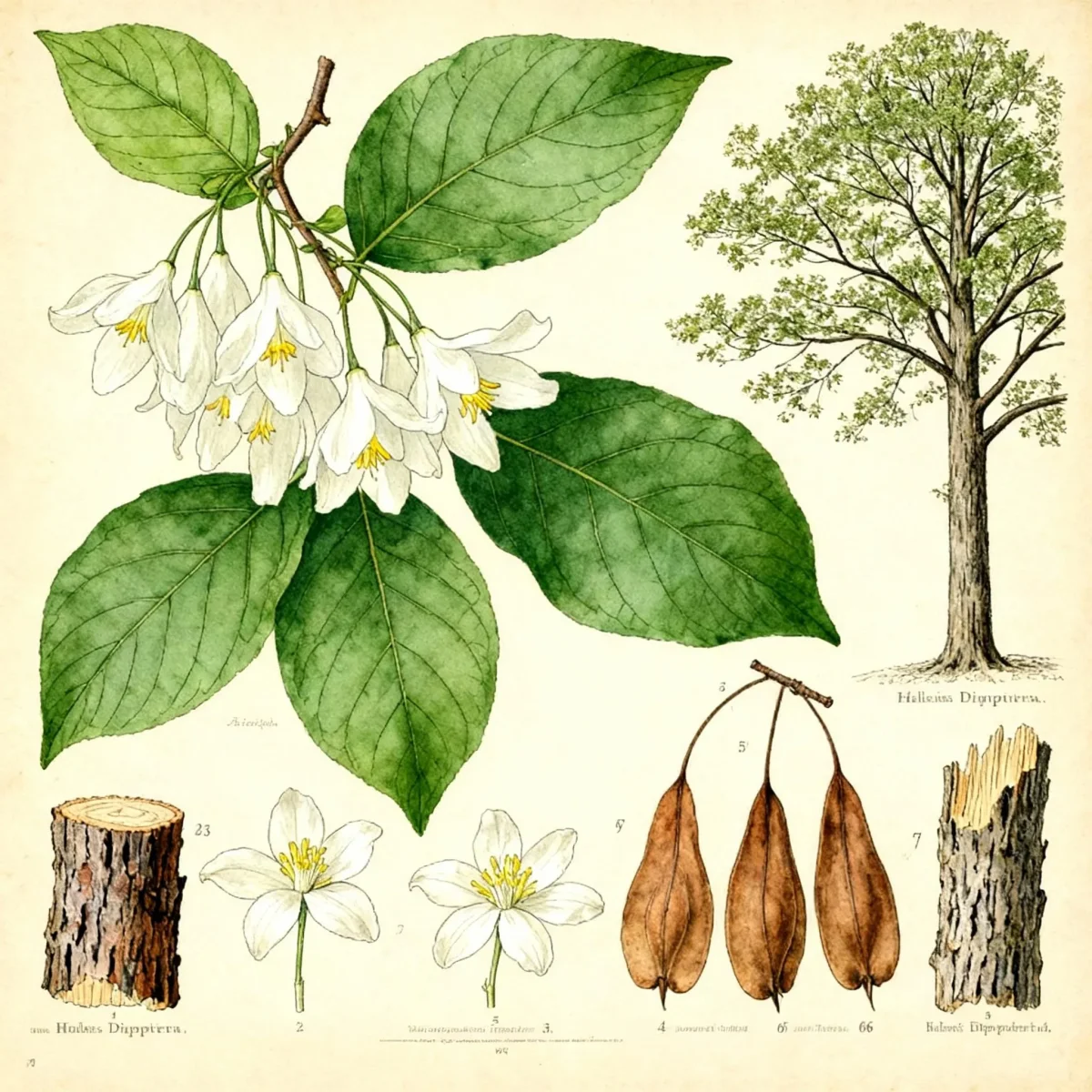
This low-maintenance choice provides significant aesthetic value through its charming, bell-shaped white flowers in mid-spring, followed by distinctive, flattened, two-winged fruits that persist into the fall. Planting the Silverbell tree ensures you introduce an authentic piece of American native flora into your landscape design.
Fast Facts
- Plant Family: Styracaceae
- Plant Type: Tree
- Native Range: Southeastern United States
- Hardiness Zones: USDA Zones 5-8
- Size at Maturity:
- Height: 20-30 ft
- Spread: 20-30 ft
- Bloom Time: April to May
- Bloom Description: White
- Sun Exposure: Full sun to part shade
- Water Needs: Medium
- Maintenance Level: Low
How to Grow
The best time to plant the Halesia diptera is in the early spring or fall when the soil temperatures are moderate, allowing the roots time to establishment before periods of extreme heat or cold. Locate your Silverbell tree where it receives full sun to light afternoon shade. While it tolerates average, well-drained soils, optimal health is achieved in moist, acidic, organically rich ground.
Routine care for the Silverbell tree is minimal due to its low maintenance rating. Ensure consistent moisture, particularly during the first few growing seasons, as this species prefers consistently moist root zones. Avoid letting the area dry out completely. Supplemental feeding is rarely necessary if the soil is organically rich; however, incorporating compost around the root zone annually helps maintain soil structure and fertility.
Mulch is highly beneficial for the Halesia diptera. Applying a layer of organic mulch over the root zone conserves moisture, moderates soil temperature, and mimics its preferred natural habitat. This species can be managed either as a large, multi-stemmed shrub or carefully trained to a single trunk, depending on your ultimate landscape vision. Pruning should be kept minimal, generally limited to removing crossing or damaged branches immediately after flowering.
Landscape Uses
The Silverbell tree excels as a focal point or specimen planting where its spring bloom can be fully appreciated, making it an excellent choice near patios or seating areas. Its significant size—up to 30 feet tall and wide—also makes it suitable for incorporation into larger lawns, offering high, dappled shade. For a more naturalistic planting scheme, integrate the Halesia diptera into woodland gardens, allowing it to mingle with other shade-loving native shrubs and perennials.
When designing garden areas, consider companion plants that appreciate similar moist, acidic soil conditions, such as rhododendrons, azaleas, or native ferns. Planting it on the edge of a woodland border allows the Silverbell tree to receive the necessary moisture retention while still benefiting from adequate sunlight necessary for robust flowering throughout its April to May bloom time. Its loose, rounded canopy offers soft texture contrast against evergreen structures.
As a robust native flowering tree, the Silverbell tree provides excellent visual interest across three seasons: striking white flowers in spring, lush green foliage in summer, and subtle autumnal yellowing. Its structure allows it to serve effectively as a screen or backdrop detail in large shrub borders without overpowering smaller neighboring plants.
Standout Features
Flower Qualities
- Showy
Fruit Qualities
- Showy
Noteworthy Characteristics
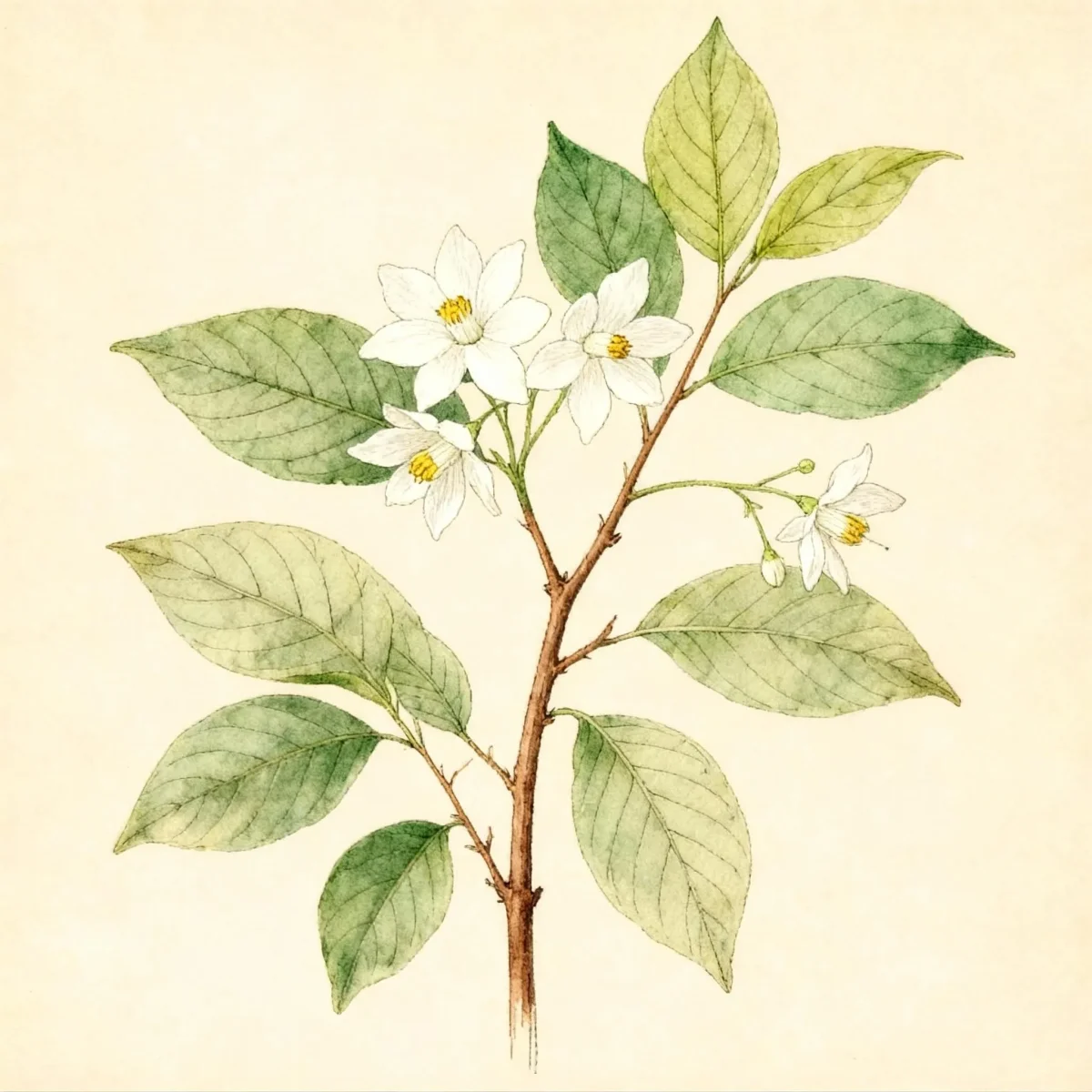
Halesia diptera, commonly known as two-winged silverbell, is a small deciduous tree or large shrub that is native to floodplains, stream banks, wet woods and swampy areas primarily along the Gulf Coast from South Carolina and northern Florida west to Texas. Showy clusters of bell-shaped white flowers appear in spring, followed by distinctive flattened two-winged fruits that ripen in the fall. The bark is notable as it exfoliates in thin scales, adding winter interest to this beautiful native tree.
Tolerances
No specific tolerances listed.
Potential Problems
The Halesia diptera generally earns high marks for resilience, boasting no serious insect or disease problems under proper cultural conditions. Gardeners should focus primarily on ensuring the soil remains consistently moist, as drought stress can weaken the tree, making it slightly more susceptible to opportunistic issues. If leaf spot diseases occasionally occur, they are usually minor and do not warrant chemical intervention, especially if air circulation is adequate.
To prevent most marginal issues, adhere strictly to the soil preferences: aiming high for medium moisture, excellent drainage, and rich organic content. Maintaining a fresh layer of mulch around the base of the tree is your best proactive management strategy against stress-related complications for this lovely Silverbell tree.
Frequently Asked Questions
What hardiness zones is Silverbell tree suitable for?
The Halesia diptera is reliably hardy in USDA Zones 5 through 8.
How large does Halesia diptera grow?
This tree typically reaches a mature height between 20 and 30 feet, with a similar spread of 20 to 30 feet, developing a broad, rounded habit.
What sun exposure does Halesia diptera need?
The Silverbell tree prefers a location receiving full sun to part shade, performing best when protected from the harshest afternoon light if planted in hotter climates.
When does Halesia diptera bloom?
This species displays its showy white flowers primarily in April to May, often preceding or accompanying new leaf development.
Conclusion
The Halesia diptera, or Silverbell tree, offers low maintenance combined with high aesthetic appeal, making it an excellent choice for gardeners seeking sustainable, native landscaping elements. Its charming spring flowers and unique winged fruits provide interest throughout the year. Before planting, confirm that your site offers the consistently moist, rich soil conditions necessary for the Halesia diptera to thrive and flourish in your landscape.
Companion Planting
Selecting companion plants that thrive in similar acidic, moist environments will ensure uniform care across the planting area. Native groundcovers that enjoy dappled light, such as various types of woodland phlox (Phlox divaricata) or wild ginger (Asarum canadense), will beautifully frame the base of the Silverbell tree without competing aggressively for nutrients. Similarly, spring ephemerals that go dormant by mid-summer work well, as the fading foliage will not compete with the Halesia diptera when it needs summer moisture the most.
Wildlife Benefits
The prolific blooming period of the Silverbell tree makes it a valuable resource for early-emerging pollinators in the Southeastern United States. While the flowers themselves are not usually known for strong fragrance, their shape and massed white appearance attract various native bees. Furthermore, the resulting flattened, dry fruits, which ripen in the fall, provide a seed source for various songbirds that forage through the late seasons before winter sets in.