Fragrant epaulette tree (Pterostyrax hispidus)
Discover Pterostyrax hispidus, the Fragrant epaulette tree, prized for its showy, fragrant spring blooms and low maintenance needs.

Bloom Boldly, No Matter the Season - Sweatshirt
Cozy organic cotton sweatshirt featuring our exclusive Purple Coneflower design. Perfect for gardeners who bloom year-round.
Inspired by the beautiful Fragrant epaulette tree
Limited first batch (50) — join the waitlist for early access
Waitlist closes Feb 15, 2026.
Complete Plant Information
Field Guide Continues
Ready for care notes, companion picks, and planting tips?
The map is just the start. The full guide below covers growth habits, seasonal performance, and landscape uses.
Overview
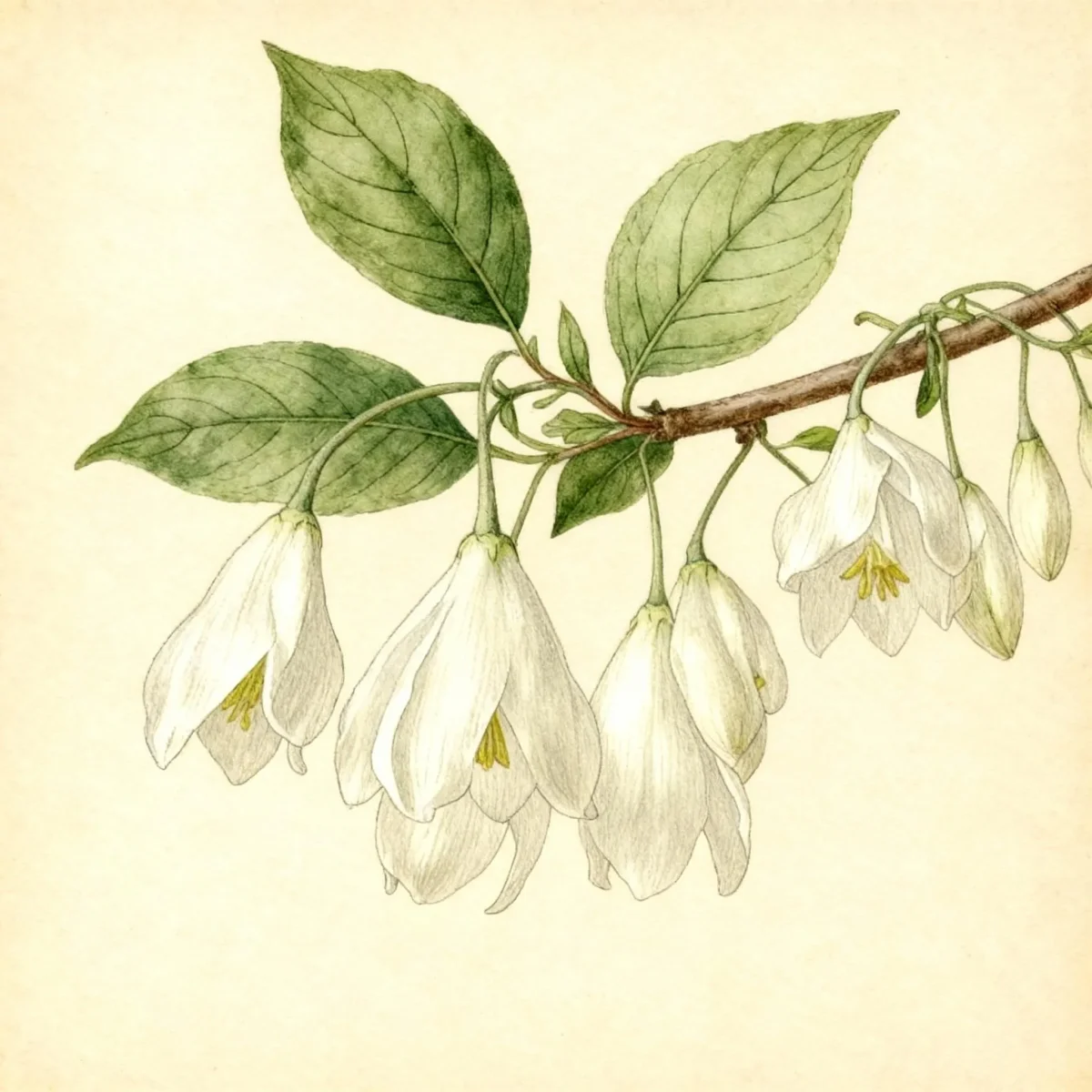
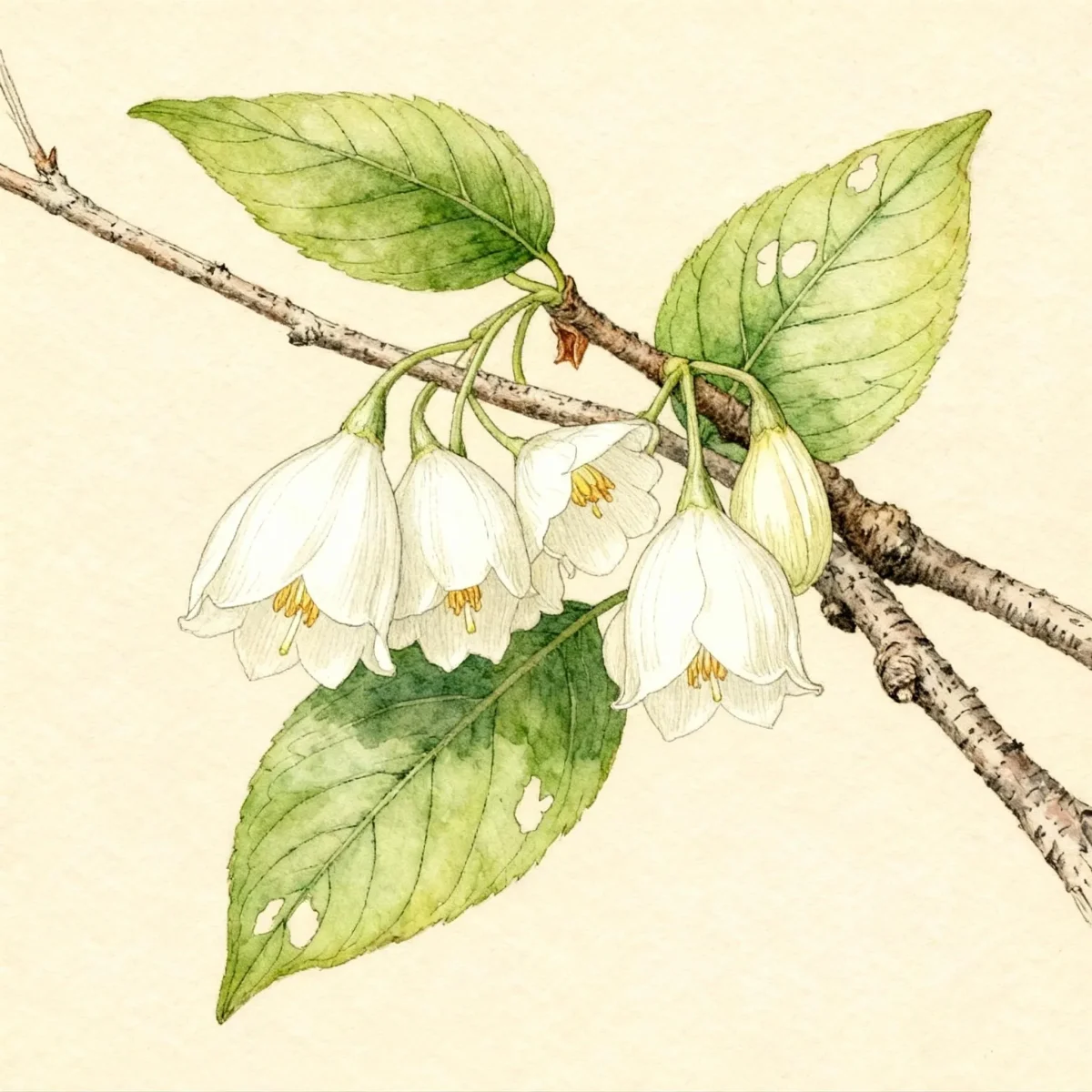
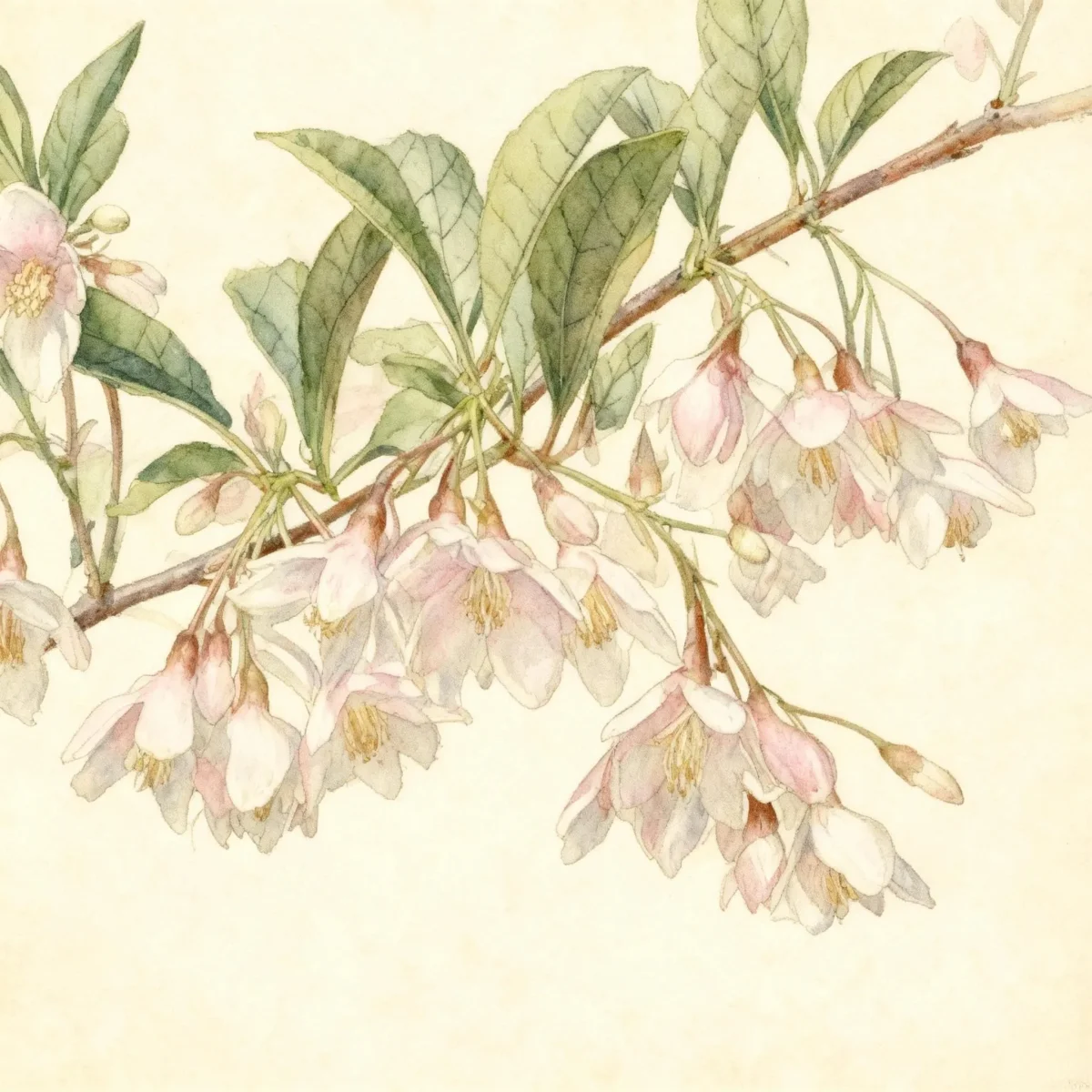
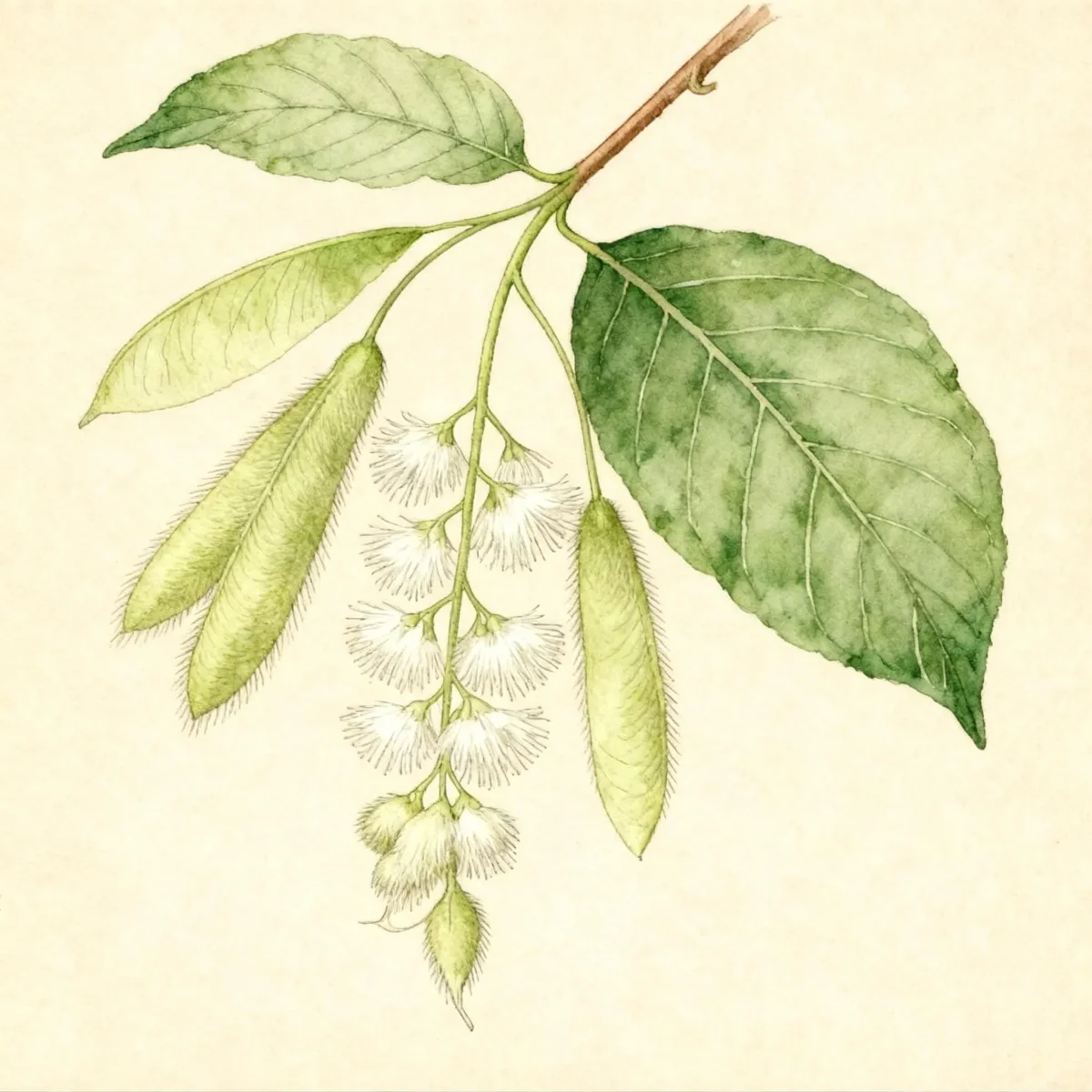
The Fragrant epaulette tree, scientifically known as Pterostyrax hispidus, offers significant ornamental value, particularly when its unique flowers emerge in late spring to early summer. This species is celebrated for the pendulous clusters of creamy white, fringed, bell-shaped flowers that cascade from the branches, giving rise to its common name. As a relatively low-maintenance specimen growing robustly in its preferred conditions, Pterostyrax hispidus is an excellent choice for gardeners seeking impact without intensive management.
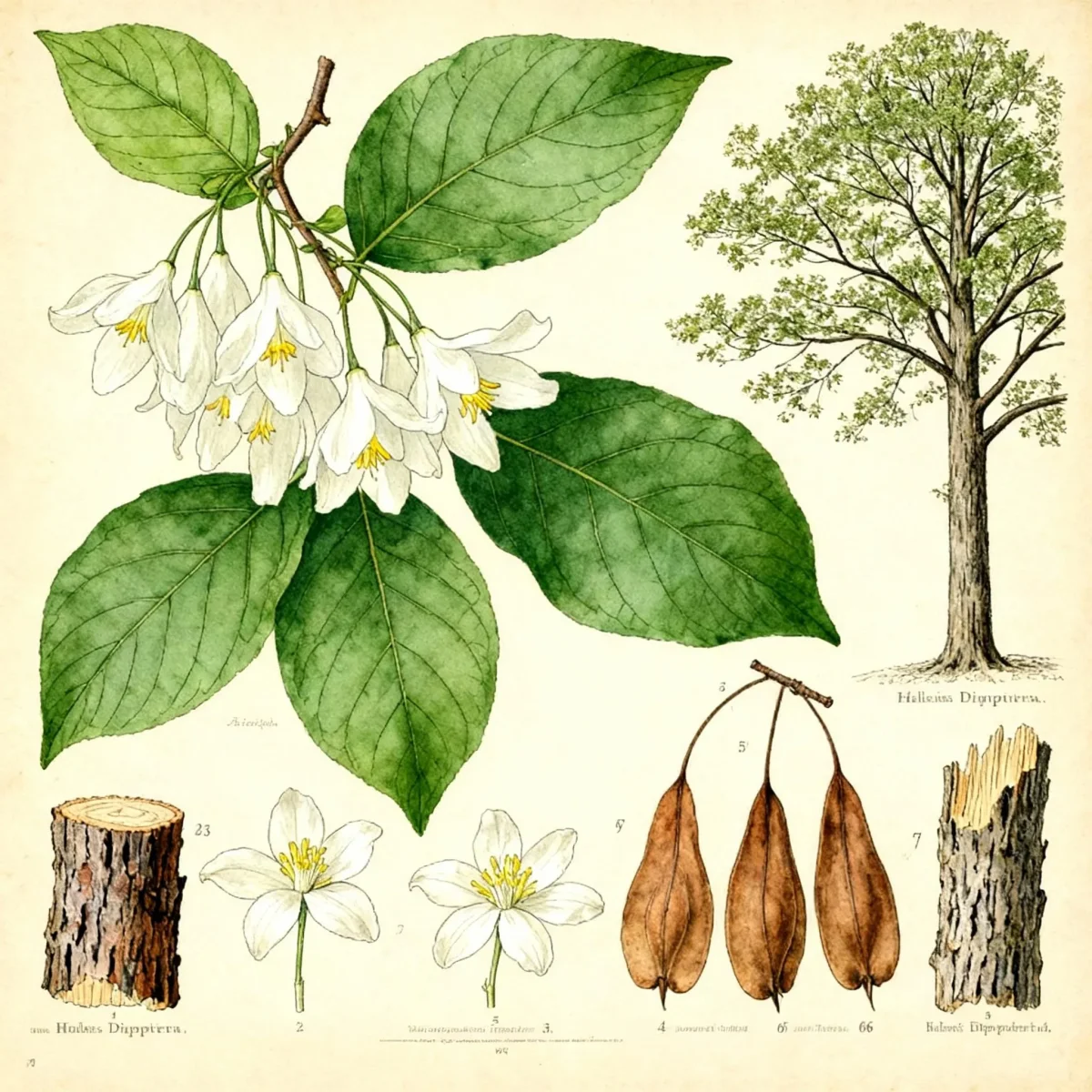
Native to the forested mountain areas of China and Japan, this tree matures into a respectable specimen, developing into either a large shrub or a medium-sized tree depending on pruning and environment. Beyond its stunning bloom, the tree offers persistent visual interest through its hanging, bristly, 5-ribbed fruits that remain visible into the winter months. Its overall structure and ornamental appeal make the Fragrant epaulette tree a valuable addition to larger landscapes.
Fast Facts
- Plant Family: Styracaceae
- Plant Type: Tree
- Native Range: Japan
- Hardiness Zones: USDA Zones 4-8
- Size at Maturity:
- Height: 20-50 ft
- Spread: 20-40 ft
- Bloom Time: June
- Bloom Description: Creamy white
- Sun Exposure: Full sun to part shade
- Water Needs: Medium
- Maintenance Level: Low
How to Grow
For optimal performance, the Pterostyrax hispidus should be planted where it receives deep, fertile, and consistently moist soil. Ensure excellent drainage, as this is critical for long-term health, and aim for an acidic soil pH. While it thrives in full sun, which promotes the best flowering, it can tolerate light shade; however, excessive shade will noticeably reduce the amount of blooms produced.
Water needs are medium, requiring consistent moisture, especially when the tree is young or during prolonged dry spells. This tree is generally low maintenance once established. Pruning should occur in winter when the plant is dormant, focusing on shaping or removing crossing branches.
Propagation of the Fragrant epaulette tree can be achieved through seed collection or by taking cuttings. Pay attention to summer heat; in hotter regions, providing a little light afternoon shade can prevent scorching while still maximizing sun exposure for flowering.
Landscape Uses
The Fragrant epaulette tree excels as a specimen plant due to its attractive flowering habit, making a superb focal point on lawns where its drooping clusters are easily admired. Due to its potential height and width, it also functions well placed within open woodland garden settings or as a key component in a large shrub border.
When considering placement, remember its needs for acidic soil and consistent moisture also guide companion plantings. Group Pterostyrax hispidus with other acid-loving shrubs like Rhododendrons or Azaleas, ensuring they share similar sun requirements (full sun to part shade). Additionally, its utility as a flowering hedge is viable, though it requires ample space to mature into its full stature.
Standout Features
Flower Qualities
- Showy
- Fragrant
Fruit Qualities
- Showy
Noteworthy Characteristics
Pterostyrax hispida, commonly called fragrant epaulette tree, is noted for its creamy white, fringed flowers that hang in pendulous clusters reminiscent of military shoulder pieces. The tree matures to 30-50’ tall as a tree, distinguishing itself with oblong, light green leaves that turn yellow-green in the fall. This species is closely related to silverbell and carries bristly, dry fruits that persist into the winter season.
Tolerances
No specific tolerances were detailed in the data provided.
Potential Problems
The Pterostyrax hispidus is rarely troubled by significant pest or disease issues, contributing to its low maintenance reputation. Gardeners should focus primarily on providing the correct cultural conditions—deep, fertile, acidic, and consistently moist soil—to maximize vigor and prevent secondary stress issues. Vigilant monitoring for common fungal issues or sap-sucking insects, though unlikely to cause major harm, should be part of any routine inspection.
Frequently Asked Questions
What hardiness zones is Fragrant epaulette tree suitable for?
The Pterostyrax hispidus is known to be hardy in USDA Zones 4 through 8.
How large does Fragrant epaulette tree grow?
This tree typically reaches heights between 20 and 50 feet, with a mature spread ranging from 20 to 40 feet wide.
When does Fragrant epaulette tree bloom?
The tree produces its signature blooms in June, displaying creamy white flowers.
What sun exposure does Pterostyrax hispidus need?
Pterostyrax hispidus performs best in full sun, though it can tolerate light shade, adjusting its flowering potential based on the amount of direct light received.
Conclusion
The Pterostyrax hispidus, or Fragrant epaulette tree, remains a standout choice for gardeners appreciating strong ornamental features coupled with robust, low-effort care. Its highly fragrant, showy summer flowers define its value in the landscape. Before planting, confirm that your garden site meets the preference for deep, acidic, well-drained soil and verify that your region falls within USDA Zones 4-8.
Companion Planting
When selecting plants to grow alongside the Fragrant epaulette tree, prioritize those that share similar soil and moisture preferences. Since Pterostyrax hispidus requires acidic, moderately moist conditions, native woodland plants like many ferns (e.g., Dryopteris species) or shade-tolerant groundcovers thrive beneath its canopy. Good companions include hydrangeas, camellias, and azaleas, provided they receive adequate moisture and protection from the harshest summer sun if necessary.
Seasonal Care Calendar
Spring is the crucial time for encouraging bloom; ensure the soil is consistently moist leading up to and during the June flowering period. Summer care focuses on monitoring water needs, especially during heatwaves, to maintain the medium moisture level the Pterostyrax hispidus requires. Late fall through winter is the ideal window for structural pruning, as you can clearly see the branching habit of the tree without leaves, avoiding disturbance to spring sap flow. Address any necessary feeding (acidifying fertilizers if soil pH drifts) in early spring before new growth begins.