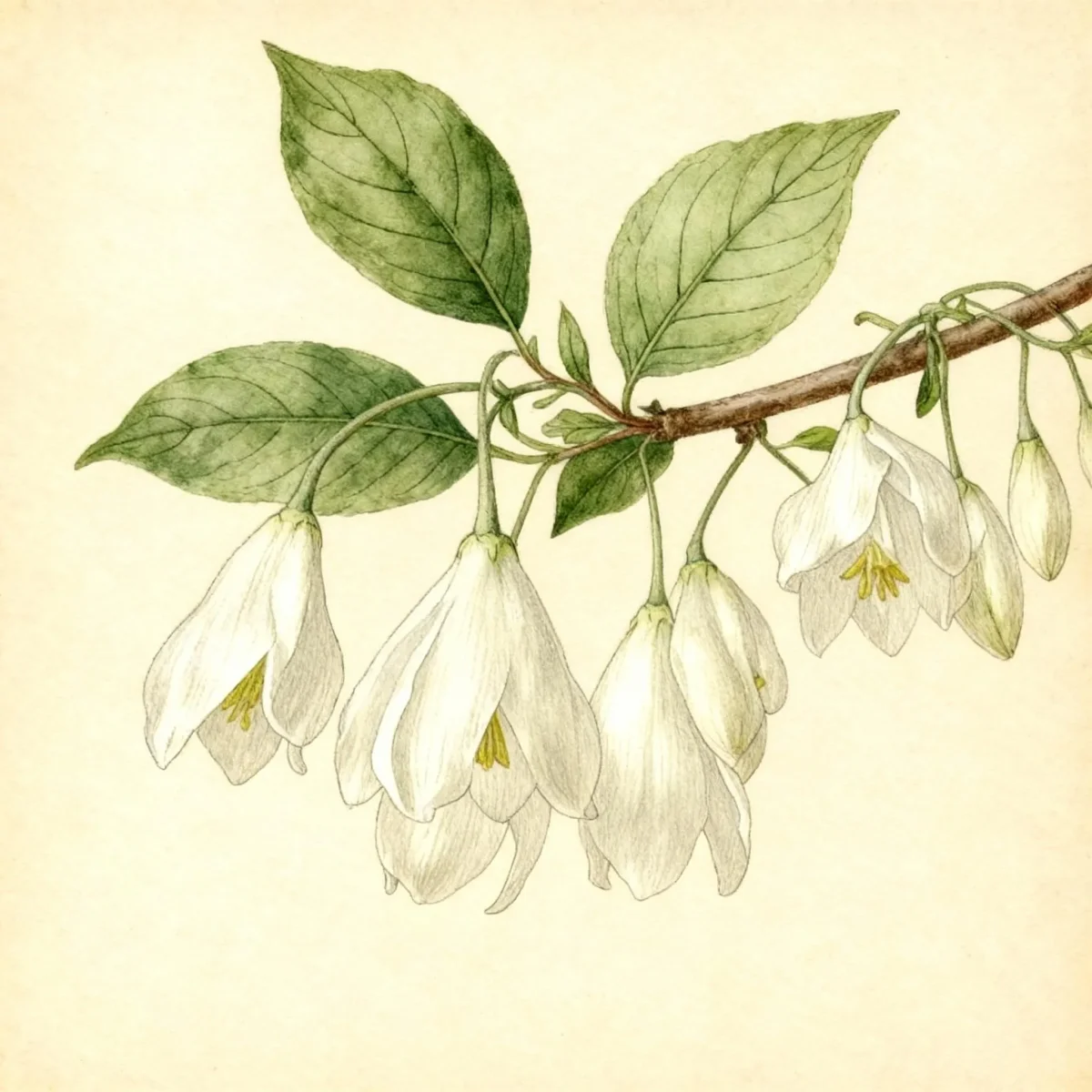

Jack tree (Sinojackia xylocarpa)
The Sinojackia xylocarpa, or Jack tree, is a rare, spreading deciduous specimen prized for its abundant white spring flowers.

Bloom Boldly, No Matter the Season - Sweatshirt
Cozy organic cotton sweatshirt featuring our exclusive Purple Coneflower design. Perfect for gardeners who bloom year-round.
Inspired by the beautiful Jack tree
Limited first batch (50) — join the waitlist for early access
Waitlist closes Feb 15, 2026.
Complete Plant Information
Field Guide Continues
Ready for care notes, companion picks, and planting tips?
The map is just the start. The full guide below covers growth habits, seasonal performance, and landscape uses.
Overview
The Jack tree (Sinojackia xylocarpa) is an exquisite, spreading deciduous tree or large shrub native strictly to a small area in Eastern China. Gardeners value this rare specimen primarily for its spectacular springtime display of pendant, star-shaped white flowers that emerge before the foliage. This species, also known by the shorthand Sinojackia, offers excellent structure and moderate size, making it suitable for specimen planting where its unique characteristics can be appreciated.
Growing typically between 15 to 20 feet tall and wide, the Jack tree commands attention in the landscape. Despite its rarity in the wild—it is listed on the IUCN Red List—it establishes well in cultivation under the right conditions. Beyond the spring floral show, the glossy dark green leaves provide good summer texture, often transitioning to yellowish-brown fall color.
While slightly challenging due to its limited commercial availability, establishing a healthy Sinojackia xylocarpa rewards the cultivator with significant aesthetic benefits. Its form and bloom quality make it an outstanding ornamental flowering tree perfectly suited for specimen planting in protected landscape areas.
Fast Facts
- Plant Family: Styracaceae
- Plant Type: Tree
- Native Range: Eastern China
- Hardiness Zones: USDA Zones 7-10
- Size at Maturity:
- Height: 15-20 ft
- Spread: 15-20 ft
- Bloom Time: May to June
- Bloom Description: White
- Sun Exposure: Full sun to part shade
- Water Needs: Medium
- Maintenance Level: Medium
How to Grow
Planting your Jack tree should ideally occur in the spring after the danger of hard frost has passed, ensuring the plant has the entire growing season to establish a strong root system. Sinojackia xylocarpa thrives best in acidic, moderately fertile, humus-rich soils that are medium in moisture and exceptionally well-drained. While it tolerates full sun, providing some part afternoon shade, especially in very hot summer climates, will prevent leaf scorch and stress.
Once established, maintenance is medium. Water regularly during the first few years to maintain consistently moist, not soggy, soil conditions. Mature plants exhibit some notable resistance to drought, aligning with general medium water needs. Fertilization is usually unnecessary if the soil is rich and humus-heavy; avoid high-nitrogen applications that encourage soft, weak growth.
Pruning should be minimal, focusing only on removing crossing or damaged branches to maintain the natural spreading habit of the Sinojackia xylocarpa. Propagation is typically achieved through seed or cuttings, though seed viability and germination can require specialized stratification techniques familiar to serious horticulturists. Prepare the planting site thoroughly to meet the soil texture and acidity preferences.
Landscape Uses
The primary suggested use for the Jack tree is as a standout ornamental flowering tree. Its moderate, spreading habit (15-20 ft by 15-20 ft) makes it an excellent specimen tree, allowing its pendulous white blossoms to be fully seen without overwhelming a small garden space. The Sinojackia xylocarpa functions beautifully as a focal point in mixed shrub borders or placed strategically where its form is silhouetted against a contrasting backdrop.
Because it appreciates protection from the fiercest afternoon sun, consider planting it near taller deciduous shade trees that will filter the intensity of the midday sun during the hottest months. While the Jack tree is beautiful on its own, companion planting involves using acid-loving companions like rhododendrons, azaleas, or Japanese maples that share similar cultural needs regarding soil pH and drainage. Though difficult to source, adding this specimen elevates any arboretum or curated residential garden display.
Standout Features
Flower Qualities
- Showy
Noteworthy Characteristics
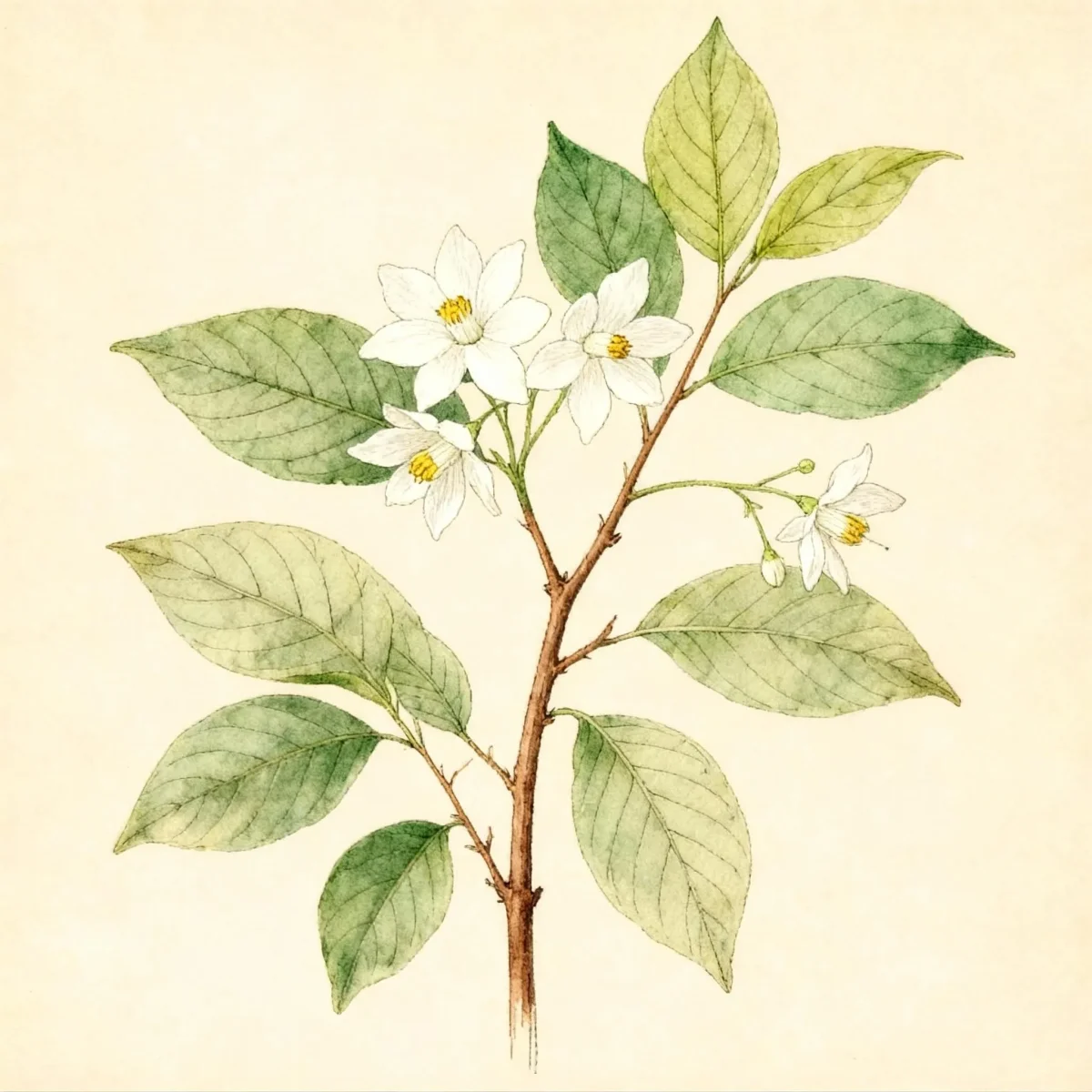
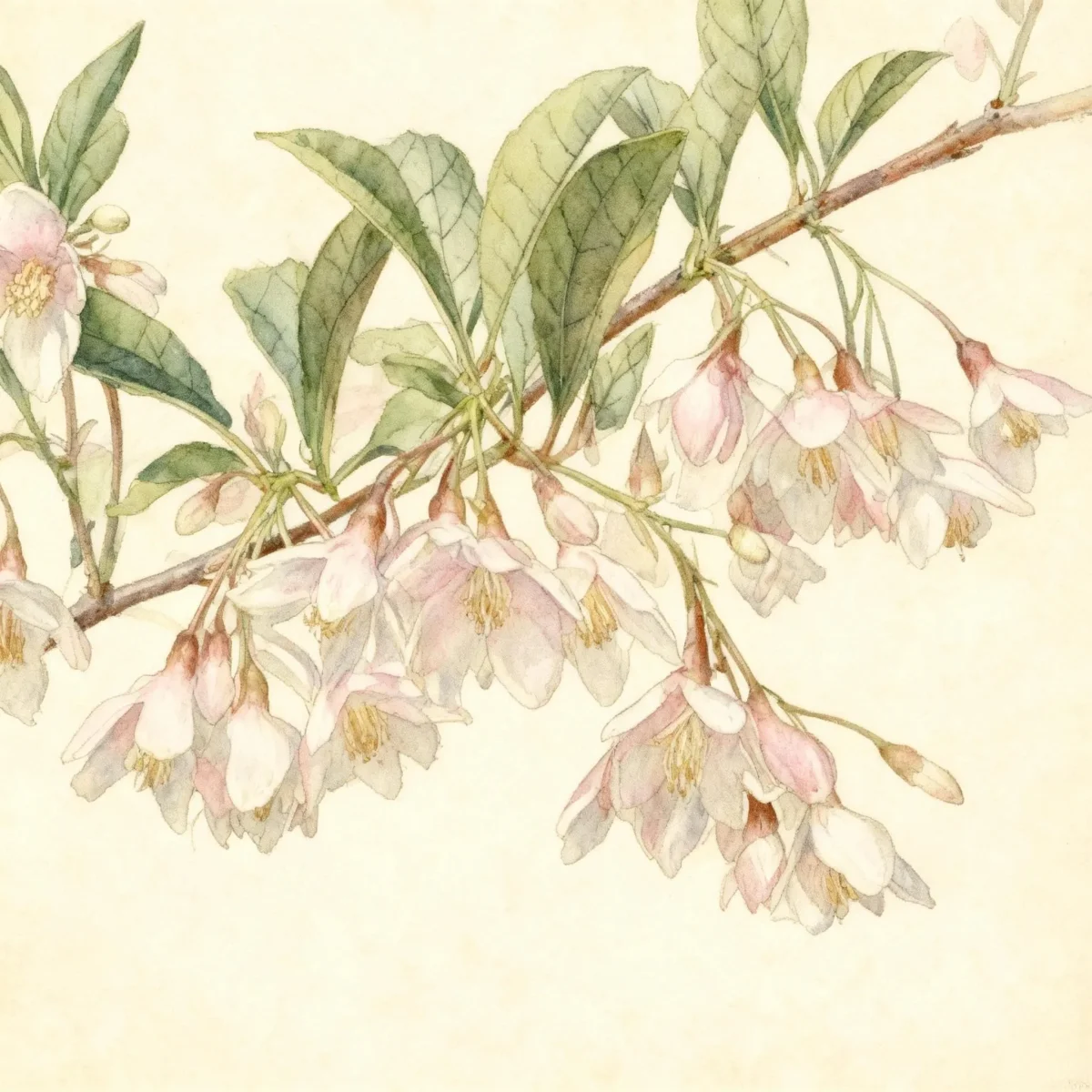
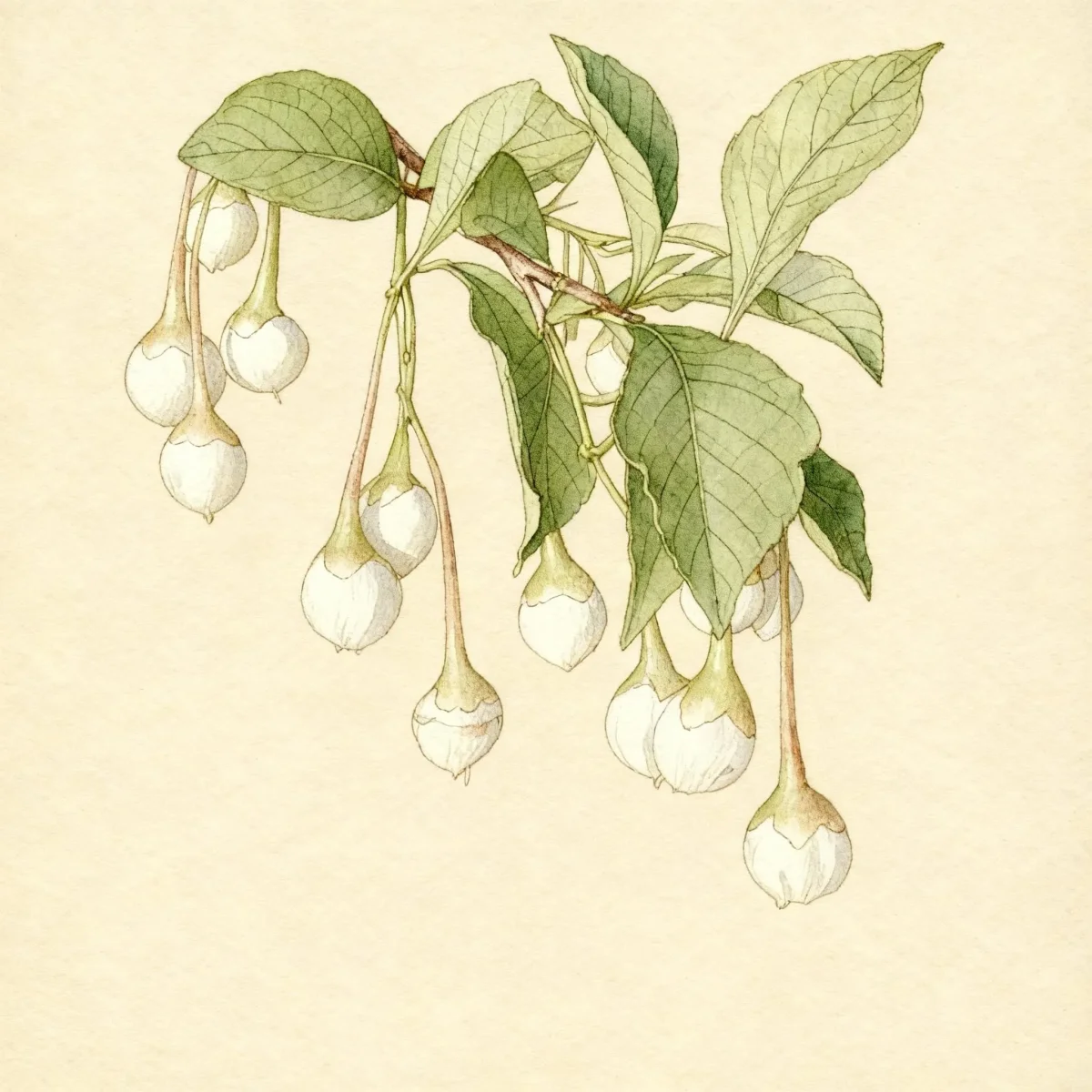
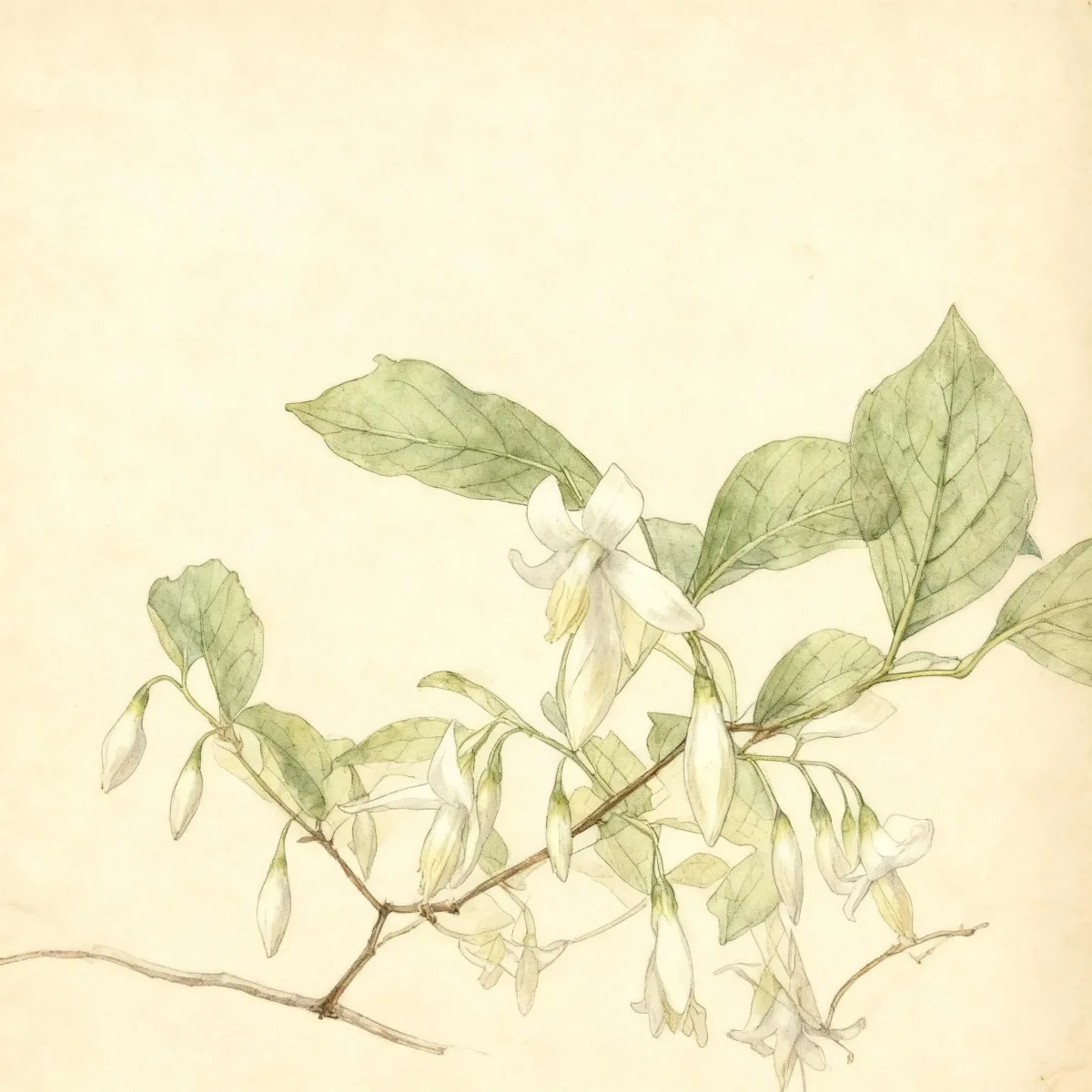
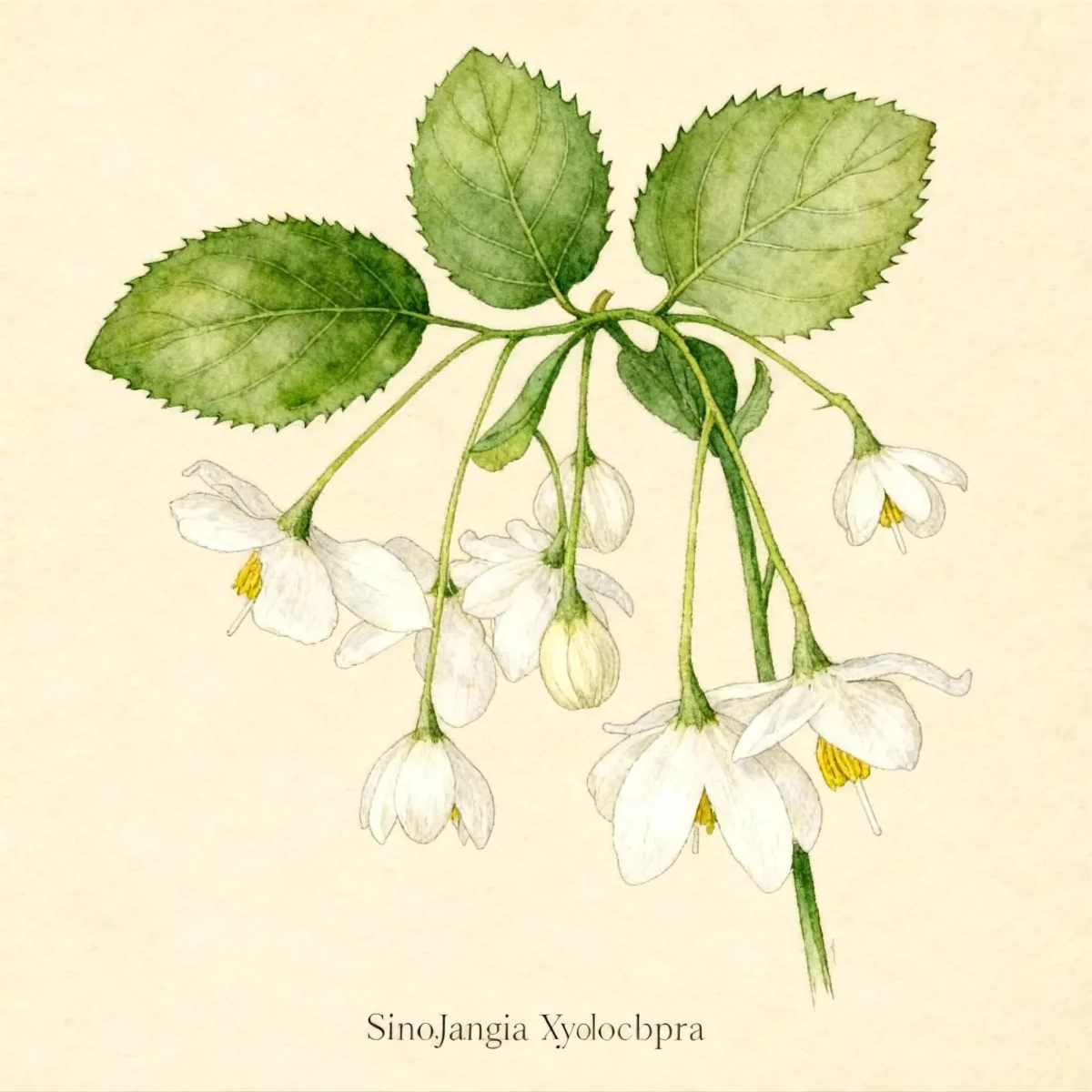
Sinojackia xylocarpa, the Jack tree, is characterized by its pendant, star-shaped white flowers, which measure up to 1 inch wide and feature distinct yellow center stamens, covering the tree in bloom during spring. These flowers appear in small cymes of three to five, and after blooming, they transform into egg-shaped, woody drupes up to 3/4 inch long that ripen later in the summer. The genus name acknowledges its Chinese origin (“sino”); the specific epithet references the hard, woody nature of its fruit.
Tolerances
- Drought
Potential Problems
The Sinojackia xylocarpa generally exhibits high resistance to common horticultural issues, reporting no serious insect or disease problems in established garden settings. This robustness is a significant asset for gardeners seeking low-impact specimens. To maintain this health, ensure the primary cultural requirement—well-drained, humus-rich soil—is consistently met, as poor drainage is the most likely cause of root stress in this species.
Frequently Asked Questions
What hardiness zones is Jack tree suitable for?
The Jack tree (Sinojackia xylocarpa) is hardy and suitable for cultivation within USDA Hardiness Zones 7 through 10.
How large does Sinojackia xylocarpa grow?
This species typically matures into a spreading tree or large shrub reaching between 15 and 20 feet in height, with an equal spread of 15 to 20 feet.
When does Jack tree bloom?
The beautiful white flowers of the Jack tree appear relatively early in the season, typically blooming from May into June each year.
What sun exposure does Sinojackia xylocarpa need?
This tree performs well in full sun, but gardeners should aim for full sun to part shade, especially offering protection from strong afternoon sun in warmer regions.
Conclusion
The Sinojackia xylocarpa, or Jack tree, is a uniquely valuable, medium-sized specimen known for its striking spring bloom and easy cultivation once its acidic soil preference is met. For gardeners seeking an unusual, low-maintenance flowering tree that adds structure to the landscape, this species is an exceptional choice. Verify your local USDA zone falls within the 7-10 range and plant it in well-drained soil to ensure success with your Sinojackia xylocarpa.
Companion Planting
Selecting companions for the Jack tree centers on matching its requirements for acidic, humus-rich, and well-drained soil, combined with its preference for sun or light afternoon shade. Azaleas and Rhododendrons are superlative companions, thriving in the same conditions and offering contrasting foliage color before and after the Sinojackia xylocarpa flowers. Likewise, woodland edge plants that prefer dappled light and rich organic matter, such as ferns or certain Hellebores, can enhance the understory planting scheme.
When designing a grouping utilizing the Jack tree, focus on texture and scale. Consider dwarf conifers or Japanese forest grass beneath its canopy to provide year-round visual interest while its leaves are absent. Avoid high-alkaline companions or plants requiring constantly soggy feet, as these conditions will compromise the health of your Sinojackia xylocarpa.
Propagation Tips
While Sinojackia xylocarpa can sometimes be sourced from specialized nurseries, propagation by the home gardener is typically done either through seed or cuttings. Seeds require careful treatment, often needing cold stratification mimicking winter conditions to successfully break dormancy before spring planting. Cuttings, usually semi-hardwood taken in summer, offer a way to clone desirable trees, but they require rooting hormone and bottom heat for the best success rates.
Success in establishing new Sinojackia xylocarpa plants hinges on meticulous soil preparation mirroring their native habitat—aerated, rich in organic matter, and slightly acidic. Whether you sow seeds or attempt cuttings, treat the resulting vulnerable young trees gently, protecting them from harsh winds and intense direct sun until they develop a robust root system capable of meeting their medium water needs.