Jacktree (Sinojackia rehderiana)
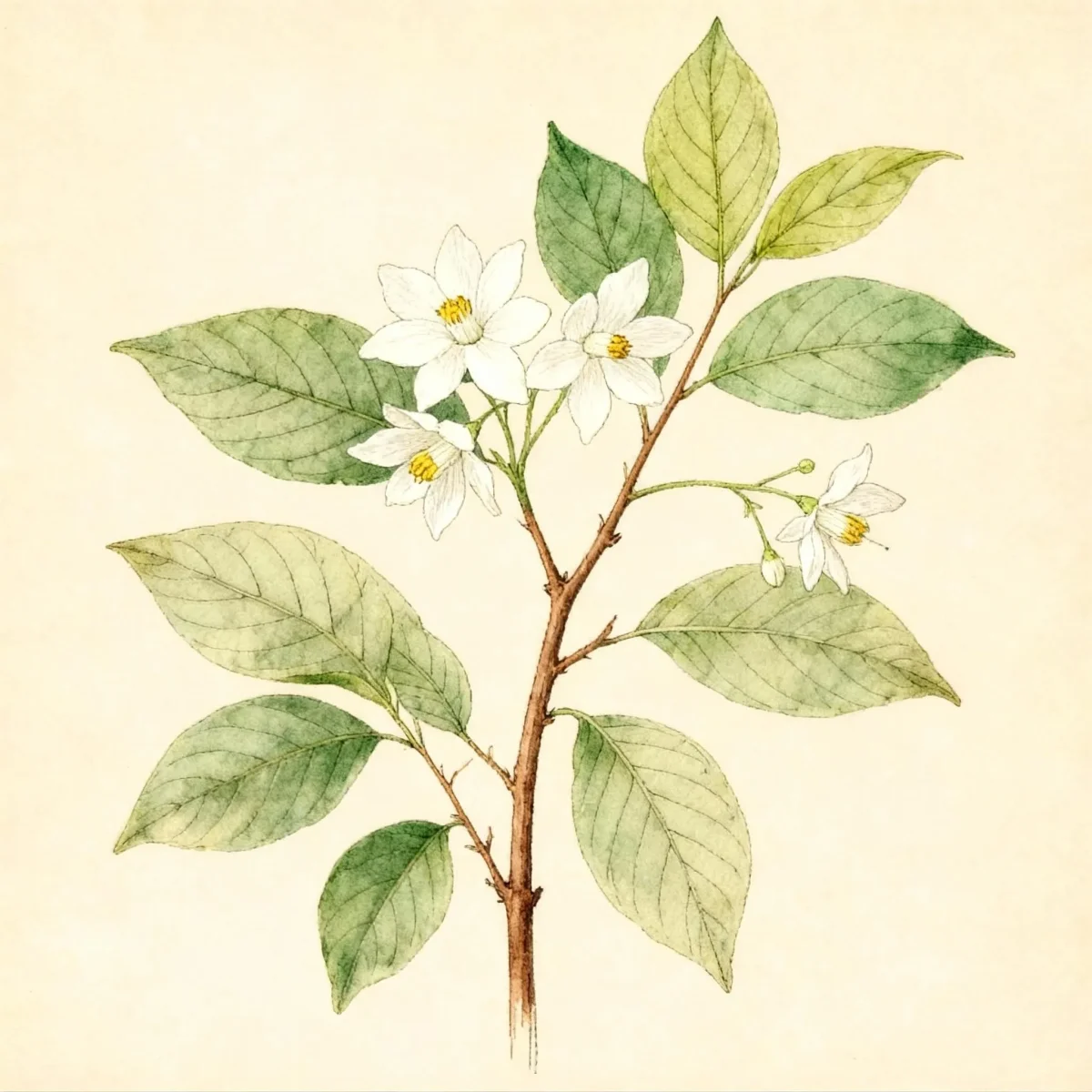
Discover the Jacktree (Sinojackia rehderiana), a small deciduous tree known for its showy white spring flowers and low maintenance needs.

Bloom Boldly, No Matter the Season - Sweatshirt
Cozy organic cotton sweatshirt featuring our exclusive Purple Coneflower design. Perfect for gardeners who bloom year-round.
Inspired by the beautiful Jacktree
Limited first batch (50) — join the waitlist for early access
Waitlist closes Feb 15, 2026.
Complete Plant Information
Field Guide Continues
Ready for care notes, companion picks, and planting tips?
The map is just the start. The full guide below covers growth habits, seasonal performance, and landscape uses.
Overview
The Jacktree, scientifically known as Sinojackia rehderiana, is a highly appealing small deciduous tree perfect for adding refined spring interest to temperate gardens. This species is valued for its manageable size, spreading habit, and abundant display of pendant, star-shaped white blossoms that appear early in the season. Gardeners seeking beauty without excessive upkeep will appreciate the low maintenance requirements of Sinojackia rehderiana.
This lovely specimen typically matures to 15 to 20 feet in height and spread, making it suitable for smaller yards or as a specimen planting. Beyond its attractive blooms, the jacktree offers glossy, dark green foliage that transitions pleasingly to a respectable yellow in the fall before dropping for winter dormancy. Its aesthetic appeal is enhanced by its easy-going cultural demands once established.
For gardeners looking to introduce an underutilized gem, the Jacktree provides reliable springtime color and structure. Its moderate size and low maintenance profile ensure that Sinojackia rehderiana integrates seamlessly into diverse landscape designs, rewarding attention with consistent seasonal performance.
Fast Facts
- Plant Family: Styracaceae
- Plant Type: Tree
- Native Range: Eastern China
- Hardiness Zones: USDA Zones 6-10
- Size at Maturity:
- Height: 15-20 ft
- Spread: 15-20 ft
- Bloom Time: April to May
- Bloom Description: White
- Sun Exposure: Full sun to part shade
- Water Needs: Medium
- Maintenance Level: Low
How to Grow
The optimal time for planting the Sinojackia rehderiana is typically in the spring or fall when soil temperatures are moderate. Success hinges on providing the right soil environment; this jacktree thrives best in acidic, humusy, moderately fertile, and well-drained soils. Ensure the planting location receives sufficient moisture without becoming waterlogged, as drainage is crucial for root health.
Watering should be consistent, meeting medium moisture needs, especially during the establishment phase. While established plants show some resistance to drought, avoid letting them dry out completely during extended hot periods. Fertilization should be minimal, as the plant prefers moderately fertile conditions; over-fertilizing can lead to weak, overly lush growth, diminishing flower production.
When positioning your Jacktree, observe the local climate. While it tolerates full sun, plants appreciate some part afternoon shade in areas experiencing very hot summer climates. This afternoon reprieve helps prevent leaf scorch and stress, ensuring the best summer appearance of the glossy green foliage. Pruning needs are generally minimal, focusing only on removing dead or crossing branches as necessary.
Landscape Uses
The Sinojackia rehderiana is primarily recommended as an ornamental flowering tree, instantly elevating the interest level of any planting scheme. Its spreading habit and spring flower display make it an excellent choice for use as a specimen tree in a lawn or near a patio where its flowering structure can be fully appreciated. The attractive form also lends itself well to pairing with evergreen foundation plantings that contrast nicely with its deciduous texture.
While perhaps difficult to find in commerce compared to more common shade trees, this jacktree deserves space where its moderate dimensions can be showcased. Consider planting it near walkways or entrances where the spring bloom is highly visible. As an underutilized Eastern China native, it offers a unique texture among established plantings.
Standout Features
Flower Qualities
- Showy
Noteworthy Characteristics
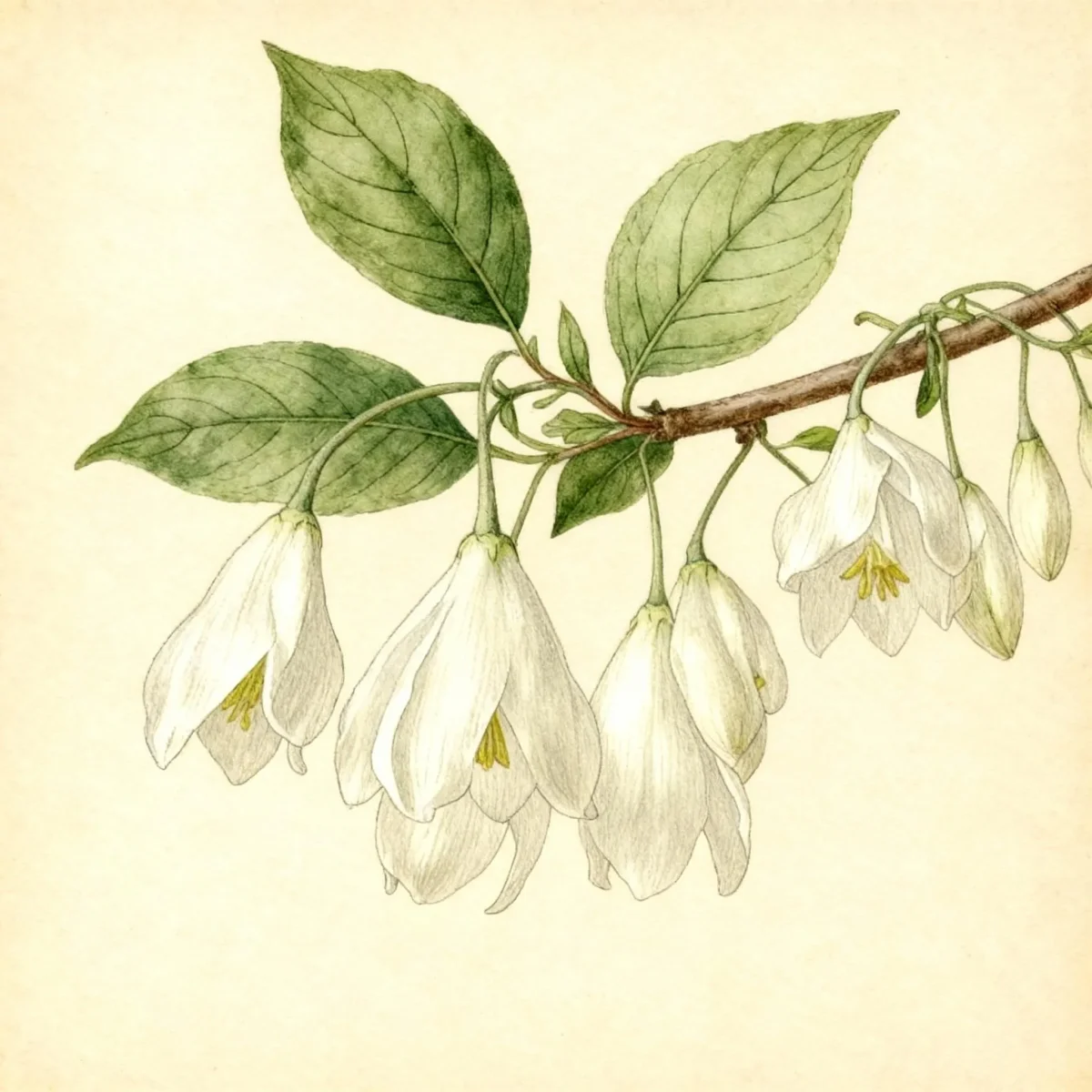
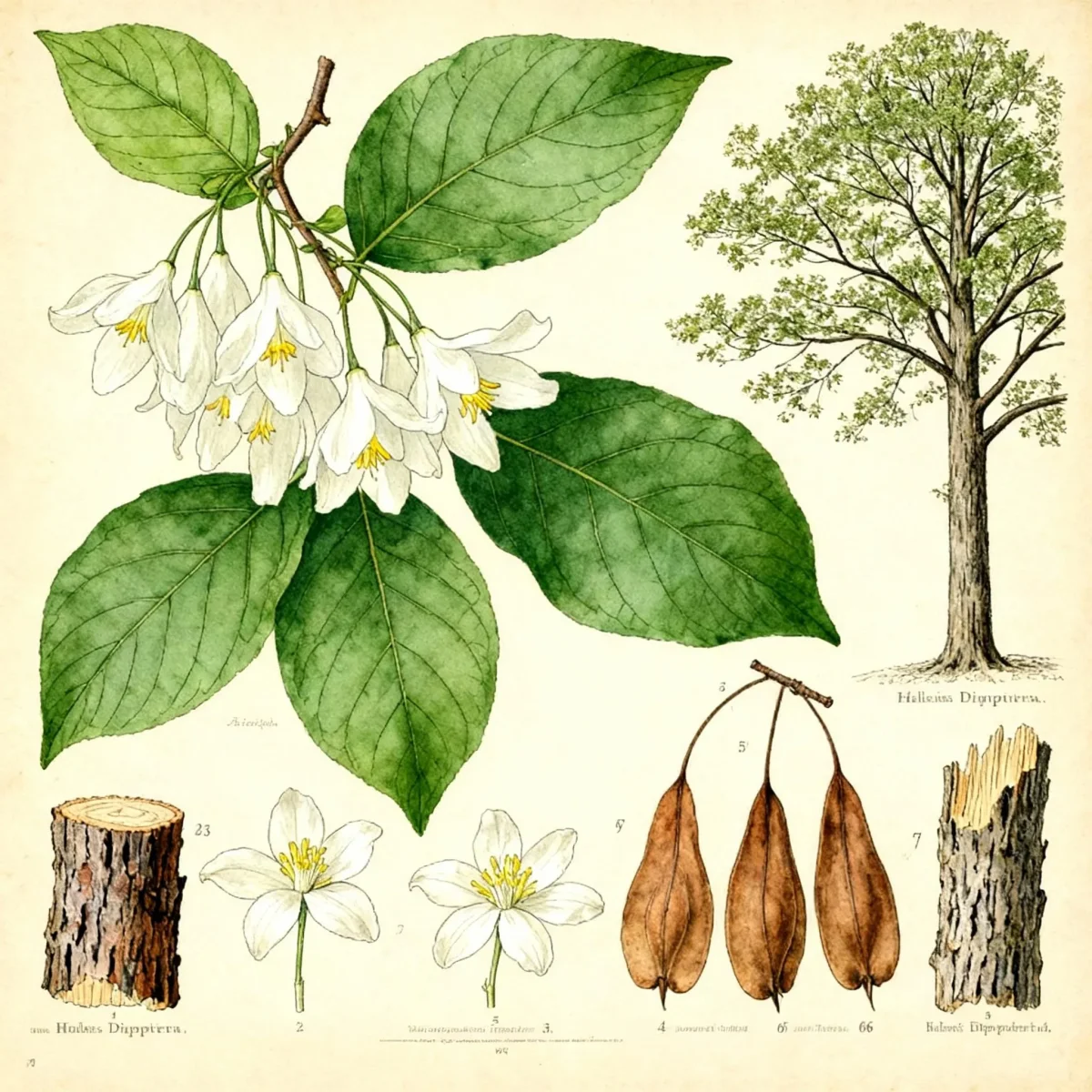
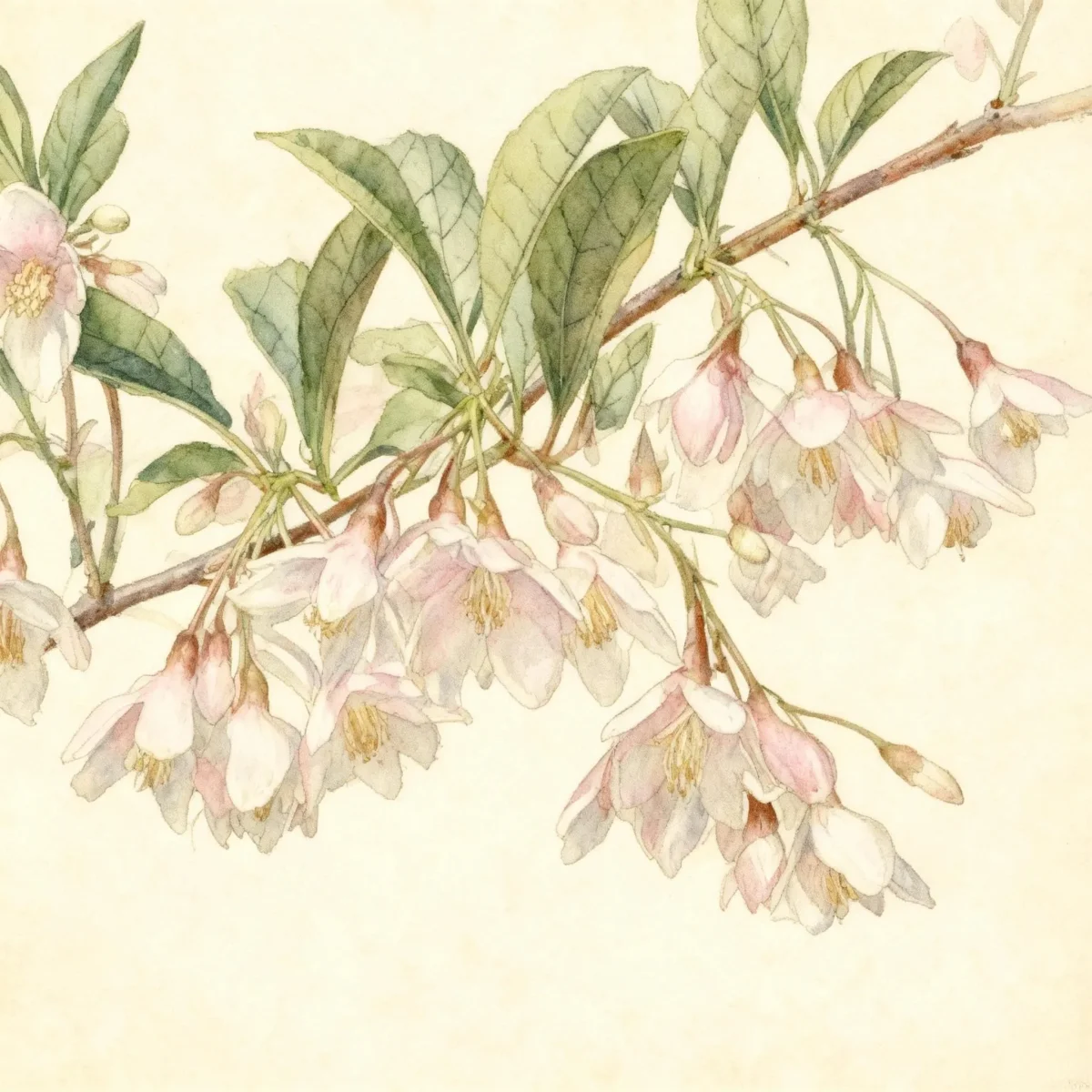
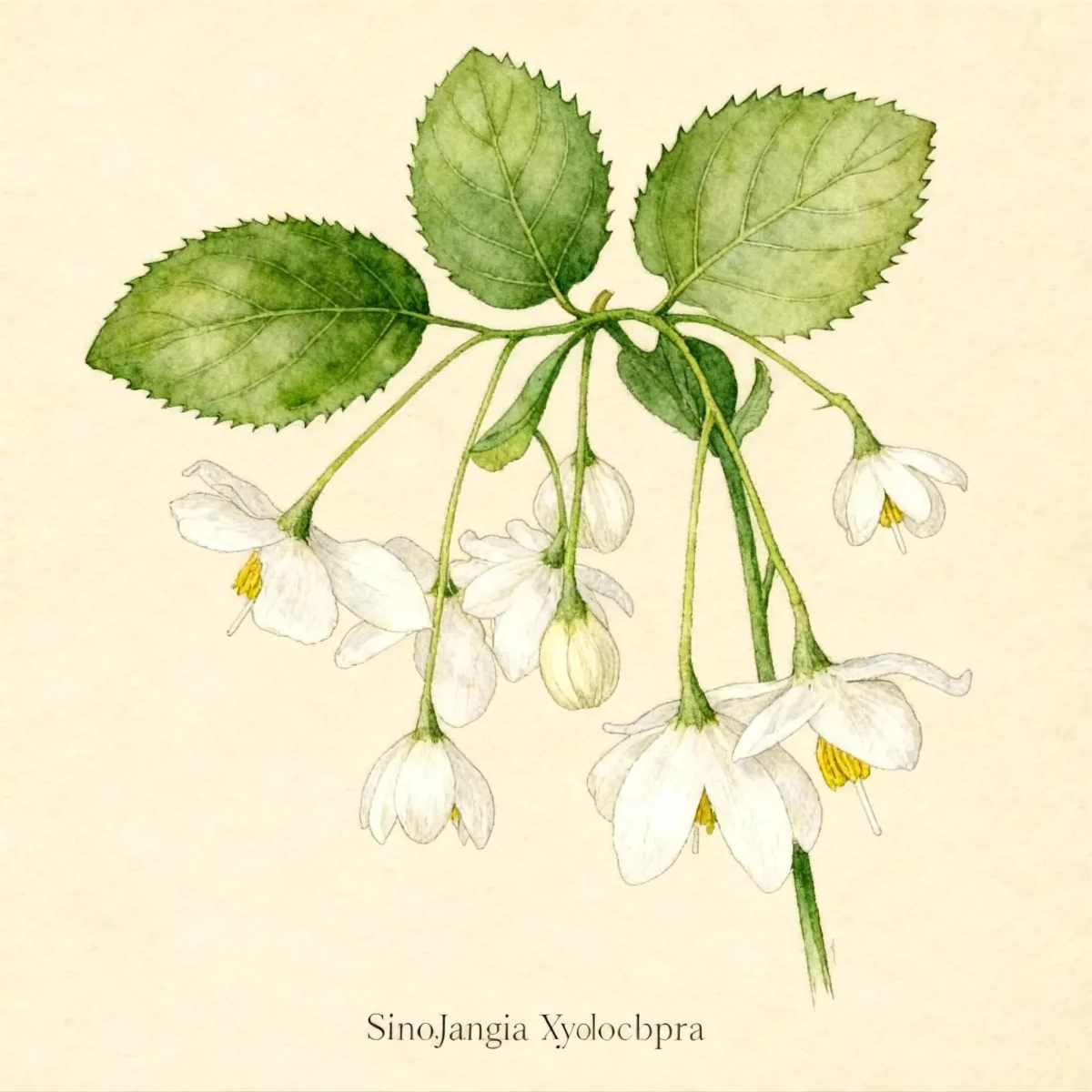
Sinojackia rehderiana, commonly called jacktree, is a small spreading deciduous tree or large shrub that typically grows to 15-20’ tall. Pendant star-shaped white flowers (to 1” wide) in 3 to 5-flowered cymes cover the plant with bloom in spring (April-May). The genus name comes from sino meaning Chinese and “jackia” which honors John George Jack (1861-1949) of the Arnold Arboretum.
Tolerances
Potential Problems
A significant advantage of growing the Jacktree is its excellent pest and disease resistance. Gardeners report no serious insect or disease problems when growing Sinojackia rehderiana according to best practices. This low-risk profile minimizes the need for chemical intervention, maintaining its low maintenance appeal throughout the growing season.
The biggest threats generally involve cultural missteps rather than pest outbreaks. Ensuring the soil offers excellent drainage and is correctly acidic will prevent most potential issues related to root stress or nutrient uptake. If leaf burn occurs, consider adjusting afternoon sun exposure during the peak summer heat.
Frequently Asked Questions
What hardiness zones is Jacktree suitable for?
The Jacktree (Sinojackia rehderiana) is hardy across USDA Zones 6 through 10, offering flexibility for gardeners in moderate to warm climates.
How large does Jacktree grow?
This small spreading tree generally reaches a mature height and spread between 15 to 20 feet.
What sun exposure does Jacktree need?
Sinojackia rehderiana performs well in full sun but benefits from some part afternoon shade, particularly where summer heat is intense.
When does Jacktree bloom?
The Jacktree flowers profusely during the spring months, specifically from April to May, with distinctive white blossoms.
Conclusion
The inclusion of Sinojackia rehderiana in your landscape guarantees exceptional, low-effort beauty, marked by striking white spring flowers and resilient seasonal foliage. The Jacktree stands out as an elegant, manageable specimen tree suitable for many garden settings. Check your local USDA growing zone compatibility and plan to plant during the cooler seasons for the best establishment success.
Companion Planting
Selecting companions for Sinojackia rehderiana should focus on plants that share its requirements for acidic, humusy, well-drained soil and medium moisture. Acid-loving evergreens make excellent background plantings, providing structure when the Jacktree is dormant. Consider planting acid-tolerant shrubs like Rhododendrons or Azaleas nearby; their lower growth habit will serve as a colorful base layer beneath the deciduous canopy of the Jacktree.
When using this plant as a flowering specimen, integrate groundcovers that appreciate dappled shade later in the season. Hostas (provided they are a moisture-tolerant variety) or native woodland ferns can enhance the textural contrast without competing heavily for nutrients once the Jacktree is established. Ensure companion plants do not overly crowd the base, as this compromises the well-drained soil requirements of Sinojackia rehderiana.
Design Ideas
The 15-20 foot spread of the Jacktree makes it perfect for framing smaller entryways or acting as a transition element between a formal garden space and a more naturalized border. Its pendant flowers draw the eye upward without obscuring sightlines, unlike taller, denser trees. Use its spreading habit to create an airy, layered effect over shade-tolerant perennials.
In contemporary landscaping, the Jacktree provides necessary organic shape contrast against sharp, geometric hardscaping elements like stone walls or modern fencing. Its fall yellow color offers a warm counterpoint to deep-purple leafed shrubs placed strategically in the sightline. This tree is ideally suited for Asian-inspired or woodland garden designs where texture and subtle color variations are prioritized over bombastic blooms.