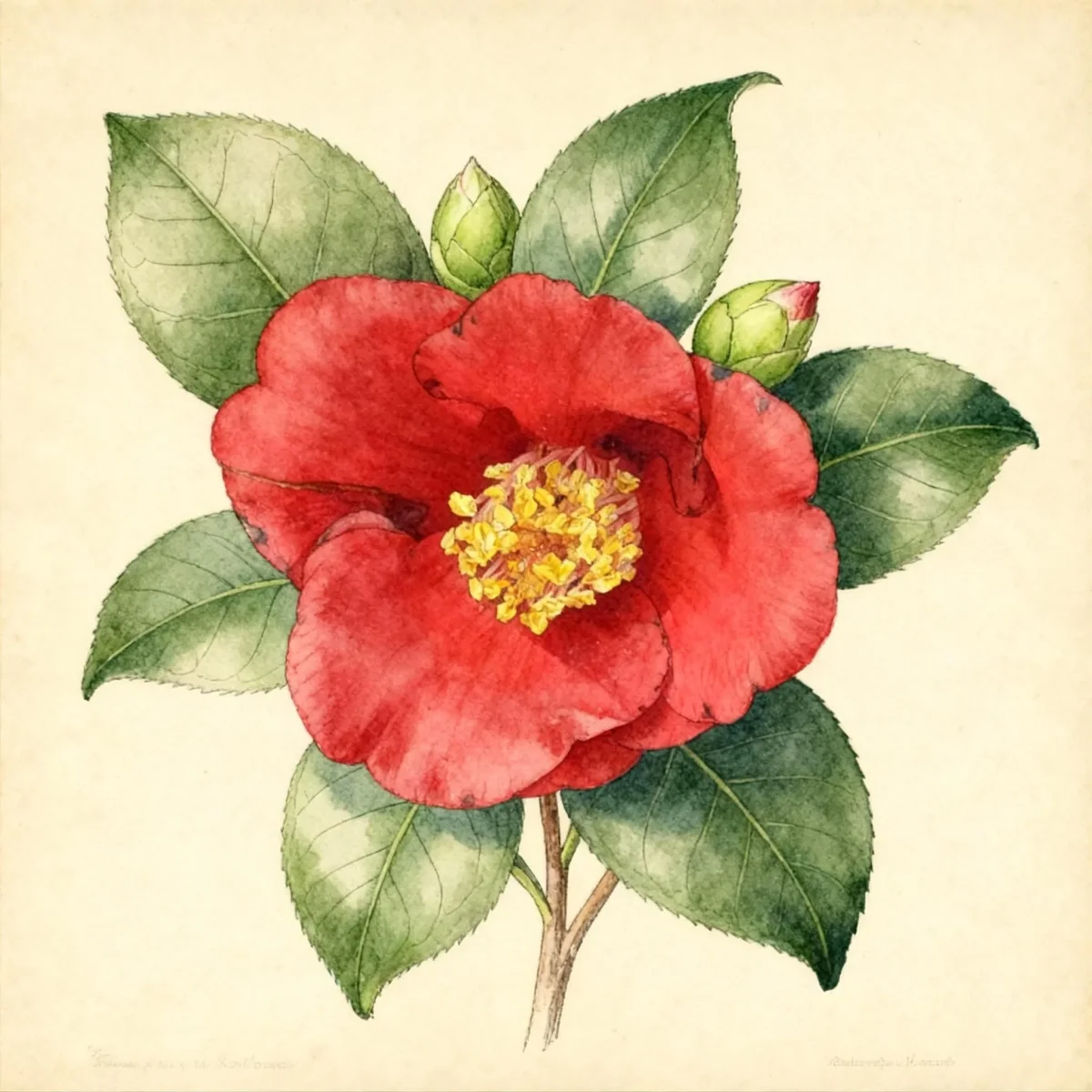
Tea (Camellia sinensis)
Grow Camellia sinensis, the Tea plant, for its glossy evergreen foliage and fragrant white fall flowers. Hardy in Zones 7-9.
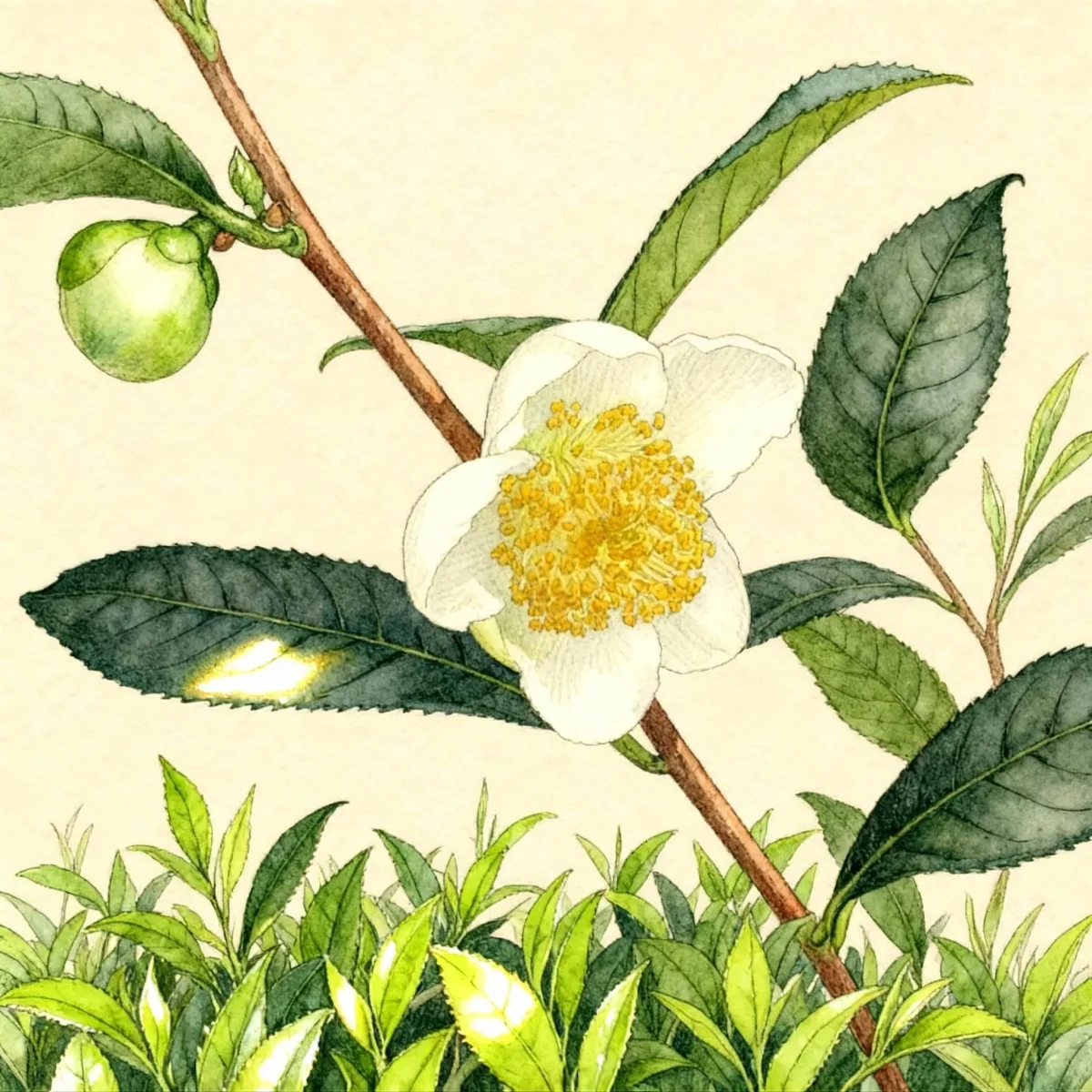

Bloom Boldly, No Matter the Season - Sweatshirt
Cozy organic cotton sweatshirt featuring our exclusive Purple Coneflower design. Perfect for gardeners who bloom year-round.
Inspired by the beautiful Tea
Limited first batch (50) — join the waitlist for early access
Waitlist closes Feb 15, 2026.
Complete Plant Information
Field Guide Continues
Ready for care notes, companion picks, and planting tips?
The map is just the start. The full guide below covers growth habits, seasonal performance, and landscape uses.
Overview
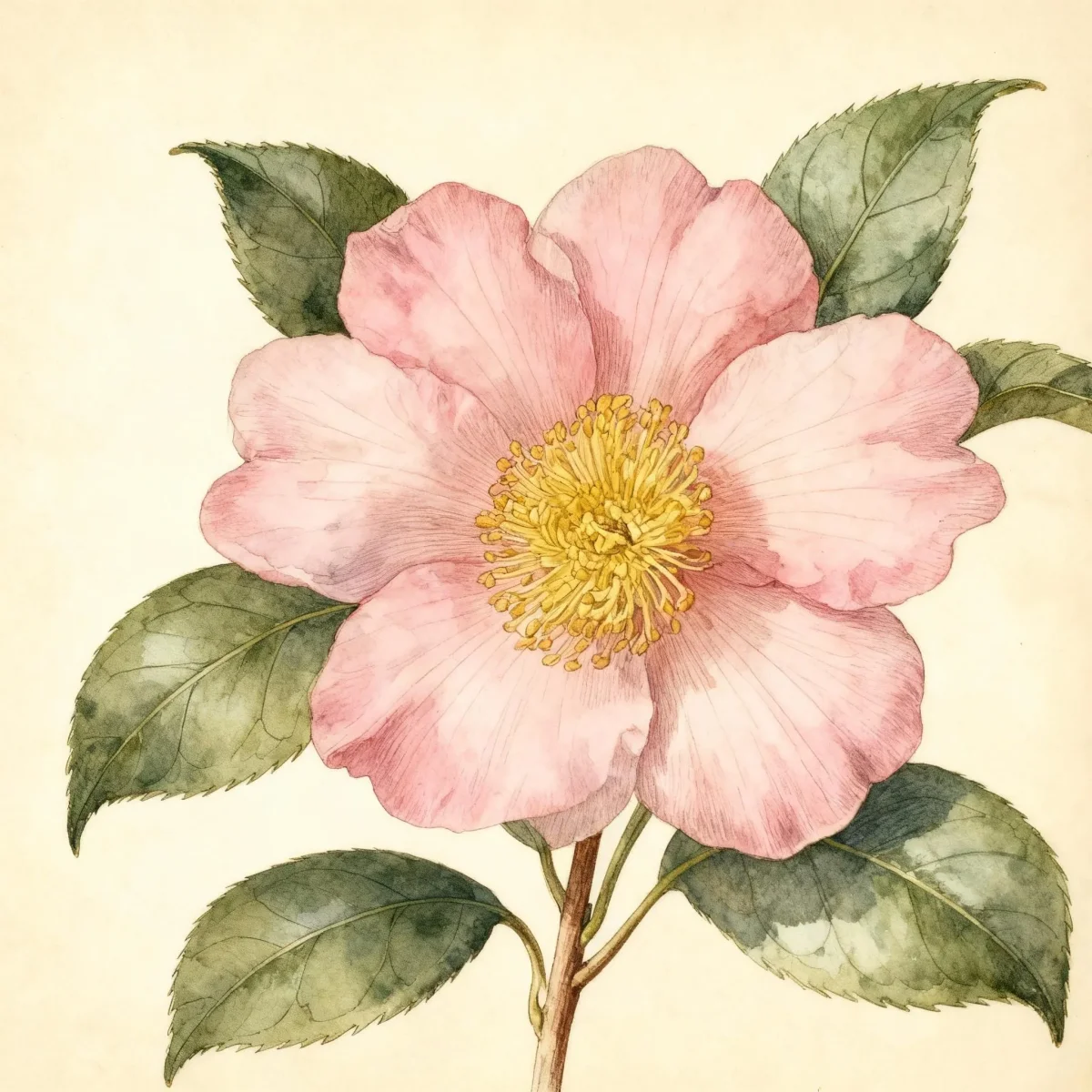
The Camellia sinensis, commonly known as the Tea plant, is a highly cherished broadleaf evergreen, historically vital for its processed leaves used to create commercial tea. Beyond its agricultural importance, this camellia offers exceptional ornamental value, providing dense, glossy, dark green foliage year-round. Gardeners prize it for its attractive structure and the delicate, fragrant white blooms that appear in the late fall and early winter when many other plants cease flowering.
This shrub thrives primarily where winter temperatures are mild, typically established in USDA Zones 7 through 9. Growing to heights between 10 and 15 feet, Camellia sinensis requires consistent care, favoring dappled sunlight or part shade conditions sheltered from harsh wind and intense afternoon sun. Providing organically rich, acidic, and well-drained soil is crucial for the long-term success of this valuable specimen.
While intrinsically linked to the production of black tea, matcha, or other beverages, even ornamental plantings of Camellia sinensis contribute significant texture and structure to shaded garden areas. Its reliable evergreen nature ensures visual interest across all seasons, making it a sophisticated addition to shrub borders or woodland settings.
Fast Facts
- Plant Family: Theaceae
- Plant Type: Broadleaf evergreen
- Native Range: Southeastern Asia
- Hardiness Zones: USDA Zones 7-9
- Size at Maturity:
- Height: 10-15 ft
- Spread: 6-10 ft
- Bloom Time: October to December
- Bloom Description: White
- Sun Exposure: Part shade
- Water Needs: Medium
- Maintenance Level: Medium
How to Grow
Planting the Tea plant should ideally occur during the cooler, wetter months to reduce transplant shock, ensuring the location offers protection from strong winds and intense, direct afternoon sun. Camellia sinensis requires organically rich, acidic soil that drains exceptionally well. When transplanting potted specimens, ensure the soil level in the garden matches the soil level it occupied in the container; planting too deeply is a common pitfall that harms camellias.
Consistent moisture is key for this medium-water-need shrub; aim for moderate, even watering, especially during dry periods. Established plants benefit from a layer of root mulch, such as shredded bark or leaves, applied after planting to help retain moisture and regulate soil temperature. Pruning should be performed immediately following the bloom period in late winter or early spring to manage size, control shape, and thin overcrowded branches.
For gardeners outside the reliable zones of 7–9, container culture is an excellent alternative. Plants grown in tubs can be moved to protected microclimates—such as near a warm foundation or inside a cool, bright greenhouse (45-60°F) during winter—ensuring the survival of the shrub and continued appreciation of its foliage.
Landscape Uses
The versatility of Camellia sinensis allows it to integrate seamlessly into diverse landscape designs where part shade is the dominant condition. It excels as a foundational planting around homes or structures that offer protection from weather extremes, or within the middle or back tiers of shrub borders due to its 10 to 15-foot mature height. If a formal look is desired or space is limited, this evergreen can be diligently trimmed into a handsome, dense hedge, offering privacy and year-round color.
When considering companions, select plants that share similar cultural requirements—acidic soil, part shade, and consistent moisture. Excellent pairings include other camellia varieties, rhododendrons, azaleas, and shade-loving ferns. For those in borderline hardy areas, container growing provides flexibility, allowing the plant to be sited near patios or entrances where its excellent foliage and fall flowers can be fully appreciated without concern for extreme winter temperatures affecting its long-term hardiness.
Standout Features
Flower Qualities
- Showy
- Fragrant
Noteworthy Characteristics
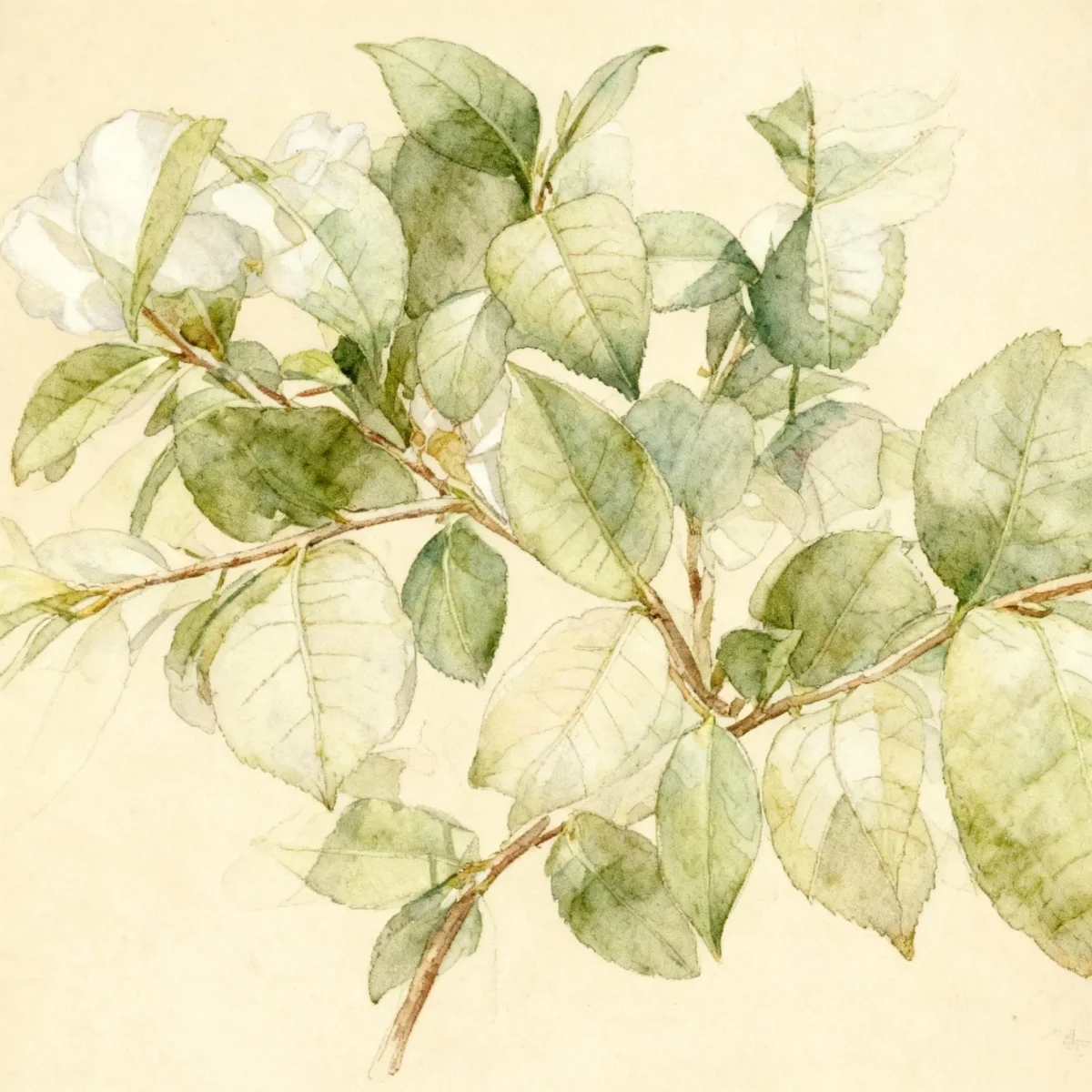
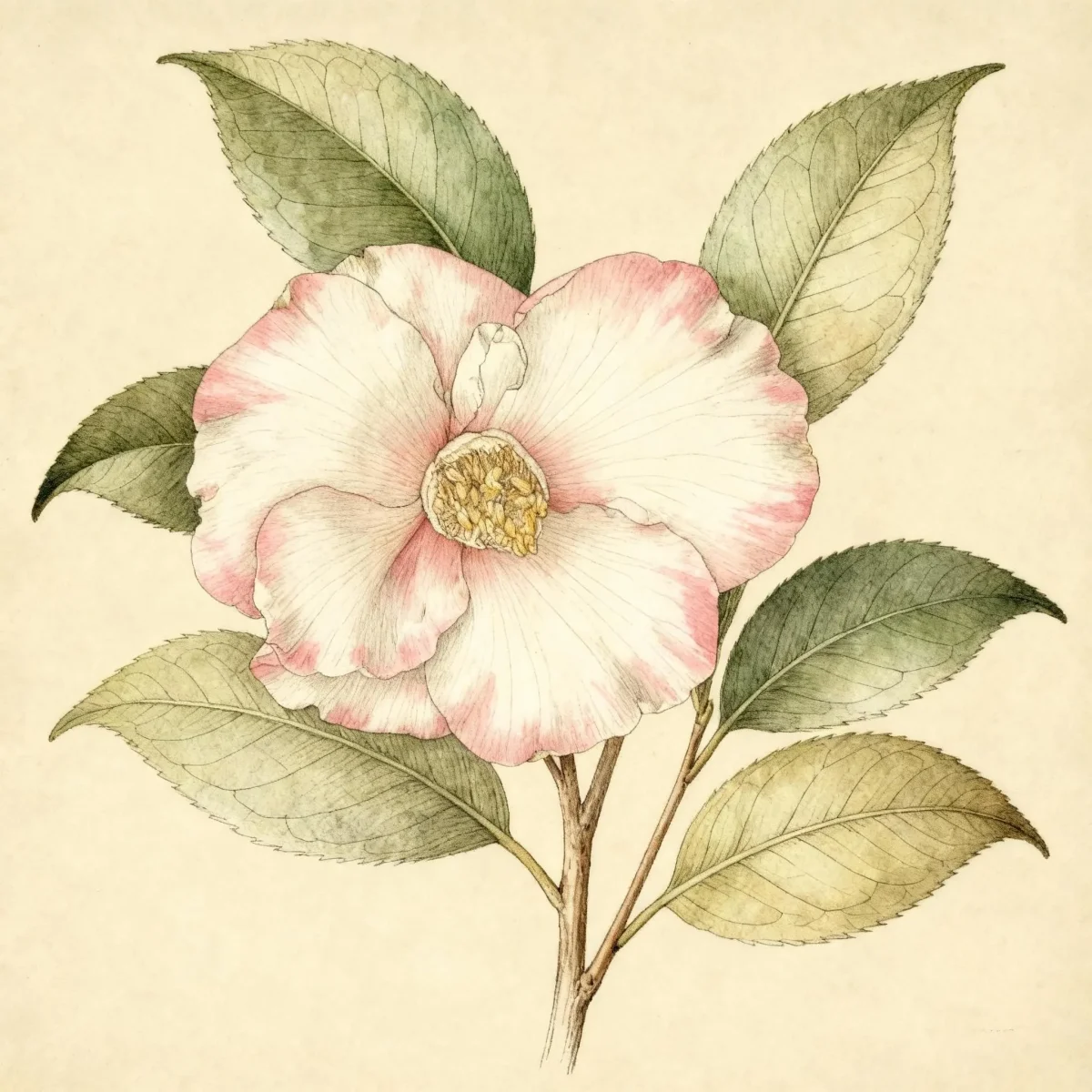
Processed leaves from Camellia sinensis and its many cultivars yield the tea leaves of commerce, though it is widely cultivated ornamentally for its superb foliage. This camellia features leathery, glossy dark green leaves up to 5 inches long, offering evergreen interest throughout the year. Its small but attractive, fragrant white flowers appear reliably from fall to early winter, often slightly concealed by the dense plant canopy.
Tolerances
Potential Problems
Camellia sinensis is susceptible to several fungal issues including leaf spots, anthracnose, root rot, canker, and the highly noticeable petal blight, which presents as browning spreading from the edges inward; all affected plant matter must be removed quickly if blight is present. Chlorosis (yellowing leaves with darkened veins) signals an iron deficiency in alkaline soil, treatable by amending the substrate with iron treatments or chelates. Insect pests frequently encountered include scale insects, which require diligent monitoring, alongside occasional sporadic infestations of aphids and spider mites.
Frequently Asked Questions
What hardiness zones is Tea suitable for?
This plant is generally suitable for USDA Hardiness Zones 7 through 9, requiring protection if attempted in Zone 6a or colder.
How large does Tea grow?
In ideal conditions, Camellia sinensis typically grows between 10 to 15 feet tall and spreads 6 to 10 feet wide, though it can be readily trimmed shorter.
When does Tea bloom?
This evergreen camellia displays fragrant white flowers peaking from October through December, adding late-season color.
What sun exposure does Tea need?
The Tea plant prefers part shade, ideally thriving in locations where it receives protection from the intensity of the early morning and hot afternoon sun.
Conclusion
The Camellia sinensis provides excellent evergreen structure, fragrant seasonal flowers, and the unique historical context of being the source of commercial tea. Its maintenance level is medium, reflecting the need for acidic soil and protection from harsh weather, but the payoff is a beautiful specimen plant. Before planting outdoors, confirm your local conditions align with USDA Zones 7-9, or plan for necessary container overwintering.
Companion Planting
When selecting neighbors for your Tea plant, prioritize species that appreciate the same acidic soil pH and part-shade environment. Grouping Camellia sinensis with other acid lovers such as rhododendrons, azaleas, and gardenias creates a harmonious planting scheme that simplifies soil management and watering schedules. Shade-tolerant woodland natives or various types of hydrangeas also make strong companions, offering textural contrast to the smooth, leathery leaves of the Tea camellia while sharing similar cultural needs.
Container Growing
Growing Camellia sinensis in containers is highly advantageous, particularly for gardeners flirting with the edge of its hardiness range or those seeking portability. Use a high-quality, slightly acidic potting mix, ensuring the container has ample drainage holes. Keep the potting mix consistently moist but never waterlogged, as root rot is a concern in poorly drained pots. Containerized plants may require slightly more frequent fertilizing than those in the ground and must be moved to a sheltered location when temperatures approach freezing across the winter months.