Sakaki(Cleyera japonica)
Grow true Japanese cleyera / Sakaki (Cleyera japonica): glossy evergreen foliage, bronze new growth, fragrant creamy flowers, USDA zones 7–9 hedge care.
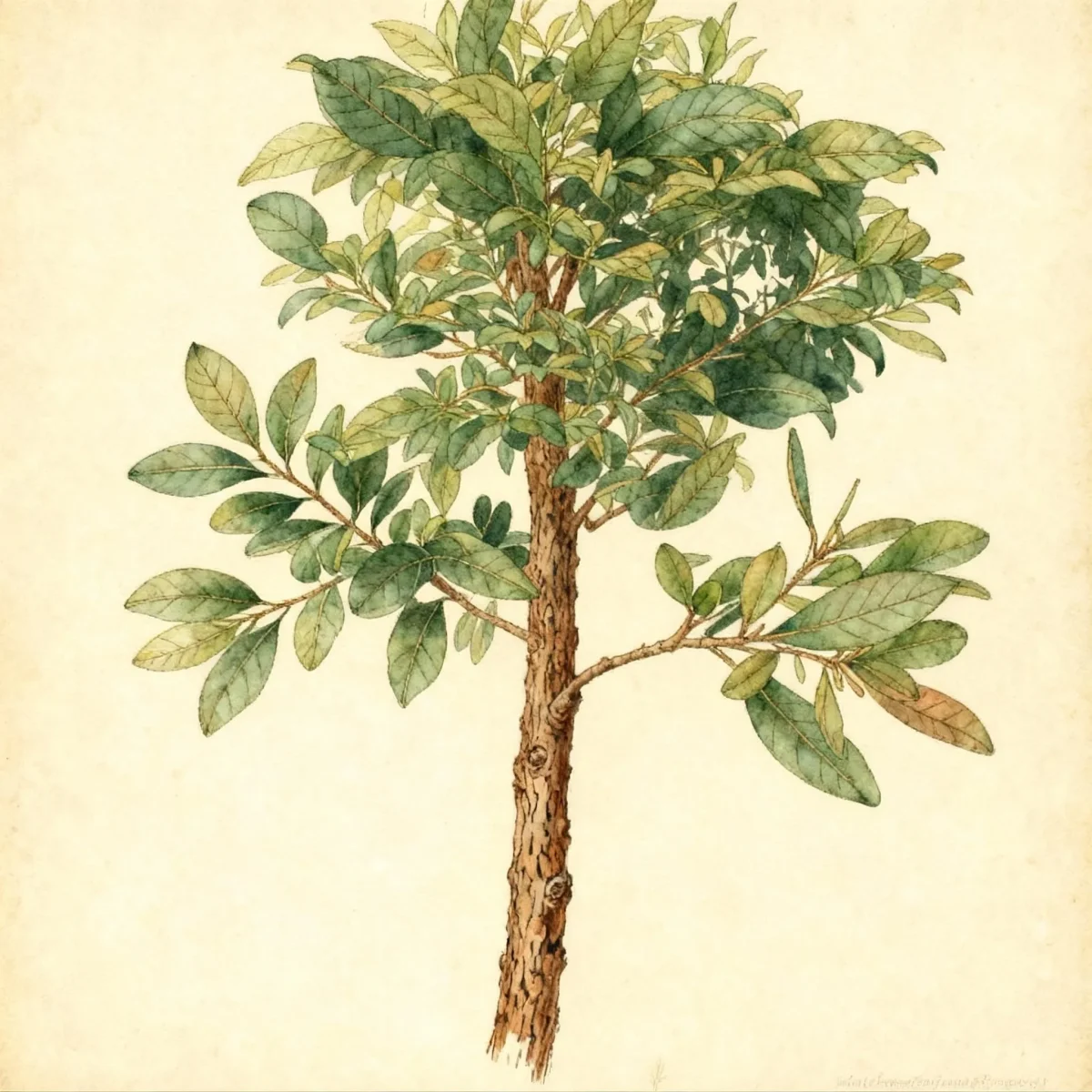
Complete Plant Information
- Hardiness zones
- USDA 7–9
- Plant type
- Broadleaf evergreen
- Plant family
- Pentaphylacaceae
- Sun exposure
- Full sun to part shade
- Water needs
- Medium
- Maintenance
- Low
- Height
- 10–15 ft (305–457 cm)
- Spread
- 8–10 ft (244–305 cm)
- Bloom time
- May to June
- Flower color
- Nodding clusters of creamy-white to pale yellow fragrant 5-petaled flowers followed by black berries
- Flower qualities
- Showy, Fragrant
- Fruit qualities
- Showy
- Tolerances
- Deer, Heavy Shade, Clay Soil
- Garden uses
- Evergreen privacy screen, formal sheared hedge, camellia companion, woodland anchor
- Native range
- Japan, Korea, eastern China (temperate mountain forests)
Field Guide Continues
Ready for care notes, companion picks, and planting tips?
The map is just the start. The full guide below covers growth habits, seasonal performance, and landscape uses.
Overview
True Japanese cleyera or Sakaki (Cleyera japonica) is an elegant broadleaf evergreen shrub or small tree in the pentaphylax family (Pentaphylacaceae, historically grouped under Theaceae), hardy in USDA Zones 7 through 9 (marginal in sheltered Zone 6b). Native to the moist mountain forests of Japan, Korea, and China, it holds deep sacred significance in Japanese Shinto tradition, where its glossy leafy branches (tamagushi) are offered at shrine altars. Maturing 10 to 15 feet tall and 8 to 10 feet wide with a dense, symmetrical upright-rounded habit, it features camellia-like lustrous foliage that emerges in rich coppery-bronze tones before turning deep emerald-green.
In the North American nursery trade, plant labels frequently confuse true Cleyera japonica with false cleyera (Ternstroemia gymnanthera); true Cleyera features alternate leaves with distinct lateral veins and nodding, fragrant spring blooms.
How to Grow
- Hardiness & Siting: USDA Zones 7 through 9. Thrives across the Mid-Atlantic, Southeast, and Pacific Northwest. Siting against cold, drying winter winds prevents foliar desiccation.
- Sunlight: Partial shade to full sun. While shrubs adapt to full sun with adequate soil moisture, partial shade (morning sun with filtered afternoon canopy shade) preserves the richest dark green foliage color and prevents sun bleaching.
- Acidic, Well-Draining Soil: Requires moist, fertile, organically rich, acidic soil (pH 5.0 to 6.5) similar to azaleas and camellias. In high-pH alkaline soils, iron becomes unavailable, causing yellow leaf chlorosis.
- Moisture: Demands consistent moisture during root establishment. Once established, plants demonstrate moderate drought tolerance, but avoid poorly drained, waterlogged sites that foster root rot.
Landscape Uses
- Evergreen Privacy Screen: Planted 4 to 6 feet apart on center, it forms an opaque, dense year-round visual barrier.
- Formal Sheared Hedge: Responds well to light annual shearing in late winter before new bronze spring growth flushes out.
- Woodland Understory Anchor: Thrives in dappled shade alongside camellias, rhododendrons, and Japanese maples.
Potential Problems
- Iron Chlorosis in High-pH Soil: Alkaline soils cause yellowing between leaf veins; apply elemental sulfur or chelated iron to lower soil pH.
- Winter Wind Burn in Zone 6: Cold, dry winter winds cause foliage browning; provide a sheltered microclimate.
- Nursery Trade Confusion: Confirm whether stock is true Cleyera japonica or Ternstroemia gymnanthera before planting.
Frequently Asked Questions
What is the difference between Cleyera and Ternstroemia?
True Cleyera japonica has alternate leaves with prominent veins and fragrant white flowers that produce black berries. Ternstroemia gymnanthera has thicker, whorled, blunt-tipped leaves and orange-to-red berries.
Can Japanese cleyera grow in full shade?
Yes. It is naturally an understory forest plant and retains dense foliage and good branching even in deep, partial-to-heavy shade.
Why are the new leaves bronze?
New growth flushes naturally emerge in eye-catching shades of burnished bronze, mahogany, and copper before maturing into deep glossy green.
Companion Plants
Pair Japanese cleyera with acid-loving woodland shrubs and perennials that share its moist, slightly acidic soil requirements:
- Flowering Acid-Lovers: Plant alongside camellias (Camellia japonica and C. sasanqua), azaleas, and mountain laurel (Kalmia).
- Woodland Perennials: Underplant with cast iron plant (Aspidistra elatior), hostas, and Japanese painted ferns.
- Deciduous Contrast: Combine with weeping Japanese maples (Acer palmatum) or dogwoods.
Sources & Lineage
- Missouri Botanical Garden PlantFinder: Record taxon 287345 (Cleyera japonica) — morphology, dimensions, and botanical overview.
- Kew Plants of the World Online (POWO): Cleyera japonica Thunb. (POWO: 828636-1) — species taxonomy, family (Pentaphylacaceae), and East Asian distribution.
- North Carolina State Extension Gardener Plant Toolbox: Cleyera japonica (Sakaki) — Shinto cultural significance, Ternstroemia trade confusion, and acid soil care.
Recommended Companion Plants
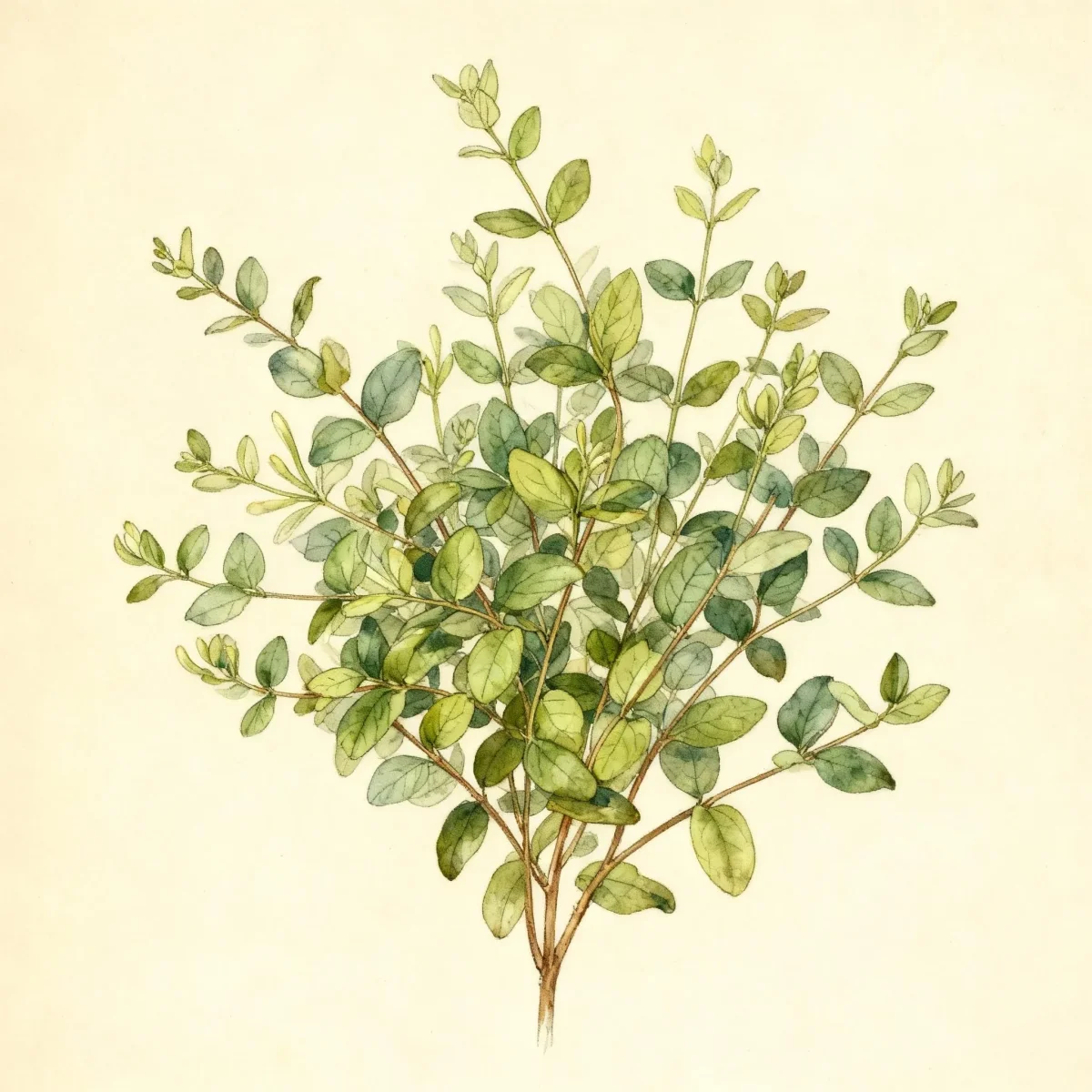
Privet honeysuckle
Lonicera pileata 'Moss Green'
- USDA zones
- 6–8
- Light
- Full sun to part shade
- Water
- Medium

Privet honeysuckle
Lonicera pileata 'Royal Carpet'
- USDA zones
- 6–8
- Light
- Full sun to part shade
- Water
- Medium
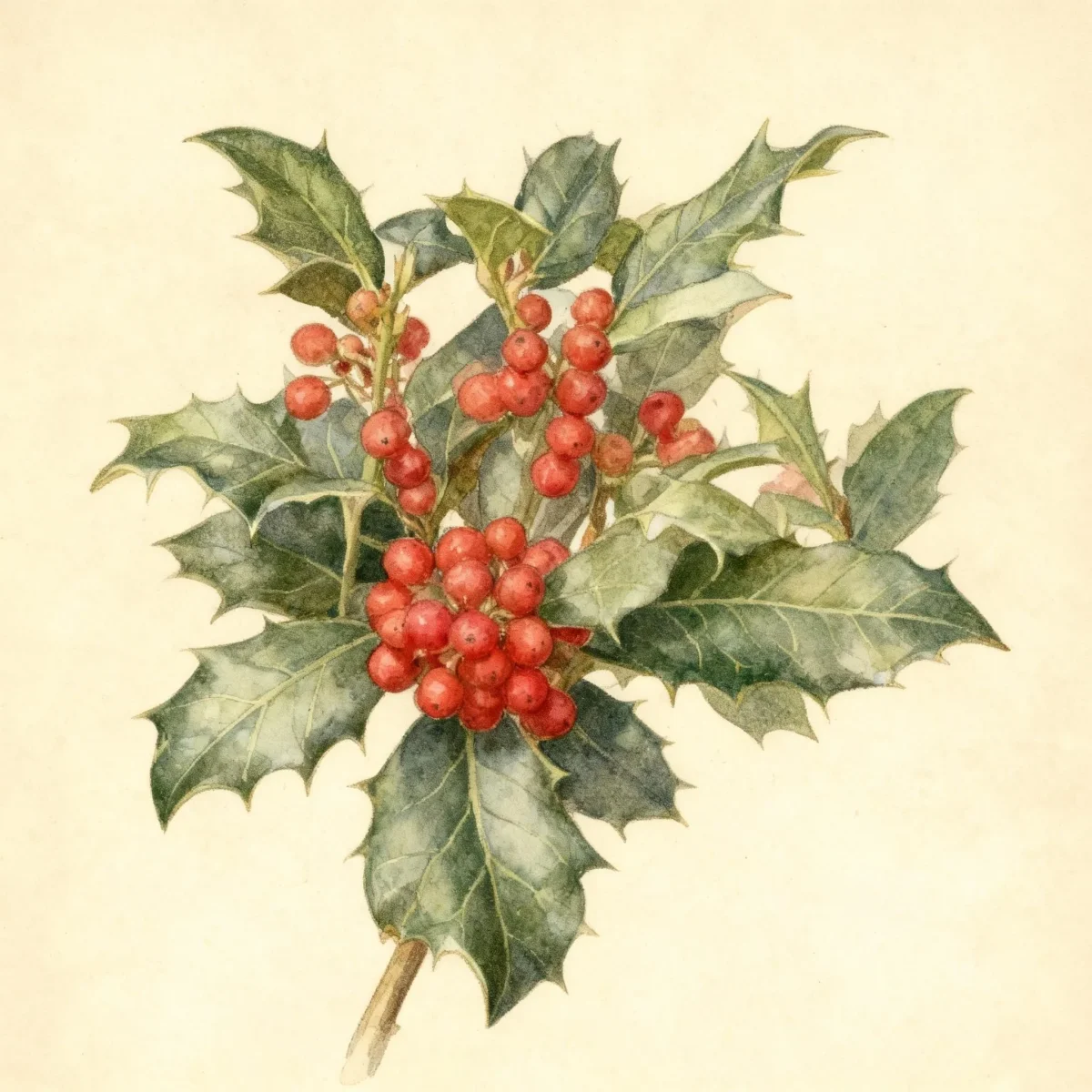
Holly
Ilex 'Nellie R. Stevens'
- USDA zones
- 6–9
- Light
- Full sun to part shade
- Water
- Medium
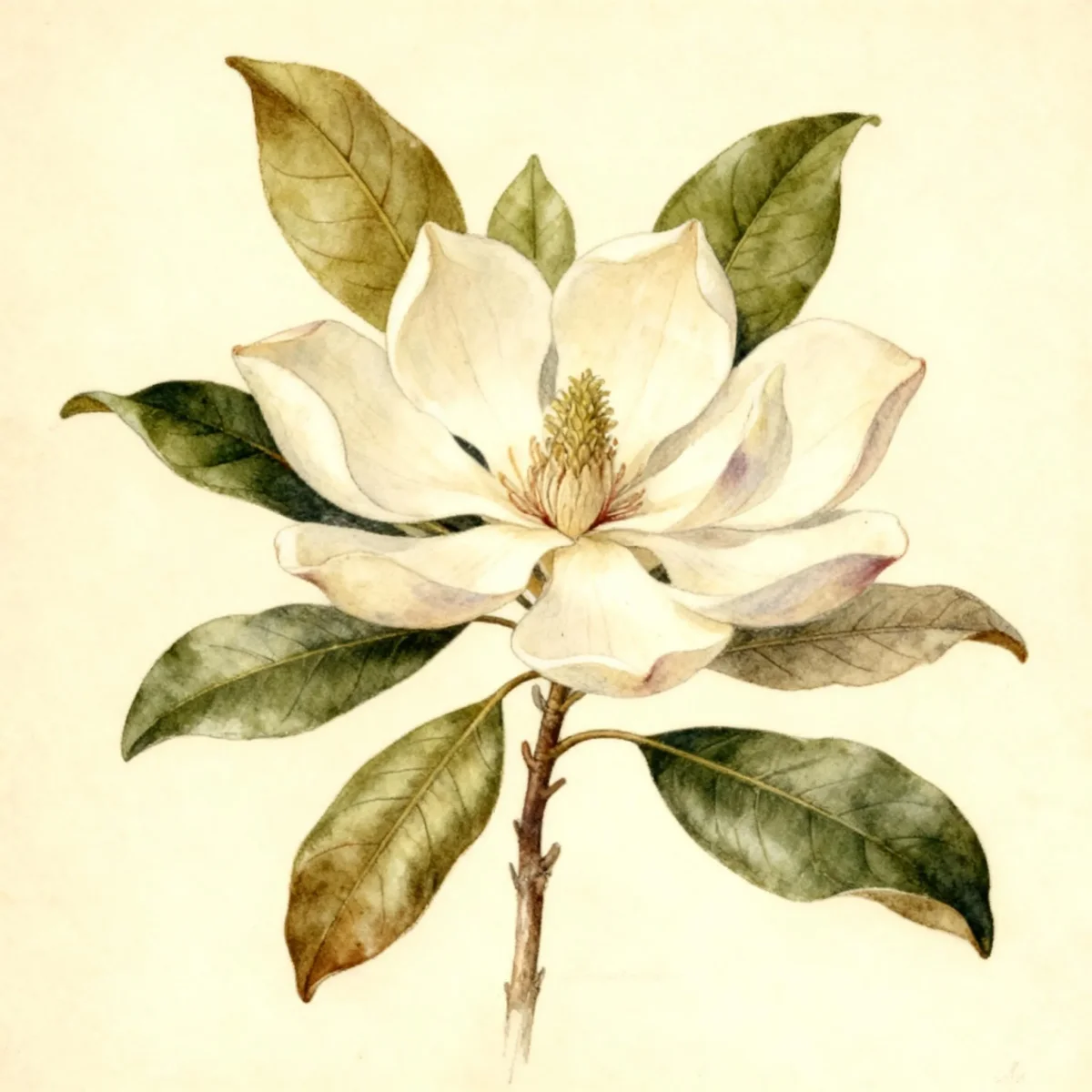
Large-flowered magnolia
Magnolia grandiflora 'Edith Bogue'
- USDA zones
- 6–9
- Light
- Full sun to part shade
- Water
- Medium
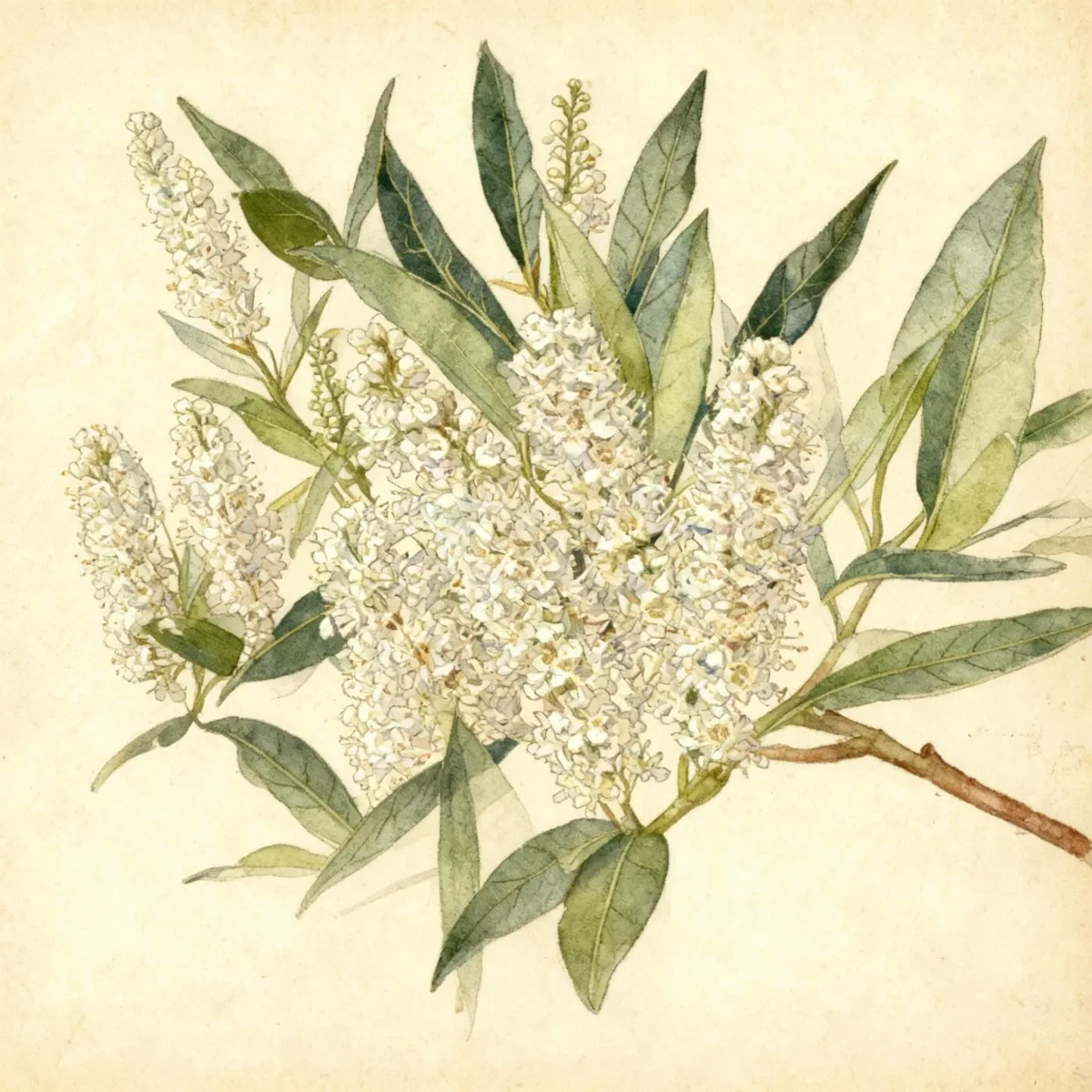
Cherry laurel
Prunus laurocerasus 'Otto Luyken'
- USDA zones
- 6–8
- Light
- Full sun to part shade
- Water
- Medium
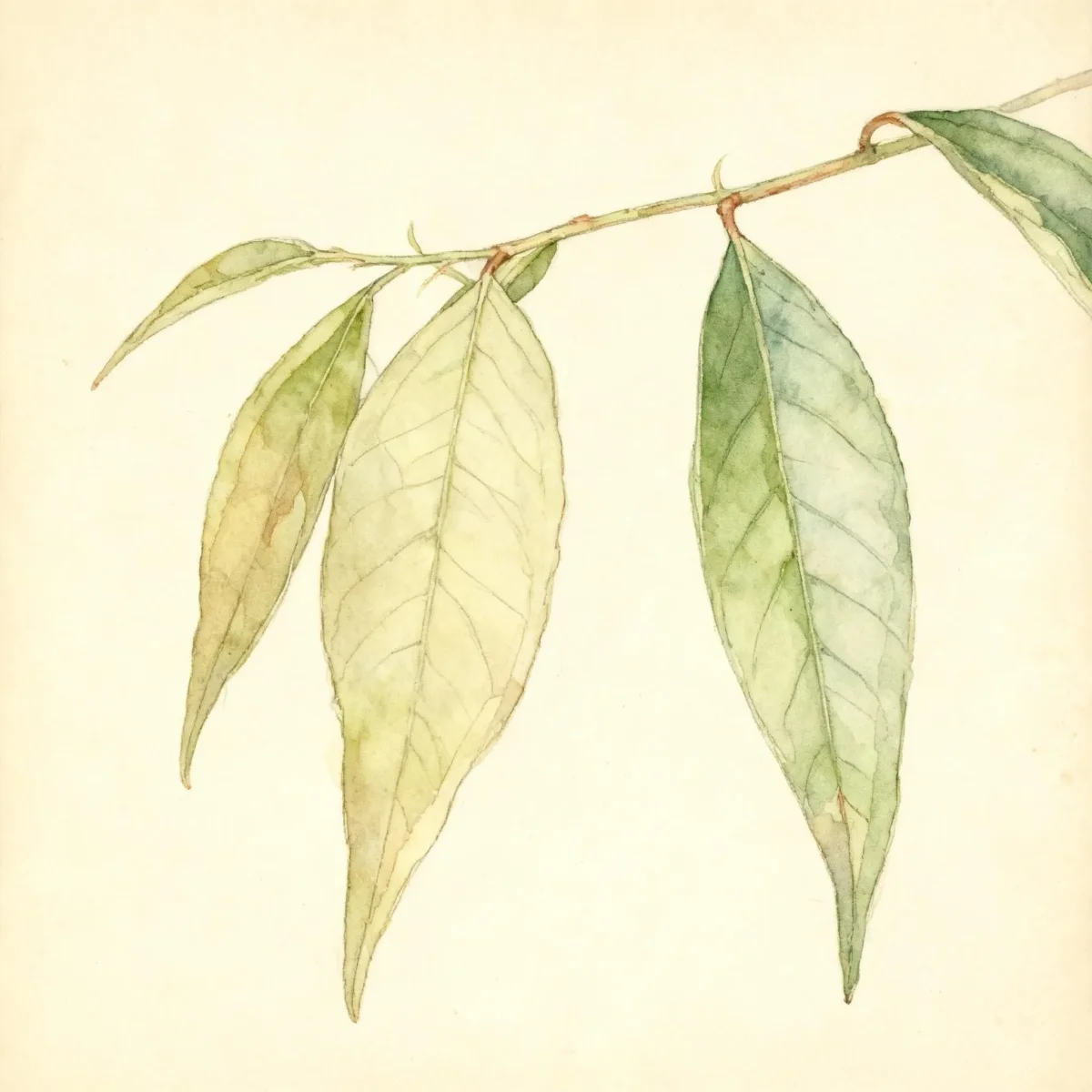
Dense longwood
Xylosma congestum
- USDA zones
- 8–11
- Light
- Full sun to part shade
- Water
- Medium
Keep Learning
Test what you know with a garden quiz
You have the plant facts and care notes. Continue with a related challenge, or browse the complete quiz library.

Can You Identify These Common Garden Plants? Test Your Plant Knowledge
Think you know your roses from your peonies? Test your plant identification skills with our comprehensive garden plant quiz featuring 10 challenging questions.
Start quiz
USDA Garden Zone Map Quiz
Use this USDA garden zone map quiz to check whether you can read hardiness zones and choose plants with more confidence.
Start quizBrowse the full quizzes section
Explore plant identification, zone strategy, and seasonal gardening challenges.
View all quizzes