Mediterranean hackberry(Celtis australis)
Celtis australis, the Mediterranean hackberry, is a tough, low-maintenance deciduous tree valued for its dense shade and adaptability.

Complete Plant Information
- Hardiness zones
- USDA 6–9
- Plant type
- Tree
- Plant family
- Cannabaceae
- Sun exposure
- Full sun
- Water needs
- Medium
- Maintenance
- Low
- Height
- 40–70 ft (1219–2134 cm)
- Spread
- 40–50 ft (1219–1524 cm)
- Bloom time
- April to May
- Flower color
- Green
- Flower qualities
- Insignificant
- Fruit qualities
- Showy, Edible
- Tolerances
- Deer, Drought, Clay Soil, Air Pollution
- Garden uses
- Shade Tree, Street Tree
- Native range
- Europe, North Africa, Asia Minor
Field Guide Continues
Ready for care notes, companion picks, and planting tips?
The map is just the start. The full guide below covers growth habits, seasonal performance, and landscape uses.
Overview
The Celtis australis, widely known as Mediterranean hackberry, is a distinguished, medium to large deciduous tree celebrated for its resilience and stately presence. It develops an attractive rounded, spreading crown supported by smooth, gray bark once mature, making it an excellent long-lived specimen. Gardeners prize this species for its adaptability to difficult urban environments and its reliable shade production.
Native to the Mediterranean region, Celtis australis thrives where many other trees falter, handling pollution and adverse soils with minimal care. Its foliage features sharply-toothed, dark green leaves that offer modest autumn color before dropping. The small, dark purple, edible fruits add seasonal visual interest and wildlife value to this robust tree.
This tough shade provider offers significant aesthetic and functional benefits to the landscape with very little required effort. For those seeking a long-term planting solution that establishes well in various substrates, the Mediterranean hackberry stands out as an exceptionally dependable choice.
Fast Facts
- Plant Family: Cannabaceae
- Plant Type: Tree
- Native Range: Europe, North Africa, Asia Minor
- Hardiness Zones: USDA Zones 6-9
- Size at Maturity:
- Height: 40-70 ft
- Spread: 40-50 ft
- Bloom Time: April to May
- Bloom Description: Green
- Sun Exposure: Full sun
- Water Needs: Medium
- Maintenance Level: Low
How to Grow
Planting the Celtis australis is best done in the spring or fall when conditions are mild, allowing the roots to establish before extreme weather hits. Aim for locations receiving full sun, though it tolerates part shade. This tree is remarkably flexible regarding soil type; it performs best in moist, organically rich, well-drained soils, but it readily accepts wet, dry, or poor soils, including heavy clay.
Once established, watering should remain medium; established trees are very drought-tolerant thanks to their deep root systems. Due to its low maintenance requirements, extensive fertilization is rarely necessary unless the soil is extremely poor. Pruning should focus on structural development when young, ensuring a strong central leader and balanced canopy, though mature Mediterranean hackberry trees require little intervention.
The strong tolerance of Celtis australis allows it to withstand significant wind exposure and numerous urban pollutants. This inherent toughness means winter preparation is usually minimal, as it is hardy down to Zone 6. Focus seasonal attention primarily on observing for potential pests or diseases rather than intensive cultural care.
Landscape Uses
The exceptional toughness and mature size make the Mediterranean hackberry an outstanding choice for structural plantings requiring substantial overhead cover. Its ideal function is as a primary shade tree over large lawns or in open park settings where its 40 to 70-foot height can be fully appreciated. Furthermore, this species excels as a street tree, demonstrating high tolerance for air pollution and confined root zones often found in urban infrastructure.
When using Celtis australis near gathering areas like patios or sidewalks, be mindful that the bird-attracting drupes produced in the fall can cause cleanup issues. In these tighter spots, consider planting only male (non-fruiting) specimens if known, or situate the tree far enough away that fallen fruit does not impact traffic areas.
For expansive landscapes, pair the upright-arching branching of the Mediterranean hackberry with lower-growing, drought-tolerant companion shrubs that do not compete heavily for water resources during dry periods. Its deep green foliage provides a solid, cooling backdrop for perennial borders or flowering accent pieces throughout the growing season.
Standout Features
Flower Qualities
- Insignificant
Fruit Qualities
- Showy
- Edible
Noteworthy Characteristics
The Celtis australis, commonly known as Mediterranean hackberry or European nettle tree, is a medium to large deciduous tree typically reaching 40-70 feet tall with a rounded, spreading crown. Mature specimens exhibit distinctive smooth gray bark, contrasting with the roughly textured, dark green leaves measuring up to 5 inches long. The tree produces small, rounded, dark purple drupes in the fall, whose fleshy coatings are characteristically somewhat sweet and edible, often attracting various wildlife.
Tolerances
- Deer
- Drought
- Clay Soil
- Air Pollution
Potential Problems
While generally robust, Celtis australis can occasionally exhibit cosmetic issues. Witches’ broom, characterized by dense, stunted twig clusters at branch ends, is sometimes observed but rarely causes significant harm to the tree’s overall health. Although less common than in its relative Celtis occidentalis, keeping an eye out for hackberry nipple gall, which disfigures leaves, is wise.
Other potential issues are microbial or pest-related, including powdery mildew, leaf spot, and root rot, particularly in overly wet conditions. Regularly inspect the foliage for signs of sap-sucking pests like lacebugs and scale insects, treating them promptly with horticultural oil or appropriate insecticides if infestations become severe enough to cause cosmetic damage.
Frequently Asked Questions
What hardiness zones is Mediterranean hackberry suitable for?
The Celtis australis is winter hardy and suitable for USDA Hardiness Zones 6 through 9.
How large does Celtis australis grow?
This tree typically matures to a height of 40 to 70 feet, with a spread ranging from 40 to 50 feet, forming a substantial canopy.
What sun exposure does Mediterranean hackberry need?
The Mediterranean hackberry thrives best when situated in full sun, although it can tolerate partial shade conditions.
When does Celtis australis bloom?
Flowering occurs relatively inconspicuously in the spring, generally from April to May, producing small green blooms.
Conclusion
The Celtis australis is a premier choice for gardeners needing a durable, adaptable, and stately shade tree capable of thriving in challenging urban sites. Its low maintenance needs, combined with a notable tolerance for drought and poor soil, make the Mediterranean hackberry a wise long-term investment. Before planting, confirm that your local climate falls within USDA Zones 6-9 to ensure this magnificent specimen establishes successfully.
Companion Planting
When locating permanent plantings near the Mediterranean hackberry, select species that share similar low-maintenance needs and drought tolerance once established. Groundcovers that thrive in partial shade or dappled light beneath the canopy, such as various Hosta varieties (in shaded areas) or low-growing Sedums (in sunnier drought spots near the perimeter), work well. Avoid shallow-rooted turf grasses immediately adjacent to the trunk, as they will compete aggressively for surface water.
For mid-story structure, utilize resilient native shrubs that appreciate the dappled sunlight filtering through the open crown of the Celtis australis. Plants like certain varieties of Texas Sage (Leucophyllum frutescens) or evergreen Euonymus can provide year-round screening without requiring heavy supplemental irrigation once the hackberry is mature.
Wildlife Benefits
While the flowers of Celtis australis are not showy, the resulting drupes provide a crucial late-season food source for avian species. Birds readily consume the small, dark purple fruits, which aids in the natural dispersal of the tree’s seeds across the landscape. Planting Mediterranean hackberry near avian feeders or birdbaths enhances its value as a wildlife resource during fall and early winter.
The structure of the developed three-dimensional crown offers significant shelter and nesting opportunities for smaller songbirds throughout the year. Its dense summer foliage provides excellent cover from predators and inclement weather, solidifying its role as an important habitat component in suburban and urban ecosystems.
Recommended Companion Plants
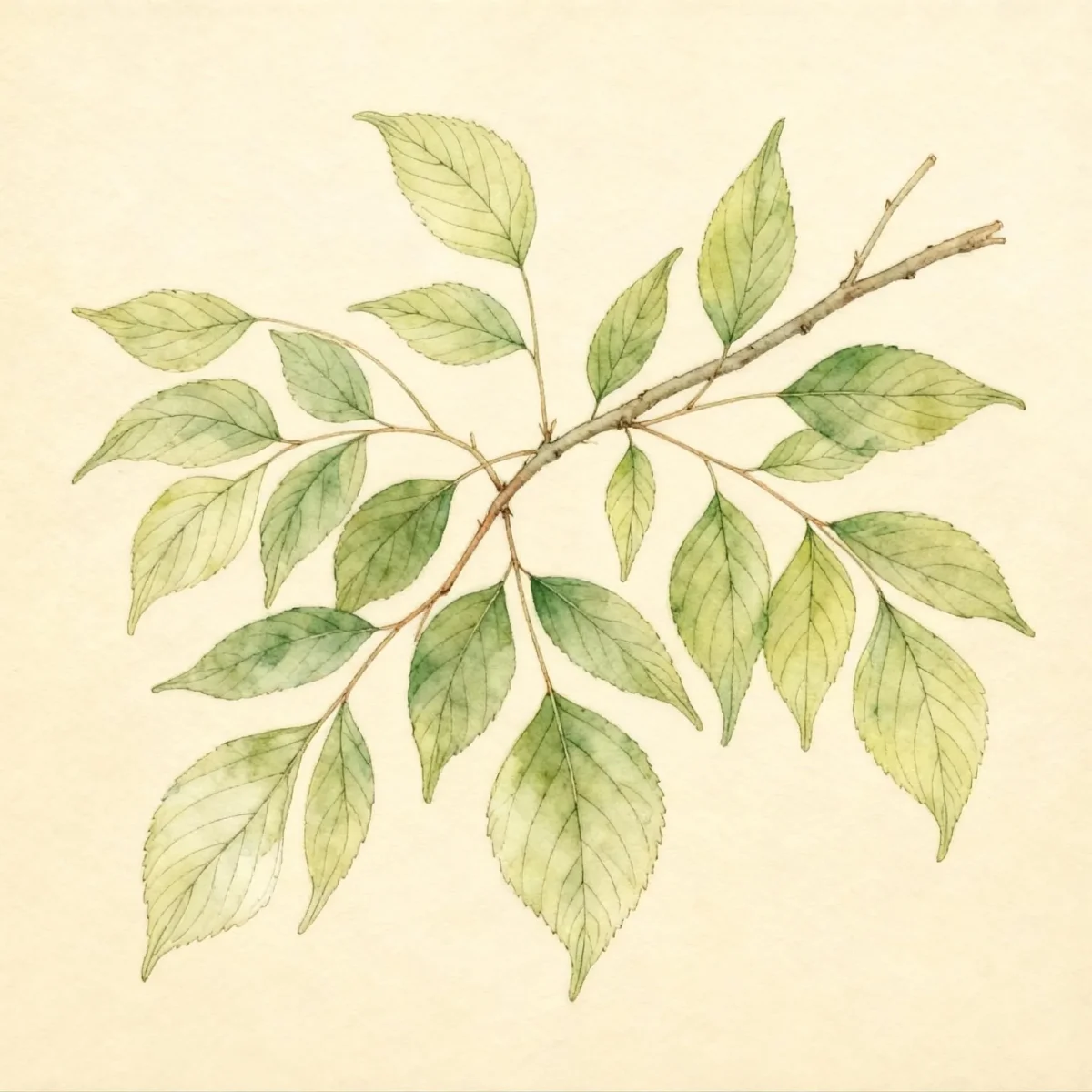
Weeping Japanese hackberry
Celtis sinensis 'Green Cascade'
- USDA zones
- 7–9
- Light
- Full sun to part shade
- Water
- Medium

Japanese persimmon
Diospyros kaki 'Dagaishi'
- USDA zones
- 7–10
- Light
- Full sun
- Water
- Medium

Kaki
Diospyros kaki 'Fuyu'
- USDA zones
- 7–10
- Light
- Full sun
- Water
- Medium

Sweet gum
Liquidambar styraciflua 'Rotundiloba'
- USDA zones
- 5–9
- Light
- Full sun
- Water
- Medium
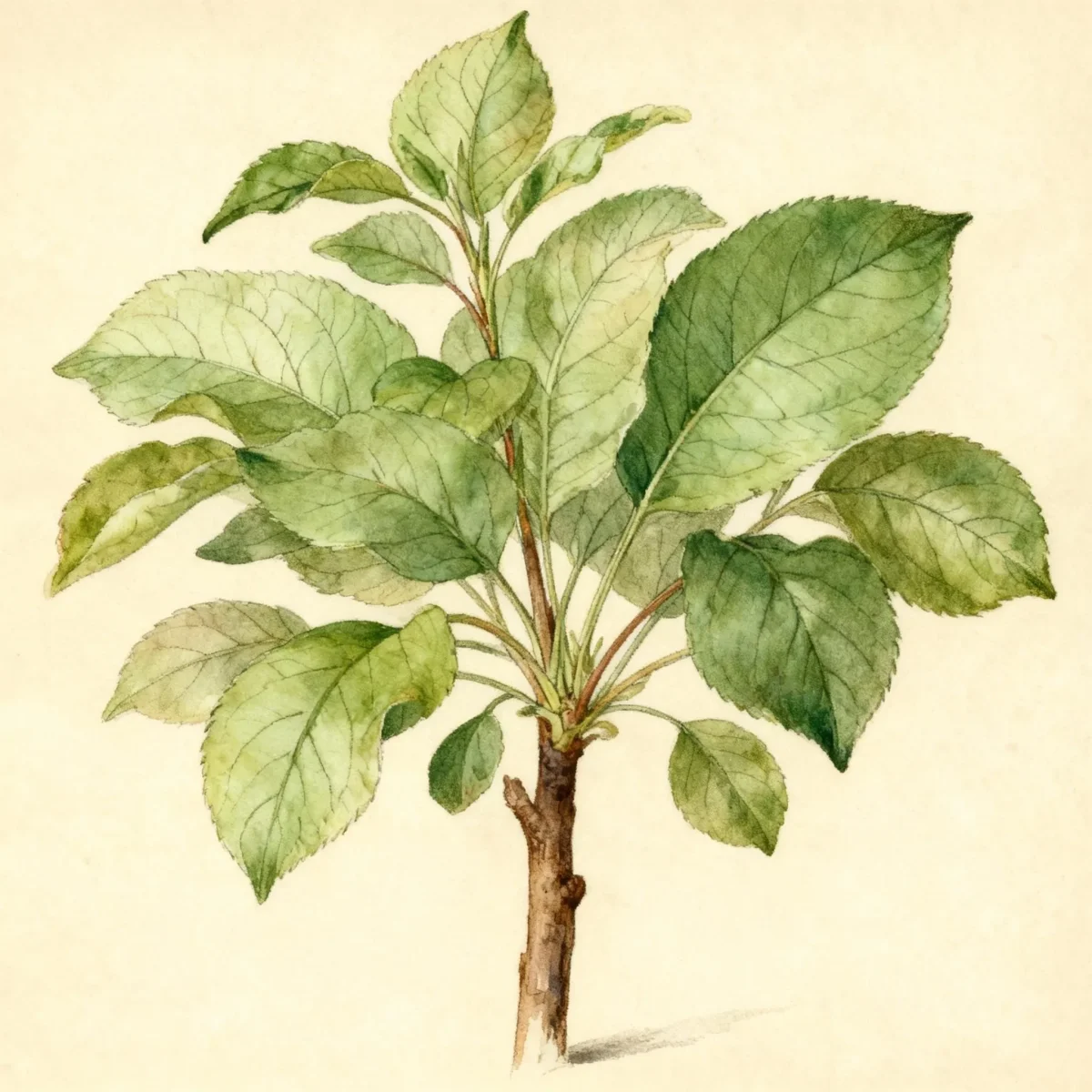
Flowering crabapple
Malus 'Ruth Ann'
- USDA zones
- 5–8
- Light
- Full sun
- Water
- Medium
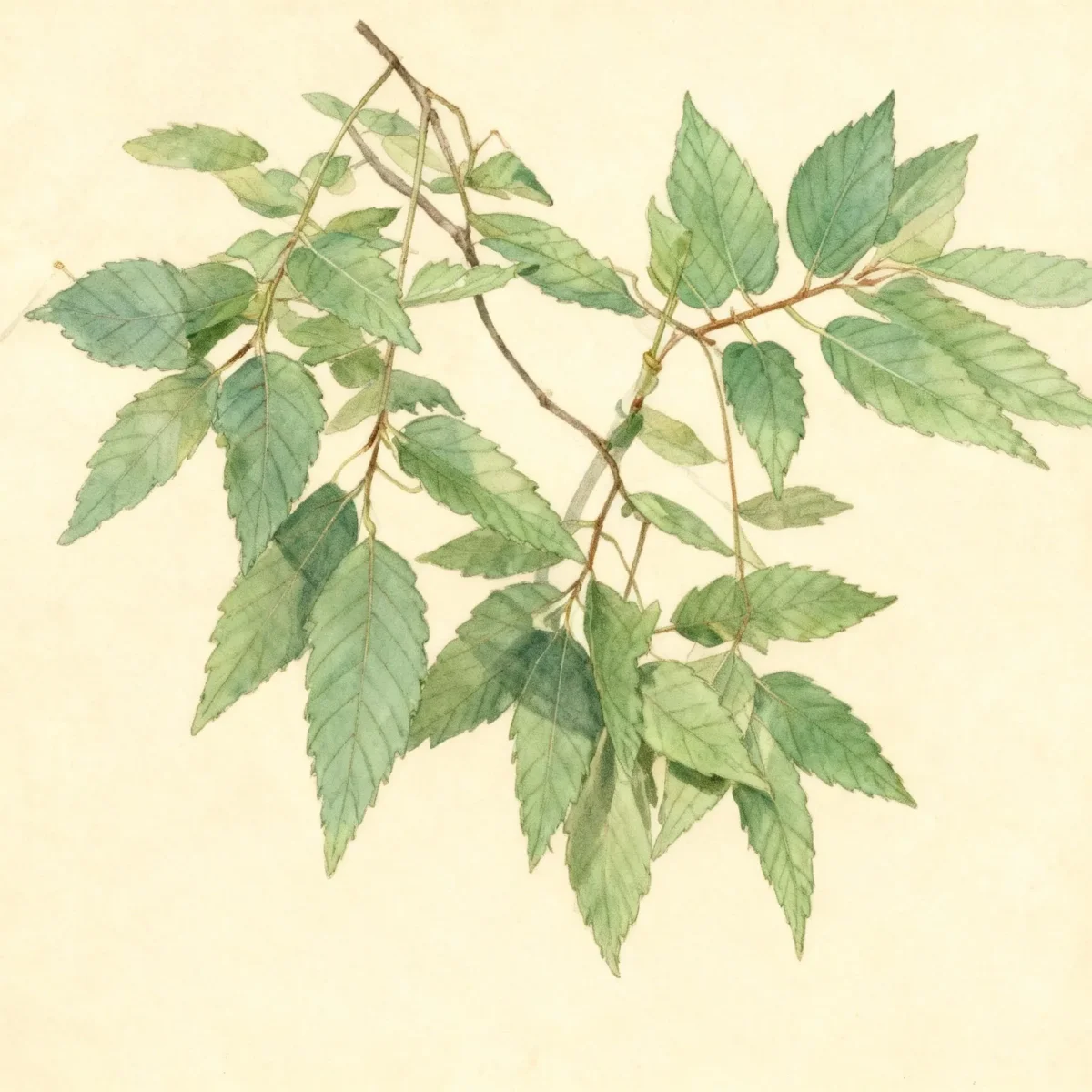
Japanese zelkova
Zelkova serrata 'Green Vase'
- USDA zones
- 5–8
- Light
- Full sun
- Water
- Medium
Keep Learning
Test what you know with a garden quiz
You have the plant facts and care notes. Continue with a related challenge, or browse the complete quiz library.

Can You Identify These Common Garden Plants? Test Your Plant Knowledge
Think you know your roses from your peonies? Test your plant identification skills with our comprehensive garden plant quiz featuring 10 challenging questions.
Start quiz
USDA Garden Zone Map Quiz
Use this USDA garden zone map quiz to check whether you can read hardiness zones and choose plants with more confidence.
Start quizBrowse the full quizzes section
Explore plant identification, zone strategy, and seasonal gardening challenges.
View all quizzes