Sugarberry(Celtis laevigata)
Discover Celtis laevigata, the durable Sugarberry tree, thriving in tough soils from zones 6-9 with medium water.

Complete Plant Information
- Hardiness zones
- USDA 6–9
- Plant type
- Tree
- Plant family
- Cannabaceae
- Sun exposure
- Full sun to part shade
- Water needs
- Medium to wet
- Maintenance
- Low
- Height
- 60–80 ft (1829–2438 cm)
- Spread
- 60–80 ft (1829–2438 cm)
- Bloom time
- April to May
- Flower color
- Green
- Flower qualities
- Insignificant
- Fruit qualities
- Edible
- Tolerances
- Clay Soil, Wet Soil, Air Pollution
- Garden uses
- Shade Tree, Street Tree, Rain Garden
- Native range
- Southern United States
Field Guide Continues
Ready for care notes, companion picks, and planting tips?
The map is just the start. The full guide below covers growth habits, seasonal performance, and landscape uses.
Overview
The Sugarberry (Celtis laevigata) is a robust, medium to large deciduous tree valued for its exceptional hardiness and structural presence in the landscape. Commonly known as southern hackberry, this species offers excellent screening and shade with a broad, rounded crown that develops with upright-arching branches. Its relatively low maintenance requirements make the Celtis laevigata an appealing choice for large-scale planting projects or naturalized areas across the Southern United States.
This species represents a tough, adaptable alternative to its northern cousin, differing primarily in its sweeter fruit and smoother bark texture when young. Sugarberry trees offer substantial ecological benefits, producing small, fleshy drupes highly attractive to various wildlife, particularly birds. Gardeners seeking a long-lived shade provider that handles challenging urban conditions will find the Celtis laevigata exceedingly practical.
Mature specimens develop attractive gray bark interlaced with warty textures, providing year-round interest even after the foliage drops. While the fall color is undistinguished yellow, its overall form and tolerance spectrum solidify its place as a premier southern landscape tree.
Fast Facts
- Plant Family: Cannabaceae
- Plant Type: Tree
- Native Range: Southern United States
- Hardiness Zones: USDA Zones 6-9
- Size at Maturity:
- Height: 60-80 ft
- Spread: 60-80 ft
- Bloom Time: April to May
- Bloom Description: Green
- Sun Exposure: Full sun to part shade
- Water Needs: Medium to wet
- Maintenance Level: Low
How to Grow
Planting the Sugarberry is best accomplished in the dormant season, either early spring or late fall, allowing the developing root system to establish before summer heat. Celtis laevigata performs best in medium to wet, organically rich, well-drained soils, though it aggressively tolerates a wide array of conditions, including poor soils and occasional flooding associated with its native floodplain habitat. Ensure adequate space is provided, considering its substantial mature spread of up to 80 feet.
Ongoing care for the Celtis laevigata is minimal once established. Water deeply during prolonged dry spells, especially during the first few years establishment, though established trees prefer medium to wet soil moisture levels. Fertilization is rarely necessary unless the soil is extremely deficient; focus instead on maintaining healthy soil organic matter. Minimal pruning is generally required, as the tree naturally develops a strong, rounded structure.
This species demonstrates significant resilience, tolerating high winds and exposure to many common urban pollutants. In spring, monitor for minor fungal issues like leaf spot, particularly if air circulation is restricted. Because the fruits of the Sugarberry can drop and create a slick mess near patios, plan installation away from high-traffic walking surfaces if possible.
Landscape Uses
The immense size and adaptability of the Sugarberry make it an excellent choice for large-scale shade applications across its range. It excels as a stately lawn specimen, providing deep, cooling shade across open spaces. Furthermore, its tolerance for environmental stress—including pollution and varied soil types—qualifies the Celtis laevigata as a superior street tree where resilience is paramount.
For functional landscape design, consider utilizing the Sugarberry in rain gardens or bio-retention areas, as it thrives in the medium to wet conditions often found there. While it is a magnificent standalone specimen, it pairs well visually with lower-growing, moisture-tolerant shrubs where its warty mature bark can be appreciated up close. Be mindful of placing it near paved areas due to pedestrian cleanup concerns from falling fruit.
Standout Features
Flower Qualities
- Insignificant
Fruit Qualities
- Edible
Noteworthy Characteristics
Celtis laevigata, commonly called sugarberry, sugar hackberry or southern hackberry, is basically a southern version of common or northern hackberry. Sugarberry differs from common hackberry inter alia by (1) fruits are juicier and sweeter, (2) bark is less corky, (3) leaves are narrower with mostly smooth margins, (4) better resistance to witches’ broom and (5) less winter hardiness. Sugarberry is a medium to large sized deciduous tree that typically grows 60-80’ (less frequently to 100’) tall with upright-arching branching and a rounded spreading crown. Mature gray bark develops a warty texture, and the small green flowers yield attractive, sweet, fleshy drupes sought after by birds.
Tolerances
- Clay Soil
- Wet Soil
- Air Pollution
Potential Problems
The most common cosmetic issue associated with hackberries, including Sugarberry, is the presence of hackberry nipple gall, caused by an insect that disfigures the foliage, though it rarely harms the overall health of the tree. Significantly, Celtis laevigata shows better resistance to witches’ broom, a common issue in other hackberry varieties. Gardeners should watch for common pests like lacebugs and scale, alongside fungal diseases such as powdery mildew or leaf spot, especially in humid environments. Regular inspection during the growing season will allow for timely application of horticultural oils or fungicides if necessary.
Frequently Asked Questions
What hardiness zones is Sugarberry suitable for?
The Sugarberry, Celtis laevigata, is best suited for USDA Hardiness Zones 6 through 9.
How large does Celtis laevigata grow?
This large deciduous tree typically matures to a height between 60 and 80 feet and spreads equally wide, creating a vast, rounded crown.
What sun exposure does Sugarberry need?
Celtis laevigata prefers a location receiving full sun but adapts well to partial shade conditions.
When does Sugarberry bloom?
The insignificant, green flowers of the Sugarberry appear relatively early in the season, typically blooming from April into May.
Conclusion
The Sugarberry offers an outstanding combination of resilience, substantial stature, and low cultural demands, making it an invaluable asset for major shade provision across the South. The durability of Celtis laevigata ensures long-term landscape success, handling poor soils and urban stresses with ease. Before planting, verify your local USDA zone compatibility and plan its placement away from immediate walkways to manage fallen fruit debris.
Wildlife Benefits
The fleshy, sweet drupes produced by the female Sugarberry trees serve as a vital late-season food source for native fauna. Birds, including robins and cedar waxwings, actively consume these fruits, dispersing the seeds widely across the native range of the Celtis laevigata. This makes the Sugarberry a fantastic addition to habitats designed to support local wildlife populations.
Companion Planting
Due to its need for substantial space and its preference for medium to wet soil, the Sugarberry pairs well with other robust native understory trees and shrubs that tolerate similar moist woodland-edge conditions. Consider planting flowering dogwoods or serviceberries beneath its canopy where light filters through, provided they tolerate the slight competition. For groundcover beneath mature specimens, moisture-tolerant sedges or native ferns thrive in the dappled, shifting light cast by the leaves of the Celtis laevigata.
Recommended Companion Plants
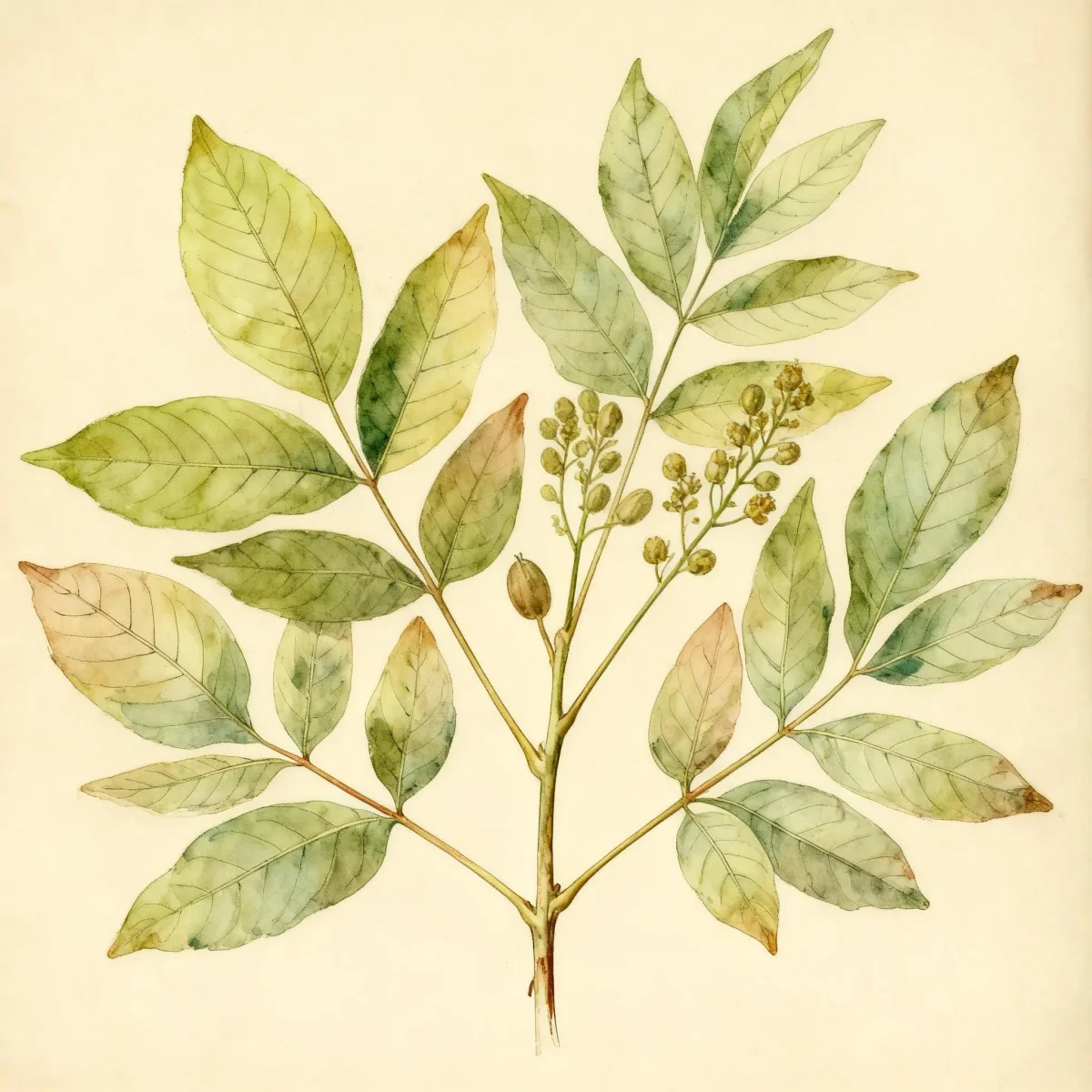
Hackberry
Celtis occidentalis
- USDA zones
- 2–9
- Light
- Full sun to part shade
- Water
- Medium to wet
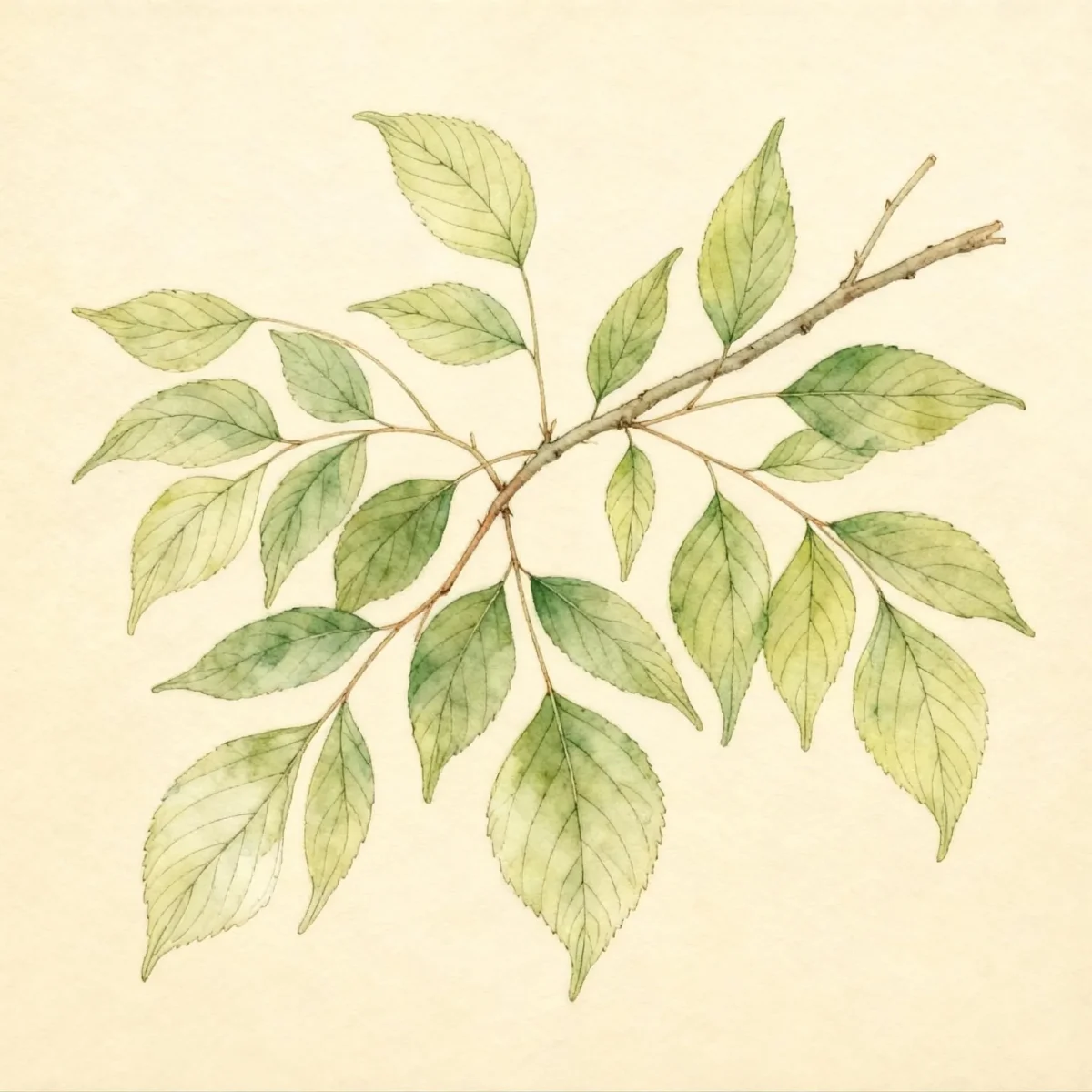
Weeping Japanese hackberry
Celtis sinensis 'Green Cascade'
- USDA zones
- 7–9
- Light
- Full sun to part shade
- Water
- Medium
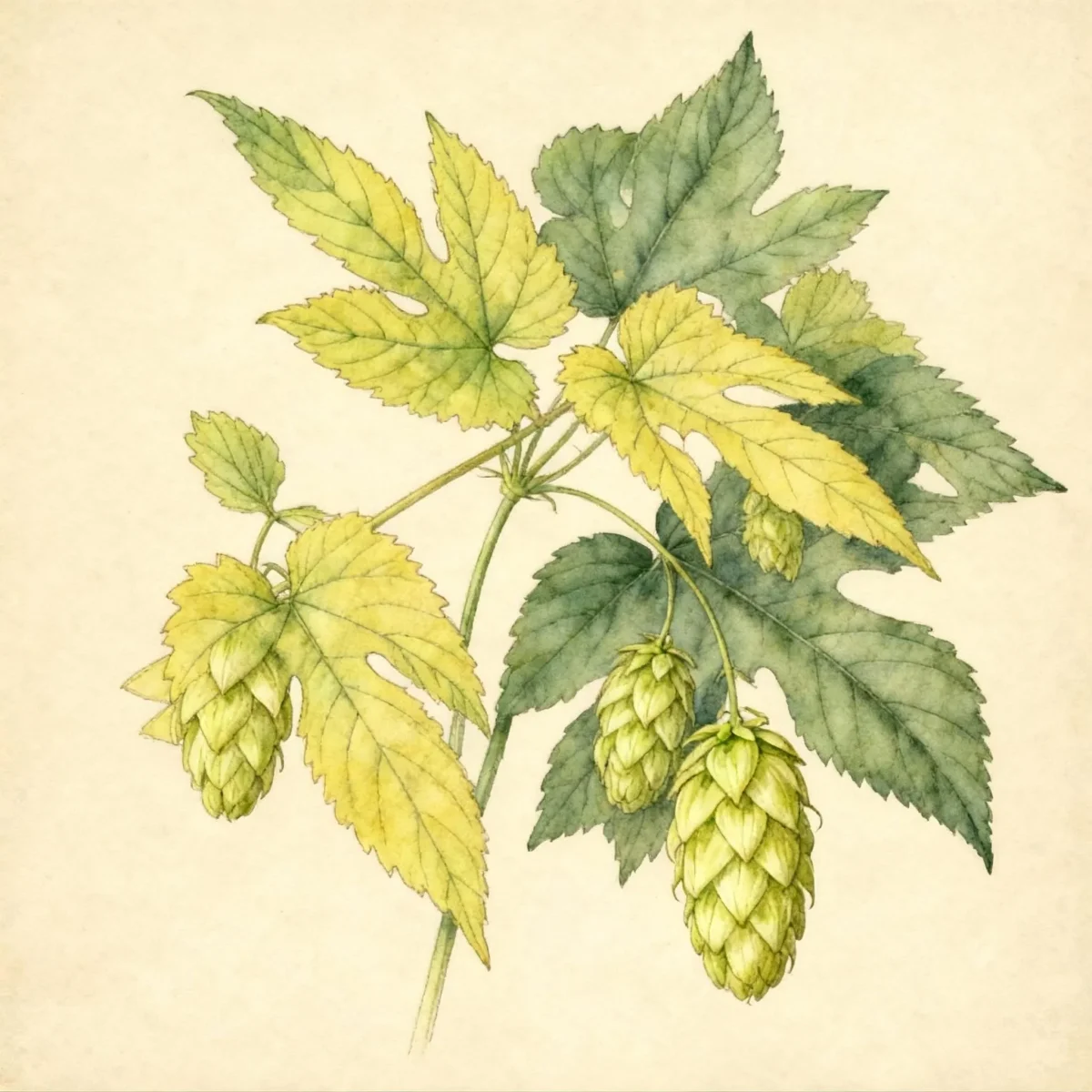
Common hop
Humulus lupulus 'Sumner' SUMMER SHANDY
- USDA zones
- 5–9
- Light
- Full sun to part shade
- Water
- Medium
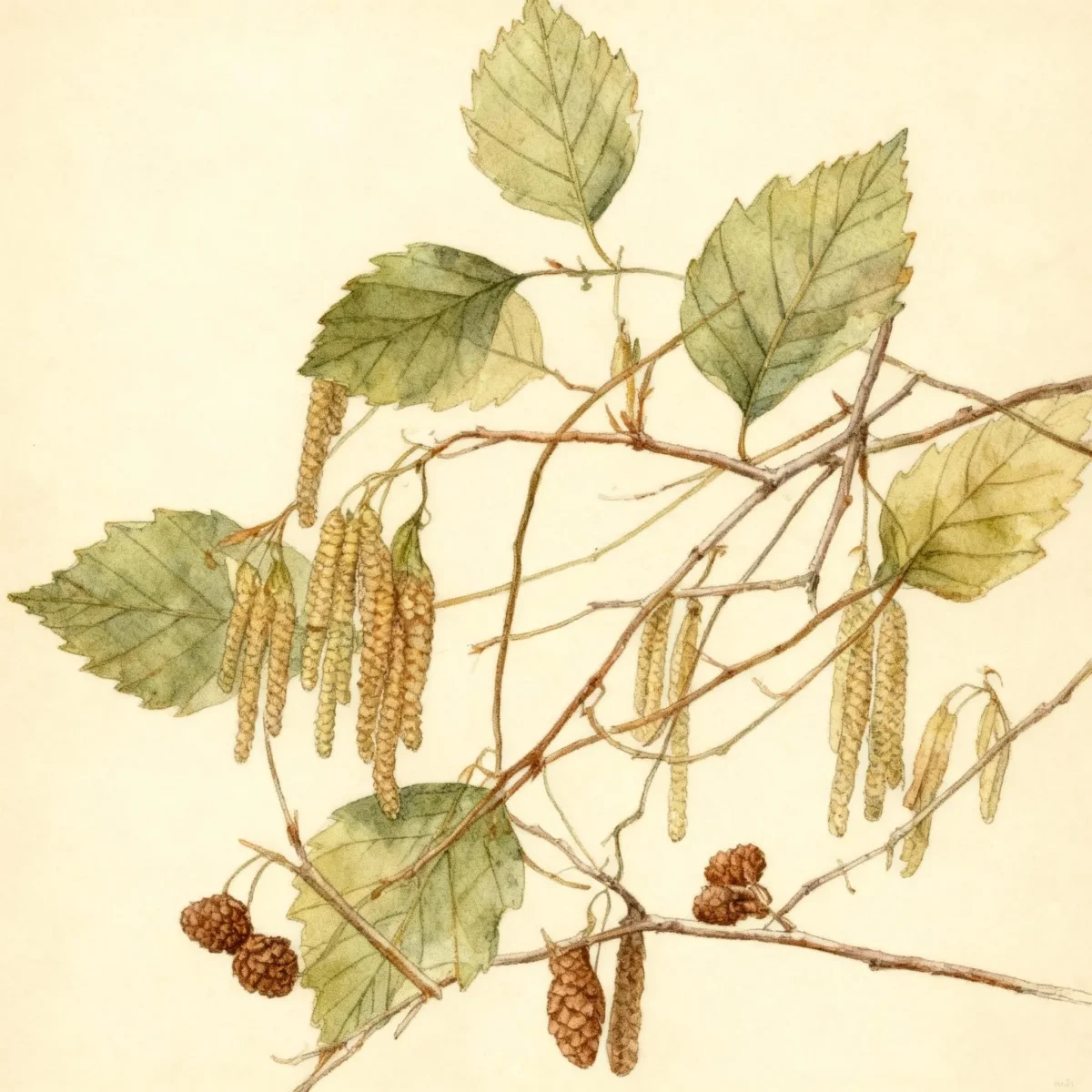
Italian alder
Alnus cordata
- USDA zones
- 5–7
- Light
- Full sun to part shade
- Water
- Medium to wet

Swamp magnolia
Magnolia virginiana var. Australis
- USDA zones
- 5–10
- Light
- Full sun to part shade
- Water
- Medium to wet
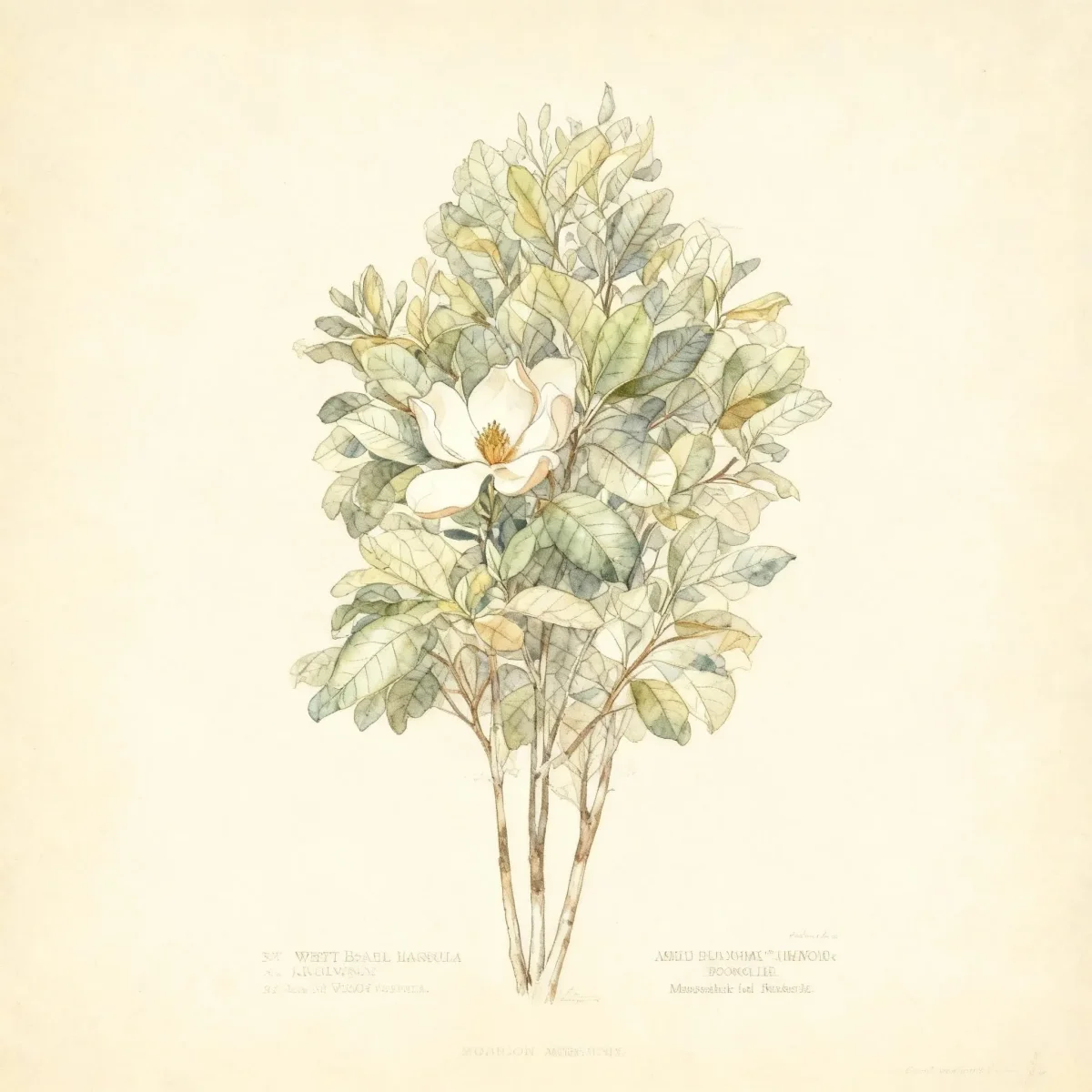
Sweet bay magnolia
Magnolia virginiana 'Jim Wilson' MOONGLOW
- USDA zones
- 5–10
- Light
- Full sun to part shade
- Water
- Medium to wet
Keep Learning
Test what you know with a garden quiz
You have the plant facts and care notes. Continue with a related challenge, or browse the complete quiz library.

Can You Identify These Common Garden Plants? Test Your Plant Knowledge
Think you know your roses from your peonies? Test your plant identification skills with our comprehensive garden plant quiz featuring 10 challenging questions.
Start quiz
USDA Garden Zone Map Quiz
Use this USDA garden zone map quiz to check whether you can read hardiness zones and choose plants with more confidence.
Start quizBrowse the full quizzes section
Explore plant identification, zone strategy, and seasonal gardening challenges.
View all quizzes