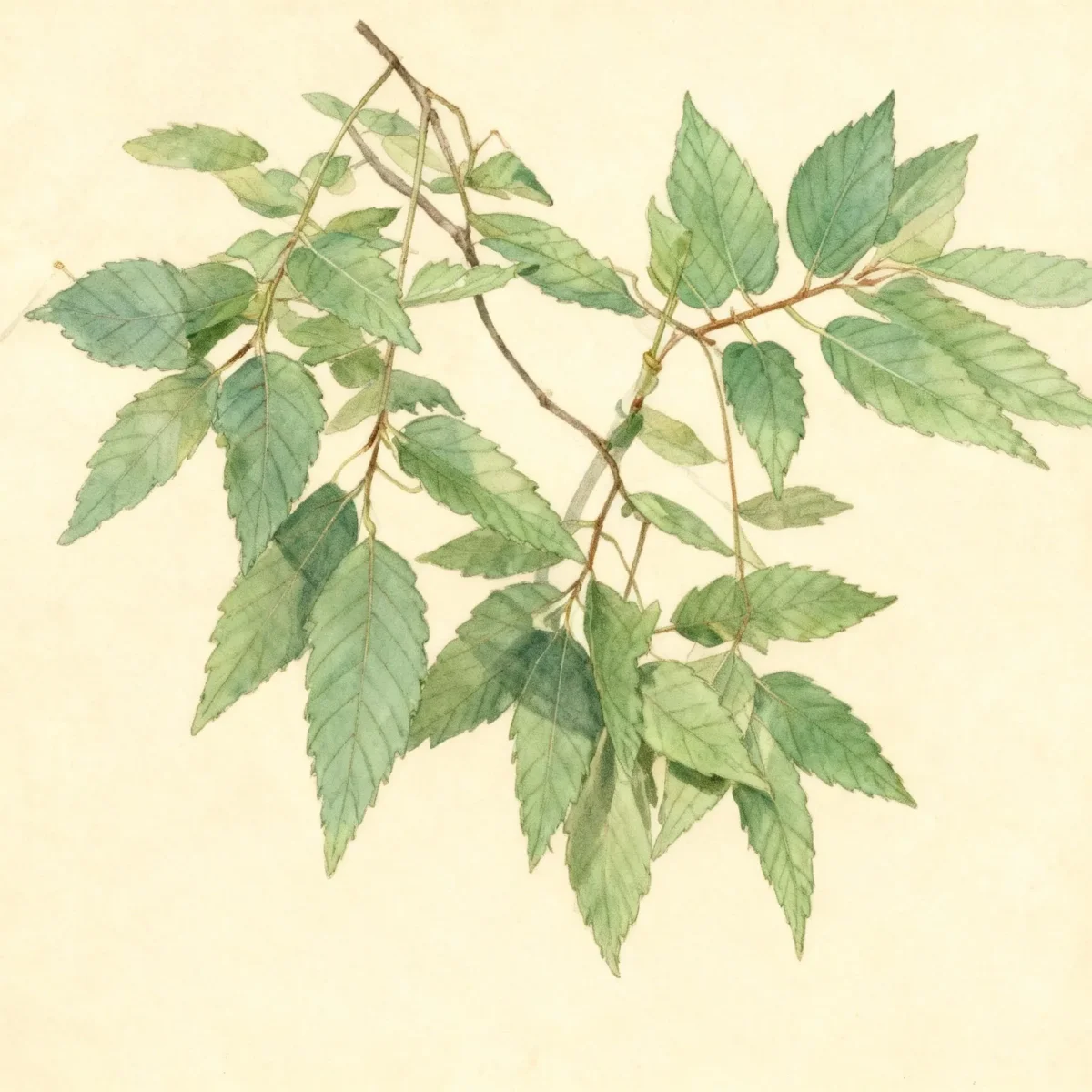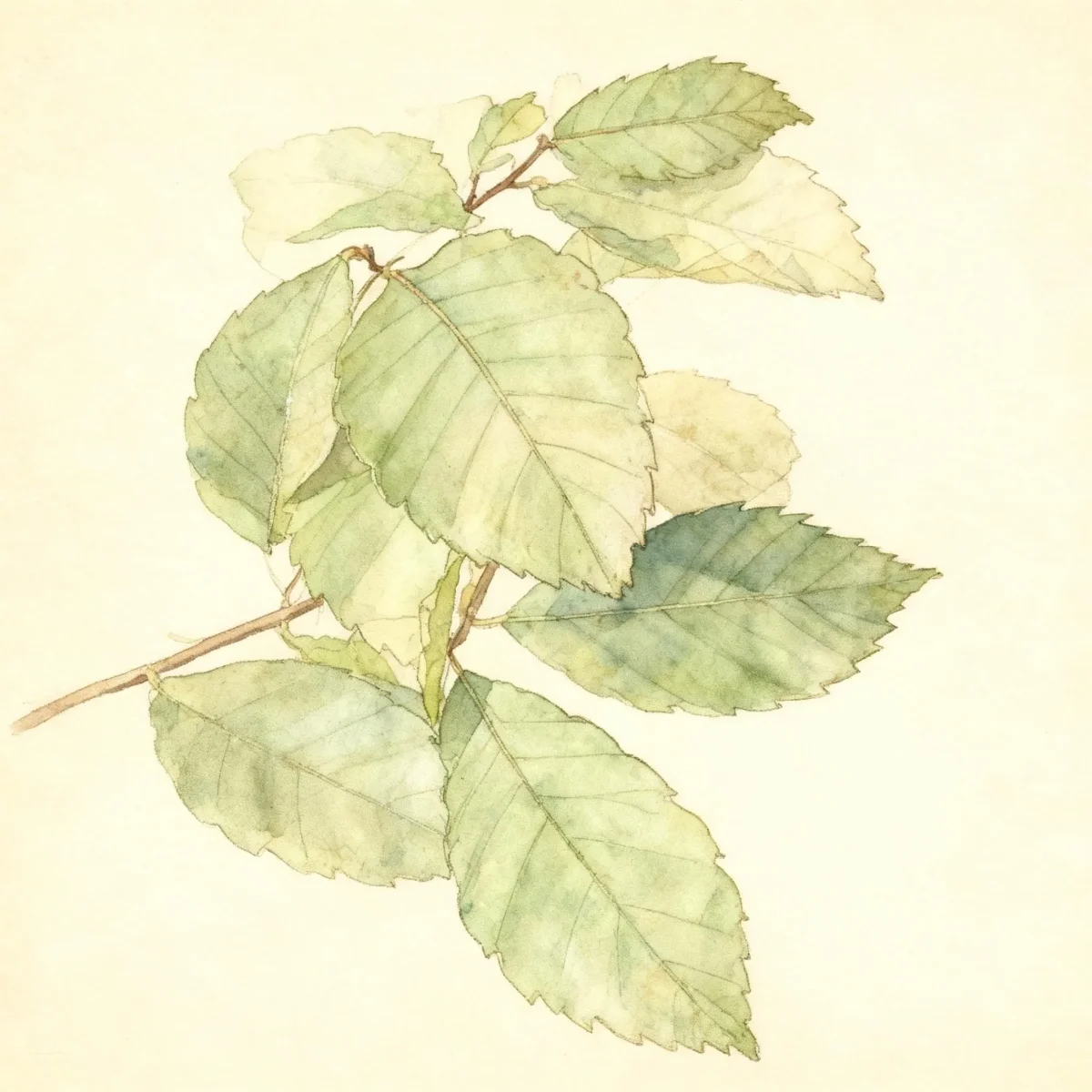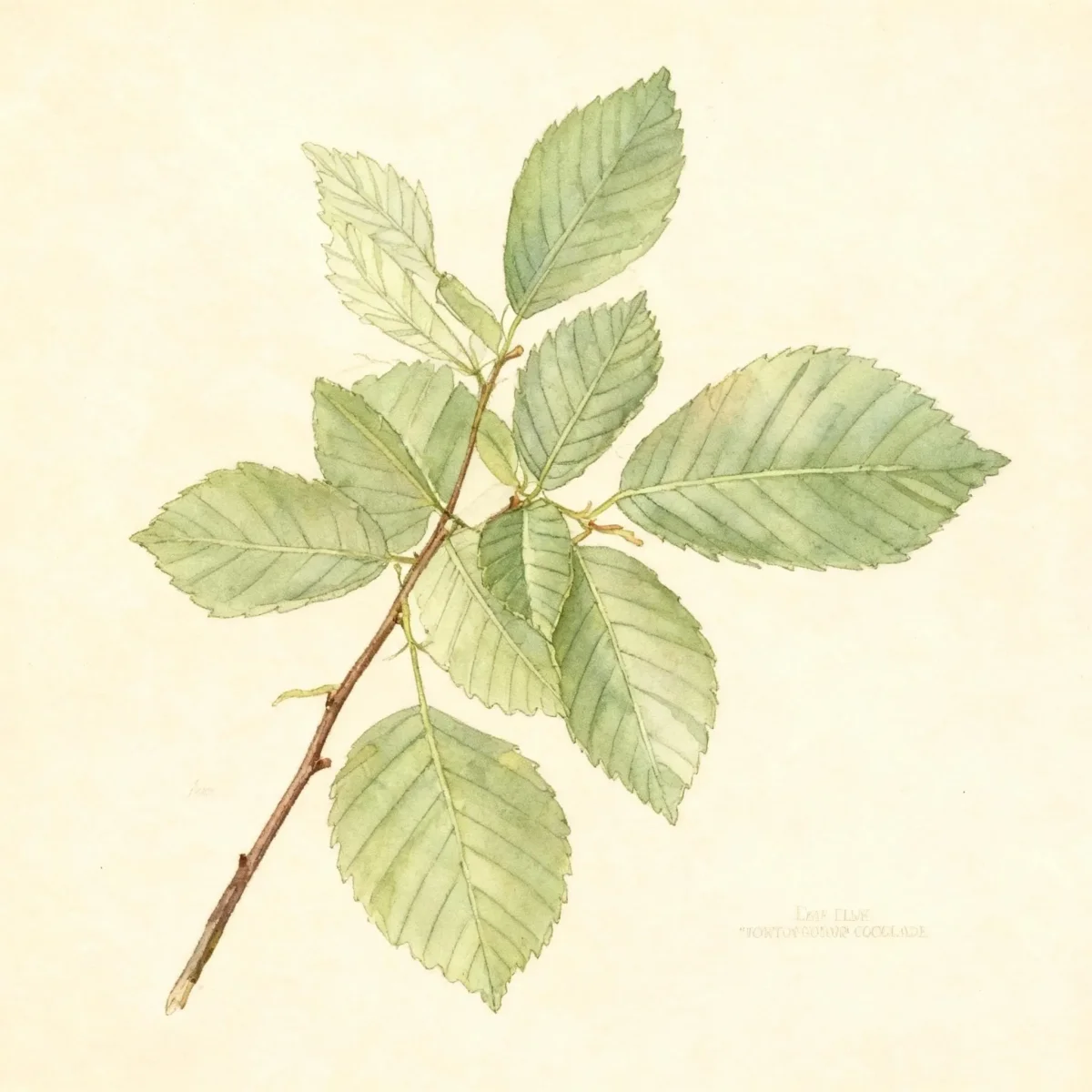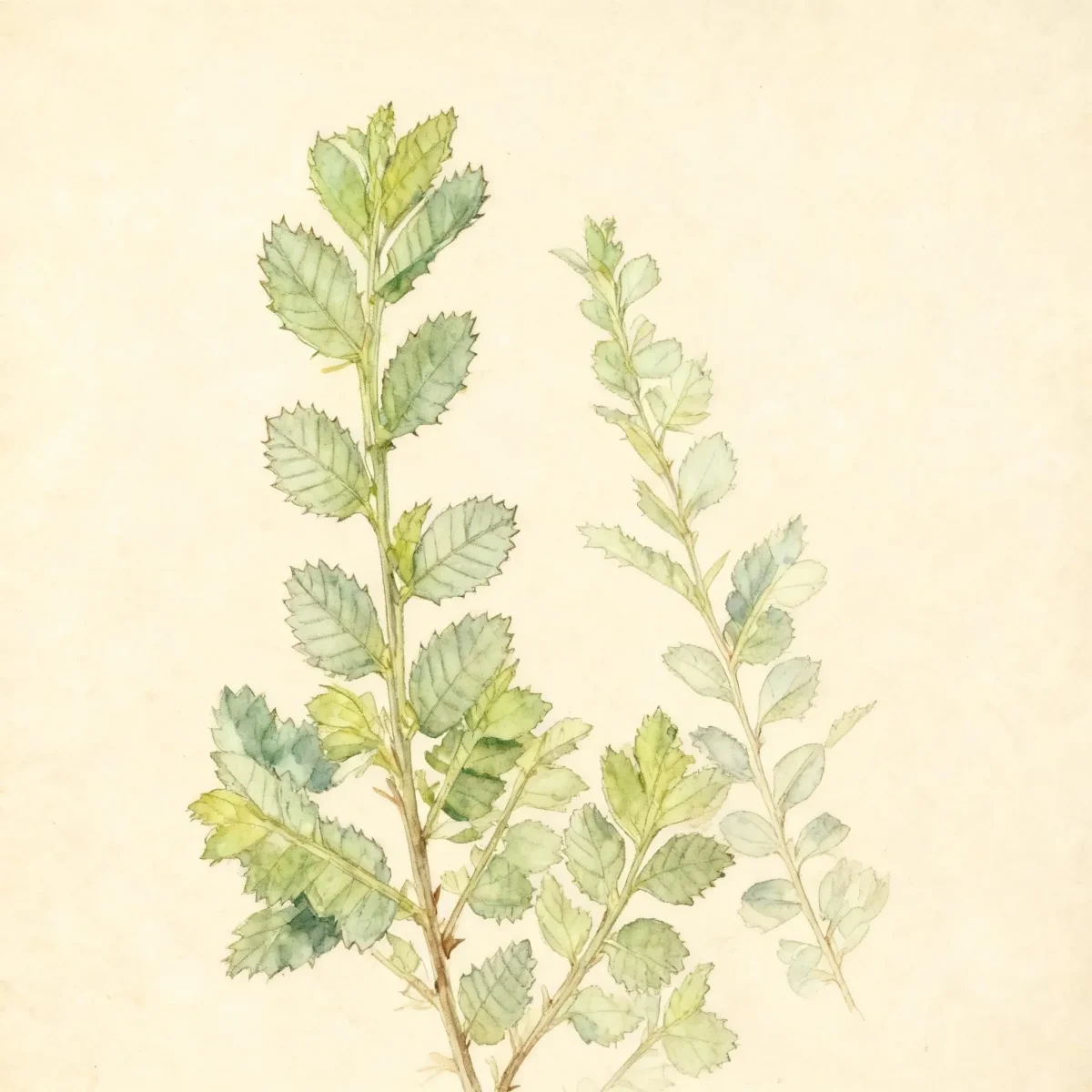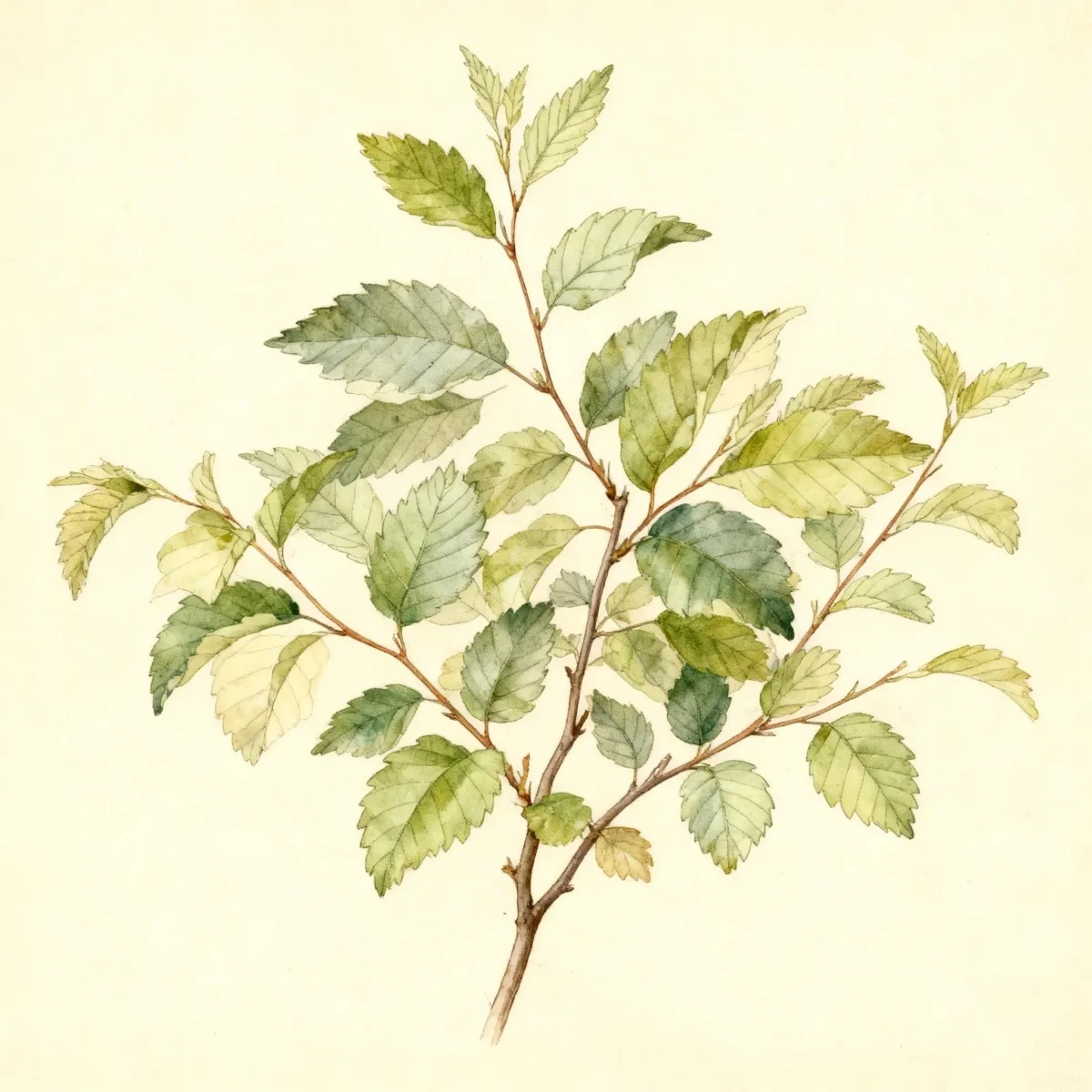

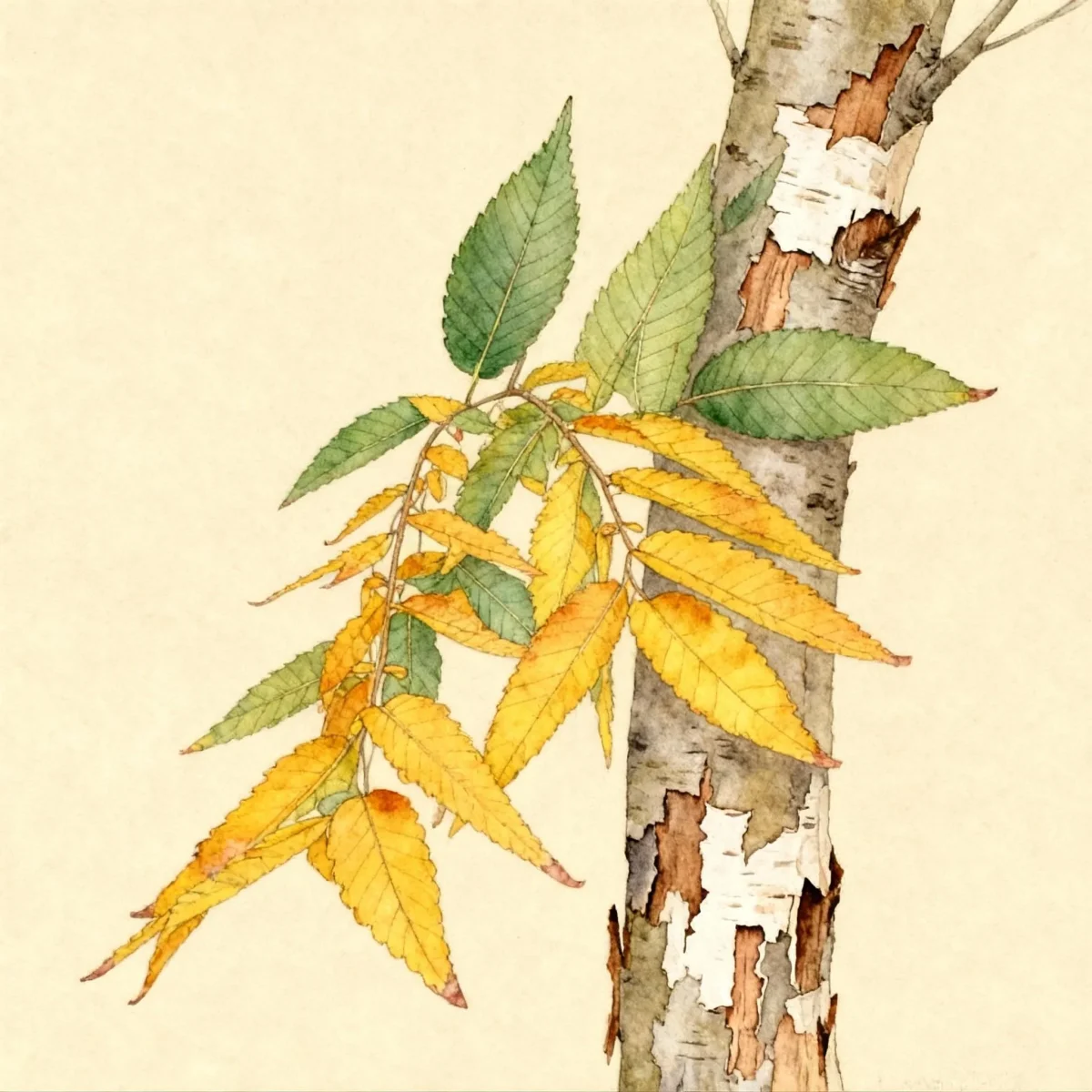
Japanese zelkova (Zelkova serrata)
Zelkova serrata, or Japanese zelkova, is a resilient, vase-shaped shade tree vital for urban landscapes due to its DED resistance.
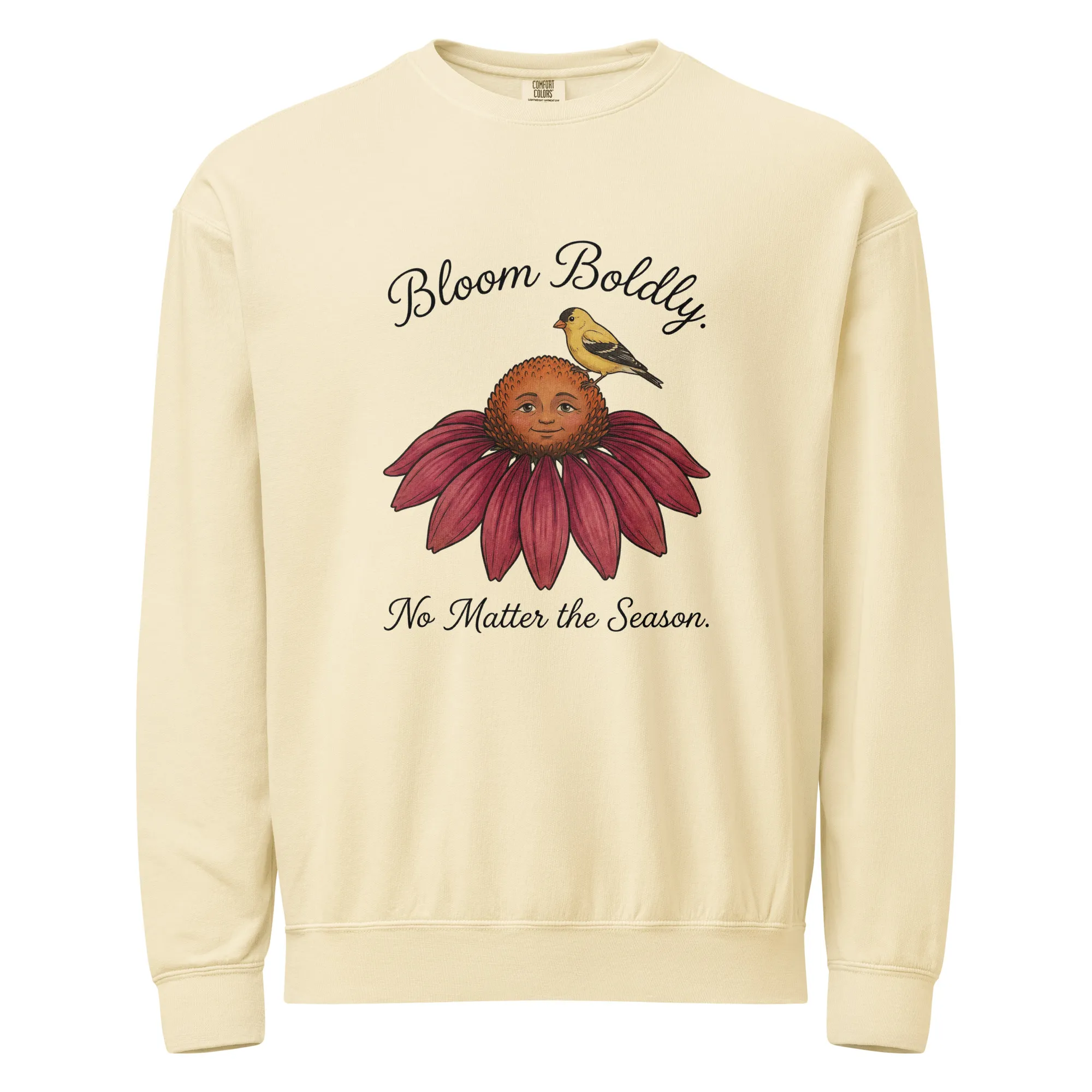
Bloom Boldly, No Matter the Season - Sweatshirt
Cozy organic cotton sweatshirt featuring our exclusive Purple Coneflower design. Perfect for gardeners who bloom year-round.
Inspired by the beautiful Japanese zelkova
Limited first batch (50) — join the waitlist for early access
Waitlist closes Feb 15, 2026.
Complete Plant Information
Field Guide Continues
Ready for care notes, companion picks, and planting tips?
The map is just the start. The full guide below covers growth habits, seasonal performance, and landscape uses.
Overview
The Japanese zelkova, Zelkova serrata, is highly valued in modern horticulture as a superior alternative to the American elm, primarily due to its exceptional resistance to Dutch elm disease. This medium to large deciduous tree quickly establishes a graceful, upright, vase-shaped crown, providing significant shade and structure to any landscape. Gardeners appreciate Zelkova serrata for its combination of rapid growth, clean foliage, and attractive exfoliating bark that reveals warm tones in maturity.
Native to Eastern Asia, this species performs reliably across a wide range of environments once established, making it a popular choice for broad avenues and expansive lawns. Its versatility and low maintenance requirements contribute to its continued promotion as one of the finest shade trees available today.
The somewhat coarse, serrated leaves of the Japanese zelkova emerge in spring and offer variable but often handsome fall color, ranging from yellow to reddish-brown, adding seasonal interest before dormancy.
Fast Facts
- Plant Family: Ulmaceae
- Plant Type: Tree
- Native Range: Eastern Asia
- Hardiness Zones: USDA Zones 5-8
- Size at Maturity:
- Height: 50-80 ft
- Spread: 50-80 ft
- Bloom Time: March to April
- Bloom Description: Green
- Sun Exposure: Full sun
- Water Needs: Medium
- Maintenance Level: Low
How to Grow
Planting Zelkova serrata is best accomplished in spring or fall, allowing the roots time to establish before the stress of summer heat or deep winter cold arrives. This species thrives in average, medium-wet, well-drained soils, though it exhibits remarkable adaptability. For optimum health, provide a location receiving full sun exposure throughout the day.
Once established, the maintenance level for Japanese zelkova is refreshingly low. While established trees tolerate some drought, ensure consistent, medium watering, especially during initial establishment or extended dry periods. While they prefer rich, moist loams, heavy fertilization typically isn’t necessary if the site conditions are adequate. Minimal pruning is usually required outside of removing crossing or damaged limbs, maintaining the species’ natural, appealing vase shape.
A significant benefit for urban gardeners is the exceptional tolerance of Zelkova serrata to challenging environmental stressors. It handles urban conditions well and is tolerant of air pollution, making it a robust street tree. This hardiness contributes significantly to its success where many other large deciduous trees struggle.
Landscape Uses
The stature and form of the Japanese zelkova make it an outstanding choice where space permits for a grand canopy. It excels as a stately shade tree over large lawns or in open park settings, offering a wide umbrella of coverage perfect for cooling structures during the summer months. Its strong structure and resistance to Dutch elm disease also position it perfectly as a vertical anchor along streets and boulevards, where it serves as a magnificent specimen tree.
Due to its large mature size, consider companion planting with understory shrubs or perennial beds that can tolerate dappled shade once the canopy develops, such as hostas or native ferns, provided root competition isn’t too intense. When used as a street tree, ensure adequate setback from sidewalks and utility lines, respecting its impressive 50 to 80-foot spread potential. Few trees offer such a combination of elegance and rugged utility as the Zelkova serrata.
Standout Features
Flower Qualities
- Insignificant
Noteworthy Characteristics
Zelkova serrata, commonly called Japanese zelkova, is a medium to large deciduous tree, typically growing to 50-80’ tall with a spreading, generally upward-branching, vase-shaped crown. It is native to Japan, Taiwan and eastern China. It is noted for its graceful shape, clean foliage, attractive bark and resistance to Dutch elm disease. Insignificant small green flowers appear in spring as the foliage emerges, giving way to small, non-showy drupes. The oblong-elliptic medium green leaves feature coarse, ciliate marginal teeth, and the fall color display is variable, ranging from yellow to attractive shades of yellow-orange to red-brown.
Tolerances
- Air Pollution
Potential Problems
This tree boasts few serious insect or disease issues, standing out significantly due to its high resistance to dangerous Dutch elm disease. However, gardeners should monitor for less common complications like phloem necrosis, wilts, or cankers, which can sometimes affect stressed specimens. Insect activity may occasionally include leaf miners, various beetles, and scale insects. Furthermore, during prolonged hot, dry spells, spider mites can become an irritating problem requiring prompt inspection and treatment if populations become high.
Frequently Asked Questions
What hardiness zones is Japanese zelkova suitable for?
The Japanese zelkova (Zelkova serrata) is an adaptable tree suitable for USDA Hardiness Zones 5 through 8.
How large does Japanese zelkova grow?
This is a large tree, typically reaching mature heights between 50 to 80 feet tall, with an equal spread of 50 to 80 feet.
What sun exposure does Japanese zelkova need?
Zelkova serrata requires full sun exposure to grow best and develop its superior form.
When does Japanese zelkova bloom?
The small, green flowers of the Japanese zelkova appear early in the season, usually between March and April, as the foliage begins to emerge.
Conclusion
The Japanese zelkova proves itself an ideal, low-maintenance backbone for large landscapes, offering beauty, structure, and crucial disease resistance. If you are seeking a magnificent shade successor to the elm, Zelkova serrata is an excellent choice that tolerates urban stress well. Confirm that your planting site falls within USDA Zones 5-8 and plan to plant in the spring or fall for the best establishment results.
Companion Planting
When selecting companions for Zelkova serrata, focus on plants that appreciate the filtered light provided by a developing canopy and those that can handle the soil moisture the tree prefers. Since the tree can become large, avoiding shallow-rooted species near the trunk is wise. Consider native ferns or shade-tolerant groundcovers near the drip line where moisture retention is good. For shrub layers in the periphery, hydrangeas or camellias (in the warmer end of Zones 5-8) can add color contrast beneath the expansive, airy canopy of the Japanese zelkova.
Design Ideas for Specimen Planting
Utilizing Zelkova serrata as a specimen tree leverages its beautiful vase shape and bark. Plant it centrally within a large expanse of turf to maximize the visual impact of its spreading crown and allow unrestricted growth outwards. For formal settings, planting several Japanese zelkova in a linear pattern along a driveway or vista creates a powerful allée effect that draws the eye deep into the landscape. Ensure substantial mulching around the base to help conserve the medium moisture levels this tree prefers and to protect the root flare from lawnmower damage.