Tall verbena (Verbena bonariensis)
Discover Tall verbena (Verbena bonariensis), the airy, pollinator-attracting perennial boasting rose-violet blooms from June to frost.

Bloom Boldly, No Matter the Season - Sweatshirt
Cozy organic cotton sweatshirt featuring our exclusive Purple Coneflower design. Perfect for gardeners who bloom year-round.
Inspired by the beautiful Tall verbena
Limited first batch (50) — join the waitlist for early access
Waitlist closes Feb 15, 2026.
Complete Plant Information
Field Guide Continues
Ready for care notes, companion picks, and planting tips?
The map is just the start. The full guide below covers growth habits, seasonal performance, and landscape uses.
Overview
Tall verbena, scientifically known as Verbena bonariensis, is highly valued in horticulture for its airy, upright habit and long blooming season. It provides vertical interest without blocking sightlines in the garden, often described as “see-through” architecture. Its tiny, abundant flowers blanket the slender stems from midsummer until the first hard frost, offering sustained color.
This herbaceous perennial thrives in heat and humidity, making it an excellent addition to hot borders and naturalized landscapes. Verbena bonariensis is indispensable for attracting beneficial insects, drawing hummingbirds and clouds of colorful butterflies to the garden. Its low maintenance requirements further secure its popularity among busy gardeners looking for high impact.
Growing throughout USDA Zones 7 to 11, this plant establishes quickly. While technically a self-seeding tender perennial, it is frequently treated as an annual outside its warmest zones, providing reliable, vigorous summer performance.
Fast Facts
- Plant Family: Verbenaceae
- Plant Type: Herbaceous perennial
- Native Range: South America
- Hardiness Zones: USDA Zones 7-11
- Size at Maturity:
- Height: 2-4 ft
- Spread: 1.5-3 ft
- Bloom Time: June to frost
- Bloom Description: Rose-violet, lavender
- Sun Exposure: Full sun
- Water Needs: Medium
- Maintenance Level: Low
How to Grow
Verbena bonariensis thrives best when situated in full sun. Ensure the planting location offers evenly moist, well-drained soils, though this plant shows tolerance for poorer soils provided drainage remains excellent. For gardeners starting seeds indoors, sow them 6 to 8 weeks before your area’s last expected frost date to ensure earlier flowering.
For direct sowing, wait until all danger of frost has passed. Transplant seedlings or purchased plants out after that last frost date. While cold hardy in Zone 7 and warmer, gardeners in Zone 6 can attempt to overwinter plants by providing a protected location and allowing ample self-seeding during the summer.
This plant requires minimal coddling once established. Water adequately to maintain medium moisture levels, especially during dry spells, remembering that excellent drainage prevents root rot. Fertilization is usually unnecessary, as rich soil can sometimes lead to floppier stems.
Maintenance is generally low. Deadheading is rarely required, as the blooms fade gracefully. Allow Tall verbena to self-seed freely where conditions are favorable; this naturalizes the look and ensures its continuation year after year into the landscape.
Landscape Uses
Verbena bonariensis is primarily listed for use as an Annual, though it persists where reliably hardy. Its height allows it to be seamlessly integrated into mixed borders, adding a light, airy texture above shorter, mounding perennials. It excels in cottage gardens where movement and relaxed forms are desired.
Its ability to shoot slender stems upwards makes it ideal for planting in meadows or prairie-style settings. Place it where you want to draw the eye through the planting, allowing its fine structure to contrast against bold-leafed companions like hostas or salvias. The purple flowers pair beautifully with yellows, whites, and blues.
If you are aiming for a wildlife-friendly garden, use mass plantings of Verbena bonariensis as a robust nectar source. The structure also works well tucked into the back of large containers, letting its airy effect spill over the edges of more structural annuals.
Standout Features
Flower Qualities
- Showy
Noteworthy Characteristics
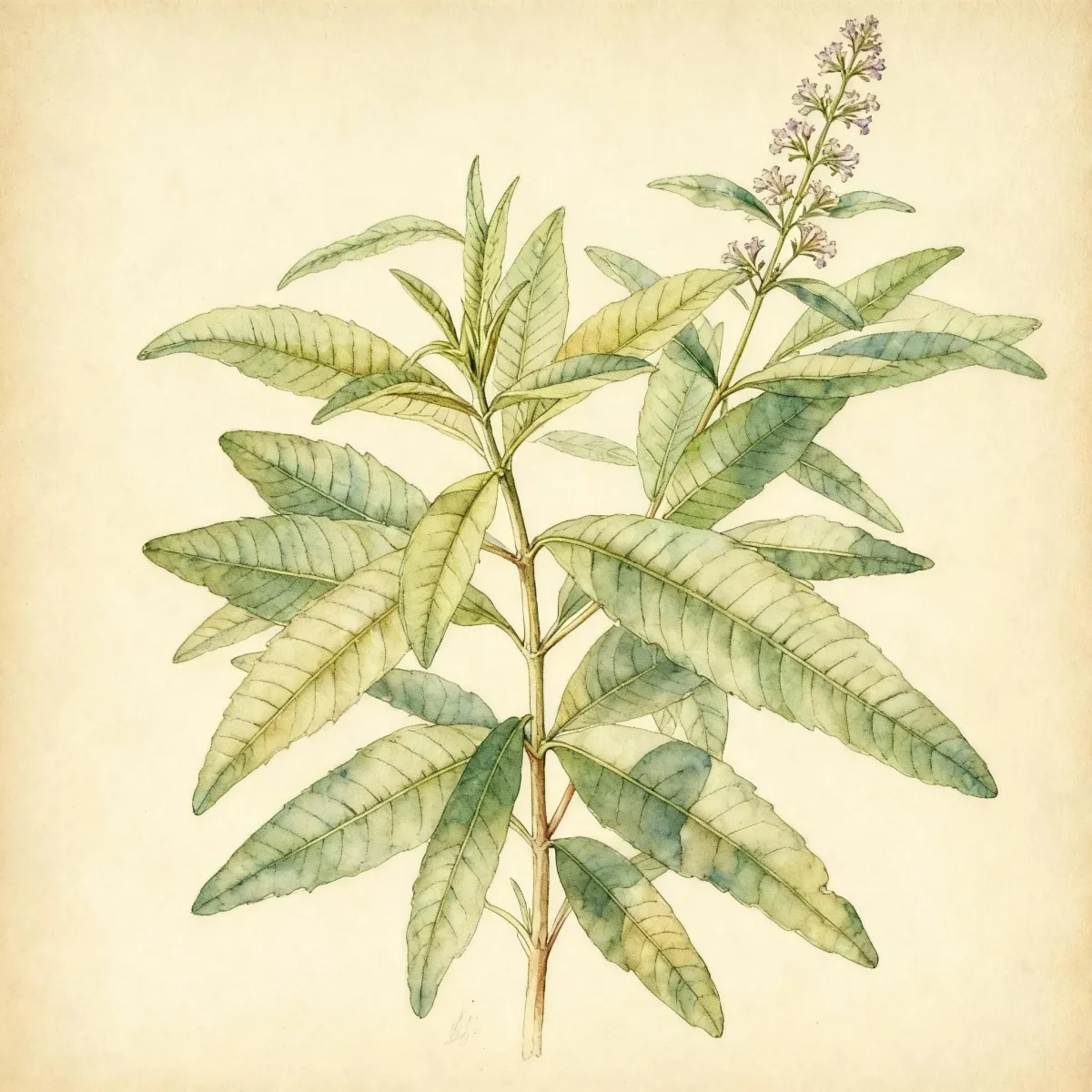
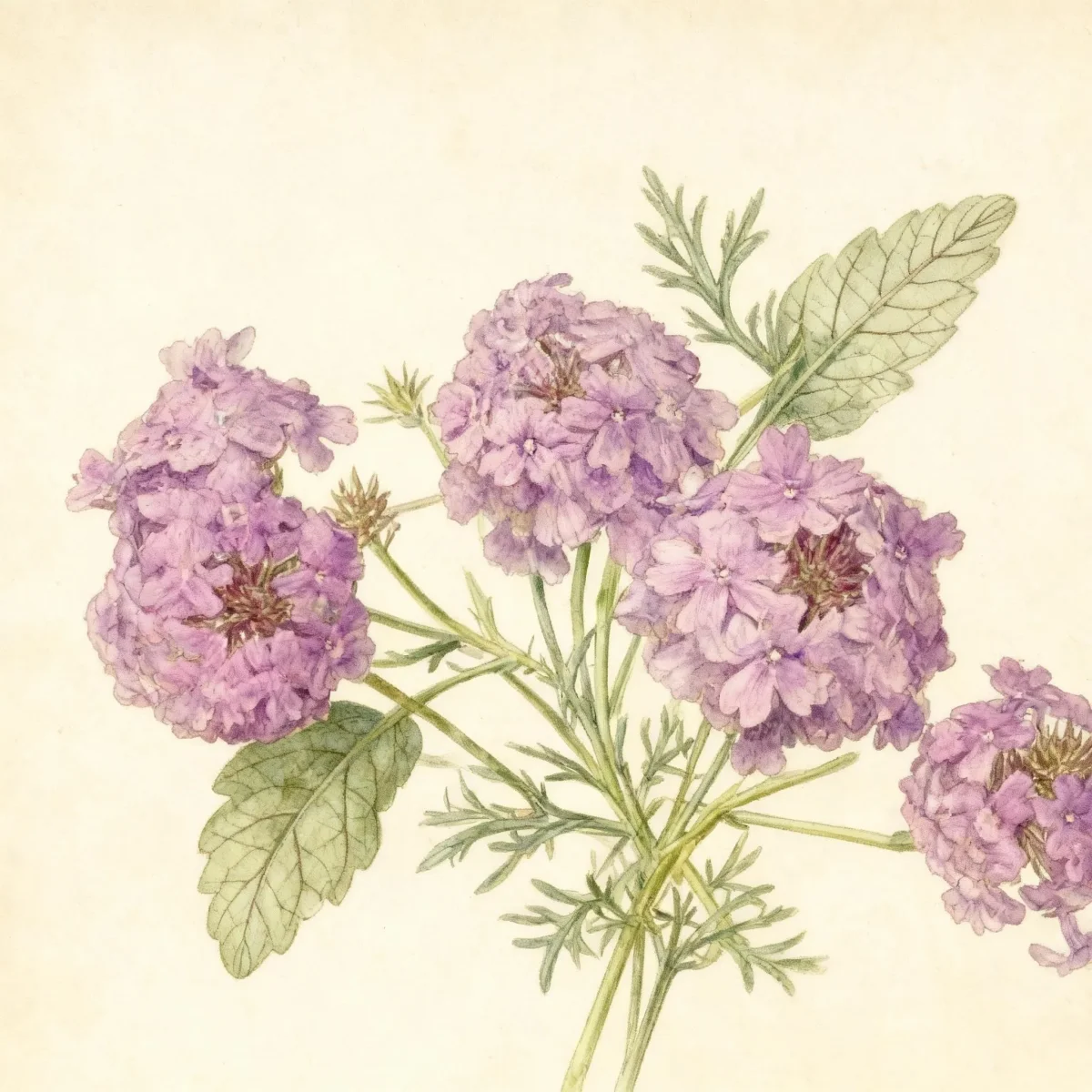
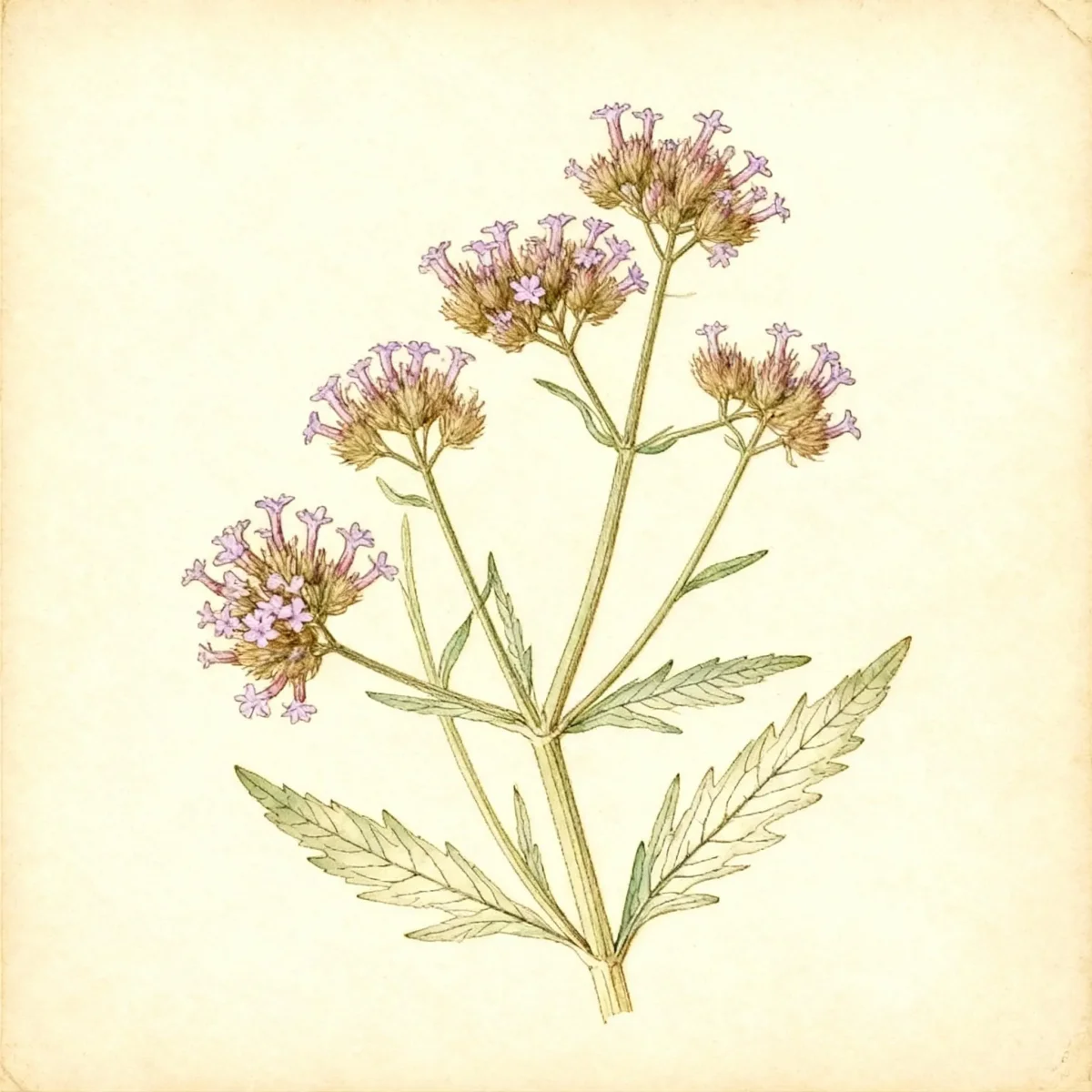
Verbena bonariensis, commonly called Brazilian vervain, is a rapid-growing, clump-forming tender perennial. In St. Louis, plants typically form a 1-foot tall basal clump of serrate, lance-shaped, dark green leaves (to 5” long) from which rise erect, slender, wiry, branching, sparsely-leaved, 4-angled stems to 3.5’ tall bearing clusters (to 2” across) of tiny rose-violet flowers. The flowers are attractive to hummingbirds, butterflies, and other pollinators. Blooms mid summer to fall. Genus name comes from a Latin name used for some plants in religious ceremonies and also in medicine.
Tolerances
- Tolerates poor soils as long as drainage is good
Potential Problems
This plant generally avoids serious insect or disease issues, making it a resilient choice. The primary cultural concern to monitor for is powdery mildew, especially when grown in areas with poor air circulation or high humidity combined with lack of sunlight penetration due to surrounding plants.
Preventing mildew involves ensuring Verbena bonariensis receives its required full sun exposure and allowing adequate spacing between plants for good airflow. If mildew appears, an application of an appropriate fungicide or an insecticidal soap spray can help manage the spread.
Frequently Asked Questions
What hardiness zones is Tall verbena suitable for?
Verbena bonariensis is reliably cold hardy in USDA Zones 7 through 11. In Zone 6, it may persist if given a protected spot and allowed to self-seed.
How large does Tall verbena grow?
This plant achieves heights generally ranging between 2 to 4 feet tall, with a spread of 1.5 to 3 feet wide. The stems are notably wiry and slender.
What sun exposure does Tall verbena need?
Verbena bonariensis requires full sun to perform optimally, bloom profusely, and maintain strong, upright stems throughout the season.
When does Tall verbena bloom?
This variety begins blooming reliably in June and continues flowering consistently until the first killing frost, producing rose-violet to lavender clusters.
Conclusion
Tall verbena offers unbeatable vertical structure and sustained color from midsummer through fall with remarkably low effort. Its strong attraction to pollinators makes Verbena bonariensis a vital component for dynamic, lively garden spaces. Before planting, always confirm your local hardiness zone compatibility to ensure seasonal success or plan on treating it as a spectacular annual.
Companion Planting
Companion planting with Tall verbena involves selecting materials that share its preference for full sun and excellent drainage. Since Verbena bonariensis provides airy vertical accents, pair it with plants that offer contrasting form or texture. Consider pairing it with shorter, bold-leafed plants like ornamental grasses or compact Coreopsis, whose mounding habits anchor the airy stems of the verbena.
For a classic cottage garden look, intersperse the purple blooms among softer pink or white cone flowers (Echinacea) or Rudbeckia varieties. These companions generally share similar water needs (medium) and thrive under the same low-maintenance cultural practices required by the South American vervain.
Wildlife Benefits
The tiny, clustered flowers of Verbena bonariensis are perfectly shaped for accessing nectar, making them a magnet for winged visitors. Hummingbirds frequently dart among the stems, drawn in by the flower color and the plant’s extended bloom period when other nectar sources might be waning.
Furthermore, this plant is exceptional for supporting butterflies. They land easily on the sturdy yet fine blooms, utilizing them as important fueling stations during migration or throughout their life cycles. Planting a generous patch ensures a steady, reliable food source for local pollinator populations throughout the late summer season.