Teak (Tectona grandis)
Discover Tectona grandis, the magnificent Teak tree, prized for its durable timber and striking tropical foliage in Zones 10-12.

Bloom Boldly, No Matter the Season - Sweatshirt
Cozy organic cotton sweatshirt featuring our exclusive Purple Coneflower design. Perfect for gardeners who bloom year-round.
Inspired by the beautiful Teak
Limited first batch (50) — join the waitlist for early access
Waitlist closes Feb 15, 2026.
Complete Plant Information
Field Guide Continues
Ready for care notes, companion picks, and planting tips?
The map is just the start. The full guide below covers growth habits, seasonal performance, and landscape uses.
Overview
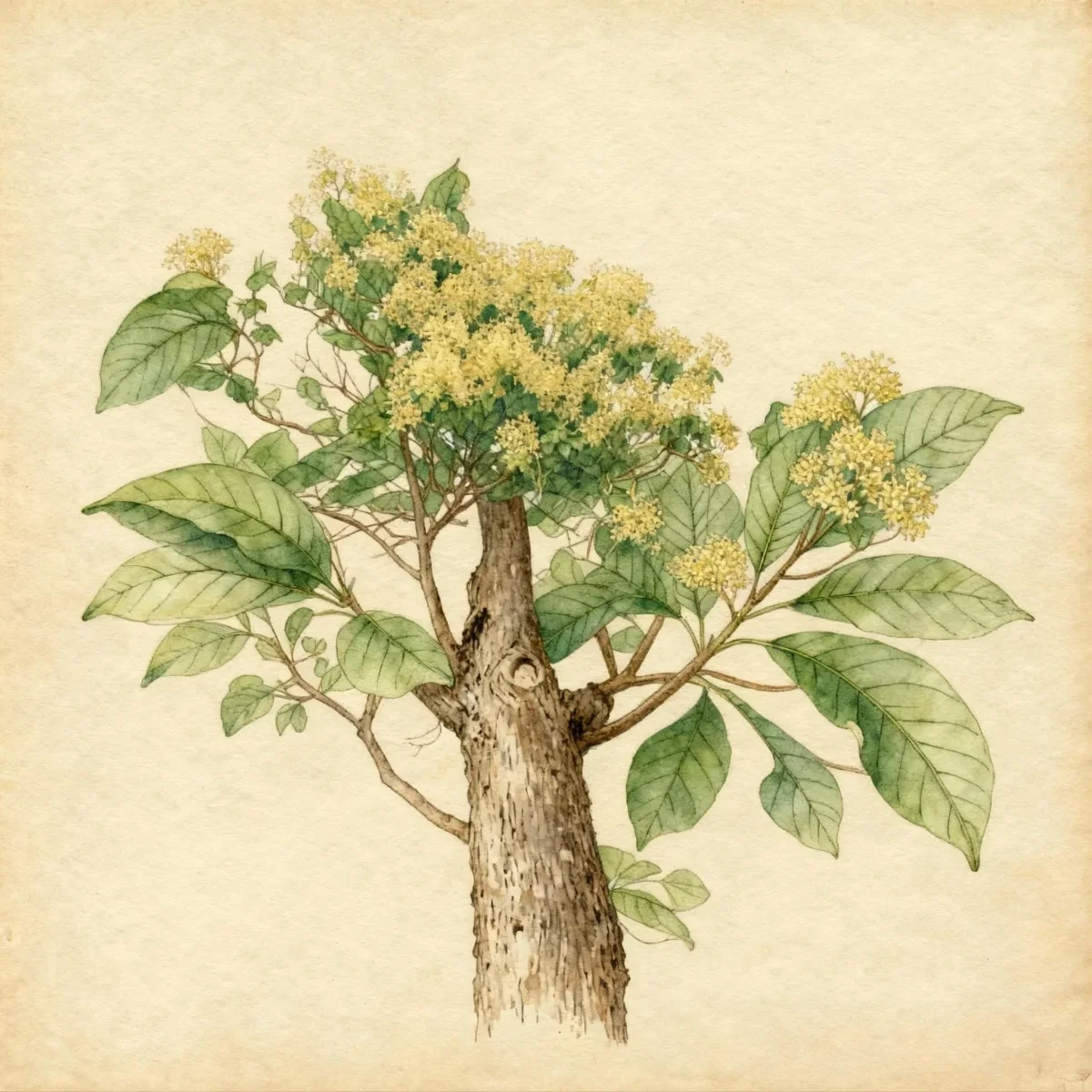
Tectona grandis, universally known as Teak, is a majestic tropical hardwood tree celebrated globally for its incredibly durable and weather-resistant timber. This tall deciduous tree commands attention in large landscapes, offering dense summer shade beneath its spreading crown. While often harvested commercially, the mature Teak makes a stunning ornamental specimen in suitable warm climates.
Native to Southeastern Asia, Tectona grandis thrives where tropical warmth is consistent. It prefers full sun exposure and handles periods of dryness once established, attributes that make it a surprisingly resilient choice for large-scale plantings in its hardiness range. The tree features massive, rough, leathery leaves that provide a dramatic backdrop to its subtle, fragrant white flowers.
Beyond its aesthetic appeal, the value of Teak lies in its wood. The dark yellow heartwood matures into an attractive deep brown, highly resistant to decay and insects—qualities that cement its reputation as a top-tier hardwood. Gardeners in USDA Zones 10 through 12 can incorporate this impressive species for long-term natural grandeur.
Fast Facts
- Plant Family: Lamiaceae
- Plant Type: Tree
- Native Range: Southeastern Asia
- Hardiness Zones: USDA Zones 10-12
- Size at Maturity:
- Height: 60-80 ft
- Spread: 30-60 ft
- Bloom Time: June to August
- Bloom Description: White
- Sun Exposure: Full sun
- Water Needs: Medium
- Maintenance Level: Low
How to Grow
The ideal time to establish Tectona grandis is during the wet season, though establishment requires diligent moisture management. Plant these large trees only where long-term space is assured, due to their impressive stature. Optimum growing conditions involve acidic, fertile, sandy soils that are consistently moist but possess excellent drainage, though the established Teak shows tolerance for various soil types.
Water needs are classified as medium; provide regular, deep watering during dry periods, especially while the tree is young. Once established, the Teak exhibits good drought tolerance, a survival mechanism from its native environment. Fertilization is generally unnecessary if the soil is fertile, but general tree feeding can support rapid early growth.
Maintenance for mature Teak trees is generally low. Pruning should be minimal, focusing mainly on removing crossing or damaged limbs to maintain the open, spreading crown structure. Since Tectona grandis is intolerant of frost, gardeners in the upper limits of Zone 10 must protect young specimens from any potential cold snaps, as established trees remain vulnerable to freezing temperatures. Propagate by suckers or seed if establishing new specimens.
Landscape Uses
The sheer size and structure of Tectona grandis make it an exceptional choice for large, expansive landscapes needing substantial overhead presence. It functions perfectly as a shade tree or a bold specimen planted on spacious lawns where its massive foliage can be appreciated. For municipal planning, it serves well as a residential street tree, provided adequate underground space exists away from utilities.
Due to its tropical presence and fastigiate growth habit, Teak requires careful companion planting. Pair it with other bold, structural tropical or sub-tropical species that share warm, sunny requirements, such as large palms or tropical flowering shrubs that can handle root competition.
When planting Teak, designers should use it as a foundational element in park settings or large estate gardens. Its use in commercial plantations emphasizes its primary value as a timber source, but its impressive architectural form earns it a place in grand scale ornamental designs.
Standout Features
Flower Qualities
- Showy
Fruit Qualities
- Showy
Noteworthy Characteristics
Tectona grandis, commonly known as teak, is a tall deciduous tree that typically grows to 150’ tall in its native habitat, but to about 80’ in cultivation. The wood from this magnificent tree is prized globally; it is hard, durable, fine-grained, and naturally resistant to decay when exposed to moisture, often turning an attractive deep brown upon sun exposure. Teak trees display large, rough, leathery leaves, fragrant white flowers blooming in summer, and trunks covered in scaly gray bark, making the Teak an incredibly useful and beautiful tropical specimen.
Tolerances
- Drought
Potential Problems
Tectona grandis is fortunate to suffer from no serious insect or disease problems, simplifying its long-term care profile significantly. Gardeners should remain vigilant for typical tropical pests, though serious infestations are uncommon. Proper site selection—ensuring well-drained soil and avoiding frost exposure—is the best preventative measure against any stress-related issues in your Teak tree.
Frequently Asked Questions
What hardiness zones is Teak suitable for?
Teak (Tectona grandis) is best grown where it is winter hardy, succeeding reliably in USDA Zones 10 through 12.
How large does Teak grow?
This large tree typically reaches a mature height between 60 and 80 feet, with a substantial spread ranging from 30 to 60 feet wide.
What sun exposure does Teak need?
Tectona grandis requires full sun to develop its best structure and vigor.
When does Teak bloom?
The fragrant white flowers of the Teak tree typically appear during the summer months, blooming from June to August.
Conclusion
The Tectona grandis, or Teak, remains one of the world’s most valuable hardwoods, offering ornamental appeal with large, attractive foliage and low maintenance requirements within subtropical climates. If you are gardening in USDA Zones 10-12 and have the substantial space required, planning for a Teak tree offers long-term landscape rewards. Always confirm local frost probability before planting this magnificent tropical species.
Companion Planting
When siting the Teak tree, consider plants that thrive under similar hot, consistently sunny conditions. Excellent companions are other large tropical canopy trees or architectural plants that can handle the broad seasonal leaf drop of the deciduous Teak. Look towards large bamboos (clumping varieties are often preferred for root control) or substantial flowering trees like Poinciana species, ensuring all selections are tolerant of the deep, medium moisture requirements this tree demands when establishing.
Design Ideas
Tectona grandis excels as an anchor plant in large-scale institutional or estate landscapes where its mature size can be appreciated without encroaching on structures. Use its massive, ovate leaves to establish a dramatic, heavily textured understory contrast using ferns or broadleaf shade-lovers beneath its filtered summer canopy. In its native tropical context, it is often integrated into mixed hardwood forests, providing strong vertical lines against lower, brightly colored flowering shrubs for high visual impact.