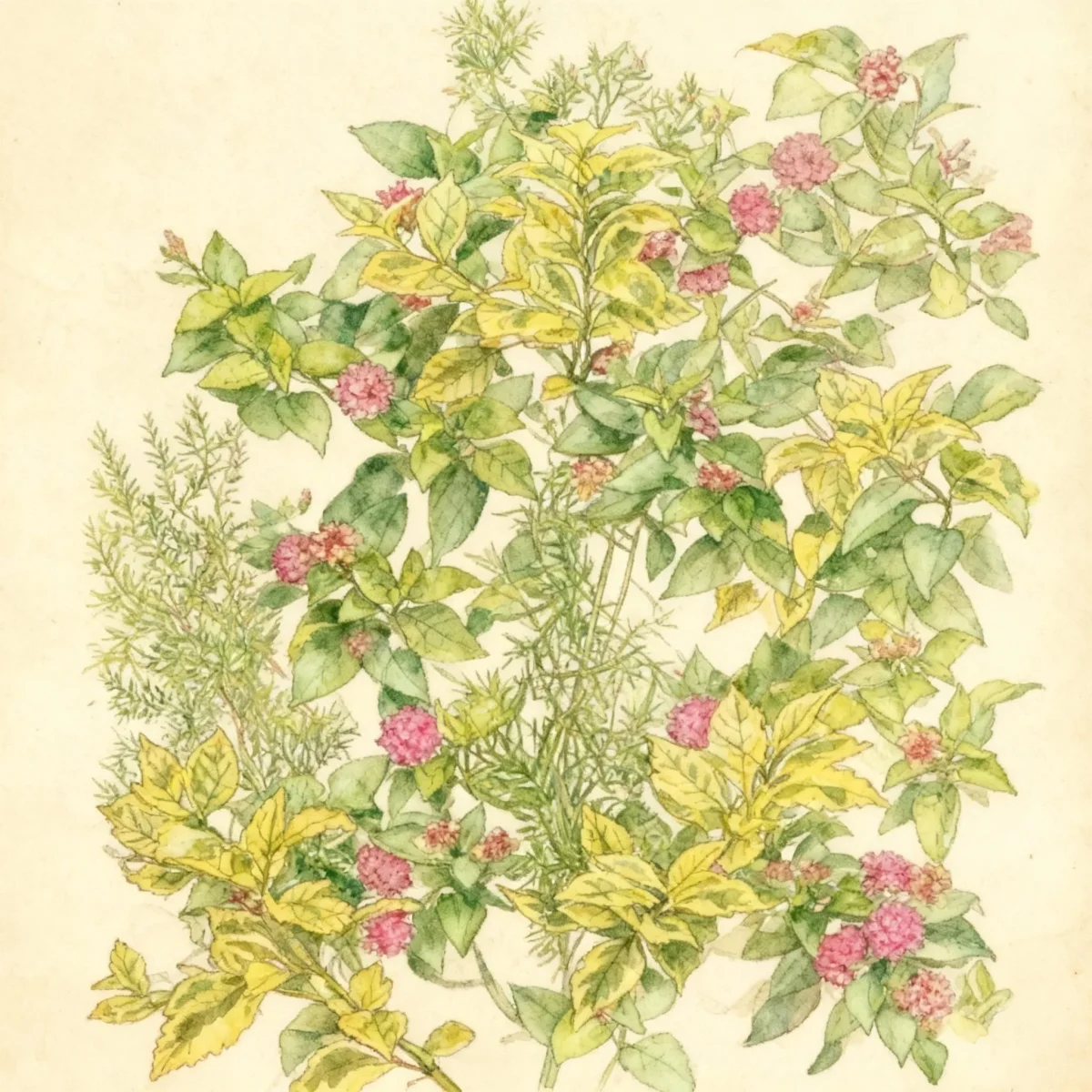
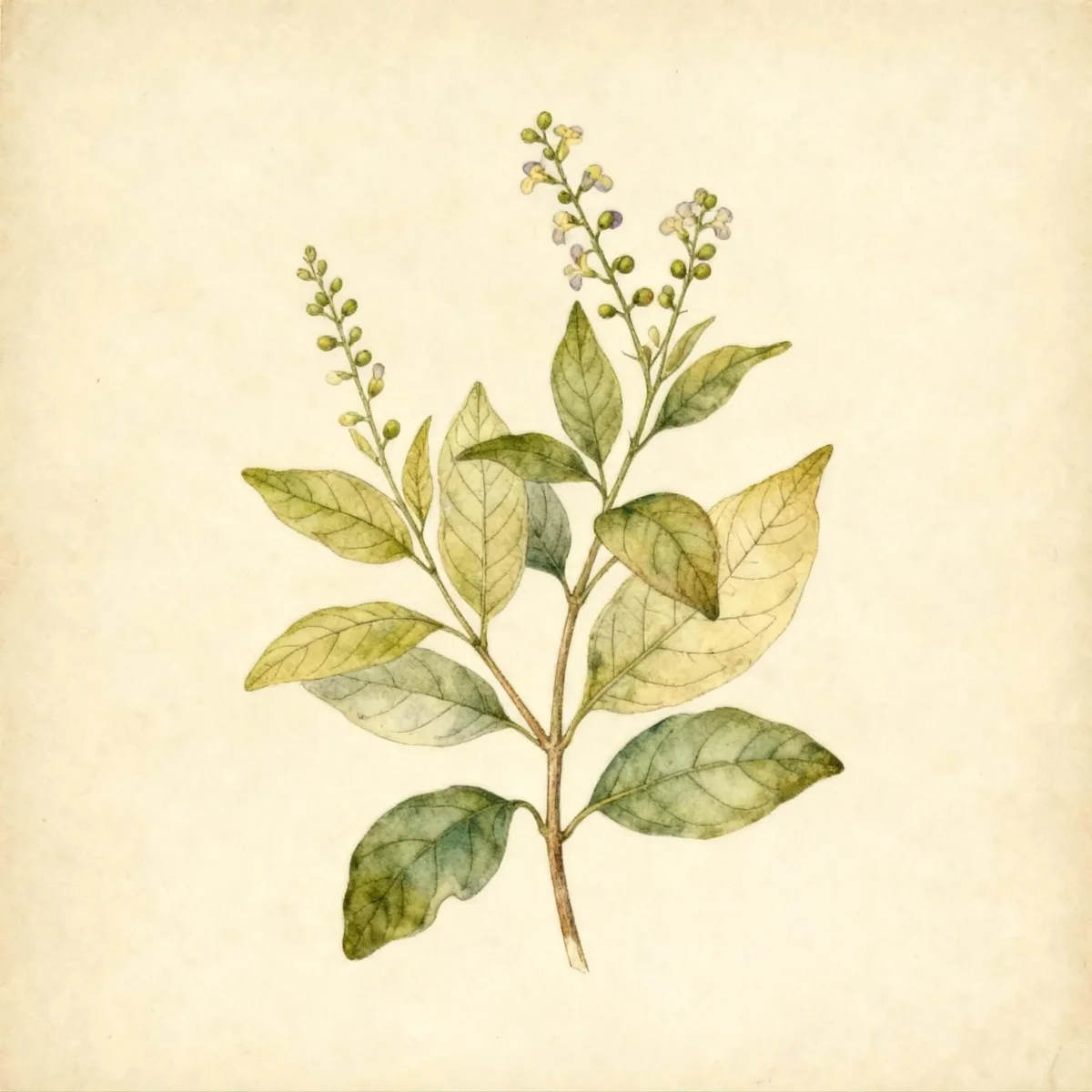
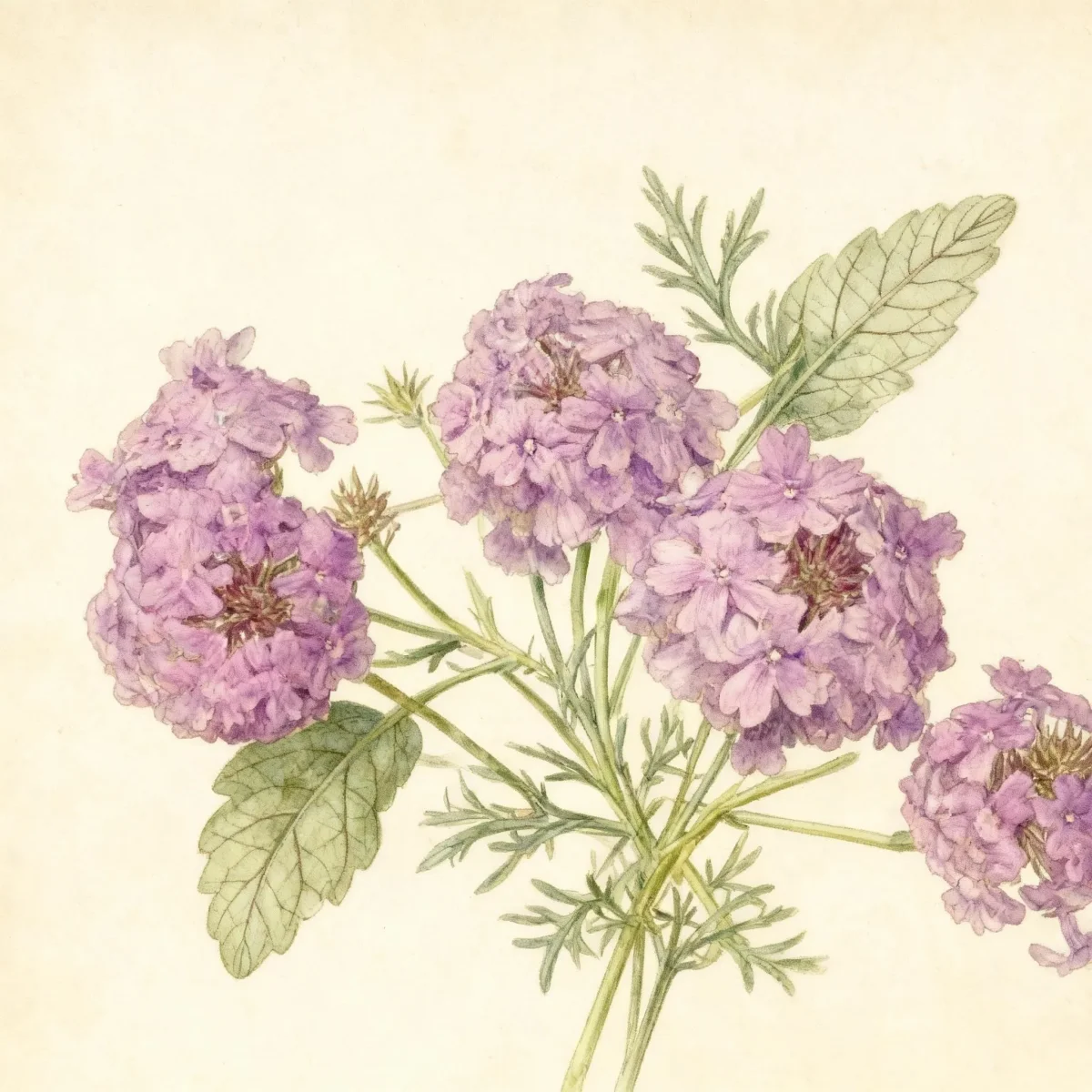
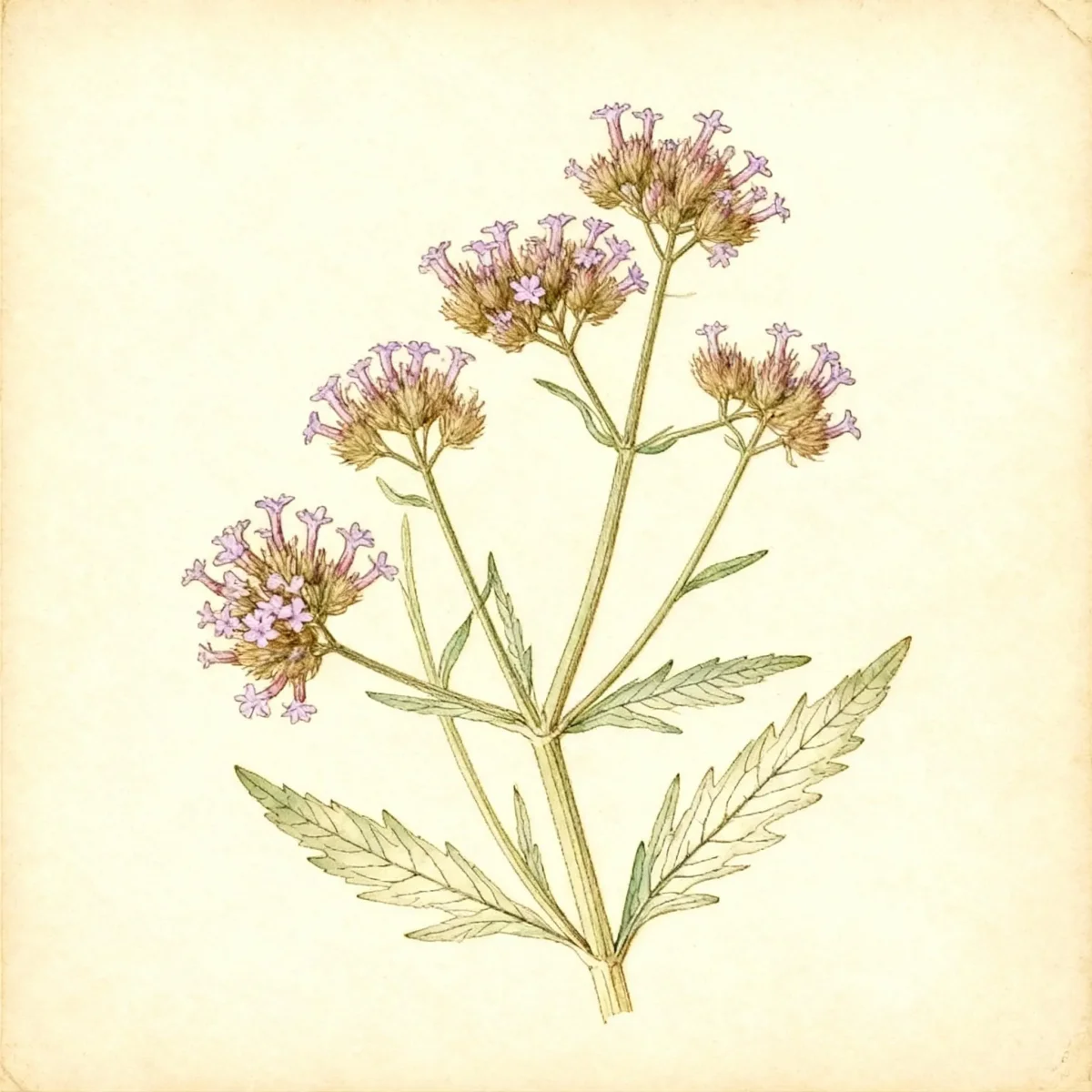
Trailing lantana (Lantana montevidensis)
Discover Trailing lantana (Lantana montevidensis), a low-maintenance, heat-loving groundcover blooming profusely from June to frost in Zones 8-10.

Bloom Boldly, No Matter the Season - Sweatshirt
Cozy organic cotton sweatshirt featuring our exclusive Purple Coneflower design. Perfect for gardeners who bloom year-round.
Inspired by the beautiful Trailing lantana
Limited first batch (50) — join the waitlist for early access
Waitlist closes Feb 15, 2026.
Complete Plant Information
Field Guide Continues
Ready for care notes, companion picks, and planting tips?
The map is just the start. The full guide below covers growth habits, seasonal performance, and landscape uses.
Overview
Lantana montevidensis, widely known as trailing lantana or weeping lantana, is a highly favored, sprawling plant treasured for its relentless flowering habit, particularly in warmer climates. This broadleaf evergreen offers continuous color from early summer right up until the first hard frost, making it an excellent specimen where consistent visual impact is desired.
Native to tropical South America, this species thrives as a woody, low-growing shrub, typically spreading much wider than it grows tall. Its value in the landscape lies in its ability to form a dense ground cover, suppress weeds, and reliably attract essential pollinators like bees and butterflies throughout its long blooming season.
Gardeners in frost-free areas utilize this plant extensively, but in cooler regions, Lantana montevidensis serves beautifully as a vibrant annual bedding plant or cascading element in containers. Its tolerance for dry, lean soils once established adds to its appeal as a truly low-maintenance performer.
Fast Facts
- Plant Family: Verbenaceae
- Plant Type: Broadleaf evergreen
- Native Range: Tropical South America
- Hardiness Zones: USDA Zones 8-10
- Size at Maturity:
- Height: 1-1.5 ft
- Spread: 3-5 ft
- Bloom Time: June to frost
- Bloom Description: Lilac to purple-pink with yellow throat
- Sun Exposure: Full sun
- Water Needs: Medium
- Maintenance Level: Low
How to Grow
For optimal performance, plant trailing lantana in full, direct sun. Although it tolerates partial shade, best flowering for Lantana montevidensis occurs when it receives all-day sunlight exposure. It adapts well to average conditions but particularly thrives in lean, sandy, or slightly dry soils, demonstrating remarkable drought tolerance once established. Plant these spreading shrubs in well-drained locations, ensuring adequate space for their significant horizontal spread.
Watering requirements are medium. While established plants in the ground can manage with less moisture, container plants dry out quickly and must be watered regularly never allowing the soil to fully desiccate. If planting in areas prone to wet winters, ensure excellent drainage to prevent root issues.
Maintenance for this species is generally low. In frost-free Zones 8-10, Lantana montevidensis can be pruned lightly to maintain its shape as a ground cover throughout the year. If you are growing it as an annual or in containers outside its hardiness range, plan to bring containers indoors to a cool, bright spot to overwinter them, or plan to refresh your supply yearly. Taking cuttings in late summer is another reliable way to propagate future plants.
Landscape Uses
The trailing nature of Lantana montevidensis makes it an irreplaceable component in numerous landscape designs. In southern climates where it is winter-hardy, it functions perfectly as a flowering, shrubby, low-maintenance ground cover blanketing slopes and banks, offering excellent erosion control. Its cascading stems are truly superior when utilized in hanging baskets or containers, spilling dramatically over the edges, or when planted atop retaining walls where the foliage and blooms can flow downward.
Where winter temperatures dip below Zone 8, use trailing lantana as a vibrant annual for filling large bedding areas or softening the edges of sunny borders. Its constant bloom provides dependable color where many other perennials fail during summer heat. Consider pairing Lantana montevidensis with drought-tolerant companions like succulents, Coreopsis, or ornamental grasses that share its preference for full sun and well-drained earth for a cohesive tapestry of texture and color.
Standout Features
Flower Qualities
- Showy
Noteworthy Characteristics
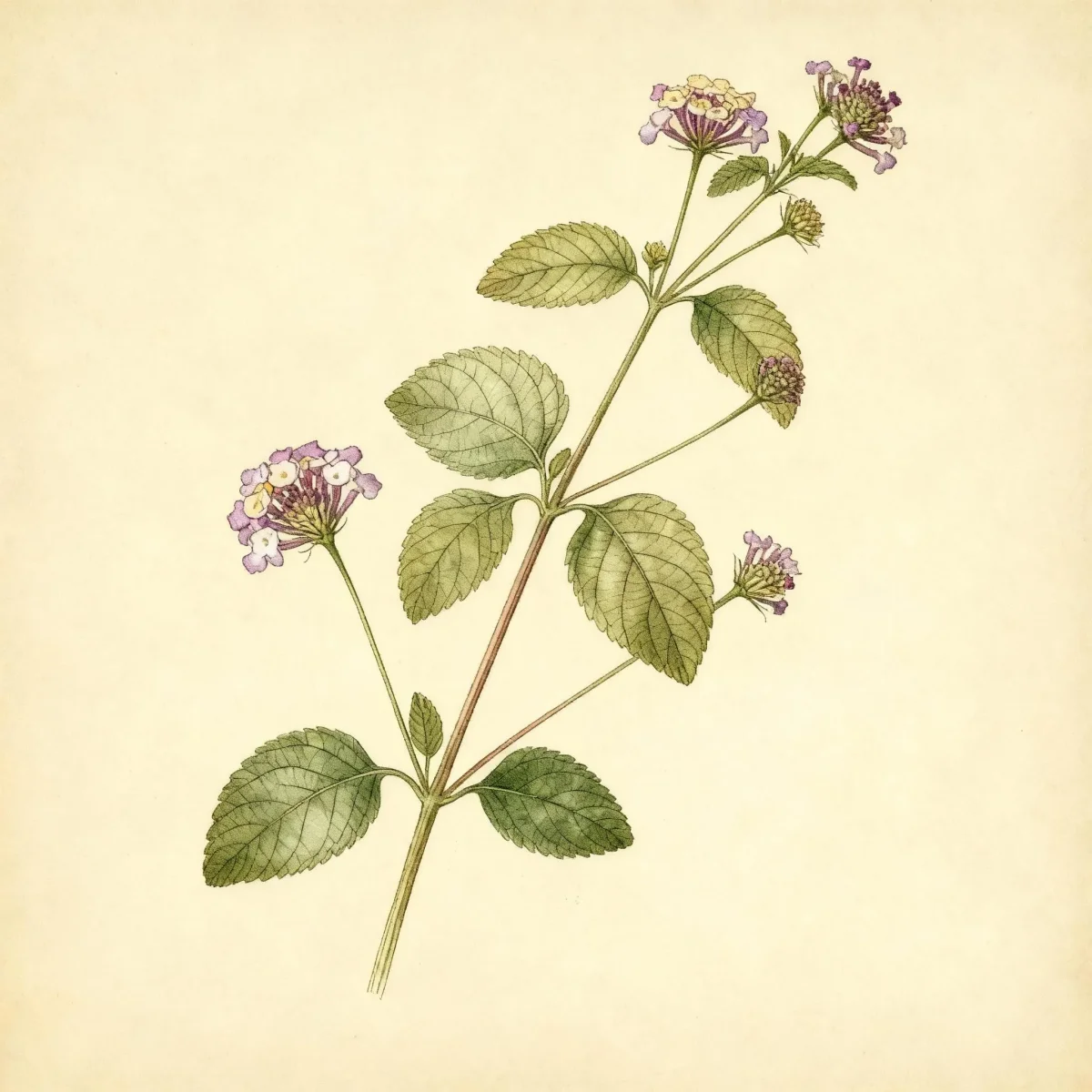
Lantana montevidensis, commonly called trailing lantana or weeping lantana, is native to tropical areas of South America. In frost free areas, it grows as a low, trailing, woody shrub, spreading by vine-like stems to 5’ wide or more, making it typically grown as a dense ground cover. It features coarsely-toothed, ovate, dark green leaves, noting that the leaves possess an unpleasant aroma when bruised and can sometimes cause skin irritation. Clusters of tiny lilac to purplish-pink flowers bloom profusely, attracting bees and butterflies throughout the year in frost-free regions.
Potential Problems
No serious insect or disease problems typically plague Lantana montevidensis. However, gardeners should monitor for powdery mildew, especially if the plant is situated in areas receiving less than full sun. Furthermore, leaf spot and stem rot can occasionally develop. Watch specifically for common pests like whiteflies and spider mites, which become more concerning on overwintering plants kept indoors.
Tolerances
- None listed
Frequently Asked Questions
What hardiness zones is Trailing lantana suitable for?
Lantana montevidensis is winter hardy in USDA Zones 8 through 10, thriving outdoors continuously in these areas.
How large does Trailing lantana grow?
This plant typically reaches a height between 1 and 1.5 feet tall, but it spreads aggressively to cover a width between 3 and 5 feet wide.
What sun exposure does Trailing lantana need?
Lantana montevidensis requires full sun for the best blooming performance, though it can tolerate some part shade.
When does Trailing lantana bloom?
This species produces its vibrant lilac to purple-pink flowers starting in June and continues blooming profusely until the first fall frost.
Conclusion
The consistent, vibrant display offered by Lantana montevidensis makes it an indispensable choice for summer color and reliable ground coverage in warm, tough locations. Whether you utilize the spreading habit of trailing lantana as a durable landscape solution or as a cascading seasonal annual, it promises low maintenance throughout the growing season. Before planting, confirm your location falls within USDA Zones 8-10 or plan on treating your plants as annuals or overwintering them indoors.
Companion Planting
When integrating Lantana montevidensis into sunny, dry borders, selecting companions with similar low-water needs enhances the overall design resilience. Consider pairing it with succulents like Sedum or Sempervivum, which appreciate the same sun exposure and well-drained soil profile. For added textural contrast that complements the fine flowers of the trailing lantana, look towards spiky plants such as Gaura or heat-loving ornamental grasses that don’t require heavy fertilization. This mimics the conditions where Lantana montevidensis naturally thrives, leading to a healthier, unified planting scheme.
Wildlife Benefits
The prolific flowering nature of Lantana montevidensis translates directly into significant benefits for local ecosystems. The clusters of small, nectar-rich flowers are highly attractive to a wide variety of beneficial insects. Bees, essential for regional pollination, readily visit the blooms throughout the long summer season. Furthermore, butterflies are frequently observed nectaring on these colorful clusters, making this a staple for any dedicated pollinator garden design.