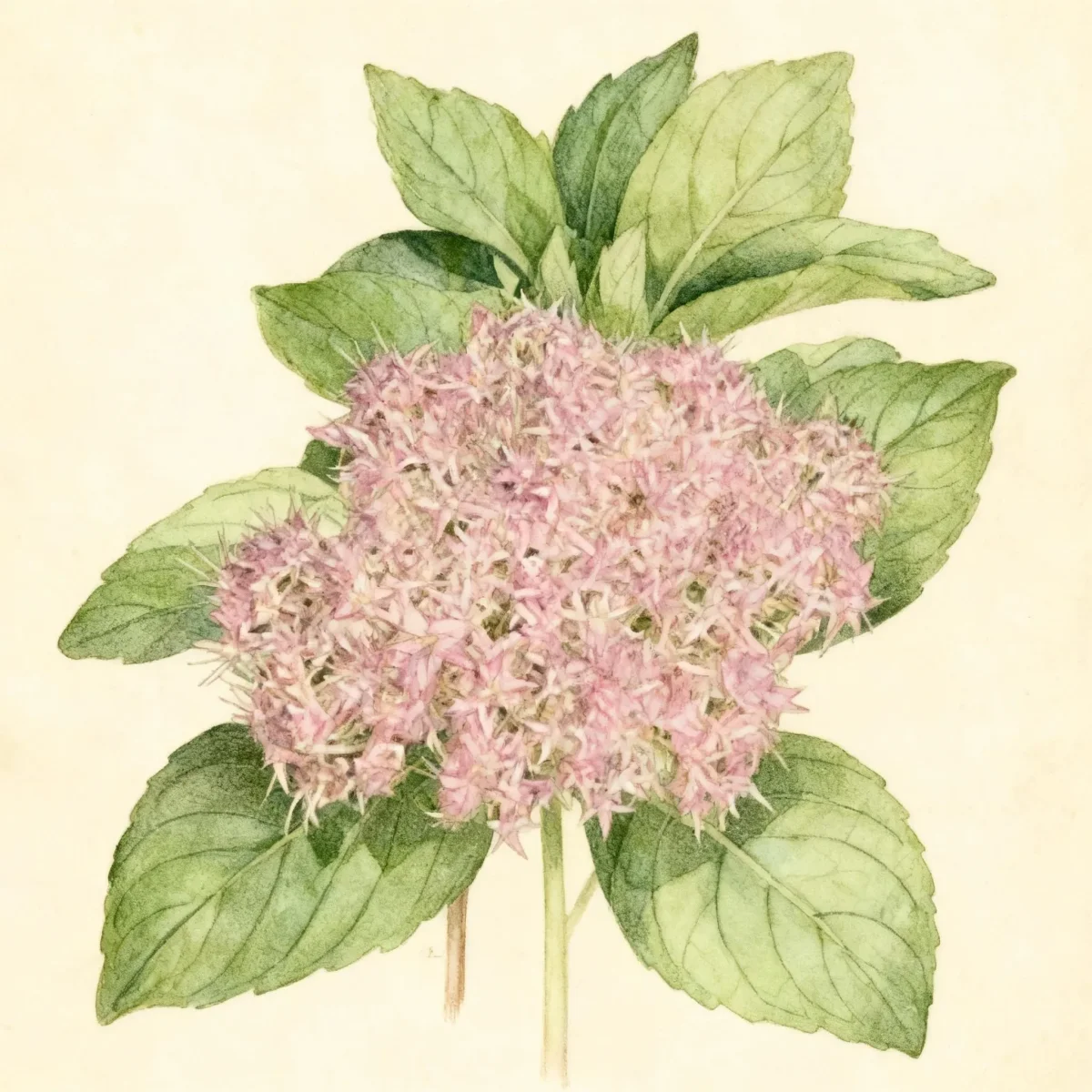
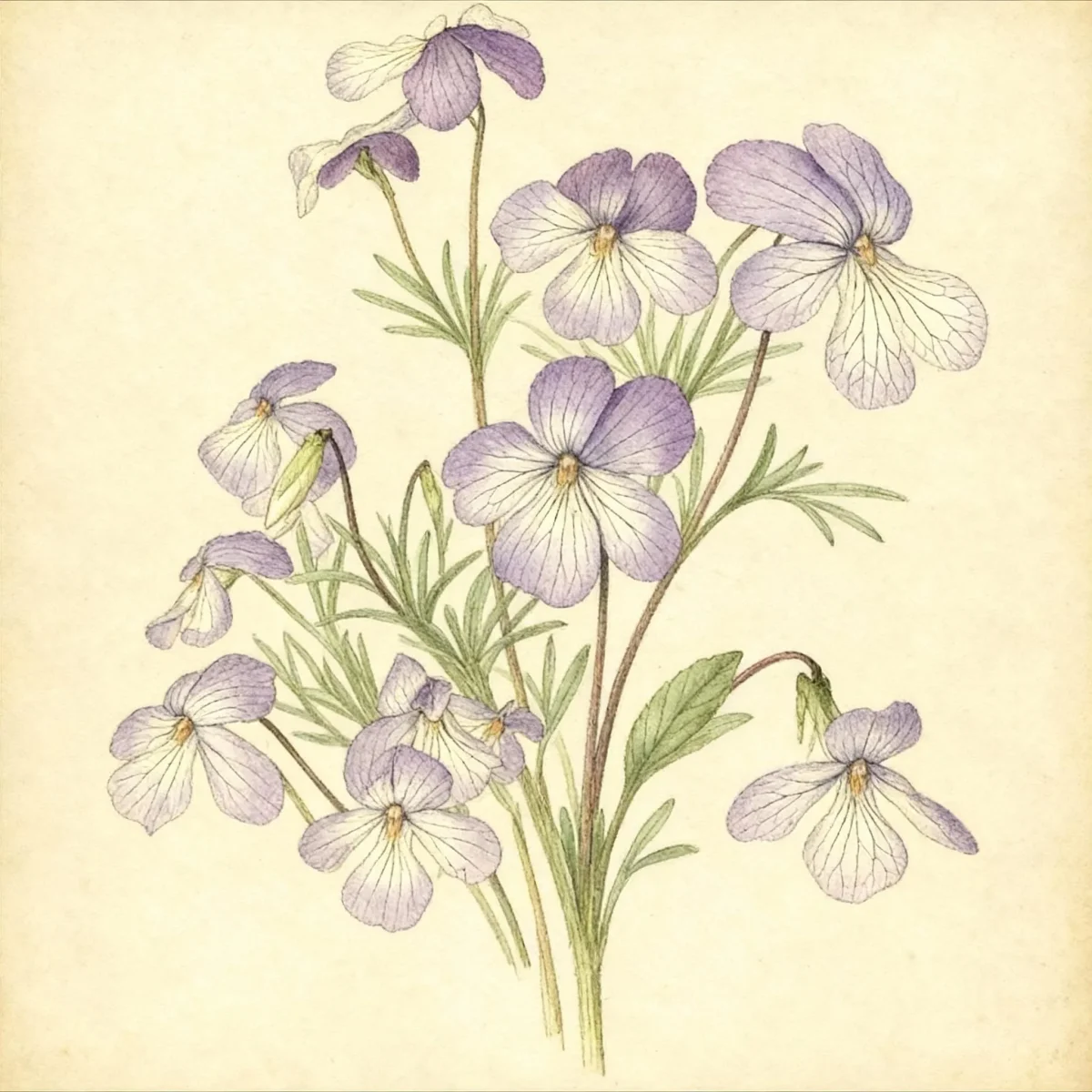
Bird's foot violet (Viola pedata)
Discover the unique Bird's foot violet (Viola pedata), a striking native perennial perfect for dry, sunny rock gardens. Learn cultivation tips.
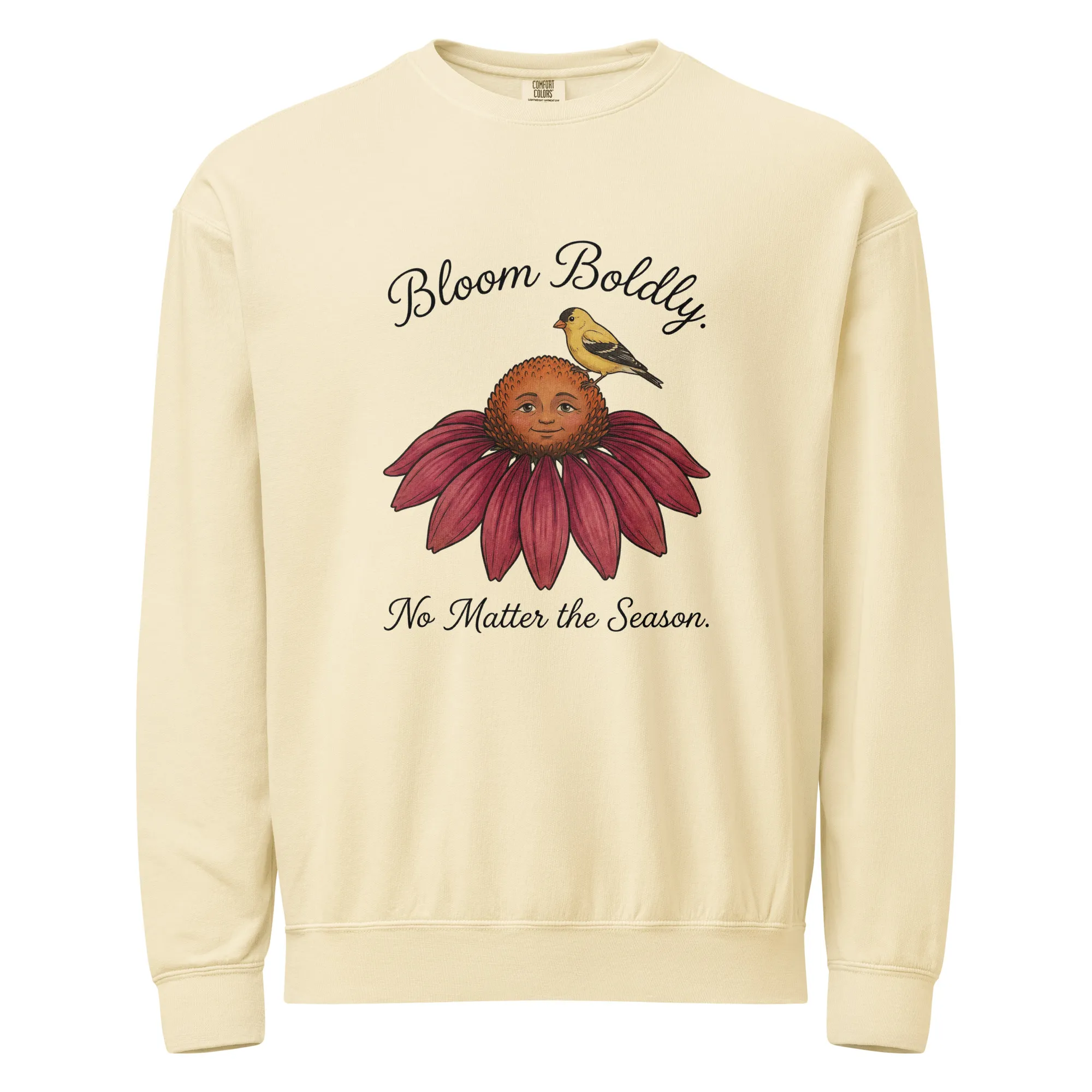
Bloom Boldly, No Matter the Season - Sweatshirt
Cozy organic cotton sweatshirt featuring our exclusive Purple Coneflower design. Perfect for gardeners who bloom year-round.
Inspired by the beautiful Bird's foot violet
Limited first batch (50) — join the waitlist for early access
Waitlist closes Feb 15, 2026.
Complete Plant Information
Field Guide Continues
Ready for care notes, companion picks, and planting tips?
The map is just the start. The full guide below covers growth habits, seasonal performance, and landscape uses.
Overview
The Bird’s foot violet (Viola pedata) is a prized native wildflower celebrated for its deeply lobed foliage, resembling a bird’s foot, which adds unique texture to early spring displays. This rhizomatous, stemless perennial establishes itself gracefully in lean, dry environments where many other violets may struggle. Gardeners value this species for its early, showy bloom period, often providing color before many other perennials wake up.
Viola pedata is native to the open woodlands, glades, and rocky slopes of Eastern North America. Although considered slightly more challenging than common violets, careful attention to its drainage needs rewards the grower with delicate, uniquely colored flowers. The most common forms feature bi-colored petals—dark purple above and light blue below—making the bird’s foot violet a standout in specialized garden settings.
Planting Viola pedata successfully centers on providing excellent drainage, mimicking its native habitat in sandy or gravelly soils. While it thrives in full sun, it can handle light shade, making it versatile for open woodland margins. Its small stature makes it perfect for close integration into rock gardens or naturalized drifts where its early blooms can be easily observed.
Fast Facts
- Plant Family: Violaceae
- Plant Type: Herbaceous perennial
- Native Range: Eastern North America
- Hardiness Zones: USDA Zones 4-8
- Size at Maturity:
- Height: 0.25-0.5 ft
- Spread: 0.25-0.5 ft
- Bloom Time: March to May
- Bloom Description: Lilac/purple
- Sun Exposure: Full sun
- Water Needs: Dry to medium
- Maintenance Level: Medium
How to Grow
The key to successful cultivation of Viola pedata lies entirely in soil conditions. Plant in spring or fall when temperatures are moderate, ensuring the spot features sandy or gravelly soil that drains quickly. Good soil drainage is paramount; if the soil remains soggy, crown rot is a significant risk for this species. Full sun is preferred, though light shade is tolerated, especially in hotter climates.
Maintenance for the bird’s foot violet is generally low once established, provided drainage is adequate. Avoid excessive moisture or rich, heavy soils. Fertilizing is rarely necessary, as this plant prefers lean conditions. Do not expect aggressive spreading; the Viola pedata does not spread by runners, though it may occasionally self-seed in ideal environments.
As a low-growing native, little pruning is required. Remove spent flower stalks if desired for neatness, but otherwise, let the plant develop naturally. Be prepared for the foliage to potentially die back during the summer heat if conditions become too dry or stressful. Ensure appropriate watering during establishment, shifting to dry to medium moisture tolerance once matured.
Landscape Uses
The suggested use of Viola pedata for naturalizing makes it an excellent choice for wildflower meadows or open woodland edges where it can colonize gently under taller grasses or shrubs. Due to its diminutive size (under 6 inches tall), it excels when planted in mass groupings or drifts among larger, naturalistic plantings. It is also highly recommended for rock gardens where sharp drainage mimics its native rocky habitat.
When considering companions, pair the bird’s foot violet with other plants that share a preference for sun and excellent drainage. Think of dry-loving sedums, creeping thymes, or other low-growing native woodland edge plants that won’t compete aggressively for summer moisture. Its early spring bloom is best showcased along sunny paths where its unique leaf shape can be appreciated up close.
For slopes or areas requiring low ground cover in sunny, dry spots, this violet offers seasonal color and fine texture. Use large groups to create impact, allowing the individual stems bearing the Viola pedata flowers to appear scattered throughout the matrix of the planting design.
Standout Features
Flower Qualities
- Showy
Noteworthy Characteristics
Viola pedata, commonly called bird’s foot violet, features deeply divided leaves which somewhat resemble a bird’s foot. A native Missouri wildflower that commonly occurs in dryish soils in rocky woods, slopes, glades and roadsides. It is a rhizomatous, stemless perennial (to 4” tall) which typically features variably colored flowers, the most common color forms being bi-colored (upper petals dark purple and lower ones light blue) and uniform light blue. Genus name comes from the Latin name for various sweet-scented flowers. Specific epithet means foot-like.
Tolerances
- Deer
- Drought
- Dry Soil
- Shallow-Rocky Soil
Potential Problems
This species generally enjoys good pest and disease resistance. The most significant potential problem arises from poor cultural conditions, specifically inadequate soil drainage. Crown rot is a serious threat if Viola pedata sits in moisture-retentive soil, especially during winter dormancy. Prevent this by ensuring amend soil heavily with grit or sand before planting. In summer, the foliage may naturally collapse or die back; this is a normal response to heat or dryness, not necessarily a sign of disease.
Frequently Asked Questions
What hardiness zones is Bird’s foot violet suitable for?
The Bird’s foot violet (Viola pedata) is hardy across USDA Zones 4 through 8.
How large does Viola pedata grow?
This violet is a diminutive plant, typically reaching a height between 0.25 and 0.5 feet, with a similar spread of 0.25 to 0.5 feet.
What sun exposure does Viola pedata need?
This species thrives best in full sun but will tolerate light shade, provided the soil remains dry and well-drained.
When does Bird’s foot violet bloom?
Viola pedata blooms early in the season, generally from March to May, displaying lovely lilac/purple flowers.
Conclusion
The unique textured foliage and early spring color provided by the Bird’s foot violet make Viola pedata an indispensable addition to specialized native or rock gardens. Remember that stellar drainage is the primary requirement for long-term success with this charming plant. Before planting, assess your garden’s soil texture and amend gravelly areas to ensure this beautiful violet establishes well in your region.
Companion Planting
Selecting good companions for Viola pedata helps maintain its ideal dry, lean soil conditions throughout the growing season. In sunny, dry areas, consider pairing it with drought-tolerant ornamental grasses that offer contrasting vertical texture without heavy water needs. Low-growing succulents or cushion plants that thrive in lean, gritty media are excellent choices as they won’t compete heavily for the sparse moisture this violet prefers.
For those integrating Viola pedata into a native wildflower setting, ensure companions are similarly tolerant of dry summers and poor to medium soil fertility. Avoid moisture-loving perennials like hostas or common woodland phlox, as proximity to them can lead to the crown rot problems this violet is susceptible to.
Wildlife Benefits
While Viola pedata is not specifically documented here for heavy nectar production, all species within the Viola genus are essential early-season nectar sources for emerging native bees and other short-tongued pollinators. As a native plant, it plays an integral role in local ecosystems. Furthermore, violets often serve as larval host plants for specialized Fritillary butterflies, supporting the insect life cycle native to Eastern North America.