Lignum vitae(Guaiacum sanctum)
Grow holywood lignum vitae (Guaiacum sanctum): endangered native Florida tree, celestial blue flowers, dense self-lubricating timber, USDA zones 10b–11 care.
Complete Plant Information
- Hardiness zones
- USDA 10–11
- Plant type
- Broadleaf evergreen
- Plant family
- Zygophyllaceae
- Sun exposure
- Full sun to light shade
- Water needs
- Low to dry
- Maintenance
- Low
- Height
- 10–20 ft (305–610 cm)
- Spread
- 10–15 ft (305–457 cm)
- Bloom time
- March to May
- Flower color
- Clusters of 5-petaled starry celestial-blue flowers fading to silvery white with bright yellow stamens
- Flower qualities
- Showy, Pollinator friendly
- Fruit qualities
- Showy
- Tolerances
- Drought, Coastal Exposure, Alkaline Soil, Wind
- Garden uses
- Focal specimen lawn tree, coastal beachfront anchor, windbreak, patio container
- Native range
- South Florida (Florida Keys), Caribbean, Mexico, Central America
Field Guide Continues
Ready for care notes, companion picks, and planting tips?
The map is just the start. The full guide below covers growth habits, seasonal performance, and landscape uses.
Overview
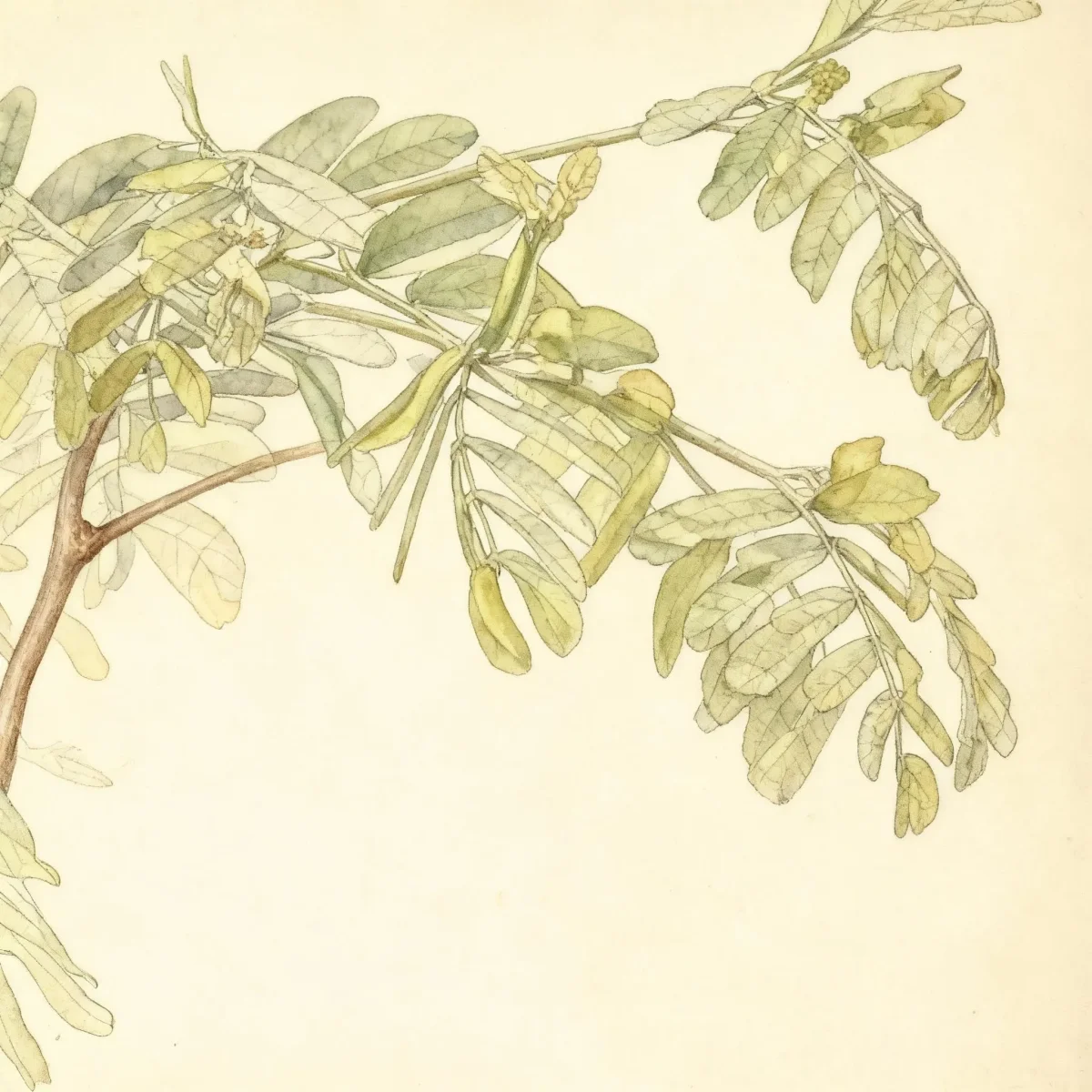
Holywood lignum vitae (Guaiacum sanctum, translating from Latin as “wood of life”) is an extraordinary, slow-growing native broadleaf evergreen small tree in the caltrop family (Zygophyllaceae), hardy in frost-free USDA Zones 10b through 11. Native to the shallow limestone rockland hammocks of the Florida Keys, the Bahamas, and the Caribbean, it matures into a dense, gnarled, multi-trunked sculptural canopy 10 to 20 feet tall and 10 to 15 feet wide. Renowned for producing the densest, hardest, and heaviest wood on Earth—so dense that it sinks in water—it covers its dark emerald canopy in spring with masses of starry, sky-blue flowers followed by decorative winged orange seedpods.
Centuries of heavy harvesting for its self-lubricating timber endangered wild populations; planting nursery-grown specimens helps preserve this native Florida treasure.
How to Grow
- Hardiness & Cold Sensitivity: Strictly tropical (USDA Zones 10b through 11). Extremely sensitive to cold; temperatures dropping below 30°F (-1°C) cause severe foliar and branch dieback. Thrives in South Florida, the Florida Keys, and Hawaii.
- Sunlight: Full sun to light partial shade. Direct, unobstructed tropical sunlight produces the densest crown and heaviest flower flushes.
- Porous Alkaline Limestone Soil: Native to coral rag and limestone hammocks, it requires porous, sharply draining soils with neutral to alkaline pH (7.0 to 8.5). Cannot tolerate soggy, poorly drained, or standing water, which induces fatal root rot.
- Hurricane & Salt Resilience: Once established, it is one of the most storm-resistant trees in the world: tough, dense branch wood withstands hurricane-force winds with minimal breakage, and leathery pinnate leaves exhibit near-total immunity to ocean salt spray.
Landscape Uses
- Tropical Specimen Centerpiece: Gnarled, sculptural trunk structure and starry celestial-blue blossoms make it a magnificent lawn anchor.
- Seaside & Coastal Planting: Outstanding near seawalls and beachfront properties where ocean salt spray kills other ornamental trees.
- Patio Container Plant: Slow growth rate makes it well-suited for large decorative planters on sunny courtyards.
Potential Problems
- Frost Damage: Even brief freezing temperatures cause branch death; protect or plant only in frost-free zones.
- Root Rot in Wet Soil: Demands sharp limestone or sandy drainage; avoid low-lying wet spots.
- Very Slow Growth: Grows at a slow pace (approx. 6 to 12 inches per year), requiring patience as it matures.
Frequently Asked Questions
Does lignum vitae wood really sink in water?
Yes. Guaiacum wood has a specific gravity of 1.2 to 1.3, making it so dense and resinous that it sinks like a stone rather than floating.
Why is lignum vitae endangered?
Wild populations were heavily depleted over centuries of commercial harvesting for naval propeller shaft bearings, railway crossties, and medicinal guaiac resin. It is protected under CITES Appendix II.
Can I grow lignum vitae in South Florida?
Yes. It is native to the Florida Keys and extreme South Florida mainland, thriving in local limestone soils and ocean breezes.
Companion Plants
Pair holywood lignum vitae with native tropical and coastal plants that share its demand for alkaline, well-draining soil:
- Native Palms: Plant near silver palm (Coccothrinax argentata) or thatch palm (Thrinax radiata).
- Coastal Flowering Shrubs: Combine with wild coffee (Psychotria nervosa) or firebush (Hamelia patens).
- Drought-Tolerant Accents: Interplant with coontie (Zamia integrifolia) or seaside goldenrod.
Sources & Lineage
- Missouri Botanical Garden PlantFinder: Record taxon 287642 (Guaiacum sanctum) — species morphology, dimensions, and botanical characteristics.
- Kew Plants of the World Online (POWO): Guaiacum sanctum L. (POWO: 873256-1) — species taxonomy, family (Zygophyllaceae), and Neotropical distribution.
- University of Florida IFAS Extension: Guaiacum sanctum: Lignum-Vitae — Florida Keys native ecology, endangered status, salt tolerance, and landscape management.
Recommended Companion Plants
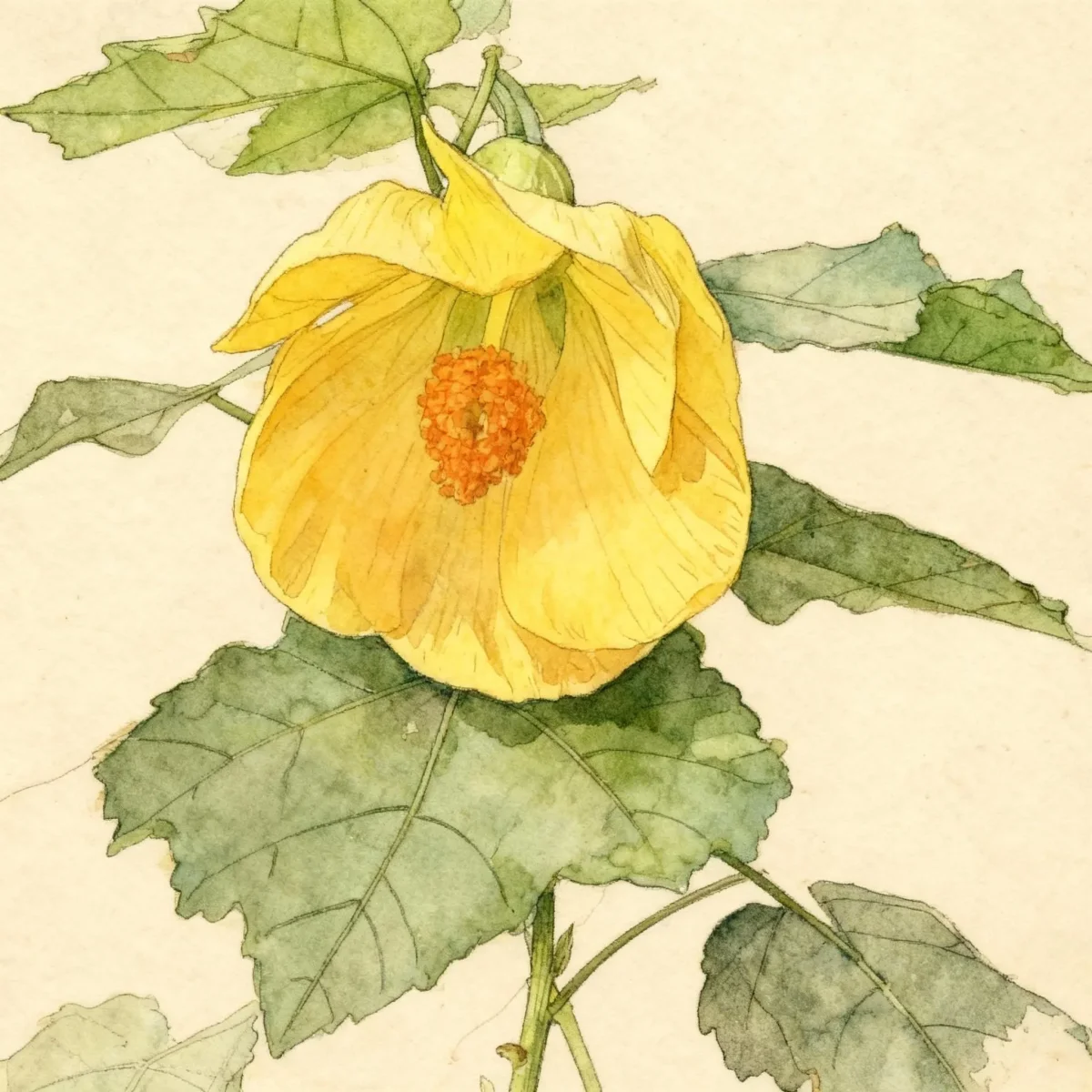
Flowering-maple
Abutilon 'Moonchimes'
- USDA zones
- 9–10
- Light
- Full sun to part shade
- Water
- Medium
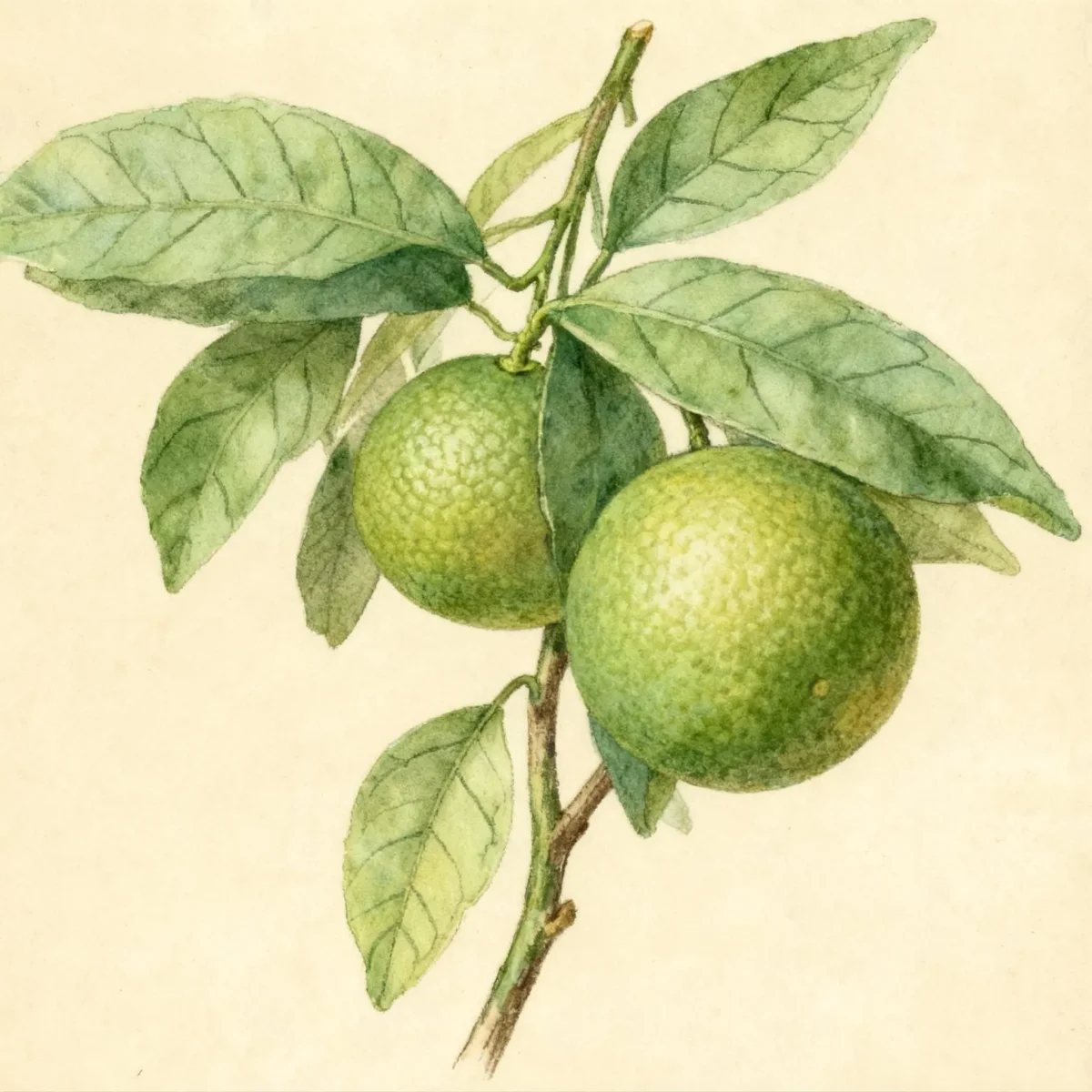
Mandarin orange
Citrus reticulata 'Clementine'
- USDA zones
- 9–11
- Light
- Full sun
- Water
- Medium
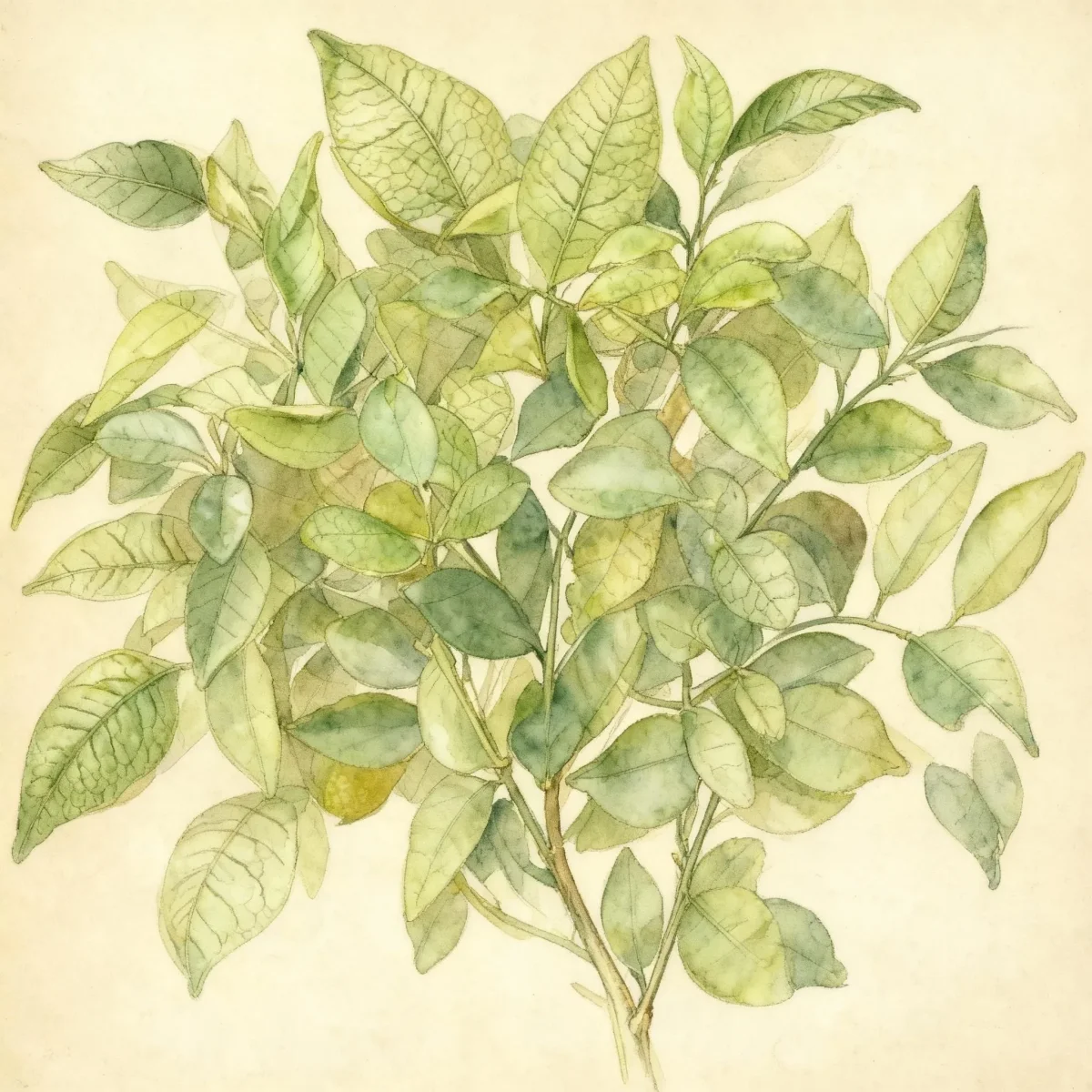
Mandarin orange
Citrus reticulata 'Dancy'
- USDA zones
- 9–11
- Light
- Full sun
- Water
- Medium
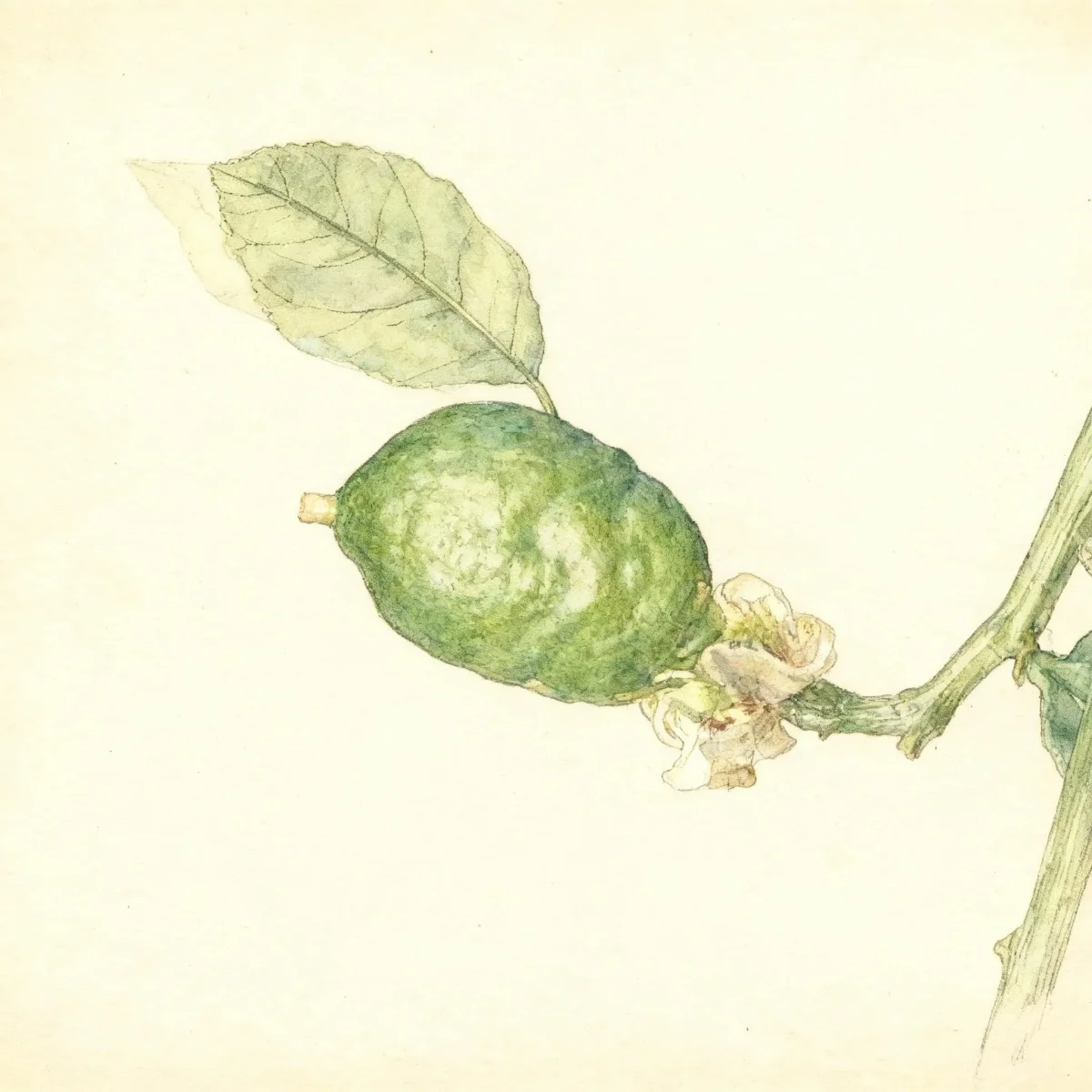
Giant lemon
Citrus 'Ponderosa'
- USDA zones
- 9–11
- Light
- Full sun
- Water
- Medium
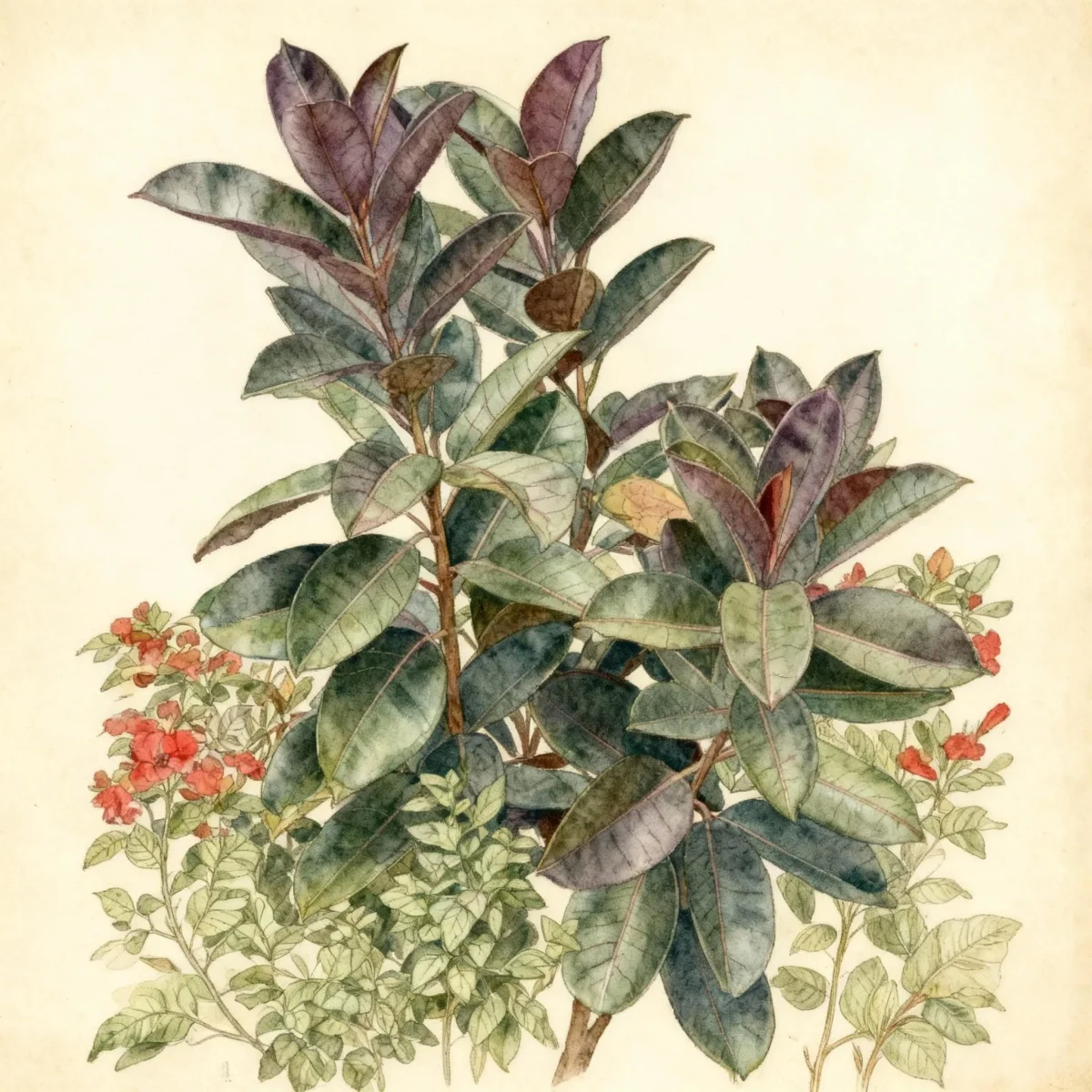
India rubber plant
Ficus elastica 'Burgundy'
- USDA zones
- 10–12
- Light
- Part shade
- Water
- Medium
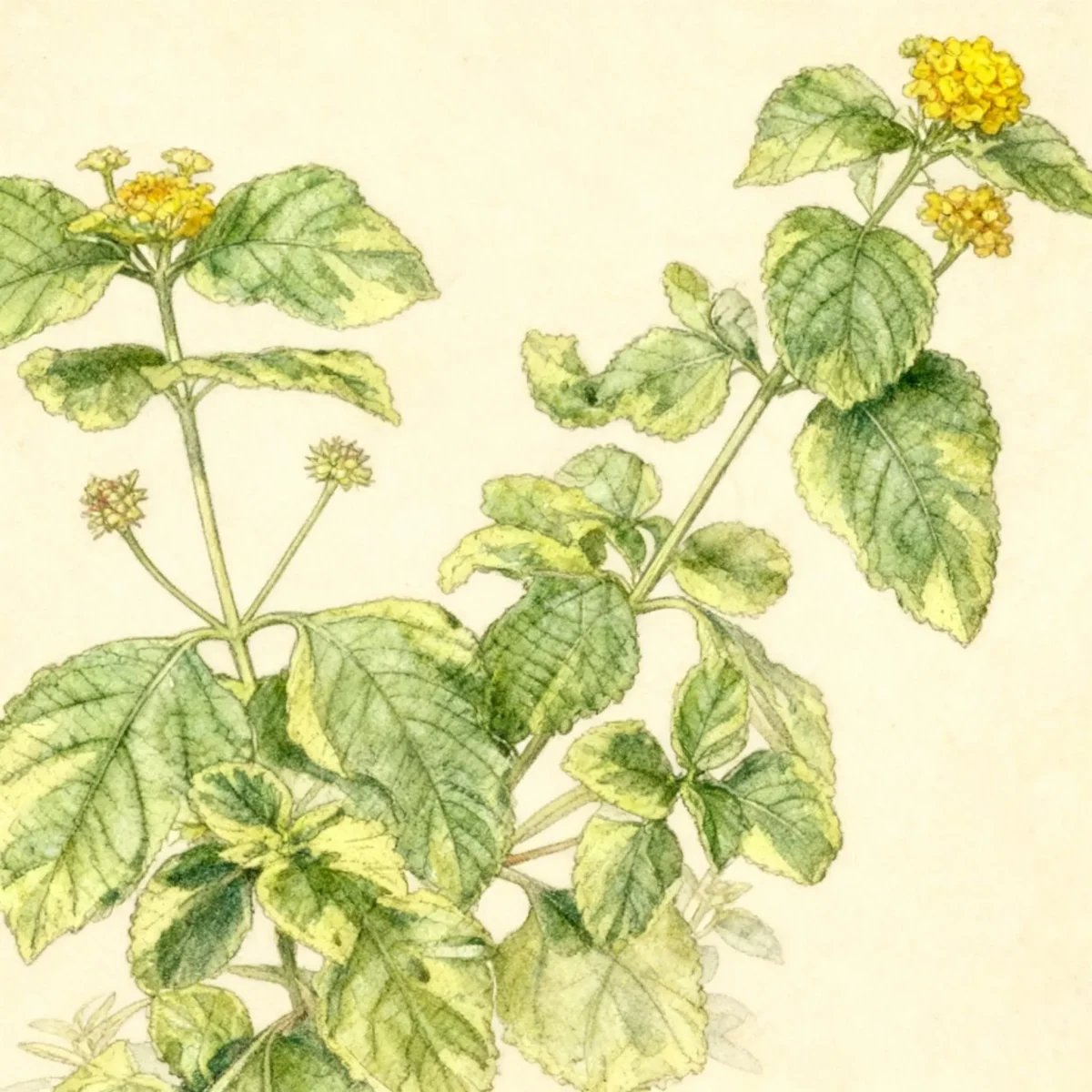
Lantana
Lantana camara 'Samantha'
- USDA zones
- 10–11
- Light
- Full sun
- Water
- Medium
Keep Learning
Test what you know with a garden quiz
You have the plant facts and care notes. Continue with a related challenge, or browse the complete quiz library.
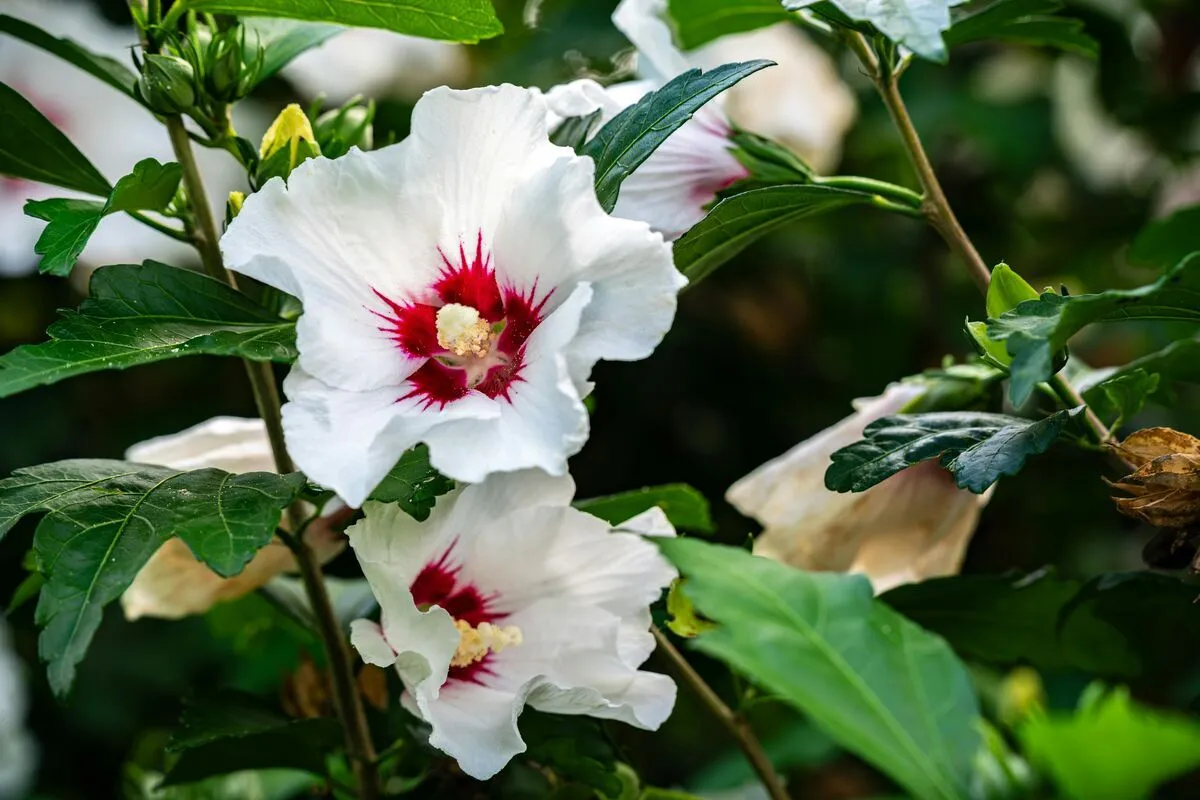
The Brilliant Hibiscus Quiz
Think you know hibiscus? Take this quiz to find out if you're a true hibiscus expert or just getting started.
Start quiz
Can You Identify These Common Garden Plants? Test Your Plant Knowledge
Think you know your roses from your peonies? Test your plant identification skills with our comprehensive garden plant quiz featuring 10 challenging questions.
Start quizBrowse the full quizzes section
Explore plant identification, zone strategy, and seasonal gardening challenges.
View all quizzes