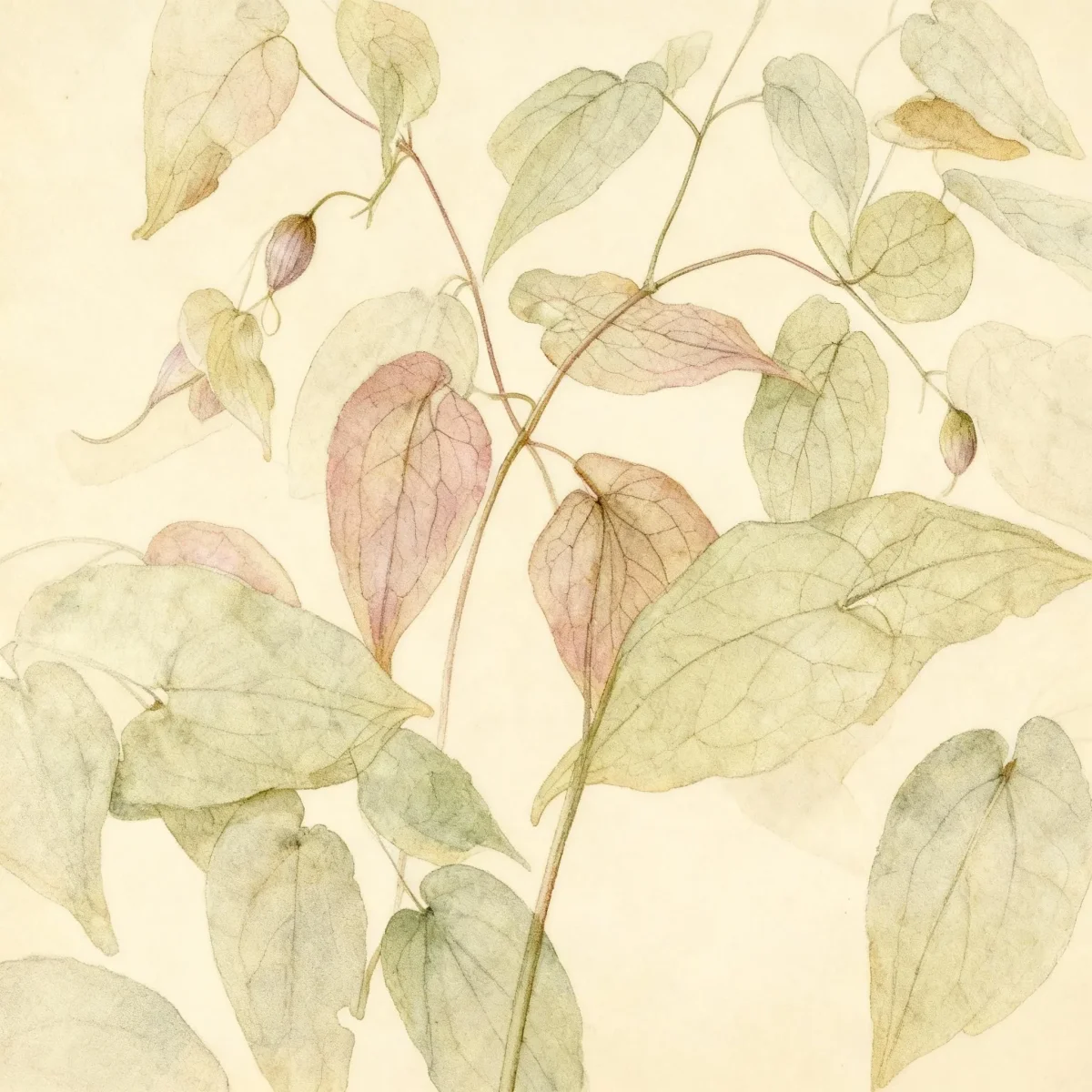
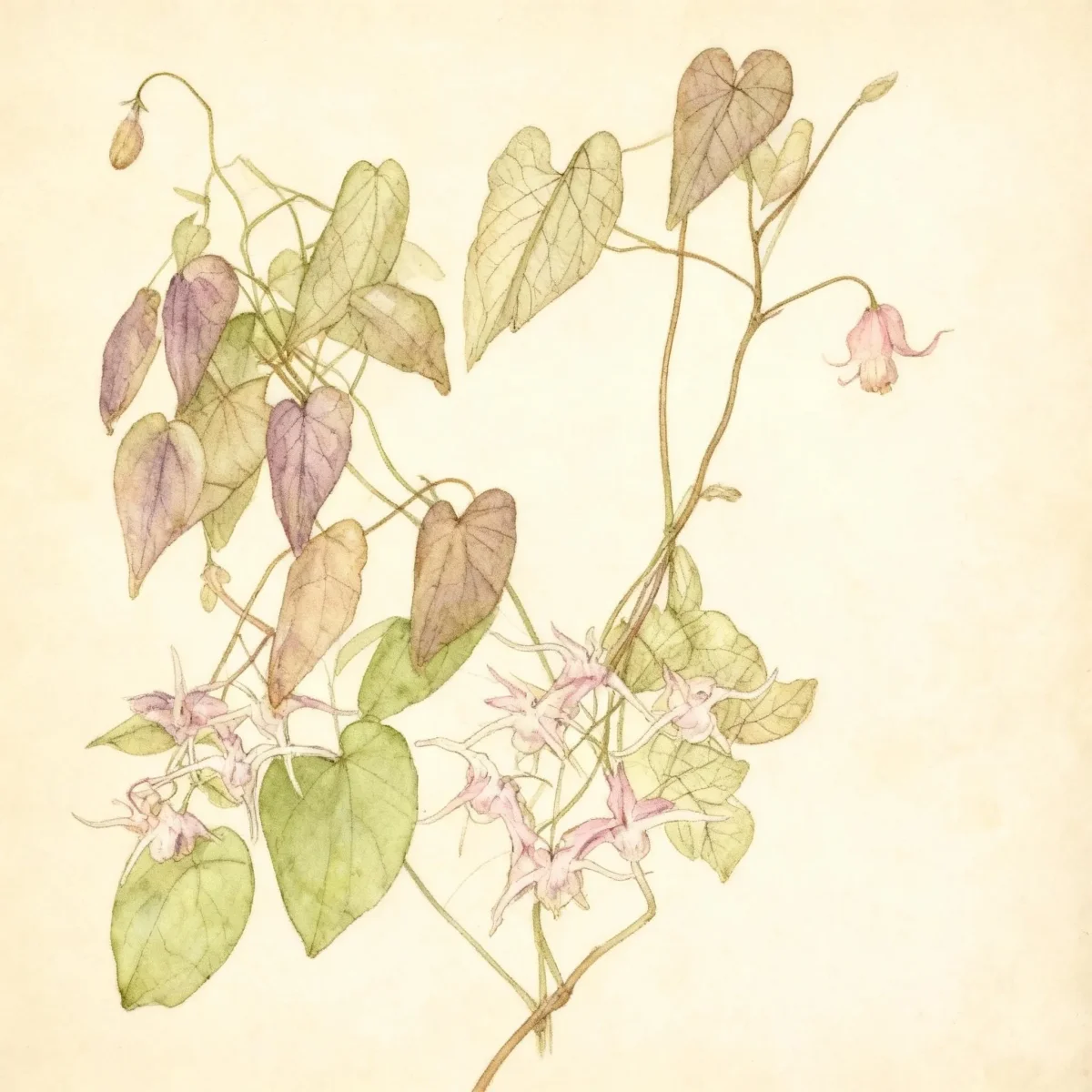
Bishop's hat (Epimedium fargesii)
Epimedium fargesii, or Bishop's hat, is a tough, low-maintenance perennial for dry shade, offering attractive purple and white spring flowers.

Bloom Boldly, No Matter the Season - Sweatshirt
Cozy organic cotton sweatshirt featuring our exclusive Purple Coneflower design. Perfect for gardeners who bloom year-round.
Inspired by the beautiful Bishop's hat
Limited first batch (50) — join the waitlist for early access
Waitlist closes Feb 15, 2026.
Complete Plant Information
Field Guide Continues
Ready for care notes, companion picks, and planting tips?
The map is just the start. The full guide below covers growth habits, seasonal performance, and landscape uses.
Overview
Epimedium fargesii, commonly known as Bishop’s hat, stands out as an excellent choice for gardeners tackling challenging, dry shade environments. This evergreen perennial forms dense, attractive foliage mounds supported by creeping rhizomes, establishing slowly into beautiful colonies over time. Its primary appeal lies in its resilience coupled with delicate spring blooms.
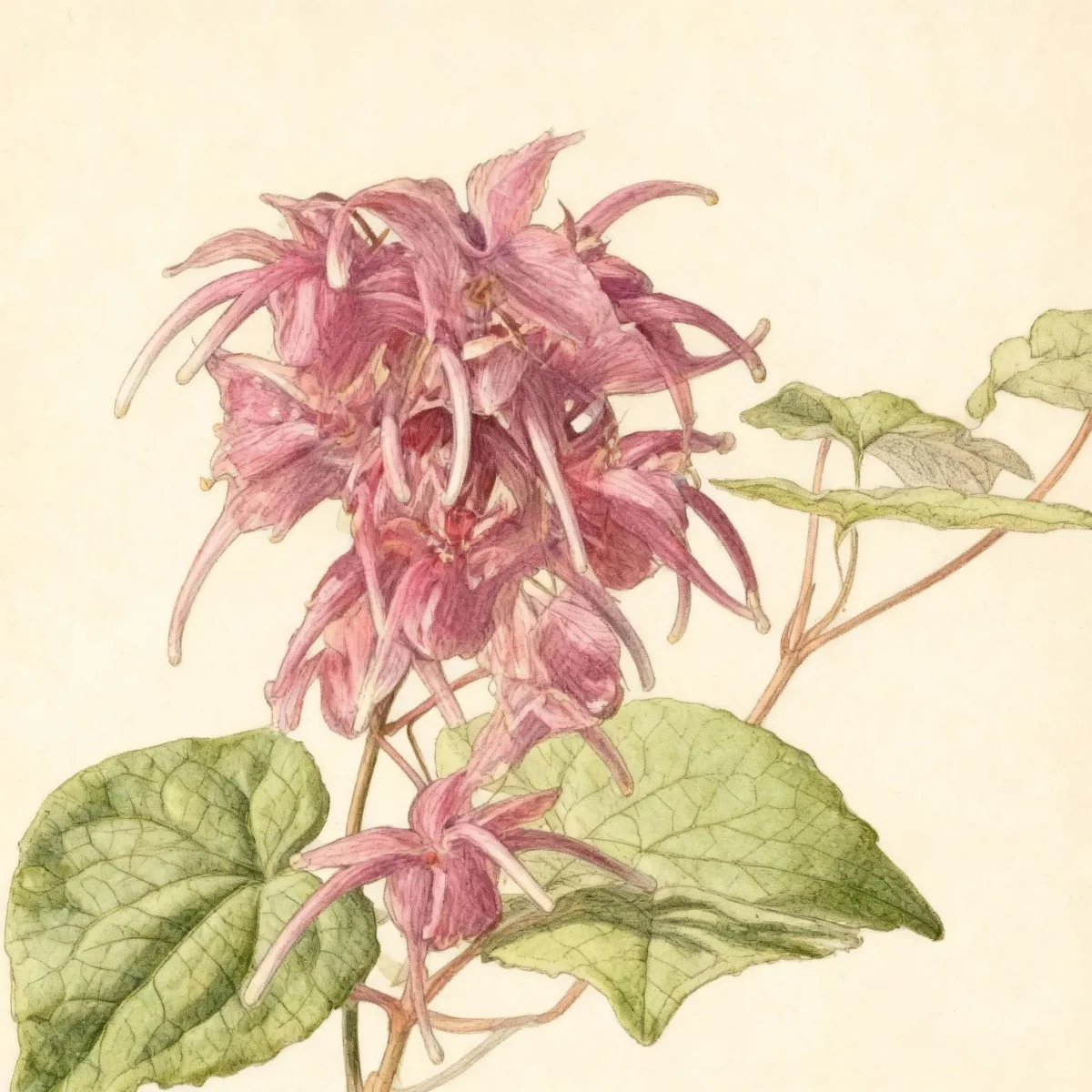
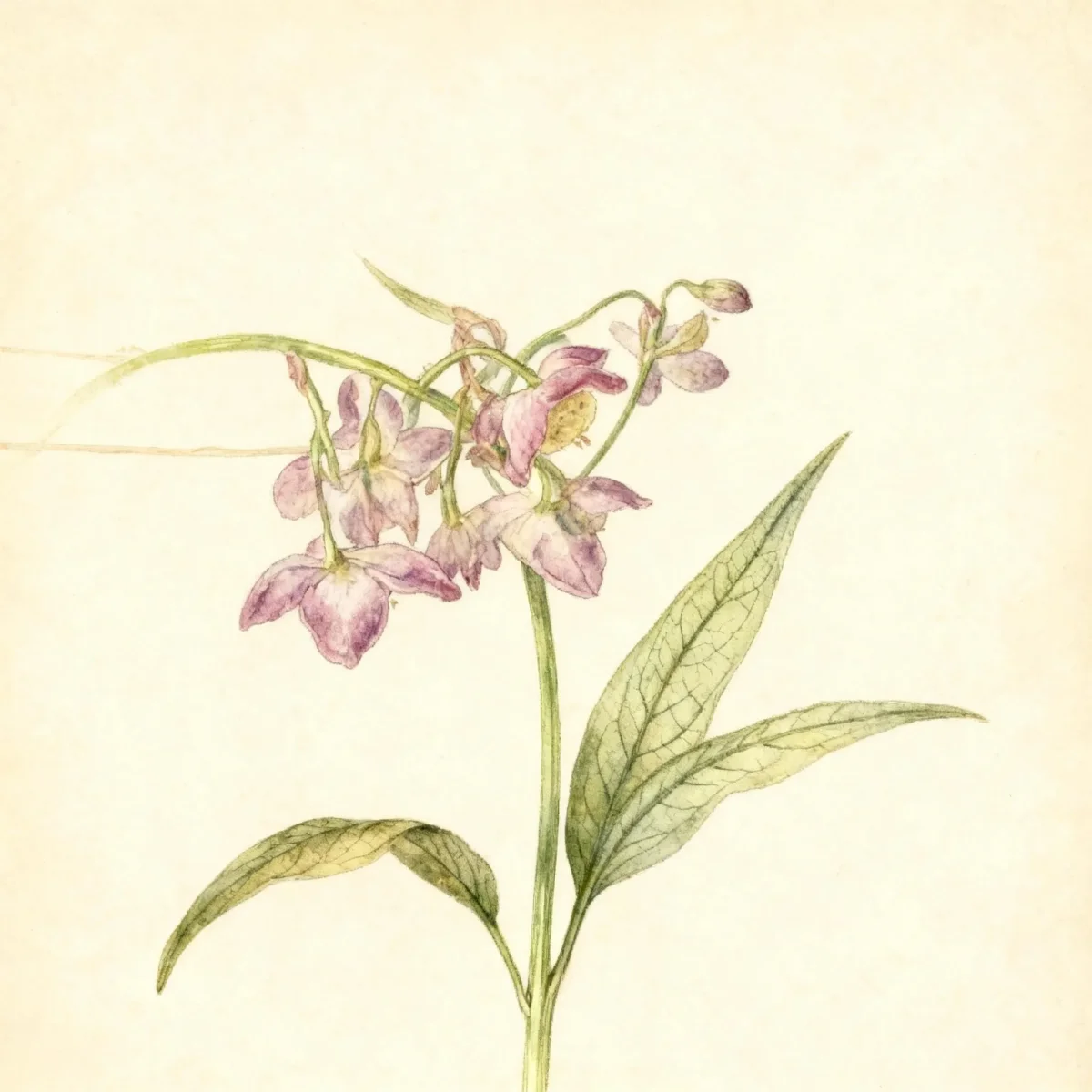
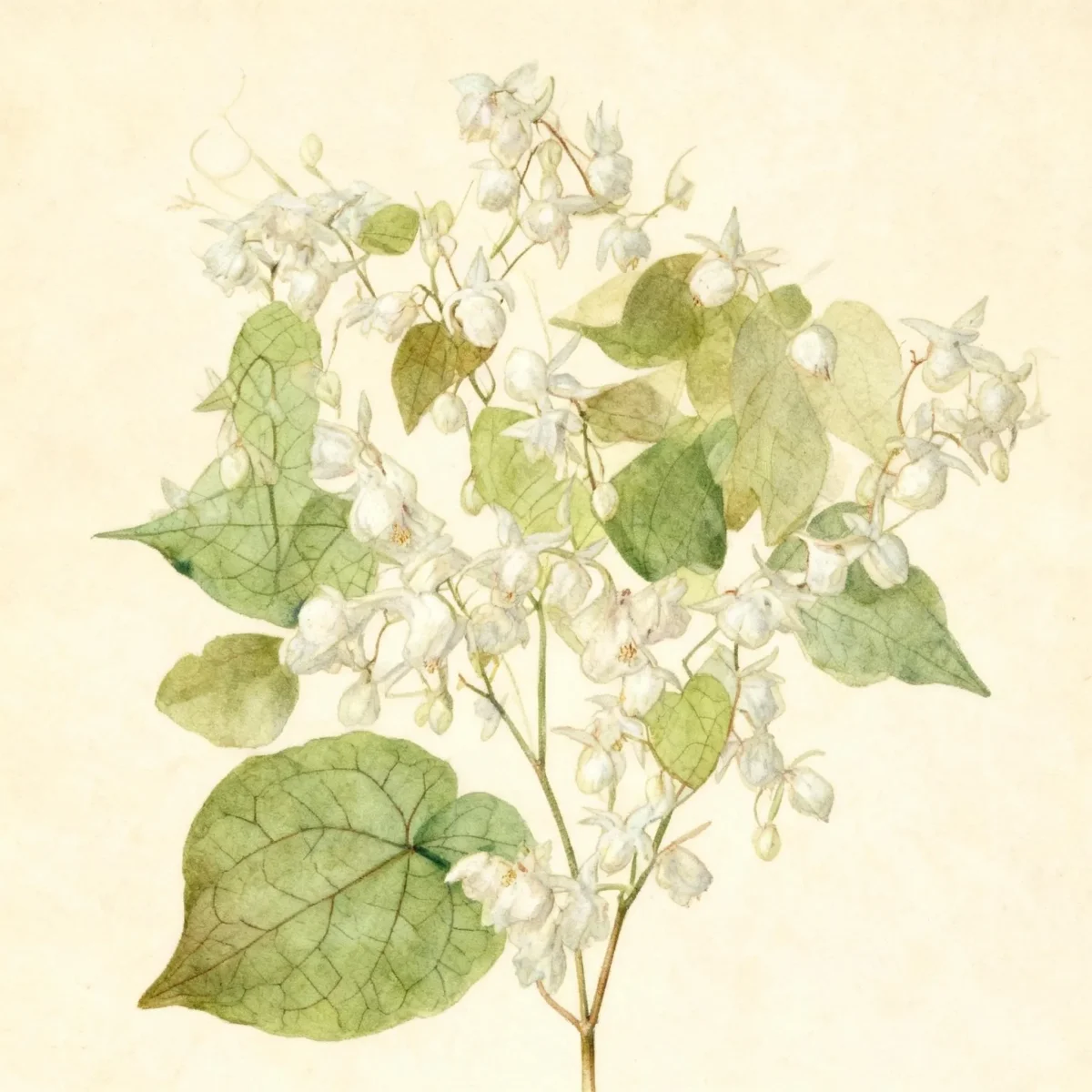
The spring display of Epimedium fargesii showcases unique flowers, nodding in shades of purple and white, complete with distinctive yellow stamens that add bright contrast against the emerging foliage. Native to woodland areas in Western China, this plant offers substantial aesthetic returns for very low cultural input once established.
For gardeners seeking reliable ground cover that resists common garden pests like deer and rabbits, Bishop’s hat is an invaluable addition. Its ability to thrive in dry shade makes it a go-to solution beneath mature trees or in the deep shadows cast by structures.
Fast Facts
- Plant Family: Berberidaceae
- Plant Type: Herbaceous perennial
- Native Range: Western China
- Hardiness Zones: USDA Zones 5-9
- Size at Maturity:
- Height: 1-1.5 ft
- Spread: 1-1.5 ft
- Bloom Time: April
- Bloom Description: Purple and white with yellow stamens
- Sun Exposure: Part shade to full shade
- Water Needs: Dry to medium
- Maintenance Level: Low
How to Grow
For reliable establishment, plant Epimedium fargesii during the early spring or fall. This Bishop’s hat thrives best in average, acidic, well-drained soils rich in organic matter. While it appreciates consistently moist loams during its initial growth phase, particularly if receiving dappled sun or morning exposure, it tolerates drought and dry shade exceptionally well once its established rhizomes anchor it.
Watering should be deep but infrequent once the plant is settled, mirroring its natural preference for dry to medium moisture conditions. Avoid planting where it receives intense afternoon sun, as the attractive foliage is highly susceptible to burning in hot conditions. Alkaline soils must be avoided, as this species is intolerant of high pH conditions.
Maintenance for Epimedium fargesii is remarkably low. Since it is largely evergreen, the only mandatory annual task is cutting back any tattered older foliage right before the new growth emerges in spring. This tidying reveals the fresh flower buds and new leaves, which often emerge with an appealing bronze tint before maturing to medium green. Division, if necessary to manage spread, should be done in early spring or fall.
Landscape Uses
Bishop’s hat proves exceptionally versatile, primarily functioning as a superb ground cover or a neat edger for shady pathways. Its slow but steady spread allows it to form dense colonies perfect for naturalizing in woodland or wild gardens where lawn maintenance is impractical. The reliability of Epimedium fargesii makes it an excellent filler beneath established, spreading trees whose root systems compete heavily for moisture.
Consider using this species to soften the transition between lawn areas and deep shade borders. Its evergreen nature provides valuable winter texture, contrasting nicely with deciduous shrubs. For color contrast in spring, pair the purple and white blooms with early spring bulbs like snowdrops or woodland phlox that prefer similar conditions.
When utilizing Epimedium fargesii as a mass planting, its uniformity creates a powerful textural carpet. It is also effective integrated into partially shaded rock gardens where its drought tolerance after establishment is a genuine asset. Planning ahead for massing allows the slow rhizomatous spread to knit together into an impenetrable, weed-suppressing layer.
Standout Features
Flower Qualities
- Showy
Noteworthy Characteristics
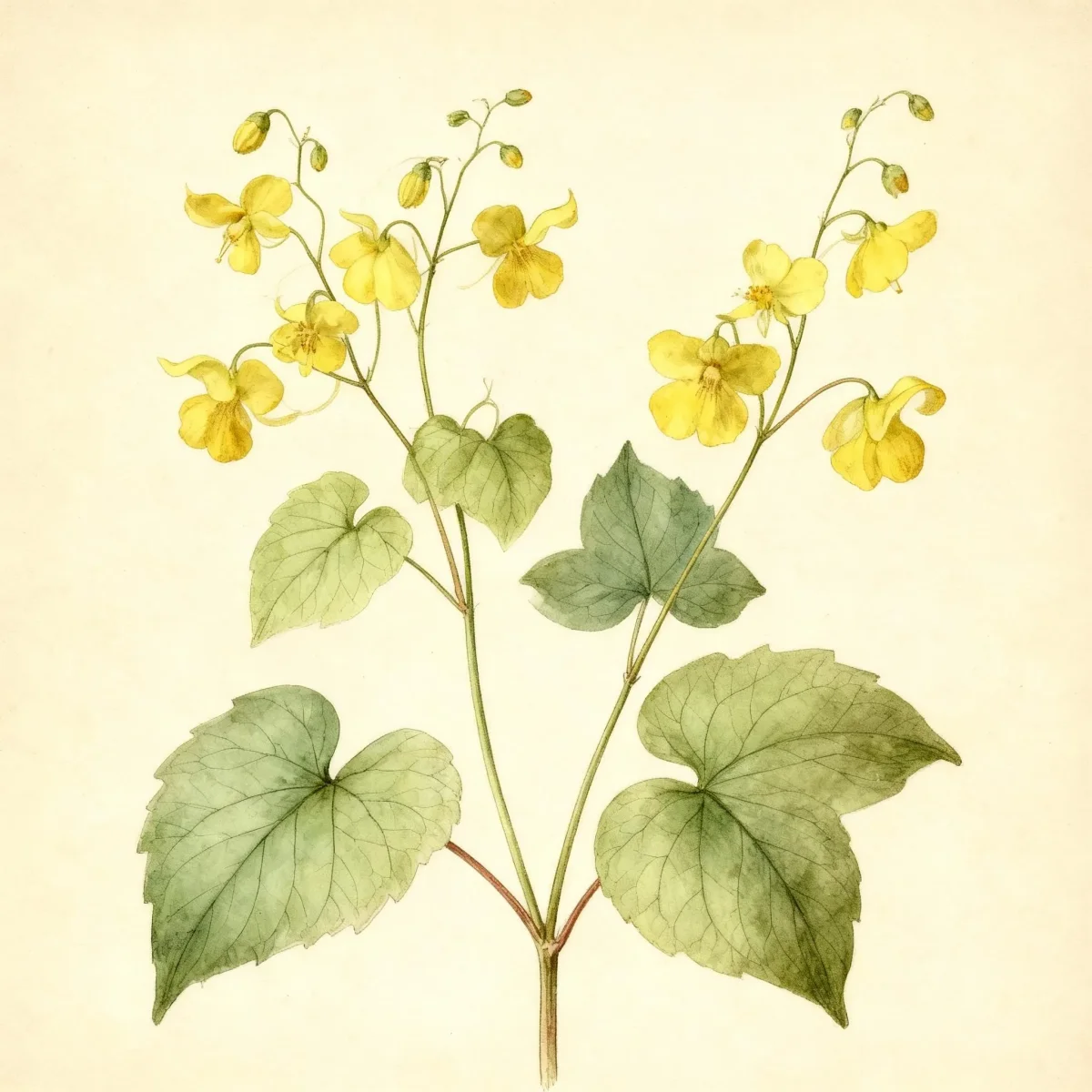
Epimedium fargesii is recognized as an evergreen perennial spreading via creeping rhizomes, thriving in the woodland understory of south central China. Its spring bloom features inflorescences carrying up to 25 flowers, notable for their light purple to white outer sepals and dark violet petals contrasted by showy, bright yellow stamens. The compound, trifoliate medium-green leaves offer dense visual interest, emerging bronze in spring before maturing to a solid green texture throughout the season.
Tolerances
- Rabbit
- Deer
- Drought
- Heavy Shade
- Erosion
- Dry Soil
- Shallow-Rocky Soil
Potential Problems
This plant rarely suffers from serious insect infestations or disease issues, making it highly rewarding for the gardener. The primary disease concern involves mosaic virus, which is transmitted by aphids; monitoring for and controlling aphid populations is the best preventative measure. By ensuring good air circulation and avoiding overly wet, dense conditions—which this species generally tolerates well anyway—the gardener can keep Epimedium fargesii healthy.
Frequently Asked Questions
What hardiness zones is Bishop’s hat suitable for?
Epimedium fargesii is reliably hardy across USDA Zones 5 through 9.
How large does Bishop’s hat grow?
This species typically matures to a height of 1 to 1.5 feet tall and spreads to a similar width of 1 to 1.5 feet.
What sun exposure does Epimedium fargesii need?
It performs best in part shade to full shade conditions; prolonged exposure to direct afternoon sun will cause the foliage to burn.
When does Epimedium fargesii bloom?
The bloom time for this Bishop’s hat is April, presenting purple and white flowers accented with yellow stamens.
Conclusion
The hardiness, evergreen foliage, and tolerance for dry shade make Epimedium fargesii an indispensable perennial for shaded landscapes. This Bishop’s hat offers remarkable value with minimal effort, providing textured cover and delicate spring flowers. Before planting, confirm your site provides acidic, well-drained soil and falls within USDA Zones 5-9 for the best chance of success.
Propagation Tips
Propagating Epimedium fargesii is straightforward, largely relying on the division of its spreading rhizomes. The best time to divide mature clumps is either in early spring just as new growth begins to appear or again in the fall after the summer heat has passed. Gently lift the clump and tease apart sections, ensuring each division retains several healthy roots and leaf nodes. Plant the divisions immediately at the same depth they were previously growing to encourage rapid re-establishment.
Due to their slow spreading nature, increasing coverage with Epimedium fargesii requires patience, but division is highly effective. Seed collection is an alternative, though germination can be inconsistent and the resulting plants may take several years to reach mature vigor compared to divided stock. Focus on division for reliable, fast results in the garden.
Companion Planting
Because Epimedium fargesii excels in dry, established shade, companion plants should share similar cultural needs to thrive alongside it. Hostas that prefer partial sun and good drainage are excellent partners, as their broad leaves provide textural contrast to the delicate leaflets of the Bishop’s hat. Early bloomers like Daffodils (Narcissus) or Spring Starflower (Ipheion uniflorum) can utilize the space before the dense canopy of the Epimedium fargesii fully develops for the season.
Also consider pairing this perennial with other woodland workhorses, such as Japanese Forest Grass (Hakonechloa macra), especially its variegated cultivars, which appreciate similar shade patterns. Since this plant manages dry soil well, avoid companions requiring consistently moist conditions, as this mismatch will lead to cultural conflicts, especially under established trees.